

Last Updated on August 26, 2026 by Daniel Globe
You can leave the Schengen Area on the final valid day of a short-stay visa, but the date printed in the visa’s “UNTIL” field is not the only limit you need to check. Your authorized number of stay days and the 90-days-in-any-180-days rule can require you to leave earlier. Last-day departures also leave very little room for cancellations, missed connections, or border-processing problems.
Quick Answer
Yes. You may leave the Schengen Area on the final day shown in your visa’s “UNTIL” field, but only if you still have authorized stay days remaining and comply with the 90-days-in-any-180-days limit. Your exit must also be completed in time. Leaving earlier is safer because disruptions can jeopardize a timely exit.
Key Takeaways
- Check both the visa’s “UNTIL” date and its “DURATION OF STAY” before deciding your last legal day.
- A short-stay visa is also subject to the general 90-days-in-any-180-days limit where applicable.
- For a flight connecting through another Schengen airport, your external-border exit check normally takes place at the final Schengen airport.
- Since April 10, 2026, the Entry/Exit System (EES) has been fully operational and can automatically identify covered short-stay travelers who overstay.
- Overstay consequences vary under national law and may include fines, removal, detention, or restrictions on future entry.
- Leaving at least one day before your last authorized day provides useful protection against travel disruptions.
What’s in This Article
- Can You Travel on the Day Your Schengen Visa Expires?
- Consequences of Overstaying a Schengen Visa
- Renewing or Extending a Schengen Visa
- Safer Alternatives to Last-Day Departures
- How to Prepare If You Must Travel on Your Expiry Date
- Tips for Smooth Travel on Your Expiry Date
- When to Seek Legal Advice About Visa Expiry
- Frequently Asked Questions
The Schengen Area currently covers 29 European countries. For holders of a short-stay Schengen visa, the safest way to identify the last authorized day is to check three separate limits: the visa’s validity period, the number of authorized stay days printed on the sticker, and the applicable 90/180-day calculation.
Disclosure: As an Amazon Associate I earn from qualifying purchases. Some links on this page are affiliate links, at no extra cost to you.
Can You Travel on the Day Your Schengen Visa Expires?
Yes, you can generally leave the Schengen Area on the last date shown in the “UNTIL” field of a valid short-stay visa, provided you have not already used all the days shown in the “DURATION OF STAY” field and have not exceeded the applicable 90-days-in-any-180-days limit.
Check These Three Limits First
- Visa validity: The “FROM” and “UNTIL” dates show the period during which the visa may be used. You must leave no later than the final authorized date.
- Duration of stay: The visa sticker states how many days you may actually spend in the Schengen Area. This can be shorter than the period between “FROM” and “UNTIL.” Entry and exit days are both counted.
- 90/180 rule: A short stay is generally limited to 90 days within any rolling 180-day period. The European Commission’s official short-stay calculator can help with this calculation, although visa holders must still separately check the authorized days printed on their sticker.
This means the date in the “UNTIL” field is the latest possible date permitted by the visa’s validity, not a guarantee that you still have permission to stay until that day. If your authorized number of days runs out earlier, the earlier date controls.
Your Flight Time Is Not the Only Thing That Matters
For air travel, plan around the external Schengen border check rather than relying only on the scheduled departure time. If you fly directly from a Schengen airport to a non-Schengen country, the exit check normally occurs at that departure airport. If you first take a Schengen flight and then connect to a non-Schengen destination, the exit check normally occurs at the airport where you board the flight leaving Schengen.
For example, on an itinerary from Rome to Frankfurt to New York, the Rome-to-Frankfurt segment is an internal Schengen flight. Your Schengen external-border exit check would normally take place in Frankfurt.
Warning: Do not assume that having a ticket dated for your final authorized day guarantees compliance. Missed connections, cancellations, late arrival at the external-border checkpoint, or an itinerary that keeps you inside Schengen longer than expected can create an overstay problem.
When possible, schedule your actual exit at least one day before your last authorized day. The extra buffer gives you more options if a flight, train, ferry, or road journey is disrupted.
Consequences of Overstaying a Schengen Visa
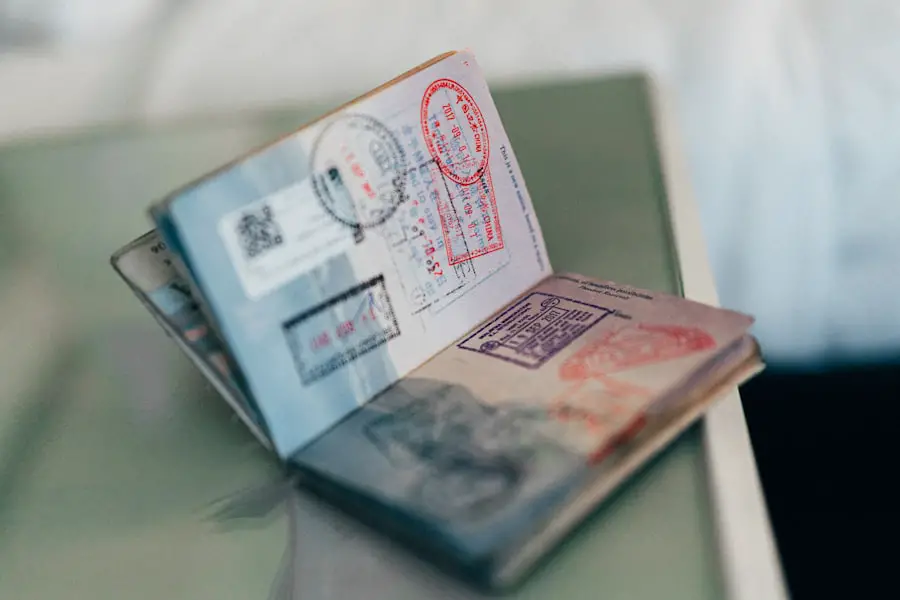
Staying beyond your authorized period can create immigration consequences, but the exact result is not identical in every Schengen country. Under national law and depending on the circumstances, an overstayer may face measures such as an administrative fine, removal from the territory, detention in some situations, or restrictions on future entry.
EES and SIS Are Different Systems
Since April 10, 2026, the Entry/Exit System (EES) has been fully operational at Schengen external borders for covered short-stay non-EU travelers. It digitally records entry and exit information and enables authorities to identify travelers who exceed their authorized stay.
The Schengen Information System (SIS) serves a different purpose. Among other categories, SIS can contain alerts connected with return decisions and refusal of entry or stay. An overstay does not automatically mean that every traveler receives a multi-year SIS entry ban.
If authorities issue a return decision or entry ban, that can have serious consequences across countries using the relevant Schengen systems. An immigration violation may also be considered in later visa applications when authorities review whether an applicant complied with previous immigration rules.
Note: Official EES guidance states that credible evidence of unforeseeable or mitigating circumstances, such as hospitalization after a serious injury, can be considered by competent authorities and may allow an overstay record to be corrected. This does not guarantee a particular outcome, so keep documentation and contact the relevant authority promptly.
Renewing or Extending a Schengen Visa
A short-stay Schengen visa is not simply “renewed” inside Europe because a traveler wants a longer holiday. However, Article 33 of the EU Visa Code allows the validity period, authorized duration of stay, or both to be extended in specified circumstances.
| Extension ground | Rule under Article 33 | EU Visa Code fee |
| Force majeure | The competent authority shall extend the visa when sufficient proof shows that force majeure prevents departure before the authorized period ends. | Free |
| Humanitarian reasons | The competent authority shall extend the visa when sufficient proof shows that humanitarian circumstances prevent timely departure. | Free |
| Serious personal reasons | The competent authority may extend the visa when the traveler provides proof of serious personal reasons. | €30 |
| Tourism or convenience alone | Wanting extra vacation time or preferring a later flight is not, by itself, one of the Article 33 grounds. | Not applicable |
The authority responsible for an extension is the competent authority of the Schengen country where you are present when you apply. Procedures and required evidence therefore vary by country. Documents may include your passport, visa, evidence of the event preventing departure, proof of accommodation or funds, medical documents, and transportation records.
Contact the competent immigration or border authority as soon as you know that you may be unable to leave within your authorized stay. Do not rely on an airline employee, hotel, travel agent, or insurance company to change your immigration status.
Pro Tip: Keep written evidence of any event that affects your departure, including airline cancellation notices, medical records, police reports, or official transport disruption notices. Such documents may be important if authorities need to assess why you could not leave on time.
Safer Alternatives to Last-Day Departures
The simplest way to reduce the risk of an accidental overstay is to schedule your Schengen exit at least one day before your last authorized day. Travelers with inflexible itineraries or multiple connections may benefit from an even larger buffer.
If you want to continue traveling in Europe, you can consider a destination outside the Schengen Area, such as Albania, Kosovo, Serbia, or the United Kingdom. However, check that country’s entry requirements for your nationality before booking. A valid Schengen visa does not automatically guarantee admission to every non-Schengen country.
Warning: Leaving the Schengen Area does not reset the 90-days-in-any-180-days calculation. The 180-day reference period keeps rolling. Before returning, make sure you still have sufficient Schengen days available and, if you require a visa, that your visa remains valid and has an unused entry.
If you need to live, study, work, or remain for a longer period in one Schengen country, investigate that country’s national long-stay visa or residence-permit rules. These operate separately from the ordinary short-stay Schengen visa system, and application procedures vary by country.
How to Prepare If You Must Travel on Your Expiry Date

Advance Planning Is Essential
First, calculate your actual last authorized day rather than relying only on the date printed after “UNTIL.” Confirm that you still have unused “DURATION OF STAY” days and that the 90/180 rule does not produce an earlier deadline.
If you must leave on that final day, choose an early departure when practical. A direct flight to a non-Schengen destination usually gives you a simpler exit plan than an itinerary with another Schengen connection.
Know Where Your Schengen Exit Happens
Review the full itinerary. If you travel from one Schengen airport to another before flying outside Schengen, the external-border check normally takes place at the final Schengen airport. Allow enough connection time to complete that process.
For example, Madrid to Paris to Toronto normally means that Paris is the Schengen exit point. A delay between Madrid and Paris can therefore matter even though you began traveling earlier in the day.
Minimize Delay Risk
Book direct transportation where practical and avoid unusually tight connections. Check the airline’s check-in and boarding deadlines, airport conditions, strikes, severe weather, and schedule changes before departure.
Carry your passport and visa, booking confirmation, onward ticket, and any documents that may help explain your itinerary. If a disruption occurs, ask the airline or transportation provider for written confirmation.
Reduce Stress and Show Compliance
Arrive earlier than you normally would and allow time for check-in, security, transportation inside the terminal, and border control. Waiting until the final minutes of the last authorized day creates unnecessary immigration risk.
Tips for Smooth Travel on Your Expiry Date
Use the European Commission’s official short-stay calculator before travel if the 90/180 rule applies to you. Remember that the calculator does not replace the need to check a visa sticker that authorizes fewer than 90 days.
Track your flight or other transportation before departure and keep notifications enabled. If the schedule changes far enough in advance, rebooking to an earlier service may prevent the problem entirely.
Travel insurance can help with eligible financial losses caused by cancellations or delays, but insurance does not extend your immigration permission. Its documents, together with airline records and other evidence, may help show what happened if authorities later ask about an unavoidable disruption.
If your flight is cancelled before you have completed the relevant Schengen exit and no timely alternative is available, contact the competent border or immigration authority as soon as possible and explain the situation. Ask the airline for written cancellation evidence and keep records of your attempts to leave.
If a cancellation occurs after you have passed border control and airport staff direct you back into the Schengen side of the airport, follow the instructions of border police or immigration officers. Do not assume that a previous exit record automatically resolves your status after you re-enter the controlled territory.
When to Seek Legal Advice About Visa Expiry
Professional immigration advice can be useful when your authorized stay is unclear, you have already exceeded it, you receive a return decision or entry ban, an extension request is denied, or an emergency prevents you from following normal departure procedures.
A qualified immigration lawyer or other legally authorized adviser who works with the country involved can review the applicable national procedure, help prepare evidence, explain appeal deadlines, and communicate with authorities where local law permits.
Note: EU rules provide the common framework, but fines, return procedures, entry bans, appeals, and administrative practices can differ among Schengen countries. Advice should therefore be specific to the country handling your case.
Acting early usually gives you more procedural options. If an authority issues a formal decision, read it carefully and pay attention to any deadline or instructions for appeal.
For more information on visa requirements and travel tips, visit TakeTravelInfo. When preparing for international travel, the right gear also matters — see the guide to the best carry-on luggage for international travel and the roundup of must-have universal travel adapters to stay powered on the road.
Frequently Asked Questions
What is a Schengen visa?
A Schengen short-stay visa allows eligible non-EU nationals to make temporary visits within the Schengen Area, generally subject to a maximum of 90 days in any 180-day period. The visa sticker can authorize fewer days, so travelers must also follow its validity dates, duration of stay, territorial validity, and number of entries.
Can I travel on the day my Schengen visa expires?
Yes. You can normally leave on the final date shown in the visa’s “UNTIL” field as long as you still have authorized stay days remaining and have not exceeded the applicable 90/180 limit. A last-day departure is risky because disruptions may prevent you from completing your Schengen exit on time.
What happens if I overstay my Schengen visa?
Consequences depend on the country and circumstances. They may include an administrative fine, removal, detention in some cases, or restrictions on future entry. EES can automatically identify covered short-stay travelers who exceed their authorized stay, while formal return or refusal-of-entry decisions can involve other Schengen information systems.
Can I extend my Schengen visa while I’m in the Schengen Area?
Possibly. Article 33 of the EU Visa Code provides for extensions when force majeure or humanitarian reasons prevent timely departure and allows extensions for serious personal reasons. The competent authority is normally the authority of the Schengen country where you are present when applying, and you must provide supporting evidence.
What should I do if my Schengen visa is about to expire and I need to stay longer?
Contact the competent immigration or border authority as soon as possible. Explain why you cannot leave and ask whether Article 33 or another national procedure applies. If you do not qualify for an extension, arrange a lawful departure rather than assuming that an airline cancellation, hotel booking, or travel-insurance claim automatically extends your stay.
Does leaving the Schengen Area reset my 90 days?
No. The standard rule is 90 days in any rolling 180-day period. Leaving Schengen stops you from accumulating additional Schengen-stay days while you are outside, but it does not erase the days you already used. Your eligibility to return changes gradually as older stay days fall outside the rolling 180-day window.
Where do I exit Schengen if my flight connects through another Schengen airport?
For a typical itinerary where you take an internal Schengen flight and then connect to a flight outside Schengen, the external-border exit check takes place at the final Schengen airport. For example, on Rome–Frankfurt–New York, Frankfurt is normally the Schengen exit point.
What if my flight is cancelled on my last authorized day?
Ask the airline for the earliest alternative and written proof of the cancellation. If you cannot complete your Schengen exit within the authorized period, contact the competent border or immigration authority promptly. Keep evidence of the disruption and follow official instructions rather than simply remaining without reporting the problem.
Legal Disclaimer: This article is for general informational purposes only and does not constitute legal or immigration advice. Visa rules, national procedures, and individual circumstances can change the result in a particular case. Confirm your situation with the competent immigration or border authority, relevant consulate, or a qualified immigration professional before relying on this information.
Bottom line: The date printed after “UNTIL” can be your final departure day, but only if you still have authorized stay days available and comply with the 90/180 rule. Check your visa carefully, identify the airport or border where your actual Schengen exit will occur, and leave a buffer whenever possible. If an unavoidable emergency prevents departure, document it and contact the competent authority promptly.
Sources
- Schengen Area — European Commission — current Schengen membership and framework.
- Applying for a Schengen Visa — European Commission — short-stay visa basics and the 90/180 rule.
- Short-Stay Calculator — European Commission — official guidance for calculating stays under the 90-days-in-any-180-days rule.
- Entry/Exit System (EES) — European Commission — digital entry and exit records and automatic identification of overstayers.
- EU Visa Code — EUR-Lex — Article 33 rules for extending an issued visa.
- Schengen Borders Code — EUR-Lex — rules governing external-border checks, including airport transfers.

