
Last Updated on September 11, 2026 by Daniel Globe
Cambodian fruit names are useful vocabulary for markets, restaurants, street stalls, and everyday travel. A few of the most useful Khmer words are ស្វាយ for mango, សាវម៉ាវ for rambutan, ទុរេន for durian, មង្ឃុត for mangosteen, and ផ្លែស្រកានាគ for dragon fruit. Learn the Khmer spelling first, because English romanization can vary between dictionaries and travel guides.
Quick Answer
Common Cambodian fruit names include mango ស្វាយ, rambutan សាវម៉ាវ, mangosteen មង្ឃុត, durian ទុរេន, jackfruit ខ្នុរ, and dragon fruit ផ្លែស្រកានាគ. Mango is especially widespread in Cambodia, while rambutan, durian, and mangosteen become easier to find during their stronger harvest periods.
Key Takeaways
- Mango is ស្វាយ, rambutan is សាវម៉ាវ, durian is ទុរេន, and dragon fruit is ផ្លែស្រកានាគ.
- Khmer romanization is not fully standardized, so spellings such as svay/svaay or touren/turein may refer to the same Khmer word.
- Keo Romeat is a more useful Cambodian mango variety to know than imported varieties such as Ataulfo.
- Fruit seasons are approximate because weather, province, imports, and off-season production affect what reaches a market.
- For travelers, fruit you wash with safe water and peel yourself is generally a safer choice than pre-cut raw fruit when hygiene is uncertain.
Disclosure: As an Amazon Associate I earn from qualifying purchases. Some links on this page are affiliate links, at no extra cost to you.
What Are the Main Cambodian Fruit Names?
The most useful Cambodian fruit names are the ones you are likely to see or hear in local markets. Cambodia’s agricultural statistics include mango, banana, papaya, jackfruit, rambutan, mangosteen, durian, dragon fruit, guava, longan, and many other cultivated fruits. The Cambodian Ministry of Agriculture’s agricultural dictionary and Cambodia-focused educational materials also provide useful Khmer terminology for individual fruits.
| English | Khmer | Simple pronunciation guide |
|---|---|---|
| Mango | ស្វាយ | svay / svaay |
| Rambutan | សាវម៉ាវ | sav mav / sao mao |
| Mangosteen | មង្ឃុត | mongkhut |
| Durian | ទុរេន | touren / turein |
| Jackfruit | ខ្នុរ | khnor / khnaor |
| Dragon fruit | ផ្លែស្រកានាគ | phlae sraka neak |
| Pineapple | ម្នាស់ | mnoah |
| Banana | ចេក | chek |
| Papaya | ល្ហុង | lhong |
| Coconut | ដូង | dong / duong |
| Guava | ត្របែក | trabaek |
| Watermelon | ឪឡឹក | ovloek / aulœk |
Note: Khmer romanization varies between dictionaries and travel guides. Treat the English pronunciation spellings above as rough aids rather than a single official system. The Khmer script is the more reliable reference.
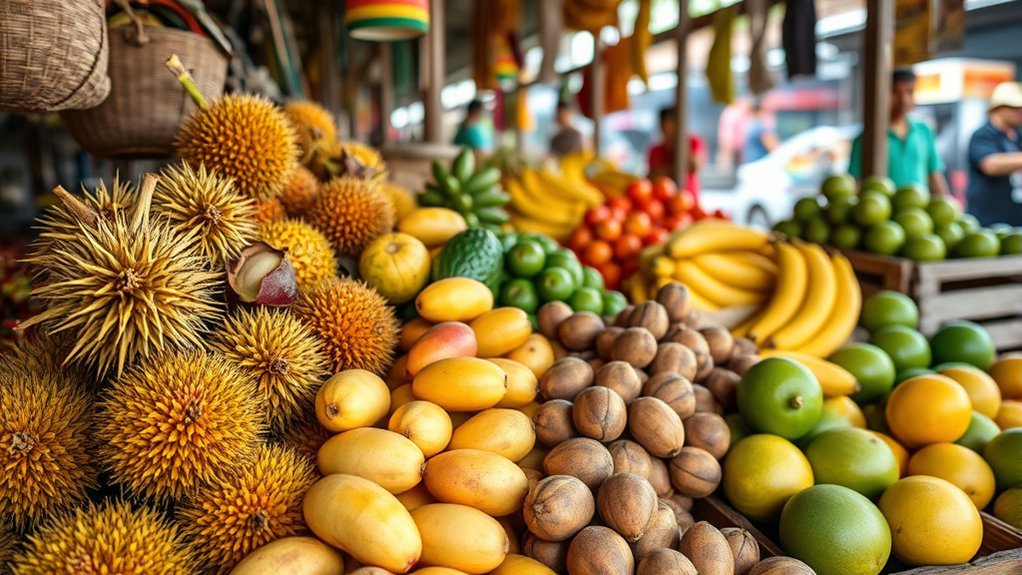
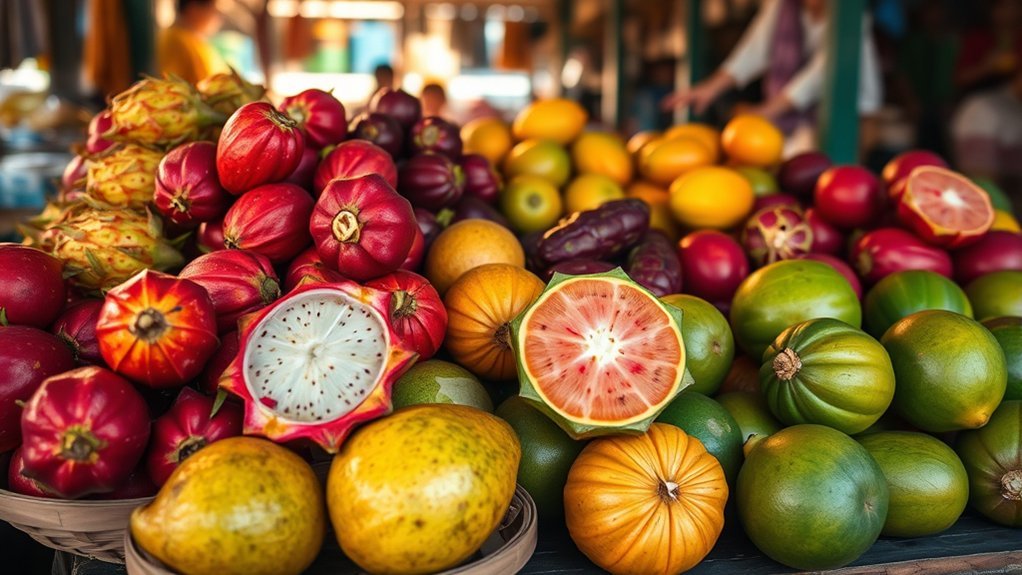
Mango can be eaten ripe for sweetness or green with a salty, spicy dip. Rambutan has a soft, hairy-looking rind around translucent flesh. Durian has a thorny husk and a strong aroma, while mangosteen has a thick purple rind and soft white segments. Dragon fruit is easy to recognize by its bright skin and scale-like green tips.
Common Cambodian Fruits for Everyday Markets
In Cambodian markets, you are likely to encounter familiar tropical fruits such as mango, banana, papaya, coconut, jackfruit, guava, rambutan, and dragon fruit. National agriculture data confirms that mango and banana are especially widespread crops, with jackfruit also grown by a large number of agricultural households.
Cambodia’s 2023 Agriculture Survey reported mango cultivation on about 608,000 agricultural holdings, showing how deeply established the fruit is in the country’s farming landscape.
For mango, a useful Cambodian variety to know is Keo Romeat. The Food and Agriculture Organization identifies Keo Romeat as a locally distinctive Cambodian mango with orange flesh and a balanced sweet flavor. It can be sold green or ripe, and off-season production can extend availability beyond the main harvest.
When choosing market fruit, look for signs appropriate to the fruit rather than relying on color alone. Avoid badly split, leaking, moldy, or heavily bruised produce. Rambutan should look fresh rather than extremely dried out, mangosteen should not feel rock-hard and desiccated, and cut jackfruit should look fresh and clean. Prices change by season, location, grade, and supply, so ask the vendor for the current price instead of relying on an old per-fruit estimate.
Pro Tip: If you want to taste a Cambodian mango variety rather than simply “a mango,” ask whether the vendor has Keo Romeat. It is one of the country’s best-known commercial mango varieties.
Dragon Fruit, Rambutan, and Other Popular Picks
Dragon fruit is ផ្លែស្រកានាគ in Khmer. It usually has vivid pink or red skin with green-tipped scales and flesh that may be white or red-purple depending on the variety. Its flavor is generally mild, lightly sweet, and refreshing.
Rambutan, or សាវម៉ាវ, has a red, yellow, or orange rind covered in soft hair-like projections. Inside is translucent white flesh surrounding a seed. Its flavor is often compared with lychee, though rambutan has its own texture and sweetness.
Dragon Fruit Basics
Dragon fruit is commonly eaten fresh, chilled, or blended into drinks. Different varieties vary in sweetness, flesh color, and size, so the appearance of one dragon fruit does not represent every type. Like other fruit, it contributes water, carbohydrates, and micronutrients to the diet. It is better to describe those nutrients accurately than to assume every dragon fruit qualifies as a “high” source of a specific vitamin without checking the variety and serving size.
To eat it, cut the fruit in half and scoop out the flesh, or peel away the skin and slice the flesh. The small black seeds are eaten with the pulp.
Rambutan Sweetness
Rambutan gives you a sweeter and usually juicier experience than mild dragon fruit. Peel or split the rind, eat the white flesh, and avoid biting hard into the central seed. Rambutan is enjoyable as a fresh snack and also pairs well with citrus, coconut, or other tropical fruits.
- Choose fruit with a reasonably fresh-looking rind and flexible hairs.
- Peel the rind before eating.
- Chill the fruit if you prefer it cold.
- Eat the flesh around the seed rather than chewing the seed itself.
Fruits and vegetables as a group are important dietary sources of nutrients such as vitamin C. However, a single nutrient should not be turned into an unsupported claim that rambutan will improve hair or treat a health problem.
Other Market Favorites
Cambodian markets can also offer mangosteen, longan, jackfruit, papaya, coconut, guava, pineapple, watermelon, sapodilla, rose apple, santol, and seasonal local fruits. What you find on a particular day depends on the province, harvest, weather, and supply from other parts of Cambodia or neighboring countries.
That variation is part of the value of visiting a market: instead of expecting every fruit every month, ask what is local and freshest that day.
Mango, Jackfruit, and Durian in Khmer
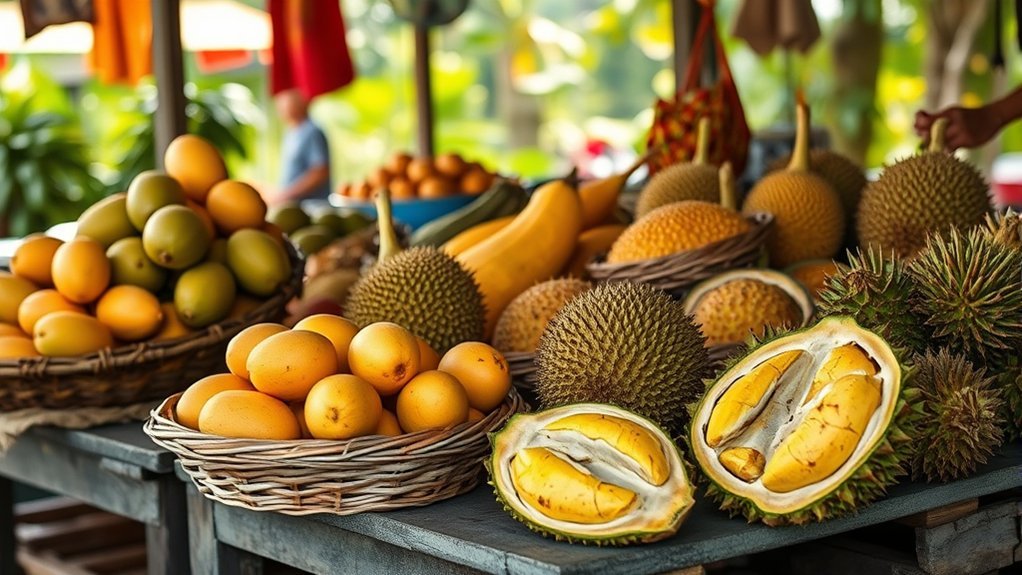
In Khmer, mango is ស្វាយ (svay/svaay). Cambodians eat mango at different stages of ripeness. Firm green mango can be sliced and paired with salty, sweet, or spicy seasonings, while ripe mango is softer and sweeter.
Jackfruit is ខ្នុរ (khnor/khnaor), and you may also see it written as ផ្លែខ្នុរ when the word for fruit is included. A whole jackfruit is large and difficult to open, so markets commonly offer edible yellow bulbs already separated from the rind and fibrous interior. Ripe jackfruit is sweet and aromatic, while immature jackfruit is used differently in savory cooking.
Durian is ទុរេន (touren/turein). Its thick, thorny husk protects soft sections of creamy flesh. The aroma is intense enough that some hotels, buses, and other enclosed places may restrict durian, so check local rules before carrying an opened fruit indoors.
For storage, avoid bruising fruit and refrigerate cut fruit promptly. Whole-fruit storage depends on the species and ripeness, so do not assume every tropical fruit should be handled in exactly the same way.
What Do Cambodian Fruit Names Mean?
Not every Cambodian fruit name literally describes its color, taste, or cultural status. Some are ordinary Khmer vocabulary, while others have histories influenced by neighboring languages. It is safer to learn the actual word than to invent a meaning from a nickname.
The general Khmer word for fruit is ផ្លែឈើ. The element ផ្លែ can also appear before the name of a particular fruit. That is why you may encounter forms such as ផ្លែខ្នុរ for jackfruit or ផ្លែស្រកានាគ for dragon fruit.
The international word rambutan comes from a Malay/Indonesian word associated with “hair,” a reference to the fruit’s hairy-looking rind. That etymology should not be confused with the Khmer name សាវម៉ាវ.
Similarly, the word durian is historically connected with a Malay word for thorn. Calling durian the “king of fruits” is a cultural nickname; it is not the literal meaning of the Khmer word ទុរេន. Mangosteen is sometimes nicknamed the “queen of fruits,” but that nickname should not be presented as the etymology of មង្ឃុត.
How Cambodians Eat Fruit With Chili Salt
One of the easiest Cambodian fruit snacks to recognize is firm, sour fruit served with a salty-spicy dip. Green mango is especially well suited to this style because its tart, crisp flesh contrasts with salt, chili, and sometimes sugar or other seasonings.
- Choose firm, unripe mango when you want a crisp, sour bite.
- Dip lightly at first if you are not used to salty or spicy seasoning.
- Expect the seasoning recipe to vary between vendors and households.
- Other tart fruits may be prepared in similar ways.
The appeal comes from contrast: sour fruit, salt, sweetness, and chili can all appear in one bite. It is a simple snack and a useful example of how fruit fits into everyday Cambodian food culture rather than being reserved only for dessert.
Warning: When traveling, be more cautious with fruit that has already been cut or peeled if you are uncertain about hand hygiene or water quality. CDC travel guidance says fruit you wash with safe water and peel yourself is generally a safer option in places where sanitation is uncertain.
Which Cambodian Fruits Taste Sweet or Sour?
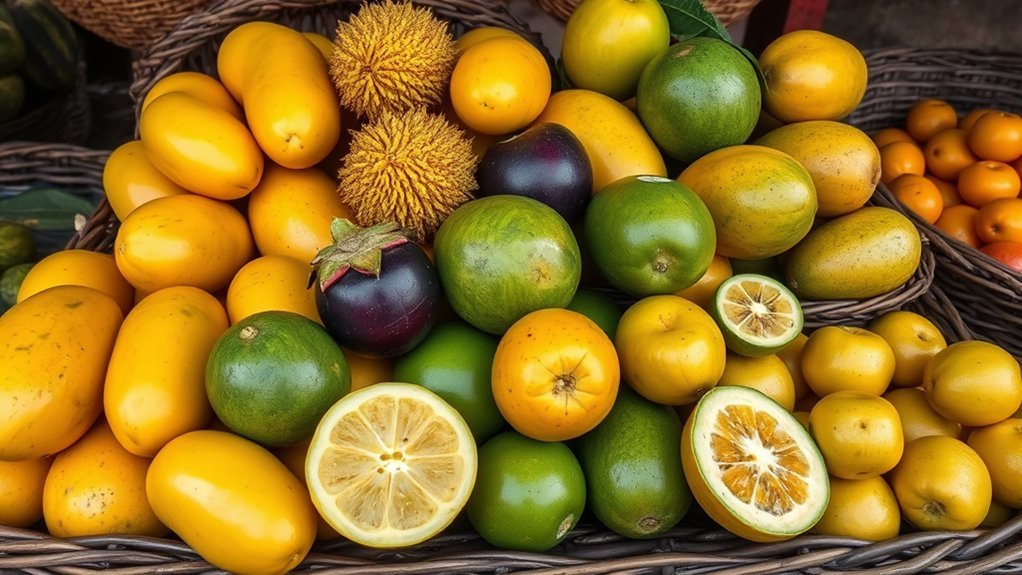
The flavor of Cambodian fruit depends heavily on variety and ripeness. Ripe mango, rambutan, ripe jackfruit, mangosteen, longan, and ripe durian generally lean sweet. Green mango, tamarind, bilimbi, hog plum, and other fruits can be sharply sour or sweet-sour.
Do not judge every fruit by its ripe version. Green and ripe mango, for example, can taste so different that they are used almost like separate ingredients. Immature jackfruit also lacks the sweetness and aroma of ripe jackfruit and is better suited to savory dishes.
Sweet Cambodian Fruits
Several Cambodian market fruits develop strong sweetness when fully ripe:
- Ripe mango: soft, fragrant, and sweet; Cambodia’s Keo Romeat is an important local example.
- Rambutan: juicy, translucent flesh with mild to pronounced sweetness.
- Longan: translucent flesh with a sweet, lightly floral flavor.
- Mangosteen: soft white segments with a sweet-tart balance.
- Durian: creamy flesh with sweetness, richness, and a distinctive aroma.
- Ripe jackfruit: aromatic yellow flesh with a pronounced tropical sweetness.
Ripeness cues differ by fruit, so use smell, firmness, intact skin, and the vendor’s advice together rather than relying on one universal test.
Sour Cambodian Fruits
Cambodian food culture also makes good use of tart fruit. Green mango is one of the easiest examples: it can be sliced for snacks or salads and paired with salty, spicy, sweet, or savory ingredients.
Bilimbi is intensely sour and is more often valued as a cooking ingredient or condiment than as a sweet snack. Hog plum and similar fruits can also bring a crisp, tangy character to salads and snacks. Tamarind ranges from sharply sour to sweet-sour depending on the type and maturity, making it useful in drinks, sauces, sweets, and cooking.
Seasonal Cambodian Fruit Names You’ll Hear
Fruit seasons in Cambodia are useful guides, not fixed guarantees. Rainfall, growing province, variety, farm practices, imports, and off-season production can all change what appears in a market.
- ស្វាយ — mango: Cambodia’s main commercial mango season is broadly concentrated around February through June, although Keo Romeat and other production systems can provide off-season fruit.
- សាវម៉ាវ — rambutan: usually becomes more abundant around the rainy-season months; June through September is a useful approximate window, but timing varies.
- មង្ឃុត — mangosteen: stronger availability commonly overlaps with the early to middle rainy-season fruit period.
- ទុរេន — durian: Cambodian durian is strongly associated with the wetter fruit season, with timing varying among producing areas such as Kampot, Kampong Cham, Battambang, Mondulkiri, and Ratanakkiri.
- ផ្លែស្រកានាគ — dragon fruit: market availability can extend beyond one short harvest window, so ask whether the fruit is locally harvested and in season.
Note: “In season” and “available at the market” are not the same thing. Imports and off-season farming can keep a fruit on sale even when the main local harvest has passed.
Medicinal Cambodian Fruits and Their Uses
Cambodian ethnobotanical references document traditional uses for many fruit-bearing plants, but those records should be understood as descriptions of traditional practice, not proof that a fruit or plant preparation can safely treat a disease.
For example, Cambodian plant references describe golden apple or bael (Aegle marmelos), known in Khmer as ភ្នៅ, as both an edible fruit tree and a plant used in local traditional medicine. Other Cambodian plants, including Lepisanthes rubiginosa, appear in ethnobotanical records connected with traditional remedies. These records are valuable for understanding cultural plant knowledge, but they should not be converted into promises that a fruit will cure fever, diarrhea, respiratory illness, inflammation, or another medical condition.
Mangosteen, rambutan, bilimbi, and other fruits can be discussed first as foods. Rambutan and mangosteen contribute nutrients as part of a varied diet, while bilimbi is especially useful for its intense sourness in cooking. Nutritional value does not automatically make a fruit a medical treatment.
Warning: Do not use fruit, roots, leaves, bark, seeds, or homemade plant preparations to treat fever, diarrhea, breathing problems, or another illness solely because of a traditional-use claim. Plant parts can have very different safety profiles from the edible fruit. Seek qualified medical advice for persistent or serious symptoms.
How to Ask for Fruit in Khmer Markets
You do not need fluent Khmer to make fruit shopping easier. Start with the fruit name, learn a few price words, and use gestures when necessary. Pronunciation changes slightly by speaker and region, so treat romanization as an approximation.
| Khmer | Meaning | Use |
|---|---|---|
| ផ្លែឈើ | Fruit | General word for fruit. |
| ផ្លែ + fruit name | Fruit + specific name | Useful with names such as ផ្លែខ្នុរ or ផ្លែស្រកានាគ. |
| ថ្លៃប៉ុន្មាន? | How much? | Ask the current price. |
| ខ្ញុំចង់បានបីផ្លែ | I want three fruits / three pieces. | Useful when buying individual fruit. |
| មានផ្លែឈើស្រស់ទេ? | Do you have fresh fruit? | A simple freshness question. |
Numbers are also useful. មួយ is one, ពីរ is two, and បី is three. Even if your pronunciation is imperfect, combining a fruit name, number, and pointing usually makes a market purchase much easier.
Frequently Asked Questions
What Is the Famous Fruit in Cambodia?
There is no single official “most famous” fruit, but mango is one of Cambodia’s most important and recognizable fruits. Cambodia selected mango for FAO’s One Country One Priority Product initiative, with particular attention to the Keo Romeat variety. Durian is also culturally prominent and is often called the “king of fruits.”
What Is “I Love You” in Cambodia?
In Khmer, a widely understood way to say “I love you” is ខ្ញុំស្រឡាញ់អ្នក, often romanized approximately as khnhom sralanh anak. Pronunciation and the choice of pronouns can change with relationship and context.
What Are the 12 Fruit Names?
Twelve useful Cambodian fruit names are mango ស្វាយ, rambutan សាវម៉ាវ, mangosteen មង្ឃុត, durian ទុរេន, jackfruit ខ្នុរ, dragon fruit ផ្លែស្រកានាគ, pineapple ម្នាស់, banana ចេក, papaya ល្ហុង, coconut ដូង, guava ត្របែក, and watermelon ឪឡឹក.
What Are the 10 Rarest Fruits?
There is no authoritative worldwide ranking of the ten rarest fruits because rarity changes by country, season, cultivation, and import access. Depending on where you live, less familiar fruits may include kepel, salak, langsat, Burmese grape, santol, Java cola, cacao fruit, star apple, mangosteen, or rambutan. Several of those are not especially rare in the regions where they are grown.
How Do You Say Fruit in Khmer?
The general Khmer word for fruit is ផ្លែឈើ. You will also see ផ្លែ placed before individual fruit names, such as ផ្លែខ្នុរ for jackfruit and ផ្លែស្រកានាគ for dragon fruit.
Why Do Cambodian Fruit Pronunciations Look Different in English?
Khmer can be romanized in more than one way, so the same word may appear with different English spellings. For example, ស្វាយ may be written as svay or svaay, while ទុរេន may appear as touren, turen, or turein. The Khmer script itself is the best reference.
Sources
- Cambodia National Institute of Statistics — Cambodia Agriculture Survey 2023: Crop Production — supports national fruit-crop prevalence and mango cultivation data.
- Cambodia Ministry of Agriculture, Forestry and Fisheries — Agricultural Dictionary — supports Khmer agricultural and fruit terminology including jackfruit and mangosteen.
- Food and Agriculture Organization — One Country One Priority Product: Cambodia — supports Keo Romeat mango’s importance and Cambodia-specific mango context.
- Cambodia Fruit Vocabulary Educational Guide — supports common Khmer fruit terms including rambutan, mangosteen, jackfruit, mango, durian, and dragon fruit.
- CDC Travelers’ Health — Food and Drink Considerations When Traveling — supports safer handling and selection of raw and pre-cut fruit while traveling.
- NIH Office of Dietary Supplements — Vitamin C Fact Sheet — supports cautious, evidence-based discussion of vitamin C and fruit nutrition.
Conclusion
Learning Cambodian fruit names gives you more than a vocabulary list. Words such as ស្វាយ for mango, សាវម៉ាវ for rambutan, មង្ឃុត for mangosteen, ទុរេន for durian, ខ្នុរ for jackfruit, and ផ្លែស្រកានាគ for dragon fruit help you recognize produce and communicate more clearly in Cambodian markets.
Remember that English romanization can vary, fruit seasons shift with weather and production, and market prices change constantly. Learn the Khmer script where possible, ask vendors what is freshest, and try ripe and unripe fruits in the ways local people commonly enjoy them. Those simple habits make Cambodian fruit culture much easier to understand and explore.
