
Last Updated on September 27, 2026 by Caleb Warren
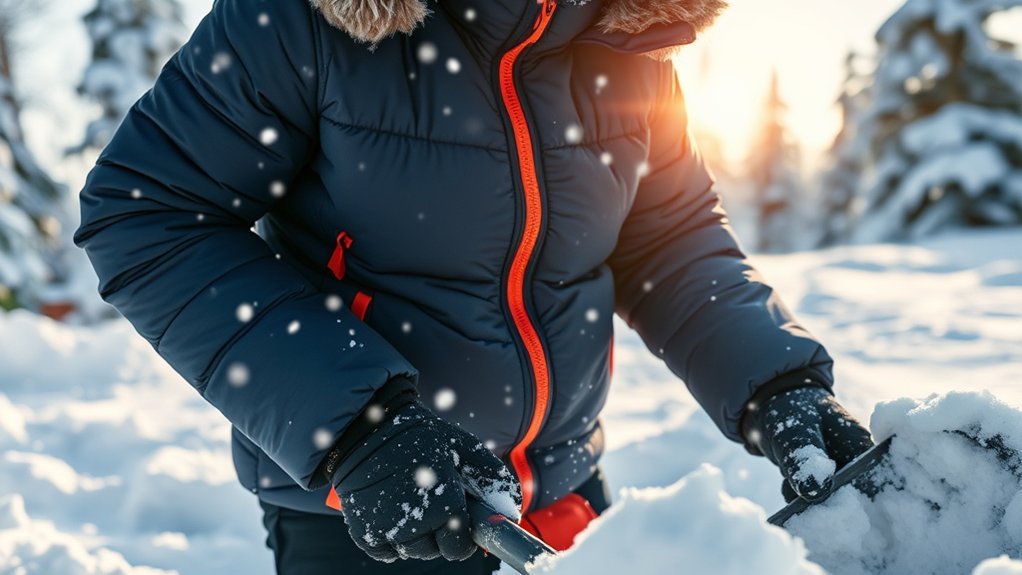
The best winter jacket for snow shoveling should keep you warm and dry without trapping too much sweat. Shoveling is physical work, so a heavy coat that feels comfortable while standing still may become too warm once you start moving.
Look for a breathable, weather-resistant jacket with enough room for layers. A waterproof insulated jacket works well in wet snow, while a protective shell over a removable insulating layer gives you more control over your temperature.
This guide explains how to compare insulation, waterproofing, mobility, storage, and durability so you can choose a jacket that fits your winter conditions.
Winter Jackets for Snow Shoveling Compared
| Jacket Type | Suitable Conditions | Main Advantage | What to Consider |
|---|---|---|---|
| Waterproof insulated jacket | Cold weather, wet snow, and slush | Combines insulation with weather protection | May become too warm during heavy work |
| Waterproof shell with separate layers | Changing temperatures and extended outdoor work | Adjustable warmth through removable layers | Requires a separate insulating layer |
| Insulated softshell | Dry snow and active winter chores | Flexible construction and comfortable movement | Water resistance varies by model |
| Heavy insulated work coat | Very cold weather and slower outdoor tasks | Substantial insulation and durable construction | Extra bulk may restrict movement and trap heat |
Which Winter Jacket Should You Buy?
Your ideal jacket depends on the weather, how long you expect to work, and how easily you become warm during physical activity.
- For wet, heavy snow: Choose a waterproof jacket with protective seams and an adjustable hood.
- For changing temperatures: Choose a waterproof shell with removable insulating layers.
- For frequent bending and lifting: Look for articulated sleeves, stretch panels, and a comfortable shoulder fit.
- For very cold conditions: Use appropriate insulation with a wind-resistant outer layer.
- For repeated winter chores: Prioritize durable fabric, reliable closures, and comfortable pocket placement.
How We Chose
The buying criteria focus on the features that matter during active winter work rather than warmth alone.
- Weather protection: Waterproof or water-resistant construction suited to snow and slush.
- Temperature control: Insulation, breathability, ventilation, and layering options.
- Movement: Enough flexibility for bending, pushing, lifting, and reaching.
- Practical features: Accessible pockets, adjustable closures, and adequate coverage.
- Durability: Shell materials, seams, zippers, and care requirements.
Factors to Consider When Choosing a Winter Jacket for Snow Shoveling: Comfort & Warmth
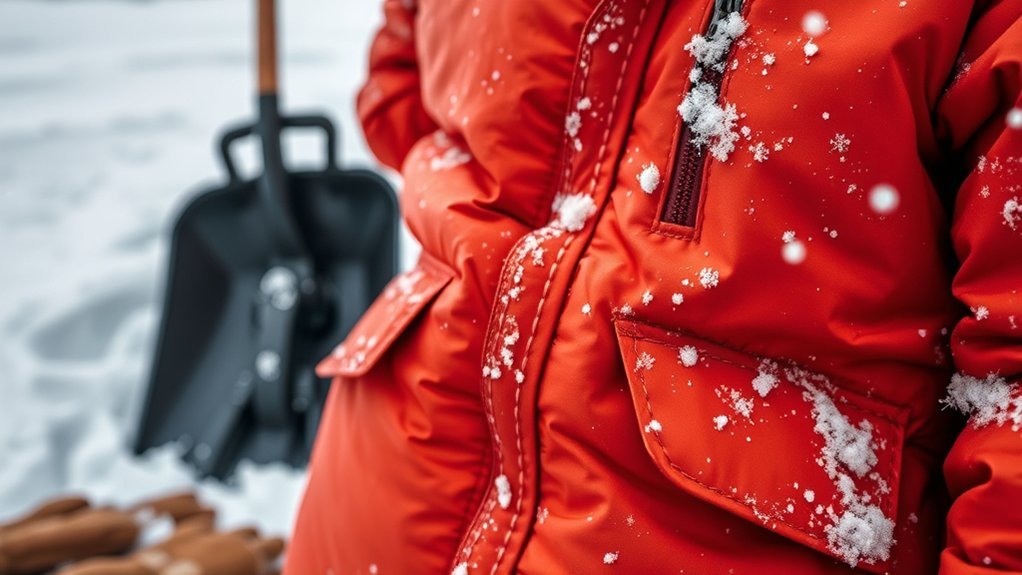
When choosing a winter jacket for snow shoveling, focus on comfort, weather protection, and freedom of movement. Your jacket should protect you from cold air and moisture while allowing excess body heat to escape.
Insulation, waterproofing, flexibility, storage, and durability all affect how comfortable the jacket feels during outdoor chores.
Insulation and Warmth
Choosing the right insulation is important because snow shoveling generates body heat. A jacket that feels warm while you stand outside may become uncomfortable once you start working.
Look for insulation that provides warmth without excessive bulk. Synthetic materials, including 3M Thinsulate, can provide lightweight insulation while allowing comfortable movement.
There is no single insulation weight that suits every person or temperature. The jacket’s construction, wind protection, activity level, and clothing underneath all affect how warm you feel.
Synthetic insulation is a practical option for damp winter conditions because it generally retains more insulating ability when wet than untreated down.
For better temperature control, consider a breathable base layer, an insulating middle layer, and a protective outer jacket. Adjustable cuffs and hems can help reduce cold drafts.
Waterproof and Breathability
Staying dry matters when you are clearing wet snow or working in slushy conditions. Moisture can come from both the weather and perspiration.
A waterproof jacket with a breathable membrane is useful when snow may melt against the fabric. Materials such as GORE-TEX are designed to resist outside moisture while allowing water vapor to escape.
Check the manufacturer’s waterproof rating, seam construction, and fabric description. A rating around 5,000 mm can provide useful protection, but it does not guarantee that every jacket will remain dry in prolonged wet conditions.
Taped seams, an adjustable hood, and protective closures improve coverage. Ventilation zippers can also help release excess warmth during strenuous work.
If you shovel mainly in dry snow, a breathable, water-resistant softshell may provide enough protection. For wet snow or prolonged exposure, prioritize a properly waterproof outer layer.
Mobility and Flexibility
To shovel snow comfortably, choose a jacket that allows you to bend, reach, push, and lift without pulling tightly across your shoulders.
Articulated elbows and shoulders can improve your range of motion. Stretchable fabrics and adjustable cuffs also help the jacket move with your body.
Lightweight insulation provides warmth without unnecessary bulk. A longer back or drop-tail design helps maintain coverage when you bend forward.
Try moving your arms as though you are using a shovel before choosing a jacket. If the shoulders feel tight or the hem rises too far, the fit may interfere with your work.
Breathable materials are also important. A jacket that traps too much heat can leave your inner layers damp with sweat.
Pocket and Storage Options
Practical storage makes winter chores more convenient. Look for pockets that can hold your keys, phone, and other small essentials without interfering with movement.
Secure closures, such as zippers or hook-and-loop fasteners, help prevent items from falling out while you bend or lift.
Pocket placement matters when you wear gloves. Side pockets should remain easy to reach, while chest pockets can provide convenient access to small items.
Insulated or fleece-lined hand pockets can add comfort during breaks. Check that the pockets remain accessible when the jacket is fully zipped.
Avoid overloading your pockets with heavy items, which can pull the jacket out of position while you work.
Durability and Material Quality
A winter jacket for regular snow shoveling should withstand repeated movement, contact with equipment, and exposure to winter weather.
Durable shell fabrics, including suitable nylon and polyester constructions, can provide abrasion resistance. Materials such as Cordura nylon are worth considering when toughness is a priority.
Inspect the seams, zippers, cuffs, and pocket openings. These areas experience repeated use and can affect the jacket’s long-term performance.
Choose water-resistant or waterproof fabrics according to your conditions. A durable water-repellent finish can help moisture bead on the surface, although it may need maintenance over time.
Finally, check the care instructions. Proper cleaning and storage can help preserve insulation and weather protection.
Layering and Temperature Control
A good layering system lets you adjust your clothing as your activity level changes.
Start with a moisture-wicking base layer. Add an insulating middle layer when necessary, then wear a weather-resistant or waterproof jacket over both.
Choose layers that fit comfortably without restricting movement. Avoid wearing so many layers that you cannot bend or reach naturally.
If you begin sweating heavily, slow down, open the jacket’s ventilation features, or remove an insulating layer when safe to do so.
Replace damp clothing with dry layers when needed. Staying dry is an important part of maintaining warmth.
Mistakes to Avoid When Buying a Winter Jacket
- Choosing insulation by weight alone: Consider your activity level, layering system, and weather conditions.
- Ignoring breathability: Look for ventilation or breathable construction to reduce moisture buildup.
- Buying a restrictive fit: Test the jacket while bending, reaching, and moving your arms.
- Confusing water resistance with waterproofing: Check the fabric specification and seam construction.
- Overlooking maintenance: Follow the manufacturer’s washing and drying instructions to protect the jacket’s performance.
Snow Shoveling Safety and Comfort
Snow shoveling can be physically demanding, especially in cold weather. Dress in adjustable layers, work at a manageable pace, and take breaks before becoming exhausted.
Cold temperatures place additional strain on the cardiovascular system. People with heart disease, high blood pressure, or other medical concerns should follow their healthcare professional’s advice about strenuous snow removal.
Keep your clothing dry and watch for signs of excessive cold exposure. If you become dizzy, unusually short of breath, or develop chest discomfort, stop shoveling. Seek emergency medical care for concerning symptoms.
Your jacket is one part of your winter clothing system. Appropriate boots, head protection, and weather-resistant hand protection also help reduce exposure to the cold.
Frequently Asked Questions
How Do I Maintain My Winter Jacket for Longevity?
Clean your winter jacket according to its care label and allow it to dry completely before storage. Avoid excessive heat unless the manufacturer specifically recommends it. Inspect the seams, zippers, and cuffs regularly, and repair damage promptly. Waterproof jackets may also need their durable water-repellent treatment refreshed according to the manufacturer’s instructions.
Can I Wear Layers Under My Winter Jacket?
Yes. Wearing layers under your winter jacket helps you adjust warmth as the weather and your activity level change. Start with a moisture-wicking base layer and add insulation when needed. Choose a jacket with enough room for these layers without restricting your arms or shoulders. Remove excess insulation if you begin overheating.
What Temperature Range Is Suitable for Snow Shoveling?
There is no single temperature range that guarantees comfortable or safe snow shoveling. Wind, moisture, physical effort, clothing, and individual health all affect your tolerance. Dress for the actual conditions, including wind chill, and adjust your layers as you work. Take regular breaks and avoid strenuous shoveling during dangerous winter weather.
Are There Specific Brands Known for Quality Winter Jackets?
Several established outdoor clothing brands offer winter jackets with insulation and weather protection. Patagonia, The North Face, Columbia, and Arc’teryx are examples. However, features vary considerably between individual models. Compare the exact jacket’s waterproof construction, insulation, ventilation, fit, and warranty rather than relying on the brand name alone.
How Do I Choose the Right Size for My Winter Jacket?
Measure your chest and consult the manufacturer’s sizing chart. If possible, try the jacket on while wearing the layers you expect to use underneath. Raise your arms, bend forward, and reach across your body. The jacket should allow these movements comfortably while maintaining adequate coverage around your waist and lower back.
Is a Waterproof Jacket Better Than a Water-Resistant Jacket for Snow Shoveling?
A waterproof jacket is generally more suitable for prolonged exposure to wet snow and slush. A water-resistant jacket may be sufficient for shorter jobs in dry conditions. Waterproof construction should include suitable fabric and seam protection. Breathability remains important because perspiration can make your clothing damp even when the outer fabric keeps snow out.
Should I Choose Down or Synthetic Insulation?
Synthetic insulation is often practical for active winter chores because it generally retains more insulating ability when damp than untreated down. Down can provide excellent warmth for its weight, but its performance depends on keeping it dry. Consider the jacket’s complete construction, weather protection, and layering options rather than choosing insulation material alone.
How Can I Avoid Overheating While Shoveling Snow?
Wear adjustable layers and begin with enough insulation for the weather rather than the maximum amount you can fit underneath your jacket. Use ventilation features when available, reduce your pace, and take breaks. If your clothing becomes damp with perspiration, change into dry layers when possible. Staying dry helps maintain comfort during cold-weather work.
Final Verdict
The best winter jacket for snow shoveling balances insulation, weather protection, breathability, and mobility. A waterproof insulated jacket suits wet, cold conditions, while a protective shell with removable layers offers more flexibility as your body temperature changes.
Choose a fit that allows comfortable movement, check the jacket’s actual weather-protection specifications, and prioritize practical features that support regular winter work. With suitable clothing and a manageable work pace, you can stay more comfortable while clearing snow.
