
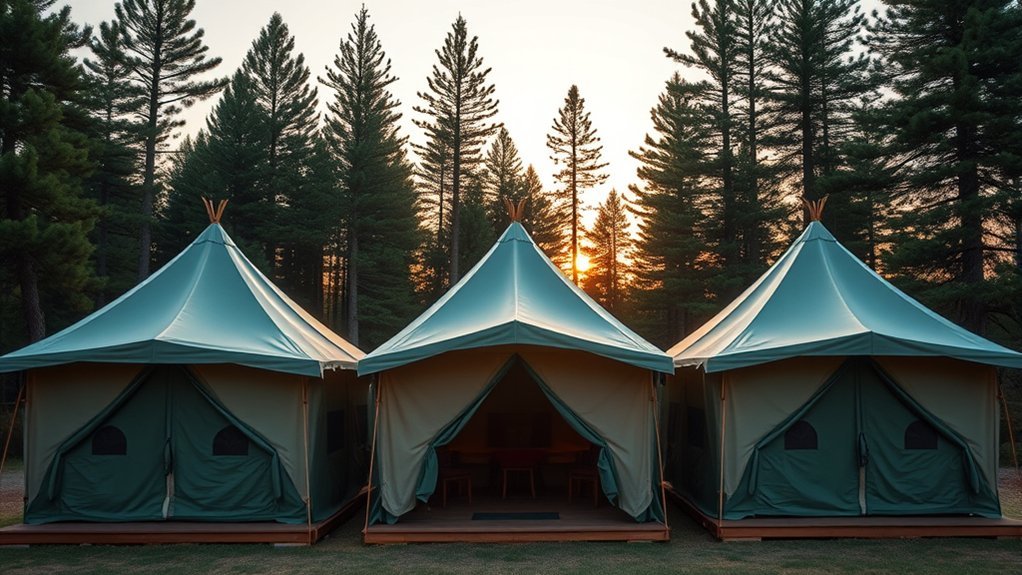
Last Updated on October 30, 2026 by Mason Reed
AUDIT REPORT
Article Topic: Best Wall Tents for Camping
Audit Date: October 30, 2026
Overall Assessment: Major revisions required before publication.
The article has a useful basic structure, but several products do not match the main buying intent. It also contains incorrect specifications, misleading stove-related information, weak buying guidance, and formatting problems.
The strongest improvement is to focus on genuine canvas wall tents rather than mixing traditional wall tents with lightweight hot tents, hammock shelters, and bell tents.
1. Product Relevance Audit — Critical Priority
|
Product |
Decision |
Reason |
|---|---|---|
|
Kodiak Canvas Cabin Lodge Stove-Ready |
KEEP |
Genuine cabin-style canvas wall tent with upright walls and a stove jack. |
|
WHITEDUCK Alpha Canvas Wall Tent |
KEEP |
Traditional canvas wall tent suitable for established campsites, hunting camps, and group use. |
|
POMOLY Chalet 70 Pro |
REMOVE |
Compact, low-profile polyester hot tent rather than a traditional, stand-up canvas wall tent. |
|
OneTigris TEGIMEN |
REMOVE |
Hammock awning and hot-tent shelter, not a conventional wall tent. |
|
Canvas Bell Tent with Stove Jack |
REMOVE |
Bell-shaped glamping tent, not a traditional wall tent. |
Product verification findings:
The Kodiak Canvas Cabin Lodge is suitable, but the article describes a 10 × 10 ft model. The linked ASIN B0G56CBJHF is associated with a 12 × 12 ft version in the product information located. Kodiak’s corresponding specifications identify an eight-person capacity without a stove, four-person capacity with a stove, and approximately 97 lb packed weight.
The WHITEDUCK Alpha is suitable, but it comes in multiple sizes and configurations. Its capacity, number of windows, stove-jack count, and shipping weight cannot safely be described as identical across the range.
The POMOLY Chalet 70 Pro has approximately 53.8 square feet of floor space and a peak height of 4.9 ft. It is a compact hot-tent alternative, with materially different use cases from the two canvas wall tents. Its manufacturer also confirms a stove jack, contradicting the article’s claim that it has none.
OneTigris markets the TEGIMEN as a hammock awning and hot tent. The manufacturer confirms its two stove jacks, nylon construction, and approximately 6.8 lb weight, but these do not make it a traditional wall tent.
The final bell-tent listing is associated with a 16.4 ft diameter model, not the stated 10 ft diameter. It also describes a 5-inch stove-jack opening, not five separate stove jacks.
Required correction: Remove the three mismatched products completely, including their images, shortcodes, affiliate buttons, comparison rows, headings, and related references. Since only two clearly suitable traditional wall tents remain, position the article as a focused comparison of canvas wall tents. Do not add unrequested replacements.
2. Accuracy and Specification Issues — Critical Priority
|
Existing issue |
Why it matters |
Required correction |
|---|---|---|
|
Kodiak capacity listed as six people |
Conflicts with the linked model |
Correct to eight without stove or four with stove, subject to layout |
|
Kodiak dimensions listed as 10 × 10 ft |
Incorrect for the linked ASIN |
Use 12 × 12 ft |
|
WHITEDUCK described as universally waterproof |
Overstates treated canvas performance |
Explain water-repellent fabric and proper maintenance |
|
WHITEDUCK capacity not specified |
Prevents meaningful buying comparisons |
Explain that capacity depends on selected size |
|
All-season weather protection presented as guaranteed |
Could create unrealistic safety expectations |
Explain snow load, wind, pitching, and site limitations |
|
Stove compatibility described as guaranteed |
Stove-jack presence alone does not establish safe compatibility |
Require manufacturer-approved stove, flue, and clearance verification |
|
Long tent lifespan presented as universally 10–20 years |
Depends heavily on environmental exposure and care |
Remove the unsupported general lifespan estimate |
The revised article should distinguish manufacturer specifications from practical recommendations and avoid unverified performance guarantees.
3. Stove and Carbon Monoxide Safety — Critical Priority
The original article repeatedly associates stove jacks with guaranteed warmth and safety without explaining the risks of combustion equipment in enclosed shelters.
The U.S. Consumer Product Safety Commission specifically warns about carbon monoxide poisoning from camping equipment used inside tents.
Required fixes:
-
Add a prominent stove-safety warning.
-
Explain that a stove jack does not automatically make any stove safe to use.
-
Require the tent and stove manufacturers’ installation, ventilation, flue, and clearance instructions.
-
Warn against charcoal grills, portable gas heaters, and improvised combustion equipment inside tents.
-
Clarify that ventilation and a carbon monoxide alarm are important precautions, not guarantees of safety.
4. SEO and Search Intent — High Priority
The article currently targets best wall tents, but three of its five recommendations belong primarily to other shelter categories.
This weakens topical relevance and makes comparisons less useful.
Recommended SEO title:
Best Canvas Wall Tents: Kodiak vs WHITEDUCK (2026)
Recommended meta description:
Compare the Kodiak Canvas Cabin Lodge and WHITEDUCK Alpha wall tents. Explore sizes, stove jacks, durability, setup, and which canvas tent fits your campsite.
Primary keyword: best canvas wall tents
Supporting keywords: canvas wall tent with stove jack, hunting wall tent, cabin-style canvas tent, four-season wall tent, canvas tent for base camp, Kodiak Canvas vs WHITEDUCK, large wall tent, wall tent buying guide.
Recommended structure: introduction, Quick Verdict, product comparison, two detailed reviews, buying guide, stove safety, FAQs, and conclusion.
5. Conversion Rate Optimization — High Priority
The original introduction lists products without clearly explaining which one solves a specific buyer problem.
The comparison also focuses too heavily on generic features and does not adequately address the key differences between the remaining tents.
Improvements:
-
Place a short recommendation summary immediately after the introduction.
-
Position Kodiak as the practical choice for campers wanting a fixed-size cabin-style tent with an integrated floor.
-
Position WHITEDUCK as the more flexible choice for larger, longer-term camps and configurable sizes.
-
Include meaningful limitations under each product.
-
Highlight packed weight, floor construction, setup effort, and stove-space tradeoffs.
-
Replace generic CTA wording with Check Price on Amazon.
-
Use orange, rounded CTA buttons consistently.
These changes give readers clearer reasons to choose one product over the other without making unsupported promises.
6. Buying Guide and Content Gaps — High Priority
The original guide covers size, materials, weather resistance, portability, and ventilation. However, several important buying questions remain unanswered.
The revised article should explain how to evaluate real sleeping capacity after allowing for gear and stove clearances, how integrated and removable floors differ, why weight matters for vehicle-supported camping, and how site conditions affect setup.
It should also address stove installation, canvas drying and maintenance, and the difference between water-repellent treatment and guaranteed waterproof performance.
7. HTML, Design, and Affiliate Compliance — High Priority
The existing HTML includes a disclosure paragraph inside a table caption, followed by an H2 within that caption. This produces poor document structure and may display inconsistently across WordPress themes.
The corrected HTML will place the disclosure before the comparison table, use proper heading hierarchy, and retain the existing comparison and review CSS classes where useful.
The original Amazon tracking tag maketake-20, product links, and image shortcodes will remain unchanged for the two retained products. Affiliate links will retain nofollow and noopener, with sponsored added.
No unverified prices, discounts, star ratings, review counts, or personal testing claims will be introduced.
8. Trust, Authority, and Content Freshness — Medium Priority
The article lacks an explanation of how recommendations were selected.
Adding a short selection-method note based on product type, materials, usable space, floor design, stove compatibility, and portability will make the recommendations more transparent.
Manufacturer specifications can support product facts, but they do not establish hands-on testing. The article should therefore use terms such as our comparison and our recommendation, not imply direct testing.
Product sizes, specifications, warranties, and Amazon listings should be reviewed periodically because different configurations can lead to different buyer expectations.
Final Audit Verdict
Retain two products and remove three. Correct the Kodiak model specifications, improve stove safety, strengthen the two-product comparison, and rebuild the HTML around genuine canvas wall-tent buying intent.
The revised article below applies these corrections while preserving the relevant Amazon links and product image shortcodes.
Article Fixed HTML Box
If you're comparing the best canvas wall tents for a comfortable base camp, two options deserve a closer look: the Kodiak Canvas Cabin Lodge Stove-Ready Tent and the WHITEDUCK Alpha Canvas Wall Tent. Both offer upright walls, robust frames, and stove-jack designs, but they serve different campers. Kodiak is a practical choice for a cabin-style setup with an attached floor, while WHITEDUCK offers more size choices for established camps. Here's how to decide which fits your space, transport, and camping plans.
Disclosure: As an Amazon Associate I earn from qualifying purchases. Some links on this page are affiliate links, at no extra cost to you.
Quick Answer: Which Canvas Wall Tent Should You Choose?
Choose the Kodiak Canvas Cabin Lodge if you want a 12 x 12 ft cabin-style canvas tent with a sewn-in floor, standing room, and an optional wood-stove setup. Its manufacturer lists a packed weight of about 97 lb, so plan on vehicle transport and two-person assembly.
Choose the WHITEDUCK Alpha if you're building a more established hunting, outfitter, or group campsite. The available sizes, tall sidewalls, and removable groundsheet provide layout flexibility, but weight and setup effort increase with size.
Key Takeaways
- Best for cabin-style camping: Kodiak Canvas Cabin Lodge Stove-Ready Tent.
- Best for larger, longer-stay base camps: WHITEDUCK Alpha Canvas Wall Tent.
- Plan space around the stove: a tent's advertised sleeping capacity is not the same as its practical capacity with a stove and gear.
- Neither is a backpacking shelter: check the total packed weight, campsite space, and number of people needed for setup.
- A stove jack is not a safety guarantee: read the tent and stove instructions before installing any heating equipment.
Our Top Canvas Wall Tent Picks
Compare the two wall tents by campsite use and setup needs.
Tent
Image
Best For
Size and Capacity
Floor
Stove Jack
Amazon
Analysis
Kodiak Canvas Cabin Lodge Stove-Ready Tents
![]()
Best Cabin-Style Pick
12 x 12 ft: up to 8 without a stove; up to 4 with a stove
Type: sewn-in vinyl floor
Yes: 5-inch jack; stove sold separately
Check Price on Amazon
Read Our Analysis
WHITEDUCK Alpha Canvas Wall Tent for Camping
![]()
Best for Base Camps
Multiple sizes: capacity varies by selected model
Type: free-floating PVC groundsheet
Yes: confirm the number and position for your size
Check Price on Amazon
Read Our Analysis
How we compared these tents: We considered the manufacturers' published designs, materials, floor systems, usable space, stove-jack provisions, and setup requirements. This is a specification-based buying comparison, not a claim of hands-on testing. Check the exact Amazon size or variant before ordering.
More Details on Our Top Picks
-
Kodiak Canvas Cabin Lodge Stove-Ready Tents
The Kodiak Canvas Cabin Lodge Stove-Ready Tent is a strong fit for car campers who want stand-up room without moving into a very large outfitter tent. The linked 12 x 12 ft model has a 7.5 ft peak height, approximately 4 ft vertical sidewalls, and six screened windows. Its Hydra-Shield cotton duck canvas is designed to repel water while allowing some moisture vapor to escape.
Its sewn-in, welded-seam vinyl floor helps separate your sleeping area from wet ground. The manufacturer rates this model for up to eight people without a stove or four when using a stove. Realistic comfort depends on cots, luggage, and stove clearances. A 5-inch stove jack is provided, but the stove is sold separately and must be installed according to approved instructions.
Why you'll like it: the fixed footprint makes planning straightforward, and the attached floor suits campers who want one enclosed sleeping space. Before you buy: its approximately 97 lb packed weight and steel frame make it better for drive-up campsites than long carries. Kodiak specifies two adults for setup and does not rate it for extreme winter mountaineering or heavy snow buildup.
Manufacturer specifications: Kodiak Canvas 12 x 12 Cabin Lodge SR.
Who Should Buy It?
Campers who prioritize a cabin-style layout, a permanently attached floor, and a predictable 12 x 12 ft footprint for multi-day trips.
Who Should Avoid It?
Backpackers, solo campers who need a quick setup, and groups who require more usable room than the fixed footprint provides.
- Footprint:12 x 12 ft for the linked model
- Sleeping Capacity:Up to 8 without stove; up to 4 with stove, according to manufacturer
- Peak Height:7.5 ft
- Material:Hydra-Shield cotton duck canvas
- Floor:Sewn-in, welded-seam vinyl
- Stove Jack:5-inch opening; stove sold separately
- Ventilation:6 screened windows and 2 vents
- Approximate Packed Weight:97 lb
- Setup:2 adults recommended
-
WHITEDUCK Alpha Canvas Wall Tent for Camping
The WHITEDUCK Alpha Canvas Wall Tent suits hunters, outfitters, and groups building a longer-stay camp. Unlike a single-size cabin tent, the Alpha range offers multiple footprints, so you can select a shelter around your actual group and equipment needs. Tall sidewalls provide usable space near the edges, while an aluminum frame and reinforced canvas construction support a substantial pitched shelter.
WHITEDUCK uses water-repellent treated cotton canvas and a free-floating PVC groundsheet rather than a permanently attached floor. This is useful for floor access and cleaning, but careful positioning and weather management are still important. Stove jacks, windows, shipping weights, and occupant limits differ across sizes and fabric options. Do not assume the listing shows the same configuration as every manufacturer's example.
Why you'll like it: the choice of sizes and base-camp-oriented design give you more flexibility for cots, furniture, gear, and longer stays. Before you buy: even smaller Alpha configurations can be heavy and require substantial vehicle capacity, multiple people, and sufficient ground for stakes and guy lines.
Manufacturer specifications: WHITEDUCK Alpha 10 x 12 ft example. Other Alpha sizes have different specifications.
Who Should Buy It?
Campers establishing a hunting camp, outfitter station, or group base camp who need size flexibility and can transport and pitch a heavier canvas shelter.
Who Should Avoid It?
Campers who need a lightweight, fast-pitch weekend shelter or who cannot accommodate a large frame, guy lines, and heavy packed components.
- Footprint:Multiple sizes; verify the selected listing
- Sleeping Capacity:Varies by size, furniture, and stove layout
- Sidewall Height:5 ft on published Alpha models
- Material:Water-repellent treated cotton duck canvas
- Floor:Free-floating PVC groundsheet
- Frame:Aluminum pole construction
- Stove Jack:Pre-installed; configuration varies by size
- Ventilation:Screened doors and windows; number varies
- Setup:Plan for assistance and a large, clear pitching area
Factors to Consider When Choosing a Wall Tent
Both of these tents can create a comfortable campsite, but their differences become clearer when you look beyond the advertised sleeping count. Use these checks before choosing a canvas wall tent.
Size and Capacity
Start with your sleeping arrangements, not the maximum occupancy number. Cots, storage bins, a table, and any manufacturer-approved stove installation consume floor space. The 12 x 12 ft Kodiak is a defined footprint; the WHITEDUCK Alpha lets you select among different sizes. Check the actual door, sidewall, and peak heights, too. Vertical walls are valuable because you can use more of the floor area without crouching.
Material Durability
Cotton duck canvas is often chosen for its strong weave, repairability, and more comfortable moisture management than some lightweight synthetics. But it is not maintenance-free. Look for reinforced seams, strong zippers, a robust pole system, and a floor suited to your conditions. Always dry canvas completely before storage and inspect for abrasion, mildew, and damage to waterproofing treatments.
Weather Resistance Features
Water-repellent or watertight fabric does not make a tent immune to leaks, storms, or snow loading. Evaluate the roof shape, seam construction, window flaps, ground drainage, staking points, and the manufacturer's weather limitations. Pitch on well-drained ground, tension the shelter correctly, and maintain its protective treatment as instructed. Never assume that a four-season label means the tent can handle any snowfall or wind.
Setup and Portability
Traditional wall tents are best suited to vehicle-supported camping. The Kodiak's published packed weight is about 97 lb, while Alpha configurations can be substantially heavier. Consider how many bags and frame sections you must move, how many people can help, and whether the campsite has enough room for guy lines. Practice the first setup in good weather before relying on the shelter at a remote campsite.
Ventilation and Airflow
Screened windows, vents, and doors help manage condensation and make a canvas tent more comfortable. Keep the vents required by the manufacturer open even when temperatures drop. If you are considering a wood stove, ventilation must follow the specific tent and stove instructions. Ordinary airflow does not eliminate fire or carbon monoxide hazards.
Integrated vs. Removable Floors
The Kodiak's sewn-in floor creates a continuous enclosed base that helps keep ground moisture and insects out when the tent is closed properly. The WHITEDUCK's free-floating groundsheet is easier to remove and clean, but the perimeter must be managed carefully in wet conditions. Think about muddy boots, pets, storage, and how often you plan to pack the tent.
Stove Jack Size and Clearances
A tent with a stove jack is not automatically compatible with every wood stove or chimney. Confirm the flue diameter, heat shielding, stove placement, floor protection, spark-control requirements, and distance from fabric and gear. Check whether the specific model and fabric option are approved for your planned stove installation. A listed stove jack does not mean the stove is included.
Important Safety Note for Stove-Ready Wall Tents
Warning: Fire, burns, and carbon monoxide poisoning are serious risks when using combustion equipment around tents. Never assume a stove jack makes a setup safe. Use a wood stove only when both the tent and stove manufacturers explicitly permit the installation, with the specified chimney, shielding, clearances, and ventilation.
Never use charcoal grills, improvised burners, or ordinary portable fuel-burning heaters inside a tent. Never leave a burning stove unattended or operate it while sleeping. If a manufacturer-approved stove setup is permitted, use a suitable carbon monoxide alarm as an added precaution, not as a substitute for proper installation and ventilation.
For general guidance, see the U.S. Consumer Product Safety Commission's camping-equipment safety advice.
Before You Buy: Wall Tent Checklist
- Confirm the exact model, size, and included components in the Amazon listing.
- Measure floor space after allowing for cots, bags, walkways, and any stove clearance zones.
- Check the packed weight, bag lengths, and whether your vehicle can transport them.
- Compare sewn-in and removable floors for the conditions you'll camp in.
- Review manufacturer instructions for weather limits, setup, and canvas care.
- If a stove is planned, verify approved equipment, flue sizing, ventilation, and safety requirements before purchase.
- Read the seller's current warranty, return conditions, and replacement-part policy.
Frequently Asked Questions
How Do I Clean and Maintain a Wall Tent?
Brush away loose dirt, spot-clean with products approved by the tent manufacturer, and avoid harsh detergents that can damage water-repellent treatments. Let the canvas and floor dry fully before packing. Inspect zippers, seams, stakes, and guy lines after each trip.
Can I Use a Wall Tent in Winter Conditions?
Some canvas wall tents are designed for year-round use, but you still need to follow their wind and snow limitations. Clear snow buildup when required, pitch on suitable ground, and never assume a stove-ready design makes heating risk-free. Kodiak specifically warns that its Cabin Lodge is not intended for extreme winter mountaineering or heavy snow accumulation.
What Is the Average Lifespan of a Wall Tent?
There is no dependable single lifespan for all wall tents. Canvas quality, frequency of use, UV exposure, moisture, storage conditions, and repairs all affect longevity. Follow the manufacturer’s care guidance and review warranty coverage for the exact model.
Are Wall Tents Waterproof and Breathable?
Many canvas wall tents use treated fabric designed to resist rain while allowing moisture vapor to pass through. Performance depends on the fabric treatment, seams, pitching, and upkeep. A breathable canvas tent can still develop condensation, and no fabric should be treated as leak-proof in every condition.
How Do I Properly Set Up a Wall Tent?
Choose level, well-drained ground with enough clearance for the full structure and guy lines. Follow the model-specific instructions for the floor, frame, tent body, stakes, and tensioning order. Confirm that doors and vents operate freely and check all anchor points before the weather changes. Arrange extra help when the manufacturer recommends it.
Which Wall Tent Is Better for an Extended Base Camp?
The WHITEDUCK Alpha is the more flexible choice when you need to select a larger footprint or fit more camp furniture. The Kodiak Cabin Lodge is appealing when you prefer a fixed 12 x 12 ft layout with a sewn-in floor. In either case, allow generous space for your equipment and avoid relying only on the maximum sleeping rating.
Conclusion
For a comfortable, cabin-style canvas wall tent with a sewn-in floor, the Kodiak Canvas Cabin Lodge Stove-Ready Tent is the more straightforward pick. For a configurable hunting or group base camp, the WHITEDUCK Alpha Canvas Wall Tent offers a wider range of sizes and a removable groundsheet. Your best choice depends on usable space, vehicle capacity, setup help, floor preference, and whether you need a manufacturer-approved stove installation. Confirm the exact Amazon variant before purchasing so the tent you receive matches your camping plan.

