
Last Updated on September 10, 2026 by Daniel Globe
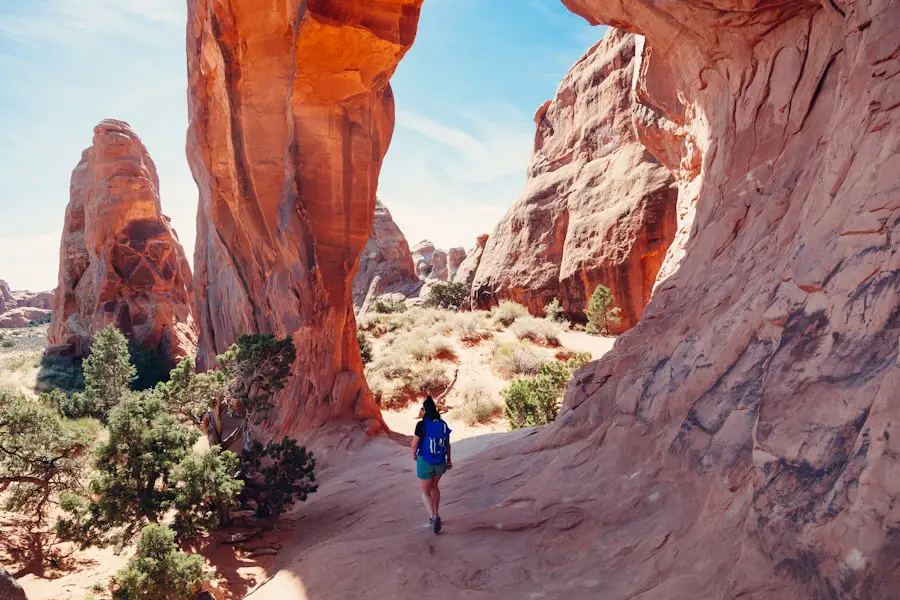
Utah gives hikers an unusually wide choice of places to stay, from campgrounds inside red-rock national parks to comfortable ranches and mountain resorts. The state’s five national parks—Zion, Bryce Canyon, Arches, Canyonlands, and Capitol Reef—cover very different terrain, while northern Utah adds alpine hiking in the Wasatch Range. Choosing the right base can save driving time, make early trail starts easier, and give you a more comfortable place to recover after a long day outside.
The best place to stay depends on the trails you want to hike, whether you prefer a tent or a real bed, and how much access you need to restaurants, showers, pools, or other services. Campgrounds inside a national park often give you the shortest morning commute, while private lodges can offer more comfort and activities. Reservations, permits, road conditions, and seasonal weather also need to be part of the decision.
Quick Answer
For Zion hiking, stay in Springdale or near the park’s east side. Choose Moab for Arches and Canyonlands, Bryce Canyon City for Bryce, and Torrey for Capitol Reef. Campers can stay inside several parks, but popular sites such as Watchman, Devils Garden, North Campground, and Fruita often require advance reservations.
Key Takeaways
- Zion Mountain Ranch works well for travelers who want a cabin near Zion’s east side, while Springdale gives easier access to the main Zion Canyon shuttle system.
- Moab is the most practical single base for combining Arches and the Island in the Sky area of Canyonlands.
- Red Cliffs Lodge and Sorrel River Ranch offer more amenities than a campground, while The Lodge at Red River Ranch is convenient for Capitol Reef.
- Watchman Campground is reservation-only. Devils Garden requires reservations during its busy March-through-October season.
- Angels Landing requires a permit for the permitted chain section, and the traditional Observation Point route from Weeping Rock remains closed.
- Desert heat, flash floods, wildfire restrictions, snow, and road conditions can change hiking and camping plans quickly, so check official park alerts shortly before every outing.
Disclosure: As an Amazon Associate I earn from qualifying purchases. Some links on this page are affiliate links, at no extra cost to you.
How to Choose Where to Stay for Hiking in Utah
Start with the trails you most want to hike rather than choosing a hotel first. Utah’s destinations may look close together on a map, but mountain roads, park entrances, shuttle systems, and large wilderness areas can turn a short-looking distance into a long drive.
- Zion National Park: Springdale is the easiest base for the main canyon and seasonal shuttle. East-Zion lodging can be better for Canyon Overlook, East Mesa, and trips continuing toward Bryce Canyon.
- Arches and Canyonlands: Moab has the largest concentration of hotels, campgrounds, restaurants, outfitters, and services. Remember that Canyonlands has separate districts with no direct roads connecting them.
- Bryce Canyon: Staying in or around Bryce Canyon City makes sunrise and early-morning hikes easier and can provide access to the seasonal park shuttle.
- Capitol Reef: Torrey and the Highway 24 corridor are convenient for Fruita, Hickman Bridge, Grand Wash, and other central-park hikes.
- Wasatch Range: Little Cottonwood Canyon, Snowbird, Alta, Salt Lake City, and Park City can work well for travelers more interested in alpine trails than desert parks.
Pro Tip: For popular national-park hikes, compare the drive from your accommodation to the actual trailhead—not simply the distance to the park boundary. A room that looks “next to Zion” or “near Canyonlands” can still require significant driving.
Top Hiking Lodges in Utah
Zion Mountain Ranch
Zion Mountain Ranch is a cabin-and-lodge property near the east side of Zion National Park. Its accommodations range from smaller private cabins to larger multi-bedroom lodges, and many units include fireplaces, patios, or canyon and meadow views.
The ranch is a useful base for travelers approaching Zion from US-89 or combining Zion with Bryce Canyon. It should not, however, be treated as direct walking access to Zion’s major trailheads. Driving is still required for most hikes, and access to east-side trailheads can depend on weather and road conditions.
The on-site Cordwood restaurant serves breakfast, lunch, and dinner with an emphasis on ranch-grown or carefully sourced ingredients. That can be convenient for hikers who would rather eat at their lodging than drive elsewhere after a long day.
Note: Angels Landing is not a walk-up hike for the permitted chain section. Check the National Park Service Angels Landing permit page before planning your day.
Red Cliffs Lodge in Moab
Red Cliffs Lodge sits along the Colorado River northeast of Moab and works well for hikers who also want resort-style amenities. The property is within driving distance of Arches National Park, Canyonlands National Park, and numerous Moab-area trails.
Current amenities include a seasonal outdoor pool, a year-round hot tub, a fitness center, on-site dining, and seasonal horseback riding. The property also promotes hiking, rafting, and other Moab adventures. Older references to an on-site winery should not be used when planning a current stay.
Sorrel River Ranch
Sorrel River Ranch, also along the Colorado River outside Moab, is suited to travelers who want to combine hiking with a higher-end ranch experience. Its current activity lineup includes hiking, horseback riding, off-road outings, and other guided adventures.
The ranch also operates a spa with massages, body treatments, yoga, and wellness services. That makes it a strong option for hikers who value recovery amenities after long days in the desert.
The Lodge at Red River Ranch
The Lodge at Red River Ranch is located along Highway 24 near Capitol Reef National Park. The property has 15 individually decorated rooms and emphasizes western-style lodging, fireplaces, antique furnishings, and views of the surrounding landscape.
Its location makes it a convenient base for hikes around Fruita, Grand Wash, Hickman Bridge, Cassidy Arch, and other Capitol Reef destinations without staying in a campground.
Best Campgrounds for Hiking in Utah
Watchman Campground in Zion National Park
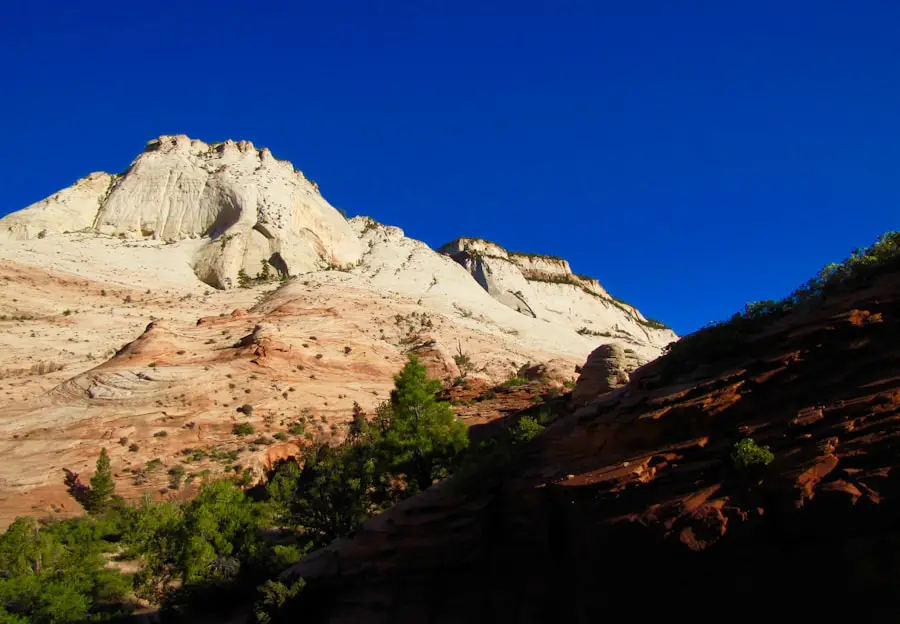
Watchman Campground is next to the Zion Canyon Visitor Center and close to Zion’s South Entrance. The National Park Service currently lists 184 total sites, including tent, RV, electric, group, and walk-to sites.
All Watchman campsites require reservations; first-come, first-served sites are not offered. Standard campsites can generally be reserved up to six months in advance, and the campground is commonly full during busy periods. Its location is especially valuable during seasons when the Zion Canyon shuttle is operating because campers can reach the visitor center and shuttle area without a long morning drive.
Devils Garden Campground in Arches National Park
Devils Garden Campground is the only developed campground inside Arches National Park. It sits deep inside the park near the Devils Garden trail system and provides a strong starting point for Landscape Arch and the longer Devils Garden routes.
The reservation system changes by season. Campsites are reservable for nights from March 1 through October 31, when the campground commonly fills. From November through February, individual campsites operate on a first-come, first-served basis.
For 2026, Arches does not require a general timed-entry reservation to enter the park. That does not eliminate separate reservation requirements for Devils Garden Campground or certain Fiery Furnace experiences.
North Campground at Bryce Canyon
North Campground is a strong choice for hikers who want to sleep inside Bryce Canyon National Park. It provides convenient access to the Bryce Amphitheater area, where many of the park’s best-known rim and hoodoo trails begin.
For 2026, North Campground uses reservations and is open year-round, although individual loops and services can vary by season. Bryce sits at a much higher elevation than Utah’s desert parks, so nights can be cold even when daytime conditions feel mild.
Ruby’s Inn Campground Near Bryce Canyon
Ruby’s Inn Campground is a private alternative just outside Bryce Canyon National Park. It offers tent sites, RV sites, cabins, restrooms, showers, laundry facilities, and other services that can be useful for families or travelers who want more amenities than an in-park campsite.
The Bryce Canyon shuttle serves Ruby’s Inn and its campground during the shuttle season, making it possible to leave a vehicle at the campground and ride toward major park viewpoints and trailheads.
Fruita Campground in Capitol Reef
Fruita Campground is the only developed campground inside Capitol Reef National Park. It contains 71 sites among the Fruita orchards and is close to central-park hiking, historic sites, the Scenic Drive, and Highway 24 trailheads.
Fruita now uses a year-round reservation system, with campsites generally available to reserve up to six months in advance. During the busy spring-through-fall period, sites can fill months ahead.
Pro Tip: Reserve the campground first when planning a peak-season national-park trip. Lodging outside the park may have more inventory, while a scarce in-park campsite can determine your entire itinerary.
Amenities and Activities at Utah Hiking Lodges
| Lodge | Best Hiking Base | Outdoor Activities | Notable Amenities |
|---|---|---|---|
| Zion Mountain Ranch | Zion’s east side | Hiking and east-Zion exploration | Private cabins, fireplaces, restaurant |
| Red Cliffs Lodge | Moab, Arches, Canyonlands | Hiking, horseback riding, rafting | Restaurant, seasonal pool, year-round hot tub, fitness center |
| Sorrel River Ranch | Moab and Colorado River corridor | Hiking, horseback riding, rafting, off-road trips | Spa, wellness treatments, dining |
| The Lodge at Red River Ranch | Capitol Reef | Hiking and Capitol Reef sightseeing | 15 individually decorated rooms, fireplaces, western-style common areas |
Amenities matter most when they solve a real problem. Breakfast or an on-site restaurant can help with early starts. A hot tub or spa may be welcome after a strenuous hike. Families may care more about pools and larger rooms, while serious hikers may prioritize proximity to a trailhead over resort features.
Guided activities can also expand a trip beyond hiking. Moab properties commonly connect guests with rafting, horseback riding, biking, and off-road trips. In the Wasatch, mountain resorts can combine hiking with scenic lift or tram access when those facilities are operating.
Tips for Hiking and Camping in Utah
Utah’s landscapes range from high alpine terrain to exposed desert, so preparation should change with the destination. Southern Utah can be extremely hot, dry, and sunny, while Bryce Canyon and the Wasatch can be cold, snowy, or icy when lower-elevation areas are mild.
Carry Enough Water
In the desert parks, do not assume that natural water will be available. National Park Service guidance for places such as Arches, Canyonlands, and Capitol Reef commonly uses about one gallon (4 liters) per person per day as a planning benchmark, with more potentially needed for strenuous activity or backpacking. Start with enough water for the complete outing rather than relying on springs, streams, or trailhead taps.
Start Hot-Weather Hikes Early
Many southern Utah trails have little shade. Hiking early can reduce heat exposure, improve parking odds, and make the trip more comfortable. During very hot conditions, choose shorter routes and avoid the most strenuous part of the day.
Check Weather and Flash-Flood Conditions
Slot canyons, washes, river hikes, and narrow drainages require special attention during thunderstorms and monsoon weather. Zion warns that flash-flood water can rise extremely quickly. Never enter floodwater, and do not assume blue sky directly overhead means a canyon is safe.
Warning: Check official weather, trail, river, wildfire, and campground alerts before leaving your accommodation. Conditions can change after an article is published, and park closures or ranger instructions always take priority over general travel advice.
Understand Zion Permits and Closures
A permit is required for the permitted portion of Angels Landing. Zion offers advance seasonal lotteries and a day-before lottery, so hikers should review current rules before scheduling the hike.
Observation Point also requires careful route planning. The historic approach from Weeping Rock through the East Rim Trail remains closed because of major rockfall damage. The National Park Service currently directs Observation Point hikers toward east-rim approaches such as the East Mesa Trailhead, where road conditions and parking limitations can affect access.
Do Not Depend on Cell Service
Cell reception can be weak or nonexistent in remote areas of Utah. Download maps before leaving, know the route, carry the essentials, and tell someone where you are going when heading into isolated terrain.
Follow Leave No Trace Practices
Stay on established trails or durable surfaces, pack out trash and food scraps, do not alter route-marking cairns, and keep wildlife wild. Desert soils can be fragile and slow to recover from trampling.
Check Fire Restrictions
Campfire rules can change quickly during dry weather. A campsite containing a fire ring does not necessarily mean fires are currently permitted. Check the managing park or land agency shortly before your stay.
Family-Friendly Hiking Lodges and Campgrounds in Utah
Bear Lake State Park
Bear Lake State Park combines camping and hiking with a very different Utah landscape from the southern desert. Its bright blue water, beaches, boating, fishing, and seasonal camping make it especially appealing to families who want activities beyond hiking.
Rendezvous Beach and the park’s other recreation areas provide different types of campsites, including tent and RV options. Because facilities and individual camping areas operate on different seasonal schedules, check the state park’s current facilities page before booking.
Snowbird and Little Cottonwood Canyon
Snowbird is a comfortable family base for hiking in Little Cottonwood Canyon. During the summer season, the resort offers activities that can include scenic tram rides and other mountain attractions, with operations depending on weather and construction.
Its lodge-style accommodations allow families to combine mountain hiking with restaurants and resort amenities. It is a better fit for a Wasatch-focused trip than for travelers whose main goal is southern Utah’s national parks.
Choose Trails for the Youngest Hiker
Families should select routes based on the least experienced member of the group. Consider elevation gain, exposure near cliffs, shade, water availability, bathroom access, and how far children can comfortably walk before committing to a trail.
Budget-Friendly Hiking Lodges and Campgrounds in Utah
Camping is often the most economical way to stay close to Utah hiking areas, although campground rates, entrance fees, reservation fees, and equipment costs still need to be included in the budget. Staying inside a park can also reduce fuel use and daily driving.
National Park Campgrounds
Watchman, Devils Garden, North Campground, and Fruita can all provide excellent trail access without resort-level lodging prices. Their biggest disadvantage is availability: desirable dates may disappear long before hotel rooms in nearby towns.
Antelope Island State Park
Antelope Island State Park offers hiking, camping, bird-watching, Great Salt Lake views, and more than 45 miles of non-motorized trails. It can be a useful lower-cost outdoor destination for travelers spending time around northern Utah.
The island is home to free-ranging bison as well as pronghorn and other wildlife. Give bison plenty of space and never approach them for photographs.
Sun Outdoors Arches Gateway
The property formerly known as Moab Valley RV Resort & Campground now operates as Sun Outdoors Arches Gateway. It offers tent sites, RV sites, cabins and other rentals near Arches National Park, along with amenities such as a pool and hot tub.
It is convenient, but it should not automatically be described as the cheapest Moab option. Compare its live rates with national-park sites, Bureau of Land Management campgrounds, and other private campgrounds for your exact dates.
Note: The cheapest nightly rate is not always the cheapest overall trip. A more expensive stay close to the trail you plan to hike may save substantial driving time and fuel.
Planning Your Utah Hiking Adventure
A successful Utah hiking trip starts with geography. Pick one primary hiking region, identify your must-do trails, and then choose lodging that minimizes unnecessary driving. Moab works particularly well for combining Arches with the Island in the Sky area of Canyonlands, while Springdale is the most convenient service base for Zion Canyon.
Book scarce campsites as soon as their reservation windows open, especially for spring and fall in southern Utah. Then verify trail permits. Angels Landing, backcountry camping, canyoneering routes, and other specialized activities may have separate reservation or permit systems even when general park admission does not.
Recheck everything shortly before departure. Weather, flash-flood potential, wildfires, campground rules, road conditions, shuttle schedules, and trail closures can change after a reservation is made. The National Park Service guide to southern Utah’s parks is a useful starting point for official trip planning.
For broader travel-planning context, TakeTravelInfo also publishes seasonal destination guides, including its seasonal guide to Norway. Utah’s conditions are different, however, so use current National Park Service and Utah State Parks information when making final hiking and camping decisions.
With the right base, Utah can support everything from an easy family weekend to a multi-park hiking road trip. Prioritize trail access, current conditions, realistic driving times, and the level of comfort you actually need. That approach gives you more time on the trail and less time solving avoidable logistics.
Frequently Asked Questions
What are the best areas in Utah to stay for hiking?
Springdale is best for Zion Canyon, Moab is the main base for Arches and much of Canyonlands, Bryce Canyon City works well for Bryce Canyon, and Torrey is convenient for Capitol Reef. For alpine hiking, consider Little Cottonwood Canyon, Snowbird, Alta, Salt Lake City, or Park City.
What types of accommodations are available for hikers in Utah?
Options include national-park campgrounds, state-park campgrounds, private tent and RV parks, cabins, ranch lodges, hotels, vacation rentals, and full-service resorts. The best choice depends on your budget, preferred trail access, vehicle, and desired amenities.
Are there accommodations in Utah that cater to hikers?
Yes. Properties around Zion, Moab, Bryce Canyon, Capitol Reef, and the Wasatch commonly provide trail information and convenient access to outdoor activities. Some also arrange guided hiking, rafting, horseback riding, biking, or other excursions.
What are the advantages of staying in Moab for hiking?
Moab provides convenient access to Arches National Park, the Island in the Sky area of Canyonlands, and many trails on surrounding public land. It also has a large selection of lodging, campgrounds, restaurants, outfitters, grocery stores, and gear services.
What are the advantages of staying near Zion National Park for hiking?
Staying in Springdale or at an in-park campground reduces the drive to Zion Canyon and makes it easier to use the seasonal shuttle. East-side accommodations can be more convenient for Canyon Overlook, East Mesa, and travelers continuing toward Bryce Canyon.
Do I need hiking permits in Utah’s national parks?
Some hikes and backcountry activities require permits while ordinary day hikes often do not. Angels Landing requires a permit for the permitted chain section, and permits or reservations can also apply to backpacking, canyoneering, the Fiery Furnace, and other specialized routes. Always check the official park page for the specific activity.
How far in advance should I book Utah campgrounds?
Book popular national-park campgrounds as soon as your dates become available. Watchman standard sites and Fruita sites can generally be reserved up to six months ahead, while reservation windows at other campgrounds vary. Always verify the current rule because booking systems can change.
Sources
- Zion National Park — Current Conditions — trail closures, shuttle information, river conditions, campground status, and current park alerts.
- Arches National Park — Camping — Devils Garden campground seasons and reservation rules.
- Bryce Canyon National Park — Campgrounds — current North and Sunset campground schedules and reservations.
- Capitol Reef National Park — Fruita Campground — campsite count, facilities, season, and reservation system.
- Utah State Parks — Bear Lake — camping, hiking, beach, boating, and seasonal recreation information.
- Utah State Parks — Antelope Island — hiking, camping, wildlife, and visitor information.

