
Last Updated on July 27, 2026 by Daniel Globe
Dominica, often referred to as the “Nature Island” of the Caribbean, is a stunning sanctuary nestled in the Lesser Antilles archipelago between Guadeloupe and Martinique. Renowned for its dramatic volcanic peaks, geothermal hot springs, cascading waterfalls, and dense rainforests, Dominica offers an authentic eco-tourism experience distinct from heavily developed resort islands. Knowing the best time to visit Dominica is essential for tailoring your trip—whether you are looking to hike the world-famous Waitukubuli National Trail, dive at Champagne Reef, spot resident sperm whales, or immerse yourself in vibrant cultural celebrations like Carnival and the World Creole Music Festival.
Quick Answer
The best time to visit Dominica is during the dry season from mid-December through April. Temperatures average 75°F–85°F (24°C–29°C) with lower humidity and minimal rainfall, providing optimal conditions for hiking, scuba diving, and exploring waterfalls without tropical rain disruptions.
Key Takeaways
- Peak Tourist Season (December to April): Brings dry weather, lower humidity, and calm seas, but requires advance accommodation bookings.
- Off-Peak Season (May to November): Features higher humidity, frequent tropical showers, and Atlantic storm risks, balanced by steep hotel discounts and uncrowded sites.
- Shoulder Months (May & November): Offer an ideal balance of reduced travel costs, manageable rainfall, and moderate crowd levels.
- Major Cultural Events: Carnival (Mas Domnik) takes place in February or March, while the world-renowned World Creole Music Festival lights up Roseau in late October.
- Whale Watching Window: Sperm whales inhabit Dominica’s deep coastal waters year-round, with peak excursion sightings occurring from November through March.
Disclosure: As an Amazon Associate I earn from qualifying purchases. Some links on this page are affiliate links, at no extra cost to you.
Weather and Climate in Dominica
Dominica experiences a tropical maritime climate heavily influenced by trade winds and its mountainous topography. Unlike flatter Caribbean islands, Dominica’s high volcanic peaks create distinct microclimates across its coastlines and interior valleys.
Temperature and Humidity
Daytime temperatures along the coast remain warm and consistent year-round, typically ranging from 70°F (21°C) at night to 85°F (29°C) during the day. Higher elevations in the mountainous interior, such as Morne Trois Pitons National Park, experience noticeably cooler temperatures, often dropping into the mid-60s°F (18°C). Humidity levels remain elevated year-round, averaging between 70% and 80%, but comfortable sea breezes make coastal areas pleasant.
Rainfall and Microclimates
Dominica receives abundant rainfall, which nourishes its 365 rivers and lush flora. The island boasts approximately 180 recorded bird species—including the rare endemic Sisserou parrot (Imperial Amazon)—and hundreds of tropical plant species. Precipitation varies significantly by location: coastal areas receive about 70 inches (1,780 mm) of rain annually, while the mountainous interior can receive upwards of 300 inches (7,600 mm). The wettest months overall occur from August through November.
Note: Rain showers in Dominica are frequently sudden, short-lived tropical downpours. Even during the wet season, periods of heavy rain are often followed by clear, sunny skies.
Peak Season for Tourism in Dominica (Mid-December to April)
The peak tourist season in Dominica spans from mid-December through mid-April, coinciding directly with the island’s official dry season. Visitors flock to the island during these winter months to escape northern climates and enjoy pleasant sun-filled weather with minimal precipitation.
During this period, low rainfall makes trail conditions safer and less muddy for long hikes. Popular natural landmarks such as Trafalgar Falls, Emerald Pool, and the famous Boiling Lake experience their highest visitor numbers. Accommodation prices peak during these months, and boutique eco-lodges or guesthouses often sell out months in advance. Travelers planning a peak-season visit should secure accommodations, car rentals, and guided tours early.
Pro Tip: If visiting during peak season, schedule popular hikes like Trafalgar Falls or the Titou Gorge early in the morning (before 9:00 AM) to enjoy serene conditions before cruise ship shore excursions arrive.
Off-Peak Season for Tourism in Dominica (May to November)
| Metrics | Off-Peak Season Impact |
| Visitor Arrivals | Significant decrease |
| Hotel Occupancy | Substantial reduction (discounts up to 30%–50%) |
| Tourist Spending | Overall decline across commercial sectors |
| Flight Availability | Flexible booking options and lower flight prices |
| Attraction Crowds | Uncrowded hiking trails, hot springs, and dive sites |
Dominica’s off-peak season runs from mid-April through mid-December, overlapping with the official Atlantic hurricane season (June 1 to November 30). Higher humidity and regular rainfall characterize this stretch, with August through October experiencing the greatest risk of tropical storms.
Despite increased rain, traveling off-peak offers distinct advantages for budget-conscious eco-tourists. Hotel rates and tour prices drop substantially, and popular sites are peaceful. Rainfall rejuvenates the island’s internal river systems, making waterfalls dramatically full and lush vegetation exceptionally vibrant for photography.
Warning: Peak tropical storm activity occurs between August and October. If traveling during these months, purchase comprehensive travel insurance covering flight delays and severe weather disruptions, and monitor forecasts via the National Hurricane Center.
Shoulder Season Advantage: May and November
Travelers seeking the optimal balance between cost, crowd size, and weather should look closely at the shoulder months of May and November. During May, the heavy dry-season crowds depart, yet tropical rainfall remains relatively low. In November, as the hurricane season winds down, rain tapers off while green landscapes and waterfalls remain at peak power. Both months offer reduced lodging rates and excellent flight flexibility.
Events and Festivals in Dominica
Dominica’s rich culture reflects a vibrant mix of African, Kalinago (Carib), and European influences, celebrated through colorful island festivals throughout the year.
Carnival (Mas Domnik): Held annually in February or March during the Monday and Tuesday before Ash Wednesday, Mas Domnik is known as “The Real Mas.” Celebrations showcase traditional calypso competitions, pageants, lapo kabrit drumming groups, and costume parades celebrating freedom and community identity.
World Creole Music Festival (WCMF): Taking place annually in late October in Roseau, this renowned three-night festival highlights Creole culture and musical heritage. The lineup features top Caribbean and international artists performing Cadence-lypso, Zouk, Bouyon, Reggae, and Calypso music, drawing thousands of visitors worldwide.
Best Times for Outdoor Activities in Dominica
Products Worth Considering

LEAK-PROOF SEAL IN 2 SIZES – L/XL fits most adult faces, S/M fits teens and narrow faces. The soft food-grade silicone skirt follows your face curve with no gaps, so no salty water leaking in, no painful red marks, and no stopping to re-adjust mid-swim. Quick-release buckles let you tighten the strap even with wet hands. Fit test before every dive: hold the mask to your face without the strap and inhale gently – if it sticks, the seal is watertight. Check the size guide to pick the right fit.

AFTER SALES SERVICE:As long as you are our customers,since the day you buy snorkel set. We will provide 24-hour uninterrupted service. We sincerelly believe we will bring the customers the most satisfied buying experience.
Optimal Hiking Conditions
The dry season (December to April) provides optimal trekking conditions. Stable trail ground is essential when tackling strenuous routes like the 115-mile (185 km) Waitukubuli National Trail—the Caribbean’s first long-distance walking trail—or the challenging day hike to the Boiling Lake within Morne Trois Pitons National Park.
Discovering Underwater Wonders & Champagne Reef
Scuba diving and snorkeling conditions are best from December to May, when ocean swells subside and underwater visibility reaches up to 100 feet (30 meters). Marine reserves like Soufrière Scott’s Head and the geothermal Champagne Reef—where volcanic vents bubble up through the ocean floor—offer calm seas and rich biodiversity during these months.
Whale Watching Window
Dominica is the only Caribbean country where resident sperm whales live offshore year-round due to deep underwater drop-offs near the coast. While sightings occur throughout the year, the peak whale watching window runs from November through March, when resident pods are joined by migrating groups. Boat tours operate out of Roseau and coastal bays with high success rates.
Kayaking and Coastal Adventures
Coastal kayaking along the sheltered Caribbean coast and river kayaking along the Indian River in Portsmouth are best enjoyed during calm, low-wind conditions from January through April.
Tips for Traveling to Dominica During Peak Season
- Book Accommodations Early: Reserve eco-lodges and vehicles at least 4 to 6 months in advance.
- Start Trails Early: Begin long hikes at dawn to beat midday sun and cruise ship tour groups.
- Reserve Ferry Seats: If traveling between Guadeloupe, Martinique, or St. Lucia via L’Express des Îles, book tickets well ahead of travel dates.
Tips for Traveling to Dominica During Off-Peak Season
- Pack Waterproof Gear: Bring lightweight rain jackets, quick-dry activewear, and dry bags to protect cameras and phones.
- Select Flexible Bookings: Opt for refundable room rates and changeable flight reservations in case of tropical weather adjustments.
- Carry Reliable Gear: Pack high-capacity power banks for charging devices during hikes or power outages, following a reliable international travel power bank guide.
- Support Local Communities: Take advantage of smaller tour groups to participate in local artisan workshops and community-led heritage tours.
Products Worth Considering
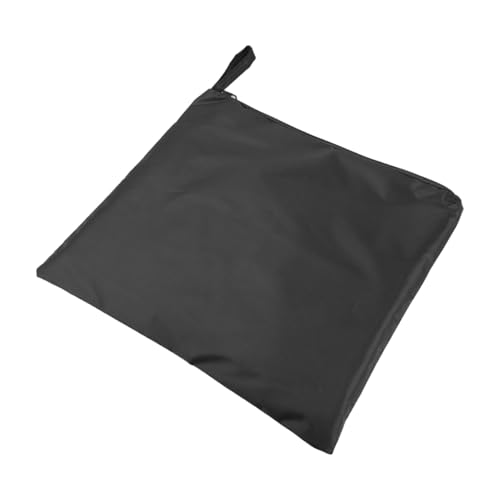
Waterproof Rain Storage: Designed as a rain poncho storage bag, this waterproof stuff sack keeps raincoat, jacket, and wet gear contained after use, preventing moisture from soaking backpacks, luggage, or other travel items

High quality special waterproof and windproof fabric offers a breathable and comfortable wear experience in any kinds of weather condition

Roll-top waterproof closure
Frequently Asked Questions
What is the best time to travel to Dominica?
The overall best time to travel to Dominica is during the dry season from mid-December through April. Temperatures are pleasant (75°F to 85°F), humidity is moderate, and rainfall is minimal, making it ideal for hiking, scuba diving, and outdoor exploration.
What is the weather like in Dominica during the best time to travel?
During the dry peak season, weather in Dominica is warm, sunny, and comfortable. Temperatures average 75°F–85°F (24°C–29°C) along the coast, with noticeably lower humidity and fewer rain disruptions than in the wet summer months.
Are there any specific events or festivals during the best time to travel to Dominica?
Yes, peak season overlaps with Dominica’s famous Carnival (Mas Domnik) in February or March. Additionally, the World Creole Music Festival takes place in late October, offering visitors unique opportunities to experience authentic Caribbean music and culture.
What activities are available during the best time to travel to Dominica?
Visitors during the dry season can enjoy long-distance hiking on the Waitukubuli Trail, trekking to the Boiling Lake, snorkeling at Champagne Reef, whale watching, river tubing, and exploring hot springs and waterfalls across the island.
Are there any drawbacks to traveling to Dominica during the best time?
The main drawbacks of peak season travel are higher accommodation rates, busier attractions, and reduced availability for car rentals and popular eco-lodges, requiring travelers to plan and book months in advance.
Sources
- Discover Dominica Authority — Official tourism guidelines, seasonal weather patterns, and event calendars
- UNESCO World Heritage Centre — Morne Trois Pitons National Park environmental data and trail overview
- NOAA National Hurricane Center — Tropical climate monitoring and Atlantic storm seasonal timing
- National Geographic Travel — Detailed excursion insights for Dominica’s Boiling Lake trail
