
Last Updated on July 31, 2026 by Daniel Globe
The best time to visit Wyoming depends on what you want to do. Summer gives first-time visitors the widest access to Yellowstone, Grand Teton, scenic roads, hiking trails, and campgrounds. Fall brings cooler weather and lighter crowds, winter is best for skiing and snow-based adventures, and spring can be rewarding for wildlife watchers who accept changing conditions and limited services.
Quick Answer
For most first-time visitors, late June through early September is the best time to visit Wyoming because most park roads, trails, campgrounds, and services are available. Choose September for lighter crowds and fall color, winter for skiing and elk viewing, or late spring for wildlife and lower lodging rates.
Key Takeaways
- Best overall window: Late June through early September offers the broadest access to parks, roads, trails, and visitor services.
- Best balance of access and crowds: Early to mid-September often provides open roads, cool weather, fall color, and fewer visitors than July or August.
- Best for winter recreation: December through March is ideal for downhill skiing, cross-country skiing, snowshoeing, snowmobiling, and winter elk viewing.
- Best for lower prices: Spring and fall can offer better lodging value, but some roads, trails, campgrounds, and businesses may be closed.
- Plan for rapid changes: Wyoming’s elevation, wind, thunderstorms, snow, and long driving distances make layers, current forecasts, and road-condition checks essential.
Disclosure: As an Amazon Associate I earn from qualifying purchases. Some links on this page are affiliate links, at no extra cost to you.
Best Time to Visit Wyoming by Season
Wyoming has high mountains, broad basins, open plains, and high-desert country, so conditions vary sharply by elevation and region. The following comparison helps match each season to the type of trip you want.
| Season | Best For | What to Expect | Main Trade-Off |
| Spring (April to mid-June) |
Wildlife, waterfalls, lower rates, and quieter towns | A mix of mild days, cold nights, rain, snow, mud, and gradual road openings | High trails and some park roads or facilities may remain closed |
| Summer (late June to August) |
First visits, family trips, hiking, camping, rafting, and scenic drives | Warm days, cool nights, broad access, long daylight, and afternoon thunderstorms | Largest crowds, higher lodging prices, traffic, and possible wildfire smoke |
| Fall (September to October) |
Fall color, photography, wildlife, scenic drives, and fewer crowds | Crisp days, cold nights, shorter daylight, and an increasing chance of snow | Services and roads begin closing as the season advances |
| Winter (December to March) |
Skiing, snowshoeing, snowmobiling, hot-springs trips, and winter wildlife | Cold temperatures, deep mountain snow, wind, and specialized park access | Many park roads and facilities close; ski-town holidays can be busy and expensive |
Note: November and early spring are transition periods. They can be peaceful and affordable, but they also bring the greatest chance of limited services, muddy trails, unpredictable snow, and changing road access.
Peak Tourist Seasons
Wyoming’s busiest general sightseeing season runs from late June through August. Families and outdoor travelers arrive when school is out, daylight is long, and most roads and visitor services are operating. Yellowstone and Grand Teton are especially busy during this period, so popular trailheads, wildlife-viewing pullouts, campgrounds, and gateway towns can fill early in the day.
Summer also brings the highest demand for lodging, rental cars, tours, and campsites. Reserve essential accommodations as early as your plans allow, especially for Jackson, Cody, and communities near Yellowstone’s entrances. Build extra time into driving days because wildlife jams, roadwork, parking searches, and slow scenic traffic can make short distances take longer than expected.
Winter is a second peak season in ski destinations such as Jackson Hole and at smaller mountain areas around the state. Holiday weeks and strong-snow periods may be crowded and costly, even though much of Wyoming is quieter than it is in summer. Yellowstone winter travel is more specialized because most park roads are not open to regular vehicles.
Best Time for Outdoor Activities
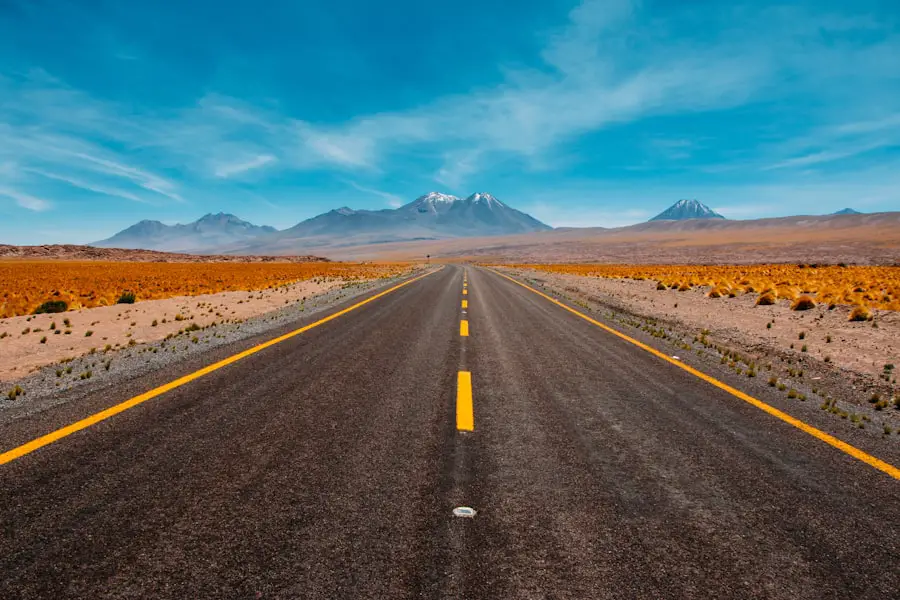
The ideal travel window changes with the activity, elevation, and destination. A trail that is dry near Cheyenne may still be covered by snow in the Tetons, so check local conditions rather than relying on a statewide forecast.
Hiking, Camping, and Mountain Biking
Late June through September is usually the most practical window for hiking, camping, and mountain biking. Lower trails may open earlier, while high-elevation routes can hold snow well into summer. July and August offer the greatest access, but afternoon thunderstorms are common in the mountains. September is cooler and quieter, although early snow can close high routes with little notice.
Fishing, Boating, and Rafting
Late spring through summer is popular for fishing and river trips. Water levels, runoff, water temperature, permits, and seasonal regulations vary by river and species. Use a licensed outfitter for technical whitewater and review current Wyoming fishing rules before casting.
Scenic Drives and Photography
Summer offers the most dependable road access. Early to mid-September is often better for photographers because of lower-angle light, changing aspens, active wildlife, and fewer vehicles. Sunrise and sunset provide attractive light, but drivers should watch carefully for animals on and beside the road.
Skiing, Snowshoeing, and Snowmobiling
December through March is the core winter-recreation period. Jackson Hole is known for advanced downhill terrain, while groomed Nordic routes, snowshoe trails, snowmobile tours, and family ski areas are available in several regions. Conditions vary greatly by elevation and storm cycle, so review avalanche forecasts and local trail guidance before entering backcountry terrain.
Pro Tip: Start summer hikes early. You will have cooler temperatures, easier parking, and more time to return below exposed ridges before afternoon thunderstorms develop.
National Park Access and Seasonal Closures
Yellowstone National Park is open year-round, but most roads close to regular vehicles from early November until spring. The road from the North Entrance through Mammoth Hot Springs to the Northeast Entrance is generally the only route open to regular vehicles throughout winter. Other areas are reached by commercially guided snowcoaches or snowmobiles during the winter operating season.
Grand Teton National Park is also open year-round. However, some roads, all campgrounds, and many visitor facilities close or reduce hours from November through April. Spring opening dates depend on snow removal, wildlife protection, and current conditions.
Warning: Never build an itinerary around a projected opening date without checking again. Snowstorms, wildfire activity, construction, flooding, and wildlife management can cause temporary closures at any time.
Wildlife Viewing Opportunities
| Location | Wildlife to Look For | Best General Window |
| Yellowstone National Park | Bison, elk, wolves, black bears, grizzly bears, and birds | Spring and fall; dawn and dusk are often productive |
| Grand Teton National Park | Moose, pronghorn, bison, elk, bears, eagles, and ospreys | Spring through fall, especially early or late in the day |
| National Elk Refuge | Wintering elk, bighorn sheep, trumpeter swans, bald eagles, and coyotes | Mid-December through early April for elk |
Yellowstone’s Lamar and Hayden valleys are well-known wildlife corridors, but sightings are never guaranteed. Grand Teton’s sagebrush flats, river corridors, and Antelope Flats area support many species, while the National Elk Refuge near Jackson is especially rewarding in winter. Bring binoculars or a telephoto lens and use designated pullouts rather than stopping in a travel lane.
Wildlife behavior changes by season. Spring brings migration and young animals, summer spreads wildlife across larger ranges, fall includes elk and moose breeding activity, and winter concentrates some animals at lower elevations. Ask park or refuge staff about recent sightings and temporary wildlife closures.
Warning: Never approach or feed wildlife. In Yellowstone, stay at least 100 yards from bears, wolves, and cougars and at least 25 yards from all other animals, including bison and elk. Carry accessible bear spray where recommended, know how to use it, and follow the rules for the specific park or refuge you are visiting.
Festivals and Events
Wyoming’s events can shape the best dates for a trip. Cheyenne Frontier Days, held in late July, combines professional rodeo, concerts, parades, Western heritage programs, and family activities. It is one of the state’s busiest event periods, so reserve lodging early if Cheyenne is part of your route.
The Jackson Hole Fall Arts Festival takes place in September and features Western, wildlife, and landscape art, gallery events, exhibitions, and sales. The timing pairs well with cooler weather and fall color in the Tetons.
Other seasonal options include community rodeos, county fairs, powwows, music festivals, holiday events, and local celebrations. Dates can change from year to year, so confirm schedules on the organizer’s official website before booking nonrefundable travel.
Off-Season Travel Benefits
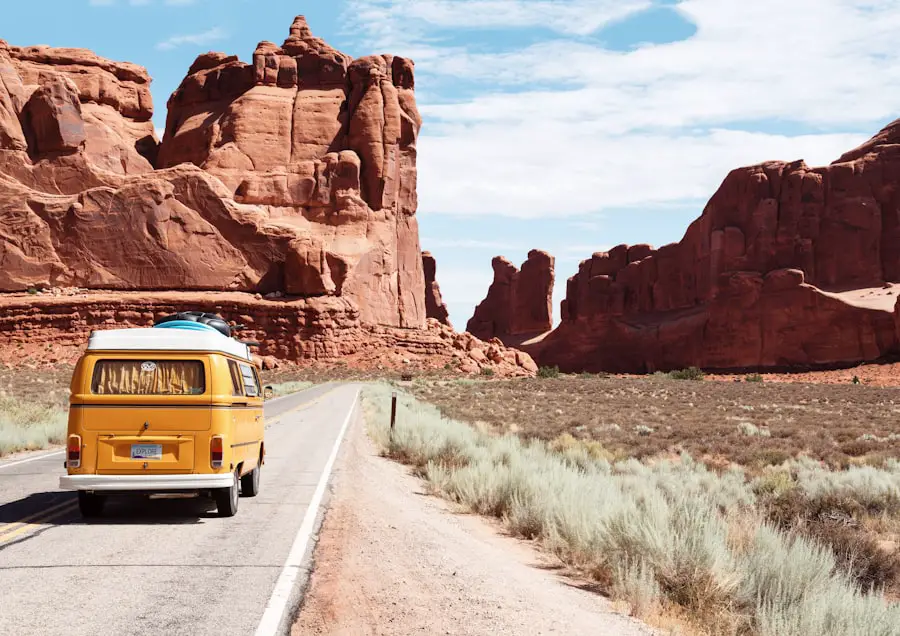
Spring and fall can provide a quieter, more flexible Wyoming experience. Roads and overlooks may be less crowded, lodging can cost less outside event weekends, and travelers often have more space at restaurants, museums, and scenic stops. These seasons are especially appealing to photographers, wildlife watchers, and visitors who do not need every high-elevation trail to be open.
The trade-off is reduced certainty. Spring may bring snow-covered trails, mud, runoff, and delayed road openings. Fall can shift from mild weather to hard freezes or snow within days, and some campgrounds, tours, restaurants, and visitor centers close after the summer season. Check each attraction rather than assuming the entire state follows one schedule.
Pro Tip: Early to mid-September is often the strongest compromise for a first trip: many roads and services are still available, summer crowds have started to ease, nights are cooler, and fall color may be developing at higher elevations.
Weather Considerations
Wyoming’s weather changes quickly because of elevation, topography, dry air, and exposure to strong winds. The Wyoming Climate Atlas shows that July average maximum temperatures in much of the state range from the mid-80s to mid-90s Fahrenheit, while mountain locations are much cooler. Even after a warm day, temperatures can drop sharply after sunset.
Mountain weather deserves extra caution. Grand Teton can receive snow or frost during any month, and Yellowstone summer nights can approach or fall below freezing at higher elevations. Afternoon thunderstorms are common during summer, particularly around mountain terrain. If you hear thunder, move to a substantial building or hard-topped vehicle rather than waiting for rain to reach you.
Late-summer and early-fall wildfire smoke may affect visibility and air quality even when a fire is far away. Check the AirNow Fire and Smoke Map along with local forecasts. In winter, wind and blowing snow can reduce visibility quickly and close highways.
In Wyoming, the forecast for the nearest town may not describe the conditions at a mountain pass, high trail, or remote basin. Check the exact destination and elevation before leaving.
Warning: Stay on designated boardwalks and trails in Yellowstone’s thermal areas. The ground can be thin and unstable, and hot water can cause severe or fatal burns.
What to Pack for a Wyoming Trip
- Layered clothing: Pack a moisture-managing base layer, a warm midlayer, and a wind-resistant outer layer.
- Rain protection: Bring a waterproof jacket even during summer.
- Sun protection: Use sunscreen, sunglasses, a brimmed hat, and lip protection at high elevation.
- Water and food: Carry more than you expect to need on remote drives and hikes.
- Navigation: Download offline maps and carry a paper backup because mobile service can be limited.
- Wildlife gear: Bring binoculars and carry bear spray where park guidance recommends it.
- Vehicle supplies: Keep a spare tire, basic emergency kit, warm clothing, and extra fuel planning for long rural routes.
- Winter equipment: Use tires and traction equipment suited to current conditions and obey posted restrictions.
Tips for Planning Your Trip
- Choose a region before choosing dates. Yellowstone, the Tetons, the Bighorn Mountains, Devils Tower, southeast Wyoming, and the state’s high-desert areas have different weather, distances, and seasonal schedules.
- Allow realistic driving time. Wyoming is large, services can be widely spaced, and wildlife or weather may slow travel.
- Reserve high-demand stays early. Summer lodging near Yellowstone and Grand Teton, popular campgrounds, guided activities, and ski-season lodging can sell out.
- Check official park alerts. Review road, trail, campground, fire, and wildlife closures shortly before each travel day.
- Use current road information. Check WYDOT 511 for highway conditions, closures, construction, and cameras.
- Start popular days early. Early departures improve parking options and leave room for weather delays.
- Keep the itinerary flexible. Add one or two backup activities, such as museums, hot springs, scenic drives, or town visits, in case mountain weather changes your primary plan.
For a first visit focused on Yellowstone and Grand Teton, avoid packing too many distant stops into one day. Spending several nights in each region usually creates a better experience than crossing the state on an aggressive schedule. Confirm current opening dates, permits, reservations, and event schedules before paying for nonrefundable plans.
Frequently Asked Questions
What is the best time to travel to Wyoming?
Late June through early September is the best general window for a first visit because most scenic roads, trails, campgrounds, and visitor services are available. September is often better for travelers who prefer cooler weather and fewer crowds.
What is Wyoming’s summer weather like?
Summer days range from mild in the mountains to hot in lower basins and plains. Nights are usually much cooler, and high elevations can approach freezing. Afternoon thunderstorms are common, so pack layers and rain protection.
Is September a good month to visit Wyoming?
Yes. Early to mid-September can offer cooler temperatures, lighter crowds, wildlife activity, and fall color while many major roads and services remain open. Cold nights and early snow are possible, so check conditions daily.
Are there events or festivals to plan around?
Cheyenne Frontier Days is held in late July, and the Jackson Hole Fall Arts Festival takes place in September. Rodeos, fairs, powwows, concerts, and community celebrations occur throughout the state. Verify dates on official event websites before booking.
What are the most popular summer attractions in Wyoming?
Yellowstone National Park, Grand Teton National Park, Devils Tower National Monument, the Bighorn Mountains, Cody, Jackson, and scenic byways are popular summer choices. The best route depends on how many days you have and which part of the state you enter.
Do I need advance reservations for a summer trip?
Advance reservations are strongly recommended for lodging near Yellowstone and Grand Teton, park campgrounds, guided tours, rental cars, and major event weekends. Booking rules and release dates vary by property and campground.
Can I visit Yellowstone and Grand Teton in winter?
Yes, but access is limited. Most Yellowstone roads close to regular vehicles and winter interior travel generally requires authorized snowcoach or snowmobile services. Grand Teton remains open, although some roads, campgrounds, and visitor facilities close or reduce hours.
How many days should I spend in Wyoming?
Allow at least five to seven days for a Yellowstone and Grand Teton trip, and more if you want to include Cody, the Bighorn Mountains, Devils Tower, or southeast Wyoming. Long distances make slower itineraries more enjoyable.
Sources
- Wyoming State Climate Office — Temperature — statewide temperature patterns and elevation-related differences.
- National Park Service — Yellowstone Park Roads — seasonal road access and projected opening and closing periods.
- National Park Service — Grand Teton Weather — seasonal temperatures, snow, frost, and thunderstorm guidance.
- National Park Service — Yellowstone Safety — wildlife distances, bear safety, food storage, and thermal-area rules.
- Wyoming Department of Transportation — WYDOT 511 — current highway conditions, closures, construction, and cameras.
- National Park Service — Yellowstone Campgrounds — campground availability and reservation requirements.
