
Last Updated on July 28, 2026 by Daniel Globe
Texas is large enough that there is no single perfect travel month for every destination. Still, March through April and October through November are usually the best times to visit Texas for comfortable sightseeing, outdoor activities, and major events. The ideal month changes depending on whether you want wildflowers, beaches, festivals, fall color, or desert hiking.
Quick Answer
The best time to visit Texas is generally March–April or October–November, when temperatures are more comfortable for sightseeing and outdoor activities. Spring is best for bluebonnets and major festivals; fall brings milder weather and events. Summer suits water trips but can be dangerously hot, while winter is excellent for West Texas hiking.
Key Takeaways
- Best overall: March–April and October–November usually offer the easiest mix of comfortable weather and things to do.
- Best for wildflowers: Late March into April is often prime bluebonnet season, although bloom timing changes with rain and temperature.
- Best for beaches and water: Late spring through summer offers warm water, but summer heat and Gulf hurricane-season forecasts require extra planning.
- Best for hiking: Fall through spring is better for desert destinations such as Big Bend, but those cooler months are also the park’s busiest season.
- Best strategy: Choose your dates by region rather than treating the entire state as having one climate or tourist season.
At a Glance
| Best Overall | March–April and October–November |
| Wildflowers | Late March through April in many Central Texas areas |
| Fall Color | Late October through November, depending on location and weather |
| Big Bend Hiking | Fall through spring; reserve early because cooler months are busy |
| Texas Coast | Late spring for warmth with less peak-summer heat; monitor tropical weather June–November |
| Major Festivals | March–April and September–October |
Disclosure: As an Amazon Associate I earn from qualifying purchases. Some links on this page are affiliate links, at no extra cost to you.
Spring: Wildflowers, Festivals, and Mild Weather
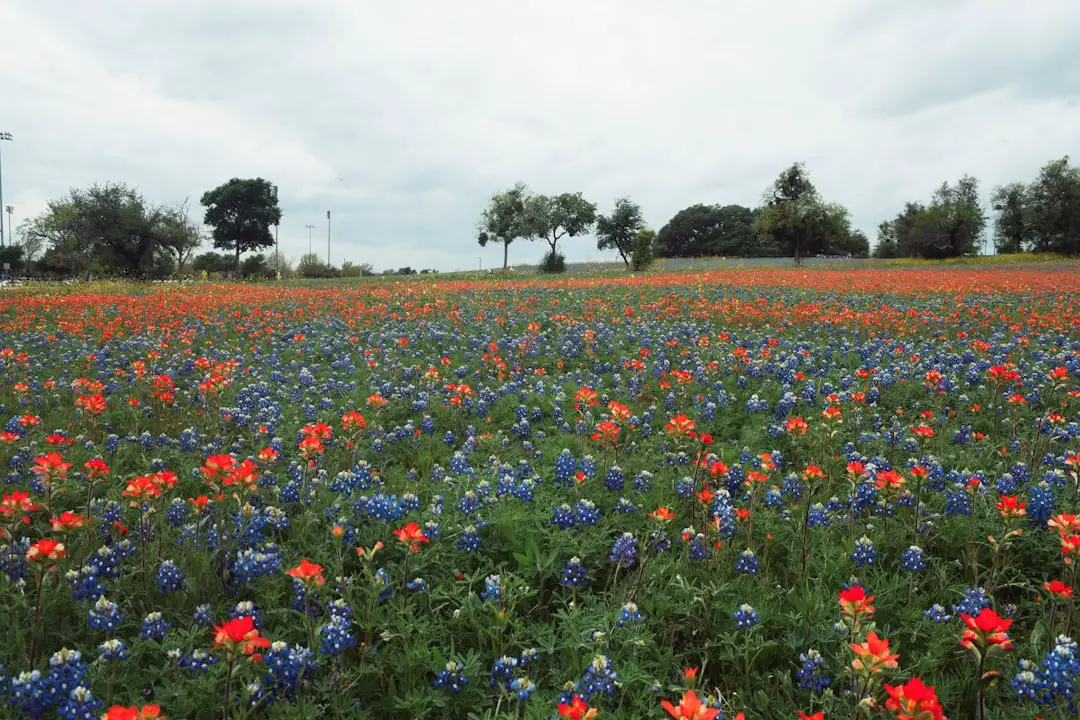
Spring is one of the easiest seasons for a first trip to Texas. Temperatures are generally more comfortable than in midsummer, and wildflowers brighten roadsides, parks, ranch country, and open fields across much of the state.
Texas bluebonnets often reach their best displays from late March into April, although the exact peak changes from year to year. The Texas Parks & Wildlife Department recommends state parks as especially safe places to enjoy spring wildflowers away from busy roads. The Hill Country can feature bluebonnets, Indian paintbrushes, daisies, verbena, wine cups, and many other native flowers.
Scenic routes around the Hill Country can be especially attractive during a strong bloom year. Burnet also celebrates the season with its annual Bluebonnet Festival, typically held in April with music, family activities, shopping, food, and community events.
Warning: Do not stop in traffic lanes or stand close to fast-moving vehicles for wildflower photos. Use designated parking areas, parks, or safe pull-offs, and avoid trampling flowers or entering private property.
Spring is also one of Texas’s busiest festival seasons. South by Southwest (SXSW) brings music, film, television, technology, and creative-industry programming to Austin in March. In San Antonio, Fiesta San Antonio is a major multi-day celebration in April with parades, music, food, cultural events, and community traditions.
The tradeoff is weather. Spring can bring thunderstorms, heavy rain, hail, damaging winds, and tornadoes to parts of Texas. Do not assume that mild temperatures mean consistently dry conditions. Check the local forecast each day, especially when planning long drives or outdoor activities.
Summer: Enjoying the Texan Sun and Water Activities
Summer is a natural choice for travelers focused on swimming, boating, tubing, beaches, and water parks. It is also the season when heat becomes the biggest planning concern across much of Texas.
Lake Travis: A Summer Haven
Lake Travis near Austin is popular for boating, swimming, paddling, and waterfront recreation. Visitors can rent boats or other watercraft where available, spend time along the shoreline, or combine a lake day with nearby restaurants and Hill Country sightseeing.
Water levels and access conditions can change because of drought, rainfall, and reservoir operations, so check current conditions before making lake activities the centerpiece of a trip.
The Texas Coast: A Unique Summer Experience
The Texas Gulf Coast offers beaches and water activities around destinations such as Galveston and Port Aransas. Galveston combines beaches with historic neighborhoods and family attractions, while Port Aransas provides miles of Gulf shoreline along with fishing, boating, surfing, and birding.
Summer visitors should expect high temperatures, strong sun, and humid conditions along much of the coast. Start active sightseeing earlier in the morning, schedule shade or indoor breaks during the hottest part of the day, and drink water regularly.
Adventure and Relaxation on the Coast
Fishing charters operate from several Texas coastal communities and can target different species depending on season, water conditions, and the type of trip booked. Evening beach time can also be enjoyable once daytime temperatures ease.
Beach-fire rules vary by location. For example, Port Aransas permits small fires when local rules are followed, while some Galveston beaches and parks restrict open fires or require permits. Always check the specific beach’s current regulations instead of assuming bonfires are allowed everywhere.
Warning: Texas summer heat can become dangerous quickly. Avoid strenuous midday hikes, never leave children or pets in a parked vehicle, carry more water than you expect to need, and follow heat advisories from the National Weather Service.
Fall: Experience Texas’s Changing Leaves and Cooler Weather
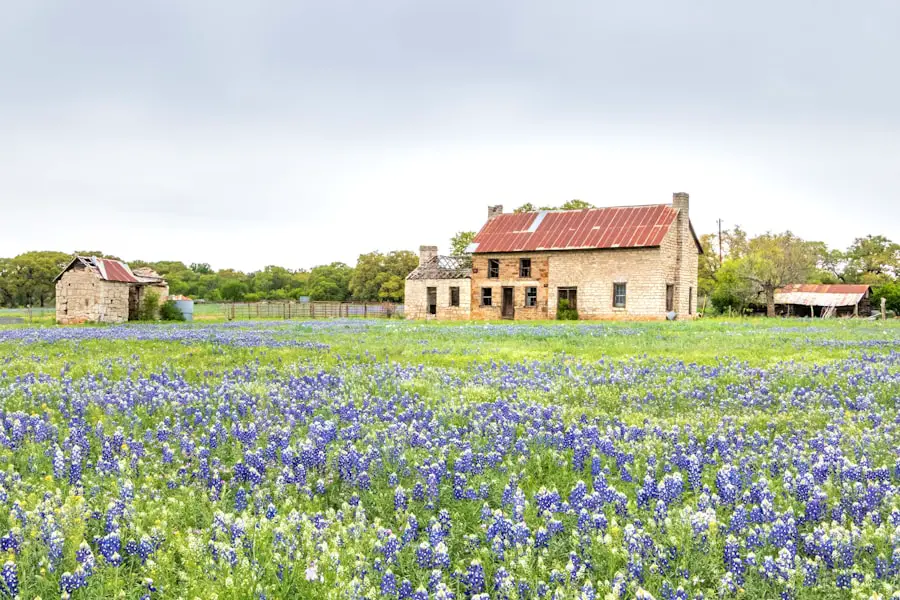
As summer heat eases, fall becomes another strong time to travel in Texas. October and November can offer more comfortable conditions for city sightseeing, hiking, festivals, wineries, and road trips, although warm spells can continue well into autumn.
Fall foliage is more localized in Texas than in heavily forested northern states. One of the state’s best-known destinations is Lost Maples State Natural Area, where stands of Uvalde bigtooth maples can produce vivid color. Texas Parks & Wildlife says color often develops from the last two weeks of October into the first two weeks of November, depending on weather.
Hill Country communities such as Fredericksburg and Wimberley are also pleasant fall road-trip stops, with wineries, restaurants, shops, outdoor recreation, and seasonal events. However, do not expect every Hill Country road to produce New England-style foliage.
Pro Tip: If fall color is the main reason for your trip, check the current Lost Maples foliage report before driving. Peak color can shift significantly with heat, rainfall, wind, and cold fronts.
Fall is also festival season. The State Fair of Texas takes place at Fair Park in Dallas each fall with exhibits, rides, performances, food, agriculture, and family entertainment. Austin City Limits Music Festival also brings large crowds to Austin in October.
Halloween events, pumpkin patches, harvest celebrations, football games, and local festivals add to the seasonal atmosphere throughout the state.
Winter: Embracing the Holiday Season in Texas
| Winter Activity | Where to Find It |
| Seasonal outdoor ice skating | Discovery Green in downtown Houston |
| Holiday lights | San Antonio River Walk |
| Trail of Lights | Zilker Park in Austin |
| Zoo Lights | Houston Zoo |
Winter in Texas varies dramatically by region. South Texas and the Gulf Coast can have mild stretches, while North Texas, the Panhandle, and higher elevations can experience freezes, ice, snow, and strong cold fronts.
The holiday season brings major light displays and special events. The San Antonio River Walk holiday display features about 200,000 lights through the downtown area from the day after Thanksgiving into early January. Houston offers seasonal ice skating at Discovery Green and the Houston Zoo hosts its annual Zoo Lights event. Austin’s Trail of Lights is another long-running holiday tradition.
Winter is also attractive for desert hiking. Big Bend National Park typically has much more comfortable temperatures from fall through spring than during summer. However, this is not a quiet secret season: the National Park Service identifies the cooler months as its main visitor period, and lodging, camping, and popular trailheads can become crowded.
Off-Peak Times: Finding Deals and Avoiding Crowds
Texas does not have one statewide off-season. The quietest period depends on the destination.
Hot summer weather can reduce demand for some city-focused trips, especially when there is no major convention, sports event, festival, or holiday weekend. That can create opportunities for lower hotel rates, but the savings come with a major tradeoff: daytime outdoor sightseeing can be uncomfortable or unsafe during extreme heat.
Winter weekdays can also be quieter in some cities once the holiday season ends. Coastal destinations may have calmer periods outside spring break and peak summer travel.
Big Bend is an important exception. According to the National Park Service, its busy season generally runs from late fall through spring, with major holiday periods and spring break particularly crowded. Travelers hoping to save money or avoid people should not assume January, February, or March will be quiet there.
For the best chance at lower prices, compare weekday stays with weekends and check the local event calendar before booking. A normally inexpensive week can become costly when a major festival, football game, convention, or school break fills hotels.
Peak Tourist Seasons: Navigating the Busiest Times in Texas
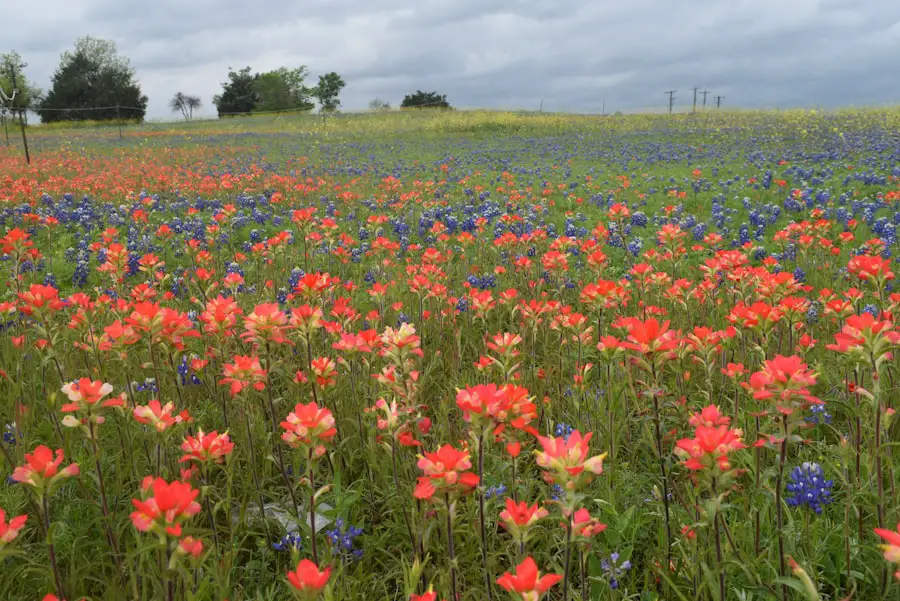
Texas also has several overlapping peak periods rather than one statewide high season. Spring break brings heavy demand to coastal destinations such as South Padre Island, while March events such as SXSW can sharply increase crowds and hotel demand in Austin. Fiesta creates another busy spring period in San Antonio.
Summer is busy at beaches, water parks, lakes, and family attractions because schools are out, even though the weather is at its hottest. Popular destinations such as Galveston, Port Aransas, and major water parks can be crowded on weekends and holidays.
Fall creates different travel peaks. Austin fills for major football weekends and the Austin City Limits Music Festival, Dallas draws visitors for the State Fair of Texas, and Lost Maples State Natural Area can reach capacity during fall-foliage weekends.
Big Bend’s peak pattern is almost the reverse of a typical summer vacation destination. Cooler weather draws visitors from roughly fall through spring, especially around Thanksgiving, Christmas and New Year’s, spring break, and three-day weekends.
Note: Festival dates, school breaks, park reservations, and event schedules change each year. Check official calendars before buying non-refundable flights or lodging.
Weather Considerations: Understanding Texas’s Climate
Texas covers several climate regions, so statewide averages can be misleading. Houston’s Gulf-influenced weather is different from Dallas, while the high plains around Amarillo and the desert of Big Bend follow very different patterns again.
Central and North Texas
Spring and fall often provide comfortable temperatures, but spring can also be stormy. The National Weather Service notes that spring is a peak period for thunderstorms and severe weather around Dallas/Fort Worth. Heavy rain, hail, high winds, and tornadoes are possible, so outdoor plans should remain flexible.
West Texas and Big Bend
West Texas has a drier climate with large temperature swings. At Big Bend, summer heat begins early and lower desert areas can rise above 100°F. Higher elevations in the Chisos Mountains are cooler, which means conditions can vary substantially during the same day and within the same park.
Gulf Coast
The Gulf Coast is humid, with warm-to-hot weather for much of the year. Tropical weather is an additional consideration from summer through fall. The National Hurricane Center defines the Atlantic hurricane season as June 1 through November 30. A trip during those months is not automatically unsafe, but travelers should monitor forecasts and understand hotel, airline, and cancellation policies.
Winter Weather
Texas winters are often mild compared with northern states, but strong cold fronts can produce freezing temperatures, ice, and occasional snow. Travelers should check forecasts shortly before departure rather than assuming every winter day will be warm.
Texas weather can change enough from one region to another that choosing the right destination is just as important as choosing the right month.
Best Time to Visit Texas by Region
Texas Hill Country and Austin
March and April are excellent for wildflowers and festivals, while October and November offer cooler conditions for wineries, small towns, outdoor dining, and hiking. March festival dates and October event weekends can make Austin significantly busier.
San Antonio and South-Central Texas
Spring and late fall are comfortable for walking the River Walk, exploring historic sites, and spending time outdoors. April can be busy during Fiesta. December is popular for holiday lights and seasonal events.
Dallas–Fort Worth and North Texas
March–April and October–November generally avoid the worst summer heat. Spring visitors should still be prepared for thunderstorms and severe weather. Fall sports and the State Fair can increase weekend crowds.
West Texas and Big Bend
October through April provides much better hiking weather than summer, but those months also bring the most visitors to Big Bend. Reserve camping or lodging well in advance for holidays and spring break.
Texas Gulf Coast
Late spring offers warm beach weather before the most intense part of summer. Summer remains popular for family vacations despite heat and humidity. From June through November, monitor tropical-weather forecasts when visiting Galveston, Port Aransas, South Padre Island, or other Gulf destinations.
Events and Festivals: Planning Your Trip Around Texas’s Best Annual Events
Annual events can be a reason to choose one month over another, but they can also raise hotel prices and fill restaurants, parking areas, and attractions.
The Houston Livestock Show and Rodeo typically takes place in late winter or early spring and combines rodeo competition, livestock exhibitions, concerts, carnival attractions, food, and agricultural programming.
March brings SXSW to Austin, while April brings Fiesta San Antonio. Fall includes the Austin City Limits Music Festival at Zilker Park and the State Fair of Texas in Dallas.
Travelers interested in a specific festival should use the official event website to confirm that year’s dates before booking. A large event can change the best neighborhood to stay in, hotel prices, parking availability, and how early reservations are needed.
Overall, Texas works as a year-round destination, but spring and fall are the easiest seasons for most first-time visitors. Choose spring for bluebonnets and cultural festivals, fall for comfortable sightseeing and major events, summer for water-focused vacations, and winter for holiday activities or cooler desert hiking.
If golf is part of your Texas trip, you may also be interested in the best golf travel bags for protecting clubs during the journey. Texas has golf destinations across several regions, so your ideal golf travel season will also depend on local heat and weather.
Frequently Asked Questions
What is the best time to travel to Texas?
For most travelers, March through April and October through November are the best general windows. Temperatures are usually easier for sightseeing than in midsummer, while spring adds wildflowers and festivals and fall brings major events and cooler outdoor conditions.
What is the weather like in Texas during the best time to travel?
Spring and fall generally have more comfortable temperatures than summer, but conditions vary by region. Spring can bring thunderstorms and heavy rain, while fall may stay hot into October in some areas. Check the forecast for the specific city or park rather than relying on a statewide average.
Are there festivals in Texas during the best travel months?
Yes. Major examples include the Houston Livestock Show and Rodeo and SXSW in the spring, Fiesta San Antonio in April, and Austin City Limits Music Festival and the State Fair of Texas in the fall. Check official event calendars because dates change annually.
What attractions are good to visit in spring and fall?
Popular choices include the Alamo and River Walk in San Antonio, museums and music attractions in Austin, Space Center Houston, Texas state parks, Hill Country towns, and outdoor destinations such as Big Bend. The best choice depends on the region and weather.
Is summer a bad time to visit Texas?
Not necessarily. Summer works well for beaches, lakes, tubing, water parks, museums, and other water or indoor activities. The drawback is extreme heat. Schedule strenuous outdoor activities early, take frequent cooling breaks, and avoid desert hiking during dangerous heat.
When is hurricane season on the Texas Gulf Coast?
The official Atlantic hurricane season runs from June 1 through November 30. Most trips during that period are unaffected by hurricanes, but Gulf Coast visitors should monitor National Hurricane Center forecasts and review cancellation policies before traveling.
Sources
- Texas Parks & Wildlife Department — Texas Spring Wildflowers — supports spring wildflower timing, locations, and responsible viewing guidance.
- Texas Parks & Wildlife Department — Lost Maples State Natural Area — supports fall-foliage timing and bigtooth maple information.
- National Park Service — Big Bend National Park Basic Information — supports peak-visitation and seasonal-planning guidance.
- National Park Service — Big Bend Weather — supports summer heat and elevation-related temperature guidance.
- National Weather Service — Dallas/Fort Worth Climate Narrative — supports seasonal rainfall, heat, thunderstorm, and severe-weather guidance.
- NOAA National Hurricane Center — supports the June 1 through November 30 Atlantic hurricane-season window and tropical-weather monitoring guidance.
