
Last Updated on July 28, 2026 by Daniel Globe
New Mexico changes dramatically with the seasons, so the best time to visit depends on what you want to do. Spring and fall offer some of the easiest weather for sightseeing and hiking, summer is packed with cultural events and high-country adventures, and winter turns the northern mountains into ski country. Elevation matters just as much as the month: conditions in Santa Fe or Taos can be very different from those at White Sands or Las Cruces on the same day.
Quick Answer
For most travelers, April through May and late September through October are the best times to visit New Mexico because temperatures are generally comfortable for sightseeing and outdoor activities. Visit in winter for skiing, summer for mountain adventures and major cultural events, or October for fall color and Albuquerque’s Balloon Fiesta.
Key Takeaways
- Spring: Great for hiking, wildflowers, sightseeing, and smaller crowds, although mountain snow and strong winds can still occur.
- Summer: Best for high-elevation destinations and major cultural events, but lower deserts can become extremely hot and afternoon thunderstorms are common in many areas.
- Fall: One of the best all-around seasons for mild weather, fall color, chile harvests, hiking, and the Albuquerque International Balloon Fiesta.
- Winter: Ideal for skiing, snowboarding, snowshoeing, hot springs, and quieter cultural trips.
- Elevation matters: Always check the forecast for the exact destination rather than relying on a statewide temperature estimate.
Disclosure: As an Amazon Associate I earn from qualifying purchases. Some links on this page are affiliate links, at no extra cost to you.
Best Time to Visit New Mexico by Season
| Season | Best For | What to Expect |
| Spring March–May |
Hiking, wildflowers, sightseeing | Mild lower-elevation weather, cool nights, wind, and possible mountain snow |
| Summer June–August |
Mountain trips, festivals, lakes | Hot deserts, cooler mountains, long days, and seasonal thunderstorms |
| Fall September–November |
Fall color, hiking, chile, Balloon Fiesta | Pleasant days, cooler nights, strong October travel demand in Albuquerque |
| Winter December–February |
Skiing, snowshoeing, hot springs | Snow in the mountains, cold nights statewide, and generally quieter sightseeing |
Spring in New Mexico: Mild Weather, Wildflowers, and Hiking
Spring is one of the easiest seasons for exploring much of New Mexico. Lower-elevation areas warm quickly while the mountains remain cooler, and snow can linger or return during early spring at higher elevations.
Wildflower timing varies with elevation and rainfall rather than following one statewide calendar. Documented New Mexico species include Indian paintbrush, blanket flower, globemallow, and many others. At White Sands National Park, many annual wildflowers begin blooming around mid-April, although some species appear earlier.
The weather also varies sharply by location. According to the National Park Service, White Sands averages roughly 75°F daytime temperatures during March through May, while higher destinations such as Bandelier can still experience snow and rapid temperature changes.
Note: Spring can be windy, especially in exposed desert areas. Check local forecasts before hiking or visiting places such as White Sands, where blowing sand can reduce visibility.
Spring is also a good time to explore Albuquerque’s gardens, museums, trails, and seasonal community events. The ABQ BioPark offers changing spring programs and activities rather than one fixed event schedule, so check the official BioPark calendar before your trip.
For hikers, spring can be especially rewarding at lower and middle elevations. Bandelier National Monument, the Gila region, and other protected landscapes offer excellent walking opportunities, but trail conditions may change quickly after snow, wind, or spring storms.
Summer in New Mexico: Mountains, Culture, and Long Days
Summer can be both New Mexico’s hottest season and one of its most active. The key is choosing your elevation carefully. Desert destinations can become very hot, while northern mountain communities offer noticeably cooler temperatures.
Escape the Heat in the Mountains
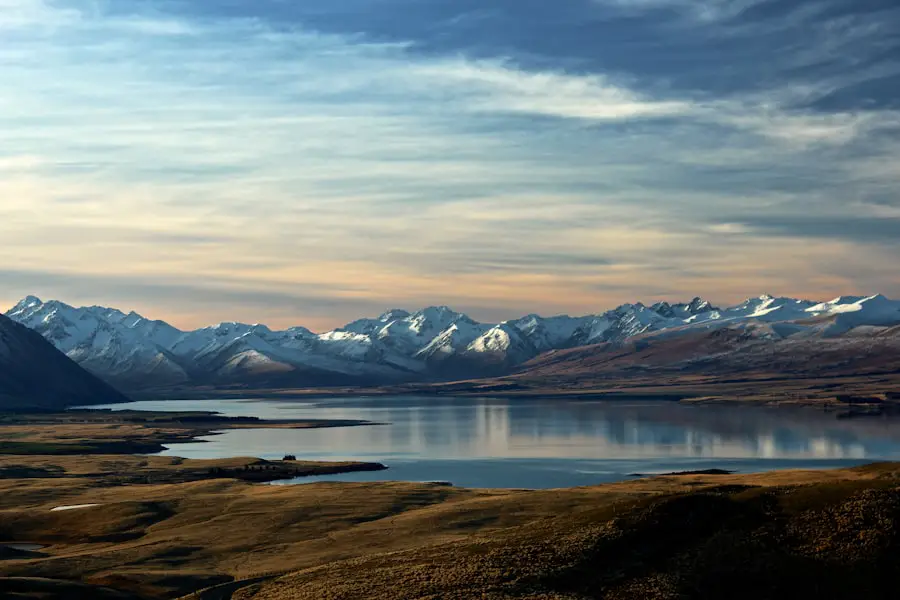
The Sangre de Cristo Mountains around Santa Fe and Taos are popular summer escapes. Hiking trails reach forests, alpine scenery, and high viewpoints that can feel far cooler than lower desert locations.
Mountain biking is another major summer activity. Angel Fire Resort, for example, operates an extensive lift-served bike park during its warm-weather season, subject to weather and trail conditions.
Vibrant Cultural Events
Summer is one of New Mexico’s strongest cultural seasons. The SWAIA Santa Fe Indian Market brings Native artists from across the United States and Canada to downtown Santa Fe. The 2026 market is scheduled for August 15–16.
The Santa Fe Opera is another summer highlight. Its 2026 performance season runs from July 3 through August 29, with performances in its open-air mountain setting.
Summer Nights Under the Stars
Warm evenings support concerts, outdoor performances, patio dining, stargazing, and community events throughout the state. At higher elevations, nighttime temperatures can still fall quickly, so a light layer is useful even after a warm afternoon.
Warning: Do not underestimate New Mexico’s summer heat, elevation, or thunderstorms. Carry plenty of water, avoid exposed trails during lightning, and check weather and park alerts before entering canyons or desert backcountry. Afternoon storms can develop quickly and may create flash-flood hazards.
Fall in New Mexico: Colors, Chile, and Balloon Fiesta
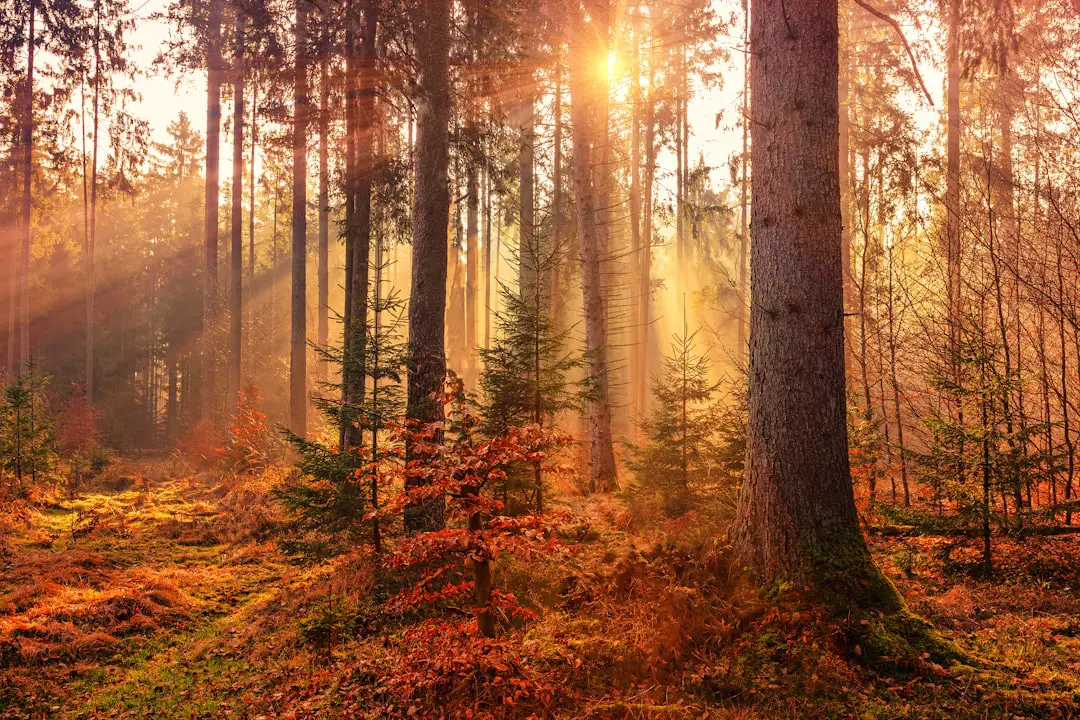
As summer fades, fall brings cooler temperatures and some of New Mexico’s most photogenic landscapes. Aspen groves in higher portions of the Sangre de Cristo Mountains turn gold, while cottonwoods add autumn color along rivers and lower valleys.
Fall is especially comfortable for hiking because intense summer heat has usually eased. Mornings and evenings can be cold at higher elevations, however, and snow is possible later in the season.
September and October also overlap with New Mexico’s chile harvest and roasting season. The New Mexico Tourism Department highlights the Hatch Chile Festival as a Labor Day weekend tradition featuring food, chile, music, and community events.
October’s signature event is the Albuquerque International Balloon Fiesta. In 2026, it runs from October 3 through October 11, bringing hundreds of balloons and large numbers of visitors to Albuquerque.
Pro Tip: If Balloon Fiesta is the reason for your trip, reserve lodging and transportation well ahead of October. If you prefer a quieter Albuquerque visit, choose dates outside the festival period.
Winter in New Mexico: Skiing, Snow, and Hot Springs
| Activity | Location | Typical Plan |
| Skiing | Taos Ski Valley | Half or full day |
| Snowboarding | Angel Fire Resort | Half or full day |
| Snowshoeing | Northern New Mexico forests | A few hours or longer |
| Hot Springs | Ojo Caliente | Several hours |
| Cozy Cabin Stay | Taos, Red River, or Ruidoso | Weekend or longer |
Winter gives northern New Mexico a completely different character. Ski areas such as Taos Ski Valley and Ski Santa Fe draw skiers and snowboarders to the Sangre de Cristo Mountains, while other snowy areas support snowshoeing and cross-country skiing when conditions allow.
Taos Ski Valley reaches a summit elevation above 12,000 feet, while Ski Santa Fe also operates at very high elevation. That means temperatures, wind, snow, and road conditions can change much faster than they do in lower-elevation cities.
Winter is also well suited to soaking in hot springs, visiting museums, enjoying New Mexican comfort food, and spending evenings around a fireplace. Posole, chile-based stews, tamales, and other hearty dishes fit naturally into cold-weather trips.
Holiday markets, luminaria displays, performances, and community traditions add another reason to visit in December. Check local calendars because schedules and road conditions can change from year to year.
Festivals and Events: When to Experience New Mexico’s Culture
New Mexico’s cultural calendar stretches across the entire year, so there is no single festival season.
Spring brings community celebrations in Albuquerque and elsewhere, including Fiestas de Albuquerque, which celebrates the city’s history in Old Town with music, activities, food, and cultural programming.
Summer is particularly strong for arts events. Santa Fe Opera performances run through July and August in 2026, while the Santa Fe Indian Market takes place August 15–16, 2026.
Late summer and early fall bring chile harvest celebrations. The Hatch Chile Festival is traditionally held over Labor Day weekend and centers on New Mexico’s famous crop with chile roasting, food, music, a parade, and community activities.
Fall culminates in the Albuquerque International Balloon Fiesta. The 2026 event runs October 3–11 and is one of the biggest reasons to plan an October trip to Albuquerque well in advance.
For a festival-focused trip, August through early October offers one of New Mexico’s richest stretches of art, food, harvest celebrations, and major events.
Outdoor Activities: Best Seasons for Hiking, Biking, and Water Sports
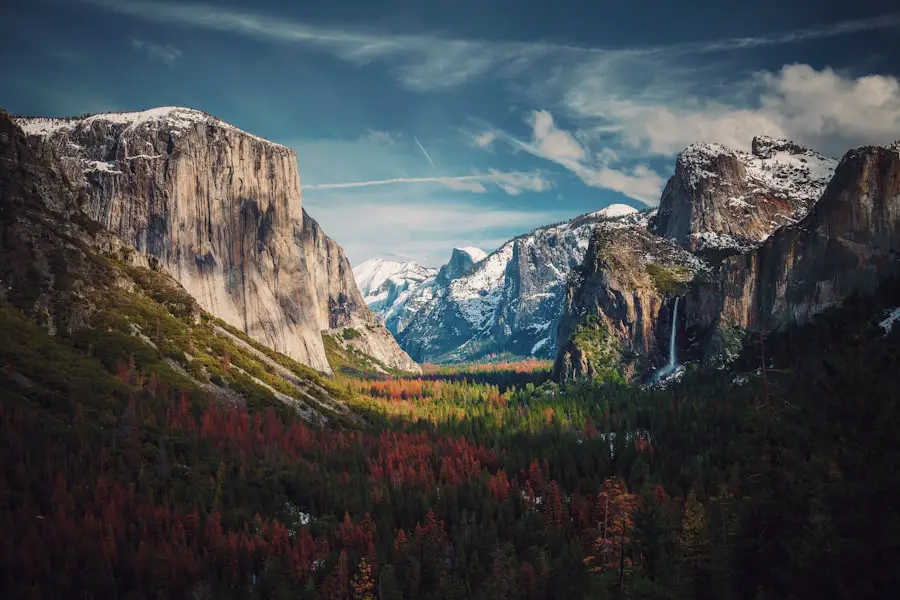
New Mexico’s geography makes outdoor recreation possible throughout the year, but choosing the right location for the season makes a major difference.
Spring: Hiking is excellent at many lower and middle elevations. Bandelier National Monument and the Gila region offer extensive trail systems, although early-season snow, wind, and rapidly changing temperatures remain possible.
Summer: Head higher for hiking and mountain biking, or plan water recreation at state parks. Elephant Butte Lake supports boating, kayaking, fishing, and swimming, but water levels and boat-ramp conditions can change significantly. Check New Mexico State Parks alerts before towing or launching a boat.
Fall: Cooler temperatures make hiking and biking especially appealing. Aspen color adds scenery in the northern mountains, while lower-elevation trails become more comfortable as summer heat fades.
Winter: Hiking continues in snow-free areas, while the northern mountains shift toward skiing, snowboarding, snowshoeing, and cross-country skiing.
Wildlife Viewing: What to See in Each Season
New Mexico’s deserts, wetlands, forests, grasslands, and mountains support a wide variety of wildlife. The best season depends on the species you hope to see.
At Bosque del Apache National Wildlife Refuge, spring is an important migration period for shorebirds, flycatchers, vireos, warblers, and other birds. It is not, however, the peak season for the refuge’s famous sandhill cranes.
Summer brings hummingbirds and other warm-season species, while early mornings and evenings are generally the most productive wildlife-viewing periods because many animals avoid the hottest part of the day.
Fall migration begins bringing cranes and geese back toward the Middle Rio Grande Valley, generally starting around late October. Elk activity also becomes more noticeable in some mountain areas during the fall rut.
Winter is the prime season for Bosque del Apache’s celebrated sandhill-crane spectacle. The U.S. Fish & Wildlife Service reports that the greatest bird numbers are generally present from early November through late January, with thousands of cranes, geese, and ducks using the refuge and surrounding valley.
Note: Wildlife sightings are never guaranteed. Dawn and dusk are often productive, but always keep a respectful distance and follow refuge or park rules.
Local Cuisine and Markets: When to Visit for Seasonal Flavors
New Mexican food reflects Native American, Spanish, Mexican, and regional agricultural traditions. Seasonal ingredients can add another dimension to your trip.
Spring farmers markets begin filling with greens, herbs, radishes, and other cool-season produce. It is a pleasant time to combine market visits with outdoor sightseeing before peak summer heat arrives.
Late summer and early fall are especially important for chile. Fresh green chile appears during harvest season, and the smell of roasting chile becomes common at markets, roadside stands, and grocery stores across the state. Labor Day weekend’s Hatch Chile Festival celebrates this harvest tradition.
Fall also brings apples, pumpkins, squash, and other harvest foods. Cooler evenings make traditional stews, enchiladas, posole, and baked dishes even more appealing.
Winter is an excellent season for comfort food. Posole, tamales, red and green chile sauces, sopaipillas, and hearty stews pair naturally with cold mountain evenings and holiday gatherings.
Best Time to Visit Different Parts of New Mexico
Albuquerque
Spring and fall are especially comfortable for sightseeing. October is famous for Balloon Fiesta, but it is also one of the city’s busiest travel periods.
Santa Fe and Taos
Late spring through fall works well for art, hiking, dining, and cultural events. Winter is ideal if skiing or snowy mountain scenery is the priority. Cool nights are possible even in summer because of the elevation.
White Sands and Southern New Mexico
Spring and fall generally offer more comfortable daytime conditions. According to the National Park Service, summer daytime temperatures at White Sands average about 95°F and can climb substantially higher, making early-morning and evening planning important.
Mountain Areas
Summer offers relief from lower-elevation heat, while fall brings aspens and cool hiking weather. Winter is the primary ski season, but travelers should monitor forecasts and road conditions closely.
Pro Tip: Instead of checking a generic “New Mexico weather” forecast, look up each overnight stop separately. A route that crosses deserts, plateaus, and mountain passes can encounter large temperature differences in a single day.
Frequently Asked Questions
What is the best time to travel to New Mexico?
April through May and late September through October are excellent choices for many travelers because they combine relatively comfortable temperatures with good conditions for sightseeing and outdoor activities. The best season changes if skiing, summer festivals, chile harvests, or winter wildlife are your main priority.
What is the weather like during the best months to visit New Mexico?
Spring and fall often bring mild daytime weather and cooler nights, but conditions vary considerably by elevation. Southern deserts can be warm while high mountain areas remain cold or snowy. Pack layers and check forecasts for each destination on your route.
When is the Albuquerque International Balloon Fiesta in 2026?
The 2026 Albuquerque International Balloon Fiesta is scheduled for October 3 through October 11. October is a popular time in Albuquerque, so visitors attending the event should arrange accommodations and transportation well ahead of the festival.
When is the best time for hiking in New Mexico?
Spring and fall are excellent for many lower- and middle-elevation trails. Summer is often better at high elevations, where temperatures are cooler. Check for snow in spring, heat and thunderstorms in summer, and early winter weather late in the fall.
When is the best time to see sandhill cranes in New Mexico?
Late fall through winter is the best period at Bosque del Apache National Wildlife Refuge. The refuge reports its largest bird numbers from early November through late January, when thousands of cranes, geese, and ducks winter in the Middle Rio Grande Valley.
Is summer too hot for a New Mexico trip?
Not necessarily. Lower desert destinations can become extremely hot, but higher-elevation areas around Santa Fe, Taos, and the northern mountains are usually cooler. Plan strenuous desert activities for morning, carry plenty of water, and watch for afternoon thunderstorms.
What should travelers know about New Mexico’s elevation?
Many popular destinations sit at high elevation. Give yourself time to adjust, drink water regularly, pace strenuous activities, protect yourself from the sun, and pay attention to symptoms that become worse with exertion. Weather also changes faster in mountain environments.
Sources
- National Park Service — White Sands Weather — seasonal temperatures, summer heat, thunderstorms, and spring wind.
- National Park Service — Bandelier National Monument — elevation, seasonal weather, snow, and outdoor conditions.
- U.S. Fish & Wildlife Service — Bosque del Apache — seasonal wildlife migration and sandhill crane timing.
- Southwestern Association for Indian Arts — official 2026 Santa Fe Indian Market dates and event information.
- Albuquerque International Balloon Fiesta — official 2026 event dates and schedule.
- New Mexico State Parks — Elephant Butte Lake — boating activities, facilities, and current park-condition guidance.
