Last Updated on August 26, 2026 by Daniel Globe
Choosing the best time to visit Mallorca depends on what you want from the trip. For the best balance of pleasant weather, outdoor activities, manageable crowds, and good beach conditions, late spring and early autumn are usually the strongest choices. Summer is best for guaranteed beach weather and nightlife, while winter suits hiking, cycling, Palma sightseeing, and quieter trips.
Quick Answer
For most travelers, the best time to visit Mallorca is May to June or September to early October. These months combine warm weather with fewer crowds than July and August. Choose midsummer for the hottest beach weather, or November through March for quieter sightseeing, cycling, hiking, and lower seasonal demand.
Key Takeaways
- Best overall: May, June, September, and early October offer a strong mix of warm weather and easier sightseeing.
- Best for beaches: June through September brings the warmest, most dependable beach conditions, with July and August the hottest and busiest months.
- Best for hiking and cycling: Spring and autumn are usually more comfortable than midsummer, especially in the Serra de Tramuntana.
- Quietest period: November through February has much lower tourism demand, although some resort businesses operate reduced winter schedules.
- Rainfall matters: Autumn remains warm, but September and especially October are wetter than the dry midsummer months.
- Seasonal events: Winter brings Sant Sebastià and almond blossom, while September features Nit de l’Art and the Festa des Vermar grape-harvest celebrations.
Disclosure: As an Amazon Associate I earn from qualifying purchases. Some links on this page are affiliate links, at no extra cost to you.
Best Time to Visit Mallorca at a Glance
| Period | Typical Experience | Best For | Main Trade-Off |
|---|---|---|---|
| March-April | Mild spring weather with cooler evenings | Hiking, cycling, sightseeing | Sea and evenings may still feel cool |
| May-June | Warm to hot, increasingly dry and sunny | Best all-round trip, beaches, families | Crowds and prices rise toward summer |
| July-August | Hot, dry, busy peak season | Beach holidays, nightlife, water activities | Heat, crowds, heavy demand for accommodation |
| September-early October | Warm weather with gradually increasing rain risk | Beach plus sightseeing, couples, events | More showers and storms than midsummer |
| November-February | Cooler, quieter and more changeable | Palma, hiking, cycling, culture, almond blossom | Some coastal businesses reduce hours or close |
Mallorca Weather and Climate
Mallorca has a Mediterranean climate with hot, dry summers and mild, wetter winters. Official climate normals from Spain’s State Meteorological Agency (AEMET) show how quickly conditions change from spring into summer and again through autumn.
| Month | Average High in Palma | Average Low | Average Rainfall |
|---|---|---|---|
| April | 19.2°C / 66.6°F | 11.7°C / 53.1°F | 39 mm |
| May | 22.5°C / 72.5°F | 15.1°C / 59.2°F | 36 mm |
| June | 26.5°C / 79.7°F | 18.9°C / 66.0°F | 11 mm |
| July | 29.4°C / 84.9°F | 21.9°C / 71.4°F | 6 mm |
| August | 29.8°C / 85.6°F | 22.5°C / 72.5°F | 22 mm |
| September | 27.1°C / 80.8°F | 19.9°C / 67.8°F | 52 mm |
| October | 23.7°C / 74.7°F | 16.6°C / 61.9°F | 69 mm |
| January | 15.4°C / 59.7°F | 8.3°C / 46.9°F | 42 mm |
Note: These figures are long-term climate averages for Palma, not a forecast. Mallorca has local differences: the Serra de Tramuntana can be cooler, wetter, and windier than sheltered coastal areas, so always check the short-range forecast before mountain walks or boat trips.
Peak Tourist Season in Mallorca
Mallorca’s peak tourist season runs broadly through the summer, with the greatest pressure on popular beaches, resort areas, restaurants, roads, and accommodation during July and August. Warm seas, long daylight hours, very low average rainfall, school holidays, and a full tourism calendar make these months especially attractive for beach-focused visitors.
For travelers who want lively resorts, nightlife, boat excursions, swimming, snorkeling, and dependable summer heat, this is the strongest period. It is also the period when booking ahead matters most. Popular accommodation around Palma, Alcúdia, Sóller, Cala d’Or, Pollença, and the southwest coast can face heavy demand.
July is Palma’s driest month in AEMET’s standard climate normals, with only about 6 mm of average rainfall, while average daily highs approach 30°C.
Warning: Midsummer heat can make long hikes, exposed cycling routes, and midday sightseeing uncomfortable or unsafe. Start demanding outdoor activities early, carry water, use sun protection, and adjust plans during official heat warnings.
Off-Peak Season
November through February is Mallorca’s quietest travel period. Visitors who are less interested in swimming can enjoy Palma’s historic center, local markets, museums, cycling routes, village visits, and cooler walking weather without the intensity of the summer season.
Winter does require more flexible planning. Coastal resort areas can become very quiet, some seasonal businesses reduce their hours, and weather is more changeable. Mountain conditions may also differ sharply from Palma or the coast.
One distinctive winter attraction is Mallorca’s almond blossom. The official Balearic tourism portal notes that almond trees typically flower in January and February, covering parts of the countryside in white and pink blossom.
Pro Tip: If you want a quieter Mallorca trip but still prefer warmer conditions and a broad choice of open restaurants and activities, choose May, late September, or early October instead of the deepest winter months.
Festivals and Events
| Event Name | Location | When | Why Visit |
|---|---|---|---|
| Sant Sebastià | Palma | Around January 19-20 annually | Bonfires, concerts, traditional festivities and Palma’s patron-saint celebrations |
| Nit de l’Art | Palma | September 19, 2026 | Contemporary art, galleries, institutions and free cultural programming |
| Festa des Vermar | Binissalem | Second half of September | Grape-harvest traditions, wine culture, music, parades and community celebrations |
Festivals can change the character of a trip, so travelers with flexible dates should check local calendars before booking. Palma’s official tourism site identifies Sant Sebastià as the city’s major January celebration. In autumn, Nit de l’Art 2026 takes place on September 19, while Binissalem celebrates its grape-harvest culture through the Festa des Vermar in the second half of September.
Smaller village fairs, markets, concerts, art exhibitions, and religious celebrations take place throughout the year. Exact programs can vary annually, so confirm dates with the municipality or official tourism office when a particular event is central to your trip.
Outdoor Activities
Mallorca offers far more than beaches. Hiking, road cycling, mountain scenery, coastal walks, kayaking, sailing, snorkeling, and swimming can all shape the best time to travel.
For hiking and cycling, spring and autumn are generally easier than July and August because temperatures are more comfortable. The Serra de Tramuntana along Mallorca’s northwest coast is a UNESCO-listed cultural landscape, and the island’s official tourism portal highlights the GR 221 long-distance trail through the mountains.
Beach travelers usually favor June through September. July and August provide the most dependable heat but also bring the heaviest crowds. September can be an excellent compromise because temperatures remain high, although the chance of rain and thunderstorms begins to increase.
Note: October can still produce warm beach days, but it should not be treated as a guaranteed dry month. AEMET’s Palma climate normals show substantially more average rainfall in October than in June, July, or August.
Best Time to Visit Mallorca by Travel Style
- Beach holiday: June to September.
- Best balance of beach and sightseeing: May to June and September to early October.
- Hiking: March to May and October to November are usually more comfortable than midsummer.
- Cycling: Spring and autumn provide cooler riding conditions and are especially popular for road cycling.
- Families: Late May, June, and September can avoid some of the extreme heat and peak-school-holiday pressure.
- Nightlife: June through August is the liveliest period in major resort areas.
- Quiet cultural trip: November through February, especially if Palma is your base.
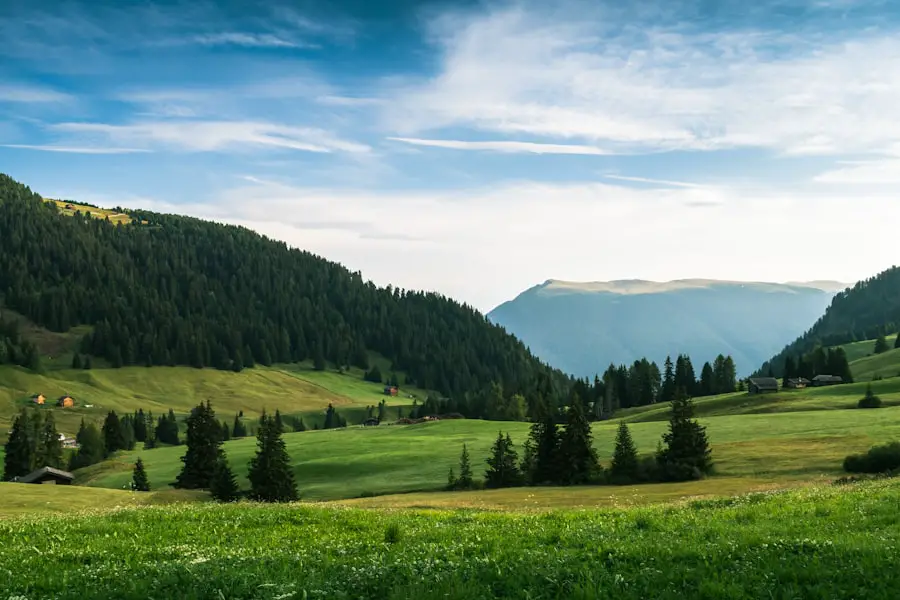
- Photography and countryside: Spring greenery, winter almond blossom, and softer autumn light each offer different landscapes.
Accommodation and Prices
Mallorca has accommodation ranging from luxury resorts and boutique hotels to rural fincas, apartments, hostels, and family-focused beach hotels. The right choice depends heavily on both location and season.
Summer demand is strongest in popular coastal areas, so travelers visiting in July or August should normally reserve well ahead when they care about a specific property, room type, or location. May, early June, late September, and October can provide a broader balance between weather and seasonal demand.
Winter can be attractive for travelers prioritizing value and space rather than resort nightlife or swimming. However, some properties and restaurants in strongly seasonal coastal areas close or reduce operations outside the main tourism season. Palma and larger towns generally provide a more reliable year-round base.
Local Cuisine and Dining
Mallorca’s food is another reason to travel outside the hottest part of summer. Traditional dishes and products include pa amb oli, tumbet, sobrasada, ensaïmada, almonds, local olive oil, vegetables, seafood, and dishes built around seasonal produce.
Palma offers everything from markets and neighborhood cafés to contemporary restaurants, while villages provide opportunities to experience more traditional Mallorcan cooking. Autumn is especially interesting for wine and harvest-related events, including the Festa des Vermar in Binissalem.
Restaurant reservations become more important in busy resort areas and popular Palma restaurants during peak travel periods. Outside summer, visitors may encounter reduced hours in seasonal coastal locations, so checking opening times before making a special journey is worthwhile.
Transportation and Accessibility
Most international visitors arrive through Palma de Mallorca Airport. Official Aena airport information lists the A1 route between the airport and Palma city centre, the A2 route to S’Arenal, and several intercity airport connections serving other parts of Mallorca.
Palma itself is easy to explore using walking, public buses, and taxis. Travelers staying mainly in the capital do not necessarily need a rental car. A car becomes more useful for remote coves, smaller inland villages, rural accommodation, and flexible exploration of the Serra de Tramuntana.
Summer traffic and parking can be difficult around famous beaches and mountain villages. Starting early, using public transportation when practical, and avoiding the busiest arrival times can make day trips easier.
For more information about the site’s travel-planning approach, visit the TakeTravelInfo About Us page. For time-sensitive Mallorca details such as weather alerts, public transportation, and event schedules, verify information with the official sources listed below before travel.
What to Pack for Mallorca by Season
- Spring: Light layers, comfortable walking shoes, a light rain shell, sunglasses, and sun protection.
- Summer: Breathable clothing, high-SPF sunscreen, a hat, refillable water bottle, swimwear, and light footwear.
- Autumn: Warm-weather clothing plus a compact rain jacket and an extra evening layer, especially later in October.
- Winter: Long trousers, layers, a weather-resistant jacket, and proper footwear for walking or hiking.
Frequently Asked Questions
What is the best time to travel to Mallorca, Spain?
For most travelers, May to June and September to early October provide the best overall balance of warm weather, outdoor activities, beach time, and easier sightseeing. July and August are better if maximum summer heat and a lively resort atmosphere are priorities.
What is the weather like during the best months to visit Mallorca?
AEMET climate normals for Palma show average highs of about 22.5°C in May, 26.5°C in June, 27.1°C in September, and 23.7°C in October. September and October are wetter than June and July, so early autumn travelers should allow for occasional rain.
Is May a good month to visit Mallorca?
Yes. May is one of the best all-round months for sightseeing, cycling, hiking, and increasingly beach-friendly weather. Average daytime highs in Palma are around 22.5°C, although the sea and evenings can feel cooler than in midsummer.
Is September a good time to visit Mallorca?
September is an excellent choice for travelers who want warm weather and beach time after the height of the summer holiday period. Average Palma highs remain around 27°C, but rainfall and thunderstorm risk increase compared with July and August.
What is the hottest time of year in Mallorca?
July and August are the hottest core summer months. Palma’s long-term climate normals show average daily highs close to 30°C, and hotter spells can occur. These months are ideal for swimming but less comfortable for strenuous midday hiking or cycling.
When is Mallorca rainiest?
Rain becomes more significant in autumn. AEMET’s Palma climate normals show around 52 mm of average rainfall in September and 69 mm in October, compared with approximately 6 mm in July. Rainfall varies by location, and the Tramuntana mountains can be wetter than Palma.
When is the best time for hiking in Mallorca?
Spring and autumn are usually better than midsummer for long walks because temperatures are more comfortable. Routes in the Serra de Tramuntana, including sections of the GR 221, are popular choices, but mountain weather should always be checked before departure.
Are there festivals worth planning a Mallorca trip around?
Yes. Palma celebrates Sant Sebastià around January 19-20, while September is particularly strong for cultural and harvest events. Nit de l’Art 2026 is scheduled for September 19 in Palma, and Binissalem’s Festa des Vermar celebrates the grape harvest during the second half of September.
Sources
- AEMET — Standard Climate Values for Palma, Puerto — temperature, rainfall, sunshine, and long-term climate normals.
- IBESTAT — Hotel Occupancy Survey — official Balearic tourism accommodation and seasonality statistics.
- Visit Palma — Sant Sebastià Festival — official dates and details for Palma’s January patron-saint celebrations.
- Visit Palma — Nit de l’Art 2026 — official September 19, 2026 event information.
- Aena — Palma de Mallorca Airport Bus Information — city and intercity airport transportation.
- UNESCO — Cultural Landscape of the Serra de Tramuntana — authoritative information on Mallorca’s World Heritage mountain landscape.