

Last Updated on July 28, 2026 by Daniel Globe
Mallorca, the largest of Spain’s Balearic Islands, has hot, dry summers and mild winters, but there is no single “best” month for every traveler. Beachgoers may prefer midsummer, while hikers, cyclists, sightseers, and travelers who dislike crowds often get a better balance in late spring or early autumn. Weather also varies across the island, with cooler and sometimes wetter conditions in the Serra de Tramuntana than along lower coastal areas.
Quick Answer
For most travelers, the best time to visit Mallorca is May, early June, September, or early October. These periods balance warm weather with lighter crowds than July and August. Choose July–August for the hottest beach weather, spring or autumn for hiking, and November–March for the quietest, often lower-cost trips.
Key Takeaways
- Best overall balance: May, early June, September, and early October combine warm conditions with fewer crowds than the height of summer.
- Peak season: June through August brings the strongest beach atmosphere, highest heat, and heavy visitor demand, with July and August usually the busiest months.
- Main shoulder seasons: April–May and September–October are excellent for sightseeing, hiking, cycling, food, and cultural trips.
- Off-season: November–March is quieter and can be less expensive, although some seasonal hotels, restaurants, beach services, and transport routes operate on reduced schedules.
- Beach lovers: July and August offer the hottest conditions, while June and September provide warm beach weather with somewhat less pressure at popular resorts.
- Outdoor travelers: Spring and autumn are more comfortable for long walks, mountain hikes, and cycling than the hottest part of summer.
Mallorca Weather and Climate
Mallorca has a Mediterranean climate. Official AEMET climate normals for Palma de Mallorca Airport show an annual mean temperature of about 16.5°C (61.7°F), while the coastal Palma Port station is warmer, with an annual mean near 18.2°C (64.8°F). This illustrates why island-wide averages should be treated as a guide rather than a forecast for every town.
July and August are the hottest months. At Palma Airport, normal average daytime highs are about 31.2°C (88.2°F) in July and 31.3°C (88.3°F) in August. Coastal areas can be a little milder, while inland locations can feel hotter.
Summer also has very long days. Around June and July, Mallorca receives roughly 14–15 hours of daylight near the summer solstice. That should not be confused with measured sunshine: AEMET records about 342 hours of sunshine at Palma Airport in July, or roughly 11 hours per day on average.
Rainfall increases sharply in early autumn. At Palma Airport, the normal monthly rainfall rises from 17 mm in August to 50 mm in September and 62 mm in October. Palma Port records about 69 mm in October. Rain does not necessarily last all day, but autumn can also produce thunderstorms and occasional intense rainfall, so travelers should not assume that every shower will be brief.
Note: The figures below are long-term climate normals for Palma de Mallorca Airport, not a forecast. Mountain, inland, and coastal conditions can differ on the same day.
Mallorca Month-by-Month Weather Guide
| Month | Average High | Average Rainfall | Best For |
|---|---|---|---|
| January | 15.2°C / 59.4°F | 37 mm | Palma, culture, quiet sightseeing |
| February | 15.4°C / 59.7°F | 32 mm | Almond blossom, quiet touring |
| March | 17.5°C / 63.5°F | 26 mm | Hiking, cycling, sightseeing |
| April | 19.8°C / 67.6°F | 34 mm | Walking, cycling, culture |
| May | 23.7°C / 74.7°F | 32 mm | Best all-around spring month |
| June | 28.1°C / 82.6°F | 12 mm | Beach trips before peak heat |
| July | 31.2°C / 88.2°F | 5 mm | Hot beach weather, nightlife |
| August | 31.3°C / 88.3°F | 17 mm | Beach holidays, peak atmosphere |
| September | 27.9°C / 82.2°F | 50 mm | Warm sea, food and wine, lighter crowds |
| October | 23.9°C / 75.0°F | 62 mm | Hiking, sightseeing, quieter beaches |
| November | 19.0°C / 66.2°F | 55 mm | Quiet towns, culture, walking |
| December | 16.1°C / 61.0°F | 48 mm | Christmas culture, Palma, quiet escapes |
Peak Tourist Season in Mallorca
Mallorca’s main summer travel season runs from June through August, with July and August generally bringing the greatest pressure on beaches, accommodation, restaurants, and popular sights. Official statistics underline the scale of summer demand: in August 2025, Mallorca recorded more than 8.5 million hotel overnight stays, according to Spain’s National Statistics Institute (INE).
Mallorca recorded more than 8.5 million hotel overnight stays in August 2025, showing why the height of summer requires earlier planning.
Accommodations and Tourist Spots
Hotels and resorts can fill quickly during the busiest summer weeks, particularly in major resort areas. Prices also tend to be strongest when demand is high, although actual rates depend on the property, booking date, and travel dates.
Popular areas such as Palma, Magaluf, and Alcúdia are at their liveliest in summer, with restaurants, bars, beach services, boat trips, and entertainment operating at full pace.
The Challenges of Peak Season
Peak season delivers the widest choice of beach-focused activities, but it also brings the largest crowds. Famous coves, parking areas, roads, and major attractions can become busy, and finding a quiet stretch of sand may take more planning.
Summer heat is another consideration, particularly for hiking or cycling. Schedule demanding outdoor activity early in the morning, carry enough water, and avoid exposed routes during the hottest part of the day.
Warning: Summer is also Mallorca’s high-risk wildfire period. For 2026, the Balearic government set the high forest-fire-danger period from May 1 through October 15 and restricted fires in forest areas. Check current regional rules before hiking, picnicking, or visiting natural areas.
Festivals and Events
Summer also brings open-air concerts, patron-saint celebrations, and traditional festivals. Official Mallorca tourism information highlights Sant Joan in June as part of the island’s summer traditions, followed by village celebrations throughout the season.
Shoulder Season in Mallorca
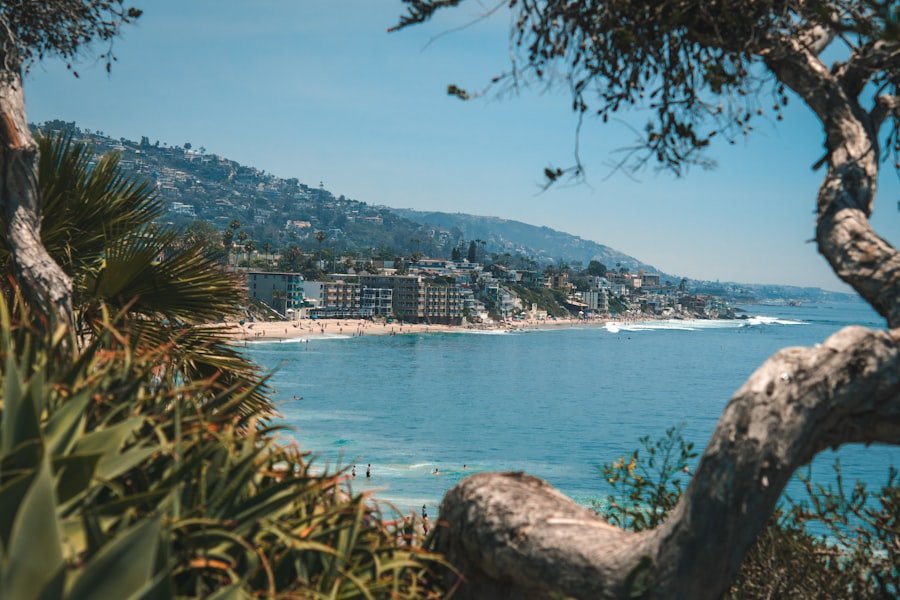
Mallorca’s clearest shoulder-season windows are April–May and September–October. Early June can also provide a useful transition into summer, but June is officially part of the summer season and becomes increasingly busy as the month progresses.
Spring brings blooming landscapes and comfortable temperatures. Official Balearic tourism guidance for Mallorca in spring specifically recommends the season for hiking, cycling, strolling through towns, nature, and birdwatching.
May is especially versatile. Palma Airport’s normal average high is about 23.7°C (74.7°F), warm enough for long days outside without the extreme heat of July or August. The sea may still feel cool to some swimmers, but conditions are excellent for combining beaches with sightseeing.
Autumn is warmer than spring at first. September’s normal average high at Palma Airport is about 27.9°C (82.2°F), making it attractive for swimming and beach days even as peak summer crowds begin to ease.
September is also wine-harvest season. In Binissalem, the official Festa des Vermar celebrates Mallorca’s winemaking tradition and the end of the grape harvest.
Pro Tip: Choose May if hiking, cycling, spring scenery, and lower heat matter most. Choose September if swimming and warm evenings are higher priorities. September is warmer, but it also has a greater chance of rain than May.
Off-Season in Mallorca
| Typical Daytime Highs | About 15–19°C (59–66°F) from November through March at Palma Airport |
| Tourist Arrivals | Generally much lower than the summer peak |
| Hotel Availability | Plenty of year-round options in Palma and larger towns, but some seasonal resort properties close or reduce operations |
| Flight Availability | Some seasonal routes and frequencies may be reduced compared with summer |
The quieter travel period generally runs from November through March. It is not ideal for travelers whose main goal is hot beach weather, but it can be excellent for Palma, historic towns, food, culture, walking, and a slower view of island life.
At Palma Airport, normal monthly mean temperatures range from about 9.5°C (49.1°F) in January to 13.7°C (56.7°F) in November, while average daytime highs remain around 15–19°C (59–66°F). Evenings and mountain areas can feel considerably cooler.
Winter should not be described as a period when Mallorca simply closes. Official Balearic winter tourism information promotes museums, cultural heritage, inland villages, natural scenery, almond blossom, and traditional celebrations.
However, the experience does change. Seasonal beach clubs, resort hotels, restaurants, excursions, and other summer-focused businesses may close temporarily or reduce their hours. Checking individual opening times before making a special trip is wise.
Winter also offers local events that summer visitors miss. Palma’s Sant Sebastià celebrations take place around January 19–20, while almond trees bloom across parts of inland Mallorca during winter.
Best Time for Beach Lovers
For beach lovers seeking the hottest weather and the liveliest seaside atmosphere, July and August are the most dependable choices. Temperatures are high, rainfall is low, and Mallorca’s beach resorts operate at full pace.
The island offers beaches with very different personalities, from the busy resort atmosphere around Playa de Palma to quieter coves and the natural setting of Cala Agulla. Water sports, boat excursions, beach clubs, swimming, and snorkeling are widely available during summer.
The trade-off is crowding. Travelers who prefer more breathing room should consider June or September. June is much drier than September in Palma’s climate normals, while September usually offers warmer late-season sea conditions and slightly less intense visitor pressure than August.
Early October can still produce warm beach days, but weather becomes less predictable and rainfall is more frequent.
Best Time for Outdoor Activities

Ideal Weather Conditions
Spring and autumn are the strongest seasons for hiking, cycling, and long outdoor days. Depending on the month and location, daytime conditions are usually far more comfortable than the intense heat of midsummer.
April and May work especially well for active trips. September remains warm, while October brings cooler hiking temperatures but a higher chance of rain.
Diverse Terrain and Trails
Mallorca’s landscape ranges from coastal paths and rolling countryside to steep mountain routes. The Serra de Tramuntana is a UNESCO World Heritage cultural landscape running along the island’s northwestern side and is one of Mallorca’s signature areas for walking and mountain scenery.
Trail difficulty varies widely. Check distance, elevation gain, water availability, weather forecasts, and daylight before leaving, particularly on more remote mountain routes.
Seasonal Highlights
In spring, hikers can see green landscapes and wildflowers around the Serra de Tramuntana and picturesque towns such as Sóller and Valldemossa. Autumn is also popular with cyclists and hikers who want to explore without midsummer temperatures.
Local companies offer guided hiking and cycling trips as well as bicycle rentals, but operating schedules vary by season.
Note: Pack layers for mountain trips even when Palma feels warm. Conditions in the Tramuntana can be cooler, windier, and wetter than those near sea level.
Best Time for Cultural Exploration
Spring and autumn are excellent for cultural exploration because temperatures are comfortable for walking and major sights generally feel less pressured than in midsummer. April and May also bring Easter traditions, village fairs, local food, and spring events.
Autumn combines comfortable sightseeing with food and wine traditions. A highlight is September’s Festa des Vermar in Binissalem, which celebrates the grape harvest with wine-related festivities and local traditions.
Historic sites, churches, old-town streets, workshops, galleries, and inland villages can be easier to appreciate when summer crowds have eased. Mallorca’s cultural calendar is not limited to the shoulder seasons, however. Winter brings Sant Antoni and Sant Sebastià celebrations, while Sant Joan marks the beginning of the summer festival season.
Best Time for Budget Travelers
Travelers focused on price should compare November through March first. Demand is generally lower outside the major summer holiday period, and accommodations can be cheaper than during peak months. Airfares may also be lower on some routes, although prices are never guaranteed and can rise around holidays or special events.
The trade-off is a smaller selection of seasonal resort hotels, beach businesses, excursions, and flights. Palma and larger towns are better suited to a winter visit than areas built mainly around summer beach tourism.
Many enjoyable activities remain free or inexpensive, including walking through historic neighborhoods, visiting villages, exploring coastal promenades, and hiking suitable routes. Eating at neighborhood restaurants away from the busiest resort areas can also provide a more local experience.
Pro Tip: For a compromise between price and weather, compare late April, May, late September, and October with your preferred summer dates. Shoulder-season savings are not guaranteed, but these periods often offer better value than the busiest July and August weeks.
What to Pack by Season
Spring
Bring light layers, comfortable walking shoes, sun protection, and a light waterproof jacket. April evenings can still feel cool, especially outside Palma or at higher elevations.
Summer
Pack lightweight clothing, swimwear, a hat, sunglasses, sunscreen, and plenty of sun protection. For outdoor activities, carry enough drinking water and avoid planning strenuous exposed hikes during the hottest hours.
Autumn
September can still feel like summer, but by October a light jacket and rain layer are useful. Keep flexible plans in case thunderstorms or heavy rain affect beach, mountain, or road travel.
Winter
Bring layers, a warmer jacket for mornings and evenings, closed walking shoes, and rain protection. Mountain areas may be considerably colder than Palma or sheltered coastal towns.
If you are planning a trip to Mallorca with children, you may also want to read about the best double stroller for travel. Having suitable gear can make family travel easier. International travelers can also review these universal travel adapters. For gift ideas, see these travel gifts for women.
Frequently Asked Questions
What is the best time to travel to Mallorca?
For most travelers, May, early June, September, and early October provide the best balance of warm weather and manageable crowds. July and August are best for maximum summer heat and beach atmosphere, while spring and autumn are better for active sightseeing.
What is the weather like in Mallorca during the best time to travel?
May normally has an average daytime high near 23.7°C (74.7°F) at Palma Airport, while September averages about 27.9°C (82.2°F). May is generally drier. September and October remain warm but have a greater chance of rain, particularly as autumn progresses.
Are there any specific events or festivals during the best time to travel to Mallorca?
Yes. Spring includes Easter traditions and village fairs, while September brings Binissalem’s Festa des Vermar grape-harvest celebration. Other popular seasonal traditions fall outside the main shoulder periods: Sant Sebastià is celebrated in Palma in January, almond blossom is a winter attraction, and Sant Joan takes place in June.
Is it more expensive to travel to Mallorca during the best time to travel?
Prices depend on demand and exact dates. July and August usually create the greatest pressure on accommodation, while spring, autumn, and winter can provide better value. Booking early is particularly useful when traveling during school holidays or major events.
What are the popular activities to do in Mallorca during the best time to travel?
Popular activities include beaches and swimming, exploring Palma and historic villages, hiking in the Serra de Tramuntana, cycling, sailing, snorkeling, visiting markets, and sampling local food and wine. Spring and autumn are particularly comfortable for combining several of these activities in one trip.
Is May or September better for Mallorca?
May is better for hiking, cycling, spring scenery, and travelers who prefer lower temperatures. September is better for swimming, warm evenings, and a more summer-like beach trip. September is warmer but also wetter on average than May.
Is Mallorca worth visiting in winter?
Yes, especially for Palma, historic villages, walking, food, museums, winter festivals, and a quieter atmosphere. It is not the best season for a traditional hot beach holiday, and some seasonal resort businesses reduce their hours or close until spring.
Sources
- AEMET — Palma de Mallorca Airport Climate Normals — temperature, rainfall, and sunshine data.
- Official Illes Balears Tourism — Mallorca in Spring — seasonal outdoor and travel guidance.
- Official Illes Balears Tourism — Autumn — autumn swimming, hiking, cycling, food, and cultural guidance.
- Official Illes Balears Tourism — Winter — winter culture, nature, villages, almond blossom, and festivals.
- Instituto Nacional de Estadística — Hotel Tourism, August 2025 — Mallorca summer overnight stays and occupancy context.
- Govern de les Illes Balears — 2026 High Forest-Fire-Danger Period — current seasonal wildfire restrictions and safety context.
