
Last Updated on July 28, 2026 by Daniel Globe
Finland changes dramatically with the seasons, so there is no single best month for every trip. Summer brings extremely long days, lakes, hiking, festivals, and the Midnight Sun in Lapland. Winter is the season for deep snow, skiing, reindeer and husky experiences, and long dark nights. Autumn brings ruska foliage and the return of the Northern Lights, while spring combines growing daylight with excellent late-season snow in northern Finland.
Quick Answer
The best time to visit Finland depends on your plans. Choose June to August for long days, lakes, hiking, and festivals; late August to early April for Northern Lights in Lapland; September for ruska colors; and December to March for snowy winter trips. May and September can offer fewer crowds.
Key Takeaways
- Finland has four distinct seasons, but their timing varies greatly between Lapland and the southern coast.
- June and July are ideal for long summer days, outdoor activities, festivals, and the Midnight Sun in northern Finland.
- The Northern Lights viewing season in Lapland generally runs from late August to early April, not just during midwinter.
- December through March is the classic period for snowy winter holidays, with snow often lasting much longer in Lapland.
- September is one of the best months for ruska autumn foliage, especially when traveling from Lapland southward.
- Spring arrives much earlier in southern Finland than in northern Lapland, where skiing can continue into early May.
- Vappu, Midsummer, Ruisrock, the Midnight Sun Film Festival, Helsinki Design Week, and the Helsinki International Film Festival can all shape seasonal travel plans.
- Pack for rapid weather changes and check local forecasts, trail conditions, ice conditions, opening hours, and entry requirements before traveling.
At a Glance
| Midnight Sun | June–July, especially in Lapland |
| Northern Lights | Late August–early April in Lapland when skies are dark and clear |
| Snowy Winter Holiday | December–March; snow lasts longer in Lapland |
| Autumn Colors | September into early autumn, beginning first in Lapland |
| Cities, Lakes & Hiking | June–August |
| Fewer Crowds | May or September, depending on the activities you want |
Disclosure: As an Amazon Associate I earn from qualifying purchases. Some links on this page are affiliate links, at no extra cost to you.
How Finland’s Seasons Change From South to North
Finland’s long north-to-south geography creates major differences in weather, daylight, snow cover, and the timing of each season. According to the Finnish Meteorological Institute, thermal seasons are defined by daily mean temperatures rather than fixed calendar dates.
Winter usually begins around mid-October in Lapland, during November across much of Finland, and later in the southwestern archipelago. It lasts about 100 days in southwestern Finland but roughly 200 days in Lapland. That means a traveler arriving in Helsinki and one arriving in northern Lapland on the same date can experience very different conditions.
Spring also moves gradually north. It generally begins in April in the south and can wait until early May in northernmost Lapland. Summer begins in southern Finland around late May but roughly a month later in Lapland. Autumn reverses the pattern, arriving first in northern Finland around late August and reaching southwestern Finland about a month later.
Note: Calendar months are only a starting point in Finland. Check the forecast and local conditions for your exact destination rather than assuming Helsinki, Rovaniemi, and far northern Lapland will have the same season.
The Best Time to Experience the Midnight Sun
Experience the Magic of the Midnight Sun
Summer is the best season for travelers who want Finland’s longest days. North of the Arctic Circle, there are periods when the sun never drops below the horizon. The Finnish Meteorological Institute reports that the northernmost parts of Finland experience 73 days each year when the sun does not set.
June and July are the easiest months around which to plan a Midnight Sun trip. The exact period of continuous daylight changes with latitude, so the farther north you travel, the longer the phenomenon lasts. Visit Finland notes that summer daylight becomes progressively longer toward northern Lapland.
Southern Finland does not experience the true astronomical Midnight Sun, but summer nights remain exceptionally bright. In Helsinki, the sun briefly dips below the horizon around midsummer and twilight blends quickly into dawn. These bright nights are often called white nights.
Outdoor Activities Under the Midnight Sun
The extra daylight opens the door to activities that would normally end before sunset. Hiking, cycling, canoeing, fishing, golf, swimming, and lakeside sauna sessions can continue late into the evening.
Many people take advantage of the extended daylight to hike, cycle, or fish late into the evening. Trails in Lapland are especially memorable when the low evening sun turns lakes, forests, and open fells golden.
Pro Tip: Bring a sleep mask if you are sensitive to light. Hotel curtains vary, and northern summer daylight can make a normal bedtime surprisingly difficult.
A Photographer’s Paradise
The Midnight Sun produces long periods of low-angle light rather than the short sunset window photographers experience farther south. Lakes, forests, fells, and coastal landscapes can remain softly illuminated for hours.
Sodankylä’s Midnight Sun Film Festival is one cultural event built around this unusual summer light. The 2026 festival took place June 10–14, and future dates should be checked on the official Midnight Sun Film Festival website.
Embracing the Winter Wonderland
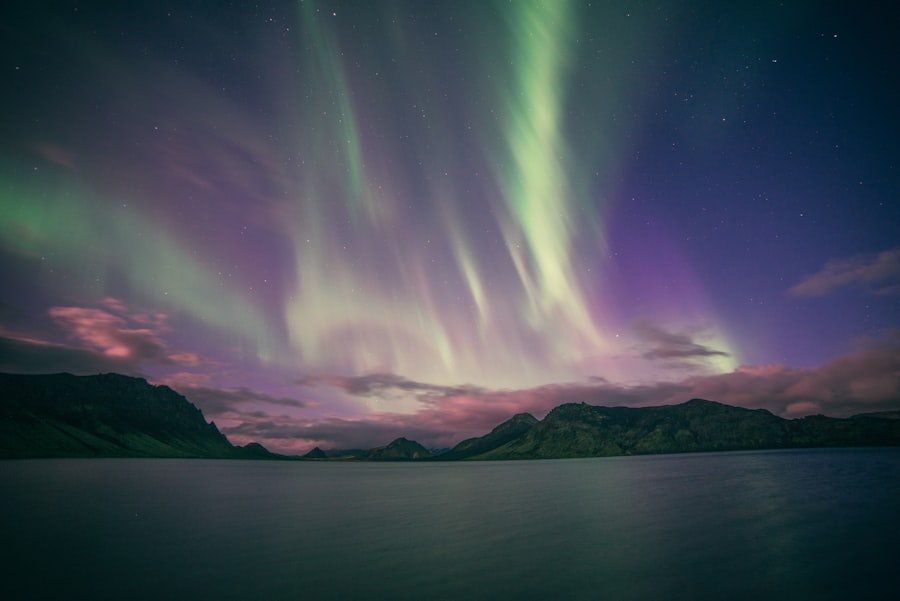
Winter in Finland transforms forests, lakes, and towns with snow and ice, but conditions vary sharply by latitude. December through March is the most straightforward period for a traditional winter holiday, while Lapland can maintain winter conditions much longer.
Cold spells in northern Finland can fall below -30 degrees Celsius (-22 degrees Fahrenheit). The Finnish Meteorological Institute records even lower extremes, so proper winter clothing is essential rather than optional.
Skiing, snowboarding, cross-country skiing, and snowshoeing are popular, with destinations such as Levi offering extensive winter facilities. Snowmobiling through snowy forests and ice fishing are also common guided experiences.
One of Finland’s best-known family destinations is Santa Claus Village in Rovaniemi on the Arctic Circle. Winter visitors can combine it with reindeer rides, husky safaris, snow activities, and long evenings that are suitable for aurora watching.
When to See the Northern Lights
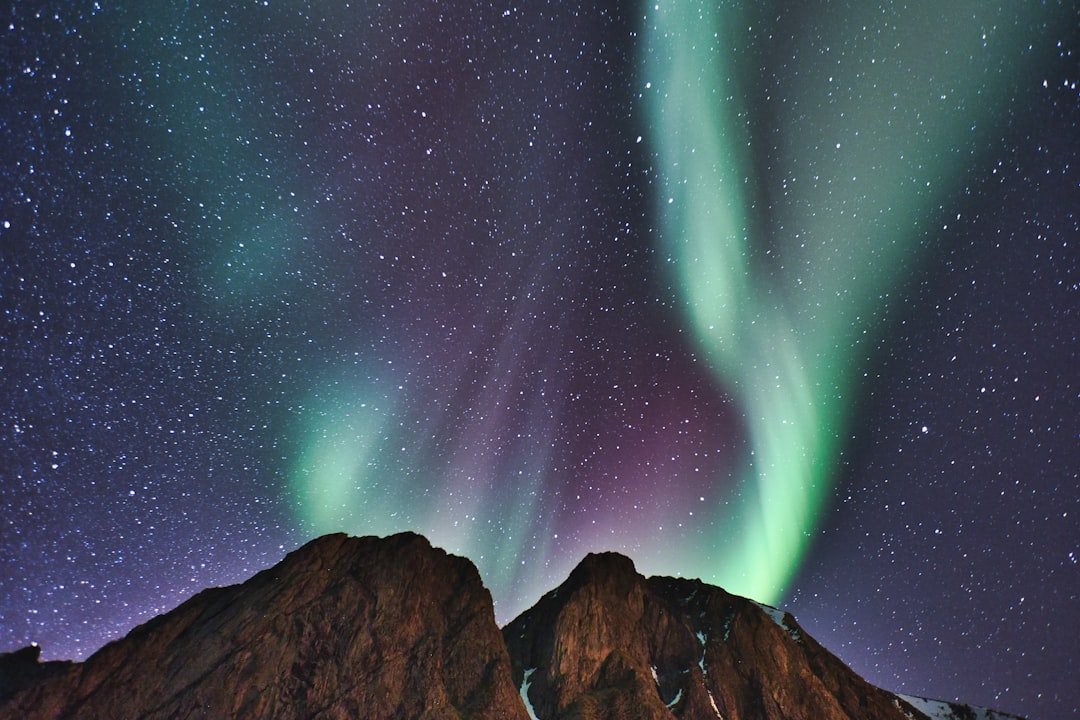
The Northern Lights are not limited to December, January, and February. According to Visit Finland’s current aurora guidance, the practical viewing season in northern Finland runs from late August into early April, when nights are dark enough to see auroras.
The Finnish Meteorological Institute estimates that on dark, cloudless nights auroras are visible on roughly half of nights around many Lapland destinations, with even higher statistical probabilities near Kilpisjärvi. Clouds can still hide a strong aurora, so clear weather matters as much as geomagnetic activity.
For a Northern Lights trip, darkness and clear skies matter more than simply choosing the coldest part of winter.
Glass-roofed cabins and remote lodges can make aurora watching more comfortable, but no accommodation can guarantee a display. Travelers who prioritize the aurora should stay several nights and keep their schedule flexible.
Warning: Never assume a frozen lake or river is safe because other areas are frozen. Ice strength changes with temperature, currents, snow, and location. Use maintained routes or a knowledgeable local guide and follow current ice-safety guidance.
Exploring the Autumn Colors
| Location | Typical Ruska Window | Why Go |
| Northern Lapland | Usually begins in September | Open fells, birch colors, early dark skies and aurora possibilities |
| Pallas-Yllästunturi & Oulanka | September into early autumn, depending on weather | Popular hiking landscapes, forests, fells, rivers and lakes |
| Southern Finland | Later than Lapland, often extending into October | Forests, lakes, city parks and easier access from Helsinki |
As summer fades, Finland’s forests turn shades of yellow, orange, and red. This display is known as ruska. It begins first in Lapland and gradually moves south rather than appearing everywhere on the same dates.
Visit Finland describes September as the beginning of ruska in Lapland. National parks such as Oulanka and Pallas-Yllästunturi are popular choices for travelers who want to combine fall color with hiking.
Autumn is also the beginning of the dark-sky season in the north, which makes September and October appealing to travelers hoping to combine ruska scenery with a chance of seeing the Northern Lights.
Berry and mushroom picking are traditional seasonal activities. Finland’s Everyman’s Rights generally allow people to pick wild berries and edible mushrooms in many areas, although protected areas can have restrictions. Luontoon, Finland’s official outdoor recreation service, recommends checking destination-specific rules and collecting only species you can identify safely.
Enjoying the Springtime in Finland
Spring is a season of renewal, but it does not arrive everywhere at once. Thermal spring generally starts in April in southern and southwestern Finland and may not begin until early May in northernmost Lapland.
The melting snow reveals greenery and early flowers first in the south. In Lapland, deep snow can remain while Helsinki and southern cities are already experiencing mild spring conditions. This difference makes spring unusually versatile for travelers.
One of the country’s biggest spring celebrations is Vappu. Festivities begin on April 30 and continue through May 1, with student traditions, street celebrations, picnics, doughnuts, funnel cakes, and sima. Helsinki is especially lively during the celebration.
As waterways become ice-free, kayaking, boating, and fishing gradually return. However, the timing varies substantially: lakes may open in April or May in southern and central Finland but can remain frozen into June in Lapland.
Birdwatching is another spring highlight as migratory species return. Coastal areas, wetlands, and lakeshores become increasingly active through April and May.
Pro Tip: Spring can let you experience two seasons in one trip. You may find mild streets and open water in southern Finland while northern Lapland still has excellent snow for skiing.
Festivals and Events Throughout the Year
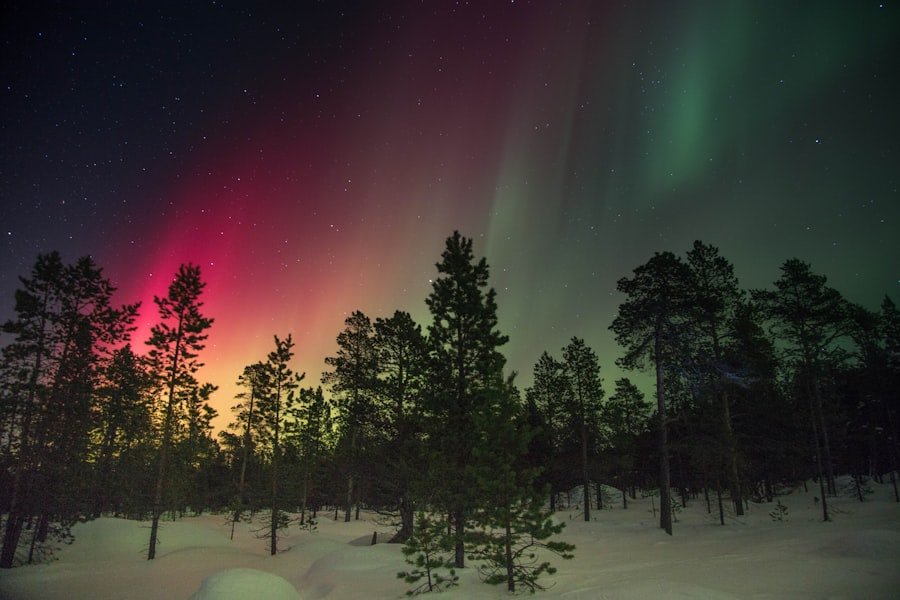
Finland’s event calendar changes with the seasons, making festivals another useful factor when choosing travel dates. Always verify the current year’s schedule before booking because event dates can move.
Summer Celebrations
Juhannus, or Midsummer, is one of Finland’s most important summer celebrations. Bonfires, sauna, swimming, lakeside cottages, and gatherings mark the longest days of the year. Midsummer is celebrated on the Saturday between June 20 and 26.
Note: Midsummer can dramatically change city life. Many Finns leave cities for cottages, and some shops, restaurants, attractions, and services may close or operate reduced hours. Check opening times before building a city itinerary around the holiday.
The Midnight Sun Film Festival in Sodankylä celebrates film in the bright nights of Lapland. Its 2026 edition ran June 10–14.
Ruisrock is another major summer event. The 2026 festival was held July 3–5 in Turku’s Ruissalo area. Future schedules are available from the official Ruisrock website.
Autumn Delights
Autumn shifts the cultural focus toward design, film, exhibitions, and indoor events while the forests change color outside.
In 2026, Helsinki Design Week runs from August 28 through September 6, with design events around the Helsinki area.
The Helsinki International Film Festival – Love & Anarchy is scheduled for September 17–27, 2026. The event showcases films from Finland and around the world. Current programs and future dates are available through the official festival website.
Winter Wonderlands
Winter events lean into Christmas traditions, snow, lights, and seasonal markets. Rovaniemi is especially popular in December because of its association with Santa Claus and its location near the Arctic Circle.
Christmas markets and holiday events also take place in Helsinki and other cities, although opening periods vary from year to year. Winter travelers should book popular Lapland accommodation and guided activities well in advance for Christmas and New Year.
Outdoor Activities for Each Season
Finland’s landscapes support different activities throughout the year, so the best season depends heavily on what you want to do.
Winter
- Downhill and cross-country skiing
- Snowboarding
- Snowshoeing
- Guided snowmobiling
- Ice fishing where conditions are confirmed safe
- Husky and reindeer experiences
- Northern Lights viewing during dark, clear nights
Snowmobiling through snowy forests and ice fishing on frozen lakes are popular winter activities, but travelers should use marked routes, follow local rules, and confirm ice conditions before entering frozen waterways.
Spring
- Late-season skiing in Lapland
- Birdwatching
- Hiking as trails dry
- Cycling in southern cities
- Kayaking and fishing after local waterways become ice-free
Summer
- Hiking and cycling
- Canoeing and kayaking
- Sailing through the archipelago
- Swimming and lakeside sauna
- Fishing
- Wildlife watching
- Midnight Sun activities in Lapland
Autumn
- Ruska-season hiking
- Berry and mushroom picking
- Photography
- Early-season Northern Lights viewing in Lapland
- City museums, design events, and film festivals
Tips for Traveling to Finland in Different Seasons
Dress for the Season, Not Just the Calendar
Winter travel requires effective layering. Start with a moisture-managing base layer, add insulation, and finish with a windproof and weather-resistant outer layer. Warm gloves, a hat, and insulated winter footwear are especially important in Lapland.
Merino wool can be useful for socks and base layers because it remains comfortable across changing temperatures. Travelers considering merino socks can read more in this guide to merino wool travel socks.
During summer, pack lighter layers but keep a rain shell and warmer layer for cool evenings. Even during bright summer nights, temperatures can fall after a warm afternoon. Sunglasses and sunscreen are also useful when spending long periods outdoors.
Spring and autumn are the most changeable seasons. Waterproof footwear, a light insulating layer, and a rain-resistant jacket make it easier to adapt to sudden shifts in wind, rain, and temperature.
Plan Around Daylight
Summer days can feel almost endless, while midwinter daylight is limited. North of the Arctic Circle, part of winter is the polar night, when the sun remains below the horizon. The northernmost part of Finland experiences a polar-night period lasting several weeks.
Limited daylight does not mean total darkness all day. Twilight, snow, street lighting, and low-angle light can create beautiful conditions, but sightseeing schedules should still account for fewer daylight hours.
Expect Different Snow Conditions by Region
Travelers should not assume Helsinki and Lapland have equal snow reliability. Lapland has a much longer winter and typically maintains snow cover far longer. Coastal southern Finland is milder and can experience rain, thawing periods, or limited snow even while northern resorts have deep winter conditions.
If snow is essential to your trip, northern Finland generally offers the strongest odds. For late-season skiing, March and April can be particularly attractive in Lapland because days are longer while snow remains.
Use Local Forecasts and Safety Information
Check weather forecasts shortly before outdoor activities. In winter, also confirm trail, road, and ice conditions. The Finnish Meteorological Institute provides weather and aurora information, while Luontoon provides official guidance for national parks and outdoor recreation.
If you plan to fish, a compact travel fishing pole can be convenient, but equipment choice is only one part of planning. Fishing rules depend on the fishing method and location. Some forms of simple hook-and-line or ice fishing fall within Everyman’s Rights, while other fishing may require fees or permits.
Packing cubes can also help keep wet-weather layers, cold-weather accessories, and everyday clothes separated during a trip that crosses several Finnish climate zones.
Consider Crowds, Prices, and Seasonal Closures
June through August is a popular period for city sightseeing, lake trips, hiking, and festivals. Christmas and New Year are among the most sought-after periods for Lapland winter holidays.
May and September can offer a useful compromise for travelers who prefer quieter conditions. May brings rapidly increasing daylight and spring scenery, while September can combine fall colors with the return of dark enough nights for aurora viewing in the north.
Some seasonal attractions, boat routes, accommodations, and restaurants operate only during part of the year. Always confirm opening dates rather than assuming summer services continue through autumn or that winter activities begin immediately after the first snowfall.
Check Entry Requirements Before Departure
Entry requirements depend on nationality and travel documents. Finland is part of the Schengen area. Travelers should verify current passport and visa requirements through the Ministry for Foreign Affairs of Finland before departure, especially if traveling on a non-EU passport.
Frequently Asked Questions
What is the best time to travel to Finland?
For most summer activities, June through August is ideal. For a snowy winter holiday, consider December through March. Northern Lights viewing in Lapland is possible from roughly late August to early April, while September is excellent for autumn colors.
What are the attractions in Finland during the summer?
Summer brings bright nights, the Midnight Sun in Lapland, national parks, lakes, archipelago trips, hiking, cycling, fishing, swimming, sauna visits, and a busy festival season. June and July provide the strongest Midnight Sun experience in the north.
What are the attractions in Finland during the winter?
Winter is known for snowy landscapes, skiing, snowshoeing, husky and reindeer experiences, Santa Claus Village in Rovaniemi, ice fishing under safe conditions, and Northern Lights viewing during dark, clear nights.
When is the best time to see the Northern Lights in Finland?
In Lapland, the practical aurora-viewing season generally runs from late August into early April. You need a dark, reasonably clear sky, so auroras cannot normally be seen during the bright Midnight Sun season even though auroral activity itself occurs year-round.
Is the Midnight Sun visible everywhere in Finland?
True 24-hour Midnight Sun occurs north of the Arctic Circle, with the period becoming longer farther north. Southern Finland does not have continuous sunlight, but nights around midsummer remain exceptionally bright and are commonly described as white nights.
What should I consider when planning a trip to Finland?
Consider the region, daylight, snow conditions, activities, seasonal opening hours, clothing, transportation, and current weather. Also check passport or visa requirements before departure and verify local safety conditions before hiking, driving, fishing, or entering frozen waterways.
Sources
- Finnish Meteorological Institute — Seasons in Finland — seasonal timing, winter length, daylight, snow and regional climate differences.
- Finnish Meteorological Institute — Auroras in Finland — regional Northern Lights probabilities and aurora conditions.
- Visit Finland — Land of the Midnight Sun — Midnight Sun, white nights and summer activities.
- Visit Finland — How to See the Northern Lights — current aurora season and viewing guidance.
- Luontoon — Hiking and Outdoor Safety — official Finnish outdoor and ice-safety guidance.
- Ministry for Foreign Affairs of Finland — Visa Requirements and Travel Documents — current entry and travel-document guidance.
