
Last Updated on July 28, 2026 by Daniel Globe
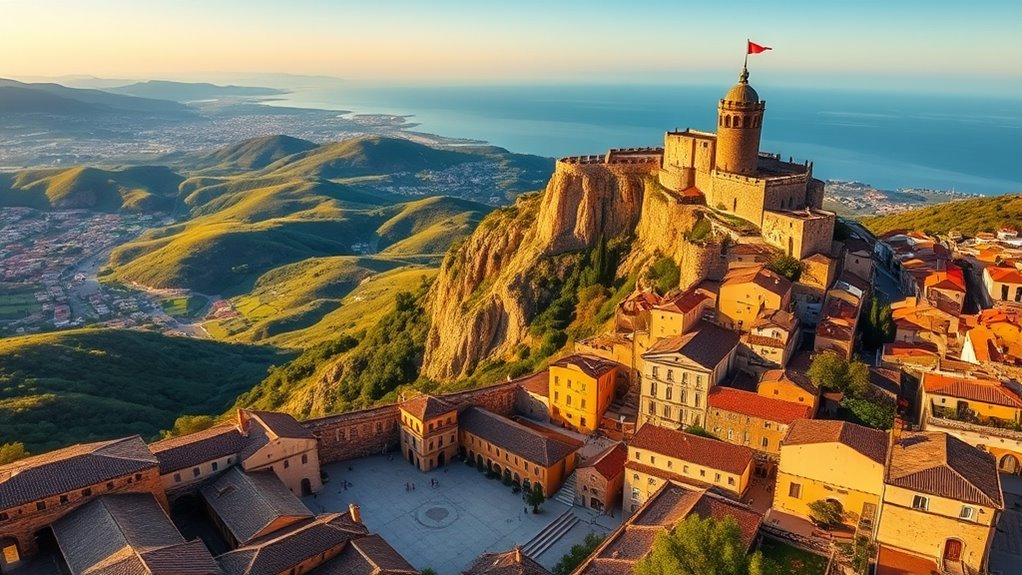
San Marino may be small, but its mountaintop capital packs medieval towers, a UNESCO-listed historic centre, wide Adriatic views, museums, churches, local food, and memorable walking routes into a compact visit. Most travelers can see the main sights in one full day, though staying overnight gives you quieter streets and better sunrise or sunset light.
Quick Answer
The best things to do in San Marino are walking between Guaita, Cesta, and Montale; exploring the UNESCO-listed Old Town; visiting the Basilica of Saint Marinus; watching the summer Changing of the Guard; riding the cable car; tasting piadina; and photographing Mount Titano’s panoramic viewpoints.
Key Takeaways
- Allow at least six to eight hours for the towers, Old Town, Basilica, museums, and viewpoints.
- Guaita and Cesta can be entered with the National Museums pass; Montale is viewed only from outside.
- The historic centre is steep and paved with stone, so supportive walking shoes matter.
- For the 2026 summer season, the Changing of the Guard is scheduled hourly from June 15 through September 20.
- Do not assume all shopping is duty-free. Compare prices and ask the retailer about any tax-refund rules before buying.
At a Glance
| Time Required | 6–8 hours for the highlights; one night for quieter streets and sunrise or sunset views |
| Difficulty | Moderate because of steep lanes, cobblestones, tower stairs, and exposed paths |
| What to Bring | Supportive shoes, water, sun protection, a light layer, and a charged phone or camera |
| Typical Cost | National Museums pass €11; cable-car return €7; full-day car parking €8; food and transport to San Marino extra |
Price and schedule check: Visitor information in this guide was checked on July 28, 2026. Opening hours, transport timetables, restoration work, and ticket prices can change, so confirm time-sensitive details before traveling.
Disclosure: As an Amazon Associate I earn from qualifying purchases. Some links on this page are affiliate links, at no extra cost to you.
Top Attractions to Experience in San Marino
Start with the two towers you can enter: Guaita, the oldest fortress, and Cesta, which contains the Museum of Ancient Arms. Continue along the ridge toward Montale, then return through the stone lanes of the historic centre.
Near Piazza della Libertà, see the Palazzo Pubblico, the seat of San Marino’s main institutions, and the Basilica of Saint Marinus. Add the State Museum or Stamp and Coin Museum if you enjoy history, art, or collectibles.
San Marino also rewards slower exploration. Stop for a piadina, look for local ceramics and official coins or stamps, ride the cable car from Borgo Maggiore, and check the official events calendar for festivals, concerts, crossbow displays, and national ceremonies.
Note: Palazzo Pubblico is closed for restoration from April 2 through September 30, 2026. Piazza della Libertà and the building’s exterior remain important stops, and the official tourism calendar still lists the outdoor Changing of the Guard during the summer season.
A Practical One-Day San Marino Itinerary
- Morning: Arrive early and walk to Guaita before tour groups build. Continue over Passo delle Streghe to Cesta and the Museum of Ancient Arms.
- Late morning: Follow the ridge toward Montale. You cannot enter the third tower, but the wooded path and viewpoints are worth the walk.
- Lunch: Return to the Old Town for piadina, fresh pasta, local meats and cheeses, or another Sammarinese-Romagnol dish.
- Afternoon: Visit the Basilica, Piazza della Libertà, the State Museum, and the Stamp and Coin Museum. During the 2026 summer schedule, time your Piazza della Libertà visit for the Changing of the Guard.
- Late afternoon: Browse artisan shops, collect a souvenir passport stamp at the Tourist Information Office if available, and photograph the view from Cantone Panoramico or the Gardens of the Archpriest.
- Evening: Ride the cable car or remain in the historic centre for sunset, dinner, and quieter streets after day-trippers leave.
Pro Tip: Visit the towers soon after opening, then save museums and shopping for the warmer or busier middle of the day. An overnight stay makes sunrise and early-morning photography much easier.
Explore San Marino’s Three Iconic Towers
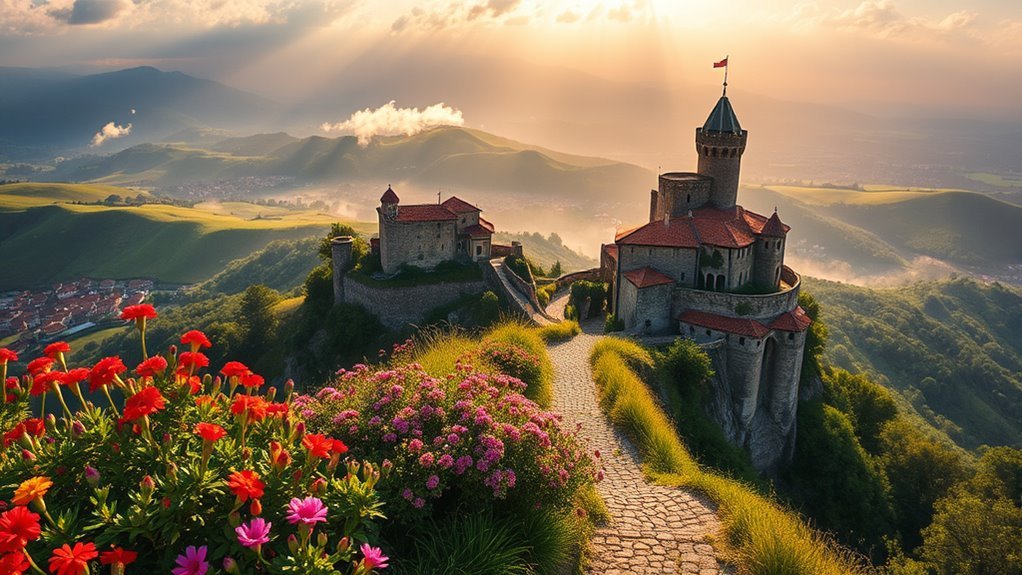
Guaita, Cesta, and Montale form San Marino’s best-known skyline. The route between them follows the crest of Mount Titano and combines history, forest, fortified walls, and long views toward the Apennines and Adriatic coast.
Historical Significance of the Towers
- Guaita: The oldest and largest fortress dates to around the 11th century. It was built for defense and later used as a prison until 1975.
- Cesta: The second fortress dates to the 13th century and stands on Mount Titano’s highest spur at 755 metres above sea level. It has housed the Museum of Ancient Arms since 1956.
- Montale: The smallest tower had an important lookout role because it stood away from the old city. Its interior is not open to visitors, but you can view the exterior from the ridge path.
The towers are more than scenic landmarks. They appear on San Marino’s coat of arms and represent the republic’s long tradition of independence and defense.
Breathtaking Scenic Views
Guaita offers dramatic views from its walls and towers. Cesta sits slightly higher and looks across the wooded ridge, the old city, the surrounding valleys, and—on clear days—toward the Adriatic. The walk to Montale feels quieter and more natural, with fewer interior attractions but excellent landscape views.
The standard National Museums Pass is listed at €11 and covers the First Tower, Second Tower, and participating state museums during their public opening hours. It does not provide entry to Montale because the third tower is open only for exterior viewing. The reduced Mini Pass is €8 for eligible visitors, and children and teenagers under 18 receive free admission under the published 2026 rules.
Access and Exploration Tips
- Use the official National Museums pages to check seasonal hours; last admission is normally 30 minutes before closing.
- Expect steep stone steps, narrow passages, uneven ground, and exposed viewpoints inside and around the towers.
- Walk from Guaita to Cesta via Passo delle Streghe, then continue toward Montale if weather and mobility allow.
- Carry water in summer. Shade is limited on exposed sections of the ridge.
- Allow about two to three hours for the three-tower route if you enter Guaita and Cesta and stop for photographs.
Warning: Tower stairs and ridge paths can be slippery in rain, frost, or strong wind. Wear shoes with good grip, keep children close near walls and drop-offs, and skip exposed sections when conditions are poor.
Stroll Through the Historic Old Town
San Marino’s historic centre and Mount Titano were added to the UNESCO World Heritage List in 2008. The 55-hectare property includes fortification towers, walls, gates, bastions, civic buildings, and the 19th-century Basilica.
Wander through Porta San Francesco, Piazza della Libertà, Contrada del Collegio, Piazzetta del Titano, and the lanes leading toward the towers. The centre is largely pedestrian-friendly, but its steep slopes and polished stone can be demanding. Shops, cafés, museums, and viewpoints are close together, so frequent breaks are easy to plan.
Look beyond the main skyline for smaller details: carved stone emblems, defensive gates, narrow passages, the Cava dei Balestrieri crossbow range, and quiet corners behind the Basilica. The best experience comes from allowing time to turn down side streets rather than rushing only between major landmarks.
UNESCO recognizes San Marino as an exceptional witness to the continuity of a free republic since the Middle Ages.
Enjoy Panoramic Views From Mount Titano
Mount Titano reaches 755 metres at its highest point. Its ridge gives you changing views of the Upper Marecchia Valley, the Apennines, the Romagna countryside, and the Adriatic coast. Visibility varies with haze, cloud, and seasonal weather, so clear mornings often produce the sharpest views.
Breathtaking Scenic Vistas
- The Three Towers: Guaita, Cesta, and the path toward Montale provide the most dramatic elevated viewpoints.
- San Marino Cable Car: The cable car climbs about 200 metres from Borgo Maggiore to the Old Town in under two minutes. The published 2026 full fares are €4 one way and €7 return.
- Cantone Panoramico: The panoramic corner near the upper cable-car station offers an easy-to-reach view without entering a museum or tower.
- Gardens of the Archpriest: The gardens behind the Basilica are known for sunrise views toward the Adriatic and host summer dawn concerts.
For a longer walk, descend or climb the historic Costa dell’Arnella stairway between Borgo Maggiore and the Old Town. It is scenic but more demanding than the cable car.
Ideal Photography Locations
Use Guaita for fortress walls and cliff-edge compositions, Cesta for wide ridge views, Passo delle Streghe for tower-to-tower angles, and the Old Town lanes for architectural details. Cantone Panoramico works well for broad valley and coast views, while the Gardens of the Archpriest are strongest near sunrise.
| Photography Tip | Why It Helps |
|---|---|
| Shoot during golden hour | Soft light adds shape to the stone towers and valleys. |
| Use a small tripod where permitted | It steadies low-light sunrise, sunset, and blue-hour images. |
| Capture different angles | The towers change shape as you move along the ridge. |
| Focus on details | Doors, emblems, stonework, and uniforms add variety to wide views. |
| Edit with restraint | Moderate contrast and clarity keep stone and sky looking natural. |
Visit the Basilica of Saint Marinus and Discover Its History
The Basilica of Saint Marinus, also called the Basilica del Santo, is San Marino’s main church and one of the historic centre’s clearest neoclassical landmarks. Reconstruction began in 1826 to a design by Bolognese architect Antonio Serra, and the completed building opened 12 years later.
Eight Corinthian columns frame the entrance. Inside, three naves, six altars, paintings, and the relics of Saint Marinus connect the building to the republic’s religious and civic identity. The nearby small Church of Saint Peter can sometimes be visited by asking the Basilica custodian.
- Relics of Saint Marinus: The Basilica preserves relics associated with San Marino’s patron and traditional founder.
- Art and architecture: Look for the Corinthian interior, altar paintings, carved stone details, and seven-bell tower.
- Quiet setting: Visit respectfully and avoid speaking loudly during worship or ceremonies.
Entry is free. The Basilica may close to tourists during religious services or state ceremonies, so check the official opening information on the day of your visit.
Catch the Changing of the Guard at Palazzo Pubblico
The Changing of the Guard takes place outside Palazzo Pubblico in Piazza della Libertà. The Uniformed Unit of the Fortress Guard wears a dark green double-breasted jacket with white and red braiding, red trousers, a kepi with a red pom-pom, and white gaiters.
For the 2026 summer season, the official schedule lists ceremonies every day from June 15 through September 20 at 9:30, 10:30, 11:30, 12:30, 1:30, 2:30, 3:30, 4:30, 5:30, and 6:30. This corrects the common but inaccurate claim that there is only one daily ceremony at 7:00 p.m.
Arrive about 10 to 15 minutes early for a clear view. The ceremony is outdoors and may be affected by official events, restoration work, or weather. Palazzo Pubblico’s interior is closed from April 2 through September 30, 2026, but the tourism office still lists the summer guard ceremony during that period.
Discover the Museum of Ancient Arms in Cesta Tower
Cesta Tower has housed San Marino’s Museum of Ancient Arms since 1956. The official collection description lists about 700 examples of weapons dating from the 13th through the 19th centuries—not more than 1,000 as some older or secondary guides claim.
The four-room route traces the development of edged weapons and firearms. Highlights include armour, polearms, arquebuses, wheel-lock and flintlock weapons, experimental 19th-century designs, and early breech-loading arms.
- Swords and firearms: Compare weapons from different centuries and see how design changed with military technology.
- Armour and polearms: Examine the craftsmanship required to protect soldiers and equip guards.
- Historic setting: The museum sits inside the second fortress at Mount Titano’s highest point, making the building part of the experience.
Admission is included in the National Museums pass, subject to the tower’s seasonal opening hours and last-entry time.
Try a Piadina: A Local Culinary Delight
Piadina is a thin flatbread shared across San Marino and nearby Romagna. It is cooked on a hot surface and served warm, often folded around cured meat, soft cheese, arugula, grilled vegetables, or other simple fillings. San Marino’s official gastronomy guide describes the local style as especially thin.
You can eat piadina as a quick lunch from a café or pair it with local cheeses and cold cuts at a sit-down restaurant. Fillings vary, so vegetarian options are usually easy to find, while travelers with allergies should ask about flour, dairy, and cross-contact.
Do not stop at flatbread. Other traditional choices include fresh pasta, grilled meats, bustrengo, Torta Tre Monti, and regional wines. The official gastronomy overview explains how Sammarinese cooking blends local traditions with those of Romagna and Marche.
Find Unique San Marino Souvenirs
The Old Town has many souvenir shops, but the most meaningful purchases reflect San Marino’s own crafts, food, philately, and numismatics. Compare quality and prices instead of buying the first item displayed near a major viewpoint.
Unique Local Products
- Artisan products: Look for hand-painted ceramics, ironwork, woodcraft, leather goods, and objects carrying San Marino’s Mark of Origin.
- Local food and wine: Packaged sweets, olive oil, honey, and local wine labels can make practical gifts when customs rules at your destination allow them.
- Collectible stamps and coins: San Marino’s stamps, commemorative coins, and euro issues are central to its collecting tradition. Buy official items through reputable shops or the Philately and Numismatics Office.
Understand Tax-Free Shopping Claims
San Marino is not a blanket duty-free zone where every visitor automatically avoids tax. Its tax system differs from Italy’s, and certain stores may offer special pricing or refund arrangements to eligible non-residents, but conditions can depend on residence, purchase type, payment method, paperwork, and retailer participation.
Ask the seller for the final price in writing, confirm whether any refund is immediate or processed later, and check whether Italian or home-country customs limits apply. A lower shelf price is not guaranteed, especially for designer goods that can be compared online.
Artisan Crafts and Souvenirs
Good souvenir choices include hand-painted ceramics, locally made decorative objects, leather accessories, packaged foods, official stamps, and collectible coins. The San Marino Tourism Board’s shopping guide highlights traditional products and official collecting resources rather than promising universal tax-free prices.
Take Stunning Photos at Cantone Panoramico and the Gardens of the Archpriest
Some travel guides loosely use the name “Giardino Panoramico” for scenic garden or terrace areas in the historic centre. For easier navigation, look for two official place names: Cantone Panoramico beside the upper cable-car station and the Gardens of the Archpriest behind the Basilica.
Cantone Panoramico provides a broad view over the valleys and toward the Adriatic without requiring a tower ticket. The Gardens of the Archpriest are known for sunrise views and summer dawn concerts. Both are close to major Old Town sights, so they fit naturally into a walking route.
For stronger photographs, arrive early, use walls or paths as leading lines, frame towers through arches, and expose carefully for bright skies. Respect barriers, private areas, worshippers, and event restrictions.
How to Get to San Marino
San Marino has no mainline railway station or commercial airport in the historic centre. Most visitors arrive through Italy by bus, car, taxi, or organized excursion.
From Rimini by Bus
The regular Rimini–San Marino bus serves stops near Rimini railway station and continues to San Marino City. Rimini’s official tourism site lists a €6 one-way fare for the 2026 service. Check the seasonal timetable before travel, arrive early in busy months, and keep enough time for the return bus.
From Bologna or Other Italian Cities
From Bologna, Florence, Venice, or other rail-connected cities, travel by train to Rimini and transfer to the San Marino bus. A direct bus from Bologna should not be assumed unless a specific seasonal operator lists one for your date.
By Car, Parking, and Cable Car
Drivers can use paid car parks around Città di San Marino or park near Borgo Maggiore and ride the cable car. The official 2026 car-parking rates list €1.50 for one hour, €3 for two hours, €4.50 for three to five hours, and €8 for a full day.
The cable car runs about every 15 minutes and connects Borgo Maggiore with the Old Town. Published full fares are €4 one way and €7 return, with reduced and day-pass options available for eligible passengers. Seasonal closing times vary, with late-night service during part of summer.
Best Time to Visit and What to Pack
Spring and early fall usually offer the best balance of comfortable walking weather and manageable crowds. Summer brings the longest opening hours, late cable-car service, festivals, and the Changing of the Guard, but midday streets can be hot and busy. Winter is quieter, though some attractions close earlier and exposed paths can be cold or slippery.
- Spring: Good for walking, green scenery, and fewer peak-season crowds.
- Summer: Best for events and long sightseeing days; bring water, sunscreen, and a hat.
- Early fall: Comfortable for walking, with softer light and fewer day-trip groups after the busiest weeks.
- Winter: Best for a quiet atmosphere; check short opening hours and weather before using ridge paths.
Pack supportive shoes in every season. A light layer is useful because Mount Titano can feel cooler and windier than the lower towns, even when Rimini is warm.
Accessibility and Family Tips
The cable car is accessible to disabled passengers, and San Marino publishes an accessible-tourism guide with route, lift, parking, and facility information. However, the medieval Old Town still includes steep grades, cobblestones, stairs, and historic buildings with limited access.
- Use the cable car or panoramic lifts to reduce climbing.
- Ask the Tourist Information Office about the easiest route for current construction and mobility needs.
- Expect limited stroller access inside towers because of narrow stairs and uneven surfaces.
- Children and teenagers under 18 receive free admission to the National Museums under the published 2026 rules.
- Keep children close on tower walls, ridge paths, and crowded viewpoints.
San Marino Budget and Ticket Guide for 2026
The following official prices were checked on July 28, 2026. Confirm them again before travel because schedules and rates can change without notice.
| Item | Published 2026 Price or Rule |
|---|---|
| National Museums Pass | €11; covers Guaita, Cesta, and participating state museums during opening hours |
| Mini Pass | €8 for eligible university students, visitors over 65, and organized groups of more than 25 |
| Last-Minute Museum Ticket | €5 when sold after 5:30 p.m. at sites that remain open late enough |
| Visitors Under 18 | Free admission to the National Museums under the listed rules |
| Basilica of Saint Marinus | Free entry when open to visitors |
| Cable Car | €4 one way; €7 return; reduced and €10 day-pass options also listed |
| Car Parking | Up to €8 for a full day in listed visitor car parks |
| Rimini–San Marino Bus | €6 one way on the published 2026 service |
Frequently Asked Questions
What is the best time to visit San Marino?
Spring and early fall are best for comfortable walking weather and fewer crowds. Visit from June 15 through September 20 if the 2026 Changing of the Guard is a priority, but expect hotter and busier afternoons.
Are there any local customs to be aware of?
Dress respectfully in churches, lower your voice during ceremonies, do not block guards or official processions, and ask before photographing people at close range. A polite “buongiorno” or “buonasera” is appreciated.
How do I get to San Marino from nearby cities?
From Rimini, take the regular bus near the railway station or drive. From Bologna and other Italian cities, travel by train to Rimini and transfer to the San Marino bus unless a verified seasonal service offers another route.
Is San Marino safe for solo travelers?
San Marino is generally considered a safe destination for solo travel. Use normal precautions, secure valuables in crowded areas, avoid poorly lit isolated paths late at night, and watch your footing on steep stone lanes.
What currency is used in San Marino?
San Marino uses the euro under a monetary agreement with the European Union. It issues limited quantities of euro coins with Sammarinese designs, which are popular with collectors.
How long do you need in San Marino?
One full day is enough for the towers, Old Town, Basilica, one or two museums, lunch, and viewpoints. Stay one night for calmer streets, sunset, sunrise, and less rushed photography.
Can you enter all three towers?
No. Visitors can enter Guaita and Cesta with the appropriate museum ticket. Montale, the third tower, can be viewed only from outside.
Is shopping in San Marino automatically duty-free?
No. Do not assume every purchase is tax-free. Eligibility and savings can depend on the retailer, your residence, documentation, payment method, and customs rules. Ask for the final terms before buying.
Is Palazzo Pubblico open in 2026?
The interior is closed for restoration from April 2 through September 30, 2026. Piazza della Libertà and the exterior remain accessible, and the summer Changing of the Guard is still listed by the tourism office.
Conclusion
San Marino is at its best when you combine the famous sights with practical planning. Walk from Guaita to Cesta and Montale, slow down in the UNESCO-listed Old Town, visit the Basilica, watch the seasonal guard ceremony, taste piadina, and leave time for the views from Mount Titano. With current ticket information, supportive shoes, and a flexible schedule, this compact republic can deliver a full and memorable day.
Sources
- UNESCO World Heritage Centre — San Marino Historic Centre and Mount Titano — World Heritage status, boundaries, and historic significance.
- Visit San Marino — Second Tower “Cesta” — tower elevation, Museum of Ancient Arms collection, opening hours, and National Museums ticket rules.
- Visit San Marino — The Cable Car — route, accessibility, frequency, seasonal hours, and fares.
- Visit San Marino — Useful Information — 2026 Changing of the Guard schedule, visitor services, and practical travel information.
- Visit San Marino — Basilica of Saint Marinus — construction history, architecture, opening information, and free entry.
- Rimini Turismo — Bus to the Republic of San Marino — 2026 Rimini–San Marino bus connection and published fare.
