
Last Updated on July 29, 2026 by Daniel Globe
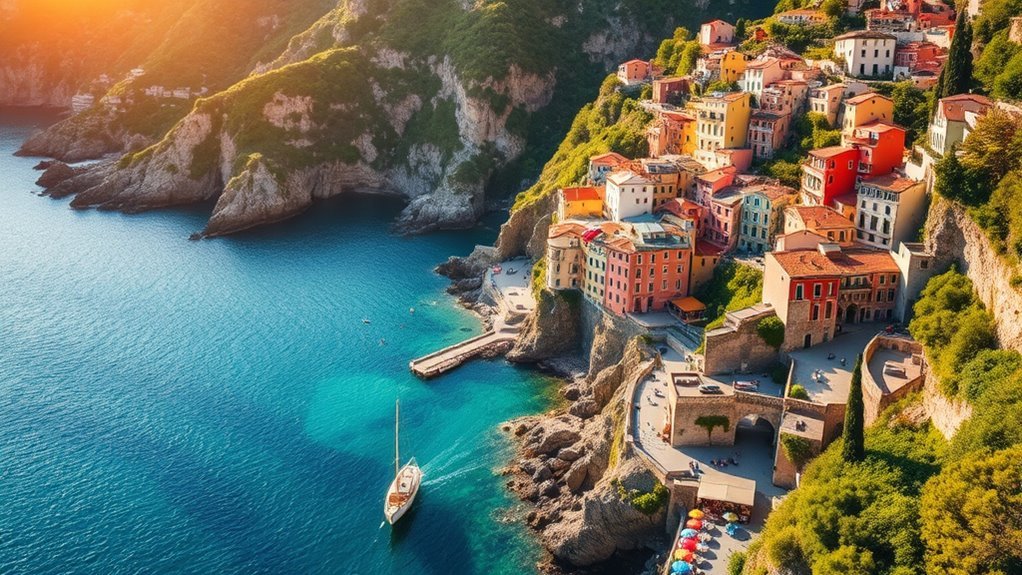
Cinque Terre rewards travelers who slow down. The five Ligurian villages combine colorful harbors, terraced vineyards, historic churches, swimming spots, regional food, and steep coastal trails. A good visit balances sightseeing with practical planning because trail conditions, ferry service, weather, and access rules can change.
Quick Answer
The best things to do in Cinque Terre include exploring all five villages, hiking an open section of the Blue Trail, reserving the Via dell’Amore, swimming at Monterosso, taking a coastal boat ride, watching sunset in Manarola or Riomaggiore, and trying pesto, anchovies, focaccia, and local wine.
Key Takeaways
- Allow at least two days to see the villages without turning the trip into a rushed train-hopping tour.
- Use the train as your main transportation; driving and parking are difficult in and around the villages.
- Check the National Park’s live trail map before every hike because closures can change after rain, maintenance, or landslides.
- Reserve the Via dell’Amore and wear closed, slip-resistant footwear on hiking trails.
- Choose recognized beaches and marked swimming areas instead of jumping from rocks or following unofficial coastal paths.
At a Glance
| Time Required | Two to three days for the five villages, one major hike, and time for food or the beach |
| Difficulty | Easy by train; moderate to strenuous on steep village streets and hiking trails |
| Tools Needed | Closed hiking shoes, water, sun protection, light layers, phone, and an offline map |
| Cost | Villages are free to enter. In 2026, a one-day adult Trekking Card costs €10 or €15 on high-season dates; the one-day adult Train Card ranges from €22 to €35. |
Disclosure: As an Amazon Associate I earn from qualifying purchases. Some links on this page are affiliate links, at no extra cost to you.
Plan Your Cinque Terre Visit
Cinque Terre consists of Monterosso al Mare, Vernazza, Corniglia, Manarola, and Riomaggiore. Together with Portovenere and the nearby islands, the area forms a UNESCO-listed cultural landscape shaped by villages, terraces, vineyards, paths, and centuries of human settlement.
How to Get to and Around Cinque Terre
The train is usually the simplest way to arrive and move between the villages. Regional trains run along the coastal line between La Spezia and Levanto, stopping at all five Cinque Terre stations. Check current times through Trenitalia’s Cinque Terre information.
Boats provide a scenic alternative when sea conditions permit. Scheduled services normally stop at Monterosso, Vernazza, Manarola, and Riomaggiore, but not Corniglia because it has no ferry harbor. Review current sailings through Navigazione Golfo dei Poeti before planning your day.
Note: Avoid relying on a car for village-to-village sightseeing. Roads are narrow, parking is limited, and most historic centers are designed for walking rather than driving.
Choose the Right Cinque Terre Card
The Cinque Terre Trekking Card covers specified paid trail sections and other Park services. In 2026, a one-day adult card costs €10 on standard dates or €15 on designated high-season dates.
The Cinque Terre Train Card combines Park services with unlimited second-class regional train travel between La Spezia and Levanto during its validity. From March 14 through November 1, 2026, a one-day adult card costs €22, €29.50, or €35, depending on the attendance band.
You do not need a card simply to enter the villages, and many higher trails are free. Compare the card price with the train journeys and paid hikes you genuinely plan to use.
Best Time to Visit
Spring and early autumn usually offer a useful balance of comfortable walking conditions and active visitor services. July and August bring heat, busy trains, crowded viewpoints, and high demand for accommodation. Winter is quieter, but ferries and some tourism services operate less frequently.
Start popular hikes early, reserve timed attractions before arrival, and spend at least one evening in the area. Villages feel different after many day-trippers leave.
Suggested Two- or Three-Day Itinerary
- Day 1: Explore Riomaggiore and Manarola, walk the Via dell’Amore with a reservation, and stay for sunset.
- Day 2: Visit Corniglia, Vernazza, and Monterosso. Add one open Blue Trail section only if weather, footwear, and fitness permit.
- Day 3: Choose a boat ride, vineyard experience, cooking class, longer hill trail, beach time, or a visit to nearby Portovenere.
Pro Tip: Do not schedule every village into a few hours. Pick two or three priority experiences each day and leave room for train delays, swimming, meals, and unplanned viewpoints.
Discover the Unique Charms of Each Village
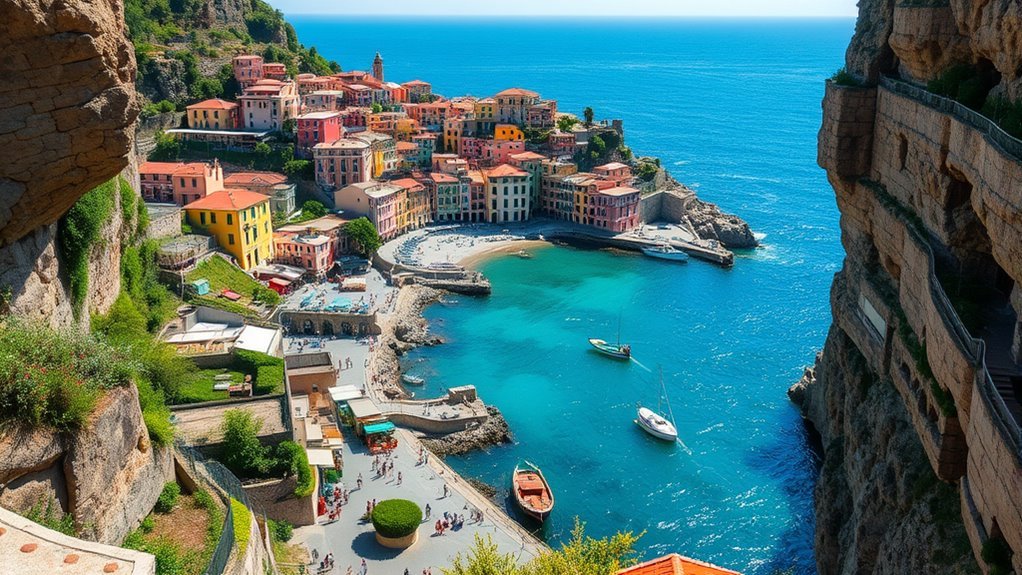
Each Cinque Terre village has a distinct setting and pace:
- Riomaggiore: The eastern gateway to Cinque Terre, known for tall pastel houses, a narrow harbor, steep lanes, and the entrance to the Via dell’Amore.
- Manarola: A compact village framed by vineyards and rocky coastline, with one of the region’s best-known village viewpoints.
- Corniglia: The only village located high above the sea rather than directly around a harbor. The Lardarina staircase climbs 377 steps from the station, although a local shuttle may be available.
- Vernazza: A harbor village centered on Piazza Guglielmo Marconi, Santa Margherita d’Antiochia, and the remains of the Doria defensive complex.
- Monterosso al Mare: The largest village and the easiest choice for travelers who prioritize broad beaches, waterfront services, and fewer harbor steps.
Rather than rushing through identical checklists, notice how the architecture responds to the terrain. Corniglia feels like a hill village, Vernazza opens around its natural harbor, and Monterosso has more space for a traditional beach day.
Cinque Terre is not just a row of colorful villages. It is a living cultural landscape built around steep terrain, terraced agriculture, footpaths, fishing, and the sea.
Hike the Stunning Coastal Trails
The Sentiero Verde Azzurro, often called the Blue Trail, links the five villages through several coastal sections. The Monterosso–Vernazza and Vernazza–Corniglia routes are among the most popular, but short distance does not mean easy walking. Expect stone steps, uneven surfaces, narrow passages, exposure, and repeated climbs.
Never assume that every section is open. Check the National Park’s Paths and Outdoor page and live hiking map on the day of your walk. Rain, landslides, maintenance, heat, or crowd-control measures can change access with little notice.
Walk the Via dell’Amore
The restored Via dell’Amore connects Riomaggiore and Manarola. Tourist access requires a reservation for a specific time slot. Visitors normally enter from Riomaggiore and walk one way toward Manarola. Purchase the correct card and reserve through the official Via dell’Amore instructions.
Warning: Open footwear and smooth soles are prohibited on the Park’s hiking trails. Wear closed, supportive footwear with a slip-resistant sole. Do not enter closed trails, cross barriers, or hike during prohibited weather-alert conditions.
Carry water, sun protection, a charged phone, and a basic first-aid kit. Choose a route that matches your fitness, tell someone where you are going, remain on marked paths, and turn back if weather or trail conditions deteriorate.
Savor Local Cuisine and Seafood
Cinque Terre’s food reflects Liguria’s coastline and terraced landscape. Look for pesto, trofie pasta, focaccia, anchovies, fried seafood, vegetable pies, local olive oil, and dishes flavored with herbs and lemon.
Fresh Seafood Delicacies
Anchovies from the Monterosso area are a regional specialty and may appear salted, marinated, fried, or served with bread and olive oil. Fried calamari and mixed seafood are easy casual meals, while harbor restaurants may offer grilled or baked fish according to the day’s availability.
Menus, opening days, and sourcing change, so choose busy establishments with clearly displayed prices and a short, focused seafood menu rather than relying on a single named restaurant.
Traditional Local Dishes
| Dish | Key Ingredients | Good Pairing |
|---|---|---|
| Trofie al pesto | Trofie pasta, basil, garlic, pine nuts, cheese, and olive oil | Dry Cinque Terre DOC white wine |
| Fried seafood | Calamari, small fish, light batter, and lemon | Dry local white wine or sparkling water |
| Ligurian focaccia | Flour, olive oil, salt, and optional herbs or onions | Coffee, an aperitivo, or a light lunch |
| Sciacchetrà | Sweet passito-style wine made from dried local grapes | Dessert, mature cheese, or slow sipping after a meal |
Wine Pairing Experiences
Pair seafood and pesto with a dry Cinque Terre DOC white wine. Save the sweeter Sciacchetrà for dessert, cheese, or a small after-dinner tasting. This distinction helps both wines show their intended character.
Wine bars and guided tastings can introduce Bosco, Albarola, and Vermentino, the principal grape varieties associated with local production. Ask whether the tasting includes vineyard access, food, transport, and an explanation in your preferred language before booking.
Watch Breathtaking Sunsets
Manarola’s hillside viewpoints are among the classic sunset locations because they look back toward the village and harbor. Arrive early enough to find a safe standing area without blocking paths or restaurant entrances.
Riomaggiore also offers strong evening views around the harbor and upper lanes. Vernazza’s waterfront is atmospheric, although the exact position of the setting sun changes by season.
Use railings and established terraces rather than climbing walls or rocks for a photograph. After dark, stone steps can become difficult to see, so keep a small phone light available and watch for trains if you are returning to another village.
Swim at Monterosso’s Beaches
Monterosso is the most convenient village for a conventional beach day. Fegina has a broad waterfront with a mixture of paid beach clubs and limited public areas. The older side of Monterosso also has access to the water near the historic center.
Products Worth Considering

SEEKWAY: Not just for protection, but also for company.

Quick Drainage Amphibious Features - HUMTTO Men Hiking water Sandals two major features river tracing and summer hiking travel ultra lightweight mesh upper Breathable And sole 12 drainage holes which is for fast draining and cross ventilation provides better shoes environment Keep your feet drier cool.
Plan a Comfortable Beach Day
Arrive early during summer if you want a public section or a front-row rental. Bring water shoes if you are sensitive to pebbles, and confirm the price before accepting a chair or umbrella at a private beach club.
Conditions can change quickly when wind and waves increase. Follow flags, lifeguard directions, posted restrictions, and local marine warnings. Never assume calm-looking water is free of currents or boat traffic.
Choose Safe Swimming Areas
Small rocky swimming areas exist around the region, but access is not always simple. Use recognized entrances, marked paths, maintained stairs, or organized boat and kayak services. Do not climb around barriers or descend unofficial tracks merely because other visitors have created a visible footpath.
The National Park has identified a buoy-marked swimming route near Vernazza for swimming, snorkeling, and kayaking. Check locally that it is open and suitable on the day of your visit.
Skip Unsupervised Cliff Jumping and Choose Safer Water Activities
Cliff jumping is not a suitable general recommendation in Cinque Terre. Water depth, submerged rocks, swell, changing tides, boat movement, and local restrictions are difficult to assess from above. A place used by other swimmers is not automatically approved or safe.
Warning: Do not jump from harbor walls, cliffs, bridges, breakwaters, or unmarked rocks. Choose a recognized swimming entrance or book a professionally operated snorkeling, diving, paddle, or kayak activity instead.
For a more active experience, consider swimming in a designated area, snorkeling in calm conditions, renting a kayak from an established operator, or joining a guided marine excursion.
Capture Picture-Perfect Moments
Cinque Terre offers strong photographs at different times of day, not only at sunset:
- Manarola: Photograph the village from the established path across the harbor.
- Riomaggiore: Use the harbor and upper lanes for layered views of boats and tall houses.
- Vernazza: Capture the harbor from the trail viewpoints, but only when the trail is open and you hold any required card.
- Corniglia: Look for elevated coastal views and vineyard terraces rather than the classic harbor composition.
- Monterosso: Photograph Fegina, the rocky coastline, and the Giant statue from public areas.
The Via dell’Amore can provide coastal views, but it requires a reservation. Do not stop in narrow places when doing so blocks other visitors, and never use drones without checking current Italian aviation, Park, municipal, and protected-area rules.
Visit Historic Churches and Sites
The villages contain churches, defensive remains, oratories, and sanctuaries that reveal more than the familiar harbor views.
- Corniglia: Visit the Church of San Pietro, known for its Ligurian Gothic features and marble rose window.
- Vernazza: See Santa Margherita d’Antiochia beside the harbor and climb toward the remains of the Doria defensive complex for elevated views.
- Monterosso: Visit San Giovanni Battista in the old town and continue toward the Capuchin convent and Church of San Francesco if the route is open.
- Manarola: Walk uphill to the Church of San Lorenzo and its separate bell tower.
- Riomaggiore: Explore the upper village around San Giovanni Battista and the remains of Riomaggiore Castle.
Dress respectfully when entering an active church, lower your voice, and avoid interrupting services. Opening hours may be limited or change around religious events.
Explore Cinque Terre’s Terraced Vineyards
The steep vineyard terraces are central to the landscape’s identity. Dry-stone walls and narrow plots allowed generations of farmers to cultivate land that would otherwise be extremely difficult to use.
- Join a guided vineyard walk rather than entering private agricultural land.
- Learn how grapes and equipment are moved across steep slopes.
- Taste dry Cinque Terre DOC white wine and sweet Sciacchetrà.
- Ask how local growers maintain terraces and dry-stone walls.
Some vineyard experiences involve steep paths and many steps. Confirm the meeting point, walking difficulty, footwear requirements, shade, and transportation before paying.
Experience Riomaggiore’s and Vernazza’s Public Spaces
Riomaggiore’s main street descends toward the station and harbor, creating a lively route lined with small food businesses and shops. The harbor is compact, so remain aware of residents, delivery workers, and boats rather than treating the entire area as a photo set.
Vernazza’s Piazza Guglielmo Marconi opens directly toward the natural harbor. Cafes, the church, fishing boats, and waterfront activity make it a good place to pause between trains or hikes.
Both villages become calmer in the early morning and later evening. Staying overnight creates a better chance to experience the lanes without the heaviest midday flow.
Take a Scenic Boat Tour
A boat trip shows how abruptly the vineyards and villages rise from the Ligurian Sea. Scheduled ferries are practical for point-to-point travel, while private or small-group tours may add swimming, snorkeling, sunset views, or a stop near Portovenere.
- Confirm which villages are served; Corniglia has no ferry landing.
- Check whether the fare is one way, round trip, or hop-on and hop-off.
- Ask whether swimming equipment, shade, food, and insurance are included.
- Review the cancellation policy for rough seas or weather alerts.
Even confirmed services may change because of wind and sea conditions. Keep a train-based backup plan.
Join a Pesto or Ligurian Cooking Class
A cooking class can explain why pesto texture depends on ingredient quality, order, and technique. Depending on the operator, you may prepare pesto with a mortar and pestle, shape trofie, make focaccia, or taste olive oil and local wine.
Classes often last a few hours and may end with a shared meal. Confirm the menu, language, dietary accommodations, accessibility, cancellation terms, and whether wine is included. Reserve early during the main travel season because small kitchens have limited capacity.
Relax on the Beaches of Monterosso
After hiking and climbing village stairs, Monterosso provides the easiest place to schedule a slower afternoon. Its beach area is close to the railway station, food, restrooms, and waterfront services.
- Rent a chair and umbrella for a more predictable setup.
- Use public beach sections when space is available.
- Keep valuables supervised while swimming.
- Pack out waste and avoid leaving cigarette ends or plastic near the water.
The water can remain pleasant into early autumn, but no month guarantees calm or warm conditions. Judge the day by current weather, sea state, posted flags, and local advice.
Explore Local Markets and Shops
Village shops sell pesto, olive oil, wine, anchovies, ceramics, prints, textiles, and small food gifts. Look for clear labels showing where an item was made, especially when buying something presented as local.
La Spezia offers a broader selection of produce and everyday goods than the small villages. Market schedules and individual shop hours can change, so verify them locally rather than building an itinerary around an unconfirmed weekly event.
Buying directly from local producers and independent businesses can support the people who maintain the region’s food, agricultural, and craft traditions. Avoid purchasing fragile food or wine unless you can transport it within airline, customs, and luggage rules.
Sample the Region’s Famous Wines
The two names visitors encounter most often are dry Cinque Terre DOC white wine and sweet Sciacchetrà. Both reflect grapes cultivated on steep coastal terraces, but they suit different moments and foods.
Local Wine Varieties
- Cinque Terre DOC: A dry white wine commonly associated with Bosco, Albarola, and Vermentino grapes. Try it with seafood, pesto, focaccia, or vegetable dishes.
- Sciacchetrà: A concentrated sweet wine made from grapes that are dried before fermentation. Serve it in a small glass with dessert, mature cheese, or after a meal.
- Producer-specific wines: Small vineyards may make limited bottlings that differ by slope, grape blend, vintage, and method.
Choose a Vineyard Tour
A good vineyard tour explains the terraces, grape varieties, harvest, drying process, cellar work, and challenges of farming steep land. Some experiences remain in a tasting room, while others require a demanding uphill walk.
Ask how far you will walk, whether the route has handrails, whether transport is included, and what happens in rain. Do not enter terraces independently because they are working farms with narrow paths and fragile walls.
Travel Responsibly in Cinque Terre
The landscape depends on residents, farmers, trail crews, transport workers, and conservation staff. Small choices help reduce pressure on narrow villages and vulnerable paths:
- Stay on open, marked trails and obey one-way controls.
- Carry reusable water containers and take waste with you.
- Keep voices low near homes, especially early and late.
- Do not sit on private steps, block doorways, or enter vineyards without permission.
- Use trains, scheduled boats, and local buses instead of adding unnecessary vehicle traffic.
- Spend money with local producers and independently operated businesses.
Frequently Asked Questions
How many days in Cinque Terre are enough?
Two days are enough for a useful introduction to all five villages. Three days are better if you want to complete a substantial hike, take a boat ride, spend time at the beach, or visit vineyards without rushing.
What is the prettiest village in Cinque Terre?
There is no objective winner. Vernazza is popular for its harbor and waterfront church, Manarola for its classic hillside view, Riomaggiore for its narrow harbor, Corniglia for elevated scenery, and Monterosso for beaches.
When is Cinque Terre most crowded?
Crowds are generally heaviest on summer days, holiday weekends, and late morning through mid-afternoon when organized tours and day-trippers overlap. Spring and early autumn can still be busy, especially on sunny weekends.
What should first-time visitors avoid in Cinque Terre?
Avoid driving between villages, wearing sandals on hiking trails, entering closed paths, climbing harbor walls, following unofficial coastal descents, blocking residential lanes for photographs, and trying to see all five villages in only a few hours.
Do you need a Cinque Terre Card?
You do not need a card to enter the villages. You need the appropriate card for specified paid trail sections, the Via dell’Amore, and included Park services. The Train Card also covers eligible regional train travel during its validity.
Does the Via dell’Amore require a reservation?
Yes. Tourist access requires a reserved time slot. Visitors normally enter at Riomaggiore and exit at Manarola. Check the National Park’s official page because hours, prices, and operating rules may change.
Is Cinque Terre suitable for travelers with limited mobility?
Parts of the region are challenging because of steep lanes, stairs, uneven paving, and station access. Monterosso’s waterfront is generally the simplest village area, while Corniglia requires the 377-step Lardarina or a local shuttle. Verify station lifts, shuttles, paths, and accommodation access before traveling.
Conclusion
Cinque Terre is most rewarding when you combine the famous views with time to understand the landscape. Walk through each village, complete one trail that suits your ability, try Ligurian food and wine, and leave space for a beach, boat ride, or quiet evening by the harbor.
Check official conditions before each activity, wear suitable footwear, respect closures and private property, and avoid turning a beautiful setting into an unnecessary risk. With two or three well-planned days, you can enjoy the villages without rushing past the details that make them distinct.
Sources
- UNESCO World Heritage Centre — Portovenere, Cinque Terre and the Islands — cultural-landscape status and historical context
- Cinque Terre National Park — Paths and Outdoor — live trail information and hiking network guidance
- Cinque Terre National Park — Hiker’s Handbook — footwear, weather, equipment, and trail-safety rules
- Cinque Terre National Park — Train Card — 2026 prices, train access, paid trails, buses, and included services
- Cinque Terre National Park — Via dell’Amore — reservations, time slots, entrance direction, and access conditions
- Navigazione Golfo dei Poeti — Cinque Terre Ferries — official boat routes, tickets, timetables, and weather-dependent service
