
Last Updated on July 28, 2026 by Daniel Globe
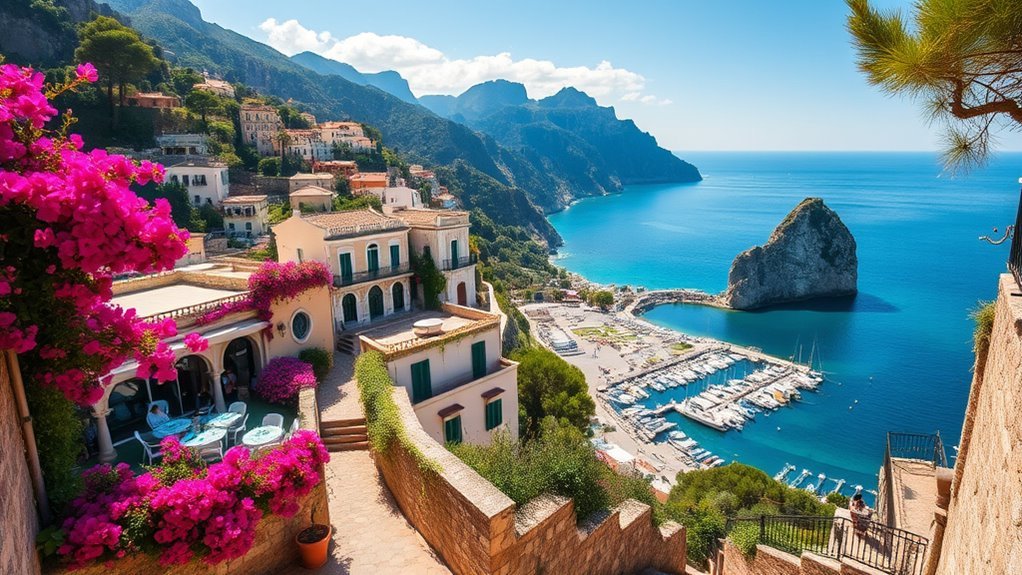
Capri rewards travelers who plan around the island’s steep terrain, busy midday crowds, and changeable sea conditions. The best experiences include the Blue Grotto, Anacapri, Monte Solaro, the Faraglioni, Marina Piccola, the Gardens of Augustus, Villa Jovis, and a boat trip around the coast. A day trip covers the highlights, but two or three days feels far less rushed.
Quick Answer
The best things to do in Capri are touring the island by boat, visiting the Blue Grotto when seas are calm, riding or hiking to Monte Solaro, exploring Anacapri, viewing the Faraglioni, swimming at Marina Piccola, and visiting the Gardens of Augustus and Villa Jovis.
Key Takeaways
- Start early if you are visiting for the day; ferry arrivals make Capri town and Marina Grande busiest from late morning through midafternoon.
- Treat the Blue Grotto as weather-dependent, not guaranteed. Rough seas or wind can close it without much notice.
- Anacapri is quieter than Capri town and gives you easy access to Monte Solaro, Villa San Michele, and the Church of San Michele.
- Wear shoes with grip. Capri has steep lanes, stone steps, uneven paths, and limited vehicle access in pedestrian areas.
- Allow two or three days for a relaxed visit; a one-day trip requires strict priorities.
At a Glance
| Ideal Stay | Two to three days; one day for selected highlights |
| Best Time | Late spring or early fall for warm weather and lighter crowds; summer for the fullest ferry and beach schedule |
| Getting Around | Walking, buses, taxis, the Marina Grande funicular, and the Monte Solaro chairlift |
| Bring | Supportive shoes, water, sun protection, swimwear, a light layer, and a backup plan for boat closures |
Disclosure: As an Amazon Associate I earn from qualifying purchases. Some links on this page are affiliate links, at no extra cost to you.
Plan Your Capri Visit
Capri has no airport or bridge, so most visitors arrive by ferry or hydrofoil at Marina Grande. Check the sailing schedule and the last return before leaving the mainland, especially outside summer. Once on the island, the funicular links Marina Grande with Capri town, while small buses and taxis connect Capri, Anacapri, Marina Piccola, and the Blue Grotto area. Review the current bus and funicular schedules before travel.
For a day trip, arrive on one of the earliest practical sailings and choose three or four priorities. A realistic route is Anacapri and Monte Solaro in the morning, Capri town and the Gardens of Augustus in the afternoon, then a boat tour or beach time if schedules allow. Do not build a tight itinerary around the Blue Grotto because it may close due to wind or swell.
Note: Ferry, bus, attraction, and chairlift hours change by season. Recheck official pages shortly before your visit rather than relying on an old screenshot or printed itinerary.
Experience the Blue Grotto: Best Times and Tips
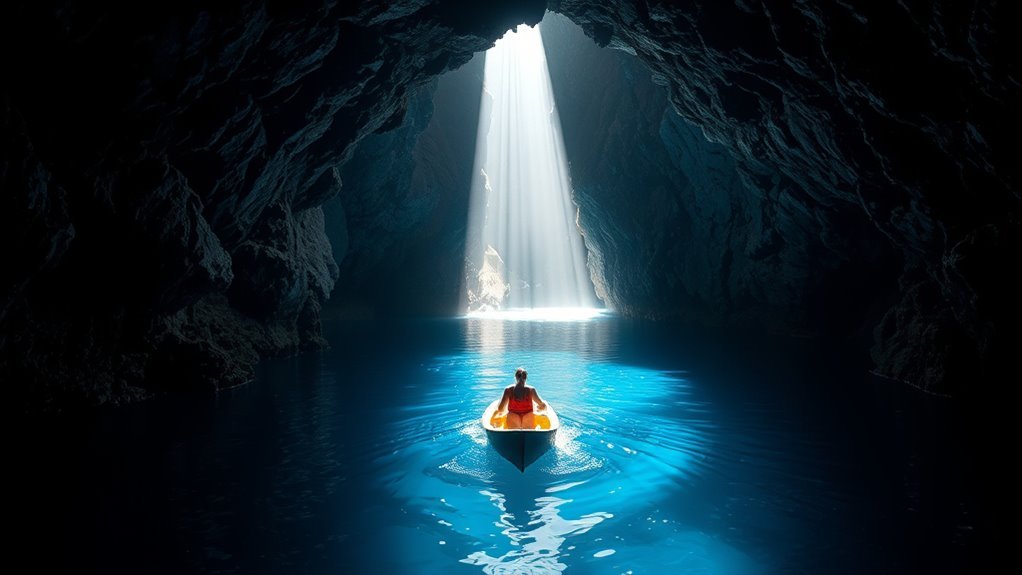
The Blue Grotto is a sea cave in Anacapri known for the electric-blue light created when sunlight enters through a submerged opening and reflects through the water. The cave is about 60 meters long and 25 meters wide, and visitors enter through a low opening in small rowboats.
There is a trade-off between light and crowds. The blue effect is often strongest around midday on a sunny day, while an early visit usually means cooler temperatures and shorter lines. Late afternoon is not automatically best, and cloudy weather can weaken the color. Access is available only when sea and wind conditions are safe.
Current 2026 pricing is itemized rather than a single universal “entrance fee.” At the grotto landing, budget for the mandatory rowboat service plus the cultural-site ticket; transport by boat from Marina Grande costs extra. Confirm the day’s total before boarding because rates can change. Photography is difficult in the dark interior, so use low-light mode, hold the camera steady, and avoid flash.
Warning: Swimming into the Blue Grotto is not permitted during normal visiting hours and can be dangerous. Follow the rowboat operator’s instructions and be prepared to lie back as the boat passes through the low entrance.
Pro Tip: Check whether the grotto is open before traveling across the island. Keep Anacapri, Villa Damecuta, or a coastal walk as your backup plan.
Discover the Charm of Anacapri
Set above Capri town, Anacapri has pedestrian lanes, artisan shops, churches, gardens, and a calmer feel than the island’s busiest center. Walk along Via Giuseppe Orlandi, browse locally made sandals and ceramics, and stop at the Church of San Michele to see its celebrated majolica floor depicting the Garden of Eden.
Villa San Michele, created by Swedish physician and writer Axel Munthe, combines a house museum, archaeological pieces, gardens, and broad views toward the Bay of Naples. From nearby Piazza Vittoria, the Monte Solaro chairlift climbs to the highest point on the island in roughly 12 minutes. The official chairlift site lists seasonal hours and current fares, so check it before setting out.
Relax at Marina Piccola
Marina Piccola sits on Capri’s south side below steep cliffs, with views toward the Faraglioni. Its small pebble and rock beaches can feel sheltered, but water conditions still vary. Arrive early in summer because the free sections and paid beach clubs fill quickly.
Beach Activities Available
Swim when conditions are calm, sunbathe on the pebbled shore, or rent a kayak or paddleboard from an established operator. Water shoes make entry more comfortable, and a dry bag protects phones and valuables. Boat traffic can be heavy, so stay inside marked swimming areas and follow local instructions.
Dining by the Shore
Marina Piccola has beach clubs and restaurants serving seafood, pasta, salads, and cold drinks. Reserve ahead for a waterfront table in peak season, or bring a simple picnic where outside food is permitted. Prices beside the water are usually higher than in less scenic parts of the island.
Hike or Ride to Monte Solaro
Monte Solaro rises 589 meters above sea level and offers wide views over Capri, the Bay of Naples, the Bay of Salerno, Ischia, and the Sorrentine Peninsula on a clear day. The easiest route is the single-seat chairlift from Piazza Vittoria in Anacapri.
You can also hike from Anacapri. The marked route is steep, gains roughly 350 meters, and commonly takes about an hour uphill depending on pace and stops. Wear sturdy shoes, carry water, and avoid the hottest part of summer days. A popular compromise is to ride up and walk down, with an optional detour toward the Hermitage of Cetrella.
See the Iconic Faraglioni Rocks
The Faraglioni are three limestone sea stacks off Capri’s southeastern coast and one of the island’s defining sights. View them from land, pass beside them by boat, or combine both perspectives.
Best Viewpoints
- Belvedere Tragara: An easy scenic walk from Capri town with a classic view over the stacks.
- Gardens of Augustus: Terraced viewpoints frame the Faraglioni and Marina Piccola.
- Belvedere Cannone: A quieter overlook with broad coastal views after a short uphill walk.
- Pizzolungo Trail: A longer walk past the Natural Arch and Matermania area, with changing sea views and sections of steep steps.
Morning and late-afternoon light usually photographs the limestone well. Stay behind barriers and avoid climbing onto exposed edges for a better angle.
Boat Tour Experience
A boat tour lets you see the Faraglioni, White Grotto, Green Grotto, Natural Arch area, Punta Carena lighthouse, and coves hidden below the cliffs. Shared circumnavigation trips are the budget option; private gozzo boats give you more control over swimming stops and pace. Tour length ranges from about one hour to a half or full day.
Ask what the fare includes, whether fuel and swimming stops are covered, and whether a Blue Grotto stop is guaranteed or only attempted. In most cases, the Blue Grotto fee is separate and access remains subject to conditions.
Stroll Through the Gardens of Augustus
The Gardens of Augustus are a short walk from Capri’s Piazzetta and offer elevated views of the Faraglioni, Marina Piccola, and the switchbacks of Via Krupp. The compact terraces are planted with flowers and Mediterranean vegetation, so most visits take about 30 minutes.
The Gardens of Augustus deliver one of Capri’s best views with far less effort than the island’s longer cliff walks.
The posted adult admission is modest, but opening times and payment rules can change. Via Krupp may close temporarily for weather, rockfall risk, or inspections, so never assume it will be open as your route to Marina Piccola. The gardens remain worth visiting even when the path is closed.
Enjoy an Aperitivo in the Piazzetta
Piazza Umberto I, better known as the Piazzetta, is Capri town’s social center. An aperitivo here is less about bargain prices and more about the atmosphere: café tables, the clock tower, passing residents, and travelers heading between the funicular and Via Camerelle.
Ideal Places to Relax
Choose a café around the square for people-watching, or walk a few minutes away for quieter seating and better value. Order first only after checking the menu, as table service in this prime location can be expensive. Complimentary snacks vary by venue and are not guaranteed.
Signature Drinks to Enjoy
Popular choices include an Aperol Spritz, a limoncello spritz, local white wine, or limoncello served after a meal. A “Caprese Spritz” is not one fixed island-wide recipe, so ask what the bar uses. Pair your drink with olives, nuts, or small savory bites when offered.
Atmosphere and People-Watching
The square is liveliest in the early evening, when day-trippers begin leaving and overnight guests return from the beach. For a calmer experience, stop in the morning before tour groups arrive or enjoy an evening drink after dinner.
Visit the Historical Villa Jovis
Villa Jovis stands on Monte Tiberio above Capri town. The first-century imperial complex was the largest of the residences associated with Emperor Tiberius on the island. Its surviving walls, baths, service rooms, living quarters, and large cisterns show how the site was organized around both power and practical water storage.
The walk from the Piazzetta takes roughly 45 minutes and is steadily uphill, with no road transport to the entrance. Allow at least two hours for the round trip and visit, bring water, and check the official museum page for opening days before climbing. The archaeological site stands more than 330 meters above the sea and has uneven surfaces that may be difficult for travelers with limited mobility.
Take a Scenic Boat Tour Around Capri
A full or partial circuit of the island is one of the best ways to understand Capri’s cliffs, caves, and small bays. Boats usually depart from Marina Grande, while some private services use Marina Piccola. Shared trips are efficient for a day visit; private tours suit travelers who want longer swims or a slower pace.
- Choose the format: Compare shared tours, small-group boats, and private gozzo charters.
- Read the inclusions: Confirm fuel, drinks, towels, snorkeling gear, port fees, and grotto charges.
- Check conditions: Wind and swell may change the route or cancel swimming and grotto stops.
- Book strategically: Reserve ahead in peak summer, but choose a flexible cancellation policy when possible.
Try Capri’s Iconic Dishes
Begin with insalata caprese: ripe tomatoes, fresh mozzarella, basil, olive oil, and salt. Other island favorites include ravioli capresi filled with caciotta and marjoram, seafood pasta, grilled fish, and dishes scented with local lemons.
For dessert, try torta caprese, a flourless chocolate-and-almond cake, followed by coffee or limoncello. Restaurant prices rise around the Piazzetta, waterfronts, and luxury hotels, so read menus carefully and check whether a cover charge is listed. Reservations are wise for popular terraces and dinner during high season.
Capri Itineraries for One, Two, or Three Days
One Day
Arrive early, travel directly to Anacapri, ride the Monte Solaro chairlift, and walk through the historic center. Return to Capri town for the Gardens of Augustus, Via Camerelle, and Belvedere Tragara. Add either a boat circuit or Marina Piccola, not both, unless your ferry times leave a generous margin.
Two Days
Use the first day for Anacapri, Monte Solaro, Villa San Michele, and the Blue Grotto if open. Use the second for Capri town, the Gardens of Augustus, Villa Jovis or the Pizzolungo trail, and an evening aperitivo after day-trippers depart.
Three Days
Add a slow beach morning, a longer boat tour, Punta Carena, the Trail of the Forts, or extra time in Anacapri. Three days also gives you a second chance if the Blue Grotto or boat tours close on your first day.
Budget, Accessibility, and Packing Tips
Capri can be expensive, but you can control costs by using buses and the funicular, choosing shared boat tours, carrying water, and eating away from the busiest squares and waterfronts. Keep small transport and attraction charges in your budget, along with ferry fares and any beach-club fee.
The island is challenging for some travelers with limited mobility. Many lanes are paved or pedestrian-only, but steep grades, steps, uneven archaeological sites, and single-seat chairlifts can create barriers. Contact attractions and accommodations directly for current access details.
Pack supportive walking shoes, sunscreen, a hat, refillable water bottle, swimsuit, water shoes, and a light layer for windy boat rides. Keep valuables secure in crowded transport areas and leave extra time before your return ferry.
Frequently Asked Questions
What should you not miss on Capri?
Prioritize a boat view of the coast, Monte Solaro, Anacapri, the Faraglioni, and the Gardens of Augustus. Add the Blue Grotto only when it is open and the wait fits your schedule.
What is Capri, Italy, best known for?
Capri is best known for the Blue Grotto, Faraglioni sea stacks, dramatic limestone cliffs, Monte Solaro, elegant Capri town, quieter Anacapri, Roman sites, designer shopping, and dishes such as insalata caprese and torta caprese.
How many days in Capri are enough?
Two to three days is ideal for most first-time visitors. One day works for selected highlights, while three days gives you time for beaches, longer walks, and a backup window for weather-dependent boat trips.
Which celebrities live on Capri?
There is no reliable, current public list of celebrities who permanently live on Capri, and private residency changes. The island has long attracted actors, designers, artists, and other public figures, so celebrity sightings are possible but never guaranteed.
Is Capri worth visiting on a day trip?
Yes, provided you arrive early and limit your plan. Choose one major area in the morning and one in the afternoon, then return to Marina Grande with enough time to board your ferry.
Can you visit Capri without a car?
Yes. Most visitors use ferries, the funicular, local buses, taxis, boats, and walking. A private car is unnecessary and visitor vehicle access is restricted for much of the year.
Conclusion
Capri combines sea caves, mountain views, Roman history, beaches, gardens, and lively town squares in a small but steep island setting. The key is to start early, avoid overloading each day, and keep weather-dependent activities flexible. Whether you visit for one day or stay for three, thoughtful planning turns Capri from a rushed checklist into a memorable Italian escape.
Sources
- Italian Ministry of Culture — Blue Grotto — official site status and description.
- Museums and Archaeological Parks of Capri — Villa Jovis — official history, setting, and visitor information.
- City of Capri — Gardens of Augustus — official attraction description.
- Monte Solaro Chairlift — official operating hours and fares.
- Villa San Michele — official opening hours, tickets, and museum information.
- Capri Tourism — Bus and Funicular Schedules — current island transport planning.
