
Last Updated on November 4, 2026 by Mason Reed
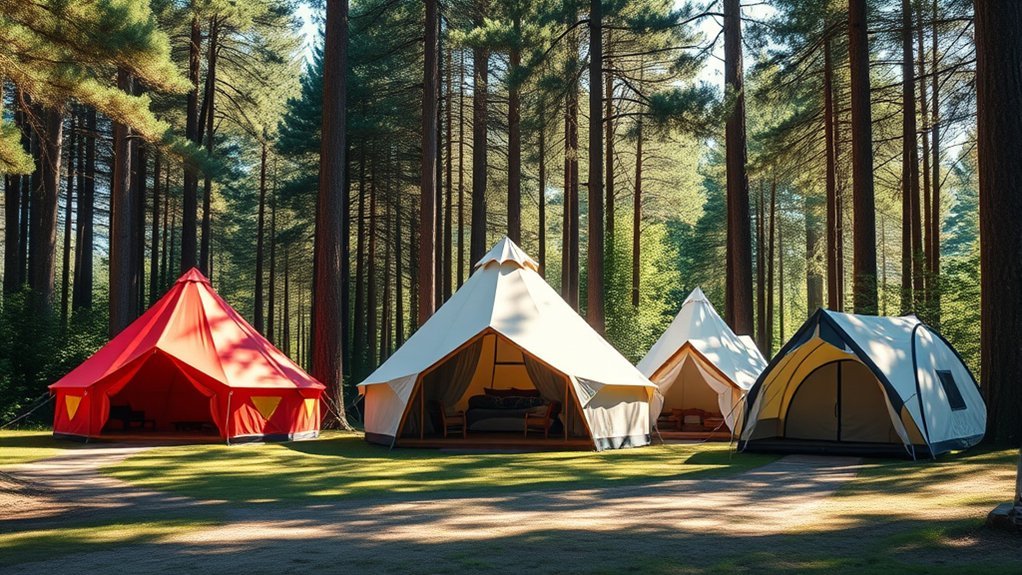
Finding the best tent for an extended camping stay means looking beyond the advertised sleeping capacity. You need enough room for bedding and gear, dependable ventilation, practical weather protection, and a layout that stays comfortable over several nights. Three options worth comparing are the GoHimal 8 Person Camping Tent, the EVER ADVANCED 8 Person Blackout Cabin Tent, and the PORTAL Family Camping Tent with Screen Room. Each offers different benefits for family camping in suitable weather. However, these are recreational camping tents, not verified permanent or year-round shelters.
Disclosure: As an Amazon Associate I earn from qualifying purchases. Some links on this page are affiliate links, at no extra cost to you.
Quick Answer: The PORTAL Family Camping Tent with Screen Room is our leading option for extended, mild-weather family camping because its screened porch provides a useful separate area for relaxing. Choose the EVER ADVANCED Blackout Cabin Tent if sleeping privacy and reduced daylight matter more. The GoHimal 8 Person Camping Tent is worth considering if you prefer a simpler family sleeping shelter with a rainfly and a relatively manageable packed weight. None should be treated as a permanent home or guaranteed storm shelter.
Key Takeaways
- Best for a separate lounging area: PORTAL Family Camping Tent with Screen Room.
- Best for privacy and darker sleeping conditions: EVER ADVANCED 8 Person Blackout Cabin Tent.
- Best for straightforward family camping: GoHimal 8 Person Camping Tent.
- Capacity matters: An eight-person rating does not mean eight people will have comfortable living space for an extended stay.
- Weather protection has limits: Check the current manufacturer’s instructions for rain, wind, temperature, and seasonal restrictions.
- Safety comes first: Never assume a recreational tent is suitable for fuel-burning heaters, severe weather, or permanent residential use.
Important Safety Note: These tents are intended for recreational camping. Do not rely on them as permanent housing or shelter during dangerous weather. Never burn charcoal or use ordinary fuel-burning camping heaters, lanterns, or stoves inside a sleeping tent. Carbon monoxide can be deadly. Read the U.S. Consumer Product Safety Commission’s camping equipment safety guidance before your trip.
Our Top Tent Picks for Extended Camping Stays
Compare these three tents based on their most useful features, expected sleeping arrangements, setup requirements, and weather limitations. Product specifications may vary by version, so confirm the exact model before purchasing.
| Tent | Product Image | Best For | Capacity and Space | Setup | Weather Protection | Amazon | Analysis |
|---|---|---|---|---|---|---|---|
| GoHimal 8 Person Camping Tent |  |
Best for Simple Family Camping | Advertised Capacity: 8 people Floor: Approximately 112 sq. ft. |
Setup: Advertised around 10 minutes with two people | Protection: Polyester with rainfly and reported PU2000 mm coating; no verified severe-weather rating | Check Price on Amazon | Read Our Analysis |
| EVER ADVANCED 8 Person Blackout Cabin Tent |  |
Best for Privacy | Advertised Capacity: 8 people Layout: 9 × 9 ft inner room plus 9 × 6 ft porch |
Setup: Manual pole assembly | Protection: Water-resistant fabric and rainfly; not verified for severe storms | Check Price on Amazon | Read Our Analysis |
| PORTAL Family Camping Tent with Screen Room |  |
Best for Screened Lounging | Advertised Capacity: 8 people Layout: Main sleeping area and separate screened porch |
Setup: Advertised around 15 minutes | Protection: Water-resistant fabric with rainfly; intended for suitable recreational camping conditions | Check Price on Amazon | Read Our Analysis |
Quick Verdict: Which Tent Should You Choose?
Choose GoHimal if: You need a family sleeping tent with a straightforward layout, a rainfly, and an advertised two-person setup process.
Choose EVER ADVANCED if: You value a darker sleeping environment, a separate porch, and extra privacy during family trips.
Choose PORTAL if: You want a separate screened area for sitting, reading, or relaxing away from insects during a multi-night camping trip.
Our overall preference for mild-weather family camping is PORTAL when a separate lounging area matters. However, if your priority is rain protection, portability, or a particular sleeping arrangement, compare the actual shelter specifications rather than relying on a single recommendation.
More Details on Our Top Picks
-
GoHimal 8 Person Camping Tent
The GoHimal 8 Person Camping Tent is a practical option if you want a family-size sleeping shelter without a complicated multi-porch layout. Its reported dimensions are approximately 169 × 95 × 76 inches, giving it about 112 square feet of floor space and enough center height for many adults to stand upright.
Its polyester construction includes a rainfly and a reported PU2000 mm water-resistant coating. The large mesh door and multiple windows help with airflow during warm-weather camping. A room-divider curtain can also provide some privacy when camping with children or friends.
The manufacturer-style listing advertises assembly in around 10 minutes with two people. Actual setup time depends on experience, ground conditions, and how carefully you position the stakes and guy lines.
Important capacity detail: Although marketed for eight people, the tent will feel crowded when fully occupied with adults and equipment. Its floor dimensions also make the original claim of comfortably fitting three standard queen mattresses unreliable. Measure your mattresses and plan their arrangement before buying.
Why You’ll Like It
- Offers a useful sleeping area for family camping.
- Includes a rainfly and reported PU2000 mm fabric coating.
- Mesh openings help reduce moisture buildup when used correctly.
- A divider can create a more private sleeping arrangement.
- Its reported packed weight is approximately 17 pounds, making it more manageable than some larger cabin tents.
Who Should Buy This?
Choose this tent if you want a relatively straightforward shelter for car camping, a family holiday, or several nights at an established campsite in suitable conditions.
Who Should Avoid This?
Look elsewhere if you need generous living space for eight adults, a separate indoor lounge, permanent accommodation, or independently verified protection against severe weather.
Before You Buy: Check the current listing for the exact floor dimensions, included rainfly, seam construction, pole specifications, warranty, and any weather restrictions. The advertised waterproof rating alone does not guarantee a dry interior in every storm.
- Capacity: Advertised for 8 people; fewer occupants allow more comfortable living and storage space
- Dimensions: Approximately 169 × 95 × 76 inches
- Floor Area: Approximately 112 square feet
- Setup Time: Advertised around 10 minutes with two people
- Weather Resistance: Reported PU2000 mm coating with rainfly; not a guarantee against severe weather
- Ventilation: Large mesh door and multiple mesh windows
- Material: Polyester fabric with fiberglass poles
- Design Features: Room-divider curtain, rainfly, and carry bag
- Weight: Approximately 17 pounds, depending on the exact version
- Best Use: Recreational family camping in suitable weather
-
EVER ADVANCED 8 Person Blackout Cabin Tent
If early morning sunlight interrupts your sleep, the EVER ADVANCED 8 Person Blackout Cabin Tent deserves consideration. Its darkened fabric is designed to reduce incoming light, making it appealing for families with young children or campers who prefer a darker resting area.
The tent features a 9 × 9-foot inner room and a separate 9 × 6-foot porch area. The inner room has a reported center height of 84 inches, providing useful standing room. The divided layout can help separate sleeping from other campsite activities.
Four adjustable roll-up windows and overhead ventilation openings provide airflow options. The fabric is described as water-resistant and includes a rainfly, but its listing does not establish that it can safely withstand severe storms or prolonged harsh weather.
Blackout material can reduce direct light exposure, but that does not guarantee a lower internal temperature. Ventilation, sunlight, outdoor temperature, and the position of the rainfly all influence comfort.
Why You’ll Like It
- Blackout fabric can make daytime naps and early morning sleep more comfortable.
- The separated layout offers more privacy than a single open room.
- A tall inner room makes changing clothes easier.
- Adjustable windows help you manage airflow.
- The porch offers an additional area for suitable camping activities.
Who Should Buy This?
This tent is worth considering if your family values privacy, prefers darker sleeping conditions, and wants separate areas for resting and relaxing during a camping holiday.
Who Should Avoid This?
Avoid choosing it solely for its advertised eight-person capacity if you need substantial personal space. It is also less appealing if you frequently relocate on foot, need a lightweight backpacking tent, or expect severe winter conditions.
Space Planning Tip: The main inner room is approximately 81 square feet. Do not assume that the additional porch area provides identical sleeping comfort, privacy, or weather protection. Check the floor plan and enclosure details for your exact version.
- Capacity: Advertised for 8 people, with a suggested 5+3 arrangement
- Inner Room: Approximately 9 × 9 feet
- Porch Area: Approximately 9 × 6 feet
- Maximum Inner Height: Approximately 84 inches
- Setup Time: Manual assembly; allow extra time on your first setup
- Weather Resistance: Water-resistant fabric with rainfly; severe-weather suitability not verified
- Ventilation: Four adjustable windows and overhead ventilation
- Material: Polyester fabric
- Design Features: Blackout fabric, separated spaces, and sewn-in divider
- Reported Weight: Approximately 35.2 pounds
- Best Use: Family camping where privacy and reduced daylight matter
-
PORTAL Family Camping Tent with Screen Room
The PORTAL Family Camping Tent with Screen Room is an appealing option for families who spend more than just sleeping hours at their campsite. Its defining feature is the separate screened porch, which provides a ventilated place to sit, relax, and enjoy outdoor views while reducing exposure to insects.
The eight-person version has a reported center height of around 76 inches. Its polyester construction includes a rainfly and water-resistant fabric, while mesh openings provide airflow during warmer conditions.
The porch is particularly useful when you want somewhere to sit without remaining inside your sleeping area all day. However, a screened porch should not automatically be counted as a fully enclosed, rainproof bedroom.
The tent is advertised as taking around 15 minutes to set up, although actual assembly time depends on your experience and campsite conditions. The reported carrying weight is approximately 25.8 pounds.
PORTAL’s published dimensions can differ between versions and product descriptions. Confirm the exact sleeping-area length, porch dimensions, and included accessories on the listing for your chosen model.
Why You’ll Like It
- A screened porch creates a useful separate area for relaxation.
- Mesh panels allow airflow while helping keep insects outside.
- The center height makes the interior easier to move around in.
- A rainfly and water-resistant fabric provide basic weather protection when properly installed.
- Storage features and an electrical access opening can help organize suitable campsite equipment.
Who Should Buy This?
Choose the PORTAL tent if you plan to spend several days at a campsite and value a separate screened area for sitting, reading, or spending time together.
Who Should Avoid This?
It may not be suitable if you need a compact backpacking shelter, frequently camp in exposed windy locations, or require a fully weather-sealed second room. Do not use the screened porch as dependable sleeping space without verifying its design and protection.
Practical Buying Tip: Check the sleeping compartment separately from the porch. Confirm how much usable floor area remains after adding mattresses, storage containers, and your family’s equipment.
- Capacity: Advertised for 8 people; fewer occupants provide more comfort
- Floor Layout: Main sleeping compartment plus screened porch
- Maximum Height: Approximately 76 inches
- Setup Time: Advertised around 15 minutes
- Weather Resistance: Water-resistant polyester with removable rainfly
- Ventilation: Screened porch, mesh ceiling, and ventilation openings
- Material: Polyester fabric with fiberglass pole components
- Design Features: Screened porch, storage pockets, and electrical access opening
- Reported Weight: Approximately 25.8 pounds
- Best Use: Recreational family camping with a separate insect-protected sitting area
Factors to Consider When Choosing a Tent for Extended Camping
Staying at a campsite for several nights puts different demands on a tent than a quick overnight trip. You need practical floor space, dependable ventilation, a suitable weather rating, and enough storage to keep your sleeping area organized. Use the following factors to decide which design matches your plans.
Size and Capacity
Start with the number of people who will actually sleep inside the tent. The manufacturer’s advertised occupancy usually represents maximum sleeping capacity rather than comfortable long-stay accommodation.
For example, an eight-person tent may have enough floor space for multiple sleeping bags while leaving little room for luggage, mattresses, or movement. For longer stays, choosing a larger tent than your minimum sleeping requirement can improve comfort.
Check the usable floor dimensions rather than relying only on the person rating. A tall center height is helpful, but sloping walls can reduce standing room near the edges.
If you are bringing air mattresses, measure their actual width and length. Sketch a simple floor plan that includes bedding, bags, doors, and walking space.
Material Durability
Fabric quality matters when a tent remains pitched for several days. Polyester is common in family camping tents because it can provide a practical balance of weight, weather resistance, and portability.
However, material names alone do not establish long-term durability. Inspect the specifications for reinforced stress points, sealed seams, durable zippers, pole quality, and repair support.
Fiberglass poles are common in recreational family tents, but they can crack or split under excessive stress. Pole strength depends on design, diameter, material quality, and proper assembly. Do not assume fiberglass automatically provides better wind resistance than aluminum or other pole materials.
For longer stays, a replaceable pole section and accessible replacement parts can be valuable features.
Weather Resistance
Weather protection should be one of your highest priorities when choosing a tent for multiple nights outdoors.
Fabric coatings may carry ratings such as PU2000 mm. These ratings describe laboratory water-resistance performance of the coated material, but they do not independently prove that the complete tent will withstand prolonged rain, strong wind, or severe storms.
Also examine the rainfly coverage, stitching, seam sealing, floor construction, door design, and staking system.
A tent with a rainfly should be pitched so the fly is properly tensioned and does not press unnecessarily against the inner sleeping area. Use the manufacturer’s specified stakes and guy lines, and select a campsite with good drainage.
Warning: Do not rely on these recreational family tents in strong storms, heavy snow, flooding, or other dangerous conditions unless the specific model is expressly rated for those conditions. A waterproof fabric claim is not a severe-weather safety certification. Follow local weather alerts and use sturdier shelter when necessary.
Ventilation Features
Ventilation helps manage humidity and condensation inside a tent, especially when several people sleep in a relatively small area.
Look for mesh windows, roof vents, adjustable openings, and a practical cross-ventilation layout. These features can move humid air away from the sleeping compartment when weather permits.
Screened porches are useful during warmer weather because they provide a more open area for spending time outside the bedroom.
However, mesh alone does not create insulation. During colder nights, balance airflow with appropriate sleeping gear and the ventilation guidance in your tent’s instructions. Avoid sealing all ventilation openings simply to retain heat.
Setup Ease
A straightforward setup process is especially useful when you arrive at a campsite late or need to relocate.
Some large family tents advertise setup times around 10 to 15 minutes, but those times may assume two experienced people working in good conditions.
Look for clearly labeled poles, understandable instructions, manageable pole sections, and a practical rainfly attachment system.
Practice pitching your tent at home before a longer trip. This gives you time to identify missing parts, learn the correct assembly order, and check that the rainfly and zippers work properly.
Even for an extended stay, the tent should remain easy enough to take down quickly if weather conditions become unsafe.
Design and Layout
The best layout depends on how you plan to use your shelter throughout the day.
A single sleeping room is often simpler to arrange and may be easier to pitch. A divided cabin tent can provide additional privacy, while a screened porch creates a useful area for relaxing without sitting directly in the sleeping compartment.
Consider whether the space has separate entrances, room dividers, internal pockets, ventilation openings, and enough clearance around sleeping equipment.
Pay attention to whether every room has the same floor and rain protection. A porch, vestibule, or screened section may not be designed for overnight sleeping.
Comfort and Space
Comfort involves more than choosing the largest advertised tent capacity.
For several nights of camping, you need room to sleep, change clothes, store essential equipment, and move around without stepping over other people’s belongings.
Blackout fabric may help reduce unwanted daylight. High ceilings can make changing clothes easier. A screened porch may give you a more comfortable place to sit during the day.
Consider combining a suitable sleeping pad with a weather-appropriate sleeping bag. Insulation underneath you matters because the ground can draw heat away from your body.
Keep bedding away from damp walls when practical, and avoid blocking exits with furniture or luggage.
Portability and Storage
Larger family tents can offer more comfortable interiors, but that extra space may increase packed weight and storage requirements.
Compare the total package weight, pole length, packed dimensions, and carrying bag before buying.
The GoHimal tent is reported to weigh around 17 pounds, while the PORTAL and EVER ADVANCED models have reported weights of approximately 25.8 and 35.2 pounds, respectively. Check the exact configuration because weights and included accessories can vary.
If you use a car to reach your campsite, extra weight may be acceptable. If you must carry equipment over a long distance, a large cabin tent may be inconvenient.
For extended stays, bring storage containers or dry bags to keep clothing and supplies organized without blocking the sleeping area.
Before You Buy: Extended Camping Checklist
Use this checklist to avoid choosing a tent that looks spacious online but does not work well at your campsite.
- Confirm the exact model: Check the ASIN, size, color, and included accessories.
- Measure your bedding: Make sure mattresses leave space for doors and movement.
- Check seasonal suitability: Do not assume an eight-person tent works in every climate.
- Review weather guidance: Read the manufacturer’s rain, wind, and snow restrictions.
- Compare usable rooms: Separate sleeping space from porches and vestibules.
- Check packed weight: Make sure you can transport and pitch the tent safely.
- Review ventilation: Look for adjustable vents and protected mesh openings.
- Inspect repair options: Check whether poles, stakes, and other parts are replaceable.
- Read the warranty: Verify its duration, exclusions, and claim process.
- Plan a backup shelter: Have a safe alternative if the weather becomes dangerous.
How to Make a Tent More Comfortable During a Longer Stay
A good tent is only one part of a comfortable campsite. Proper setup and daily maintenance can make your shelter easier to use over several nights.
Choose a Suitable Campsite
Select a permitted campsite with good drainage and firm ground. Avoid dry streambeds, low areas that may flood, dead overhead branches, and other obvious hazards.
Check campground rules before planning an extended stay. Many campsites limit how long you can remain in one location.
Protect the Tent Floor
Use a suitable footprint or groundsheet underneath the tent. Keep its edges beneath the tent floor so it does not collect rainwater and direct it underneath your sleeping area.
Place sleeping pads or suitable mats inside for added comfort and insulation. Avoid materials that trap moisture against the floor.
Keep Gear Organized
Store clothing, sleeping equipment, and other essentials in designated areas. Use interior pockets when available, and avoid placing heavy objects against delicate mesh panels.
Keep entrances clear so everyone can leave quickly if necessary.
Manage Condensation
Open protected vents when conditions allow. Avoid drying large quantities of wet clothing inside a closed tent, and wipe away persistent condensation before it wets your bedding.
Check the sleeping area regularly for damp fabric, moisture accumulation, or signs of mildew.
Inspect Your Tent Each Day
During a longer trip, check guy lines, stakes, zippers, pole connections, and rainfly tension. Repair small problems before they become more serious.
Inspect the weather forecast daily and make changes to your plans when conditions exceed your equipment’s safe limits.
Frequently Asked Questions
How Do I Maintain a Tent During an Extended Camping Stay?
Check the tent each day for loose stakes, damaged poles, worn seams, and moisture. Remove dirt using cleaning methods approved by the manufacturer. Keep ventilation openings clear, and dry the tent thoroughly before storage. Repair waterproofing or seam problems according to the product’s care instructions rather than applying an unsuitable treatment.
Can I Use a Tent Year-Round in All Climates?
No single recreational family camping tent should be assumed suitable for every climate. The three tents compared here have not been verified as permanent, year-round shelters. Heavy snow, severe wind, extreme temperatures, and prolonged exposure may exceed their intended use. Choose equipment specifically rated for your conditions, and arrange safe alternative shelter when necessary.
What Flooring Options Are Best for an Extended Tent Stay?
A properly sized footprint helps protect the tent floor. Inside, insulated sleeping pads, closed-cell foam mats, or suitable camping mattresses can improve comfort. Lightweight washable mats may also help keep the interior clean. Avoid absorbent flooring that stays wet or prevents the tent floor from drying.
How Can I Ensure Proper Ventilation in My Tent?
Use the built-in mesh windows, roof vents, and adjustable openings according to the weather and the manufacturer’s instructions. Create cross-ventilation when practical while maintaining rain protection. Keep vents unobstructed, avoid crowding the tent beyond its practical capacity, and manage wet equipment to reduce condensation.
What Are the Best Heating Options for Tent Camping?
The safest starting point is a sleeping bag rated for the expected temperatures, an insulated sleeping pad, dry clothing, and suitable layering. Do not use charcoal, open flames, or ordinary fuel-burning camping heaters inside the sleeping tent. Do not operate fuel-burning portable heaters or lanterns while sleeping in enclosed camping spaces. Any electrical heating equipment must be explicitly approved for the intended environment and used according to its safety instructions. A tent’s water-resistant or blackout fabric does not make it suitable for heating appliances.
Conclusion
Choosing the right tent for an extended camping stay depends on how much space you need, the weather you expect, and how you plan to use the campsite throughout the day.
The GoHimal 8 Person Camping Tent offers a straightforward family sleeping layout. The EVER ADVANCED Blackout Cabin Tent is appealing if privacy and reduced daylight matter most. The PORTAL Family Camping Tent with Screen Room stands out when you want a separate screened area for relaxing, making it our preferred option for that use case.
Before buying, check the current product specifications, measure your sleeping equipment, review the manufacturer’s weather restrictions, and plan for safe conditions. The right recreational tent can make a multi-night camping trip more comfortable, but it should never be mistaken for guaranteed permanent or all-weather accommodation.
