

Last Updated on November 4, 2026 by Mason Reed
The best sleeping bags for hammock camping keep you warm without making your hammock feel cramped. A good top quilt gives you room to move, while a traditional sleeping bag offers familiar comfort. However, neither option fully solves heat loss beneath your hammock. You also need suitable bottom insulation when conditions are cool.
Our top choice is the Onewind Lightweight Hammock Top Quilt for its convertible footbox, synthetic insulation, and hammock-friendly design. The SENSORY4U Ultralight Down Top Quilt is worth considering if you want a lighter down option. For a traditional sleeping bag, the TANSTRIDER Compact Lightweight Camping Sleeping Bag offers a familiar zippered design for milder nights.
Quick Answer: The Onewind Lightweight Hammock Top Quilt is our best overall pick for hammock camping because it combines adjustable coverage, a convertible footbox, and synthetic insulation. Choose the SENSORY4U down quilt if reducing pack weight matters more, or the OneTigris Featherlite if you prefer a simple synthetic top quilt.
Important: A sleeping bag or top quilt does not replace an insulated sleeping pad or hammock underquilt. You may need separate bottom insulation to prevent cold air from cooling your back.
Key Takeaways
- Best overall: Onewind Lightweight Hammock Top Quilt offers a practical design for hammock sleepers who want adjustable warmth.
- Lightweight down option: SENSORY4U Ultralight Down Top Quilt uses down insulation and provides a flexible alternative to a traditional sleeping bag.
- Best synthetic quilt: OneTigris Featherlite offers a simple convertible footbox and a compact design.
- Best traditional sleeping bag: TANSTRIDER provides a rectangular, zippered sleeping bag for mild-weather camping.
- Best for casual camping: SOULOUT offers a roomy design, although its weight makes it less attractive for long backpacking trips.
- Essential buying tip: Compare advertised comfort temperatures, actual product weight, sleeping dimensions, and bottom-insulation needs before buying.
Disclosure: As an Amazon Associate I earn from qualifying purchases. Some links on this page are affiliate links, at no extra cost to you.
Updated October 2026: This guide compares published product information and practical hammock-camping requirements. We do not claim to have personally tested these products. Specifications may vary by size or version. Check current product details before purchasing.
Our Top Sleeping Bag Picks
| Onewind Lightweight Hammock Top Quilt for Camping |  |
Best Overall | Temperature: Advertised 35°F–50°F range for the warmer-rated version | Dimensions: Approximately 86 x 54 inches, depending on version | Weight: Approximately 2.3 lbs, version dependent | Check Price on Amazon | Read Our Analysis |
| Ultralight Down Sleeping Bag Top Quilt |  |
Lightweight Down Option | Temperature: Advertised 30°F comfort rating; independent verification unavailable | Dimensions: Full open dimensions not verified | Weight: Approximately 1.9–2 lbs, seller reported | Check Price on Amazon | Read Our Analysis |
| OneTigris Ultralight Sleeping Quilt for Camping | 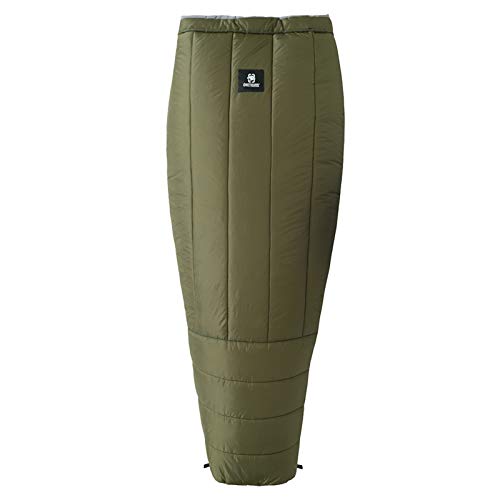 |
Best Synthetic Quilt | Temperature: Manufacturer suggests 41°F–59°F | Dimensions: Approximately 200 x 85 cm | Weight: Approximately 35 oz (2.2 lbs) | Check Price on Amazon | Read Our Analysis |
| Compact Lightweight Camping Sleeping Bags for Adults |  |
Best Traditional Bag | Temperature: Advertised 55°F–60°F comfort range | Dimensions: Approximately 31.5 x 86.6 inches | Weight: Around 3.5 lbs in one retailer listing; verify version | Check Price on Amazon | Read Our Analysis |
| 3-4 Season Lightweight Sleeping Bag for Adults & Kids | Best for Casual Camping | Temperature: Seasonal claims vary; confirm comfort rating | Dimensions: Approximately 87 x 33 inches | Weight: Approximately 4–4.5 lbs, depending on listing | Check Price on Amazon | Read Our Analysis |
How to Read This Comparison
The temperature figures above are manufacturer- or seller-advertised values, not independently verified comfort ratings. Your actual warmth depends on wind, humidity, clothing, metabolism, and bottom insulation. Also, products marketed as ultralight are not necessarily the lightest choices available. Compare actual listed weights before buying.
More Details on Our Top Picks
-
Onewind Lightweight Hammock Top Quilt for Camping
The Onewind Lightweight Hammock Top Quilt is a strong choice if you want comfortable upper-body insulation without feeling trapped inside a traditional sleeping bag.
Its convertible footbox is especially useful for hammock camping. You can close the footbox using snaps and a drawcord to help retain warmth, or open it when you need more ventilation. This gives you flexibility as temperatures change overnight.
The quilt uses DuPont Sorona synthetic insulation and recycled nylon fabric. Its synthetic filling makes it an appealing choice for campers who expect humidity or occasional damp conditions. The water-repellent exterior offers some moisture resistance, but it does not replace proper rain protection.
Onewind advertises several versions, including options intended for approximately 35°F–50°F and 45°F–60°F conditions. Dimensions and weights vary with the version. Check the exact option before buying.
Another advantage is versatility. Depending on the version, the quilt can serve as a sleeping quilt, blanket, or wearable poncho. That makes it useful for relaxing around camp as well as sleeping in a hammock.
Why You’ll Like It
- Convertible footbox lets you adjust warmth and ventilation.
- Synthetic insulation offers practical moisture management.
- Open quilt design provides more freedom of movement.
- Multiple uses make it useful beyond hammock sleeping.
- Available in different sizes and warmth configurations.
Who Should Buy This: Hammock campers who want a flexible top quilt for mild to cool conditions and prefer synthetic insulation.
Who Should Avoid This: Campers who need an independently verified cold-weather comfort rating or prefer a fully enclosed sleeping bag with a hood.
Limitation: The open design can allow drafts if the quilt is not positioned correctly. You also need suitable insulation beneath your hammock.
- Temperature Rating:Advertised 35°F–50°F or 45°F–60°F options, depending on version
- Dimensions:Approximately 86 x 54–55 inches for a large version
- Weight:Approximately 2.1–2.5 lbs across listed versions
- Insulation Type:DuPont Sorona synthetic insulation
- Portability:Stuff sack included; packed dimensions vary
- Multi-Use Capability:Top quilt, blanket, and poncho configurations
- Additional Feature:Convertible footbox with snaps and drawcord
- Additional Feature:Water-repellent nylon shell
- Additional Feature:Adjustable ventilation
-
Ultralight Down Sleeping Bag Top Quilt
If you want to reduce the weight of your hammock camping gear, the SENSORY4U Ultralight Down Sleeping Bag Top Quilt is worth comparing with heavier synthetic options.
The product is advertised with 850-fill-power down insulation. Down generally provides a good warmth-to-weight ratio and compresses efficiently, making it attractive for backpacking.
Seller information places the weight at approximately 1.9–2 pounds. The quilt includes a footbox and straps intended to help keep it positioned on a sleeping pad. Its open design can also make moving around easier than in a narrow mummy sleeping bag.
The seller advertises a comfort temperature around 30°F. However, an independently standardized temperature test was not confirmed. Do not rely on the advertised rating alone when preparing for freezing conditions.
Fit matters with this product. Available retailer information lists a maximum recommended user height of approximately 175 cm, or 5 feet 9 inches. Taller campers should confirm the actual usable quilt length before purchasing.
Why You’ll Like It
- Down insulation offers an appealing warmth-to-weight ratio.
- Lightweight construction may reduce backpack load.
- Open quilt design allows easier movement and ventilation.
- Footbox helps keep insulation around your feet.
- Included straps support positioning with a sleeping pad.
Who Should Buy This: Weight-conscious hammock campers who prefer down insulation, can keep their sleeping gear dry, and fit the manufacturer’s sizing recommendations.
Who Should Avoid This: Taller sleepers who cannot confirm the fit, campers expecting consistently wet conditions, or anyone who needs a verified winter sleeping system.
Limitation: Down can lose much of its insulating effectiveness when saturated. Protect the quilt from rain and condensation, and verify both the temperature rating and fit.
- Temperature Rating:Advertised around 30°F comfort; independently unverified
- Dimensions:Full unfolded dimensions not reliably verified
- Weight:Approximately 1.9–2 lbs, seller reported
- Insulation Type:Advertised 850-fill-power down
- Portability:Compressible down construction; packed size should be checked
- Multi-Use Capability:Hammock top quilt and ground-sleeping quilt
- Additional Feature:Integrated footbox
- Additional Feature:Sleeping pad attachment straps
- Additional Feature:Recommended height around 175 cm in available listings
-
OneTigris Ultralight Sleeping Quilt for Camping
The OneTigris Featherlite Ultralight Sleeping Quilt is a practical alternative to traditional sleeping bags if you prefer a simple, open sleeping setup.
It weighs approximately 35 ounces, or 2.2 pounds, according to the manufacturer. Its unfolded dimensions are about 200 x 85 cm, making it suitable for campers who fit within those measurements.
The quilt uses a 20D ripstop nylon outer shell, polyester lining, and SEE polyester insulation. Its manufacturer-recommended temperature range is approximately 41°F–59°F.
One useful feature is the convertible footbox. Hook-and-loop closures help form a foot compartment for cooler nights. You can also open the quilt for more ventilation when conditions are warmer.
The quilt has an open-back design intended for use with a sleeping pad. This can reduce unnecessary insulation beneath your body, where compression would limit its effectiveness.
For hammock camping, this design works best when paired with adequate insulation underneath the hammock.
Why You’ll Like It
- Synthetic filling is a practical alternative to down.
- Convertible footbox offers adjustable coverage.
- Open-back design supports use with insulated pads.
- Ripstop nylon provides a lightweight outer material.
- Works for hammock camping and suitable ground-sleeping setups.
Who Should Buy This: Campers who want a relatively compact synthetic top quilt for mild or cool-weather hammock trips.
Who Should Avoid This: Campers expecting below-freezing overnight temperatures or anyone requiring a wider quilt than the listed 85 cm design.
Limitation: Its suggested temperature range does not make it a dedicated winter quilt. Its advertised ultralight positioning should also be compared against the actual weights of other available quilts.
- Temperature Rating:Manufacturer suggests 41°F–59°F
- Dimensions:Approximately 200 x 85 cm
- Weight:Approximately 35 oz (2.2 lbs)
- Insulation Type:SEE polyester synthetic filling
- Portability:Stuff sack included; approximately 35 x 20 cm packed
- Multi-Use Capability:Hammock top quilt and ground-sleeping quilt
- Additional Feature:Convertible footbox
- Additional Feature:Open-back design
- Additional Feature:20D ripstop nylon outer shell
-
Compact Lightweight Camping Sleeping Bags for Adults
The TANSTRIDER Compact Lightweight Camping Sleeping Bag offers a traditional zippered design for campers who prefer sleeping inside a bag rather than underneath an open quilt.
It measures approximately 31.5 x 86.6 inches, giving many adults room to stretch their legs. The rectangular design can feel less restrictive than a narrow mummy sleeping bag.
The seller advertises a comfort range of approximately 55°F–60°F, along with a lower temperature limit of 40°F. That lower-limit figure should not be treated as a guarantee of comfortable sleep.
Useful features include a draft collar, adjustable drawstrings around the head area, and a two-way zipper. The zipper can help you manage ventilation on warmer nights.
The sleeping bag also includes a compression sack for carrying and storage during trips. Retailer information identifies polyester construction and reports a weight around 1.6 kg for one version. Check the exact variation before ordering.
For hammock use, an important limitation applies: The insulation directly beneath your body compresses when you lie inside the bag. You still need an insulated sleeping pad or another suitable bottom-insulation solution when temperatures drop.
Why You’ll Like It
- Traditional zippered design offers familiar sleeping-bag comfort.
- Rectangular shape allows more movement than many mummy bags.
- Two-way zipper helps with ventilation.
- Adjustable head opening can reduce drafts.
- Included compression sack helps with transport.
Who Should Buy This: Casual hammock campers, beginners, and people who want a traditional sleeping bag for mild-weather outdoor trips.
Who Should Avoid This: Backpackers who prioritize very low pack weight or campers who expect cold nights without separate bottom insulation.
Limitation: Although marketed as a multi-season bag, its advertised comfort range makes it better suited to milder conditions than serious winter camping.
- Temperature Rating:Advertised 55°F–60°F comfort range; 40°F lower limit is not a comfort rating
- Dimensions:Approximately 31.5 x 86.6 inches
- Weight:Approximately 1.6 kg in one retailer listing; variation may differ
- Insulation Type:Synthetic polyester construction
- Portability:Compression sack included
- Multi-Use Capability:Camping, sleepovers, and mild-weather hammock sleeping
- Additional Feature:Draft collar
- Additional Feature:Two-way zipper
- Additional Feature:Moisture-resistant outer material; not a substitute for rain protection
-
3-4 Season Lightweight Sleeping Bag for Adults & Kids
Best for Casual Camping
Check Price on AmazonThe SOULOUT 3–4 Season Sleeping Bag is worth considering if you prefer a roomy rectangular sleeping bag for occasional camping trips and sleepovers.
Its envelope-style shape offers space to change sleeping positions. Available listings describe dimensions of approximately 87 x 33 inches, although exact measurements can vary by product version.
The bag uses polyester materials and synthetic insulation. This makes it a practical choice for people who prefer an easy-care alternative to down.
It also features a full-length zipper and can open into a blanket-style configuration, which may be useful for warmer nights or lounging around camp.
However, the advertised 3–4 season description needs careful interpretation. Seasonal marketing alone does not establish how warm a sleeping bag will feel in your actual conditions.
With a listed weight around 4–4.5 pounds, this model is also heavier than the quilts in our comparison. That makes it more appealing for car camping or short walks to a campsite than for longer backpacking routes.
Although the product is marketed for adults and younger users, always choose the correct size and temperature rating for the individual sleeper. Do not assume one adult-size bag will fit every child safely or comfortably.
Why You’ll Like It
- Roomy rectangular design allows easier movement.
- Synthetic materials offer straightforward care.
- Zippered construction can open for extra ventilation.
- Suitable for several casual sleeping situations.
- Offers an alternative for campers who dislike narrow mummy bags.
Who Should Buy This: Casual campers who value space and familiar sleeping-bag comfort more than minimum pack weight.
Who Should Avoid This: Long-distance backpackers, ultralight campers, and people who need a verified cold-weather comfort rating.
Limitation: Its relatively heavy construction and broad seasonal claims make it less suitable for weight-sensitive trips or demanding cold-weather conditions.
- Temperature Rating:Seasonal claims vary; confirm the specific version’s comfort rating
- Dimensions:Approximately 87 x 33 inches
- Weight:Approximately 4–4.5 lbs, depending on listing
- Insulation Type:Synthetic polyester filling
- Portability:Stuff or compression sack described in product information
- Multi-Use Capability:Casual camping, sleepovers, and mild-weather hammock use
- Additional Feature:Roomy envelope design
- Additional Feature:Can open into a blanket-style configuration
- Additional Feature:Easy-care polyester materials
Factors to Consider When Choosing Sleeping Bags for Hammock Camping
Choosing the right sleeping bag for hammock camping involves more than selecting the warmest product on the list. You need to consider your sleeping position, hammock dimensions, insulation type, expected temperatures, and the weight of your complete sleeping system.
Insulation Type and Warmth
The first decision is whether you want down or synthetic insulation.
Down generally offers a strong warmth-to-weight ratio. It also compresses well, which is helpful when you need to save room in a backpack. However, untreated down can lose much of its insulating ability when saturated.
Synthetic insulation is often easier to manage in humid or damp conditions. It generally retains more insulating ability when wet, although it may be bulkier for the same level of warmth.
Also, remember that fill power and fill weight are different. Fill power describes the loft potential of down, while fill weight measures how much down is inside the product. A high fill-power number alone does not guarantee that a quilt is warmer.
Pro Tip: If you regularly camp in humid conditions, consider synthetic insulation for easier moisture management. If pack weight is your main concern and you can protect your gear from moisture, compare lightweight down sleeping bags and top quilts.
Weight and Packability
When backpacking, the weight of your sleep system can affect how comfortably you travel.
The SENSORY4U down quilt is listed at approximately 1.9–2 pounds, while the OneTigris Featherlite weighs about 2.2 pounds. Traditional rectangular bags in this comparison are generally heavier.
However, do not compare sleeping-bag weight alone. For hammock camping, your full sleep system may include:
- Sleeping bag or top quilt
- Insulated sleeping pad or hammock underquilt
- Hammock and suspension straps
- Rain tarp
- Bug protection when needed
- Stuff sacks and other accessories
A lightweight top quilt may need additional insulation underneath you, so calculate the total weight before deciding which setup is best.
Also, compare packed dimensions instead of relying only on words such as lightweight, ultralight, or compact.
Temperature Ratings and Seasons
Temperature ratings are among the most important factors when selecting hammock camping equipment.
However, not every manufacturer uses the same testing process. A product advertised as suitable for 40°F conditions may not provide comfortable sleep at that temperature for every person.
Pay attention to the difference between:
- Comfort rating: A temperature intended to describe a comfortable sleeping condition under specified test assumptions.
- Lower-limit rating: A colder threshold that may not feel comfortable for many sleepers.
- Survival or extreme rating: Not a safe target for planning a comfortable night’s sleep.
- Seasonal label: A general marketing description that does not replace a measured temperature rating.
For reliable planning, prioritize properly documented comfort ratings and consider the conditions you expect to encounter.
Safety Note: Avoid Relying on Survival Ratings
Do not plan an overnight trip around a manufacturer’s survival or extreme temperature claim. Choose insulation with a suitable comfort margin, account for wind and moisture, and make sure your hammock has adequate bottom insulation. Cold-weather camping can become dangerous when your sleeping system is insufficient.
Hammock Top Quilt vs. Regular Sleeping Bag
A regular sleeping bag surrounds your body, while a top quilt generally covers you from above and around the sides.
Both can work in a hammock, but their designs offer different advantages.
| Feature | Top Quilt | Regular Sleeping Bag |
|---|---|---|
| Movement | Usually offers more freedom | Depends on cut and width |
| Ventilation | Easy to uncover or adjust | Usually controlled with zippers |
| Weight | May save weight by omitting bottom insulation | May carry compressed insulation underneath |
| Draft Protection | Depends on fit, width, and adjustment | Enclosed design may reduce side drafts |
| Bottom Insulation | Separate insulation normally needed in cool conditions | Separate insulation still needed in cool conditions |
Our recommendation: Choose a hammock top quilt if you value adjustable coverage and freedom of movement. Choose a traditional sleeping bag if you prefer a fully enclosed design and already have a suitable bottom-insulation setup.
Preventing Cold Butt Syndrome
Cold Butt Syndrome describes the uncomfortable feeling of cold air drawing heat away from your back and lower body while sleeping in a hammock.
This happens because your body weight compresses the insulation beneath you. A sleeping bag may keep your upper body warm while your back still feels cold.
There are two common ways to reduce this problem:
- Insulated sleeping pad: Placed inside the hammock, it creates a barrier between your body and cold air. A pad can shift, so fit and positioning matter.
- Hammock underquilt: Suspended beneath the hammock, it provides insulation without being compressed under your body weight. Proper adjustment helps prevent cold air gaps.
Neither solution is automatically ideal for every hammock. Choose bottom insulation based on hammock shape, expected temperatures, and your comfort preferences.
For additional setup guidance, see REI’s guide to hammock camping.
Fabric Durability and Weather Resistance
Durable materials help your sleeping bag withstand repeated packing, movement, and normal outdoor use.
Look for fabrics such as ripstop nylon and polyester. Ripstop construction can help reduce the spread of small tears, although it does not make a fabric damage-proof.
Water-resistant coatings are also useful. They may help repel light moisture and protect insulation from brief exposure to damp conditions.
However, water-resistant does not mean waterproof. Even a treated sleeping bag can become wet during prolonged rain or heavy exposure to moisture.
Use an appropriately sized rain tarp and protect your sleeping insulation from ground moisture whenever possible.
Compatibility With Hammocks
Not every sleeping bag or quilt works equally well with every hammock.
Before buying, check the following:
- Length: The product should comfortably fit your height without pulling tightly around your feet or shoulders.
- Width: Make sure you have enough coverage when lying diagonally or changing sleeping positions.
- Footbox: A convertible footbox can help balance warmth and ventilation.
- Pad compatibility: Check whether the quilt includes straps or other features that help control movement.
- Side coverage: A narrow quilt may allow more drafts when you turn over.
- Bottom insulation: Confirm that your insulated pad or underquilt works with your hammock design.
Some hammock campers prefer wide quilts because the hammock naturally curves around the body. Others prefer traditional bags that remain zipped around them.
Design Features and Comfort
Several design features can make a sleeping bag easier to use in a hammock.
Draft collars help reduce warm air escaping around the neck. Adjustable drawstrings allow you to change the opening to suit your comfort.
A two-way zipper provides ventilation options, especially when your feet feel warmer than the rest of your body.
For top quilts, a convertible footbox offers similar flexibility without requiring a fully enclosed bag.
Also, consider your sleeping position. If you sleep on your side or turn frequently, you may appreciate the extra freedom offered by a wider quilt.
Finally, remember that a sleeping bag’s listed dimensions do not always describe its usable interior space. Check the manufacturer’s fit recommendations.
Ease of Setup
A simple setup can make hammock camping more enjoyable, especially when you arrive at your campsite late or need to pack up early.
Traditional sleeping bags generally require little preparation. You place the bag inside your hammock and arrange your bottom insulation.
Top quilts may need a little adjustment to prevent drafts. You may need to close the footbox, position the side edges, or secure pad attachment straps.
Before your first overnight trip, practice setting up your complete sleep system at home.
Pro Tip: Test your hammock, quilt, and bottom insulation together before leaving for a remote campsite. This helps you identify cold spots, shifting pads, or gaps around your shoulders and feet.
Maintenance and Cleaning
Proper care helps preserve the performance of your sleeping bag or quilt.
Always follow the manufacturer’s specific cleaning instructions, especially when dealing with down insulation or delicate lightweight fabrics.
- Spot clean small marks when appropriate.
- Use a suitable detergent for the insulation material.
- Only machine wash if the care label permits it.
- Dry insulation thoroughly before storage.
- Avoid storing insulated equipment tightly compressed for long periods.
- Inspect zippers, snaps, stitching, and attachment points regularly.
After camping in humid conditions, allow the sleeping bag to dry completely before putting it away.
Before You Buy: Hammock Sleeping Bag Checklist
Check These Details Before Ordering
- Confirm the product is a sleeping bag or top quilt, not a bottom-insulation accessory.
- Check the exact size and recommended sleeper height.
- Review the advertised comfort temperature and how it was determined.
- Compare weight and packed size for the version you want.
- Choose down or synthetic insulation based on your conditions.
- Decide whether you prefer an enclosed bag or an open quilt.
- Confirm your hammock has suitable bottom insulation.
- Check the current Amazon listing for included accessories, cleaning instructions, warranty, return terms, and availability.
Which Hammock Sleeping Bag Should You Choose?
The best choice depends on your camping style rather than a single feature.
- For most hammock campers: Choose the Onewind Lightweight Hammock Top Quilt if you want versatile synthetic insulation and adjustable coverage.
- For weight-conscious backpackers: Consider the SENSORY4U Ultralight Down Top Quilt, but verify its sizing and temperature claims.
- For a simple synthetic quilt: Choose the OneTigris Featherlite if its dimensions and suggested temperature range match your needs.
- For traditional sleeping-bag comfort: Consider TANSTRIDER for mild-weather trips with separate bottom insulation.
- For casual camping: Consider SOULOUT if a roomy sleeping bag matters more than lightweight construction.
No single sleeping bag is best for every temperature or hammock setup. Your most important decision is choosing enough insulation for the conditions you expect.
Frequently Asked Questions
Can I Use a Regular Sleeping Bag in a Hammock?
Yes. You can use a regular sleeping bag in a hammock if it fits comfortably and suits the expected temperature. However, its underside insulation compresses beneath your body. Use an insulated sleeping pad or suitable hammock underquilt when bottom insulation is needed.
How Do I Prevent Cold Air From Entering My Hammock?
Use a properly fitted insulated sleeping pad or underquilt to reduce heat loss beneath your hammock. Adjust your top quilt to minimize gaps around your shoulders and sides. A rain tarp can also help reduce wind exposure when positioned correctly.
What Is the Best Insulation Material for Hammock Sleeping Bags?
Down is a good choice when you prioritize warmth relative to weight and can keep your insulation dry. Synthetic filling is useful when moisture management and easy care are more important. Neither material is automatically best for every camper.
Are Sleeping Bags or Quilts Better for Hammock Camping?
Top quilts are often more convenient for hammock camping because they provide adjustable upper-body insulation without unnecessary material beneath you. Traditional sleeping bags remain useful if you prefer a fully enclosed design. Both normally require separate bottom insulation in cool conditions.
Do I Need an Underquilt if I Have a Sleeping Bag?
Not necessarily. You need adequate bottom insulation when conditions require it, but an insulated sleeping pad may serve that purpose. A hammock underquilt is another option because it hangs underneath the hammock without being compressed by your body.
Can I Use a Top Quilt Without a Sleeping Pad?
Yes, if you have another suitable bottom-insulation system, such as a properly fitted hammock underquilt. A top quilt alone may leave your back exposed to significant heat loss on cool nights.
What Temperature Rating Should I Choose for Hammock Camping?
Choose a documented comfort rating appropriate for the lowest overnight temperature you expect, with a safety margin for changing conditions. Also consider wind, humidity, your clothing, and the effectiveness of your bottom insulation. Avoid treating lower-limit or survival ratings as comfortable sleeping temperatures.
Are Top Quilts Good for Side Sleepers?
Yes. Many side sleepers appreciate the freedom of movement provided by a top quilt. However, the quilt must be wide enough to cover your shoulders and sides when you turn. Adjustable straps or a properly positioned quilt can help reduce drafts.
How Do I Clean and Maintain My Hammock Sleeping Bag?
Follow the care label for your specific product. Spot clean when appropriate, use suitable cleaning products, and dry the insulation thoroughly. Avoid long-term storage in a tightly compressed sack. Store your sleeping bag loosely in a cool, dry location.
Conclusion
The best sleeping bag for hammock camping depends on how you sleep, the weather you expect, and the amount of gear you want to carry.
For most campers seeking a hammock-specific upper-insulation option, the Onewind Lightweight Hammock Top Quilt offers a useful balance of synthetic insulation, adjustable coverage, and versatility.
If you prefer down insulation and lower weight, the SENSORY4U Ultralight Down Top Quilt deserves consideration after checking its fit and advertised temperature rating. The OneTigris Featherlite is another practical choice for campers who prefer a synthetic quilt.
For a more traditional sleeping experience, TANSTRIDER and SOULOUT offer roomy zippered designs that may suit casual trips.
Whatever you choose, do not overlook bottom insulation. A suitable sleeping bag or top quilt, combined with proper insulation beneath your hammock, is the foundation of a warmer and more comfortable night’s sleep.
