

Last Updated on September 11, 2026 by Mason Reed
You want a one-person tent that matches your pace, season and pack weight, and choosing well makes your trips safer, drier and more enjoyable. This guide focuses on the core trade-offs you care about—weight, weather protection, interior volume and ease of setup—so you can quickly find a shelter that fits your trips and budget.
Use the short profiles below to compare strengths at a glance and decide which tent will make your next night outdoors more comfortable.
Disclosure: As an Amazon Associate I earn from qualifying purchases. Some links on this page are affiliate links, at no extra cost to you.
Top Picks
|
Category |
Product |
Score |
|---|---|---|
|
🏆 Best Ultralight Build |
72/100 |
|
|
❄️ Best For Winter |
70/100 |
|
|
🎯 Best Spacious Ultralight |
74/100 |
|
|
💼 Best For Gram Counters |
96/100 |
Selection Criteria
You need clear priorities when choosing a solo tent, so we evaluated models for weight, packed size, weather rating and interior livability. We checked materials and pole systems for durability and snow or wind handling, reviewed vestibule space for gear storage, and considered setup speed and freestanding versus semi‑freestanding designs. We also compared value for money and manufacturer support so you know which tents are built to last and which prioritize saving ounces for fast-moving trips.
MSR Freelite

You get a pared-down shelter that prioritizes weight and packability without feeling completely minimal. The Freelite packs to a small size, uses 15D ripstop nylon and aluminum poles, and offers a semi‑freestanding setup that is fast to pitch using clips.
With about 20 square feet of floor space and an 8 square foot vestibule, it gives you room for a sleeping pad and a bit of gear. It performs well on fast summer and shoulder-season trips where every ounce matters, but you should temper expectations in sustained heavy rain given the 1000 mm waterproof rating. If you like to move light on multi-day hikes or want a dependable solo shelter for clear-to-mixed conditions, this is a practical choice.
What People Say
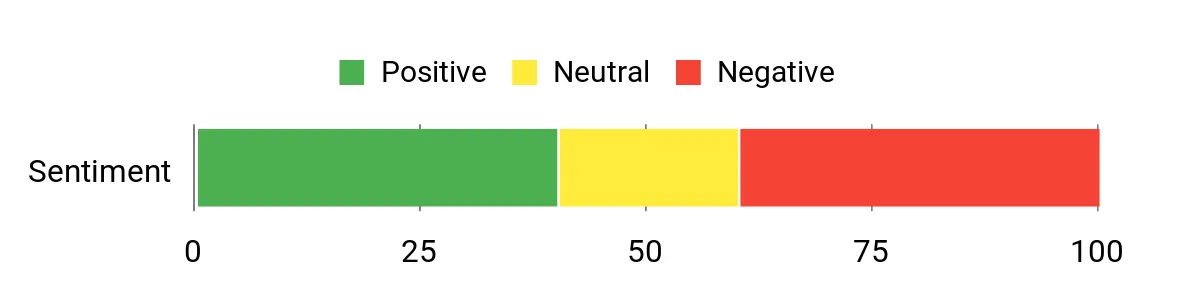
Customers often highlight how light and compact the Freelite is, noting it makes long days on the trail easier when you cut ounces. People also appreciate the quick setup and overall build feel. Common concerns center on waterproofing and condensation in heavy wet conditions, and some users wish for a bit more vestibule space for larger packs.
Overall Sentiment: Neutral
When To Use
|
Situation |
How It Helps |
|---|---|
|
Fastpacking and Thru-Hiking |
You save ounces and reduce pack bulk, which makes steep miles and long days easier while still having a reliable solo shelter. |
|
Three-Season Backpacking |
It keeps you protected from typical summer storms and wind while offering ventilation to manage condensation on cool nights. |
|
Bikepacking and Minimalist Trips |
The small packed size fits in tight luggage setups and frees up space for other essentials without adding much carry weight. |
|
Basecamp for Short Stays |
Quick setup and a usable vestibule make it easy to get shelter and store boots or a small pack during short overnight outings. |
Indoor/Outdoor Use
This tent is purpose-built for outdoor backcountry use; you should expect it to perform on trails and campsites rather than indoor setups.
Key Benefits
- Very low packed weight for long hikes
- Compact stuff size fits most packs
- Simple, fast clip-based setup
- Reasonable interior volume for a 1P tent
Rating: 3.6/5 (total: 20+)
MSR Access

You get a purpose-built solo shelter designed to handle snowy, windy alpine conditions while staying light enough to carry on long climbs. The swivel pole hub and central-support frame let the tent shed snow and stand up to weather, and the generous vestibule gives you real space for boots and a pack. Limited mesh in the body trades ventilation for warmth on frigid nights, while rainfly vents help control condensation. If your trips include ski touring, snowshoeing or mountaineering and you want a tent that balances strength and packability, this is a sensible winter-focused choice.
What People Say
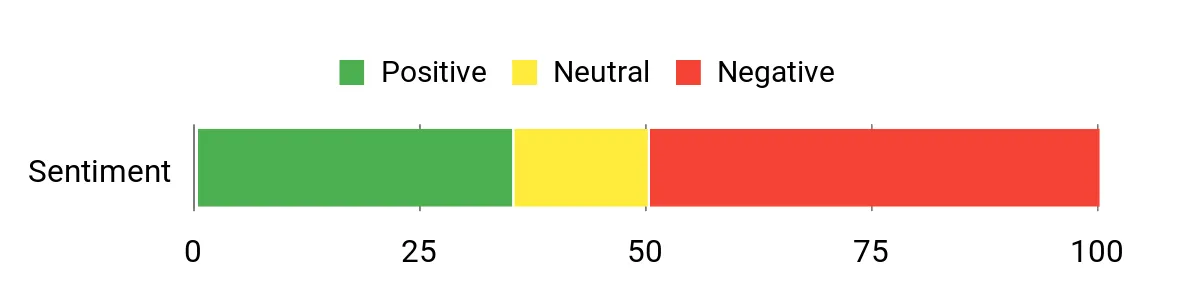
Trail users commonly praise the Access for its snow-handling and stable feel in exposed conditions, and many note the real advantage of the roomy vestibule for storing boots and packs. Setup speed and pole robustness also come up as strengths.
Criticisms tend to focus on weight compared with summer solo tents and occasional condensation management in certain conditions.
Overall Sentiment: Neutral
When To Use
|
Situation |
How It Helps |
|---|---|
|
Ski Touring |
You have a shelter that resists snow build-up and creates a warmer interior so you can rest and reorganize gear at high camps. |
|
Winter Mountaineering |
The central-support frame and strong poles give you confidence in high winds and when snow accumulates on the fly. |
|
Cold-Weather Camping |
Limited mesh and targeted vents reduce heat loss while still allowing airflow to manage condensation on very cold nights. |
|
Gear-Heavy Overnights |
The large vestibule keeps bulky boots and pack contents out of the sleeping area so you sleep cleaner and have easier access to essentials. |
Indoor/Outdoor Use
This tent is engineered for outdoor alpine and winter environments; it excels on snow and exposed campsites but is heavier than summer ultralight shelters for casual trips.
Key Benefits
- Engineered for snow loads and high winds
- Large vestibule for bulky winter gear
- Fast setup with swivel pole hub
- Stiff, durable Easton Syclone pole system
Rating: 3.5/5 (total: 8+)
NEMO Hornet
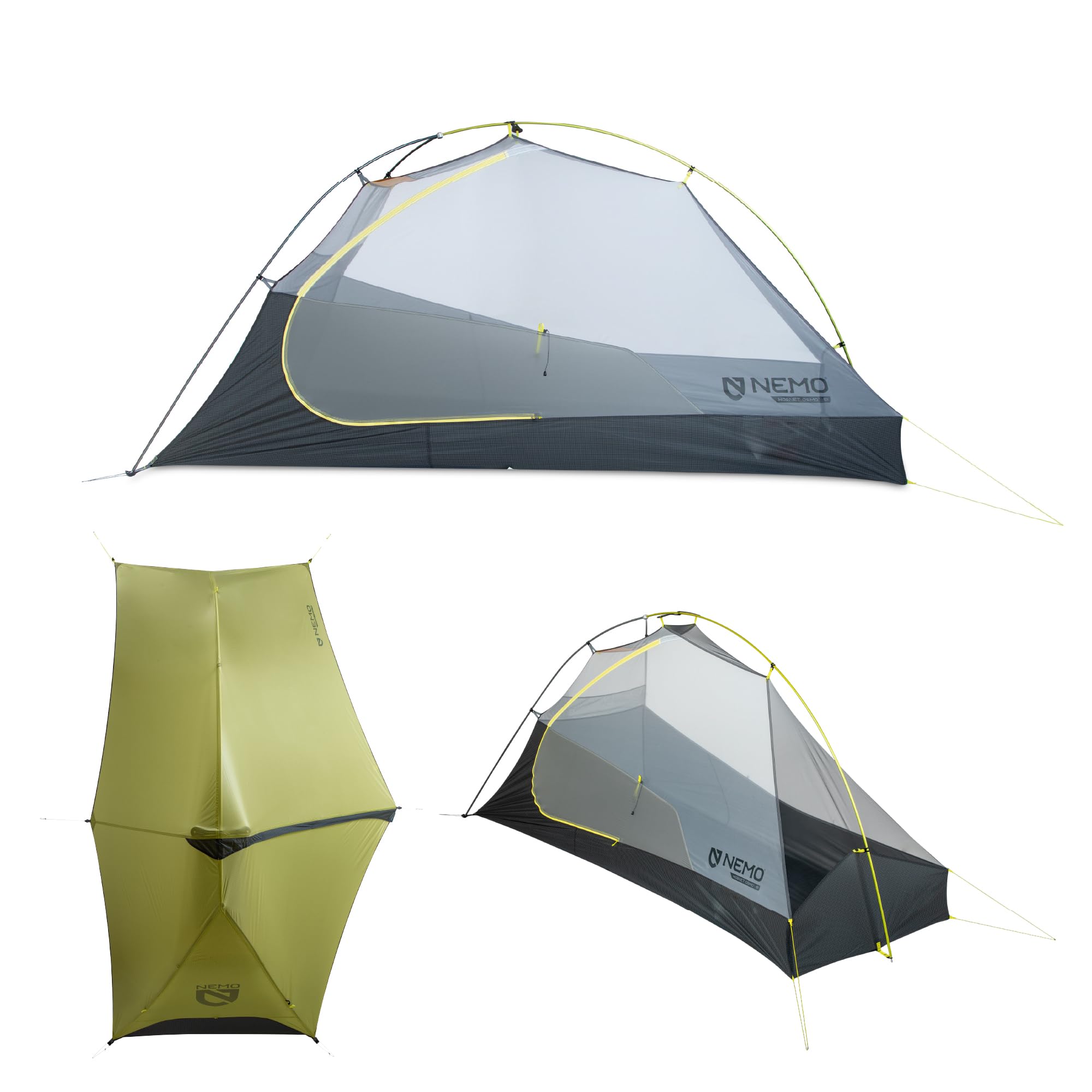
You get an ultralight shelter that prioritizes interior space without blowing up your pack weight. Hornet OSMO pairs a minimal pole layout with a Flybar and door clips to give you more usable room, and the OSMO fabric reduces wet stretch so the tent stays drier. It packs down small enough to tuck into the bottom of your pack with a sleeping bag, and thoughtful touches like a Nightlight Pocket and one-handed tiebacks make camp life easier.
If you want more livability on long hikes while still chasing low grams, this tent hits a comfortable middle ground.
What People Say
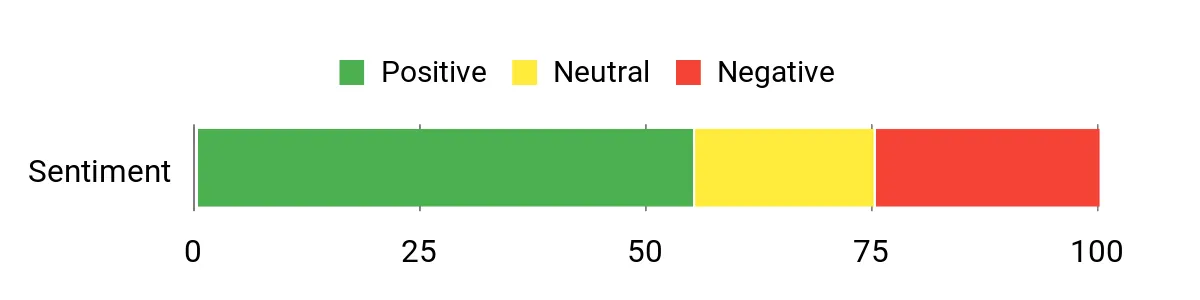
People often praise the Hornet for feeling roomier than similarly light shelters and for the improved fabric that resists wet stretch. Many users value how compact it packs and the small usability upgrades that matter at camp. Notes of caution include occasional condensation in certain setups and the expectation that ultralight fabrics require careful handling.
Overall Sentiment: Neutral
When To Use
|
Situation |
How It Helps |
|---|---|
|
Long Backpacking Days |
You keep pack weight low while enjoying a livable shelter at camp, which makes consecutive miles less fatiguing. |
|
Fastpacking |
Its tiny packed size and light trail weight free up space for fuel and gear so you can move faster and farther. |
|
Three-Season Trips |
You get enough protection from summer storms and good ventilation for cool nights without sacrificing internal comfort. |
|
Minimalist Basecamps |
The extra headroom and interior volume give you a more comfortable place to change, gear up, or sit out bad weather. |
Indoor/Outdoor Use
Designed strictly for outdoor use on trails and campsites; performative in backcountry conditions but not intended for indoor setups.
Key Benefits
- Exceptional interior volume for its weight class
- OSMO fabric reduces wet stretch and improves repellency
- Very small packed size fits efficiently in a pack
- Convenience features like Nightlight Pocket and Divvy Cube
Rating: 3.7/5 (total: 56+)
Tiger Wall UL2

You get a versatile, ultralight two-person tent that feels surprisingly roomy for its weight class. The solution-dyed fabric improves UV resistance and reduces environmental impact, while the single-pole design and clip attachments make pitching quick.
Dual doors and vestibules give you easy access and usable storage, so you can keep boots and packs out of the sleeping area. If you want a livable shelter for fast backpacking trips or a roomy solo setup when you carry extra gear, this tent is a smart, practical option.
What People Say
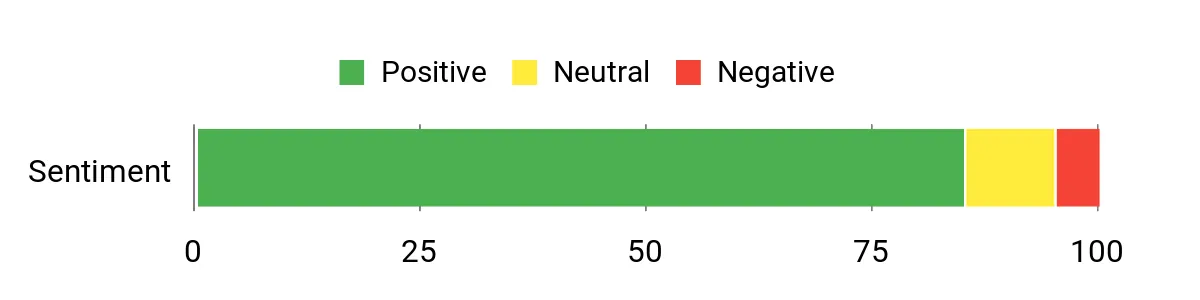
Many users appreciate how roomy the Tiger Wall UL2 feels compared with similarly light shelters, and reviewers frequently mention the durability and colorfastness of the solution-dyed fabric. People like the convenience of two doors and vestibules for gear management.
A few notes mention that it still requires care with ultralight fabrics and that setup prefers a bit of practice.
Overall Sentiment: Positive
When To Use
|
Situation |
How It Helps |
|---|---|
|
Two-Person Backpacking |
You and a partner get livable sleeping space plus vestibules to store packs and boots without crowding the sleeping area. |
|
Solo With Extra Gear |
You enjoy extra interior room to stash a large pack or cooking kit while keeping a comfortable sleeping area. |
|
Weekend Trail Trips |
Quick setup and a forgiving layout let you get camp ready faster and relax sooner after a long day on the trail. |
|
Sunny, Exposed Campsites |
Solution-dyed fabric resists UV fade and offers better long-term color and material stability when you camp in bright conditions. |
Indoor/Outdoor Use
Built for outdoor trail and campsite use where weight, UV resistance and usable interior matter; not intended for indoor setups.
Key Benefits
- Roomy interior for two or a gear-heavy solo setup
- Solution-dyed fabric for improved UV resistance and sustainability
- Two doors and vestibules for easy access and storage
- Lightweight design suitable for fast backpacking
Rating: 4.7/5 (total: 56+)
Tiger Wall UL1

You get a purpose-built, featherlight shelter that’s tuned for multi-day backcountry travel where every ounce counts. The Tiger Wall UL1 uses solution-dyed fabric to resist UV fade and reduce manufacturing impact, while the single-pole DAC layout keeps setup simple and the structure reliable.
Interior pockets and a streamlined vestibule give you practical camp storage without adding weight. It’s ideal when you want a durable, compact shelter for three-season trails, fastpack outings, or solo trips where livability matters but you still want to shave grams off your pack.
What People Say
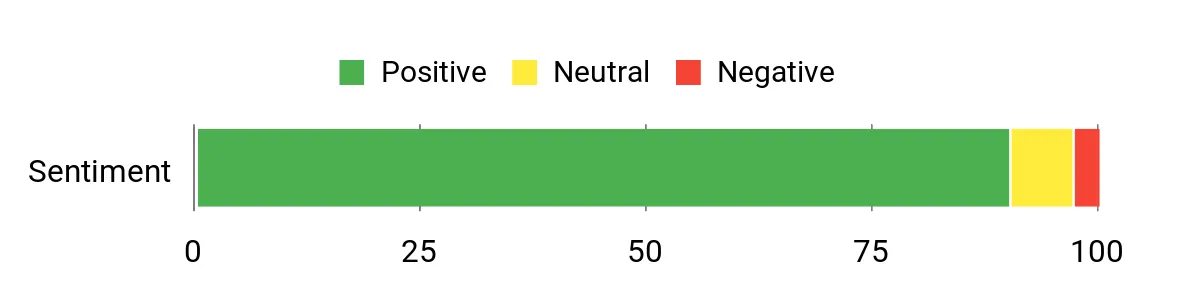
Users commonly praise how light the tent is and how well the solution-dyed fabric holds up to sun exposure. Many point out the clean single-pole setup and appreciated pockets that make camp life easier.
A few mentions note the small vestibule and that ultralight fabrics benefit from careful handling.
Overall Sentiment: Positive
When To Use
|
Situation |
How It Helps |
|---|---|
|
Fastpacking |
You carry minimal weight and still have a dependable shelter that packs down tiny, helping you move quickly over long distances. |
|
Three-Season Backpacking |
The tent balances protection and ventilation so you stay comfortable on typical spring, summer and fall trips without extra bulk. |
|
Solo Multi-Day Trips |
You get just enough interior space and storage to manage gear while keeping your pack light and manageable. |
|
Sun-Exposed Campsites |
Solution-dyed fabric reduces UV fade and helps the tent fabric retain strength and color over repeated sunny outings. |
Indoor/Outdoor Use
Designed for outdoor backcountry use where weight, UV resistance and compact packed size matter; not intended for indoor use.
Key Benefits
- Extremely light trail weight for multi-day trips
- Solution-dyed fabric increases UV resistance and sustainability
- Simple single-pole setup with reliable DAC materials
- Thoughtful storage with multiple interior pockets
Rating: 4.8/5 (total: 14+)
FAQ
How Do I Choose The Right One-Person Tent?
Think about the trips you do most often and prioritize accordingly: if you chase light pack weight for multi-day hikes, focus on trail weight, packed volume and durability of ultralight fabrics; if you plan alpine or winter use, look for a true four‑season structure, beefy poles and a frame that handles snow. Check floor area and vestibule size so you have room for a pad plus gear, and decide between freestanding and semi‑freestanding designs based on setup flexibility.
Also consider pole material, fabric denier and the manufacturer warranty so you balance weight against long‑term reliability.
Will An Ultralight Tent Keep Me Dry In Bad Weather?
Ultralight tents can keep you dry, but you need to assess the waterproof rating, seam construction and fly coverage rather than assuming lighter equals less protection. A higher hydrostatic head and a well‑designed vestibule and fly shed heavy rain better, while stronger pole systems and good guying increase wind and snow performance. For severe, prolonged storms expect to use extra care: pitch tight, stake and guy out properly, add a footprint and avoid placing the tent where water can pool.
How Do I Reduce Condensation And Care For My Tent?
Manage condensation by using built‑in vents and leaving some mesh exposed for airflow, pitching slightly elevated when possible and keeping wet clothing out of the sleeping area. After trips, let the tent fully dry before packing, follow the manufacturer’s care guidance (many recommend hand wash only), and carry a small repair kit for punctures and pole splinters. Regularly inspect guylines, stakes and seam tape and address small issues early so the tent lasts longer and performs reliably.
Customer Preferences
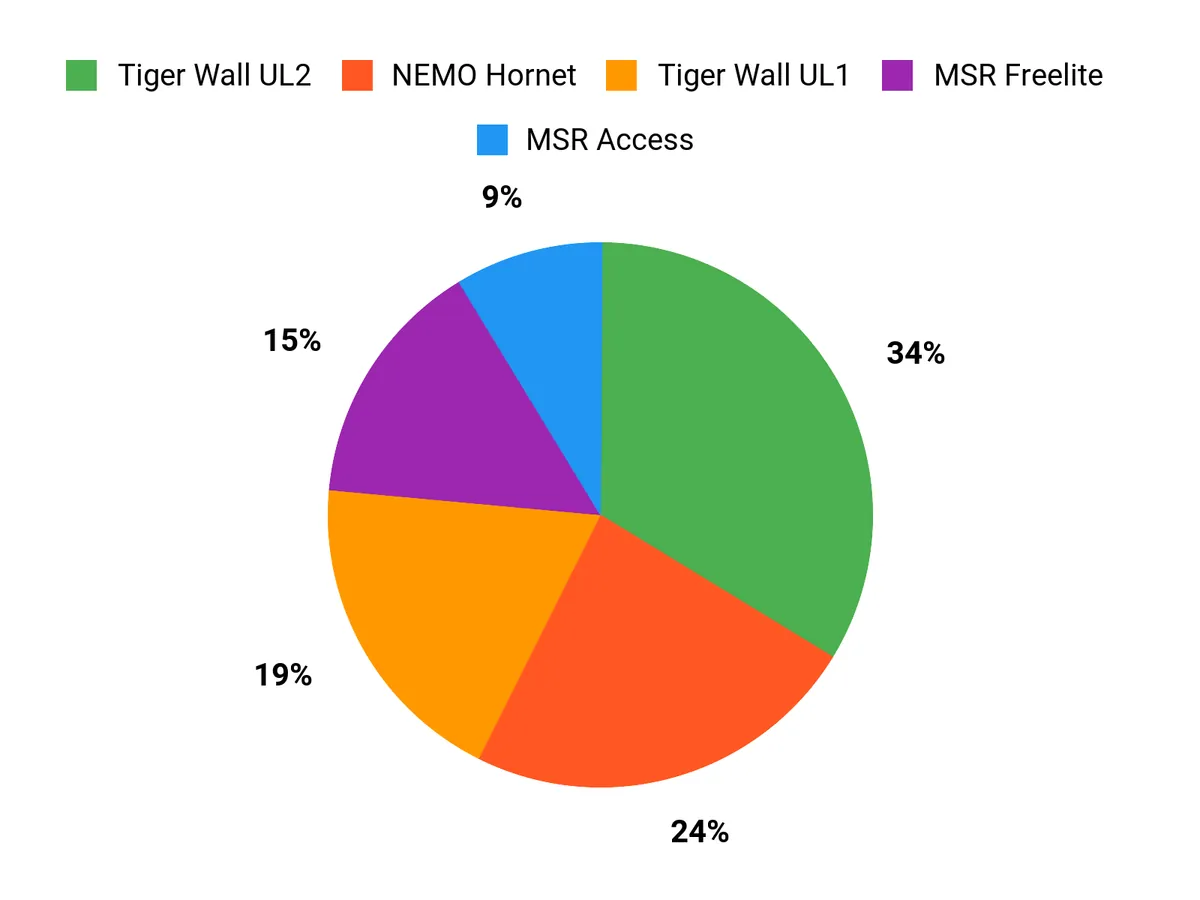
When you compare the Freelite, Access and Hornet you’re balancing three priorities: pack weight, weather protection and interior livability. You gravitate to the Freelite when every ounce counts, choose the Access if snow-load strength and warmth are priorities, and pick the Hornet when you want more usable space and improved wet‑weather fabric without a big weight penalty.
Wrapping Up
If you measure every ounce and want the lightest, most minimal shelter, Big Agnes UL1 is the standout for pack-focused hikers. If you need true winter performance and a tent that handles snow and cold with room for bulky gear, choose the MSR Access. For a balance of internal volume and ultralight weight, the NEMO Hornet gives you more livability without a big penalty in grams. If you want a refined ultralight build with established materials and a semi‑freestanding option, the MSR Freelite is worth considering.
Use these picks based on whether you prioritize weight, warmth, or interior space to find the one-person tent that fits your trips.
| MSR Freelite 1-Person Ultralight Backpacking Tent | MSR Access 1-Person Lightweight 4-Season Tent | NEMO Equipment Hornet OSMO Ultralight Backpacking Tent | |
|---|---|---|---|
|
|
|
|
|
| Rating | 3.6/5 (N reviews) | 3.5/5 (N reviews) | 3.7/5 (N reviews) |
| Item Weight | 1.9 Pounds | 3.5 Pounds | 0.82 Kilograms |
| Floor Area | 20 Square Feet | 19 Square Feet | 28.5 Square Feet |
| Seasons | 3 Season | All Weather | 3 Season |
| Additional Highlights |
|
|
|
| Shop Now | Shop Now | Shop Now |
This Roundup is reader-supported. When you click through links we may earn a referral commission on qualifying purchases.

