
Last Updated on July 29, 2026 by Daniel Globe
Rain does not ruin a day in Rome—it simply changes the route. The city has world-class museums, historic cafés, food halls, cooking classes, bookstores, and theaters where you can stay dry for hours. The best plan is to choose one major attraction, add a nearby meal or café, and leave enough time for wet-weather travel between stops.
Quick Answer
On a rainy day in Rome, visit the Vatican Museums, Capitoline Museums, Centrale Montemartini, MAXXI, or the Museum of Illusions. You can also book a cooking class, browse a bookshop café, enjoy Roman chocolate, or eat at a covered market. Reserve popular museums early and check transport alerts before leaving.
Key Takeaways
- Book the Vatican Museums and other timed-entry attractions before the rain starts, because same-day demand can rise quickly.
- Group activities by neighborhood instead of crossing Rome repeatedly in bad weather.
- Choose true indoor stops: Campo de’ Fiori is an open-air market and offers little shelter during steady rain.
- Check official opening hours, exhibition schedules, accessibility details, and public-transport updates on the day of your visit.
Disclosure: As an Amazon Associate I earn from qualifying purchases. Some links on this page are affiliate links, at no extra cost to you.
Plan a Rainy Day in Rome
A strong rainy-day plan has one anchor attraction and one flexible backup. Museums with timed entry should come first. Cafés, bookstores, food halls, and shopping streets can fill the gaps if the weather changes or a museum is sold out.
| Best For | Good Choice | Typical Visit | Book Ahead? |
|---|---|---|---|
| First-time visitors | Vatican Museums and Sistine Chapel | 3–5 hours | Yes |
| Ancient Rome | Capitoline Museums | 2–3 hours | Recommended |
| Families and photos | Museum of Illusions | About 1 hour | Recommended |
| Modern art and architecture | MAXXI | 2–3 hours | Check current exhibitions |
| Food lovers | Cooking class or covered market | 1–4 hours | Classes: yes |
Warning: Rome’s smooth stone streets and painted crossings can become slippery. Wear shoes with good grip, allow extra travel time, and avoid low-lying outdoor routes during severe-weather alerts.
Discover the Vatican Museums and Sistine Chapel
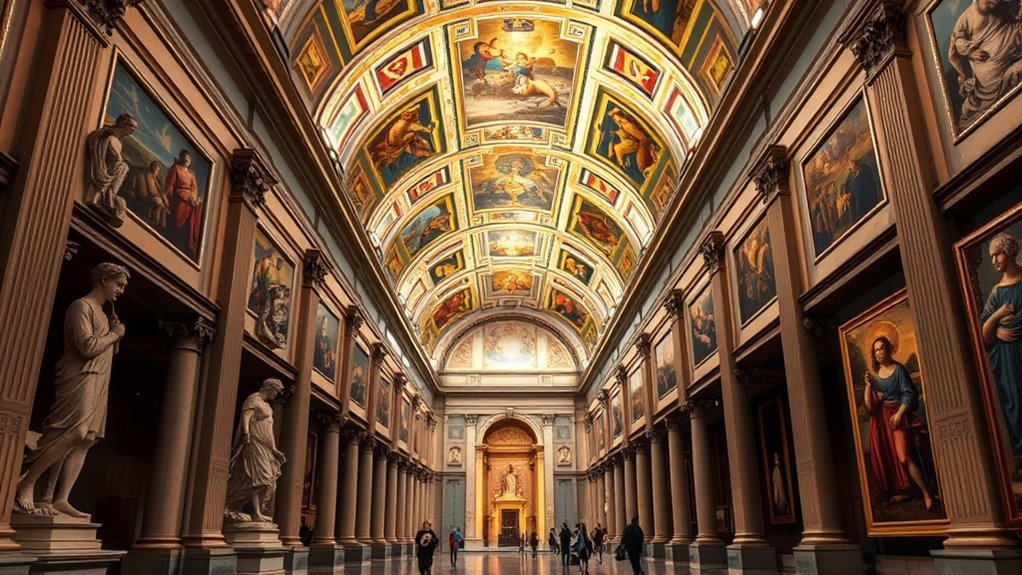
The Vatican Museums are one of Rome’s strongest all-day rain options. Their collections cover ancient sculpture, maps, tapestries, Renaissance rooms, and religious art. The route culminates in the Sistine Chapel, where Michelangelo’s ceiling and The Last Judgment are the main draws.
What to See
Highlights include the Raphael Rooms, the Gallery of Maps, classical sculpture courts, and the Sistine Chapel. The museum complex is extensive, so trying to see every room can become tiring. Choose a few priorities before you arrive and follow the official route signs.
Tickets, Dress Code, and Rain Tips
Use the official Vatican Museums ticket information and reserve ahead when possible. The museums publish current hours and closure dates on their official opening-hours page. Visitors must also follow the Vatican dress code, which applies even on wet, hot days.
Although the galleries are indoors, reaching the entrance and waiting for security may expose you to rain. Use a compact umbrella that fits in your bag and avoid carrying a large wet umbrella through crowded rooms.
Pro Tip: Choose the earliest practical entry time. You will have more flexibility if transport is delayed, and you can spend the rest of the day in nearby Prati cafés or shops.
Marvel at the Capitoline Museums’ Artifacts
The Capitoline Museums are ideal when you want ancient Roman history without committing to a full day. The museum buildings face Piazza del Campidoglio and connect through indoor galleries, with views toward the Roman Forum from parts of the complex.
Key Artworks to Discover
- Equestrian Statue of Marcus Aurelius: The original ancient bronze stands inside the museum; the statue in the piazza is a replica.
- Capitoline She-Wolf: One of Rome’s best-known symbols, displayed with the figures of Romulus and Remus.
- Dying Gaul: A celebrated Roman marble copy based on a Hellenistic work, admired for its emotional detail.
- Capitoline Venus and the Picture Gallery: The museum also holds major classical sculpture and paintings by artists including Caravaggio and Titian.
Fascinating Historical Significance
The museum’s foundation dates to 1471, when Pope Sixtus IV donated important bronzes to the Roman people. The institution describes itself as the world’s oldest public museum. Its collections connect Rome’s legendary origins, republican government, imperial power, and later artistic traditions in one visit.
The Capitoline Hill is not the Palatine Hill. The original article confused the two. The Palatine is a separate archaeological area with imperial residences and is largely outdoors, so it is less comfortable during heavy rain.
Architectural Marvels Inside
The visit is not only about individual objects. The Palazzo dei Conservatori, Palazzo Nuovo, underground Galleria Lapidaria, and Michelangelo-designed square form part of the experience. Indoor passages make it possible to move through much of the complex while staying sheltered, though you may still cross exposed areas near the entrance.
The Capitoline Museums began with a public donation of ancient bronzes in 1471, giving rainy-day visitors a direct route through more than five centuries of museum history.
Explore Mind-Bending Installations at the Museum of Illusions
The Museum of Illusions Rome is a compact, interactive choice near Via Merulana. It focuses on visual perception, perspective, mirrors, and photo-based installations rather than traditional art collections. It works especially well for families, mixed-age groups, and travelers who want a lighter activity.
| Exhibit | What It Does | Visitor Tip |
|---|---|---|
| Ames Room | Uses forced perspective to make people appear larger or smaller. | Have one person take the photo from the marked viewpoint. |
| Vortex Tunnel | A rotating visual field makes a stable walkway feel as if it is moving. | Skip it if spinning effects trigger dizziness or motion sickness. |
| Mirror and Rotated Rooms | Change orientation and reflections to create impossible-looking scenes. | Travel light so bags do not crowd the photo areas. |
| Photo Illusions | Use printed scenes and fixed viewpoints for playful photographs. | Check the official exhibit page because installations can change. |
Savor Decadent Treats at Rome’s Chocolate Shops
A chocolate stop is easy to combine with a museum because it can be as short or relaxed as you need. Focus on established shops with indoor seating or take-away packaging that will survive the rain.
- SAID dal 1923: The historic Roman chocolate maker has locations in San Lorenzo and central Rome. Hot chocolate, cakes, pralines, and chocolate desserts make it a natural wet-weather stop.
- Sant’Eustachio Il Caffè: Near the Pantheon, this historic coffee bar sells chocolate-covered coffee beans and other coffee-and-chocolate sweets.
- Chocolate workshops: Some private schools and confectioners offer classes, but schedules vary. Confirm the address, language, duration, allergy policy, and cancellation terms before paying.
Seasonal choices may include Easter eggs, chocolate-filled holiday cakes, or limited-edition pralines. Availability depends on the time of year, so treat these as seasonal possibilities rather than guaranteed menu items.
Enjoy a Hands-On Cooking Class for Authentic Italian Cuisine
A cooking class turns several rainy hours into a meal and a practical skill. Common themes include fresh pasta, pizza, tiramisu, Roman sauces, and regional desserts. Classes range from small home-style workshops to larger professional kitchens.
Products Worth Considering

Printed on premium, smooth, heavy cardstock. Blank inside for your personal message. Includes an extra thick envelope in case you want to mail your card. Card wrapped in a...
Learn Traditional Recipes
Choose a class that clearly lists the dishes, meeting point, language, group size, and dietary options. “Roman cooking” should be more specific than a generic Italian menu. Depending on the class, you may prepare dishes such as cacio e pepe, amatriciana, fresh fettuccine, ravioli, pizza, or tiramisu.
- Ingredient sourcing: Some classes include a market visit, while others begin in the kitchen. Do not assume a market tour is included.
- Interactive learning: Look for individual workstations or small groups if you want true hands-on practice.
- Dining experience: Most classes end with the prepared food, but wine, drinks, and printed recipes vary by provider.
Hands-On Cooking Experience
Classes often last about two to four hours, but the exact time depends on the menu. Tell the provider about allergies, pregnancy-related restrictions, mobility needs, or alcohol preferences before the class. A reputable operator should explain cross-contact limits and whether substitutions are possible.
Note: “Market tour” does not always mean an indoor activity. Confirm whether the market portion is covered and whether the class proceeds during severe rain.
Unwind in Cozy Cafés and Local Bookstores
Rome’s bookshop cafés are useful when you need a low-energy break rather than another major attraction. Caffè Letterario in Ostiense combines a café, bookshop, library functions, and cultural programming. Large Feltrinelli bookshops are another practical option for browsing Italian and international titles.
Sant’Eustachio is a convenient coffee stop near the Pantheon. Antico Caffè Greco, founded in 1760, is historically important, but its recent operating status has changed. Check a same-day official or reliable local listing before making a special trip; do not build your rainy-day schedule around it without confirmation.
For a calmer visit, choose a café with indoor seating and avoid the busiest lunch period. Standing at the bar is faster and usually cheaper than table service, while a seated stop gives wet coats and shoes time to dry.
Visit the Unique Centrale Montemartini Museum
Centrale Montemartini places ancient Roman sculpture, mosaics, and archaeological objects inside Rome’s first public power plant. The 1912 industrial building became a museum venue in 1997, creating one of the city’s most distinctive indoor displays.
Architectural Marvels Combined
- Classical art and industrial machinery: Marble figures stand beside turbines, boilers, control panels, and steel structures.
- Context-rich displays: The route connects finds to public buildings, temples, gardens, and private residences in ancient Rome.
- Additional collections: The museum also includes mosaics, funerary objects, and the historic train cars of Pope Pius IX.
The collection does not support the original claim that visitors will see “masterpieces by Praxiteles and Bernini.” The official highlights instead include works such as the Statue of Marsyas, Portrait of Cleopatra, and the Muse Polymnia, along with Roman copies inspired by Greek models.
Ancient Art Displayed Creatively
| Display Type | Examples | Why It Stands Out |
|---|---|---|
| Sculpture | Marsyas, Cleopatra, Polymnia, gods, emperors, and decorative figures | Pale marble contrasts with dark machinery. |
| Mosaics and architectural pieces | Floors, reliefs, friezes, and decorative fragments | They show how elite Roman spaces were decorated. |
| Industrial heritage | Turbines, boilers, engines, and control equipment | The original plant remains part of the museum story. |
| Papal train | Three train cars associated with Pius IX | It adds a 19th-century transport story to the visit. |
Centrale Montemartini is often a calmer alternative to the center’s headline museums, but crowd levels can change during temporary exhibitions and special events. Check the official site before traveling to Ostiense.
Discover Contemporary Art at MAXXI
MAXXI, the National Museum of 21st Century Arts, combines contemporary art, architecture, photography, design, and research. Zaha Hadid designed the building, whose flowing ramps and intersecting galleries are a major part of the visit.
- Changing exhibitions: MAXXI’s program rotates, so review the current exhibition list before deciding whether it matches your interests.
- Architecture: Even visitors who do not follow contemporary art may enjoy the building’s circulation, light, and layered spaces.
- Visitor facilities: Allow time for the bookshop or café, but confirm current access and hours on the museum website.
Do not assume there will always be “interactive installations.” Some exhibitions are participatory, while others focus on objects, archives, photographs, video, or architectural material.
Catch a Local Show or Cultural Event
An evening performance can rescue a wet day after museums close. The Teatro dell’Opera di Roma presents opera, ballet, concerts, and special events. Smaller theaters, jazz clubs, cinemas, and cultural centers offer additional indoor choices.
The Romaeuropa Festival typically presents contemporary dance, theater, music, performance, and digital work across multiple venues. Because dates and locations change each edition, consult the current program rather than assuming an event is available on your travel day.
Check whether your ticket is for an indoor or outdoor venue. Some major Rome arts organizations also use summer stages, archaeological sites, and open-air spaces that are not suitable in rain.
Indulge in Sweet Delights at Indoor Markets
Covered markets and food halls are good for lunch, snacks, and souvenir shopping, but Rome’s markets differ in how much protection they provide.
- Mercato di Testaccio: A covered neighborhood market with traditional food stalls, fresh produce, prepared dishes, and modern vendors. It is strongest earlier in the day and is generally open Monday through Saturday.
- Mercato Centrale Roma: A food hall at Roma Termini with multiple vendors and longer daily hours, useful when trains or weather disrupt your plan.
- Campo de’ Fiori: This famous morning market is outdoors, not an indoor refuge. Visit only during light rain with suitable gear, or replace it with a covered market.
SAID can provide a dedicated chocolate stop, while Mercato Centrale and Testaccio offer a broader meal. Check individual vendors and opening hours because not every stall follows the market’s full schedule.
Best Rainy-Day Options by Traveler Type
- Families with children: Museum of Illusions, a short cooking class, or a covered market with flexible food choices.
- Art lovers: Vatican Museums for Renaissance art, Capitoline Museums for antiquity, and MAXXI for contemporary work.
- History lovers: Capitoline Museums followed by Centrale Montemartini.
- Travelers with limited energy: One smaller museum, a seated café, and a nearby bookstore rather than a cross-city itinerary.
- Budget-conscious visitors: Compare official museum concessions, free-entry rules, and current event listings before choosing paid attractions.
- Visitors with mobility needs: Review each venue’s official accessibility page and Rome’s accessible-tourism information before booking.
Products Worth Considering

⬇️ WHAT YOU'LL RECEIVE ⬇️: Rome themed Travel Ticket Card Rome themed Envelope
Sample Rainy-Day Itineraries
Classic Rome
Start with a reserved morning at the Vatican Museums. Eat lunch in Prati, then choose a café or bookstore nearby. This plan minimizes outdoor time and avoids crossing the historic center several times.
Ancient and Industrial Rome
Spend the morning at the Capitoline Museums, have lunch near Piazza Venezia or Testaccio, and continue to Centrale Montemartini in Ostiense. Check travel times before leaving because the two museums are not next door.
Family-Friendly Rome
Visit the Museum of Illusions, have an early lunch at Mercato Centrale near Termini, and finish with a prebooked cooking class or an easy café stop. Keep the schedule loose so children can rest between activities.
Practical Rainy-Day Tips for Rome
- Reserve official tickets: Buy from the attraction’s official website whenever possible and read the cancellation policy.
- Check live transport information: Rome’s transit operator posts service updates that may affect buses, trams, and metro lines.
- Carry a compact umbrella: Large umbrellas can be awkward at security checks, in cloakrooms, and on crowded transport.
- Protect electronics: Use a zip pouch or water-resistant inner bag for passports, phones, and paper tickets.
- Choose footwear carefully: Cobblestones, marble steps, and metal grates become slick when wet.
- Leave transfer time: Rain can slow taxis, buses, walking routes, and security queues.
- Watch severe-weather alerts: For more than ordinary rain, check official Civil Protection bulletins and local notices.
Products Worth Considering

Durable Design to Windproof: This is Durable umbrella for men and women. The SY Compact umbrella have Black aluminum frame and 8 Fiberglass Ribs ensure resistance to wind gusts. Even when flipped inside out it will flip back without any damage.

UPF 100+ SUN PROTECTION & WATERPROOF CANOPY: Combining high-density 210T Pongee fabric with a multi-layer composite black glue coating, this parasol blocks 99.9% of UV rays for instant heat insulation. Stitched with high-grade waterproof thread, the canopy effectively eliminates seam seepage, forcing rainwater to bead up and roll off for immediate drying.
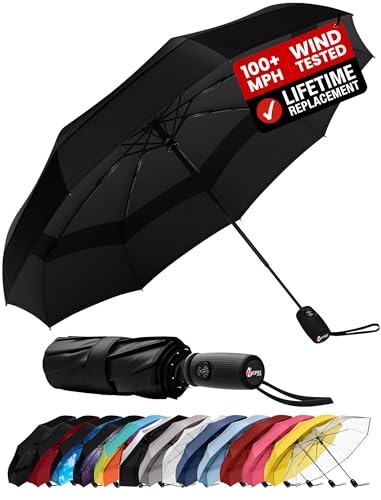
AWARD-WINNING WINDPROOF DESIGN: Engineered to outperform ordinary umbrellas, this compact folding umbrella withstands extreme conditions with reinforced fiberglass ribs, a vented canopy, and strong fabric. Tested to 100MPH, Repel is resistant to flipping and breaking where others fail. Portable and sturdy, it expands wide for large coverage against rain, UV light, and storms, making it the strongest and most dependable travel essential accessory or a classic gift
Frequently Asked Questions
Where should you go in Rome when it is raining?
The Vatican Museums, Capitoline Museums, Centrale Montemartini, MAXXI, Museum of Illusions, covered food markets, bookshop cafés, cooking classes, cinemas, and theaters are all good choices. Pick attractions in the same area to reduce wet travel time.
What can you do in Rome when you are tired?
Choose one smaller museum, sit in a café, browse a bookstore, or have a relaxed meal at a covered market. Avoid stacking several large museums, because long galleries, security lines, and cross-city transfers can be exhausting.
How do Romans handle rainy days?
Daily life continues, but people often shorten outdoor errands, use cafés and covered shops, and allow more time for traffic and transit. Visitors should do the same: keep one reserved activity, one nearby backup, and a flexible route.
When should you avoid Rome in 2026?
You do not need to avoid Rome entirely, but travelers who dislike crowds may prefer dates outside major religious holidays, school breaks, peak summer weekends, and large city events. Because schedules and closures can change, check official attraction calendars and Rome tourism notices for your exact dates.
Do you need advance tickets on a rainy day?
Advance tickets are strongly recommended for the Vatican Museums and useful for other timed attractions. Rain can push more visitors indoors, so a place that normally has walk-up availability may sell out faster than expected.
Is the Vatican completely indoors?
Most of the museum route is indoors, but you may be exposed to rain while reaching the entrance, waiting for security, crossing courtyards, or leaving the complex. Bring compact rain protection and wear shoes with grip.
Conclusion
A rainy day in Rome can still include major art, ancient history, excellent food, and a memorable evening performance. Build the day around one reserved indoor attraction, add a nearby café or covered market, and keep a flexible backup. With sensible shoes, official tickets, and live transport checks, the weather becomes a planning detail rather than a lost day.
Sources
- Vatican Museums — Opening Days and Times — current visitor hours and closure guidance.
- Capitoline Museums — Foundation and First Acquisitions — 1471 foundation and original bronze donation.
- Centrale Montemartini — Introduction — power-plant history, museum conversion, and collection scope.
- MAXXI — The Museum Architecture — Zaha Hadid’s design and architectural concept.
- Turismo Roma — Rome Accessible — verified accessibility planning information.
- ATAC Roma — Service Updates — current public-transport changes.
