
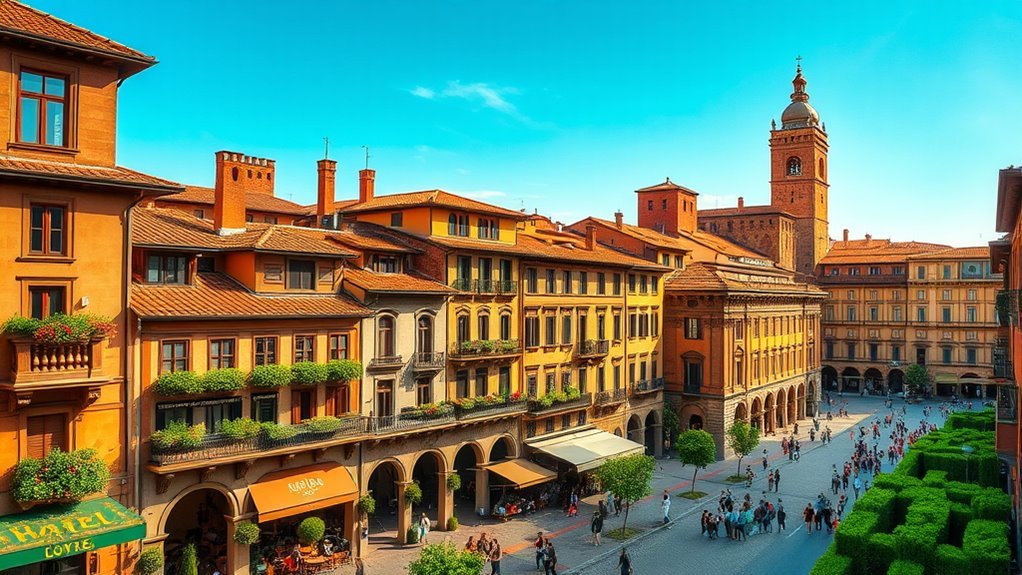
Last Updated on July 28, 2026 by Daniel Globe
Choosing where to stay in Bologna is mostly a question of pace. First-time visitors usually get the most from the walkable Centro Storico, while the University District suits travelers who want nightlife and lower-cost food. Saragozza and the southern neighborhoods feel calmer, and Bologna Centrale or Bolognina can be practical for trains, the airport connection, and day trips. The best hotel is the one that matches your schedule, noise tolerance, and transport needs—not just its star rating.
Quick Answer
For a first visit, stay in Centro Storico near Piazza Maggiore for easy walking to Bologna’s main sights and restaurants. Choose the University District for nightlife, Saragozza or Murri for a quieter local feel, Bolognina or Bologna Centrale for rail access, and Fiera for trade shows or business trips.
Key Takeaways
- Best for first-time visitors: Centro Storico, especially around Piazza Maggiore, the Quadrilatero, or the Jewish Ghetto.
- Best for nightlife and a youthful atmosphere: the University District around Via Zamboni and Piazza Verdi.
- Best for quiet streets and green space: Saragozza, Santo Stefano, Murri, or the lower Colli.
- Best for trains and day trips: the area around Bologna Centrale and nearby Bolognina.
- Best booking strategy: compare the final price, check street noise and elevator access, and confirm parking or ZTL procedures before arrival.
Disclosure: As an Amazon Associate I earn from qualifying purchases. Some links on this page are affiliate links, at no extra cost to you.
Why Choose Bologna for Your Stay?
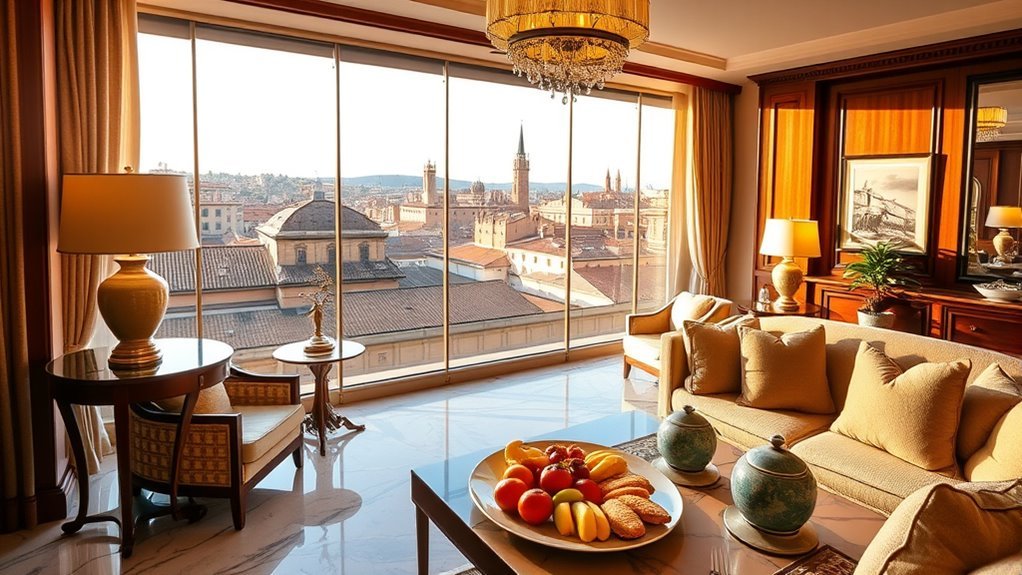
Bologna is compact enough for walking but varied enough to offer very different stays. In the center, you can move between Piazza Maggiore, the Quadrilatero food streets, museums, churches, and the university area without relying on a car. The city is also known for dishes such as tagliatelle al ragù, tortellini, mortadella, and lasagne verdi.
The city’s porticoes are more than shelter from sun and rain. UNESCO inscribed 12 representative groups of Bologna’s porticoes as a World Heritage property in 2021. The wider network extends through much of the city, so a central hotel often puts daily walks under covered arcades.
Bologna’s UNESCO property includes 12 representative portico groups selected from a citywide network of about 62 km.
Bologna also works well as a rail base for Emilia-Romagna and other northern Italian cities. If day trips are a priority, staying near Bologna Centrale can save time. If atmosphere matters more, the historic center usually provides the strongest sense of place.
Bologna Areas at a Glance
At a Glance
| Centro Storico | Best for first-time visitors, sightseeing, food, and walking |
| University District | Best for nightlife, live music, students, and casual dining |
| Jewish Ghetto | Best for medieval lanes, history, and a central but intimate atmosphere |
| Saragozza | Best for local life, the San Luca walk, and quieter evenings |
| Santo Stefano and Murri | Best for families, parks, residential streets, and a relaxed stay |
| Bologna Centrale and Bolognina | Best for trains, early departures, hostels, and day trips |
| Fiera District | Best for exhibitions, conferences, and business travel |
| Colli | Best for hillside views, villas, privacy, and travelers using taxis or a car |
Note: Neighborhood names and booking-site labels do not always match perfectly. Check the property’s exact street address and walking route rather than relying only on the area name shown in a listing.
Centro Storico: Best for First-Time Visitors
Centro Storico is the easiest choice when you want Bologna’s main sights outside your door. Piazza Maggiore sits at the center of the action, with the Basilica of San Petronio, Palazzo d’Accursio, Salaborsa, the Quadrilatero, and many restaurants nearby. The historic center also contains ten surviving gates from the city’s original twelve medieval gates, not “ten original gates” as the earlier wording implied.
The main trade-off is cost and activity. Rooms can be more expensive during trade fairs, graduation periods, festivals, and weekends. Streets around restaurants and bars may stay lively late into the evening, and some historic buildings have small elevators or no elevator at all.
Where to Stay Around Piazza Maggiore and the Quadrilatero
- Grand Hotel Majestic già Baglioni is Bologna’s landmark five-star option on Via dell’Indipendenza.
- Albergo delle Drapperie is a three-star hotel in the historic center near the Quadrilatero—not in Bolognina.
- Zanhotel Regina is also in the historic center on Via dell’Indipendenza—not in Bolognina.
- Gregorini Bingham Art Luxury Suites offers individually styled suites in a historic palazzo near Piazza Maggiore.
University District: Best for Nightlife and Culture
The University District spreads around Via Zamboni, Via delle Belle Arti, and Piazza Verdi. The University of Bologna traces its conventional founding to 1088 and describes itself as the oldest university in the Western world. Its presence gives the neighborhood a youthful rhythm, with libraries, museums, theaters, casual restaurants, and late-night gathering places.
Vibrant Nightlife Scene
Piazza Verdi and nearby streets can be energetic after dark. This is a good base for travelers who enjoy bars, live music, and a social atmosphere. Light sleepers should request a room facing an internal courtyard or choose a property a few streets away from the busiest squares.
Cultural Events and Museums
The area is close to the Pinacoteca Nazionale, university museums, Teatro Comunale, and several smaller cultural venues. Event calendars change throughout the year, so check official museum and university listings for the dates of your stay rather than relying on a fixed list.
Student-Friendly Dining Options
Budget-conscious travelers will find pizza, panini, aperitivo, international food, and simple pasta dishes throughout the district. The earlier table promising fixed discounts such as “15% off on weekdays” and “2-for-1 on Tuesdays” was not supported by official restaurant sources and could quickly become outdated, so it has been removed.
Where to Stay in the University District
- Casa Bertagni is an art-filled boutique guesthouse near the university area and historic sights.
- Dopa Hostel is a social hostel in the university area.
- Almarossa offers aparthotel-style accommodation on Via Irnerio, useful for travelers who want more space or basic self-catering facilities.
Warning: Piazza Verdi and the busiest university streets can be noisy at night. Read recent room-specific reviews and ask about courtyard-facing rooms before booking if sleep quality is a priority.
Jewish Ghetto: Historic Charm in the Center
Bologna’s former Jewish Ghetto sits inside the medieval center near Via Valdonica. Its narrow lanes, covered passages, and historic buildings create a more intimate atmosphere than the broad shopping streets nearby. The official Bologna Welcome guide to the former Jewish Ghetto explains the area’s history and points visitors toward the Jewish Museum of Bologna.
La Finestrella, the small canal window on Via Piella, is a nearby attraction but is not inside the former ghetto itself. It is better described as a short walk from the area rather than one of its landmarks.
Hotel Corona d’Oro 1890 is a well-known four-star option near the ghetto and the Two Towers. This area suits couples, history-focused visitors, and travelers who want a central location without choosing the busiest nightlife streets.
Saragozza: Best for San Luca and Local Life
Saragozza extends west and southwest from the historic center. It feels more residential than Piazza Maggiore but still has shops, cafés, bakeries, and bus connections. The neighborhood is especially convenient for travelers who want to walk toward the Sanctuary of San Luca.
The covered route from Porta Saragozza to San Luca is about 3.5 km and includes 666 arches, according to the official Bologna Welcome San Luca guide. The climb becomes steeper after the Arco del Meloncello, so staying nearby does not remove the need for comfortable shoes.
For a quieter guesthouse west of the center, TEMPOBIANCO Suites is in the San Felice/Via Saffi area. It should not be presented as a Bolognina property.
Santo Stefano, Murri, and Colli: Quiet, Green Neighborhoods
Santo Stefano, Murri, and the Colli are related by their position south and southeast of the center, but they are not one interchangeable neighborhood. Santo Stefano offers elegant streets and relatively easy walks into the center. Murri is more residential and practical for longer stays. The Colli rise into the hills and can require buses, taxis, or a car.
Access to Green Parks
Giardini Margherita is Bologna’s largest and most popular public park, covering about 26 hectares. Parco di Villa Ghigi offers hillside paths and broader views but is less central. These areas work well for runners, families, and travelers who want slower evenings.
Local Dining Experiences
The southern neighborhoods have neighborhood trattorias, wine bars, bakeries, and modern restaurants without the same concentration of tour groups found around Piazza Maggiore. Reservations are still wise for popular weekend dinners.
Where to Stay South of the Center
Hotel Porta San Mamolo is a four-star hotel with a garden setting near the southern edge of the historic center. It provides a calmer atmosphere while remaining close enough for sightseeing on foot.
Bologna Centrale and Bolognina: Best for Trains and Value
The station area is practical for early trains, late arrivals, airport transfers, and frequent day trips. Via dell’Indipendenza connects the station side of the center with Piazza Maggiore, while Bolognina lies mainly north of the railway tracks and has a more local, multicultural character.
This is where the original article made its biggest location error. Zanhotel Regina, Albergo delle Drapperie, and Bibliò Rooms are all south of the railway in or near the historic center. They should not be grouped as Bolognina hotels.
Combo Bologna is a verified hostel option near the station with shared spaces and a garden. Travelers arriving from Bologna Airport can use the Marconi Express connection to Bologna Centrale; check the official operator for current fares and operating updates.
Fiera District: Best for Business Travel
The Fiera district is the logical choice when a trade show, conference, or event at BolognaFiere is the main reason for your trip. Hotels here may offer larger rooms, parking, meeting facilities, or easier road access than small properties in the medieval center.
The trade-off is atmosphere. You will usually rely more on buses, taxis, or longer walks for evening sightseeing and dining. During major fairs, prices can rise across the entire city, not only around the exhibition grounds.
Luxury Hotels: Comfort and Historic Character
Bologna’s upscale stays range from full-service hotels to small suites in restored palazzi. Rates vary widely by date, so “luxury” is better judged by service, room size, design, and location than by a fixed nightly price.
- Grand Hotel Majestic già Baglioni: a five-star historic hotel near Piazza Maggiore.
- Gregorini Bingham Art Luxury Suites: decorative suites in an eighteenth-century palazzo.
- Hotel Corona d’Oro 1890: a four-star historic-center hotel near the Jewish Ghetto and Two Towers area.
Note: Due Torri Hotel is in Verona, not Bologna. It belongs to the same hotel group associated with Bologna’s Grand Hotel Majestic, which may explain the confusion in some lists.
Mid-Range Hotels: Quality at Variable Prices
Mid-range properties can offer the best balance of location and comfort, but the category shifts with demand. A three-star hotel during a trade fair may cost more than a four-star hotel on a quiet winter date.
- Zanhotel Regina: a central three-star hotel on Via dell’Indipendenza.
- Albergo delle Drapperie: a three-star historic-center hotel near the Quadrilatero.
- Hotel Porta San Mamolo: a four-star garden hotel in a quieter southern location.
- Almarossa: aparthotel-style rooms and apartments near the university district.
Budget Accommodations: Hostels and Simple Rooms
There is no dependable year-round “€50 to €100” hotel range in Bologna. Prices depend on the season, fairs, weekends, room type, and how early you book. Compare the total for your exact dates instead of treating an old price band as a promise.
- Dopa Hostel: a social option in the university area.
- Combo Bologna: a hostel near Bologna Centrale with common areas and a garden.
- Albergo Garisenda: a simple central property near the Two Towers area; verify current room features and access arrangements before booking.
Private rooms in hostels, guesthouses outside the center, and apartments can sometimes beat central hotel rates. Always compare cleaning charges, breakfast, cancellation terms, and local taxes before deciding.
Unique Stays: Boutique Hotels and Guesthouses
Travelers who prefer character over standardized hotel service have several good options:
- Casa Bertagni combines art, historic interiors, and a personal guesthouse atmosphere near the university area.
- Gregorini Bingham Art Luxury Suites emphasizes decorative rooms and palazzo architecture.
- Bibliò Rooms is a book-themed guesthouse on Via Nazario Sauro in the historic-center side of the station.
- TEMPOBIANCO Suites offers a quieter base in the San Felice/Via Saffi area west of the center.
Apartment names such as “panoramic rooftop” listings may change across booking platforms. Confirm the exact address, recent reviews, check-in method, elevator access, and Italy’s required accommodation registration code before paying.
How to Choose the Right Area
- Choose Centro Storico when this is your first visit and you want to walk almost everywhere.
- Choose the University District when nightlife, social energy, and casual food matter more than silence.
- Choose Bologna Centrale or Bolognina when you have early trains, heavy luggage, or several day trips.
- Choose Saragozza, Santo Stefano, or Murri when you want residential streets, parks, and quieter evenings.
- Choose Fiera when BolognaFiere is the center of your schedule.
- Choose Colli when views and privacy matter and you are comfortable using a car, taxi, or bus.
Booking, Transport, and Parking Tips
Before booking, map the walking route to the places you will use most. A property described as “central” may still sit on the opposite side of the center from the station, fairgrounds, or hospital you need.
- Check the final total: include local tax, breakfast, cleaning fees, parking, and cancellation terms.
- Check building access: older palazzi may have stairs, small elevators, or rooms split across levels.
- Check air conditioning: confirm that it operates during your travel dates rather than assuming it is available year-round.
- Check noise: bars, restaurants, student streets, and traffic can affect rooms facing the street.
- Check event dates: trade fairs, festivals, and university events can reduce availability across the city.
Warning: Much of Bologna’s historic center is a limited traffic zone. The official guidance states that vehicle access is restricted from 7:00 a.m. to 8:00 p.m. daily. Ask your hotel how it handles license-plate registration before driving through a monitored entrance.
Pro Tip: Compare one central stay with one station-area stay for the same dates. The cheaper room is not always the better value once you add daily transport, luggage handling, or time spent crossing the city.
Frequently Asked Questions
What is the best area of Bologna to stay in?
Centro Storico is the best all-around choice for a first visit because Piazza Maggiore, the Quadrilatero, museums, churches, and many restaurants are within walking distance. Choose another area only when nightlife, rail access, business events, parking, or quiet streets matter more than maximum sightseeing convenience.
How many days in Bologna is enough?
Two full days cover the main historic-center sights and a focused food experience. Three or four days allow time for San Luca, museums, markets, slower meals, and a nearby day trip without rushing.
What is the best month to visit Bologna?
Late spring and early autumn often provide a good balance of comfortable sightseeing weather and active city life. Summer can be hot, while major fairs and university events can raise hotel demand at any time. Check the event calendar and forecast for your exact dates.
Is it worth staying in Bologna?
Yes. Staying overnight lets you enjoy Bologna’s porticoes, food markets, museums, and evening atmosphere after day-trippers leave. The central railway station also makes the city a practical base for exploring Emilia-Romagna and nearby destinations.
Where should I stay near Bologna Centrale?
Stay south of the tracks near Via dell’Indipendenza for a convenient walk into the historic center, or choose Bolognina and the hostel area west or north of the station for a more local base. Check the exact walking route because railway underpasses and large roads can make two nearby addresses feel different.
Where should families stay in Bologna?
Families often prefer Santo Stefano, Murri, Saragozza, or the quieter edges of Centro Storico. Look for a lift, air conditioning, soundproofing, family rooms, and easy access to Giardini Margherita or other parks.
Can I drive to a hotel in Bologna’s historic center?
Sometimes, but the historic center is covered by a limited traffic zone. Contact the hotel before arrival and follow its instructions for license-plate registration, permitted routes, unloading, and parking. Do not enter a monitored gate based only on a navigation app.
Conclusion
For most first-time visitors, Centro Storico is the strongest choice because it keeps Bologna’s landmarks, food streets, and porticoes close at hand. The University District is better for nightlife, Saragozza and Murri suit quieter stays, and Bologna Centrale or Bolognina make rail travel easier. Choose the area first, then compare verified properties by total price, noise, access, and transport—not by a vague “luxury,” “mid-range,” or “budget” label alone.
Sources
- UNESCO World Heritage Centre: The Porticoes of Bologna — UNESCO status, 12 component groups, and the wider portico network.
- Bologna Welcome: How to Get Around — official visitor guidance on transport, parking, and access.
- Bologna Welcome: Limited Traffic Area — historic-center ZTL hours and restrictions.
- Comune di Bologna: Tourist Tax — official local accommodation-tax rules.
- University of Bologna: Our History — the university’s conventional 1088 founding and historical status.
- Bologna Welcome: San Luca — the portico route, distance, and arches.
