
Last Updated on September 10, 2026 by Daniel Globe
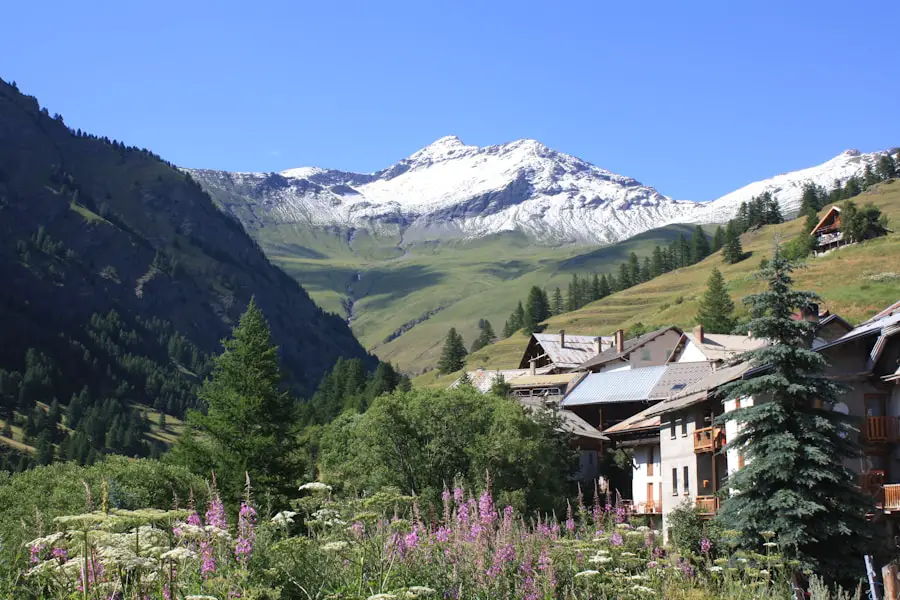
The Pyrenees stretch for roughly 500 kilometers between the Atlantic and Mediterranean, forming a dramatic mountain barrier between France and Spain with Andorra nestled among the peaks. For hikers, the range offers everything from easy valley walks to demanding high-mountain routes, along with an unusually varied choice of places to stay.
Quick Answer
For most hikers, the best Pyrenees accommodation is the one closest to the trail you plan to walk. Use staffed mountain refuges for hut-to-hut routes, hotels or gîtes for day-hike bases, and legal campsites for tent trips. Reserve popular huts early, and always check park-specific bivouac rules before pitching a tent.
The highest summit is Aneto at 3,404 meters (11,168 feet), in Posets-Maladeta Natural Park. Other major hiking areas include Ordesa y Monte Perdido National Park, Aigüestortes i Estany de Sant Maurici National Park, and the Parc national des Pyrénées on the French side. Each area has different accommodation, access, and overnight rules, so choosing where to sleep is an important part of route planning.
Key Takeaways
- Mountain refuges are usually the best choice for hut-to-hut hikes and routes that start far from roads.
- Village hotels, gîtes, apartments, and cabins work better when you want one comfortable base for several day hikes.
- Camping and bivouacking rules vary sharply between parks; never assume that wild camping is legal.
- Popular refuges such as Góriz and La Renclusa can require advance planning, especially in the main hiking season.
- Check mountain weather, trail access, meal options, and transport before choosing accommodation solely by price or scenery.
Disclosure: As an Amazon Associate I earn from qualifying purchases. Some links on this page are affiliate links, at no extra cost to you.
Best Areas to Stay for Hiking in the Pyrenees
The Pyrenees cover a large area, so there is no single best town or refuge for every hiking trip. Start with the trails you want to walk, then choose accommodation in the same valley or along the route.
- Torla, Broto, and the Ordesa area: Good for exploring Ordesa y Monte Perdido National Park, with a mix of hotels, guesthouses, campsites, and high-mountain access to Refugio de Góriz.
- Benasque and Posets-Maladeta: A strong choice for higher and more demanding routes, including approaches toward Aneto and La Renclusa.
- Boí and Espot: Practical bases for Aigüestortes i Estany de Sant Maurici National Park and its extensive refuge network.
- Cauterets, Gavarnie, Luz-Saint-Sauveur, and nearby French valleys: Useful bases for day hikes, GR10 sections, refuge trips, and routes in the Parc national des Pyrénées.
Pro Tip: Choose the trail first and the accommodation second. A beautiful hotel an hour’s drive from your trailhead can make an early mountain start much harder than a simpler room or refuge nearby.
Refugios and Mountain Huts
Refugios, refuges, and mountain huts are central to hiking culture in the Pyrenees. They let hikers sleep high in the mountains rather than returning to a valley each evening, making them especially useful for hut-to-hut trips and long summit routes.
Facilities vary, but a staffed refuge commonly provides dormitory beds, mattresses and blankets, basic sanitary facilities, drinking water where available, meals, and local route information. The Parc national des Pyrénées advises hikers to contact refuge wardens in advance to reserve both beds and meals.
Do not expect a refuge to operate like a hotel. Dormitories are shared, quiet hours start early, bathrooms can be simple, and resources such as water and electricity are limited. A sleeping-bag liner, headlamp, earplugs, and a small amount of cash are useful items to carry even when a hut appears well equipped.
A well-known example is Refugio de La Renclusa, a major base on the north-side approach to Aneto. Montaña Segura lists 92 places along with meals, showers, blankets, lockers, an infirmary, and a defibrillator.
Another key option is Refugio de Góriz in Ordesa y Monte Perdido National Park. Both refuge beds and places in its authorized camping area require reservations, so hikers should not arrive expecting space without booking.
Note: A refuge can be open but unstaffed outside its guarded season. Services, meal availability, reservation procedures, and access conditions can therefore change with the season.
Camping in the Pyrenees
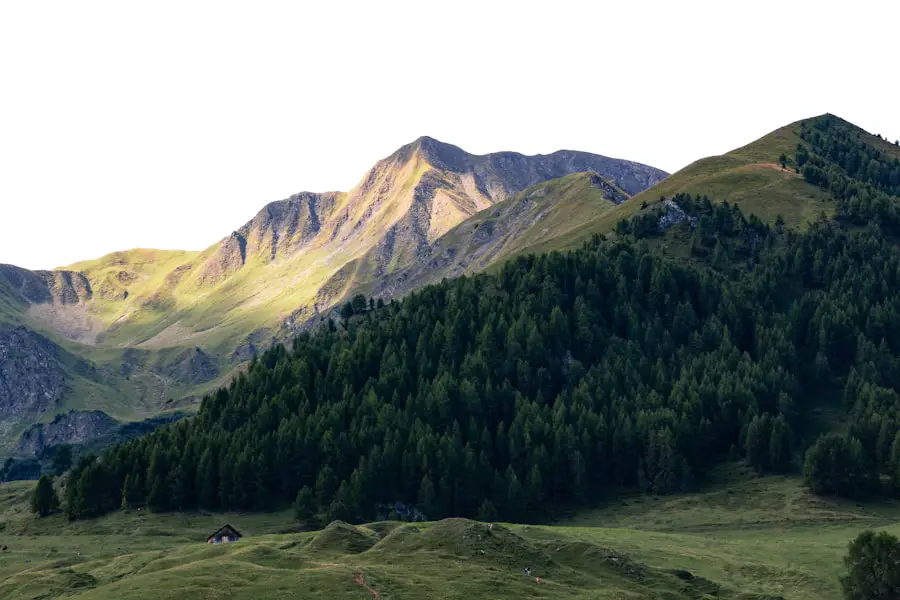
Camping can be an excellent way to explore the Pyrenees, but it is essential to distinguish a legal campground from wild camping or a one-night bivouac. Rules are set by national parks, regional authorities, reserves, and sometimes municipalities, so they are not uniform across the mountain range.
Designated commercial campsites in gateway valleys are usually the simplest option. Depending on the site, facilities may include toilets, showers, electricity, drinking water, food services, cabins, or places for camper vans. Staying in an established campsite can also make day hikes easier because you can leave nonessential equipment at camp.
Warning: Do not assume that wild camping is legal simply because you are high in the mountains. Regulations differ sharply between protected areas, and fires may also be prohibited. Check the official rules for the exact park or reserve before your trip.
French Pyrenees National Park
In the core of the Parc national des Pyrénées, ordinary camping is prohibited. A small bivouac tent may generally be used from 7 p.m. to 9 a.m. when the site meets the park’s distance requirements from motorized access, with special bivouac areas applying at certain locations.
Ordesa y Monte Perdido National Park
Spain’s official Ordesa visitor rules prohibit free camping. Limited nighttime bivouacking is governed by sector-specific rules. In the Ordesa sector, overnight camping or bivouacking is restricted to the authorized area at Góriz, where advance booking is required.
Aigüestortes i Estany de Sant Maurici National Park
The Aigüestortes national park authority states that overnight stays outside refuges, camping, and bivouacking are not permitted throughout the national park and its peripheral protection zone.
Where camping is permitted, follow Leave No Trace principles: use established sites when available, pack out all waste, protect water sources, avoid damaging vegetation, and never light a fire where regulations prohibit it.
Mountain Lodges and Cabins
Mountain lodges, gîtes, guesthouses, apartments, and cabins offer more privacy than a refuge while keeping hikers close to the trails. They are especially useful for couples, families, or groups planning several day hikes from the same valley.
| Hiking Area | Useful Base | Accommodation Mix | Best For |
| Ordesa and Monte Perdido | Torla, Broto, Bielsa | Hotels, guesthouses, apartments, campsites, refuges | Day hiking and high-mountain routes |
| Posets-Maladeta | Benasque | Hotels, apartments, rural lodging, mountain refuges | Aneto, Posets, GR11 and longer mountain days |
| Aigüestortes | Boí or Espot | Hotels, rural stays, apartments, refuge network | Lake hikes and refuge-to-refuge itineraries |
| French Pyrenees National Park | Cauterets, Gavarnie or nearby valley towns | Hotels, gîtes, campsites and staffed refuges | GR10 stages and flexible day hiking |
When comparing lodges or cabins, look beyond the room itself. A hiker-friendly property may offer early breakfast, packed lunches, drying space for wet gear, secure equipment storage, local trail advice, or transport to a trailhead. A kitchen can also be valuable for families and longer stays.
Eco-Friendly Accommodations
Mountain environments are sensitive, so sustainability is a meaningful factor when choosing where to stay. However, labels such as “eco-lodge” should not be taken at face value. Look for specific practices rather than marketing language.
Useful signs include renewable energy, efficient heating, water-saving systems, responsible wastewater treatment, waste separation, refillable drinking-water facilities, locally sourced food, and policies that reduce single-use products. Remote mountain refuges often have strict limits on water, energy, and waste because everything entering or leaving the site can require significant effort.
Travelers can also reduce their own impact by staying multiple nights in one valley, using public or shared transport where practical, carrying refillable bottles, staying on marked paths, and buying food or services from local businesses.
Pro Tip: When an accommodation claims to be sustainable, look for measurable practices such as energy use, waste management, water treatment, local sourcing, or recognized environmental certification rather than relying on the word “eco.”
Luxury Accommodations
Luxury Amenities and Services
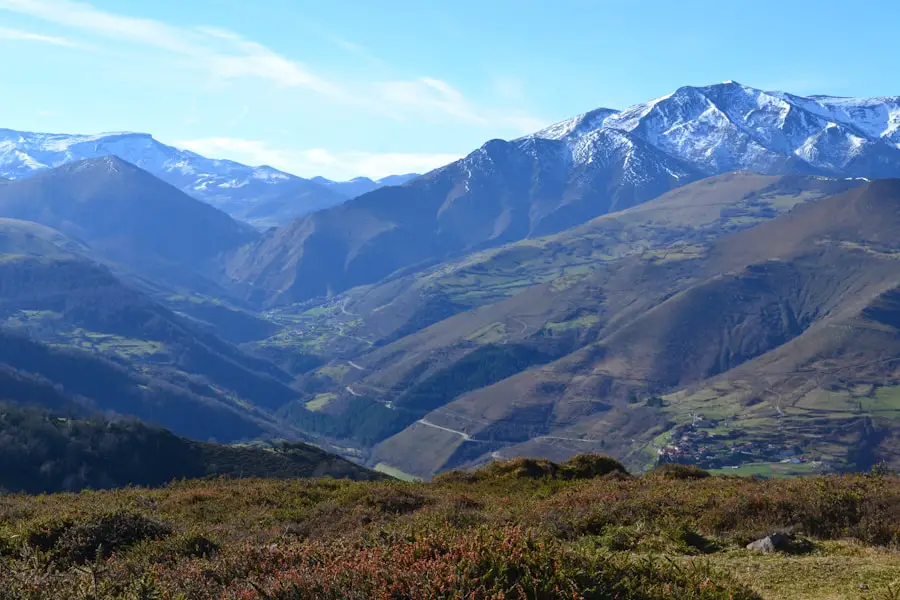
Hikers do not have to choose between mountain access and a comfortable room. Higher-end hotels in the Pyrenean valleys can provide private rooms, full bathrooms, restaurants, spa facilities, luggage storage, concierge help, and comfortable recovery space after a long day on the trail.
This style of accommodation is best for travelers planning day hikes rather than point-to-point routes. Staying in one valley also lets you carry a lighter daypack while keeping the rest of your luggage at the hotel.
Verified Example: Parador de Bielsa
A current example is the Parador de Bielsa in the Pineta Valley. Paradores describes the property as a base for excursions and mountain sports at the foot of Ordesa y Monte Perdido National Park. The building was renovated in 2025 and provides a more comfortable alternative to high-mountain refuge accommodation.
Its location makes it particularly useful for travelers who want direct access to mountain scenery without sleeping in a shared dormitory.
Personalized Experiences
When paying for an upscale stay, prioritize services that improve the hiking trip rather than luxury for its own sake. Helpful extras can include early breakfast, packed lunches, local guide referrals, laundry, boot-drying space, massage or spa access, and advice about trail conditions.
Family-Friendly Accommodations
Families often need more flexibility than solo hikers or experienced trekking groups. A good family base should provide easy access to food, shorter trail options, private bathrooms, enough sleeping space, and activities for rest days.
Valley towns such as Argelès-Gazost are practical because they combine shops and services with access to several hiking areas. The regional tourism authority actively promotes family stays and guided walking trips in the surrounding Gavarnie valleys.
For families who prefer camping, Camping L’Idéal near Argelès-Gazost is one verified example. The local tourism authority lists pitches, chalets, mobile homes, a swimming pool, playground, and hiking routes starting from the campsite.
With younger children, choosing a comfortable valley base is often easier than sleeping in a high refuge. You can still visit dramatic mountain scenery during the day while having shops, meals, weather alternatives, and a warm room available in the evening.
Booking, Seasons, and Mountain Logistics
Accommodation availability in the Pyrenees changes with the season. Many high refuges have specific staffed periods, while some retain a simpler unguarded area outside those dates. Hotels and campsites may also operate seasonally.
Popular refuges should be reserved as soon as your route is firm. This is particularly important when one hut is the logical overnight stop on a long trail or when legal overnight options in a protected area are limited.
Weather deserves equal attention. High Pyrenean routes can remain snowy long after valleys have warmed, while storms, strong winds, or fresh snow can affect plans at other times of year. Check an official mountain forecast such as AEMET’s mountain forecast before setting out on the Spanish side.
Note: Do not rely on mobile reception as your only safety system. Aigüestortes warns that much of the national park lacks normal mobile coverage and even 112 emergency coverage in some areas. Download maps and essential booking or route information before leaving the valley.
Tips for Choosing the Best Hiking Accommodations
The best hiking accommodation in the Pyrenees depends on the route, not simply the room. Before booking, compare the following points:
- Distance to the trail: Check the actual trailhead rather than assuming that accommodation in the same town is close enough.
- Route difficulty: Families and new hikers may prefer valley bases near shorter walks, while experienced trekkers may benefit from high refuges.
- Meals: Confirm breakfast, dinner, and packed-lunch availability before relying on a refuge or remote lodge for food.
- Check-in restrictions: Mountain huts often work to fixed meal and quiet-time schedules.
- Transport: Find out whether you need a shuttle, taxi, seasonal bus, or private vehicle to reach the start of the hike.
- Gear storage: Ski rooms, bike rooms, boot-drying areas, and luggage storage can be valuable for active trips.
- Private versus communal space: Refuges are social and efficient, but hotels, apartments, and cabins are better when privacy matters.
- Camping legality: Verify the exact protected-area rules rather than relying on blogs or assumptions from another part of the Pyrenees.
Guest reviews can still help with subjective details such as noise, mattresses, food, cleanliness, and hospitality, but use official park and accommodation websites for rules, opening dates, access restrictions, and reservation requirements.
If you are planning a hiking trip in the Pyrenees, you may also be interested in reading about the best time to travel to Peru. Peru offers mountain routes including the famous Inca Trail to Machu Picchu. This seasonal guide from TakeTravelInfo can help with planning another high-altitude hiking trip.
Frequently Asked Questions
What are the best areas in the Pyrenees for hiking?
Popular areas include Ordesa y Monte Perdido National Park, Aigüestortes i Estany de Sant Maurici National Park, Posets-Maladeta Natural Park, and the Parc national des Pyrénées in France. The best choice depends on the trails, difficulty, and style of hiking you prefer.
What are the best types of accommodation for hikers in the Pyrenees?
Mountain refuges are best for hut-to-hut routes, while hotels, gîtes, apartments, and cabins work well for day hikes from a fixed base. Designated campsites suit hikers who want to travel with a tent without depending on restricted wild-camping areas.
Are there accommodations specifically designed for hikers?
Yes. Mountain refuges are designed around hikers and climbers and commonly offer dormitory beds, meals, route information, and early starts. Some valley hotels and gîtes also provide packed lunches, equipment storage, drying space, or advice about local trails.
What should hikers consider when choosing accommodation in the Pyrenees?
Check the distance to your trailhead, meal availability, transport, seasonal opening dates, cancellation terms, equipment storage, and whether you need private or communal accommodation. For multi-day routes, confirm every overnight stop before committing to the itinerary.
Which Pyrenees mountain refuges are useful for hikers?
Well-known examples include Refugio de Góriz in Ordesa, Refugio de La Renclusa near the Aneto route, Refugi Ventosa i Calvell in Aigüestortes, and Refuge de la Soula in the French Pyrenees. The best refuge is the one that fits your planned route and current trail conditions.
Can you wild camp in the Pyrenees?
There is no single Pyrenees-wide rule. Aigüestortes prohibits camping and bivouacking in the national park and its protection zone, Ordesa has strict sector-specific rules, and the French Pyrenees National Park permits regulated bivouacking only under defined conditions. Always check the authority responsible for the exact area before pitching a tent.
Sources
- Ordesa y Monte Perdido National Park — MITECO — official camping, bivouac, and visitor regulations.
- Aigüestortes i Estany de Sant Maurici National Park — official overnight, camping, bivouac, and visitor information.
- Parc national des Pyrénées — official French national-park bivouac regulations.
- Montaña Segura — Refugio de La Renclusa — refuge facilities and Aneto-route information.
- Refugio de Góriz — official refuge and camping reservation information.
- AEMET Mountain Forecast — official Spanish mountain weather and seasonal snow information.

