
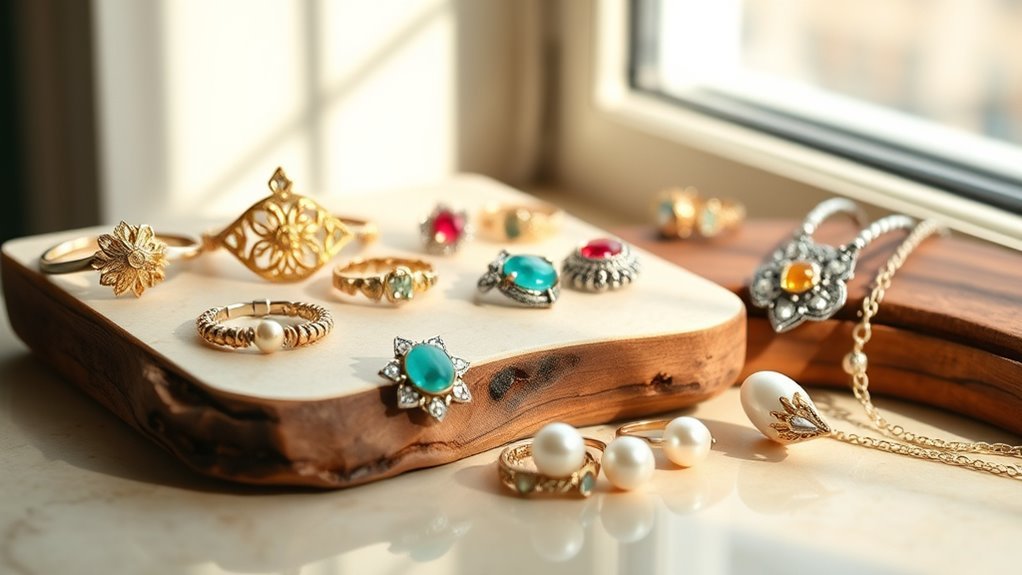
Last Updated on August 15, 2026 by Daniel Globe
If you want the 10 best handmade jewelry brands made in Italy, you should focus on houses like Roberto Coin, Pomellato, Bulgari, Buccellati, Repossi, and Marco Bicego, plus Valente, Stefan Hafner, and A & Furst. These brands pair heritage craftsmanship with premium 18K gold, gemstones, and modern design. You’ll get pieces that feel rare, polished, and personal. Keep reading to see which names best match your style and budget.
Quick Answer
The best handmade Italian jewelry brands include Bulgari, Pomellato, Roberto Coin, Buccellati, Repossi, and Marco Bicego. Each blends generations-old artisan technique — hand engraving, hand-twisting, or intricate goldwork — with 18K gold and gemstones, giving buyers heritage craftsmanship in a distinctly modern shape.
Key Takeaways
- Roberto Coin, Pomellato, Bulgari, and Buccellati are among Italy’s most established handmade jewelry houses, each with a signature technique.
- Look for a brand’s founding story and signature craft — hand-twisting, hidden rubies, textured goldwork — to judge authenticity and value.
- Prices for handmade Italian fine jewelry typically start in the low thousands for entry pieces and climb well into six figures for high jewelry.
- Buy from authorized retailers or the maison directly, and check for hallmarks stamped into the metal confirming gold purity and origin.
Disclosure: As an Amazon Associate I earn from qualifying purchases. Some links on this page are affiliate links, at no extra cost to you.
What Makes Handmade Italian Jewelry Unique?
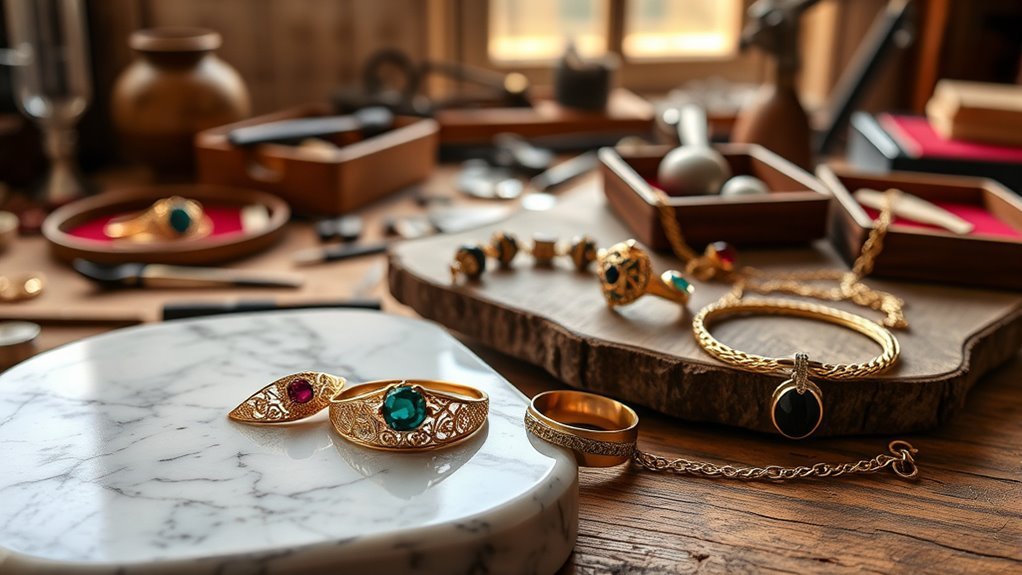
What makes handmade Italian jewelry unique is the way it blends heritage craftsmanship with a modern sense of style. Pieces are shaped by artisanal techniques passed down through generations, so every curve, clasp, and surface feels intentional rather than mass-produced. Locally sourced gold and gemstones give the work a distinctly Italian authenticity, while contemporary lines keep designs fresh and wearable today. Artisans often weave in regional motifs and personal details, turning each jewel into something closer to a story than an accessory — a piece that bridges tradition, innovation, and modern taste.
Why Italian Craftsmanship Defines Luxury Jewelry
Italian craftsmanship defines luxury jewelry because it pairs exacting technique with a distinctly modern point of view. Pieces shaped by artisan techniques carry a precision that reads as effortless rather than staged. Skilled makers translate cultural heritage into clean lines, sculptural forms, and subtle details that feel unmistakably Italian — current in style, yet built on generations of expertise.
Carefully selected gemstones and rich 18K gold add depth, brilliance, and a refined finish. Because these ateliers work with intention rather than volume, many can produce limited-edition jewels that feel genuinely rare. In Italy, craftsmanship doesn’t chase trends — it tends to set them, which is part of why these pieces hold value over time.
Roberto Coin: Handmade Italian Jewelry in 18K Gold
Since 1996 in Vicenza, Roberto Coin has built its name in handmade Italian jewelry using pieces crafted exclusively in 18K gold. The brand balances classic polish with a distinctly modern edge, and its signature hidden ruby — tucked inside nearly every piece — is meant to carry wishes for health, happiness, and longevity. The Princess Flower Collection stands out for its exclusive availability through independent retailers and its close attention to detail, making Roberto Coin a go-to for buyers who want timeless gold with a quiet signature detail.
Pomellato: Colorful Handmade Italian Jewelry
Pomellato stands out for jewelry that feels vivid, modern, and unmistakably Italian, with handcrafted pieces made in Italy since 1967. The Nudo collection captures that spirit well: gemstones sit without visible claws, so gemstone beauty takes center stage with an effortless, contemporary look. Each piece blends rose gold, vibrant stones, and meticulous artistry into luxury that feels personal and easy to style from day to night.
- Color takes the lead as a form of self-expression.
- Designs move easily from work to evening.
- Pieces are made with responsible sourcing in mind.
Pomellato’s sustainability focus adds another layer of appeal — you don’t have to choose between desire and conscience. For handcrafted Italian jewelry that’s polished, wearable, and emotionally alive, Pomellato delivers.
Bulgari: Bold Italian Jewelry With Impact
Bulgari makes a statement before a word is spoken, with unapologetic Italian glamour. Founded in Rome in 1884 by Sotirios Voulgaris, the house turns bold proportions, geometric lines, and vibrant color into a language of self-possession. Iconic gemstones anchor each piece, giving that rich, expressive finish that feels both contemporary and unmistakably luxe. The signature Bvlgari collection, with its double-engraved logo, signals heritage without feeling stuck in the past — a balance that keeps Bulgari craftsmanship relevant today. Whether building a standout collection or buying second-hand Bulgari, you’re investing in style that tends to hold value.
Buccellati: Intricate Goldwork and Texture
Buccellati stands apart for craftsmanship you can see and feel at once. Founded in Milan in 1919 by Mario Buccellati, the house is celebrated for intricate goldwork, refined engraving, and textured finishes that turn metal into miniature landscapes. Buccellati’s signature techniques — including the lace-like traforato piercing and textured finishes like rigato and segrinato — make every surface feel alive, echoed in the depth of the Macri collection. These nature-inspired designs carry a quiet opulence that feels both modern and timeless, and pre-owned Buccellati pieces are prized by collectors for their complexity and lasting beauty.
- The artistry is visible immediately, up close.
- Texture does the talking instead of size or sparkle.
- Rarity is the point, not volume.
Repossi: Sleek, Architectural Italian Design
If you’re drawn to architectural minimalism, Repossi offers a sharper, more modern Italian language in jewelry. Under Gaia Repossi’s creative direction, collections like Antifer and Serti Inversé turn clean geometry and negative space into pieces that feel sculptural and current, all grounded in meticulous craftsmanship.
Architectural Minimalism
The Repossi family jewelry tradition traces back generations in Turin, with the eponymous Maison built up through Costantino Repossi and later his son Alberto — accounts of the exact founding year vary by source, but the Turin origins and multi-generation lineage are well documented. Architectural minimalism shows up in every clean angle, while minimalist aesthetics keep each piece quietly powerful. Repossi uses precious materials and precise craftsmanship to create light, airy forms that move with the wearer rather than against them.
- Confidence without excess
- Structure that doesn’t feel heavy
- Pieces that adapt from tailored to off-duty looks
Gaia Repossi’s Vision
With Gaia Repossi at the creative helm since 2007, the house has sharpened its architectural minimalism into something even more contemporary. Her modern innovation shows in every line, where clean geometry meets a freer sense of form. She blends traditional craftsmanship with fresh techniques, so each piece carries artistic expression without losing precision — sculptural, elegant, and quietly rebellious, inspired by architecture and modern art.
Antifer And Serti Inversé
Antifer and Serti Inversé capture Repossi at its most distinctive: sleek, architectural, and unmistakably contemporary. The Antifer collection delivers bold, sculptural geometry that reads like wearable modernism, while Serti Inversé flips convention by placing gemstones beneath the metal, so the stones glow with unexpected intensity. Under Gaia Repossi’s direction, the brand feels sharper and more collectible than ever.
Marco Bicego: Hand-Twisted Gold Jewelry
Marco Bicego brings a distinctly modern edge to Italian fine jewelry, pairing handcrafted gold with a signature hand-twisting technique that gives each piece its richly textured, unmistakable finish. Marco grew up in Vicenza’s goldsmithing tradition — his father, Giuseppe Bicego, opened a gold-chain workshop in 1958 — and Marco launched his own eponymous brand in 2000, blending that inherited technique with contemporary lines. Nature and architecture inspire the collections, giving sculptural forms that echo the Italian landscape. Add multicolored gemstones, and the jewelry moves easily from polished daytime looks to striking evening layers. Every piece is made in Vicenza by skilled artisans, with quality and ethical production at the core.
Valente, Stefan Hafner, and A & Furst
For standout Italian jewelry, Valente offers bold color stories through striking materials like ebony, jet, and vivid gemstones. Stefan Hafner brings sculptural sparkle with modern lines and serious diamond-and-sapphire presence, while A & Furst offers refined elegance in polished, gemstone-forward designs. Together, they show how handmade Made-in-Italy jewelry can feel both unmistakably current and timelessly collectible.
Valente’s Bold Color Stories
Valente turns color into a signature language, leaning into bold aesthetics that feel unapologetically alive. Pieces like the Jet Pink Sapphire Rose Quartz Flower Dangle Earrings and the Athena pendant necklace radiate luxury without restraint, built around expressive stones and confident movement.
Stefan Hafner’s Sculptural Sparkle
Where Valente leans into saturated color, Stefan Hafner turns sparkle into architecture, giving handmade Italian jewelry a more sculptural, modern edge. Pieces don’t just shine — they command space, with diamond artistry that feels deliberate. The Astrakhan Diamond Scroll Dangle Earrings pair roughly 2.25 carats of diamonds with intricate movement, while the Lunar 18K white-gold Wide Diamond & Sapphire Ring layers around 4.63 carats of diamonds with 1.45 carats of sapphires into a statement piece. Each design balances tradition with a contemporary pulse.
A & Furst’s Refined Elegance
A & Furst brings a quieter kind of luxury to this trio, favoring polish over spectacle while still holding an unmistakable presence. That restraint shows in the Gaia 18K yellow-gold London Blue Topaz Dangle Earrings, where roughly 11.18 carats meet graceful movement and timeless sophistication.
- Calm confidence over loud statements
- Sparkle that feels intentional, not excessive
- A gemstone selection that whispers rather than shouts
Compared with Valente’s bold floral drama and Stefan Hafner’s sculptural diamonds, A & Furst stays refined, current, and deeply wearable — ideal when you want luxury that sharpens your style without overpowering it.
How Much Does Handmade Italian Jewelry Cost?
Prices vary widely by house and material. Entry pieces from brands like Marco Bicego or Pomellato — a single hand-twisted gold bangle or a small Nudo ring — typically start in the low thousands (USD). Mid-tier pieces with diamonds or colored gemstones, such as Stefan Hafner earrings or a Roberto Coin ruby-accented bracelet, generally run from the mid-thousands into the low tens of thousands. High jewelry from houses like Bulgari, Buccellati, or Repossi’s Place Vendôme collections can reach well into six figures, driven by rare gemstones, gold weight, and hand-labor hours. As a rule, the more hand-finishing a technique requires — hand-engraving, hand-twisting, filigree — the more it adds to the price relative to the raw material cost.
How to Spot Authentic Handmade Italian Jewelry
Note: Genuine Italian gold jewelry carries a stamped hallmark showing the gold purity (such as 750 for 18K) alongside a registered maker’s mark assigned by the Italian government. If a “handmade Italian” piece has no hallmark at all, treat that as a red flag.
Buying from an authorized retailer or directly from the maison is the safest way to guarantee authenticity, since counterfeits are common for well-known names like Bulgari and Pomellato. Look closely at finishing details too — hand-engraving should show slight, human irregularity under magnification, while machine-stamped imitations tend to look perfectly uniform.
Pro Tip: Ask for the piece’s certificate of authenticity and original hallmark documentation at purchase — reputable Italian jewelers provide this without hesitation.
How to Choose the Right Italian Jewelry Piece
Choosing the right Italian jewelry piece starts with the brand’s point of view: refined houses like A & Furst lean into polished sophistication, while Valente stands out with distinctive materials such as ebony wood and jet. Let your personal style lead, then look for pieces that feel current without losing edge. Prioritize craftsmanship that holds up close — makers like Stefan Hafner show where traditional technique meets modern lines. Check materials next: pearls and rubies bring a luxurious glow, while premium stones add depth and character. For a signature piece, explore iconic collections such as Pomellato’s Nudo, which turns color into attitude. For styling freedom, choose designs you can layer or stack, like Marco Bicego’s versatile pieces. The right piece should feel like an extension of you — confident, expressive, and effortlessly Italian.
Frequently Asked Questions
What are the best Italian jewelry brands?
Bulgari, Pomellato, Roberto Coin, Marco Bicego, and Buccellati are among the most respected. They blend artisan craftsmanship with luxury materials, ranging from gem-heavy icons to sculptural, trend-forward pieces that feel unmistakably Italian.
What are the best brands to buy from Italy?
A & Furst, Valente, Stefan Hafner, Roberto Coin, and Marco Bicego are strong picks; they blend artisan techniques, cultural influences, and luxe Italian design into pieces that feel modern and collectible.
Is jewelry made in Italy good quality?
Yes — Italian fine jewelry is generally held to exceptional craftsmanship standards, with thoughtful material sourcing. Even at a premium price, the artisanal detail and durability tend to justify the cost.
What is the top Italian high jewelry brand?
Bulgari is typically the first name associated with Italian high jewelry, with Pomellato close behind. Both combine Italian craftsmanship, luxury materials, and bold design that feels modern and highly sought-after today.
Conclusion
When you choose handmade jewelry made in Italy, you’re investing in more than sparkle — you’re choosing craftsmanship, character, and a look that feels effortlessly current. From Roberto Coin’s gold to Pomellato’s color and Bulgari’s drama, each piece brings a distinct point of view. Trust your taste, consider how you’ll wear it, and pick the design that feels timeless to you. Even a small ring can feel like a silver-screen moment.
Sources
- Bulgari — Wikipedia — company founding, history, and ownership
- Buccellati official site — founding year and signature techniques
- The 1916 Company: The Story of Marco Bicego — brand founding versus family workshop history
- Repossi — Wikipedia — Turin origins and family lineage
- LVMH: Repossi — house history and Place Vendôme expansion
