
Last Updated on September 11, 2026 by Logan Reeves
Choosing the right fly rod early speeds your learning curve and makes time on the water more productive and enjoyable. You want a rod that helps you develop good casting technique without masking mistakes, gives reliable hookups, and stays comfortable during long sessions.
Selecting a rod matched to the water you fish and the flies you cast prevents frustration and helps you progress faster. Below we break down three rods built for three different jobs — technical nymphing, saltwater power, and everyday freshwater versatility — so you can match the tool to your water.
Disclosure: As an Amazon Associate I earn from qualifying purchases. Some links on this page are affiliate links, at no extra cost to you.
Top Picks
|
Category |
Product |
Score |
|---|---|---|
|
🎯 Best for Nymphing |
86/100 |
|
|
🚀 Best for Saltwater Power |
98/100 |
|
|
🔰 Best All-Purpose Starter |
90/100 |
Selection Criteria
You need a rod that matches how and where you fish, so we prioritized ease of casting, sensible action and line weight, and comfortable grip design. Build quality and materials matter because a well‑made blank and reliable ferrules translate to consistent performance and longer life.
Versatility and target species were weighed so a beginner can use the same outfit in multiple conditions, while warranty and price ensure you get value without sacrificing durability. We also considered how each rod supports specific techniques, such as modern nymphing or aggressive saltwater casting, so you can pick a tool that accelerates your progress.
Before You Buy: Quick Checklist
- What water will you fish most — small streams, larger rivers/lakes, or saltwater flats?
- What line weight matches your target fish and flies (light 2–4wt, mid 5–6wt, heavy 7–8wt)?
- Do you want one versatile rod, or a specialized tool for a specific technique?
- How often will you travel with it — does a compact 4-piece build and case matter to you?
Cortland Nymph
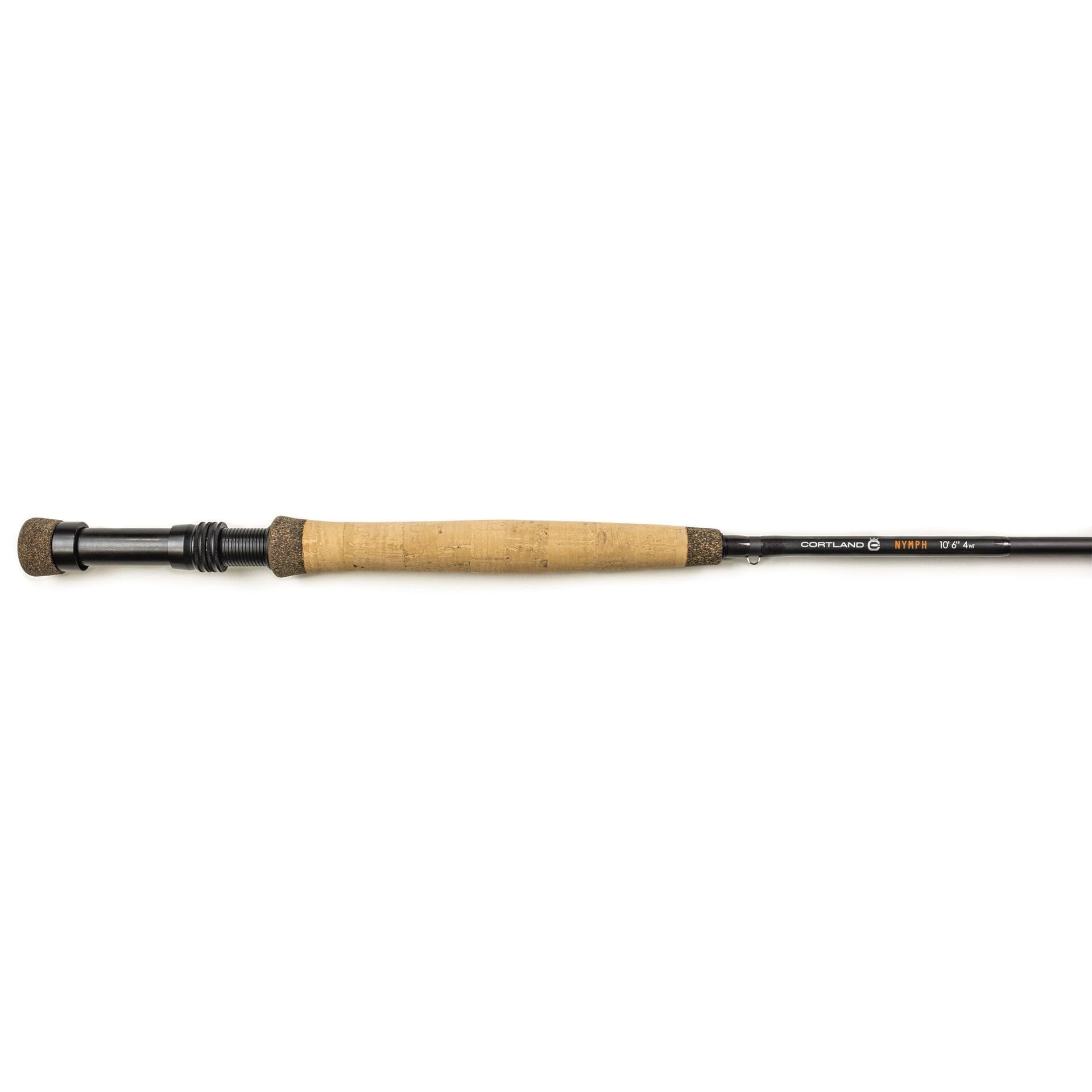
Quick Verdict: A specialized, sensitive rod for technical nymphing on small-to-medium water.
You get a purpose-built nymphing rod that emphasizes sensitivity and balance. The super-light graphite blank helps you feel subtle takes and recover quickly for tighter, more accurate presentations.
Its matte black finish keeps you stealthy on pressured water, while the fighting butt and down-locking reel seat make hook sets feel solid without tiring your arm. The oversized light-wire guides simplify passing knots and tippet, and the included cordura rod tube makes it easy to toss in your truck or pack for local streams.
If you plan to focus on modern nymph techniques and short, technical casts, this rod will help you learn faster and fish with more confidence.
Who It’s Best For: Anglers focused on technical nymphing, tight pocket water, and pressured trout streams.
Who Should Avoid It: Anglers wanting one do-it-all rod for streamers, bass, or saltwater — it’s a specialty tool, not an all-rounder.
What People Say
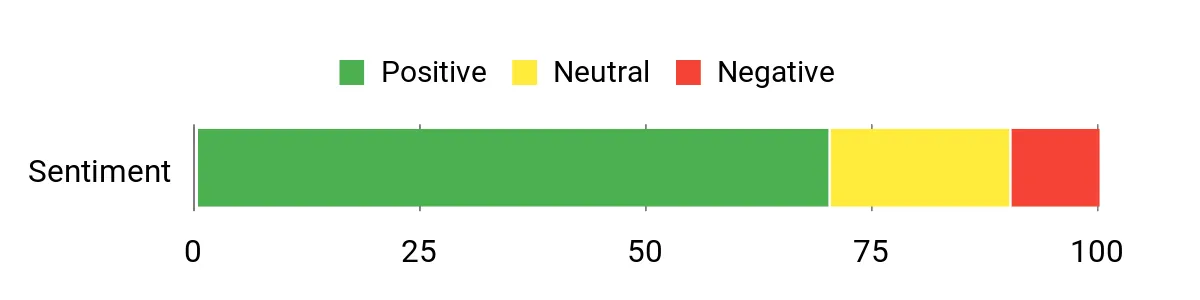
You’ll notice most users praise the rod’s sensitivity and its nymphing-focused design, saying it helps detect subtle takes and control presentation. People also comment on the stealth finish and balanced feel, and many appreciate the oversized guides for handling knots and tippet.
A few note it’s a specialty tool rather than an every‑day do‑it‑all rod.
Overall Sentiment: Positive
|
Pros |
Cons |
|---|---|
|
✅ Exceptional feel for detecting light takes |
❌ Specialized for nymphing, less versatile for heavy streamer work |
|
✅ Built for modern nymphing with useful fighting butt |
❌ May feel light for anglers used to beefier rods |
|
✅ Durable epoxy-coated ferrules and protective rod tube |
❌ Four-piece construction can slightly affect blank continuity for some purists |
|
✅ Oversized guides for easier line passage and knot handling |
Situations
|
Situation |
How It Helps |
|---|---|
|
Tight pocket water and small streams |
You can make delicate, accurate presentations and detect faint strikes thanks to the sensitive blank and short casting profile. |
|
Learning modern nymph techniques |
The rod’s recovery and balance make it easier to feel and set on subtle takes, helping you build good technique faster. |
|
Packing for guided trips or travel |
The four-piece design and included cordura tube let you transport the rod safely while keeping weight and bulk down. |
Expertise Level
Beginner to Intermediate
Key Benefits
- Sensitive, quick-recovery graphite blank that boosts feel
- Design tuned specifically for modern nymphing techniques
- Stealthy matte finish and balanced fighting butt reduce fatigue
- Oversized guides ease line and knot passage; durable ferrules
Rating: 4.2 out of 5 (total: 5+)
Echo Boost

Quick Verdict: A fast, powerful 8wt built for saltwater flats and bigger inshore fish.
You’re looking at a fast, powerful saltwater rod built to generate serious line speed and drive large flies. The carbon fiber blank responds to an aggressive stroke so you can punch through wind and place big offerings on flats or around structure.
It’s solid for daily saltwater use targeting redfish and larger inshore species, and it also shines on special trips when you need to cast farther and fight harder fish. If you’re developing a stronger cast or transitioning into saltwater, this rod will reward you with confident, long casts and reliable backbone.
Who It’s Best For: Anglers targeting redfish and larger inshore species, or building a stronger, more aggressive cast for saltwater flats.
Who Should Avoid It: Complete beginners wanting a forgiving learning rod, or anyone fishing small streams that call for delicate presentations.
What People Say
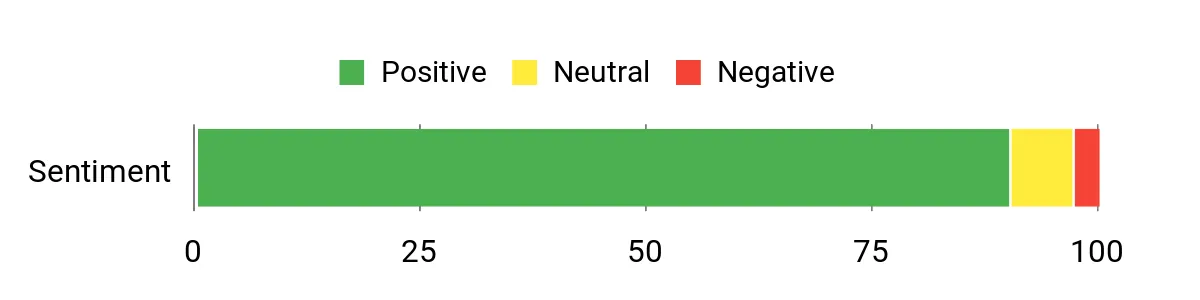
You’ll notice reviewers commonly praise the rod’s power and casting distance, saying it makes heavy lines feel controlled and accurate. People also highlight solid build quality and the confidence it gives when fighting bigger fish. A few mention that the fast action takes practice, so it’s not the easiest rod for complete beginners.
Overall Sentiment: Positive
|
Pros |
Cons |
|---|---|
|
✅ Excellent line speed for long casts |
❌ Fast action demands a more aggressive casting stroke |
|
✅ Strong backbone for landing larger fish |
❌ May feel stiff for anglers used to softer freshwater rods |
|
✅ High-quality carbon construction and warranty |
❌ Less suited for delicate presentations on small streams |
|
✅ Portable four-piece design |
Situations
|
Situation |
How It Helps |
|---|---|
|
Saltwater Flats |
You can make long, accurate shots into wind and deliver big flies to cruising fish without losing control. |
|
Targeting Bigger Inshore Species |
The rod’s backbone helps you turn fish and handle strong runs while keeping the hook set secure. |
|
Travel and Guided Trips |
The four-piece construction and rod tube make it easy to pack without compromising performance when you arrive. |
Expertise Level
Intermediate to Advanced
Key Benefits
- Fast blank for maximum line speed
- Built to handle heavier flies and larger inshore species
- Sturdy construction with a lifetime warranty
- Four-piece design for convenient travel and storage
Rating: 4.9 out of 5 (total: 12+)
Redington Vice

Quick Verdict: A forgiving, versatile 6wt for anglers who want one rod to cover most freshwater situations.
You’re looking at a versatile, do-it-all rod that feels at home on streams, rivers, and larger freshwater water. The 6wt blank gives you enough backbone for bigger trout and light bass work while still remaining forgiving for developing casts. The included tube and four-piece build make it simple to pack for weekend trips or toss in the car for an afternoon on the river.
If you want a single rod that helps you try a range of techniques without constant gear swaps, this is a practical choice.
Fitment Note: This is a freshwater-oriented 6wt rod for streams, rivers, and lakes — for saltwater flats or heavier saltwater species, the Echo Boost above is the better-suited tool.
Who It’s Best For: Beginners who want a single, forgiving rod for local streams and larger freshwater water.
Who Should Avoid It: Anglers set on specialized technical nymphing or dedicated saltwater work.
What People Say
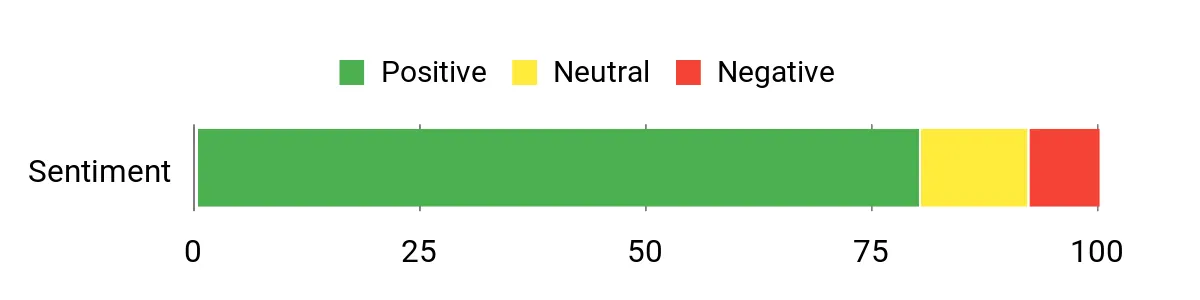
Most users highlight the rod’s versatility and reliable build, saying it performs well across different freshwater environments. Many appreciate the balanced action that supports both distance and delicate presentations, and the included tube gets called out for convenience.
A smaller number of anglers mention that you can outgrow it if you move into very specialized fishing.
Overall Sentiment: Positive
|
Pros |
Cons |
|---|---|
|
✅ Solid all-purpose performance for beginners |
❌ Not as specialized for delicate nymphing or heavy streamer work |
|
✅ Good backbone for landing larger freshwater fish |
❌ Aluminum material may feel different than higher-end blanks |
|
✅ Portable four-piece design with protective tube |
❌ Four pieces can slightly alter blank feel for purists |
|
✅ Comfortable cork grip for longer sessions |
Situations
|
Situation |
How It Helps |
|---|---|
|
Local Streams |
You get a forgiving action that helps control short to medium casts and improves presentation in riffles and pocket water. |
|
Larger Rivers and Lakes |
The 6wt backbone lets you cast bigger flies and handle stronger currents or larger fish without losing confidence. |
|
Travel and Guide Trips |
The four-piece design and protective tube make it easy to pack and protect, so you arrive ready to fish. |
Expertise Level
Beginner to Intermediate
Key Benefits
- Versatile 6wt profile handles a variety of freshwater targets
- Moderate‑fast action balances distance and feel for learning casts
- Comfortable cork handle and included tube for transport
- Durable build suited to regular use and guided trips
Rating: 4.5 out of 5 (total: 293+)
FAQ
Which Rod Is Right?
You should pick a rod that matches the water and techniques you plan to use. If you focus on short, technical nymphing, a sensitive, lightweight blank like the Cortland Nymph (10.5ft, 3wt) will help you feel subtle takes; if you’re moving into inshore saltwater or need to cast big flies into wind, a fast 8wt like the Echo Boost is better suited.
For a single, versatile freshwater option that handles streams and larger rivers or lakes, a 6wt like the Redington Vice gives backbone for bigger fish while remaining forgiving as you develop casts. Think about where you’ll fish most and choose the rod that supports those conditions.
What Line Weight Should I Use?
Match the rod’s line weight to the fish and flies you plan to use rather than guessing; light lines (2–4wt) suit small streams and dry flies, mid weights (5–6wt) cover most freshwater situations, and heavier lines (7–8wt) handle saltwater and large streamers. A rod’s rating, like the Cortland’s 3wt or the Redington’s 6wt, tells you the sweet spot for line performance and turnover.
Using the correct line weight makes learning casts easier and improves presentation, so choose the line that pairs with the rod and the typical fish size you’ll target.
How Do I Care For My Rod?
Rinse guides and ferrules with fresh water after salt or dusty trips, dry the blank before storing, and keep the rod in its protective tube when transporting to prevent dings. Check alignment dots and lightly clean cork handles to remove grime, inspect ferrules for cracks, and avoid overtightening the reel seat when mounting gear.
Keep documentation for any manufacturer warranty and store rods away from extreme heat or prolonged direct sunlight to preserve blank integrity.
Customer Preferences
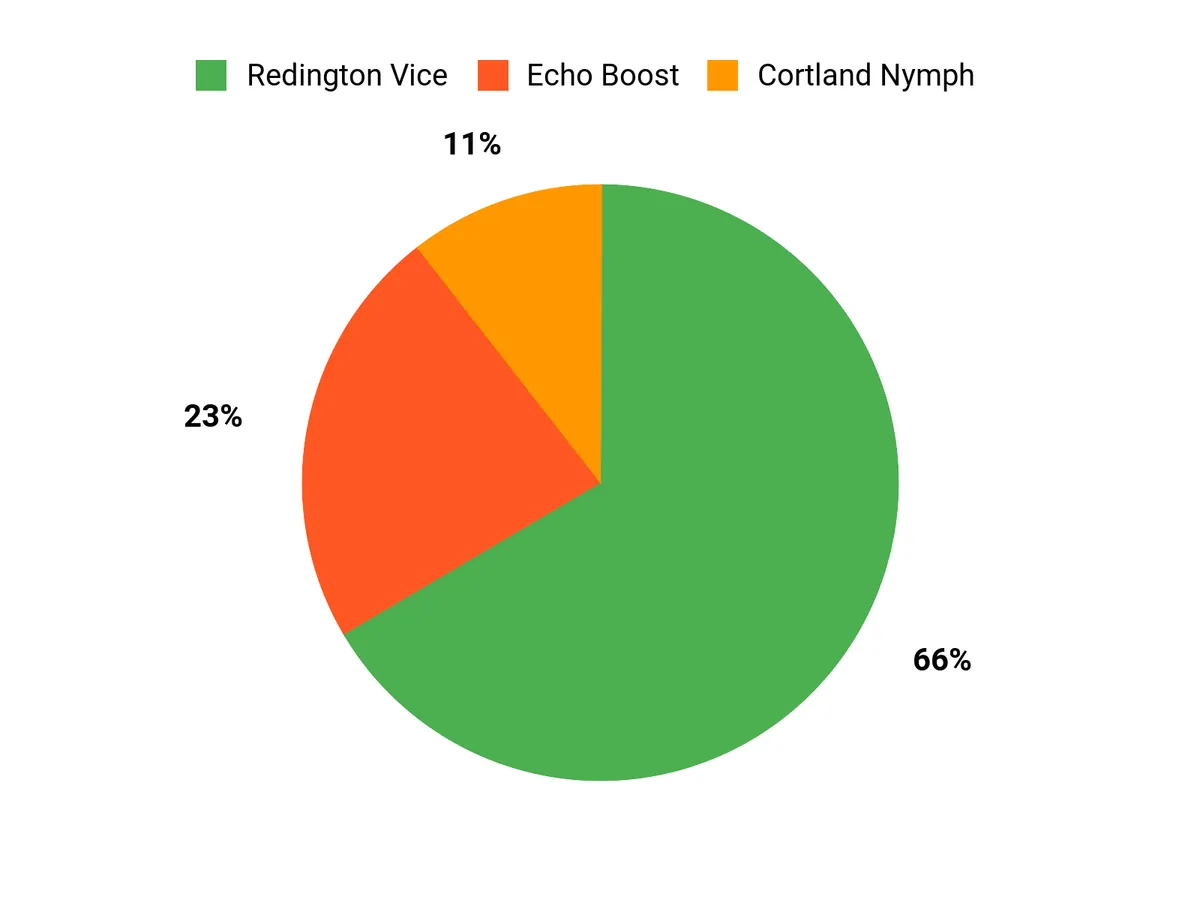
You typically prioritize the fishing style and where you’ll spend most of your time: you choose the Cortland Nymph for sensitivity and stealth when nymphing technical water, the Echo Boost when you need strong line speed and saltwater power, and the Redington Vice when you want a forgiving, versatile freshwater all-purpose rod. You also consider how quickly you’ll learn and travel convenience, so balanced feel, a forgiving action, and a compact four-piece design often sway your decision.
Wrapping Up
For beginners focused on nymphing and sensitive presentation, the Cortland Nymph ($347.12) offers a lightweight graphite blank and design tuned to modern nymph techniques, helping you feel takes and place flies precisely. If you plan to step into saltwater or want a rod that handles heavy lines and aggressive casting, the Echo Boost ($399.99) delivers the power and speed to build confident casts and handle larger fish. For the angler who wants a reliable, versatile freshwater starter rod for streams and occasional bigger water, the Redington Vice ($279.99) balances performance, durability, and value so you can learn multiple techniques without swapping gear. Pick the rod that matches the water and flies you’ll use most, and you’ll shorten the learning curve while enjoying more productive days on the water.
| Cortland Nymph Series Fly Rod, 4-Pc 10.5ft 3wt | Echo Boost Blue Saltwater Fly Rod 9’0″, 8wt, 4pc | Redington VICE Fly Fishing Rod with Tube, Freshwater, Moderate Action Rod 6WT 9’0″ | |
|---|---|---|---|
|
|
|
|
|
| Rating | 4.2/5 (5 reviews) | 4.9/5 (12 reviews) | 4.5/5 (293 reviews) |
| Material | Graphite | Carbon Fiber | Aluminum |
| Action Type | Fast | Fast | Fast |
| Target Species | Trout on technical/pressured water | Bass, Redfish | Freshwater Gamefish (Trout, Bass) |
| Warranty | 3 Year Manufacturer | ECHO Lifetime Warranty & Repair Policy | Manufacturer warranty (see listing) |
| Check Price on Amazon | Check Price on Amazon | Check Price on Amazon |
This Roundup is reader-supported. When you click through links we may earn a referral commission on qualifying purchases.
