
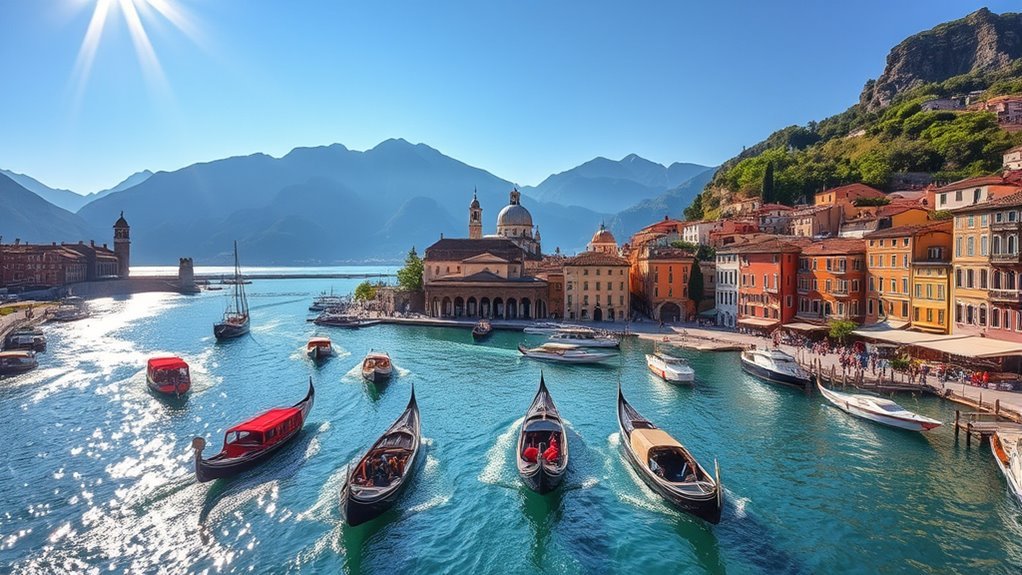
Last Updated on July 23, 2026 by Daniel Globe
If you are planning day trips from Venice, the surrounding Veneto region and neighboring Emilia-Romagna offer an extraordinary range of experiences within a 25-to-90-minute journey. From the ancient Roman amphitheater in Verona and Giotto’s masterwork frescoes in Padua to the colorful lagoon islands of Murano and Burano, traveling beyond Venice reveals northern Italy’s deepest historical, architectural, and culinary treasures. Direct high-speed trains from Venezia Santa Lucia station make exploring these world-class destinations fast and effortless.
Quick Answer
The best day trips from Venice are Padua (25 min by train) for Giotto’s frescoes, Verona (1h 15m) for Roman history, and Murano/Burano (30–45 min by vaporetto) for glassmaking and lace art. For scenery and wine, head to Lake Garda or the Prosecco Hills. Most major destinations depart directly from Venezia Santa Lucia railway station.
Key Takeaways
- Effortless Rail Connections: Padua, Verona, Vicenza, Treviso, and Ferrara are directly accessible via high-speed or regional trains from Venezia Santa Lucia station in under 75 minutes.
- Advance Bookings Essential: Top cultural sights, including Padua’s Scrovegni Chapel and Verona’s summer Opera performances, require advance ticket reservations.
- Lagoon Island Hopping: Murano and Burano are best explored together using an ACTV 24-hour public transport waterbus pass starting from Fondamente Nove.
- Culinary Destinations: Sample original Tiramisu in Treviso, Amarone wine in Verona, and fresh handmade pumpkin cappellacci in Ferrara.
Disclosure: As an Amazon Associate I earn from qualifying purchases. Some links on this page are affiliate links, at no extra cost to you.
The Allure of Padua: A Cultural Gem
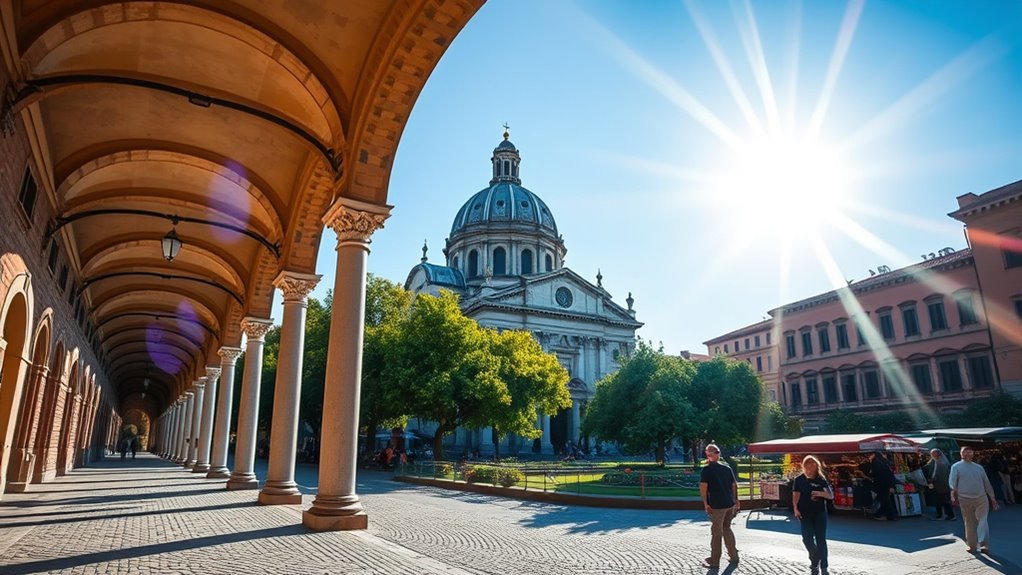
Located just 25 minutes west of Venice by high-speed rail, Padua (Padova) offers a dense concentration of art, science, and history. As home to one of the world’s oldest universities—founded in 1222—the city carries a vibrant academic heritage. Your first stop should be the Cappella degli Scrovegni, which houses Giotto’s revolutionary fresco cycle completed between 1303 and 1305. These paintings transformed Western art by introducing realistic human emotion and spatial depth.
A short walk away lies the magnificent Basilica di Sant’Antonio, a multi-domed pilgrimage shrine blending Byzantine, Romanesque, and Gothic elements. Afterwards, stroll through Prato della Valle, one of Europe’s largest public squares, encircled by a canal lined with 78 statues of historic figures. Science enthusiasts will appreciate Padua’s Orto Botanico, established in 1545 as the world’s oldest academic botanical garden, now designated a UNESCO World Heritage Site. Cap off your day at the bustling food markets under the medieval arches of Piazza delle Erbe and Piazza della Frutta.
Warning: Entry to the Cappella degli Scrovegni is strictly regulated to preserve the frescoes. Tickets must be booked online at least 24 to 48 hours in advance; walk-up tickets are rarely available during peak season.
Travel Time from Venice: ~25 minutes via Frecciarossa high-speed train or 45 minutes via regional train from Venezia Santa Lucia.
Explore the Romantic Highlights of Verona
Stepping off the train in Verona places you in a city shaped by ancient Roman engineering, medieval dynasties, and literary legend. Situated along the Adige River, Verona is easily accessible in under 75 minutes from Venice, making it an ideal candidate for a full-day excursion.
Shakespeare’s Timeless Love Story
Verona’s romantic reputation is tied to William Shakespeare’s Romeo and Juliet. Visitors gather at the 13th-century gothic courtyard of Casa di Giulietta to view Juliet’s balcony and bronze statue. Beyond literary fiction, the surrounding streets display authentic medieval architecture preserved from the Scaliger dynasty, leading directly into the historic city center.
Iconic Roman Architecture Highlights
Verona’s architectural crowning glory is the Arena di Verona, a massive Roman amphitheater constructed around AD 30. Remarkably well-preserved, it predates the Colosseum in Rome and continues to serve as an active outdoor venue hosting the world-famous Verona Opera Festival every summer. Cross the Adige River via the ancient Ponte Pietra stone bridge to reach the Teatro Romano, a 1st-century BC theater built into the hillside offering panoramic views of the red-roofed cityscape from Castel San Pietro.
Vibrant Piazza Atmosphere and Wine Tasting
The social heart of the city is Piazza delle Erbe, once a Roman forum, now filled with open-air cafes, market stalls, and frescoed townhouses. Take time to relax with a glass of local Valpolicella or full-bodied Amarone wine, produced in the surrounding vineyards, while soaking in the lively urban energy.
Travel Time from Venice: ~1 hour 15 minutes via direct high-speed train from Venezia Santa Lucia to Verona Porta Nuova.
Marvel at the Architectural Wonders of Vicenza
Vicenza is world-renowned as the urban canvas of 16th-century Renaissance architect Andrea Palladio. His classical proportions, inspired by ancient Roman principles, transformed the city into a UNESCO World Heritage site that fundamentally influenced architectural design across Europe and North America.
Stunning Palladian Villas and Palazzos
On the outskirts of the city sits Villa La Rotonda, Palladio’s most famous residential masterpiece, celebrated for its perfect four-sided symmetry and hilltop gardens. Closer to the center, Villa Valmarana ai Nani features dramatic 18th-century frescoes painted by Giambattista Tiepolo and his son Giandomenico.
Historic City Center Landmarks
Walking down the main avenue, Corso Palladio, brings you past elegant palazzos to the grand Piazza dei Signori, dominated by the double-tiered marble loggia of the Basilica Palladiana. Nearby lies the extraordinary Teatro Olimpico, the world’s oldest surviving enclosed Renaissance theater. Inside, Palladio designed an intricate 3D trompe-l’œil stage set depicting the streets of ancient Thebes, creating a stunning illusion of depth.
Travel Time from Venice: ~45 minutes via direct regional or high-speed train from Venezia Santa Lucia.
Spend a Day in Nature’s Paradise at Lago Di Garda
Italy’s largest lake, Lago di Garda, provides a scenic contrast to Venice’s urban canals. Ringed by alpine peaks in the north and olive groves and vineyards in the south, the southern shores are reachable in roughly 90 minutes from Venice.
Base your trip in Sirmione, a picturesque peninsula extending into the lake. Here, you can tour the 14th-century moated castle Rocca Scaligera and walk through the Grotte di Catullo, the sprawling ruins of a 1st-century Roman villa set amidst ancient olive trees. Lake Garda is also famous for its natural thermal springs and wine-growing towns like Bardolino, perfect for outdoor lakeside dining and watersports.
Pro Tip: Take the direct train from Venice to Desenzano del Garda or Peschiera del Garda. From either station, public passenger ferries connect you directly to Sirmione, Lazise, and Bardolino without driving.
Travel Time from Venice: ~1 hour 30 minutes via high-speed train to Desenzano/Peschiera plus a short ferry ride.
Coastal Charms of Chioggia: A Hidden Gem
Located at the southern entrance of the Venetian Lagoon, Chioggia is often nicknamed “Little Venice.” Sharing similar canal systems, historic stone bridges, and traditional wooden boats, Chioggia offers an authentic working-port atmosphere without the large tourist crowds.
“Chioggia offers the quiet soul of the Venetian lagoon: painted fishing boats, fresh seafood taverns, and peaceful canals untouched by mass tourism.”
Key highlights in Chioggia include:
- Canal Strolls: Walk along Corso del Popolo and the Vena Canal, admiring colorful facades and traditional seafood taverns.
- Fishermen’s Market (Pescheria): Experience the energetic morning fish market where local catch is auctioned daily.
- Historic Art Treasures: Visit the Church of San Domenico to see Vittore Carpaccio’s final masterpiece, Saint Paul.
- Sottomarina Beach: Relax along wide sandy beaches lining the Adriatic Sea, just a short walk from the historic center.
Travel Time from Venice: ~1 hour 15 minutes by direct ACTV Bus 80 from Piazzale Roma or a seasonal ferry via Lido.
Discover Treviso’s Charming Canals and Culinary Delights
Just a 30-minute train ride north of Venice, Treviso is a walled medieval city intersected by clear, rushing rivers like the Sile and Botteniga. Known for its quiet elegance, frescoed medieval homes, and waterwheels, Treviso is a delight for casual wanderers.
Picturesque Waterways and Historic Squares
Explore Piazza dei Signori, the civic heart of Treviso, anchored by the imposing Palazzo dei Trecento. Follow the canal paths to Isola della Pescheria, a tiny island river market operating since the 19th century, surrounded by boutique shops and artisan bakeries.
Birthplace of Tiramisu and Local Gastronomy
Treviso is the undisputed original birthplace of Tiramisu, created at the restaurant Le Beccherie in the late 1960s. Be sure to order a slice alongside local savory dishes featuring Radicchio Rosso di Treviso (bitter red chicory) and a glass of crisp local Prosecco.
Travel Time from Venice: ~30 minutes via direct regional train from Venezia Santa Lucia.
Murano and Burano: The Jewel Islands of the Lagoon
For a half-day or full-day maritime trip that stays inside the Venetian Lagoon, board a public waterbus to Murano and Burano. Each island maintains centuries-old artisan craft traditions.
- Murano Glassmaking: Renowned since 1291 for glassblowing masters. Watch live furnace demonstrations and tour high-end showrooms along the glass blowers’ canal.
- Burano Needle Lace: Famous for bright, candy-colored fishermen’s houses and hand-stitched lace. Visit the Museo del Merletto (Note: closed on Mondays).
- Artisan Gelato: Sample handmade gelato while admiring reflection views along Burano’s colorful waterways.
Note: Purchase an ACTV 24-hour public transport pass (€25) at Venice waterbus docks to cover unlimited ferry travel between Venice, Murano, Burano, and Torcello.
Travel Time from Venice: ~30 minutes to Murano, ~45 minutes to Burano via ACTV Vaporetto Line 12 from Fondamente Nove.
Adventuring in the Dolomites: A Nature Lover’s Dream
Located roughly two hours north of Venice, the jagged limestone peaks of the Dolomite Mountains (a UNESCO World Heritage site) provide alpine scenery and mountain air. Ideal for hikers, photographers, and outdoor enthusiasts, a day trip to the Dolomites highlights northern Italy’s natural alpine beauty.
Explore alpine towns like Cortina d’Ampezzo or Ortisei in Val Gardena. In summer, well-marked hiking paths around the iconic Tre Cime di Lavaredo offer scenic views of dramatic mountain walls. After hiking, enjoy regional Ladin and South Tyrolean cuisine, such as smoked speck bacon and canederli (savory bread dumplings).
Travel Time from Venice: ~2 hours by rental car or guided mountain bus excursion.
Sipping Prosecco in the Scenic Hills
Nestled between Conegliano and Valdobbiadene, about an hour north of Venice, lies the UNESCO-listed Prosecco Hills (Colline del Prosecco). Characterized by steep terraced vineyards and hilltopping villages, this agricultural area produces Italy’s celebrated sparkling wine.
“Driving along the Strada del Prosecco reveals centuries of heroic viticulture, where steep, terraced vineyards are harvested entirely by hand.”
Key highlights include:
- Wine Tasting Tours: Visit family-run cellars to taste varying styles of Prosecco Superiore DOCG (Brut, Extra Dry, Dry).
- Scenic Driving Trails: Travel along the Strada del Prosecco, Italy’s oldest wine route, established in 1966.
- Historic Hill Villages: Stop in Valdobbiadene and Asolo for hillside lunch paired with sparkling wine.
Travel Time from Venice: ~50 minutes by train to Conegliano, followed by a local bus, taxi, or wine tour.
Culinary Experiences in Ferrara: A Day Trip Worth Taking
Crossing south into the Emilia-Romagna region brings you to Ferrara, an intellectual power center during the Renaissance under the rule of the Este dynasty. Enclosed by over 9 kilometers of ancient red-brick walls, Ferrara is a paradise for bicycle touring and food lovers.
Marvel at Castello Estense, a moated medieval fortress built in the city center, complete with drawbridges and dungeon towers. When dining in Ferrara, try the regional specialty cappellacci di zucca (handmade pasta stuffed with sweet pumpkin and parmigiano, tossed in butter and sage or rich meat ragù) and salama da sugo (seasoned pork sausage served with creamy mashed potatoes). Browse fresh regional ingredients at the Mercato Coperto or join food tours during the annual Ferrara Food Festival.
Travel Time from Venice: ~1 hour 10 minutes via high-speed train from Venezia Santa Lucia.
Frequently Asked Questions
What are the best day trips from Venice, Italy?
The top day trips include Padua for Giotto’s frescoes, Verona for Roman architecture and Shakespeare, Vicenza for Palladian villas, Murano and Burano for lagoon crafts, Treviso for canals and Tiramisu, Lake Garda for outdoor lake views, and the Prosecco Hills for wine tasting.
What is the most beautiful village near Venice, Italy?
Burano is widely regarded as the most visually captivating village near Venice due to its vibrant colorful fishermen’s houses, lace-making traditions, and reflective canals. Asolo, known as “The City of a Hundred Horizons” in the Prosecco Hills, is another contender.
What cities to pair with Venice?
Venice pairs easily with Padua (25 mins by train), Verona (1h 15m), Vicenza (45 mins), Treviso (30 mins), and Ferrara (1h 10m). All share direct high-speed or regional rail links with Venezia Santa Lucia station.
How many days do you realistically need in Venice?
You realistically need 3 days to cover Venice’s main historical sites (St. Mark’s Basilica, Doge’s Palace, Rialto Bridge) and the outer lagoon islands. Staying 4 to 5 days allows you to incorporate 1 or 2 regional day trips to Padua, Verona, or Treviso.
Conclusion
Taking day trips beyond Venice allows you to experience northern Italy’s impressive diversity—from alpine mountain peaks and sparkling wine vineyards to Roman amphitheaters and quiet lagoon islands. Thanks to Italy’s high-speed rail system departing right from Venezia Santa Lucia station, exploring these Veneto and Emilia-Romagna highlights is comfortable and straightforward. Pack your comfortable walking shoes, reserve your museum tickets in advance, and enjoy discovering the surrounding treasures of northern Italy.
Sources
- Italia.it — Official Tourism Board of Italy for Veneto & Emilia-Romagna destinations
- Cappella degli Scrovegni Official Site — Ticket reservation rules and historical Giotto fresco details
- UNESCO World Heritage Centre — Official architectural listings for City of Vicenza and Palladian Villas
- Trenitalia Railway — Travel times and high-speed rail connections from Venezia Santa Lucia
- Le Beccherie Treviso — Historical documentation of the original Tiramisu creation
