
Last Updated on July 28, 2026 by Daniel Globe
Carmel-by-the-Sea makes an ideal base for exploring the Monterey Peninsula and Big Sur coast. Within about 30 minutes, you can watch wildlife at Point Lobos, explore Monterey’s waterfront, taste wine in Carmel Valley, or walk the dunes at Marina State Beach. A longer drive south adds Big Sur’s cliffs, trails, and famous Highway 1 views.
Quick Answer
The best day trips from Carmel-by-the-Sea are Point Lobos for wildlife, Big Sur for coastal scenery, Monterey for history and the aquarium, Carmel Valley for wine tasting, and Marina State Beach for quiet dunes. Most are 10–30 minutes away; a fuller Big Sur outing needs at least half a day.
Key Takeaways
- Point Lobos is the easiest nature trip, but its small parking area often fills early.
- Big Sur requires the most planning because road, trail, and roadside-parking conditions can change.
- Monterey works well in any weather and offers the widest mix of history, food, and indoor attractions.
- Carmel Valley is warmer and sunnier than the coast; arrange a designated driver for wine tasting.
- Marina State Beach is best for dunes, wind, and wide views—not swimming or collecting shells.
At a Glance
| Point Lobos | About 10 minutes; allow 2–4 hours. Best for wildlife and short coastal walks. Current vehicle entry is $10. |
| Big Sur and Garrapata | About 20–60+ minutes, depending on the stop; allow half a day or longer. Best for scenery, hiking, and photography. |
| Monterey and Cannery Row | About 15 minutes; allow 3–6 hours. Walking is free, while parking and aquarium admission cost extra. |
| Carmel Valley | About 20–30 minutes; allow 3–5 hours. Best for tasting rooms, lunch, and warmer inland weather. Tasting fees vary. |
| Marina State Beach | About 25–30 minutes; allow 1–3 hours. Best for dunes, kite flying, and open views. There is no attraction ticket. |
Disclosure: As an Amazon Associate I earn from qualifying purchases. Some links on this page are affiliate links, at no extra cost to you.
1. Scenic Drive and Nature Walks in Big Sur
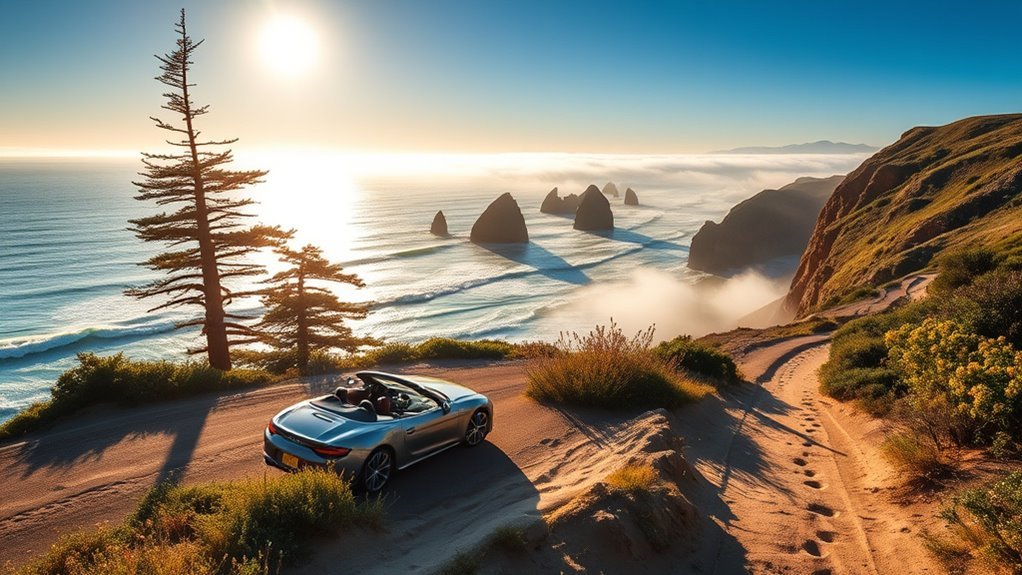
Drive south on Highway 1 and the coast quickly changes from wooded headlands to steep cliffs above the Pacific. Garrapata State Park is one of the closest Big Sur stops, while Bixby Creek Bridge and central Big Sur require more driving. Leave room in your schedule for traffic, legal pullouts, and slow-moving vehicles.
Garrapata State Park offers coastal paths west of Highway 1 and the Soberanes Canyon Trail east of the road. As of July 28, 2026, the Soberanes Trail is open for 1.25 miles to the back of the canyon, but the Rocky Ridge section remains closed because of hazardous conditions. Choose a short ocean-view walk or a longer full hike, and stay on marked trails to protect habitat and avoid poison oak.
Highway 1 reopened through Big Sur on January 14, 2026, after repairs at Regent’s Slide. Conditions can still change after storms, fires, rockfalls, or construction. Never stop in a traffic lane for a photograph, and follow all posted parking restrictions near Bixby Creek Bridge and other popular viewpoints.
Warning: Check Caltrans QuickMap immediately before leaving. Big Sur has limited cell service, so download maps and directions while you still have a reliable connection.
2. Wildlife Watching and Coastline at Point Lobos State Natural Reserve
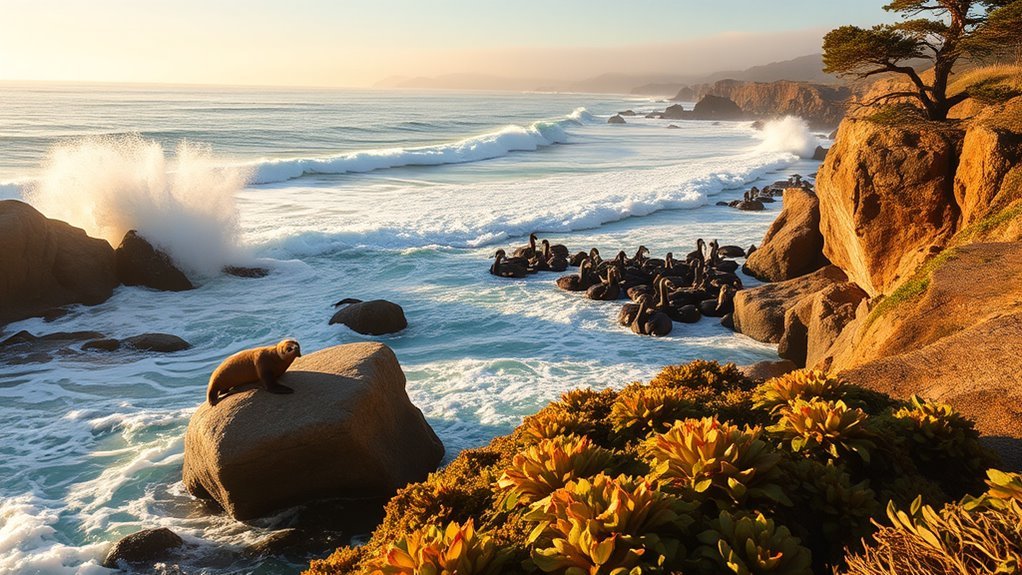
Point Lobos State Natural Reserve sits about 3 miles south of Carmel and offers the biggest scenic payoff for the least driving. Trails pass cypress groves, rocky coves, kelp beds, and overlooks where you may see sea otters, harbor seals, sea lions, whales, and shorebirds. Wildlife sightings are never guaranteed, so bring binoculars and allow time to scan the water.
| What to See | Where to Look | Viewing Tip |
|---|---|---|
| Sea otters | Kelp beds and sheltered coves | Look for dark heads, floating kelp, and animals resting on their backs. |
| Harbor seals and sea lions | Rocky coves and Sea Lion Point | Use overlooks and keep a respectful distance. |
| Tide-pool life | Exposed intertidal areas at low tide | Observe without touching, moving, or collecting anything. |
| Coastal views | Cypress Grove, Bird Island, and Sea Lion Point trails | Morning often brings easier parking; afternoon light can be better for photographs. |
Whalers Cove also preserves the area’s 19th-century whaling history. The Whalers Cabin Museum and nearby exhibits are generally open as staffing permits. The reserve currently opens at 8 a.m., charges $10 per passenger vehicle, and has parking for about 150 vehicles.
General day-use visitors do not reserve timed parking through ReserveCalifornia. Parking is first come, first served. Reservations are required for school groups and certain activities, including diving—not for ordinary trail visits.
Pro Tip: Arrive before 9:30 a.m. or later in the afternoon, when parking may be easier. Do not stop in the Highway 1 traffic lane or make an unsafe U-turn while looking for roadside parking.
3. Historic Downtown Monterey and Cannery Row
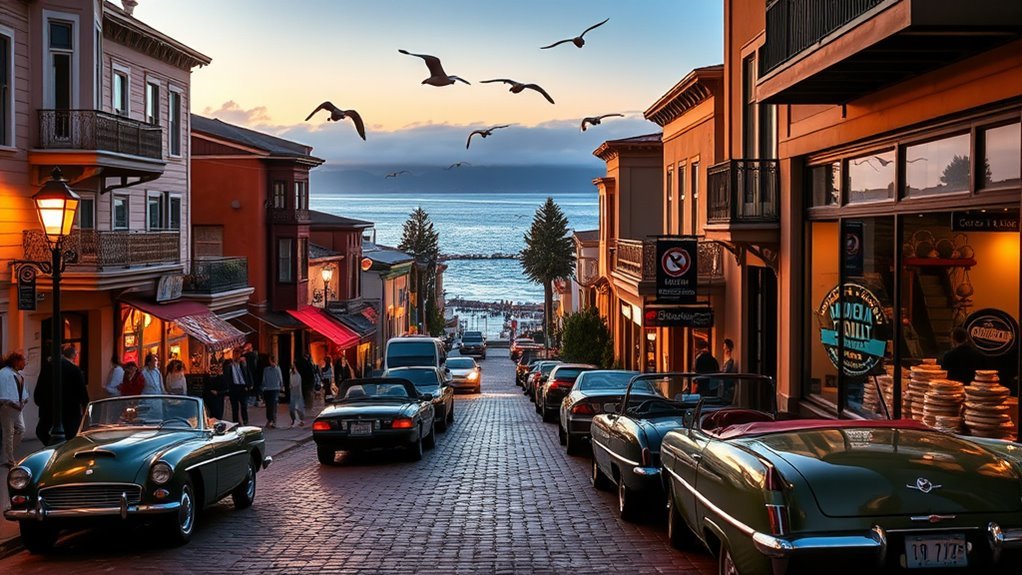
A drive of roughly 15 minutes north brings you to Monterey, where Cannery Row’s former sardine-canning district now holds restaurants, shops, galleries, hotels, and the Monterey Bay Aquarium. Walk the waterfront, watch for sea otters in the bay, and follow the coastal trail toward Fisherman’s Wharf or Pacific Grove.
The Monterey Bay Aquarium is the main paid attraction. Its kelp forest, open-sea exhibits, and local marine-life displays can easily fill several hours. Buy tickets from the aquarium’s official website before visiting, especially during weekends, holidays, and school breaks.
For literary history, pause outside Pacific Biological Laboratories, the former workplace of marine biologist Ed Ricketts and a landmark closely associated with John Steinbeck’s Cannery Row. Then compare the tourist waterfront with Monterey State Historic Park and the adobe buildings around downtown Monterey.
Note: The City of Monterey’s free trolley operates between downtown, Fisherman’s Wharf, Cannery Row, and the aquarium during its published summer season. In 2026, service runs daily from May 23 through September 7, from 10 a.m. to 6 p.m.
4. Wine Tasting and Valley Views in Carmel Valley
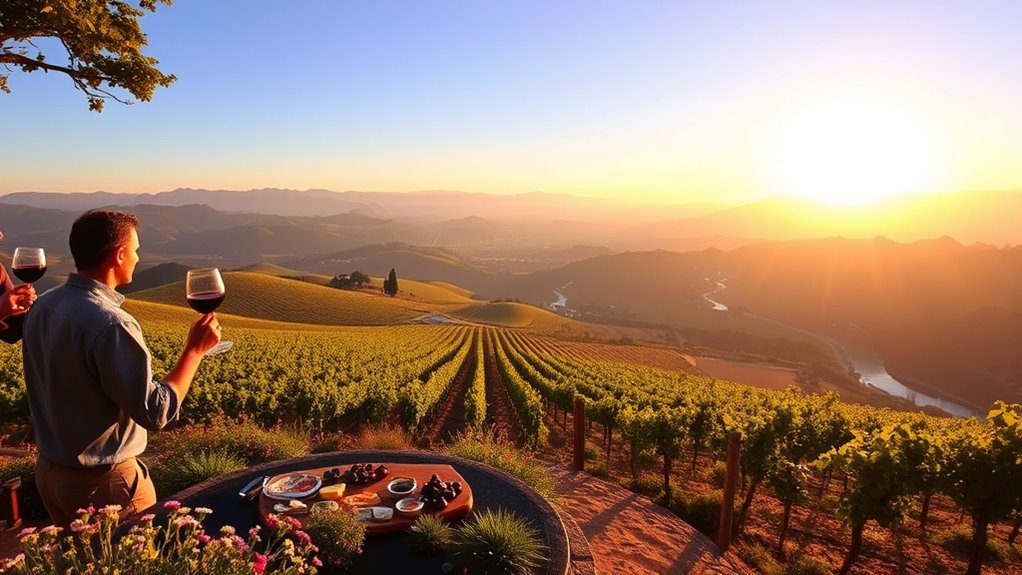
Drive inland on Carmel Valley Road and coastal fog often gives way to warmer, sunnier weather. Carmel Valley is a federally recognized American Viticultural Area, and the village has a cluster of tasting rooms serving wines from Carmel Valley and the wider Monterey County region. Depending on the producer, you may find Cabernet Sauvignon, Merlot, Chardonnay, Pinot Noir, and Rhône-style blends.
You can build a self-guided afternoon around two or three tasting rooms, lunch, and a walk through Carmel Valley Village. Policies differ: some rooms welcome walk-ins, while others use reservations or scheduled experiences. Check the winery’s official page before leaving, especially for weekend visits or groups.
A guided wine tour is useful when you want several stops without managing the driving. Confirm what the price includes because transportation, tasting fees, food, and gratuities vary by operator.
Warning: Wine tasting is for adults age 21 and older. Use a designated driver, hired tour, taxi, or rideshare; do not drive after drinking.
5. Beachcombing and Sand Dunes at Marina State Beach
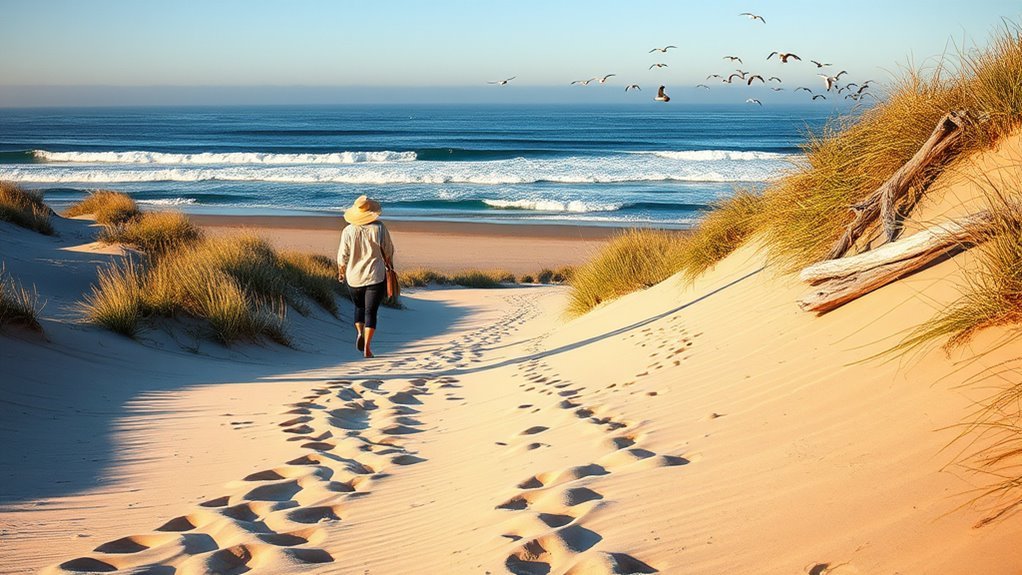
About 25–30 minutes north of Carmel, Marina State Beach offers tall dunes, strong winds, and a broad view across Monterey Bay. It is a good place for a quiet walk, kite flying, photography, and watching experienced hang gliders use the designated launch area.
Beachcombing here should be observation, not collecting. Photograph shells, driftwood, stones, and plants where you find them; California State Parks protects natural and cultural features from removal. Stay on established access routes and outside fenced or posted habitat areas, which may protect sensitive dune plants and western snowy plovers.
Marina is exposed to wind and cool ocean air, even when Carmel Valley is warm. Bring a layer, secure loose picnic items, and keep children well back from the surf.
Warning: Marina State Beach has strong rip currents, cold water, and a steep offshore drop-off. No lifeguard service is available. Treat it as a walking and viewing beach rather than a swimming beach.
The best Carmel day trip is not always the farthest one. Point Lobos, Monterey, and Carmel Valley each deliver a complete half-day experience with less time in the car.
Frequently Asked Questions
Are pets allowed on trails and beaches near Carmel?
Rules vary by park. Point Lobos does not allow dogs anywhere in the reserve, including inside parked vehicles. Garrapata permits leashed dogs only at the Gate 19 beach and on the trails leading to it. Marina State Beach does not allow dogs beyond the day-use parking area. Service-animal rules are separate; check the official park page before visiting.
Can I take public transportation from Carmel-by-the-Sea?
Public transit is useful but limited. Monterey-Salinas Transit currently lists service to Carmel Rancho, Carmel Valley, Marina, Monterey, and nearby communities, but not every trailhead or beach. The current route list does not show regular Big Sur service. Monterey’s free trolley serves downtown, Fisherman’s Wharf, Cannery Row, and the aquarium during its summer season. There is no local passenger ferry linking these day-trip destinations.
Where can I find accessible trails and facilities?
Point Lobos offers four ADA-compliant trails and has wheelchairs available to borrow at several staffed locations. Marina State Beach has an accessible restroom, but loose sand and steep dunes can limit access. Conditions and facilities change, so review each park’s accessibility page or call ahead before traveling.
Are guided tours or local guides available?
Yes. Local operators offer Big Sur sightseeing trips, wildlife walks, Monterey history tours, aquarium experiences, and Carmel Valley wine tours. Confirm the route, walking demands, cancellation policy, tasting fees, and pickup location before booking. Commercial tours entering Point Lobos require the park’s proper permit.
What are emergency services and cell reception like?
Call 911 for an emergency. Cell reception is generally stronger around Carmel, Monterey, Carmel Valley Village, and Marina than along remote stretches of Big Sur. Download offline maps, carry water and a charged power bank, tell someone your route, and avoid relying on a rideshare pickup where service is weak.
Can I combine two Carmel day trips in one day?
Yes. Point Lobos pairs well with Carmel Valley or Monterey because each is close to Carmel. Monterey and Marina also make an easy northbound combination. Give Big Sur its own day unless you are limiting the trip to one or two northern stops, such as Garrapata and Bixby Creek Bridge.
What should I pack for a Carmel-area day trip?
Bring layered clothing, walking shoes, water, sun protection, and binoculars. Add offline maps and a power bank for Big Sur, advance tickets for the aquarium, and a wind-resistant layer for Marina. Keep valuables out of sight in parked vehicles.
Plan Your Carmel Day Trip
Choose the destination by mood and available time. Point Lobos is best for a short nature-focused outing. Monterey offers the most variety and the strongest rainy-day backup. Carmel Valley trades coastal fog for warm inland scenery, while Marina gives you open dunes and fewer built attractions. Big Sur is the most dramatic choice, but it needs the earliest start and the most flexible plan.
For a long weekend, use one day for Big Sur, pair Point Lobos with Carmel Valley on another day, and save Monterey plus Marina for the third. Check road, park, ticket, and tasting-room information again on the morning of each trip because conditions and operating details can change.
Sources
- Caltrans: Regent’s Slide and Highway 1 — current Big Sur corridor status and QuickMap guidance.
- California State Parks: Point Lobos State Natural Reserve — hours, fees, wildlife rules, parking, and visitor restrictions.
- California State Parks: Garrapata State Park — current trail status, hours, parking caution, and dog rules.
- Monterey Bay Aquarium — official visitor, ticket, and exhibit information.
- City of Monterey: Free Trolley — current seasonal trolley dates, hours, and stops.
- California State Parks: Marina State Beach — hours, activities, accessibility, and visitor rules.

