

Last Updated on July 30, 2026 by Daniel Globe
Carmel-by-the-Sea packs beaches, coastal trails, art galleries, storybook architecture, restaurants, tasting rooms, and independent shops into a compact village beside the Pacific. You can spend a relaxed day walking between downtown and Carmel Beach, or stay longer to add Point Lobos, 17-Mile Drive, Pebble Beach, and Monterey. This guide explains the best stops, current visitor rules, practical costs, and the easiest ways to plan your time.
Quick Answer
The best things to do in Carmel-by-the-Sea include walking Carmel Beach and the Scenic Pathway, hiking at Point Lobos, visiting Carmel Mission, browsing downtown galleries and courtyards, tasting Monterey County wine, dining at local restaurants, and taking a short drive to Pebble Beach or Monterey.
Key Takeaways
- Allow at least one full day for the village and Carmel Beach; two days are better if you also want Point Lobos or Monterey.
- Downtown is walkable, but Point Lobos, Carmel Mission, Carmel Valley Ranch, Pebble Beach, and Monterey are easier to reach by car.
- Bring layers year-round because coastal fog, wind, and temperature changes are common.
- Carmel Beach allows dogs off leash only when they meet the city’s voice-control rules; dogs must be leashed elsewhere and are not allowed at Point Lobos.
- Check current hours, fees, restaurant reservations, trail conditions, and event schedules before leaving.
Carmel-by-the-Sea at a Glance
| Suggested Time | One full day for downtown and the beach; two or three days with Point Lobos, Pebble Beach, Monterey, and Carmel Valley |
| Getting Around | Walk within the village; drive or use a taxi or rideshare for outlying attractions |
| What to Bring | Walking shoes, wind-resistant layers, water, sunscreen, binoculars, and a phone or camera |
| Typical Costs | Many walks, galleries, and beach stops are free; current examples include $10 vehicle entry at Point Lobos, $15 adult admission at Carmel Mission, and $12.50 per vehicle for 17-Mile Drive |
Disclosure: As an Amazon Associate I earn from qualifying purchases. Some links on this page are affiliate links, at no extra cost to you.
Plan Your Carmel-by-the-Sea Visit
Best Time to Visit
Carmel-by-the-Sea is a year-round destination, but conditions can change within a few hours. Spring and fall often bring mild walking weather, while summer mornings may be cool or foggy before skies brighten. Winter can be peaceful and green, but rain and rough surf are more likely.
Pack a light sweater or fleece, a wind-resistant outer layer, and comfortable shoes even when the inland forecast looks warm. Point Lobos and the beach can feel considerably cooler than Carmel Valley.
Getting Around and Parking
Once you park, most downtown attractions are within walking distance. The City of Carmel lists free short-term curbside parking throughout the central business district and free unlimited parking in several peripheral locations, including Vista Lobos, parts of Junipero Avenue, Sunset Center’s north lot, and the Del Mar lot by Carmel Beach. Always follow the signs on the block where you park.
Driving is more practical for Point Lobos, Carmel Mission, Carmel Valley Ranch, Monterey, and 17-Mile Drive. Parking becomes harder on summer weekends, holidays, and during Monterey Car Week.
Pro Tip: Park once near the edge of downtown, explore the village on foot, and move the car only when you are ready for Carmel Mission, Point Lobos, Pebble Beach, or Monterey.
A Simple One-Day Itinerary
- Begin with coffee and a pastry downtown.
- Walk down Ocean Avenue to Carmel Beach.
- Follow part of the Scenic Pathway and return through residential streets.
- Browse galleries, courtyards, shops, and Pilgrim’s Way before lunch.
- Spend the afternoon at Carmel Mission or Point Lobos.
- Return downtown for dinner, a performance, or sunset at the beach.
Warning: Carmel Beach has no lifeguards, and cold water, rip currents, undertow, and sudden waves can be dangerous. Monastery Beach is especially hazardous because of its steep shore break, cold water, rip currents, and sleeper waves. Enjoy these areas from a safe distance and do not treat Monastery Beach as a casual swimming stop.
Start Your Morning at Carmel Bakery

Carmel Bakery was established in 1899 and is described by the local tourism organization as Carmel’s oldest continuously operating retail business. Its central location makes it an easy first stop for coffee, bread, pretzels, cookies, or Italian-style pastries.
The bakery can become busy during breakfast and midmorning hours. Arrive early, take your order to go, and eat in Devendorf Park or while walking toward the beach. The route down Ocean Avenue is longer than a five-minute stroll for most visitors, so allow enough time for the downhill walk and the return climb.
Stroll Along Carmel Beach
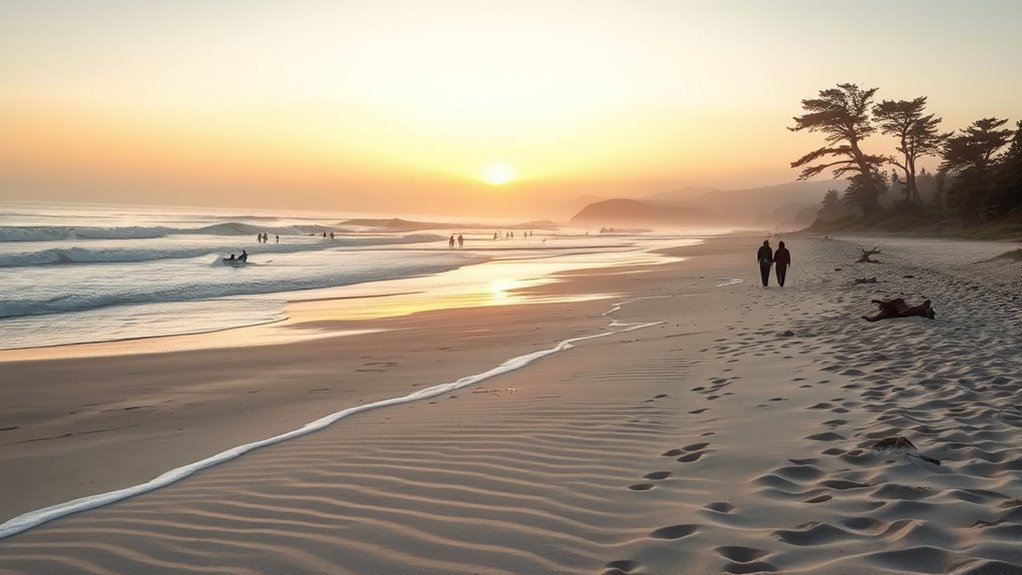
Carmel Beach is one of the easiest places to appreciate the town’s setting. Walk the white sand, watch surfers and shorebirds, look across Carmel Bay toward Pebble Beach, or stay for sunset. Public restrooms and the main beach parking area are near the foot of Ocean Avenue.
The City of Carmel’s beach page notes that there are no lifeguards. The water is cold, and waves and currents can be stronger than they appear. Beachcombing, walking, photography, and watching the water from shore are safer choices than entering unfamiliar surf.
- Walk south for quieter stretches and views of Carmel Point.
- Use the designated stairs and sand ramps instead of crossing fragile bluffs.
- Bring a leash even if your dog qualifies for off-leash voice control on the sand.
Dogs may be off leash on Carmel Beach only when they meet the city’s specific voice-control requirements. Dogs must be leashed on the Scenic Pathway and in other public areas.
Walk the Scenic Road Pathway
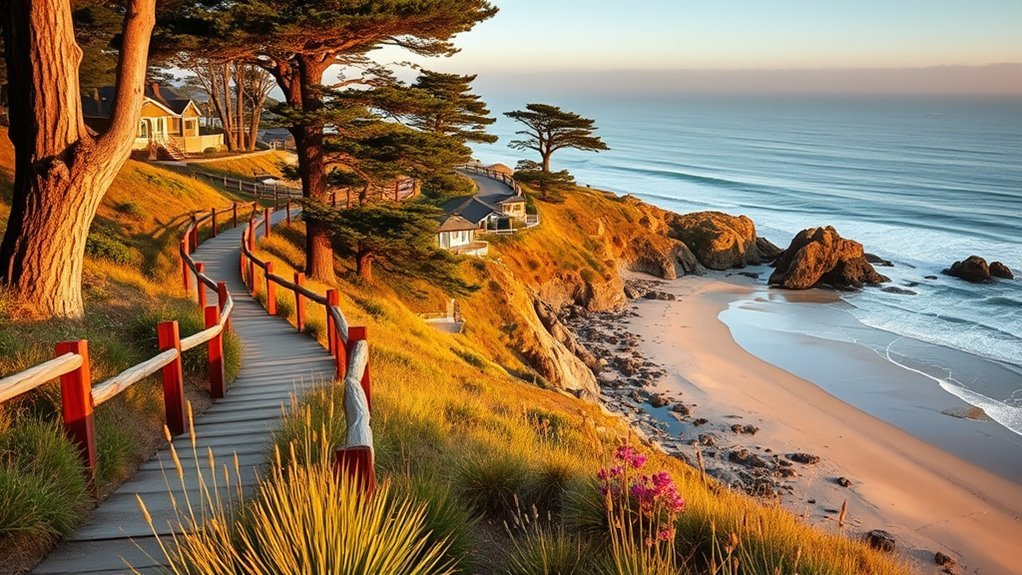
The Scenic Pathway follows the bluff above Carmel Beach and provides ocean views without requiring a walk on soft sand. Start near Scenic Road and Eighth Avenue, then continue south as time and comfort allow. Benches and viewpoints make it easy to pause for photography, whale watching, or a rest.
The path passes landscaped areas, cypress trees, and distinctive homes. Surfaces and grades vary, so visitors with mobility limitations should inspect the route near their chosen access point rather than assuming the full pathway will be comfortable. Keep dogs leashed and stay on designated paths to protect the bluff.
Explore Point Lobos State Natural Reserve
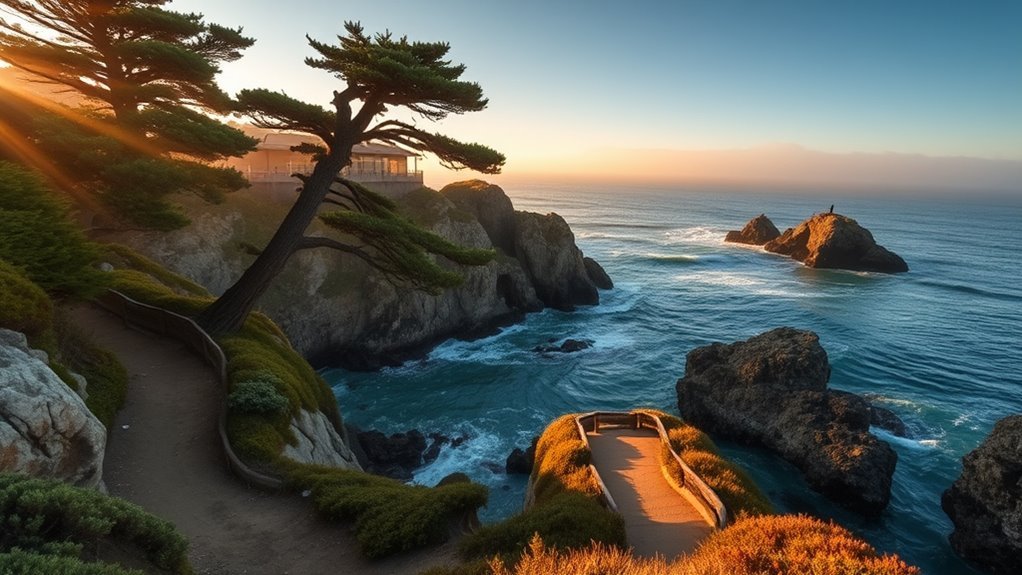
Point Lobos State Natural Reserve, a few miles south of Carmel, protects roughly 500 acres of headlands, coves, coastal scrub, cypress forest, and wildlife habitat. Popular routes include Cypress Grove, Sea Lion Point, South Shore, and Bird Island Trail.
The reserve currently charges $10 per vehicle and is open for day use during posted hours, but parking often fills. Arrive near opening time or be prepared to park legally outside and walk beside Highway 1 with care. Vehicles longer than 21 feet are not permitted inside.
Point Lobos offers a concentrated view of the Central Coast: cypress forest, rocky coves, kelp beds, seabirds, seals, and sea otters within a compact network of trails.
- Choose Cypress Grove for classic cypress and ocean scenery.
- Use Bird Island Trail for views over China Cove and seabird habitat; the commonly described out-and-back route is about 0.8 mile.
- Bring binoculars and remain on marked trails.
Note: Point Lobos prohibits dogs, drones, alcohol, smoking, fires, collecting natural objects, and bicycles on trails. Dogs cannot be left in parked vehicles.
Visit the Historic Carmel Mission
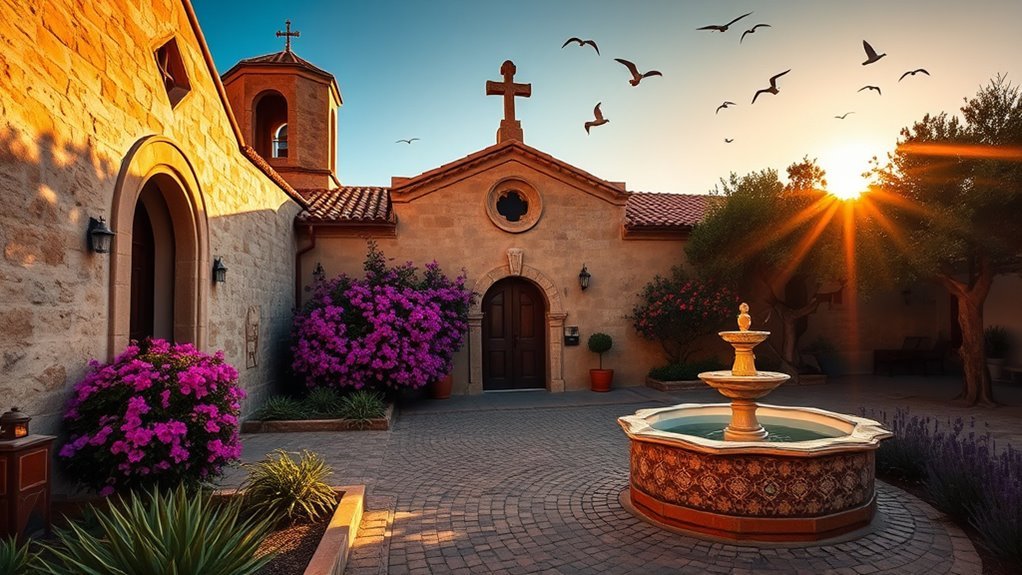
Mission San Carlos Borromeo de Carmelo was founded beside Monterey Bay in 1770 and moved to its Carmel Valley location in 1771. The stone church visitors see today was built later to replace earlier adobe structures. The site is a National Historic Landmark, an active Catholic parish, and a museum complex.
The mission’s visitor page currently lists varying Wednesday-through-Sunday hours, closure on Monday and Tuesday, and adult admission of $15. Hours and prices can change, and access may be affected by worship services, religious holidays, and private events.
Mission History & Architecture
The basilica is known for its stone construction, arched openings, bell tower, star-shaped window, chapels, and restored interior details. Museum displays explain Father Junípero Serra’s role, the mission’s religious life, its decline after secularization, and later restoration efforts.
Read the interpretation critically. California’s mission system was also part of a colonial project that profoundly affected Indigenous communities through displacement, forced cultural change, disease, and coercive labor. A thoughtful visit should make room for both the architecture and this difficult history.
Gardens, Grounds & Artifacts
Courtyards, fountains, planted gardens, tile, carved wood, religious art, and museum objects create a quieter experience than the busy village center. Allow about an hour for the grounds and exhibits, or longer if you like architecture and California history.
Because the mission remains a place of worship, dress and speak respectfully, avoid interrupting services, and follow any restrictions on photography.
Picnic in Devendorf Park
Devendorf Park sits near Ocean Avenue and Junipero Street, making it a convenient place to rest between shops and galleries. Pick up bread, cheese, fruit, pastries, or takeout downtown, then find a bench or lawn area. Public restrooms are available nearby.
Dogs are prohibited in Devendorf Park, including leashed pets, except qualifying service or guide animals under applicable law. Use Carmel Beach or another permitted area when traveling with a pet.
Best Picnic Spots
Choose a shaded bench on a warmer afternoon or a sunny lawn area when the coast is cool. The park works best for a simple lunch rather than an elaborate setup because it is a small, active public space used for community events.
- Buy food before claiming a spot so belongings are not left unattended.
- Keep pathways clear for other visitors.
- Pack out all food wrappers and disposable items.
What to Pack
Bring a light blanket, reusable utensils, napkins, water, sunscreen, and a small trash bag. A soft cooler is useful for cheese and other perishable food. Alcohol rules differ among parks, streets, and the beach, so do not assume that wine is permitted at a picnic site.
| Food | Gear | Extras |
|---|---|---|
| Cheese, bread, fruit | Knife, board, blanket | Napkins, water |
| Pastries, olives | Plates, utensils, bag | Sunscreen, layers |
| Snacks, charcuterie | Cooler bag | Trash bag |
Take the Unofficial Scenic Road Architecture Tour
Scenic Road combines ocean views with an unusual collection of cottages, modern homes, gates, gardens, and historic residences. Among the best-known buildings are the Mrs. Clinton Walker House, also called Cabin on the Rocks, designed by Frank Lloyd Wright, and the Butterfly House, designed by Frank Wynkoop in the early 1950s.
Both are private residences. View them only from legal public areas, avoid blocking driveways, and never enter private paths or gardens. A camera with a moderate zoom is more respectful than approaching a house for a close-up.
- Observe the details: Look for rooflines, stonework, gates, windows, and garden design.
- Stay aware: Scenic Road carries vehicles, bicycles, pedestrians, and dogs.
- Respect privacy: Keep voices low and photograph from public rights of way.
Wander Dolores Street and El Paseo Building
Dolores Street is lined with restaurants, galleries, shops, and small courtyards. Instead of treating it as a direct route, look for passageways and staircases that lead to businesses tucked behind the main storefronts.
The historic El Paseo complex dates to the late 1920s and features Spanish-influenced arches, tile, landscaping, and intimate courtyards. It is a good example of why Carmel rewards slow exploration: many of its most appealing spaces are not obvious from the street.
Browse the Art Galleries of Downtown Carmel
Carmel’s current destination guide describes more than 50 galleries within roughly one square mile. Collections range from photography and coastal landscapes to sculpture, contemporary work, jewelry, and historic California art.
Stroll Gallery Row
There is no need to complete every gallery in one visit. Choose a few streets or media that interest you, then leave time for unexpected finds in side courtyards. Gallery hours vary, and some close earlier than nearby shops and restaurants.
Photography West, the Carmel Art Association, the Center for Photographic Art, and smaller artist-owned spaces offer different experiences. Ask before photographing artwork or interiors.
Meet Local Artists
The Carmel Art Walk is currently scheduled for the second Saturday of each month from 4 to 7 p.m. and highlights participating artist-owned galleries. Schedules can change, so verify the date before planning a trip around it.
Openings and receptions are useful opportunities to ask about materials, techniques, the local landscape, and an artist’s connection to the Monterey Peninsula.
Find Unique Pieces
When considering a purchase, ask about framing, shipping, insurance, care instructions, and the artist’s return policy. Travelers with limited luggage can look for prints, small ceramics, photography books, or jewelry instead of large originals.
- Set a budget before entering high-end galleries.
- Request written information about the artist and work.
- Compare several galleries before making a major purchase.
Shop for Local Goods on Ocean Avenue
Ocean Avenue is Carmel’s main commercial street, but many interesting businesses sit on the cross streets and in courtyards just north and south of it. Look for locally made jewelry, pottery, textiles, art, books, specialty foods, home goods, and small gifts.
Not every product sold in Carmel is locally produced. Ask where an item was made, who designed it, and whether the shop represents regional artists if buying local is important to you.
Sip Wine on the Carmel-By-The-Sea Wine Walk
Carmel now promotes a free mobile Wine Walk guide rather than requiring the old printed passport described in earlier travel guides. The destination currently lists 17 walkable tasting rooms, although participating businesses can change.
Caraccioli Cellars and other downtown rooms pour wines from Monterey County and nearby regions. Tastings, reservations, food service, and age policies are set by each business.
- Limit the route: Two or three tasting rooms are usually enough for one afternoon.
- Eat and hydrate: Do not rely on small tasting-room snacks as a meal.
- Plan transportation: Walk back to your hotel or use a taxi or rideshare rather than driving.
Enjoy Brunch at Stationaery
Stationæry is a small neighborhood restaurant serving seasonal California cooking, coffee, brunch, dinner, and small-production wines. Its compact dining spaces can fill quickly, particularly on weekends.
Review the current menu before visiting because dishes and operating days change. Reserve when available, or arrive early and be prepared to wait. The takeaway window can be useful when you prefer coffee or food to carry toward the beach.
Dine at La Bicyclette
La Bicyclette combines a warm European-style dining room with menus influenced by French and Italian cooking. Seasonal dishes and pizza make it suitable for sharing, but specific ingredients and offerings change regularly.
- Reserve for lunch or dinner when certainty matters.
- Remember that the restaurant keeps some space for walk-in guests.
- Ask the restaurant directly about allergies and dietary needs instead of assuming a dish is safe.
Experience Oaxacan Flavors at Cultura Comida Y Bebida
Cultura Comida y Bebida focuses on Mexican cooking with particular attention to Oaxaca. Its current menus include dishes built around ingredients such as chiles, black beans, vegetables, masa, and mezcal.
The restaurant is located in the Su Vecino Courtyard on Dolores Street. Check the current menu and reservation policy before visiting, especially if you have dietary restrictions or want a particular dish.
Catch a Performance at The Forest Theatre
The historic Forest Theater dates to 1910 and remains an open-air performance venue. Programming can include plays, films, concerts, and community events, but performances are scheduled rather than continuous.
Check the calendar and ticketing details before walking over. Evening temperatures can drop quickly, so bring layers or a blanket when venue rules permit. Arrive early enough to find your seat without disturbing the performance.
Photograph The Tuck Box Cottage
The Tuck Box was built in 1926 by Hugh Comstock and is one of Carmel’s best-known fairytale-style commercial buildings. Its uneven roofline, small windows, stonework, and garden setting make it a popular photography stop.
Visit early for softer light and fewer pedestrians. Photograph from public areas, avoid blocking the entrance, and keep sessions brief when customers are waiting or dining.
Browse Books at Pilgrim’s Way Bookshop
Pilgrim’s Way Community Bookstore is Carmel-by-the-Sea’s only remaining dedicated bookstore. It carries new books, cards, gifts, garden items, and other carefully selected merchandise.
Do not miss the Secret Garden behind the shop. It is a small, quiet detour that fits naturally into a walk between Dolores Street, Ocean Avenue, and the nearby courtyards.
- Browse regional history and nature titles for context on the Monterey Peninsula.
- Ask staff for a locally set novel or travel memoir.
- Check the store’s current event calendar for readings and discussions.
Hike the Nearby Trails and Coastal Bluff Walks
For the strongest combination of scenery and trail variety, choose Point Lobos. Bird Island Trail is a short out-and-back route of roughly 0.8 mile, while Cypress Grove, South Shore, and connected routes can create longer outings.
Within Carmel, the Scenic Pathway offers an easier coastal walk without a park-entry fee. Carmel River State Beach provides views of the river mouth and lagoon, but water conditions can be dangerous. Monastery Beach is dramatic to photograph from shore but should not be promoted as a casual swimming location.
Carry water, use sturdy shoes, and stay behind barriers. Poison oak grows in many Central Coast natural areas, so avoid touching unfamiliar vegetation beside trails.
Spot Wildlife and Marine Life From the Shore
Carmel Beach, Scenic Road, Point Lobos, and overlooks around Carmel Bay can produce sightings of sea otters, harbor seals, sea lions, dolphins, whales, pelicans, cormorants, and shorebirds. Binoculars provide better views without encouraging unsafe approaches.
Wildlife sightings are never guaranteed. Weather, swell, food availability, tides, and seasonal movement all affect what you may see.
Seals and Sea Otters
Sea otters often float near kelp beds, while harbor seals rest on rocks and beaches. Never enter a closed area, approach a pup, feed an animal, or place yourself between an animal and the water.
California State Parks references federal guidance recommending at least 50 yards of distance from seals, sea lions, dolphins, and sea turtles, and at least 100 yards from whales. Use a zoom lens rather than moving closer.
- Keep dogs away from resting or distressed marine mammals.
- Remain quiet and avoid sudden movements.
- Report an injured or stranded animal instead of attempting a rescue yourself.
Shoreline Birdwatching
Dawn and late afternoon often provide pleasant light and active feeding conditions, but good birdwatching is possible throughout the day. Look for pelicans, gulls, cormorants, black oystercatchers, sandpipers, hawks, and seasonal migrants.
Stay on marked routes at Point Lobos and avoid climbing onto rocks used by nesting or resting birds. A local field guide or identification app can help distinguish similar shorebird species.
Relax at La Playa Hotel or Carmel Valley Ranch
La Playa Hotel is a historic in-town property within walking distance of Carmel Beach, galleries, and restaurants. It suits travelers who want to park and explore most of the village on foot.
Carmel Valley Ranch is inland and offers more space, warmer weather, trails, pools, golf, and organized activities. It is not in walkable Carmel-by-the-Sea, so guests should expect to drive between the ranch, beach, and village.
Choose La Playa for a beach-and-village stay; choose Carmel Valley Ranch for a resort-focused trip with more land, activities, and inland sunshine.
Drive the 17-Mile Drive and Visit Pebble Beach
17-Mile Drive loops through Pebble Beach and the Del Monte Forest, passing coastal overlooks, beaches, golf courses, Bird Rock, the Lone Cypress, and Spanish Bay. The current admission fee is $12.50 per vehicle, subject to change.
The fee can currently be reimbursed with a qualifying purchase of at least $35 at participating Pebble Beach Resorts restaurants, excluding Pebble Beach Market. Gates are generally open from sunrise to sunset, motorcycles are prohibited, and access may be restricted during major events.
Allow two to three hours if you plan to stop, walk, and take photographs. A rushed one-hour drive misses much of the value.
Pebble Beach Golf Links is open to the public under reservation rules. For April 1, 2026 through March 31, 2027, the listed green fee is $695, with possible cart, caddie, lodging, and booking requirements. Non-golfers can still enjoy public viewpoints, dining, the visitor center, and the atmosphere around the course.
Attend a Local Food or Wine Festival
Carmel and the wider Monterey Peninsula host wine events, culinary weeks, farmers’ markets, art events, concerts, and seasonal celebrations. Names, venues, dates, and ticket structures change, so treat old event lists as inspiration rather than a current calendar.
- Verify: Check the city, destination, venue, or organizer website.
- Book: Reserve early for limited-capacity tastings and dinners.
- Plan transport: Expect road closures and limited parking during major events.
Take a Day Trip to Monterey and Cannery Row
Monterey is close enough for a half-day or full-day trip. Cannery Row combines waterfront paths, shops, restaurants, historic interpretation, and access to the Monterey Bay Aquarium.
Reserve aquarium admission ahead during busy periods. Other options include a whale-watching cruise, kayaking with a qualified operator, Fisherman’s Wharf, and walking or cycling sections of the Monterey Bay Coastal Recreation Trail.
Traffic can make the drive longer than the mileage suggests. Leave extra time for parking and avoid scheduling a tightly timed Carmel dinner immediately after a cruise or aquarium visit.
Treat Yourself to Pastries, Gelato, and Chocolates
Carmel’s compact center makes it easy to build a dessert walk around pastries, chocolate, coffee, and frozen treats. Business names, menus, and hours can change, so check current listings rather than relying on a fixed sequence.
The Carmel Farmers’ Market is normally held Thursday from 10 a.m. to 2 p.m., with schedule changes possible for holidays, storms, and major events.
Morning Pastries & Coffee
Carmel Bakery is the historic choice, but downtown also has cafés and restaurant takeaway windows that serve coffee and breakfast. Buy only what you can comfortably carry if you plan to continue to the beach.
- Go early to avoid the largest lines.
- Carry drinks securely on sloped streets.
- Use Devendorf Park or a legal public bench rather than blocking a storefront.
Gelato, Chocolates & Treats
Check current menus at Carmel Bakery, local chocolate shops, candy stores, and cafés for gelato, bonbons, baked goods, and seasonal desserts. Products described in older guides may not be offered every day.
For gifts, ask whether chocolate needs refrigeration and whether packaging will tolerate a warm car or flight home.
Shop for Jewelry and Handcrafted Souvenirs
Carmel’s boutiques sell rings, watches, pottery, textiles, photography, prints, home goods, and small keepsakes. B&G Jewelers, Fourtané, gallery shops, and independent makers serve different budgets and styles.
- Ask whether a piece was made locally or merely sold locally.
- Request written details for valuable jewelry, watches, and original art.
- Arrange insured shipping for fragile or expensive purchases.
A thoughtful souvenir does not need to be costly. A regional book, small print, ceramic piece, food product, or locally designed card can be easier to carry and more connected to the trip.
Frequently Asked Questions
Are dogs allowed on Carmel Beach year-round?
Yes. Dogs may be off leash on Carmel Beach when they meet the city’s voice-control requirements. The handler must carry a leash, keep the dog within 25 feet, and maintain close control around other people and animals. Dogs must be leashed on the Scenic Pathway and elsewhere. Dogs are prohibited in Point Lobos and Devendorf Park.
Where can I park for free near downtown Carmel?
Free short-term curbside parking is available throughout the central business district. The city also identifies free unlimited parking at Vista Lobos, parts of Junipero Avenue, Sunset Center’s north lot, most residential streets outside the business district, and the Del Mar lot near Carmel Beach. Read posted signs because time limits and restrictions vary.
Are drones permitted along the coastline and in parks?
Do not assume they are. Point Lobos expressly prohibits drone photography, and California State Park districts may prohibit launching, landing, or operating drones through posted orders. City rules, wildlife protections, temporary restrictions, and federal airspace requirements may also apply. Check the managing agency for the exact launch location before flying.
What are the best months for whale watching nearby?
Whale watching is possible throughout the year. Gray whales are associated with winter and spring migration, humpbacks are commonly present from late April through early December, and blue whales may appear during summer. Wildlife sightings depend on ocean conditions and food availability, so no month guarantees a particular species.
Is Carmel-by-the-Sea wheelchair accessible overall?
Accessibility varies. The city provides designated accessible parking near Carmel Beach, and some downtown businesses and Point Lobos trails have accessible features. However, hills, sand, steps, uneven paths, narrow courtyards, and historic entrances can create barriers. Contact hotels and attractions directly and plan a route around confirmed accessible entrances and restrooms.
How many days do you need in Carmel-by-the-Sea?
One full day is enough for downtown, Carmel Beach, the Scenic Pathway, galleries, shops, and a meal. Plan two days to add Point Lobos or 17-Mile Drive. Three days allow a more relaxed visit with Carmel Mission, Monterey, Pebble Beach, or Carmel Valley.
What should I wear in Carmel-by-the-Sea?
Wear comfortable walking shoes and dress in layers. Coastal wind and fog can make the beach and Point Lobos feel cool even when nearby inland areas are warm. A light rain shell or wind-resistant jacket is useful throughout the year.
Conclusion
Carmel-by-the-Sea is most rewarding when you leave room to wander. Begin with the village, Carmel Beach, and the Scenic Pathway, then choose one larger outing such as Point Lobos, Carmel Mission, 17-Mile Drive, or Monterey. With sensible layers, realistic parking plans, current reservations, and respect for coastal safety and wildlife rules, you can enjoy the town without rushing from one checklist stop to the next.
Sources
- City of Carmel-by-the-Sea: Carmel Beach — dog rules, beach access, parking, restrooms, and lifeguard warning
- City of Carmel-by-the-Sea: Parking — visitor parking locations and time limits
- California State Parks: Point Lobos State Natural Reserve — fees, hours, restrictions, wildlife guidance, and visitor rules
- Carmel Mission: Plan Your Visit — current hours, admission, and visitor information
- Pebble Beach Resorts: 17-Mile Drive — admission, gate hours, reimbursement policy, and access restrictions
- Monterey Bay Aquarium: Humpback Whales — seasonal whale presence in Monterey Bay
