
Last Updated on July 28, 2026 by Daniel Globe
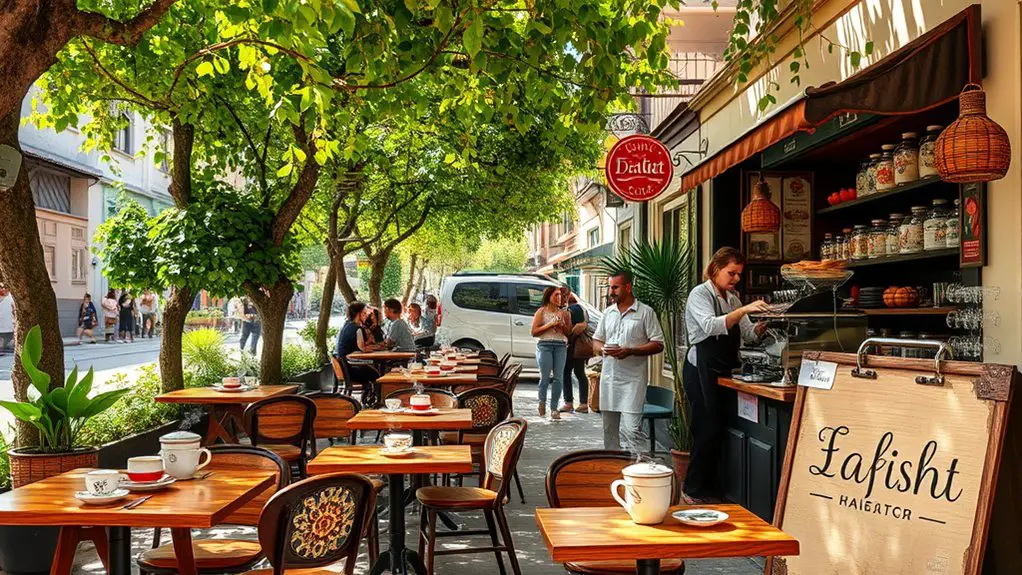
If you are looking for the best coffee shops in Balat, you can choose from antique-filled Turkish coffee houses, quiet garden cafés, breakfast spots, and modern specialty roasters. Most are set along the neighborhood’s colorful, sloping streets near the Golden Horn. Because opening hours, menus, and even business locations can change, check the café’s latest page before making a special trip.
Quick Answer
Balat’s best coffee shops include antique-filled cafés such as Cafe Naftalin K and Velvet Cafe, coffee-focused spots such as Cumbalı Kahve and Coffee Department, and newer specialty roasters such as ARC Coffee Co. Most sit on historic side streets near—not directly on—the Golden Horn, so choose by atmosphere, coffee style, food, and seating.
Key Takeaways
- Cafe Naftalin K and Velvet Cafe are strong choices for nostalgic décor and a slower, more atmospheric visit.
- Cumbalı Kahve, Coffee Department, and ARC Coffee Co. place more emphasis on beans, roasting, and specialty preparation.
- Balat borders the Golden Horn, but many cafés are on inland streets and do not have direct water views.
- The T5 tram’s Fener and Balat stations make the neighborhood easier to reach from Eminönü.
- Hours, menus, Wi-Fi, outlets, pet rules, and dietary choices should be confirmed directly with the café.
Balat Cafés at a Glance
| Cafe Naftalin K | Vintage décor, resident cats, Turkish coffee, and a memorable first visit to Balat |
| Velvet Cafe Balat | A hidden garden, vintage surroundings, Turkish breakfast, and an unhurried coffee break |
| Cumbalı Kahve | Turkish and specialty coffee from an independent shop with its own Balat roasting workshop |
| Coffee Department | Espresso, filter coffee, rotating beans, and a brighter setting that may suit short laptop sessions |
| ARC Coffee Co. | A modern micro-roastery and café for visitors who want a current specialty-coffee experience |
| Cafe Dora | A relaxed break on Vodina Caddesi while walking through central Balat |
Disclosure: As an Amazon Associate I earn from qualifying purchases. Some links on this page are affiliate links, at no extra cost to you.
How to Choose a Balat Coffee Shop
Start by deciding what matters most. Balat’s cafés can look similar in photographs, but they offer different experiences once you sit down.
- For vintage character: Choose Cafe Naftalin K or Velvet Cafe, where antiques and mismatched furniture are part of the experience.
- For traditional Turkish coffee: Look at Cafe Naftalin K or Cumbalı Kahve, then ask which regional or house preparations are available that day.
- For specialty coffee: Coffee Department, Cumbalı Kahve, and ARC Coffee Co. are better matches for espresso, filter coffee, fresh roasting, and bean discussions.
- For breakfast: Velvet Cafe is better suited to a longer Turkish breakfast or brunch than a quick takeaway stop.
- For laptop time: A brighter, coffee-focused shop may be more practical than a small antique café, but confirm Wi-Fi, outlets, and laptop rules first.
- For outdoor seating: Velvet Cafe’s garden is a notable choice. Other cafés may place a few tables along the street rather than offering a full terrace.
Vintage Coffee Houses in Balat
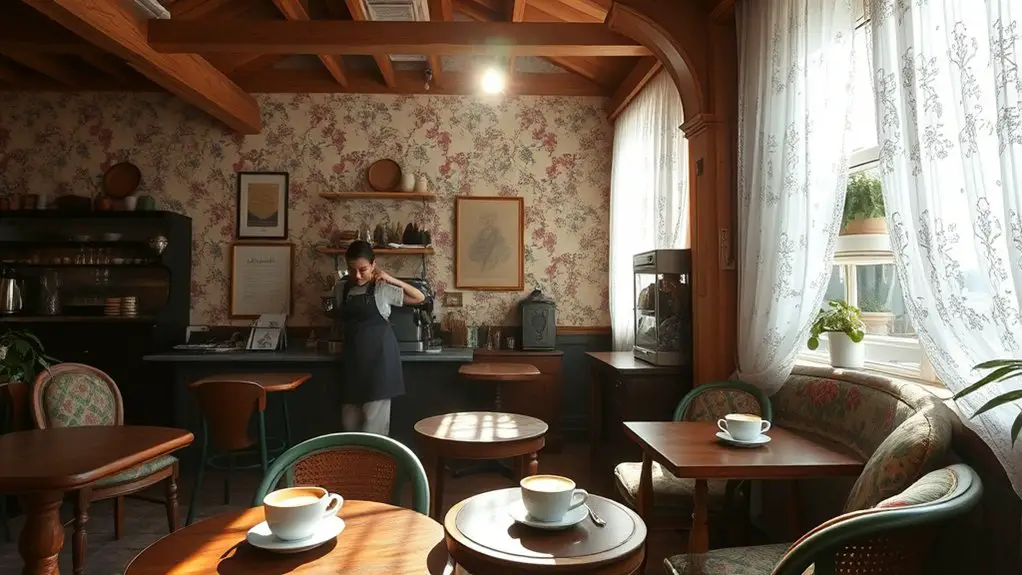
Stepping into one of Balat’s older-style coffee houses can feel like entering a lived-in family room rather than a polished chain café. The most recognizable example is Cafe Naftalin K on Yıldırım Caddesi. Its interior is filled with old crockery, grandfather clocks, typewriters, telephones, biscuit tins, framed photographs, soda bottles, miniature cars, and worn wooden furniture.
The café is also known for resident cats that move between the tables. That makes it memorable, but visitors with allergies or a strong dislike of animals should take the setting into account before choosing it.
Cafe Naftalin K serves coffee, tea, breakfast items, pastries, and light meals. Regional coffee choices may appear on the menu. One frequently reported option is a Mardin-style blend served with sugared almonds, although ingredients and preparation can change. Ask the server what is included rather than assuming every Mardin coffee uses the same spices.
Pro Tip: Small vintage cafés can become crowded when walking tours reach Balat. Visiting earlier in the day or on a weekday gives you a better chance of enjoying the interior without feeling rushed.
Where Tradition Meets Modern Brewing
Balat’s coffee scene is not limited to decorative vintage cafés. Several shops combine Turkish coffee traditions with espresso, filter brewing, and small-batch roasting.
Cumbalı Kahve
Cumbalı Kahve describes itself as an independent boutique coffee shop operating in Balat since 2015. Its café and roasting workshop are located on Kürkçü Çeşmesi Sokak, making it a practical choice for visitors who want traditional Turkish coffee and modern specialty options in the same stop.
Rather than presenting it only as a meeting point for travelers and artisans, it is more useful to think of Cumbalı as a coffee-focused shop. Visitors can ask about its current beans, brewing choices, Turkish coffee preparations, and roasted coffee for sale.
Coffee Department
Coffee Department takes a cleaner, third-wave approach. It focuses on sourcing, roasting, espresso, filter coffee, and fresh beans. The Balat location attracts visitors who care more about the cup than elaborate themed décor.
Its brighter setting can also be more comfortable for reading, conversation, or a short laptop session. However, seating, Wi-Fi, electrical outlets, and laptop policies are operational details rather than permanent amenities, so ask before settling in for several hours.
ARC Coffee Co.
ARC Coffee Co. is a newer specialty option in Balat. Its official site identifies the location as a combined micro-roastery and café on Yarım Balat Sokak. This makes it a useful addition for serious coffee drinkers who want to see a more production-focused side of the neighborhood’s café scene.
Together, Cumbalı Kahve, Coffee Department, and ARC Coffee Co. show how Balat layers modern roasting and brewing methods onto a district better known for antiques, colorful houses, and historic streets.
Hidden Courtyards and Vintage Decor
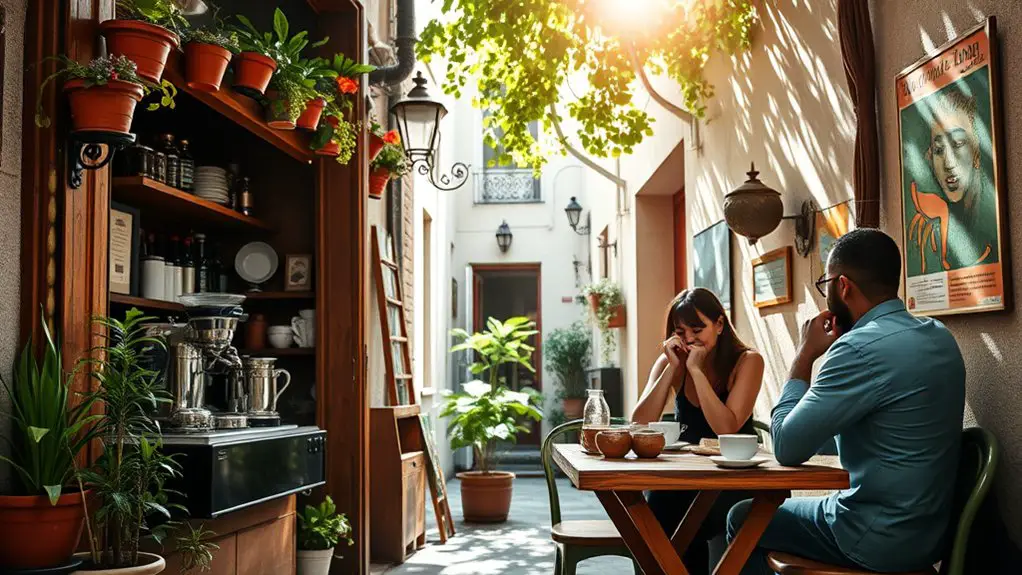
Some of Balat’s most relaxing cafés sit away from the busiest photo stops. Their appeal comes from shaded courtyards, old furniture, small rooms, and a pace that feels slower than central Istanbul’s busier café districts.
Velvet Cafe’s Hidden Garden
Velvet Cafe Balat, on Çimen Sokak, is a strong choice for a garden break. Visitors can sit indoors among vintage furnishings or use the small hidden garden when it is open. The café is particularly well suited to Turkish breakfast, brunch, tea, dessert, or a longer conversation.
One of Velvet Cafe’s distinctive features is its collection of antique Turkish coffee cups. Depending on current service arrangements, guests may be invited to choose a cup. Treat this as part of the café’s character rather than a guaranteed procedure on every visit.
Vintage Details at Cafe Naftalin K
Cafe Naftalin K takes a more crowded, playful approach to vintage décor. Look for old telephones, antique clocks, mismatched chairs, framed photographs, typewriters, crockery, bottles, trinkets, exposed surfaces, and shelves packed with objects.
| Furniture | Mismatched chairs, worn wooden tables, cabinets, shelves, and dark wood pieces |
| Display objects | Clocks, telephones, photographs, tins, bottles, crockery, miniature cars, and typewriters |
| Overall feeling | More like an antique-filled home than a minimalist modern coffee shop |
These details make the cafés enjoyable for photography and people-watching, but the rooms may feel tight when tour groups arrive.
Finding a Quieter Local Atmosphere
For a peaceful break, walk a few streets away from the busiest painted staircases and photo façades. Smaller cafés may have only a handful of tables, simple menus, handmade decorations, and resident animals. The trade-off is that they may also have fewer outlets, smaller restrooms, and less predictable opening hours.
Coffee Near the Golden Horn: What to Expect
Balat and neighboring Fener sit beside the Golden Horn, but “near the water” and “waterfront view” are not the same thing. Many of the area’s best-known cafés are set one or more streets inland, sometimes behind buildings or on sloping roads.
Are There Direct Water Views?
You can reach the Golden Horn waterfront on foot from the neighborhood’s central café streets. Some streets and elevated points offer glimpses of the water, but you should not assume that every café with outdoor seating has an open Golden Horn panorama.
Cafe Dora, listed on Vodina Caddesi, can work as a relaxed stop while exploring central Balat and walking toward the shoreline. Its location is convenient, but visitors seeking a guaranteed water view should check current map photographs or choose a clearly marked waterfront venue.
Outdoor Seating Options
Outdoor seating in Balat is often informal. A café may have two or three tables beside a doorway, seating along a narrow street, or a small rear courtyard rather than a large terrace.
Velvet Cafe’s hidden garden is one of the clearer choices for a more sheltered outdoor setting. Elsewhere, street seating is better for watching neighborhood life but may include traffic noise, cigarette smoke, steep pavement, or little shade.
Note: Smoking may be permitted in some outdoor areas. Ask for a smoke-free table before ordering if smoke is a concern.
Art-Inspired and Newer Cafés
Balat’s artistic identity extends into small cultural spaces, workshops, galleries, and cafés. These venues may host exhibitions, performances, discussions, or community events alongside drinks and food.
YOLO Art Center and Café was documented as a Balat cultural space built around art, conversation, and community. However, its current social profile may display a Beyoğlu address rather than a Balat location. It should therefore be treated as a historically Balat-associated arts venue, not a guaranteed stop on a current Balat café walk.
Warning: Verify YOLO Art Center’s current address before traveling there. Business relocations and temporary event venues can make older Balat recommendations inaccurate.
Balat’s café scene mixes antique-filled rooms, coffee-focused roasters, and creative community spaces rather than following one single style.
Newer cafés often combine vintage furniture with contemporary lighting, artwork, and espresso equipment. They appeal to travelers, local creatives, students, and remote workers, but their busiest periods may be less suitable for quiet laptop work.
Traditional Turkish Coffee Experiences
Turkish coffee is more than a menu item. UNESCO inscribed Turkish coffee culture and tradition on the Representative List of the Intangible Cultural Heritage of Humanity in 2013. The recognition covers its preparation, social customs, hospitality, conversation, ceremonies, and place in everyday life.
Turkish coffee culture and tradition have appeared on UNESCO’s Representative List of the Intangible Cultural Heritage of Humanity since 2013.
Historic Coffee House Atmosphere
A café does not need to be centuries old to create a connection with Turkish coffee culture. Cafe Naftalin K does this through antique furniture, regional menu choices, small cups, resident cats, and a setting that encourages guests to sit rather than rush away.
Cumbalı Kahve offers a different interpretation. Its surroundings reference Balat’s older character, while its roasting operation and specialty options bring modern coffee practice into the same experience.
How Turkish Coffee Is Prepared
Turkish coffee starts with beans ground to a powder-like texture. The coffee, cold water, and any requested sugar are combined in a cezve, a small long-handled pot. The mixture is heated gently until a layer of foam rises toward the top.
The cezve should be removed before the coffee boils over. Depending on the house method, some foam may be portioned into the cup before the remaining coffee is heated briefly again. The finished drink is poured without filtering, so the fine grounds settle at the bottom of the cup.
Let the drink rest briefly before sipping. Do not drink the final layer of grounds. A small glass of water or a sweet such as Turkish delight or sugared almonds may be served alongside it.
How to Order It
Sugar is normally added during preparation rather than stirred into the finished cup. Tell the server your preference when ordering:
- Sade: Unsweetened
- Az şekerli: Lightly sweetened
- Orta: Medium sweet
- Şekerli: Sweet
Regional and house blends vary. Some may include spices, pistachio, mastic, menengiç, caramel-like flavoring, or other ingredients, while others are simply finely ground coffee. Ask what is in the blend if you have allergies or want a traditional plain Turkish coffee.
Flavor and Texture
Traditional Turkish coffee is concentrated, unfiltered, and full-bodied. The foam provides a softer first sip, while the suspended fine particles give the drink a thicker texture than filtered coffee. Flavor depends on the beans, roast, sugar level, water, and whether a regional blend is used.
Pair it with Turkish delight, a small dessert, sugared almonds, or simit. Drink it slowly and allow the grounds to remain at the bottom.
Cozy Spots for Remote Work and Conversation
Balat can be an enjoyable place to read, write, or catch up with friends, but not every café is designed as a coworking space. Small antique cafés may have limited tables, weak mobile reception in interior rooms, few power outlets, or a steady stream of photography visitors.
Coffee Department is one of the more practical candidates for a short work session because of its coffee-focused setting. Cumbalı Kahve or ARC Coffee Co. may also suit visitors who want to work over a specialty drink, depending on the day’s seating and house policy.
Note: Wi-Fi, electrical outlets, laptop rules, and time limits are not always published online. Ask staff before ordering if you plan to work for more than a short period, and avoid occupying a large table during a busy meal service.
For conversation rather than work, Velvet Cafe’s garden or one of Balat’s small street-side cafés may be a better fit. The best choice depends on weather, smoke, crowd levels, and whether you want a full meal.
Plan Your Balat Café Visit
How to Get to Balat
The simplest rail option from the Historic Peninsula is the T5 Eminönü–Alibeyköy tram. The line includes both Fener and Balat stations. Choose the stop closest to the café or landmark where you want to begin.
From Eminönü, the tram also avoids part of the slow road traffic that buses and taxis can face along the Golden Horn. Bus routes serve the area as well, but routes and diversions can change.
Walking Conditions and Accessibility
Balat is a historic neighborhood with hills, narrow streets, uneven paving, and cobblestones. Comfortable walking shoes are useful even for a short café visit.
The T5 stations are more accessible than many of the neighborhood’s side streets, but individual cafés may have steps, narrow entrances, small restrooms, or tightly spaced tables. Contact the business directly when step-free entry or an accessible restroom is essential.
Best Time to Visit
A weekday morning generally offers the best chance of finding a quieter table and photographing the streets before larger groups arrive. Weekend afternoons can feel livelier but may involve waits at small cafés.
Outdoor seating is most comfortable in mild weather. During summer, look for shade or a garden. In winter, confirm that courtyard seating is open and heated before relying on it.
Hours, Payments, and Menus
Independent café hours can change for holidays, private events, maintenance, or seasonal schedules. Check an official website, current social profile, or same-day map listing before visiting.
Many Istanbul cafés accept cards, but carrying some Turkish lira is sensible for small purchases or temporary payment-terminal problems. Menus and prices can change quickly, so avoid relying on an old photograph of a menu.
Warning: For severe food allergies or celiac disease, do not rely only on “vegan” or “gluten-free” directory labels. Ask the café about ingredients, shared preparation areas, and cross-contact before ordering.
A Simple Balat Café Walk
- Begin near the Balat or Fener T5 stop. Walk inland toward the historic streets and colorful façades.
- Choose one vintage stop. Visit Cafe Naftalin K for dense antique décor and cats, or Velvet Cafe for a garden and longer breakfast.
- Add one coffee-focused stop. Continue to Cumbalı Kahve, Coffee Department, or ARC Coffee Co. for espresso, filter coffee, or freshly roasted beans.
- Finish near the Golden Horn. Walk back toward the waterfront rather than assuming your inland café will have an open water view.
This route gives you two different café styles without turning the day into a series of repetitive stops. Leave time for the neighborhood’s churches, synagogues, mosques, antique shops, colorful houses, and steep residential streets.
Historic Cafés and Balat’s Local Heritage
Balat’s appeal comes from more than coffee. Official tourism sources describe it as a historic neighborhood shaped by Jewish, Greek Orthodox, Armenian, Bulgarian, Muslim, and other communities. Its colorful houses line sloping streets, and some surviving homes are reported to be up to roughly 200 years old.
Cafés such as Cafe Naftalin K draw on that setting through old household objects and furniture. Their interiors can feel like informal collections, but they should not be confused with formal museums or assumed to be historically unchanged businesses.
Balat’s antique-filled cafés act like informal memory rooms, where old cups, clocks, photographs, and furniture connect a coffee break with the neighborhood’s visual history.
Pairing a café stop with a walk through Balat and Fener provides a fuller experience than visiting only for a photograph. Be respectful around homes, schools, places of worship, and residents who use these streets every day.
Frequently Asked Questions
Which Balat cafés serve traditional Turkish coffee?
Cafe Naftalin K is known for Turkish coffee and reported regional options such as Mardin-style coffee served with sugared almonds. Cumbalı Kahve combines Turkish preparations with specialty coffee and its own roasting operation. Ask about the day’s menu because regional blends and accompaniments may change.
Which café is best for specialty coffee?
Coffee Department, Cumbalı Kahve, and ARC Coffee Co. are the strongest choices for visitors interested in espresso, filter brewing, fresh roasting, and specialty beans. Available origins and brewing methods can rotate, so ask staff what is currently being served.
Are there dog-friendly coffee shops in Balat?
Some small independent cafés are relaxed about pets, particularly at outdoor tables, and resident cats are common at certain venues. Policies can change and indoor space may be limited, so contact the café before bringing a dog.
Which cafés are suitable for remote work?
Coffee-focused shops such as Coffee Department may be more practical for a short laptop session than crowded antique cafés. Wi-Fi, outlets, seating limits, and laptop rules are not guaranteed, so ask staff before planning a full workday.
Do Balat’s coffee shops have outdoor seating?
Yes. Velvet Cafe is known for a hidden garden, while other cafés may have a few tables along the street. Outdoor areas vary in shade, smoke exposure, noise, and seasonal availability.
Do Balat cafés have direct Golden Horn views?
Some streets and elevated points offer glimpses of the Golden Horn, but many well-known cafés are located inland and do not have unobstructed waterfront views. Check recent photographs when a direct view is a priority.
Are vegan or gluten-free options available?
Some cafés offer plant-based drinks, vegan dishes, or items without gluten-containing ingredients. Selection varies, and a menu label does not guarantee protection from cross-contact. Confirm ingredients and preparation practices directly when an allergy or medical restriction is involved.
How do I reach Balat by public transport?
Use the T5 Eminönü–Alibeyköy tram and exit at Fener or Balat. Both stations place you within walking distance of the neighborhood’s café streets, although the final walk may include hills, cobblestones, and uneven pavement.
What is the best time to visit Balat’s cafés?
A weekday morning usually gives you a better chance of finding a quiet table. Weekend afternoons are livelier but can bring waits at small cafés. Always check current opening hours before traveling.
Sources
- UNESCO: Turkish Coffee Culture and Tradition — supports the drink’s 2013 intangible-cultural-heritage inscription and social importance
- GoTürkiye: Hidden Istanbul—A Day in Balat — supports the neighborhood’s colorful houses, historic streets, and tourism context
- Visit Istanbul: Balat — supports Balat’s Golden Horn location and multicultural heritage
- Metro Istanbul: T5 Eminönü–Alibeyköy Tram — confirms the current Fener and Balat stations
- Cumbalı Kahve Official Website — supports its Balat café, boutique-coffee, and roasting-workshop details
- Coffee Department Official Locations — supports its current Balat presence and coffee-focused operation
Conclusion
Balat offers several real, walkable coffee experiences, but the best choice depends on what you want from the stop. Choose Cafe Naftalin K for dense vintage character and resident cats, Velvet Cafe for a garden and Turkish breakfast, Cumbalı Kahve for traditional and specialty coffee, or Coffee Department and ARC Coffee Co. for a more modern roasting focus.
Plan for hills and cobblestones, use the T5 tram to reach Fener or Balat, and do not assume that a café near the Golden Horn has a direct waterfront view. Check the latest opening hours and location before leaving, then allow enough time to explore the neighborhood beyond its most photographed streets.
