

Last Updated on September 11, 2026 by Logan Reeves
Wildlife photography pushes both your patience and your gear. You need a camera that balances reach, autofocus reliability, low-light performance and durability so you can capture decisive moments from a distance without disturbing animals.
Choosing the right body helps you spend less time fighting equipment and more time making images, whether you track fast birds in flight or wait for a shy mammal at dusk. This guide highlights options that deliver specific strengths so you can match a camera to the species, habitats and shooting style you care about most.
Disclosure: As an Amazon Associate I earn from qualifying purchases. Some links on this page are affiliate links, at no extra cost to you.
Top Picks
|
Category |
Product |
Score |
|---|---|---|
|
🏆 Best Bridge Zoom |
88/100 |
|
|
💼 Best High-Res DSLR |
96/100 |
|
|
🎯 Best Travel APS-C |
90/100 |
|
|
🚀 Most Reach |
85/100 |
|
|
💰 Best Value DSLR |
89/100 |
|
|
⭐ Best Full-Frame Workhorse |
92/100 |
|
|
🔰 Best Fast DSLR |
88/100 |
|
|
🎨 Best Hybrid Speed |
95/100 |
|
|
📸 Best APS-C Reach |
93/100 |
|
|
🌟 Best Versatile Mirrorless |
94/100 |
Selection Criteria
You want gear that performs where wildlife photography demands it most: reach, autofocus, frame rate, sensor performance in low light, and practical ergonomics for long shoots. I evaluated bodies for focal-length flexibility or adaptability to long lenses, AF systems that lock on animals, continuous shooting and buffer performance for action, sensor size and dynamic range for low-light and detail retention, stabilization for handheld work, and overall build and connectivity for remote or field workflows. Price-to-performance and real-world reviewer themes were weighed so you can quickly identify which camera matches the species, terrain and budget you are working with.
Sony RX10 IV

If you want one body that covers everything from close wildlife to distant birds without swapping lenses, this is the camera you reach for. You get a true superzoom lens, a larger 1‑inch sensor than most compact superzooms, fast burst speeds and reliable stabilization, so you can shoot handheld and still get usable frames. It works well for day‑to‑day nature walks, travel when you want to travel light, and serious field sessions where lens changes are impractical. For most users who value reach and simplicity over swapping glass, it’s an easy recommendation as a single‑lens wildlife tool.
What People Say
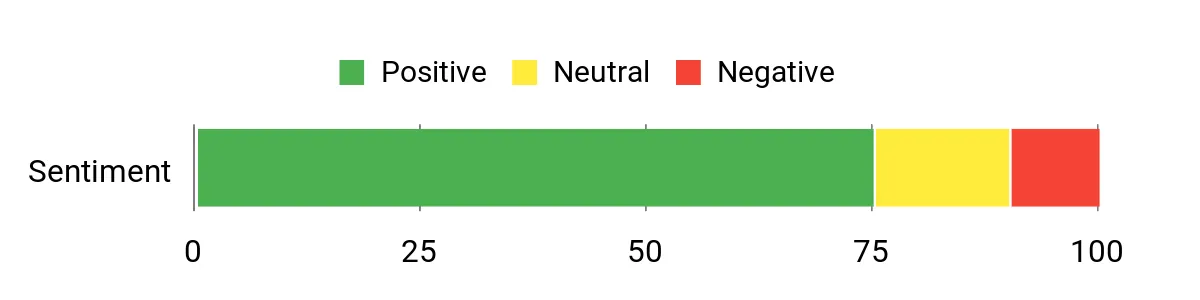
Customers often praise the RX10 IV for its razor‑sharp results across the zoom range, dependable autofocus and remarkable burst speed that makes bird and action shots easier to capture. People also appreciate the convenience of a single lens solution and the strong stabilization, while a few mention minor drawbacks like bundled third‑party batteries and the camera’s relative light sensitivity in very low light.
Overall Sentiment: Positive
When It Helps Most
|
Situation |
How It Helps |
|---|---|
|
Birding at a Distance |
The long 24–600mm zoom and stabilization let you frame small, fast birds without lugging a huge telephoto, so you can react quickly when subjects appear. |
|
Travel and Backpacking |
You avoid multiple heavy lenses while keeping a huge focal range available, which makes it simpler to travel light and still get close‑up wildlife shots. |
|
Fast Action and Flight |
High continuous shooting rates and a responsive AF system increase your chances of nailing split‑second behavior and wingbeats. |
|
Handheld Low‑Light Scenes |
Optical stabilization and the camera’s processor help you get steadier shots at slower shutter speeds, though you may still rely on noise reduction in post for very dim conditions. |
Travel Friendliness
Very Good — Single‑lens convenience reduces kit bulk and hassle, though it’s a solid, substantial camera compared with small compacts.
Key Benefits
- Extraordinary built‑in reach from 24–600mm without lens changes
- Fast continuous shooting and snappy autofocus for action
- 1‑inch sensor delivers noticeably better detail than typical compacts
- Optical stabilization keeps long‑range shots usable handheld
Rating: 4.4 (total: 56+)
Nikon D850

You get one of the most versatile full‑frame DSLRs ever made: massive resolution for large prints and tight crops, plus the speed and autofocus to track moving subjects. It’s the camera you reach for when image quality matters and you still need to catch action, whether you’re shooting distant mammals at dawn or landscapes for gallery work.
The build and battery life stand up to long days in the field, though you should expect a substantial, well‑balanced kit once you add telephoto glass. If you want a single body that handles high‑resolution stills and demanding shooting scenarios, this is a top choice.
What People Say
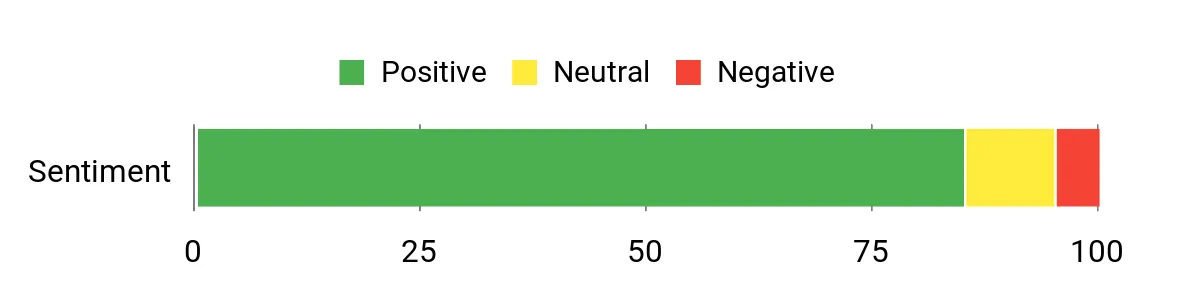
Owners regularly highlight the D850’s image quality and dynamic range as its standout strengths, noting how much detail they can recover for big prints or tight crops. Reviewers also praise the autofocus and burst performance for wildlife and action, and many mention the solid build and battery life as practical assets for long outings. A few users point out the camera’s size and complexity, saying it’s a serious tool that rewards familiarity.
Overall Sentiment: Positive
When It Helps Most
|
Situation |
How It Helps |
|---|---|
|
Large Print Work |
The 45.7MP sensor gives you the resolution to produce gallery‑quality prints and to crop tightly without losing detail. |
|
Fast Wildlife Action |
The 153‑point AF and 9 fps continuous shooting improve your odds of freezing wingbeats and quick movements with accurate focus. |
|
Focus Stacking & Landscapes |
High resolution and precise controls make focus stacking and landscape detail work straightforward for demanding scenes. |
|
Extended Field Sessions |
Professional battery life, rugged construction and tethering options let you shoot long days and run workflows in‑field or in studio. |
Travel Friendliness
Moderate — built like a pro body, so it’s heavier and best for planned trips where you want top image quality rather than ultralight carry.
Key Benefits
- Outstanding 45.7MP detail for large prints and heavy cropping
- Robust AF system and 9 fps burst for action and wildlife
- Wide dynamic range and strong low‑light performance
- Professional build, excellent battery life and tethering options
Rating: 4.7 (total: 796+)
Sony A6600

If you want a compact body that still feels like a pro tool, this is a strong pick. You get reliable real‑time tracking and Eye AF, 5‑axis stabilization, and a solid buffer for bursts, so you can follow birds or mammals without missing the moment.
It’s light enough to carry all day yet rugged and capable enough for serious shoots, and the 4K video makes it handy when you want moving footage as well as stills. For travel days or field sessions where you want speed and portability together, it’s an easy camera to work with.
What People Say
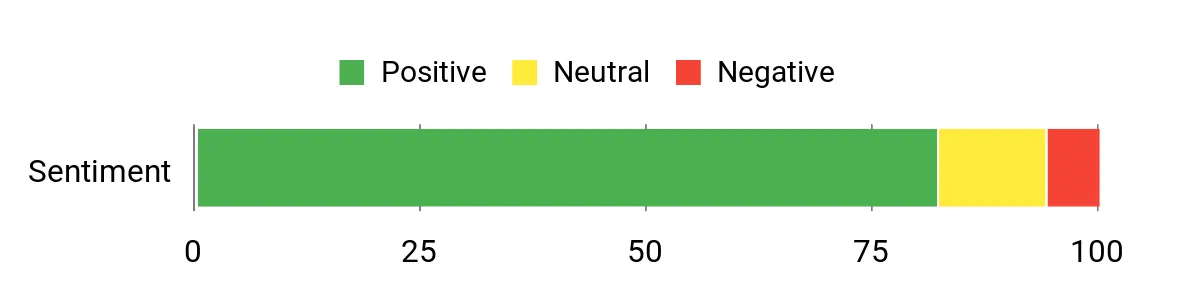
Owners frequently highlight the autofocus and tracking as the features that make wildlife work much easier, especially when subjects move unpredictably. Many users appreciate the stabilization and compact size for long walks and travel, and reviewers often note the camera’s strong video capabilities alongside stills performance.
A minority mention that mastering all the settings takes a little time, but most find the results well worth it.
Overall Sentiment: Positive
When It Helps Most
|
Situation |
How It Helps |
|---|---|
|
Birding and Flight Shots |
The real‑time tracking and fast burst rates help you keep focus on quick movers, improving your hit rate on wingbeats and flight paths. |
|
Travel and Lightweight Trips |
Its small footprint and good stabilization let you cover long distances without heavy lens swaps, so you can capture a wider variety of subjects on the go. |
|
Handheld Low Light |
Five‑axis IBIS smooths camera shake, letting you use slower shutter speeds with less blur and cleaner handheld shots at dusk or in shaded habitats. |
|
Hybrid Photo/Video Shoots |
4K capture, reliable AF in video and strong stills performance let you switch between formats seamlessly when behavior or lighting change. |
Travel Friendliness
Excellent — compact size and good battery life make it a strong companion for multiday trips where you want reach without bulk.
Key Benefits
- Industry‑leading real‑time tracking and Eye AF for animals
- 5‑axis sensor stabilization for sharper handheld tele shots
- Compact, comfortable body that’s easy to carry all day
- Good burst performance and 4K video for mixed workloads
Rating: 4.7 (total: 442+)
Nikon P1000

If you want reach that removes the need for massive telephoto glass, this is the camera you bring. You can frame distant birds, distant mammals, or even lunar detail without changing lenses, and the articulating screen and RAW support make framing and post work practical.
It’s great for backyard birding, travel where you want serious reach without multiple lenses, and situations where a tripod or monopod is acceptable. Keep in mind it’s a substantial compact: you gain extraordinary focal length and convenience at the expense of size and optical limits at the extreme end, so choose it when reach matters more than ultimate sensor performance.
What People Say
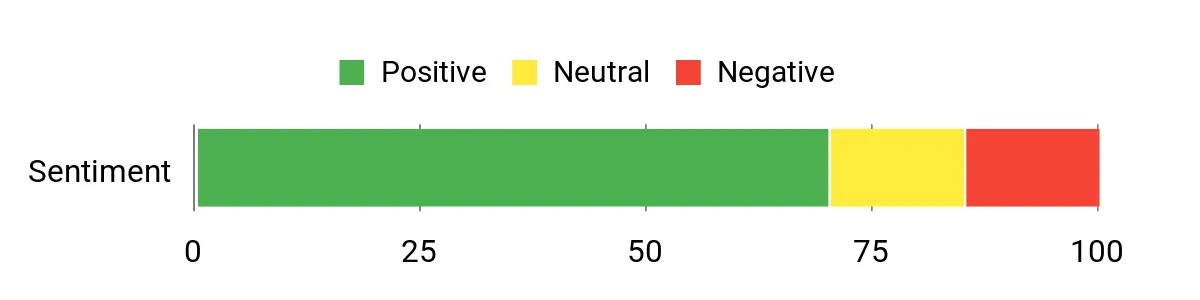
Buyers frequently highlight the P1000’s mind‑blowing zoom as the defining feature, praising the ability to get close without changing lenses. Reviewers also note the useful 4K video and RAW support, and many appreciate the stabilization and articulating screen.
Common caveats include the camera’s bulk compared with small compacts and reduced image quality at the absolute longest focal lengths.
Overall Sentiment: Positive
When It Helps Most
|
Situation |
How It Helps |
|---|---|
|
Backyard Birding |
You can capture small birds at long distances from a porch or blind without needing specialized lenses, so you spend more time shooting and less time swapping gear. |
|
Travel With Reach |
Instead of packing multiple heavy telephotos, the P1000 gives a huge focal range in one body, useful when you want extremes of reach but limited luggage space. |
|
Moon and Distant Subjects |
The extreme focal length makes lunar and distant landscape detail accessible in-camera, letting you frame features you wouldn’t reach with ordinary telephotos. |
|
Field Trips With Support |
When you use a tripod or monopod the stabilization and long lens become far more effective, improving sharpness at long focal lengths. |
Travel Friendliness
Moderate — eliminates multiple lenses but the camera is heavy and best paired with support for long sessions.
Key Benefits
- Unrivaled built‑in reach for distant subjects
- 4K video and RAW give flexibility for hybrid shooters
- Hybrid image stabilization helps handheld long shots
- Articulating LCD and compact form for varied shooting angles
Rating: 4.5 (total: 741+)
Nikon D7500

You get a strong, purpose-built DSLR that balances speed, image quality and usability. The D7500 is nimble enough for day hikes and rugged enough for longer field sessions, with reliable autofocus and a useful burst rate for wildlife behavior.
It handles both stills and 4K video well, so you can switch formats without changing your workflow. If you want a camera that grows with your skills while staying comfortable to carry all day, this is a practical choice.
What People Say
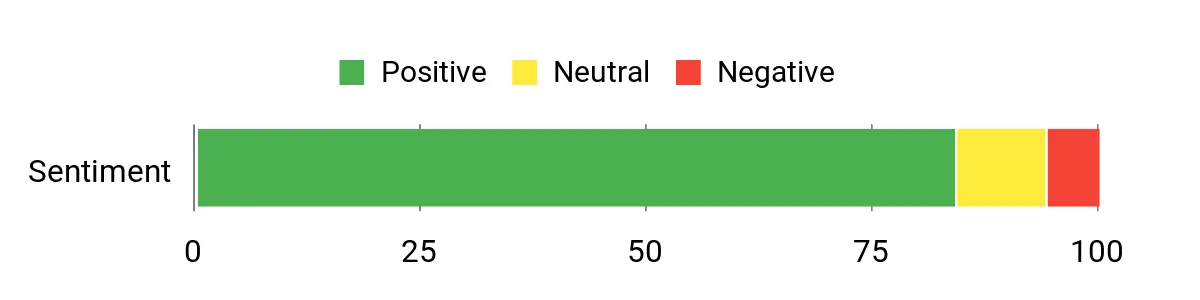
You’ll notice reviewers consistently call out the D7500’s sharp images and dependable autofocus as top strengths for wildlife and action. People also value the camera’s feature set—4K video, tilting touchscreen and customizable controls—while mentioning that there’s a learning curve to get the most from its options. Overall, users appreciate a professional feel without the bulk of larger pro bodies.
Overall Sentiment: Positive
When It Helps Most
|
Situation |
How It Helps |
|---|---|
|
Safari and Safaris |
The fast AF and 8 fps burst help you capture fleeting animal behavior while the camera’s battery life keeps you shooting through long days. |
|
Trail and Day Hikes |
Lightweight for a DSLR and easy to handle, it lets you move quickly between vantage points without sacrificing image quality. |
|
Hybrid Photo/Video Days |
4K capture and strong stills performance mean you can record behavior and pull high-quality frames for photos without switching gear. |
|
Learning Advanced Techniques |
A wide range of customizable controls and shooting modes lets you grow into more advanced workflows like manual exposure and custom AF setups. |
Travel Friendliness
Good — Compact for a DSLR and comfortable to carry, making it a solid choice when you want capability without excessive bulk.
Key Benefits
- Responsive 51-point AF system that tracks moving subjects
- 8 fps continuous shooting for action sequences
- 4K video and solid stills performance for hybrid work
- Comfortable ergonomics and strong battery life for long outings
Rating: 4.7 (total: 1029+)
Canon 5D Mark IV
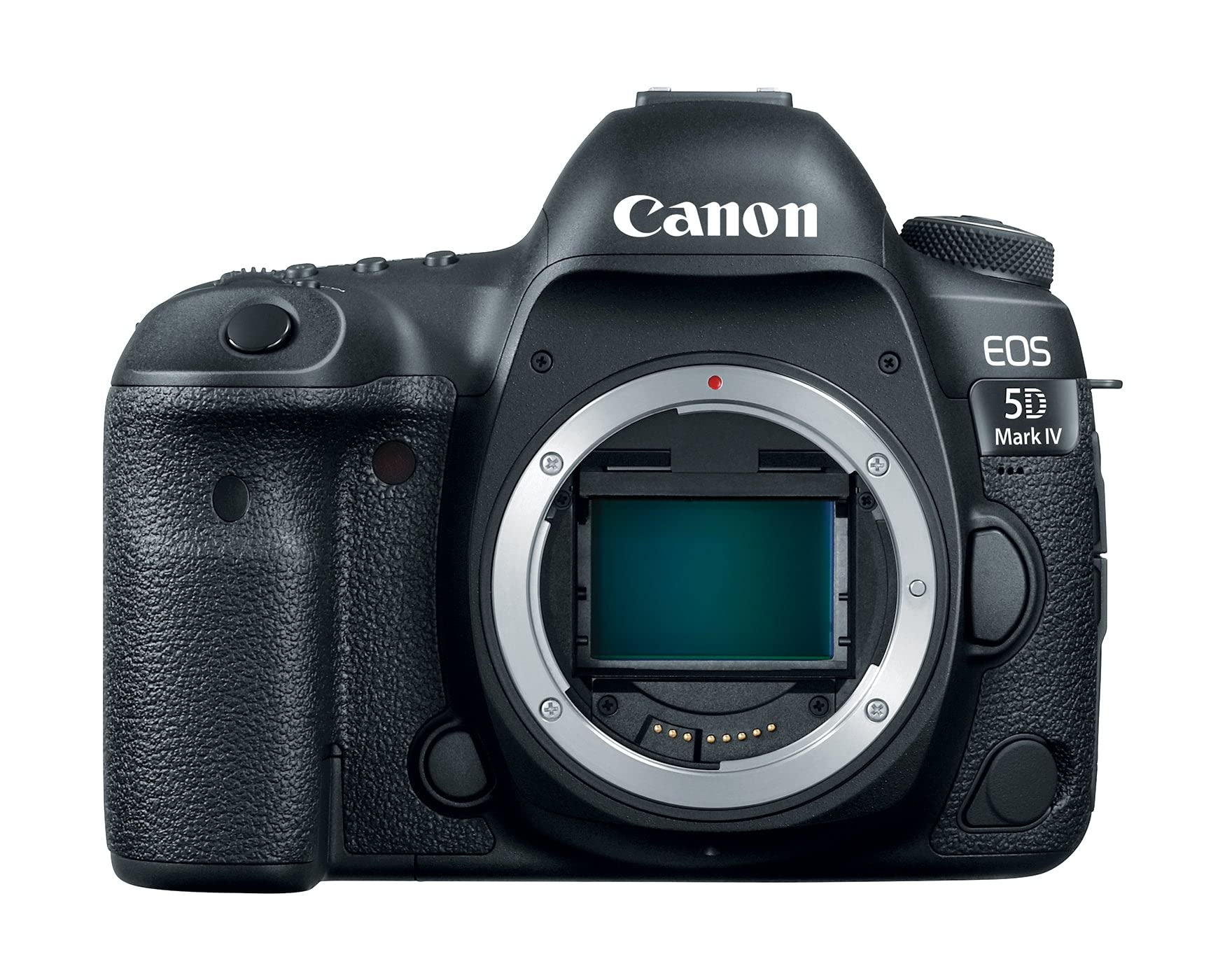
You’ll find the 5D Mark IV sits comfortably between studio-grade stills and serious video tools. The full‑frame 30.4MP sensor gives you latitude for large prints and tight crops, while Dual Pixel AF and a refined 61‑point AF system make live‑view and video focusing much more usable in the field.
It’s at home on assignment days, weddings, landscape trips and wildlife outings when paired with the right glass. If you want a single body that handles high‑quality stills and dependable video without feeling toy‑grade, this is a camera that earns its place in a thoughtful kit.
What People Say
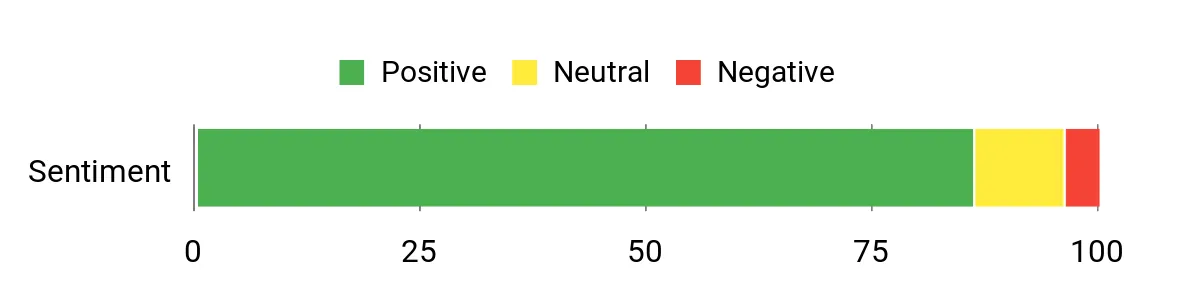
Users commonly praise the 5D Mark IV for its image quality and dependable autofocus, especially when working in mixed photo and video assignments. People also note the camera’s solid ergonomics and professional features like touchscreen AF selection and strong connectivity options.
A few reviewers mention it’s a serious tool that rewards learning its features rather than a simple point‑and‑shoot.
Overall Sentiment: Positive
When It Helps Most
|
Situation |
How It Helps |
|---|---|
|
Weddings and Events |
Fast, accurate AF and excellent low‑light performance let you capture decisive moments and keep shooting through long ceremonies. |
|
Wildlife And Action |
High resolution paired with reliable AF gives you frames you can crop aggressively while maintaining detail for distant subjects. |
|
Hybrid Photo/Video Work |
Dual Pixel AF and 4K capture let you switch between stills and motion without changing your core workflow or gear. |
|
Studio And Tethered Shoots |
Robust connectivity and durable build make it easy to run long tethered sessions and handle intensive production days. |
Travel Friendliness
Moderate — solid pro ergonomics and weather sealing add weight, so it’s best for planned trips rather than ultralight hikes.
Key Benefits
- High resolution full‑frame sensor for detailed images and cropping headroom
- Dual Pixel CMOS AF for smooth, reliable autofocus in live view and video
- Robust build, intuitive controls and good connectivity for professional workflows
- Strong hybrid performance that balances stills and 4K video capture
Rating: 4.7 (total: 866+)
Canon 90D
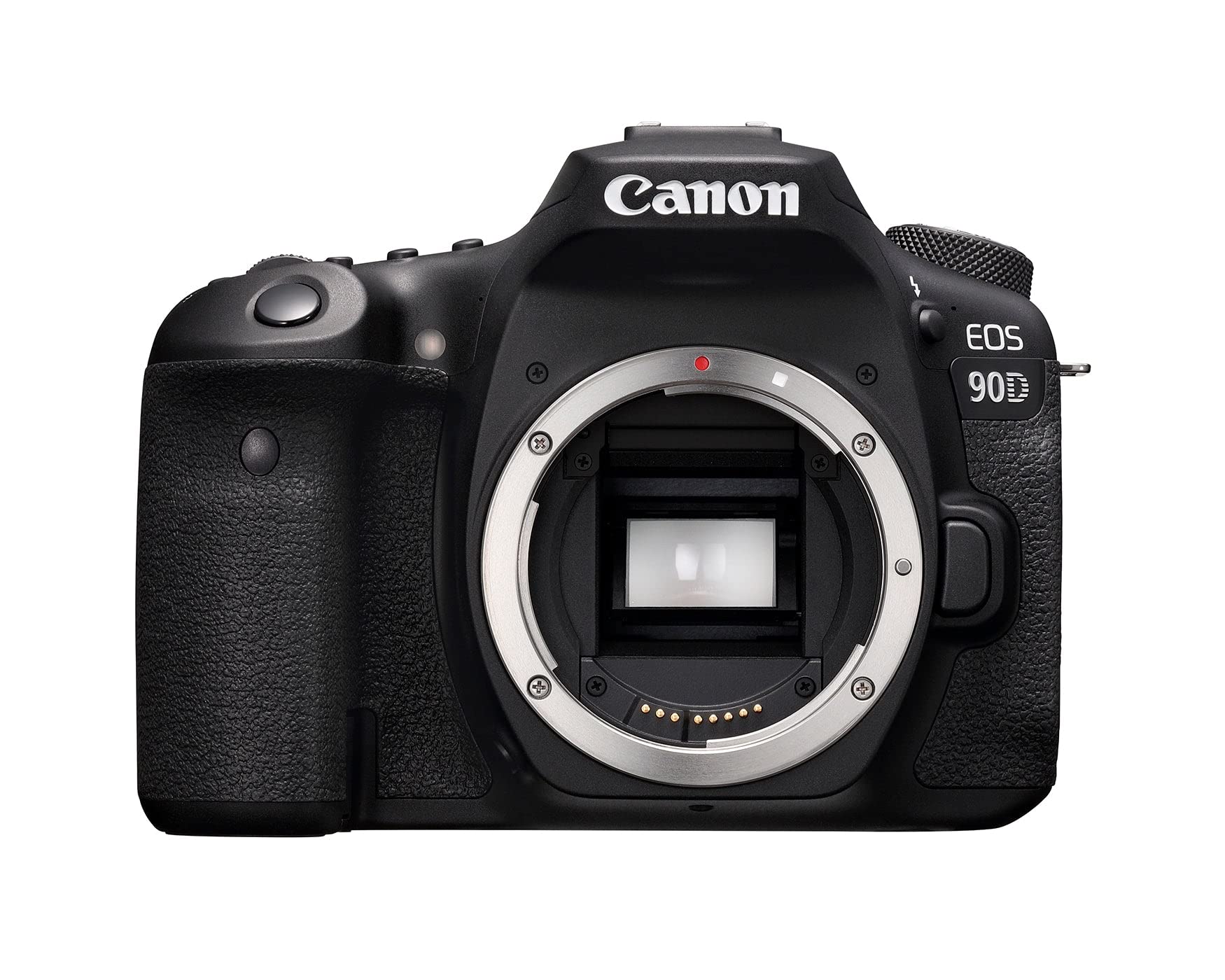
You get a versatile APS‑C DSLR that gives you extra reach for wildlife while remaining manageable in the field. The 90D’s fast burst rate and reliable AF make it easy to track moving subjects, and the 32.5MP sensor gives ample room for cropping distant animals. The articulating screen and connectivity options keep your workflow flexible, whether you’re shooting stills, 4K video, or a mix of both. It’s a practical option when you want a responsive, feature‑rich body without stepping up to a heavier pro rig.
What People Say
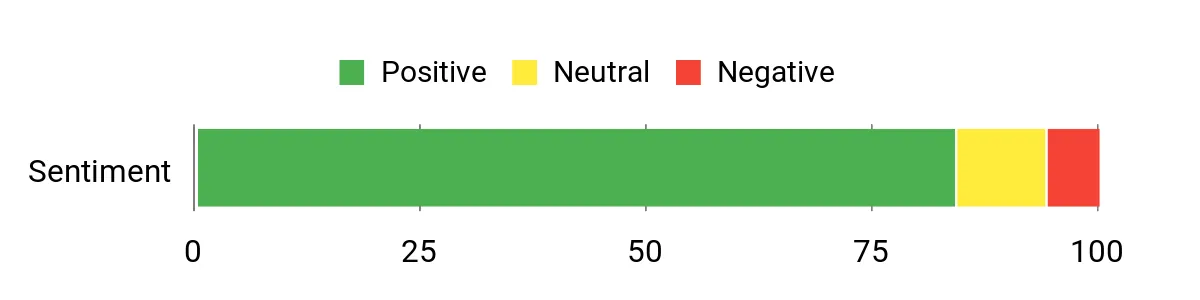
Users frequently praise the 90D for its crisp images and dependable autofocus, especially when tracking birds or fast mammals. Reviewers like the balance of high resolution and speed, and many point to the articulating screen and connectivity as helpful in the field. A few note that mastering custom controls takes some time, but most find the camera rewarding once configured.
Overall Sentiment: Positive
When It Helps Most
|
Situation |
How It Helps |
|---|---|
|
Birding and Flight |
Fast burst rates and accurate AF improve your odds of capturing wingbeats and quick maneuvers, while the crop sensor adds reach for distant subjects. |
|
Safari and Field Trips |
Comfortable ergonomics and long battery life let you shoot through long days, and the camera handles both stills and video without swapping systems. |
|
Travel and Hikes |
Relatively compact for a DSLR, it gives you pro features without excessive bulk, making it easier to move between vantage points. |
|
Hybrid Photo/Video |
Dual Pixel AF and 4K capture let you switch between formats smoothly, so you can record behavior and stills in the same outing. |
Travel Friendliness
Very Good — compact DSLR balance of capability and carry comfort for day trips and travel.
Key Benefits
- Strong 10 fps burst and snappy AF for action
- High resolution 32.5MP sensor for detailed crops
- Dual Pixel AF and 4K video for hybrid shooters
- Articulating touchscreen and built‑in connectivity
Rating: 4.7 (total: 1056+)
Fujifilm X‑H2S

If you shoot fast wildlife or hybrid photo/video work, this camera is built to keep up with you. The stacked sensor and processor deliver lightning‑fast readout for minimal rolling shutter and seriously high burst rates, while the AI‑driven AF and deep IBIS give you steady, usable frames in challenging conditions.
It’s a tool that excels when you need speed, reliable tracking and pro video codecs in the field. For photographers who balance action shooting and filmmaking, it’s a compact powerhouse that rewards time spent dialing in custom settings.
What People Say
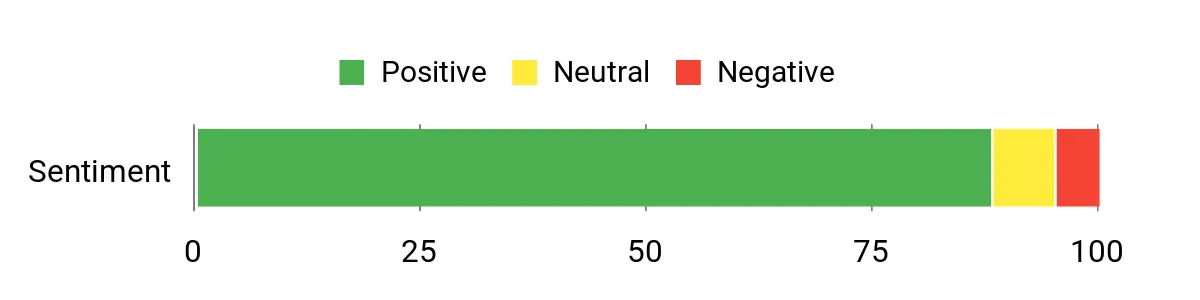
Owners often highlight the X‑H2S’s speed and tracking as game changers for action and wildlife work, and praise the in‑body stabilization for improving handheld sharpness. Reviewers also appreciate the robust video options and responsive EVF, while some mention the menu and feature depth can feel overwhelming until you set up custom profiles.
Overall Sentiment: Positive
When It Helps Most
|
Situation |
How It Helps |
|---|---|
|
High‑Speed Action |
40 fps capabilities and fast readout reduce motion blur and rolling shutter, increasing keeper rates for birds in flight and quick animal moves. |
|
Skittish Subjects |
Silent electronic shutter and fast AF let you capture nervous wildlife without drawing attention, which helps with close encounters. |
|
Handheld Long‑Lens Work |
Seven stops of IBIS combine with good AF to give usable handheld frames at longer focal lengths when you can’t mount a tripod. |
|
Hybrid Photo/Video Shoots |
Internal 10‑bit ProRes and 6.2K recording mean you can produce broadcast‑quality video and stills from the same session with minimal compromise. |
Travel Friendliness
Good — compact and well balanced for its class, though pro features and weather sealing add some weight compared with smaller mirrorless bodies.
Key Benefits
- Very fast stacked sensor and processor for high frame rates and low rolling shutter
- Advanced autofocus and subject detection for reliable tracking
- Up to 7 stops of IBIS for sharper handheld telephoto shots
- Professional video features including 6.2K and internal ProRes support
Rating: 4.7 (total: 81+)
Canon R7

You get a compact, performance‑focused mirrorless camera that gives you extra reach from the crop sensor while staying nimble in the field. The R7 pairs fast continuous shooting and a dense AF system that tracks animals and vehicles across the frame, plus effective IBIS so handheld telephoto work is less of a battle. It’s useful for day hikes, guided safaris and content creation where you switch between stills and 4K video, and it’s especially appealing if you want pro features without hauling full‑size glass. If you prioritize autofocus, frame rate and a balance of portability and image quality, this is a camera that blends those demands well.
What People Say
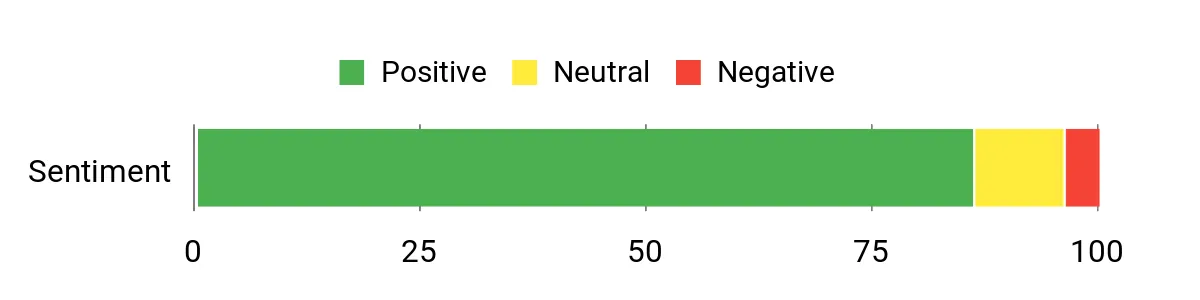
Users commonly praise the R7’s autofocus and tracking, saying it makes shooting fast birds and mammals noticeably easier. Reviewers also highlight the strong burst rates and the practical advantages of IBIS and good battery life for long outings.
Many appreciate the image quality and crop‑sensor reach, while a few note there’s a learning curve to get the most from all the features.
Overall Sentiment: Positive
When It Helps Most
|
Situation |
How It Helps |
|---|---|
|
Fast Action and Flight |
Dense AF coverage and high frame rates let you keep focus and capture sequences of behavior, improving keeper rates for quick subjects. |
|
Travel and Field Days |
Compact body and built‑in stabilization reduce kit bulk and let you shoot handheld longer without losing sharpness. |
|
Hybrid Photo/Video |
4K video, Dual Pixel AF II and reliable stills performance let you switch between formats without changing cameras or workflows. |
|
Distant Subjects |
The 1.6× crop effect gives extra reach from your lenses, so you can frame farther animals tighter without necessarily adding heavier glass. |
Travel Friendliness
Very Good — light, ergonomic and well suited to multiday trips where reach and speed matter.
Key Benefits
- Excellent subject detection AF and wide coverage for reliable tracking
- High burst speeds and RAW Burst mode for fast action
- 5‑axis IBIS that improves handheld telephoto shots
- 32.5MP APS‑C sensor gives useful extra reach for distant subjects
Rating: 4.7 (total: 420+)
Nikon Z6II

You get a genuinely flexible full‑frame system that handles both fast action and thoughtful landscape work. The Z6II balances speed, low‑light ability and robust autofocus with video features that shootoffs you into hybrid workflows.
It’s the sort of body you use on long field days because it responds when subjects move and still produces clean images for large prints or tight crops. For travel, mixed assignments or when you want one camera that does most jobs very well, this is a practical, professional option.
What People Say
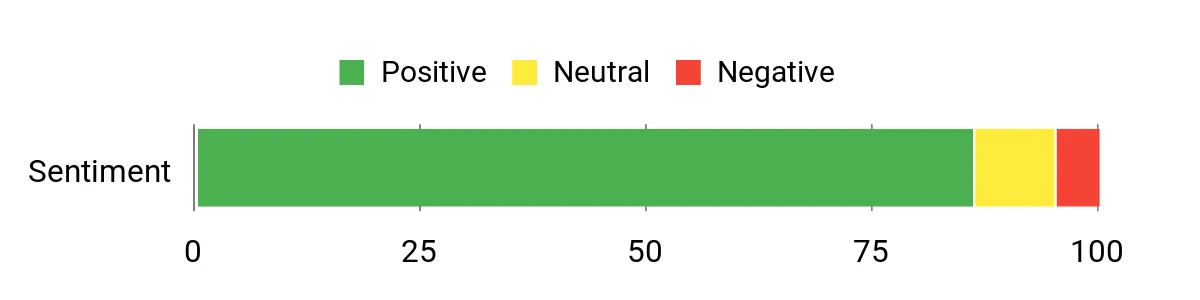
Owners frequently mention the Z6II’s smooth autofocus and excellent low‑light results as core strengths, and many appreciate the balanced handling and solid build. Reviewers also highlight the camera’s video chops and the convenience of dual card slots for long sessions.
A few users point out that advanced menus and settings take a little time to personalize, but most find the performance worth the setup effort.
Overall Sentiment: Positive
When It Helps Most
|
Situation |
How It Helps |
|---|---|
|
Dawn and Dusk Shoots |
Strong high‑ISO performance and effective AF coverage let you pull usable frames when light is limited and subjects are still active. |
|
Fast Action and Birds |
Quick burst rates combined with reliable tracking improve your keeper rate on wingbeats and sudden movements. |
|
Hybrid Photo/Video Assignments |
4K/60p capture and professional video tools make it simple to record motion and extract high‑quality stills in the same session. |
|
Extended Field Sessions |
Dual card slots, robust construction and dependable connectivity support long shoots and in‑field workflows. |
Travel Friendliness
Good — well balanced for travel and multi‑day trips, though bringing long lenses increases overall kit weight.
Key Benefits
- Reliable 273‑point hybrid AF for consistent subject tracking
- Dual processors and strong low‑light performance for cleaner images
- 4K/60p video and robust video tools for hybrid shooters
- Dual card slots and solid build for demanding field work
Rating: 4.8 (total: 401+)
Canon R8

If you want full‑frame image quality without hauling a heavy kit, the R8 is a strong option. You get dependable Dual Pixel AF II with head, eye and animal detection that makes keeping focus on skittish subjects far easier, plus 4K/60p for clean video when behavior or light demands motion.
Its compact footprint and responsive controls let you shoot all day without fatigue, and the camera is flexible enough for daylight wildlife, travel days and content creation when you need both stills and video in one body. For most field photographers who value mobility and modern autofocus, it’s a camera that balances performance and portability well.
What People Say
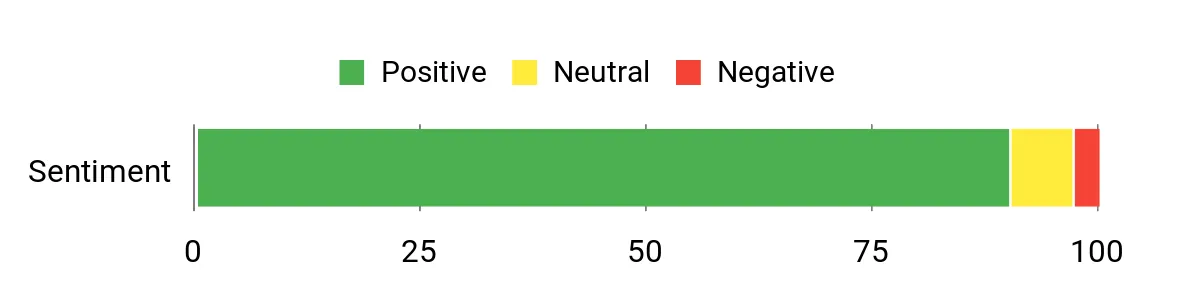
Reviewers consistently single out the R8’s autofocus and tracking as its biggest practical advantage, especially for moving wildlife and fast behavior. Many praise the camera’s balance of full‑frame image quality and light weight, noting that 4K video and reliable stills make it useful on mixed assignments. A handful of users mention that custom setup improves the experience, but most find the combination of performance and portability compelling.
Overall Sentiment: Positive
When It Helps Most
|
Situation |
How It Helps |
|---|---|
|
Birding and Flight |
Wide AF coverage and subject detection increase your chances of holding focus on fast movers, so you capture more usable flight sequences. |
|
Travel and Multi‑Day Trips |
The compact full‑frame body reduces carry fatigue, letting you cover more ground with fewer lens swaps while maintaining image quality. |
|
Hybrid Photo/Video Days |
4K/60p recording and smooth AF in video let you record behavior and extract high‑quality stills without switching systems. |
|
Close Encounters |
Fast, reliable AF and in‑camera subject detection help you keep subjects sharp during quick, unpredictable moments at close range. |
Travel Friendliness
Excellent — small, well balanced and easy to carry for long field days, though your lens choices will affect overall kit weight.
Key Benefits
- Accurate Dual Pixel CMOS AF II with animal and eye detection for reliable tracking
- Light, compact full‑frame body that’s easy to carry on long outings
- 4K/60p video and strong stills performance for hybrid shoots
- Responsive handling and modern connectivity for in‑field workflows
Rating: 4.8 (total: 479+)
Panasonic GH6

If you spend time capturing wildlife behavior and want pro video alongside solid stills, the GH6 is a compelling tool. You get a sensor and processing pipeline designed for long, high‑bitrate recordings without overheating, plus dual stabilization that makes handheld tele work far easier. It’s especially useful when you need slow‑motion, high frame‑rate capture or long handheld takes during field observations.
The camera also performs well for time‑lapse, macro and hybrid projects where motion and still detail both matter. Expect a camera that rewards a bit of setup time with reliable, professional results in mixed photo and video shoots.
What People Say
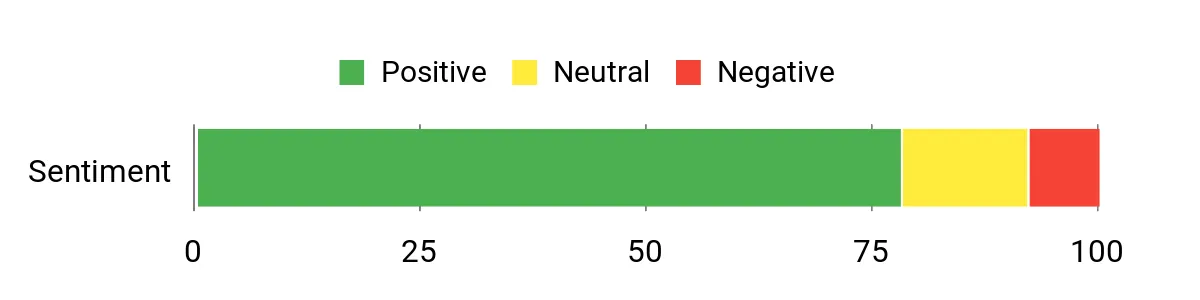
Users commonly note the GH6’s video capabilities as its standout trait, appreciating the ability to record long, high‑quality clips without thermal cutouts and the flexible codec options. Reviewers also praise the stabilization and color rendering for handheld shoots, while some mention the learning curve and the need for careful profile setup to get the best image straight from camera.
Overall Sentiment: Positive
When It Helps Most
|
Situation |
How It Helps |
|---|---|
|
Handheld Field Recording |
Dual stabilization and effective heat management let you record long handheld sequences with reduced shake and fewer interruptions. |
|
Slow‑Motion Behavior Studies |
High frame‑rate and HFR modes capture detailed motion for analyzing flight, hunting or other fast animal behavior. |
|
Hybrid Photo/Video Days |
Flexible codecs and strong stills capability let you switch between cinematic video and high‑resolution photos without changing systems. |
|
Remote Timelapse Or Long Takes |
Reliable thermal performance and efficient noise reduction make extended timelapse and long continuous recordings more practical in the field. |
Travel Friendliness
Good — compact Micro Four Thirds body and effective stabilization make it easier to travel with long lenses, though video accessories can add bulk.
Key Benefits
- Unlimited high‑quality C4K/4K 10‑bit recording for long field sessions
- Dual Image Stabilizer 2 offering up to 7.5 stops of correction for handheld work
- Wide range of high frame‑rate options for slow‑motion and action
- Improved noise reduction and color control for realistic footage
Rating: 4.5 (total: 102+)
Sony a6400
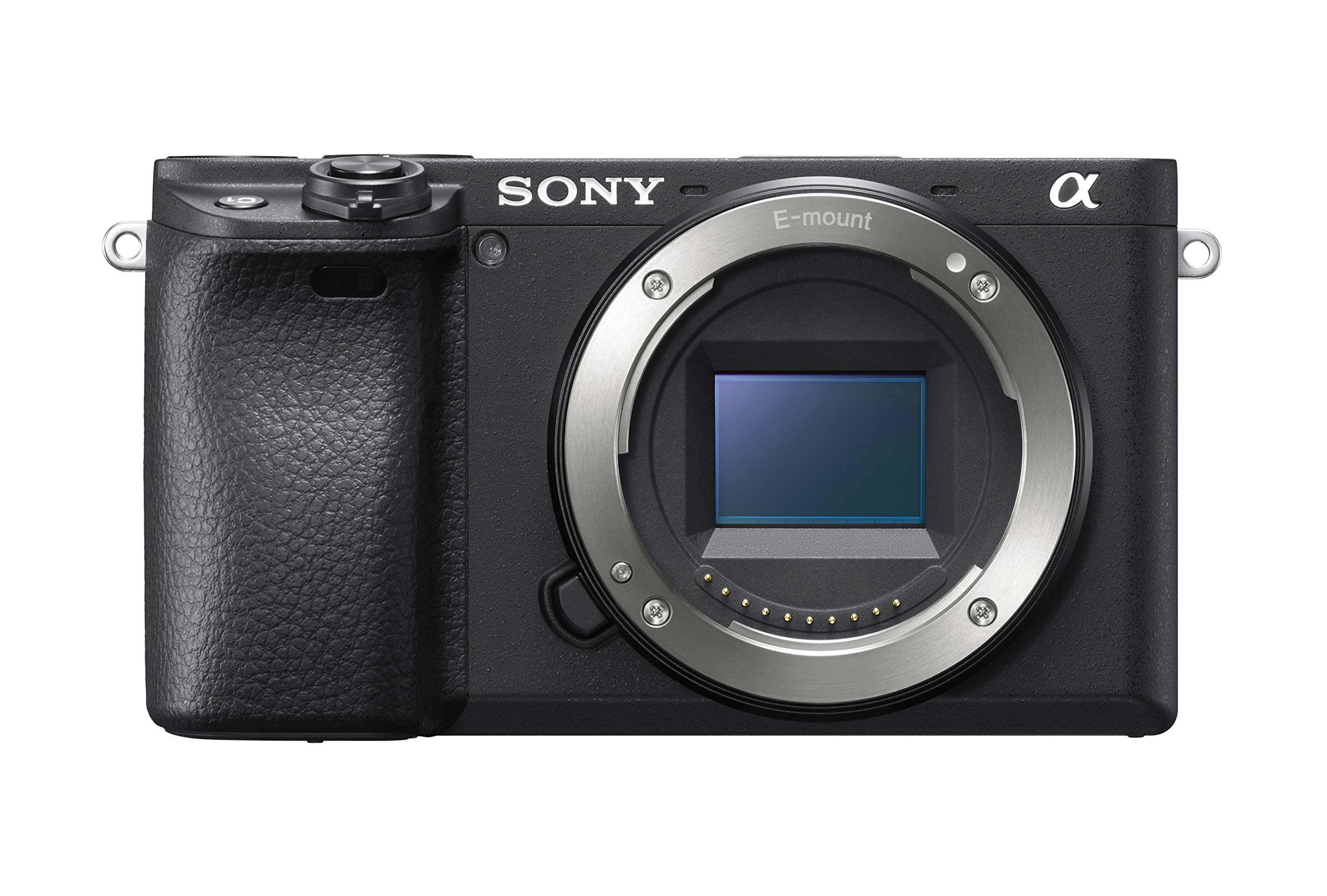
You get a compact APS‑C mirrorless that feels much faster than its size suggests. Real‑time Eye AF and reliable subject tracking make it easy to keep wildlife in focus, while 4K video and a flip‑up touchscreen add flexibility when behavior turns cinematic. It’s a great grab‑and‑go body for day hikes, travel and quick field sessions where you want pro autofocus and solid image quality without hauling a larger rig.
What People Say
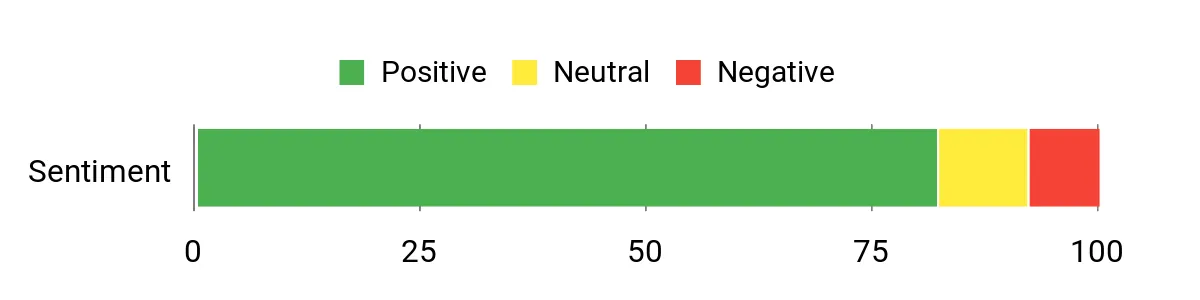
Owners frequently point to the autofocus as the feature that makes wildlife shooting noticeably easier, particularly for birds and skittish mammals. Many reviewers also like the balance of image quality and portability, plus the 4K video when behavior calls for motion.
A few note that battery life benefits from carrying a spare for longer outings.
Overall Sentiment: Positive
When It Helps Most
|
Situation |
How It Helps |
|---|---|
|
Birding and Flight |
Real‑time tracking and quick burst rates help you maintain focus on fast movers and increase keeper shots of wingbeats and flight paths. |
|
Travel and Day Hikes |
The small footprint and light weight let you cover more ground with less fatigue while still getting reach from APS‑C lenses. |
|
Hybrid Photo/Video |
4K capture and reliable AF in video let you record behavior and extract high‑quality stills without changing systems. |
|
Close Encounters |
Responsive autofocus and a handy flip screen make framing unpredictable, close‑range animal moments simpler and less fiddly. |
Travel Friendliness
Excellent — very portable and well suited to multiday trips, though bring an extra battery for long field sessions.
Key Benefits
- Real‑time Eye AF and fast subject tracking for moving animals
- 4K video and flip‑up touchscreen for hybrid photo/video work
- Compact, lightweight body that’s easy to carry all day
- Good burst rates for action sequences and quick encounters
Rating: 4.7 (total: 35+)
Fujifilm X-S20

You get a genuinely portable powerhouse that blends stills and video capability in a friendly, easy‑to‑carry body. The X‑S20 delivers Fujifilm color science, fast AF and improved stabilization so handheld shooting and travel become less of a compromise. It’s well suited to travel, wildlife on the move and hybrid days when you switch between photos and high‑quality video. If you want modern autofocus, strong in‑camera processing and a comfortable grip without hauling a larger rig, this camera balances those needs effectively.
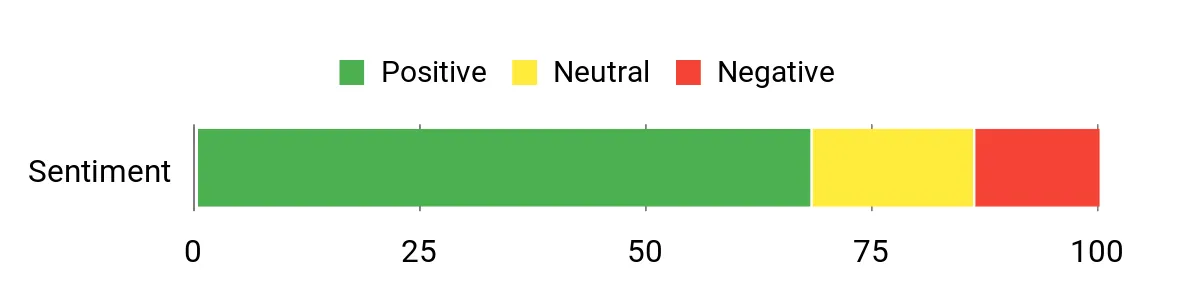
What People Say
People commonly praise the X‑S20’s image quality and film simulations, noting how colors and out‑of‑camera JPEGs often need little correction. Reviewers also point to the improved stabilization and autofocus as practical benefits for handheld wildlife and travel work, and many enjoy the flexible vari‑angle screen and video features. A minority mention concerns like the single card slot or occasional firmware quirks that you should be aware of.
Overall Sentiment: Positive
When It Helps Most
|
Situation |
How It Helps |
|---|---|
|
Travel And Hikes |
Its light weight and comfortable grip let you cover more ground with less fatigue while keeping full‑frame‑style image quality from the APS‑C sensor. |
|
Fast Action |
High frame rates and improved AF increase keeper rates on birds in flight and quick animal movements, so you capture decisive moments more reliably. |
|
Handheld Low Light |
Up to 7 stops of IBIS reduces camera shake when you need slower shutter speeds, improving handheld shots at dusk or in shaded habitats. |
|
Hybrid Photo/Video Days |
6.2K/4K 10‑bit recording and refined processing let you produce cinematic video and high‑quality stills from the same outing without changing systems. |
Travel Friendliness
Very Good — small, well balanced and designed for long use, though accessory choices can increase pack weight.
Key Benefits
- Compact, ergonomic body that’s easy to carry for long days
- Improved AF and 20 fps performance for fast subjects
- Up to 7 stops IBIS for steadier handheld tele shots
- Strong video specs (6.2K/4K 10‑bit) and Fujifilm color profiles
Rating: 4.1 (total: 44+)
Nikon Z5

You get an approachable full‑frame body that’s built to grow with your wildlife work. The Z5 balances image quality, solid low‑light performance and user‑friendly controls in a relatively compact package, so you can shoot dawn and dusk behavior without hauling a pro rig. It’s comfortable for day trips, reliable for travel and capable enough for portfolio work when paired with the right lenses. If you want full‑frame detail, better high‑ISO performance and manageable handling for long field days, this camera makes a strong case.
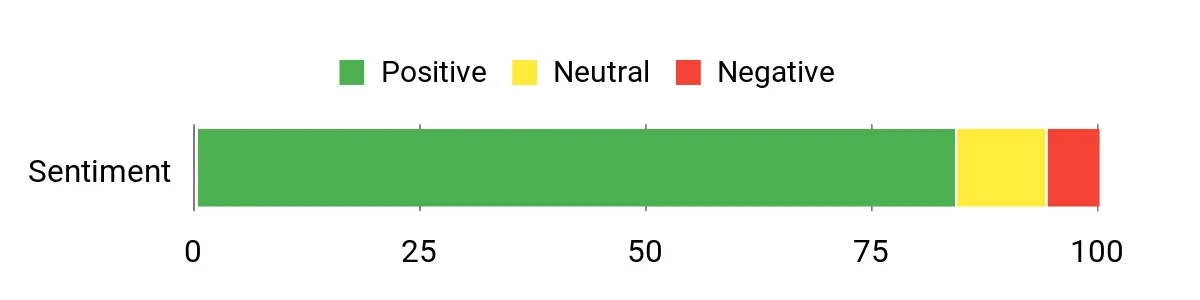
What People Say
Buyers commonly note how the Z5 brings full‑frame image quality into a manageable body, praising its low‑light capabilities and usable in‑body stabilization. Many appreciate the comfortable ergonomics and straightforward controls for field shooting, while some users mention the camera isn’t the fastest for high‑end action compared with pro models. Overall, people value the balance of performance and portability for wildlife and travel work.
Overall Sentiment: Positive
When It Helps Most
|
Situation |
How It Helps |
|---|---|
|
Dawn and Dusk Shoots |
Strong high‑ISO performance and IBIS let you get usable frames in low light when animals are most active, reducing reliance on very high shutter speeds. |
|
Travel and Multi‑Day Trips |
Compact full‑frame handling and good battery life make it easier to cover long days in the field without sacrificing image quality. |
|
Portraits and Close Encounters |
Eye‑Detection AF and sharp full‑frame rendering help you produce clean, detailed portraits of animals when you can get closer or use medium telephoto lenses. |
|
Scenic Habitat Context |
The sensor’s dynamic range helps retain detail in shadows and highlights, so you can show subjects within their environment without losing texture in skies or foliage. |
Travel Friendliness
Good — compact full‑frame body and comfortable ergonomics make it well suited to multiday outings, though long telephoto lenses will still add bulk.
Key Benefits
- Full‑frame 24.3MP sensor for improved detail and dynamic range
- 5‑axis in‑body stabilization for steadier handheld telephoto shots
- Eye‑Detection AF and dependable autofocus in varied light
- Compact, well balanced body that’s comfortable on long outings
Rating: 4.6 (total: 296+)
Canon R6

You get a camera built to catch the moments that matter: fast autofocus with extensive subject detection, high burst rates for action, and strong in‑body stabilization so handheld telephoto shots are more reliable. It handles low light well, records pro‑level 4K video and includes practical features like dual card slots and modern connectivity. For wildlife work where tracking, speed and hybrid capture matter, the R6 is a very capable and user‑friendly option that balances portability with professional performance.
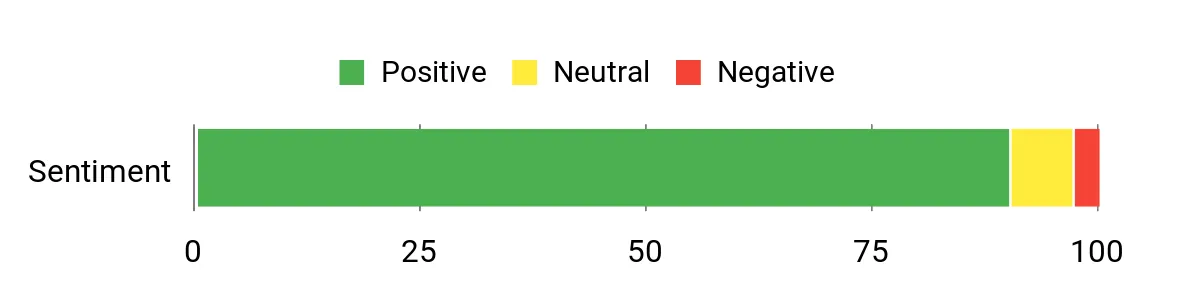
What People Say
Users regularly highlight the R6’s autofocus and stabilization as the features that make wildlife shooting easier and more productive. Many reviewers praise the camera’s low‑light performance and video capabilities, and note that dual card slots and solid handling suit long outings.
A small number of users mention occasional firmware quirks or setup nuances, but most feel the camera delivers consistent, pro‑level results once configured.
Overall Sentiment: Positive
When It Helps Most
|
Situation |
How It Helps |
|---|---|
|
Fast Action and Flight |
High burst rates and wide AF coverage increase keeper rates on wingbeats and sudden movements, so you capture decisive sequences more often. |
|
Dawn and Dusk Shoots |
Strong high‑ISO performance and IBIS let you get usable frames in low light when many animals are most active, reducing missed opportunities. |
|
Hybrid Photo/Video Assignments |
4K/60p, 10‑bit recording and Dual Pixel AF II make it straightforward to record motion and extract high‑quality stills from the same session. |
|
Extended Field Days |
Dual card slots, dependable battery performance and rugged handling support long shoots and simplify backup and workflow in the field. |
Travel Friendliness
Very Good — compact full‑frame handling and effective stabilization make it comfortable for multiday trips, though long telephoto lenses will add bulk.
Key Benefits
- Extensive Dual Pixel AF II coverage and accurate subject tracking
- High continuous shooting for action (12 fps mechanical, 20 fps electronic)
- Up to 8 stops of 5‑axis IBIS for steadier handheld telephoto images
- Robust hybrid video options with 4K/60p and 10‑bit recording
- Dual card slots and reliable build for long field sessions
Rating: 4.8 (total: 1071+)
FAQ
What Features Matter Most For Wildlife?
Focus on a combination of reach, autofocus performance and sensor capability. A larger sensor size generally gives better low‑light performance and cleaner crops, while a dense AF system with animal or eye detection and a generous continuous shooting buffer helps you track unpredictable movement.
Stabilization—either IBIS or lens OIS—reduces missed shots when you’re handheld, and solid battery life, weather sealing and usable ergonomics matter for long field days.
Superzoom Or Interchangeable Telephoto Lenses?
Both approaches work; choose based on how you like to move in the field. A superzoom gives huge built‑in reach and simplicity so you can shoot without changing glass, which is great for travel or backyard birding, but interchangeable lenses with a larger sensor usually deliver better low‑light image quality and more control over depth of field.
If you value convenience and reach, a bridge camera makes sense; if ultimate image quality, flexibility and upgrade paths matter, plan for a mirrorless/DSLR body plus dedicated telephotos.
How Do I Get More Keepers In The Field?
Optimize your settings and workflow before the moment arrives: set a suitable AF mode, try back‑button AF, and use continuous high‑speed shooting with a buffer you trust. Keep shutter speed high enough for the subject’s motion, use stabilization or support when possible, and shoot RAW so you can recover detail and reduce noise in post. Practice approach and concealment so you disturb subjects less, and spend time learning a specific camera’s custom settings so you can react quickly when behavior happens.
Customer Preferences
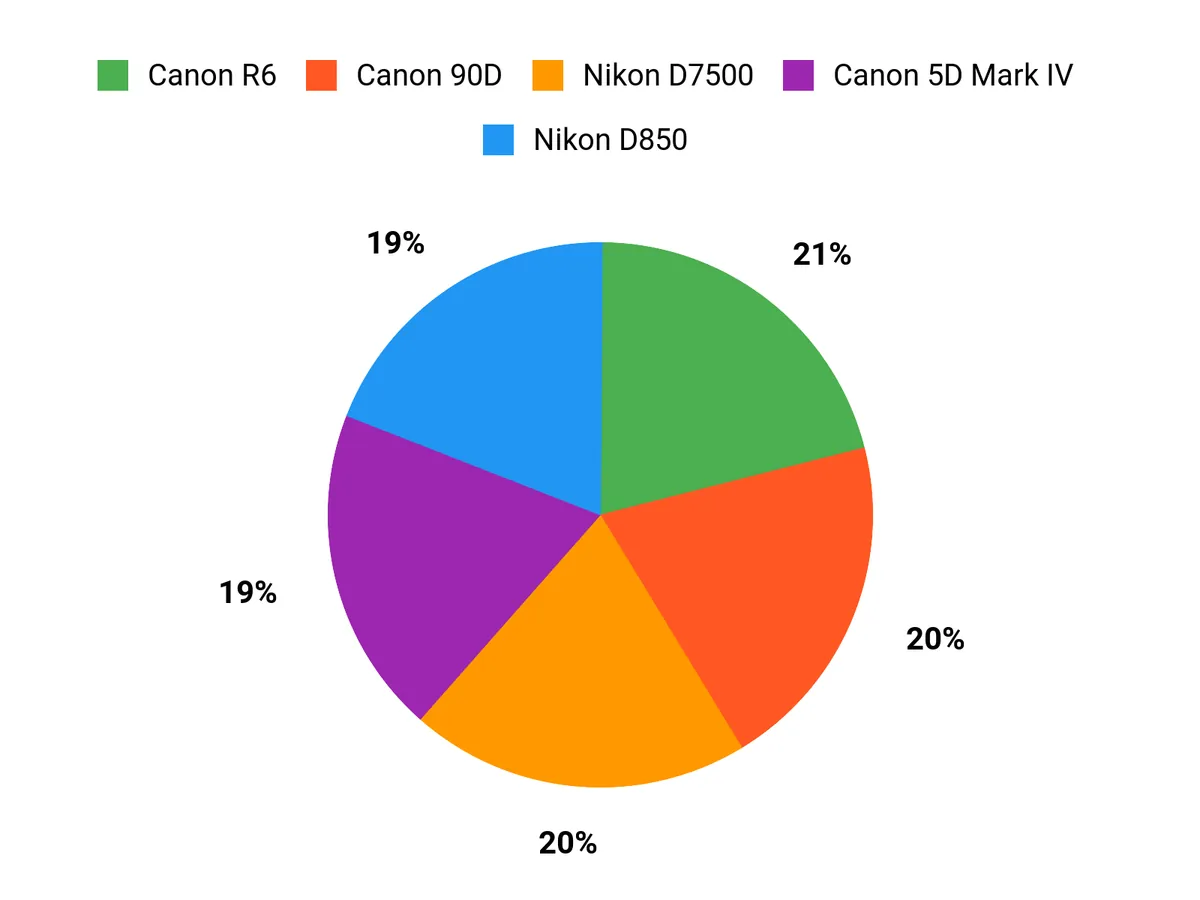
When choosing between these bodies you usually prioritize what matters most to your shooting style: built‑in reach and simplicity, absolute resolution and dynamic range, or a compact body with modern autofocus and stabilization. If you value one‑lens convenience and extreme telephoto reach you lean toward the Sony RX10 IV; if large prints, fine detail and ultimate image quality are the goal you prefer the Nikon D850; and if portability, reliable subject tracking and hybrid stills/video performance top your list you pick the Sony A6600.
Wrapping Up
Now that you have a clear map of strengths, choose based on how you actually shoot. If you need extreme reach without swapping lenses you will appreciate a bridge superzoom like the Sony RX10 IV or the Nikon P1000.
If resolution and detail for large prints matter most the Nikon D850 or Canon 5D IV deliver. For fast action and modern AF systems the mirrorless options such as the Fujifilm X-H2S, Canon R6 and Nikon Z6II combine tracking speed with high burst rates.
If you travel light but still want reach and reliability, APS-C bodies like the Canon R7 or Sony A6600 are excellent compromises. Match one of these cameras to the species, lenses and shooting conditions you prioritize and you will spend more time making decisive images and less time wrestling gear.
| Product Name | Image | Rating | Photo Sensor Resolution | Video Resolution | Continuous Shooting Speed | Image Stabilization |
|---|---|---|---|---|---|---|
| Sony RX10 IV Cyber-Shot |
|
4.4/5 (N reviews) | 20.1 MP | 1080p, 2160p | 24 FPS | Optical |
| Nikon D850 FX-Format |
|
4.7/5 (N reviews) | 45.7 MP | FHD 1080p | 9 FPS | False |
| Sony ILCE6600/B Alpha A6600 |
|
4.7/5 (N reviews) | 24.2 MP | 4K UHD 2160p | 11 FPS | Sensor-shift |
| Nikon COOLPIX P1000 |
|
4.5/5 (N reviews) | 16.8 MP | 4K UHD 2160p | 7 FPS | Hybrid |
| Nikon D7500 DX-Format |
|
4.7/5 (N reviews) | 20.9 MP | 4K UHD 2160p | 8 FPS | Digital |
| Canon EOS 5D Mark IV |
|
4.7/5 (N reviews) | 30.4 MP | 4K UHD 2160p | 7 FPS | True |
This Roundup is reader-supported. When you click through links we may earn a referral commission on qualifying purchases.


1 Comment
Pingback: UFLYTOO LA G10 Review 2026: Worth It For Beginners?