

Last Updated on November 4, 2026 by Mason Reed
If you’re looking for the best Big Agnes tents, the right choice depends on how you camp. The Copper Spur HV UL2 is a strong all-around option for backpackers, while the Copper Spur HV UL Bikepack models are designed for cyclists who need shorter packed poles. For family camping, the Bunk House 4 and Big House 4 offer more living space and easier movement. You can also choose the lightweight Fly Creek, versatile Tiger Wall, or Copper Spur mtnGLO with built-in lighting. Below, you’ll find nine Big Agnes tent configurations, their main benefits, and the limitations worth knowing before you buy.
Disclosure: As an Amazon Associate I earn from qualifying purchases. Some links on this page are affiliate links, at no extra cost to you.
Quick Answer: Which Big Agnes Tent Is Best?
Best overall for backpacking: The Big Agnes Copper Spur HV UL2 offers a practical balance of low weight, two-door access, vestibule storage, and usable interior space.
Best for family camping: The Bunk House 4 provides a roomy car-camping layout with useful storage and a large vestibule.
Best for bikepacking: The Copper Spur HV UL2 Bikepack combines two-person space with shorter poles designed for bicycle transport.
Best for solo bikepacking: The Copper Spur HV UL1 Bikepack suits riders who want a compact, freestanding shelter.
Important: Several Amazon listings represent older Big Agnes model generations. Confirm the exact capacity, model year, included accessories, and current specifications before purchasing.
Key Takeaways
- Copper Spur: A good choice when you want backpacking comfort without carrying a heavy shelter.
- Bikepack models: Shorter pole sections make these tents easier to carry on bicycles.
- Bunk House and Big House: Better suited to car camping than long-distance backpacking.
- Fly Creek: A minimalist option for solo riders who prioritize low weight.
- Tiger Wall: Offers two-door convenience with a semi-freestanding design.
- Capacity: A two-person rating does not always mean comfortable space for two adults and large packs.
- Accessories: Footprints, gear lofts, and awning-support poles may cost extra.
Our Top Big Agnes Tent Picks
Use this comparison to narrow your choices. The recommendations focus on tent design and intended use rather than unverified prices or customer ratings.
| Tent | Image | Best For | Type | Setup | Main Trade-Off | Amazon | Analysis |
|---|---|---|---|---|---|---|---|
| Big Agnes Copper Spur HV UL2 | Best Overall Backpacking | Type: 2-person freestanding backpacking tent | Setup: TipLok buckle system | Trade-Off: Ultralight fabric needs careful handling | Check Price on Amazon | Read Our Analysis | |
| Big Agnes Bunk House 4 | Best Family Camping | Type: 4-person car-camping tent | Setup: Color-coded components | Trade-Off: Too bulky for backpacking | Check Price on Amazon | Read Our Analysis | |
| Big Agnes Big House 4 | Best Spacious Car Camping | Type: 4-person three-season tent | Setup: Color-coded buckles and poles | Trade-Off: Extra vestibule sold separately | Check Price on Amazon | Read Our Analysis | |
| Big Agnes Copper Spur HV UL2 Bikepack | 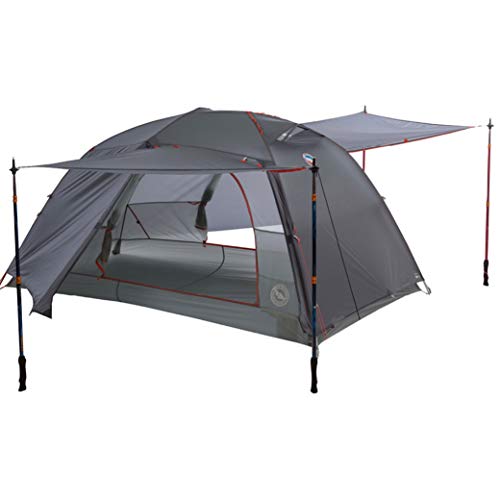 |
Best Two-Person Bikepacking | Type: 2-person bikepacking tent | Setup: TipLok with Shortstik poles | Trade-Off: Compact sleeping area for two | Check Price on Amazon | Read Our Analysis |
| Big Agnes Copper Spur HV UL1 Bikepack | 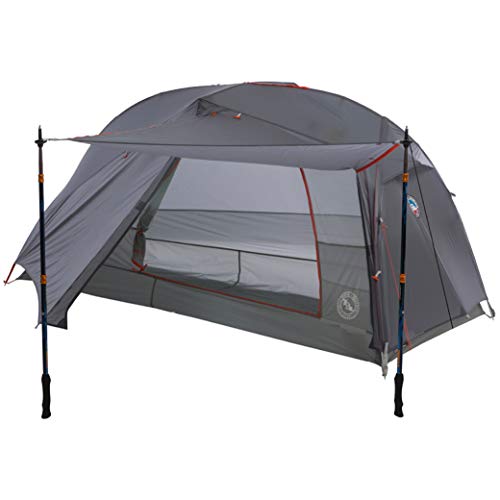 |
Best Solo Bikepacking | Type: 1-person freestanding bikepacking tent | Setup: TipLok with compact pole set | Trade-Off: Limited room for another person | Check Price on Amazon | Read Our Analysis |
| Big Agnes Tiger Wall UL2 Bikepack | Best Lightweight Two-Door Bikepacking | Type: 2-person semi-freestanding tent | Setup: Compact poles and stake-supported pitch | Trade-Off: Requires careful staking | Check Price on Amazon | Read Our Analysis | |
| Big Agnes Fly Creek HV UL1 Bikepack | Best Minimalist Solo Bikepacking | Type: 1-person semi-freestanding tent | Setup: TipLok and stake-supported corners | Trade-Off: Single front entry | Check Price on Amazon | Read Our Analysis | |
| Big Agnes Blacktail Hotel 2 Bikepack |  |
Best Bikepacking Gear Storage | Type: 2-person bikepacking tent | Setup: Compact poles and reflective guylines | Trade-Off: Heavier than ultralight options | Check Price on Amazon | Read Our Analysis |
| Big Agnes Copper Spur HV UL2 mtnGLO | 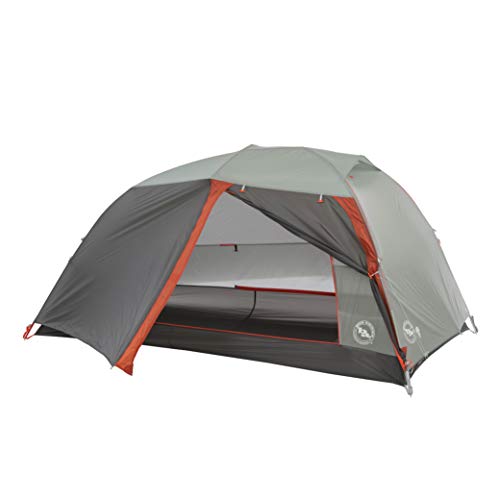 |
Best Integrated Tent Lighting | Type: 2-person backpacking tent with lighting | Setup: High-volume pole structure | Trade-Off: Lighting adds components | Check Price on Amazon | Read Our Analysis |
Before You Buy: Tent capacity, trail weight, packed weight, fabric technology, and included accessories can change between model generations. Check the exact Amazon listing against the manufacturer’s specifications. A product page may contain more than one size or version.
More Details on Our Top Picks
-
Big Agnes Copper Spur HV UL2 – Best Overall Ultralight Backpacking Tent
If you want one tent for weekend backpacking trips and longer hikes, the Big Agnes Copper Spur HV UL2 is a compelling option. Its freestanding design, two side doors, and two vestibules give you flexibility without the bulk of a traditional car-camping tent.
The high-volume pole architecture creates more usable headroom than many low-profile shelters. That matters when you need to change clothes, sit upright, or organize your pack inside the tent.
You’ll also appreciate the TipLok Tent Buckle, which helps connect the poles, rainfly, and tensioning points during setup. Interior pockets provide accessible storage for small items.
The vestibules offer covered storage outside the sleeping area. On supported configurations, they can also form awnings when you supply suitable support poles and secure guylines.
Why You’ll Like It: You get two-person sleeping capacity, convenient entry from either side, and a practical balance between weight and livability.
Who Should Buy This: Backpackers who want a lightweight, freestanding three-season tent with useful storage and comfortable access.
Who Should Avoid This: Campers who need standing room or a shelter designed for prolonged snow loads and severe winter weather.
What to Consider: The lightweight fabric requires thoughtful campsite selection. A compatible footprint may help protect the floor, but it is generally sold separately.
- Type: Ultralight backpacking tent
- Occupancy: 2 persons
- Seasons: 3-season design
- Structure: Freestanding
- Doors: 2 side-entry doors
- Vestibules: 2
- Setup: TipLok buckle system
- Material: Ultralight ripstop nylon
- Storage: Interior pockets and gear loops
- Additional Feature: High-volume pole architecture
- Additional Feature: Awning-style vestibule capability
- Important Note: Confirm exact model year and weight
-
Big Agnes Bunk House 4 – Best Family Camping Tent
The Big Agnes Bunk House 4 is designed for families and small groups who prioritize space, organization, and convenience over minimal packed weight.
This four-person tent offers a larger living area than most backpacking shelters. Its tall structure makes daily activities, such as changing clothes and arranging sleeping gear, more comfortable.
A useful advantage is the large vestibule, which gives you covered space for boots, backpacks, and other camping equipment. Keeping bulky gear outside the sleeping area helps make the interior feel less crowded.
The mesh ceiling supports airflow and offers views of the sky when the rainfly is removed in suitable weather. Color-coded components help simplify pitching, while interior storage pockets keep smaller belongings organized.
Its backpack-style carry bag also makes it easier to move between your vehicle and campsite.
Why You’ll Like It: The combination of interior room, covered gear storage, and practical organization works well for family camping weekends.
Who Should Buy This: Families of up to four who camp near a vehicle and want a comfortable three-season shelter.
Who Should Avoid This: Backpackers and cyclists who need a compact, lightweight tent.
What to Consider: Four-person capacity is the rated sleeping capacity, not a guarantee of generous floor space for four adults and all their equipment. Check your sleeping-pad dimensions before buying.
- Type: Family car-camping tent
- Occupancy: 4 persons
- Seasons: 3-season design
- Setup: Color-coded components
- Material: Polyester fabric with waterproof coating
- Ventilation: Mesh ceiling
- Storage: Multiple side and ceiling pockets
- Additional Feature: Large front vestibule
- Additional Feature: Backpack-style carry bag
- Additional Feature: Quick Stash door keeper
- Important Note: Better for car camping than backpacking
-
Big Agnes Big House 4 – Best Spacious Three-Season Car Camping Tent
If you enjoy weekend camping with family or friends, the Big Agnes Big House 4 is worth considering. This freestanding, three-season tent prioritizes a comfortable interior and straightforward campsite setup.
Its tall design provides more freedom to move than a low-profile backpacking tent. Large doors improve entry and exit, while the mesh ceiling helps release warm air during suitable weather.
The Big House also includes thoughtful storage options, including ceiling pockets for small essentials. Reflective guylines and color-coded components help when you arrive at a campsite late in the day.
A particularly useful option is Shelter Mode. With a compatible footprint, the rainfly and poles can form an open shelter without the inner tent body. The required footprint is an additional purchase.
Why You’ll Like It: You get a more comfortable camping space and a tent that is designed for vehicle-supported trips rather than long-distance hiking.
Who Should Buy This: Families and small groups wanting a spacious tent for established campgrounds.
Who Should Avoid This: Anyone needing ultralight equipment or a compact shelter for a bicycle.
What to Consider: An additional enclosed vestibule is available for some Big House configurations but is not necessarily included. Verify accessory compatibility with the exact model year.
- Type: Car-camping tent
- Occupancy: 4 persons
- Seasons: 3-season design
- Structure: Freestanding
- Setup: Color-coded webbing and buckles
- Material: Polyester with waterproof coating
- Ventilation: Mesh ceiling and adjustable doors
- Storage: Interior pockets and gear loops
- Additional Feature: Optional Shelter Mode
- Additional Feature: Reflective guylines
- Important Note: Optional accessories sold separately
-
Big Agnes Copper Spur HV UL2 Bikepack – Best Two-Person Bikepacking Tent
The Copper Spur HV UL2 Bikepack is built for cyclists who want a two-person tent without carrying long pole sections on their handlebars or frame.
Its Shortstik pole design makes the packed pole set easier to fit onto a bicycle. A bikepacking-focused compression sack with attachment webbing provides additional carrying options.
The tent has two doors and two vestibules, so each occupant can reach their own gear without climbing over the other person. This is especially helpful after long rides when you want to settle into camp quickly.
High-volume pole architecture improves usable interior space, while the TipLok buckle system and color-coded components simplify pitching.
Interior pockets and exterior gear-storage features help manage small items, wet clothing, and riding accessories.
Why You’ll Like It: It combines two-person sleeping space with carrying features specifically designed for bikes.
Who Should Buy This: Couples or riding partners who want a freestanding, three-season bikepacking tent.
Who Should Avoid This: Riders who want the lightest possible solo shelter or need a tent with standing headroom.
What to Consider: Two people with wide sleeping pads may find the floor snug. Check the interior width, pole packed length, and exact model generation before purchasing.
- Type: Ultralight bikepacking tent
- Occupancy: 2 persons
- Seasons: 3-season design
- Structure: Freestanding
- Doors: 2
- Vestibules: 2
- Setup: TipLok tent buckles
- Pole System: Shortstik compact poles
- Storage: Bike-friendly sack and interior pockets
- Additional Feature: Gear attachment webbing
- Additional Feature: High-volume architecture
- Important Note: Footprint generally sold separately
-
Big Agnes Copper Spur HV UL1 Bikepack – Best Solo Bikepacking Tent
Solo cyclists who prefer a freestanding tent should consider the Copper Spur HV UL1 Bikepack. It brings many of the practical features of the Copper Spur range into a one-person shelter.
The shorter pole sections make it convenient to transport on handlebars, panniers, or a saddlebag. Its compression sack and attachment webbing provide flexible packing arrangements for different bike setups.
Inside, the tent uses available space efficiently with storage pockets and a raised gear shelf. The exterior helmet-storage feature also helps keep riding equipment away from your sleeping area.
The single side-entry door and vestibule provide access and protected gear storage. Reflective details help you identify attachment points when setting up after sunset.
Why You’ll Like It: You get a compact solo shelter without giving up the convenience of a freestanding structure.
Who Should Buy This: Solo bikepackers and touring cyclists who value straightforward setup and organized gear storage.
Who Should Avoid This: Couples or riders who want generous interior room for bulky equipment.
What to Consider: The one-person configuration is not a suitable sleeping shelter for two adults. Confirm the usable floor length if you’re tall or use a long sleeping pad.
- Type: Ultralight bikepacking tent
- Occupancy: 1 person
- Seasons: 3-season design
- Structure: Freestanding
- Doors: 1 side-entry door
- Setup: TipLok buckle system
- Pole System: Shortstik compact poles
- Storage: Ceiling pocket and gear shelf
- Additional Feature: Exterior helmet storage
- Additional Feature: Bike-frame attachment options
- Additional Feature: Reflective guylines
- Important Note: Designed for solo use
-
Big Agnes Tiger Wall UL2 Bikepack – Best Lightweight Two-Door Bikepacking Tent
The Big Agnes Tiger Wall UL2 Bikepack is a strong option for riders who want two-door convenience in a lighter shelter.
Its design prioritizes packability and weight savings. A compact pole set helps with bicycle storage, while the two-door layout makes getting in and out easier for two occupants.
The two vestibules also provide covered places for shoes and riding essentials. Quick Stash door keepers help manage open doors without leaving loose fabric in your way.
Some versions feature solution-dyed fabric, which can help reduce dyeing-related resource use and improve resistance to color fading. These benefits should not be confused with unlimited UV protection or greater durability under every condition.
Why You’ll Like It: You get useful two-person access and bikepacking-friendly packing features without choosing a heavier car-camping shelter.
Who Should Buy This: Weight-conscious bikepackers who want separate doors and vestibules.
Who Should Avoid This: Campers who prefer a fully freestanding tent or frequently camp on ground where stakes are difficult to secure.
What to Consider: The semi-freestanding design needs properly secured stakes for its intended shape and stability. Practice pitching it before your trip.
- Type: Ultralight bikepacking tent
- Occupancy: 2 persons
- Seasons: 3-season design
- Structure: Semi-freestanding
- Doors: 2
- Vestibules: 2
- Setup: TipLok system and stakes
- Pole System: Compact bikepacking poles
- Storage: Interior pockets and gear attachment loops
- Additional Feature: Quick Stash door keepers
- Additional Feature: Solution-dyed fabric on applicable version
- Important Note: Secure staking is required
-
Big Agnes Fly Creek HV UL1 Bikepack – Best Minimalist Solo Bikepacking Tent
If your goal is to keep your bikepacking setup light and compact, the Big Agnes Fly Creek HV UL1 Bikepack deserves attention.
This one-person tent uses a minimalist layout with a single front-entry door. It avoids the extra door and vestibule structure found on larger models, making it attractive to riders who prioritize low weight.
Its compact packed pole sections are suited to bicycle travel, while the high-volume architecture improves usable interior space for a small solo shelter.
Interior pockets help organize small equipment, and reflective guylines make the tent easier to pitch and locate in low light.
The semi-freestanding structure requires stake-supported corners to achieve the intended floor shape.
Why You’ll Like It: You get a lightweight solo sleeping shelter with bikepacking-specific packing features.
Who Should Buy This: Experienced solo riders who prioritize low packed weight and do not need multiple entrances.
Who Should Avoid This: Campers who prefer side-entry convenience, generous headroom, or a fully freestanding design.
What to Consider: Front-entry tents can make nighttime exits less convenient, particularly when the vestibule contains gear. Check the current model’s exact weight rather than relying on specifications from another Fly Creek version.
- Type: Ultralight solo bikepacking tent
- Occupancy: 1 person
- Seasons: 3-season design
- Structure: Semi-freestanding
- Doors: 1 front-entry door
- Vestibules: 1
- Setup: TipLok with stake-supported corners
- Fabric: Lightweight solution-dyed fabric on listed version
- Storage: Interior pockets
- Additional Feature: Reflective guylines
- Additional Feature: Bikepacking pole configuration
- Important Note: Minimalist interior and single entry
-
Big Agnes Blacktail Hotel 2 Bikepack – Best Bikepacking Tent for Gear Storage
The Big Agnes Blacktail Hotel 2 Bikepack is a useful choice when your camping equipment takes up more space than your sleeping gear.
Its most appealing feature is the extended vestibule. This gives you additional covered storage for bags, shoes, and riding equipment without crowding the sleeping compartment.
The bikepacking version also includes shorter pole sections and a compression sack with attachment webbing. These details make the tent easier to carry on a bicycle than a similar shelter with long pole segments.
The pole structure provides practical interior headroom, while reflective guylines help with setup at darker campsites.
Compared with ultralight bikepacking designs, the Blacktail Hotel prioritizes storage and utility over the lowest possible carrying weight.
Why You’ll Like It: The large gear-storage area helps keep wet or dirty equipment separate from your sleeping space.
Who Should Buy This: Touring cyclists and bikepackers who travel with bulky gear or value extra covered storage.
Who Should Avoid This: Riders who count every ounce and prefer a minimalist shelter.
What to Consider: The extended vestibule needs a suitable campsite and secure pitching. Never use a fuel-burning stove inside the tent or enclosed vestibule because of fire and carbon monoxide risks.
- Type: Bikepacking tent
- Occupancy: 2 persons
- Seasons: 3-season design
- Setup: Compact poles and reflective guylines
- Pole System: Shortstik bikepacking poles
- Storage: Extended pole-supported vestibule
- Additional Feature: Second quick-access vestibule
- Additional Feature: Bike-frame attachment webbing
- Additional Feature: Compression stuff sack
- Additional Feature: Interior storage pockets
- Important Note: Heavier than minimalist alternatives
-
Big Agnes Copper Spur HV UL2 mtnGLO – Best Backpacking Tent with Integrated Lighting
For backpackers who enjoy extra convenience after sunset, the Big Agnes Copper Spur HV UL2 mtnGLO combines a lightweight shelter with an integrated lighting system.
The mtnGLO lighting feature helps illuminate the interior so you can find clothing, organize equipment, or settle down without holding a flashlight.
The tent also benefits from the Copper Spur’s high-volume design, two-person capacity, and two-door layout. Vestibules provide covered gear storage, while interior pockets keep small items accessible.
Pre-bent pole sections and the hub structure create more usable interior space than a very low-profile shelter.
Why You’ll Like It: Integrated lighting is convenient during evening campsite activities, particularly when you want both hands free.
Who Should Buy This: Backpackers who value low-weight shelter features and prefer built-in illumination.
Who Should Avoid This: Minimalists who prefer the simplest possible setup or do not want additional lighting components.
What to Consider: Verify the exact mtnGLO version and lighting power requirements. Integrated lighting does not replace the need for a reliable headlamp or emergency light.
- Type: Ultralight backpacking tent
- Occupancy: 2 persons
- Seasons: 3-season design
- Structure: Freestanding
- Doors: 2
- Vestibules: 2
- Material: Ultralight ripstop nylon
- Storage: Interior pockets and gear loops
- Additional Feature: Integrated mtnGLO lighting
- Additional Feature: High-volume pole architecture
- Additional Feature: Covered vestibule storage
- Important Note: Confirm lighting components and power requirements
Factors to Consider When Choosing a Big Agnes Tent

Choosing the right Big Agnes tent starts with understanding how you’ll use it. Backpacking, bikepacking, and car camping demand different features. Weight, sleeping space, weather protection, and pole length can all affect your experience.
Tent Weight and Portability
Weight matters most when you’re carrying your shelter for long distances. Backpacking tents generally prioritize lightweight fabrics and compact packing, while car-camping tents use larger structures to improve comfort.
Pay attention to three different specifications:
- Trail weight: Commonly refers to the tent body, rainfly, and pole system. Exact manufacturer definitions may vary.
- Packed weight: Usually includes additional components such as stakes, guylines, and carrying bags.
- Packed dimensions: Determine whether the tent fits inside your backpack or onto your bicycle.
Bikepack models feature shorter pole sections that are easier to transport on handlebars, frames, and panniers. However, shorter packed poles do not necessarily mean a lower total tent weight.
Pro Tip: Compare complete packed weight rather than relying only on the lightest advertised trail-weight figure. Include any footprint or extra stakes you plan to carry.
Weather Resistance and Durability
Big Agnes uses different materials and waterproof coatings across its tent collections. Some ultralight tents use nylon ripstop fabrics, while larger car-camping models often use polyester.
A tent’s waterproof rating describes part of its fabric performance, but it does not guarantee that the entire shelter will stay dry under every condition.
Check these features before buying:
- Rainfly coverage and seam construction
- Floor material and waterproof coating
- Guyline attachment points
- Pole structure and pitch stability
- Vestibule design and ventilation options
- Suitability for the expected season
Ultralight fabrics help reduce pack weight, but they may need more careful handling around sharp rocks, branches, and rough ground.
Warning: Most tents in this article are designed for three-season camping. Do not assume they are suitable for heavy snow, severe alpine storms, or sustained extreme winds. Always check weather forecasts and manufacturer guidance before entering exposed terrain.
Setup and Assembly Ease
Many Big Agnes tents use color-coded webbing, buckles, and pole connections to simplify setup. The TipLok system found on several models helps manage pole attachment, rainfly connections, and tensioning points.
However, the setup process still depends on the tent structure.
- Freestanding tents: Their main pole structure supports the tent body, making initial positioning more convenient. Proper staking and guylines are still important.
- Semi-freestanding tents: Some corners rely on stakes to create the intended floor shape and maintain tension.
- Large family tents: Provide more space but require additional room and time for setup.
Pro Tip: Pitch your new tent at home before your first trip. Check the poles, stakes, rainfly, zippers, and included components while you still have time to resolve problems.
Interior Space and Comfort
Manufacturer occupancy ratings usually describe how many sleeping spaces a tent is designed to provide. They do not necessarily guarantee generous room for people and equipment.
If you’re buying a two-person backpacking tent, compare its floor width with your sleeping pads. Two wide pads may take up most of the floor.
Headroom also matters. High-volume pole architecture and steeper walls can make a compact tent feel more usable when you’re sitting up or changing clothes.
For family trips, the Bunk House and Big House are better suited to occupants who value standing room and easy movement.
Note: If you want extra comfort or have large amounts of gear, choosing a tent with a higher capacity than your group size can be worthwhile.
Storage Solutions and Features
Storage can make a noticeable difference to everyday campsite comfort.
Look for interior pockets for phones, glasses, headlamps, and other essentials. Ceiling pockets and gear shelves help free up floor space.
Vestibules are useful for storing muddy shoes and backpacks outside the sleeping compartment. Bikepacking models may also include helmet-storage webbing, daisy-chain attachment points, and specialized compression sacks.
Some tents support optional gear lofts and extended footprints. Make sure those accessories match the exact tent model and generation.
Safety Note: Keep exits clear and never operate fuel-burning stoves or heaters inside tents or enclosed vestibules. Fire and carbon monoxide hazards can be fatal.
Ventilation and Airflow Options
Good airflow helps manage condensation, particularly in humid weather.
Look for mesh panels, high vents, adjustable vestibule openings, and fly designs that allow ventilation without exposing the sleeping area unnecessarily.
Large mesh ceilings are useful during warm weather, while properly positioned vents help reduce moisture buildup when the rainfly is installed.
Even a well-ventilated tent can develop condensation. Ground moisture, humidity, temperature differences, and occupancy all affect the amount of moisture inside.
Pro Tip: When weather permits, open vents and keep damp equipment out of the sleeping area. Avoid pitching directly in low, moisture-prone ground when better campsite options are available.
Price and Warranty Coverage
Big Agnes tents vary in price depending on capacity, fabric technology, pole construction, and design complexity.
Ultralight tents often cost more than basic camping shelters because they use specialized materials and weight-saving construction.
When comparing overall value, consider:
- The tent’s intended use and expected lifespan
- Material durability and repairability
- Footprint and accessory costs
- Replacement parts and manufacturer support
- Warranty terms and purchase documentation
Big Agnes covers manufacturing and material defects during the product’s lifetime, subject to inspection and the manufacturer’s warranty terms. Normal wear and damage caused by misuse are not automatically covered.
Review the official Big Agnes warranty and support information before purchasing.
How to Choose the Right Big Agnes Tent for Your Trip
Use this quick checklist to match the tent to your travel style.
| Your Priority | Recommended Tent | Why It Fits |
|---|---|---|
| General backpacking | Copper Spur HV UL2 | Freestanding design with two doors |
| Family camping | Bunk House 4 | More interior room and covered storage |
| Comfortable car camping | Big House 4 | Tall structure and flexible shelter setup |
| Two-person bikepacking | Copper Spur HV UL2 Bikepack | Short poles and separate entrances |
| Solo bikepacking | Copper Spur HV UL1 Bikepack | Compact, freestanding solo shelter |
| Lightweight two-door design | Tiger Wall UL2 Bikepack | Two-door access in a semi-freestanding tent |
| Minimalist solo travel | Fly Creek HV UL1 Bikepack | Simple front-entry layout |
| Extra gear storage | Blacktail Hotel 2 Bikepack | Extended vestibule for equipment |
| Built-in lighting | Copper Spur HV UL2 mtnGLO | Integrated interior illumination |
Frequently Asked Questions
What Is the Warranty Policy for Big Agnes Tents?
Big Agnes covers manufacturing and material defects during the product’s lifetime, subject to inspection and its warranty conditions. Damage from normal wear, improper storage, misuse, or other excluded causes may not qualify for free warranty service. Keep your purchase receipt and contact the manufacturer for an assessment. Visit the Big Agnes support page for current details.
How Do I Clean and Maintain My Big Agnes Tent?
For light cleaning, use a soft sponge and warm water. For deeper cleaning, use a cleaner designed for waterproof outdoor gear and follow the manufacturer’s instructions. Avoid household liquid detergents, bleach, hot water, machine washing, and machine drying. Allow the tent to dry completely before storage, and keep it in a cool, dry place.
Are Big Agnes Tents Suitable for Winter Camping?
Some Big Agnes tents are designed for demanding mountaineering or winter conditions, but the three-season models in this article are not intended for heavy snow loads or extreme alpine storms. Check the manufacturer’s intended-use rating and choose a suitable shelter for the expected conditions. Remember that a tent provides shelter, not meaningful insulation on its own. Your sleeping bag, sleeping pad, clothing, and campsite choices are also essential.
Can I Purchase Replacement Parts for My Big Agnes Tent?
Big Agnes offers repair support and replacement options for various tent components. Contact the manufacturer with your tent’s model name, SKU, and model year to identify compatible parts. Availability may vary, especially for older models.
What Are the Weight Limits for Big Agnes Family Tents?
Family tents are generally described by sleeping capacity rather than a universal occupant weight limit. The Bunk House 4 and Big House 4 are designed for four occupants, but comfort depends on sleeping-pad dimensions, body size, and the amount of gear stored inside. Check the manufacturer’s specifications for floor area, floor dimensions, and intended occupancy. Do not confuse tent capacity with a load rating for suspended equipment.
What Is the Difference Between Copper Spur and Copper Spur Bikepack Tents?
The standard Copper Spur is aimed primarily at backpackers, while the Bikepack version includes shorter pole sections and carrying features intended for bicycle travel. Some bikepacking models also provide specialized stuff sacks and external attachment webbing. Exact differences vary by model year and tent capacity.
Do Big Agnes Tents Include a Footprint?
Many Big Agnes tents do not include a footprint. A compatible footprint can protect the tent floor and may support alternative pitching configurations on certain models. Check the listing’s included components and buy a footprint designed for the exact tent version.
Are Big Agnes Bikepacking Tents Good for Backpacking?
Yes. Many Big Agnes bikepacking tents can also work well for backpacking. Their shorter poles may even be convenient for packing inside a hiking backpack. However, compare packed weight, floor dimensions, and vestibule space with the standard backpacking version before choosing.
Conclusion
The best Big Agnes tent is the one that matches your camping style, carrying needs, and comfort expectations.
For most backpackers choosing from these models, the Copper Spur HV UL2 offers a useful balance of lightweight construction, two-door convenience, and interior storage. Families who camp near a vehicle should consider the Bunk House 4 or Big House 4 for their more spacious layouts.
If you’re traveling by bicycle, the Copper Spur Bikepack models provide convenient pole packing. The Tiger Wall and Fly Creek offer alternatives for riders who prioritize low weight, while the Blacktail Hotel provides additional covered gear storage.
Before purchasing, confirm the tent’s exact model generation, occupancy, packed weight, dimensions, and included accessories. Choosing the right configuration will help you enjoy a more comfortable and practical camping experience.
Final Buying Recommendation
Best Overall: Copper Spur HV UL2 for backpacking comfort and versatility.
Best Family Option: Bunk House 4 for spacious car camping and covered storage.
Best for Cyclists: Copper Spur HV UL2 Bikepack for two-person bikepacking trips.
Best Solo Option: Copper Spur HV UL1 Bikepack for compact, freestanding bikepacking shelter.
Final Tip: Compare the actual tent specifications rather than selecting only by brand name or marketing label. The correct size and model generation matter more than a broad product-family recommendation.
