
Last Updated on September 11, 2026 by Daniel Globe
Choosing the right 2-person tent shapes the comfort and safety of every trip, whether you’re hiking deep into the backcountry or car camping on a weekend. You need a shelter that balances weight, weather protection, and livability, and understanding those trade-offs will save you time, money, and sleepless nights. This guide helps you match the tent to your priorities so you can pick a shelter that performs where and how you camp.
Disclosure: As an Amazon Associate I earn from qualifying purchases. Some links on this page are affiliate links, at no extra cost to you.
Top Picks
|
Category |
Product |
Score |
|---|---|---|
|
🏆 Best Ultralight |
90/100 |
|
|
💰 Best Value |
82/100 |
|
|
🎯 Best Ventilation |
78/100 |
Selection Criteria
You want a tent that fits how you camp, so we judged models on a mix of objective measurements and field use. Important factors included pack weight and packed size for carrying efficiency, durable materials and waterproof ratings for wet-weather protection, and interior volume plus door and vestibule layout for livability.
We also tested ease of setup, ventilation and condensation control, and the quality of zippers, poles and stake systems. Price, warranty and real-world repairability rounded out the criteria so you can weigh long-term value against up-front cost.
MSR Freelite
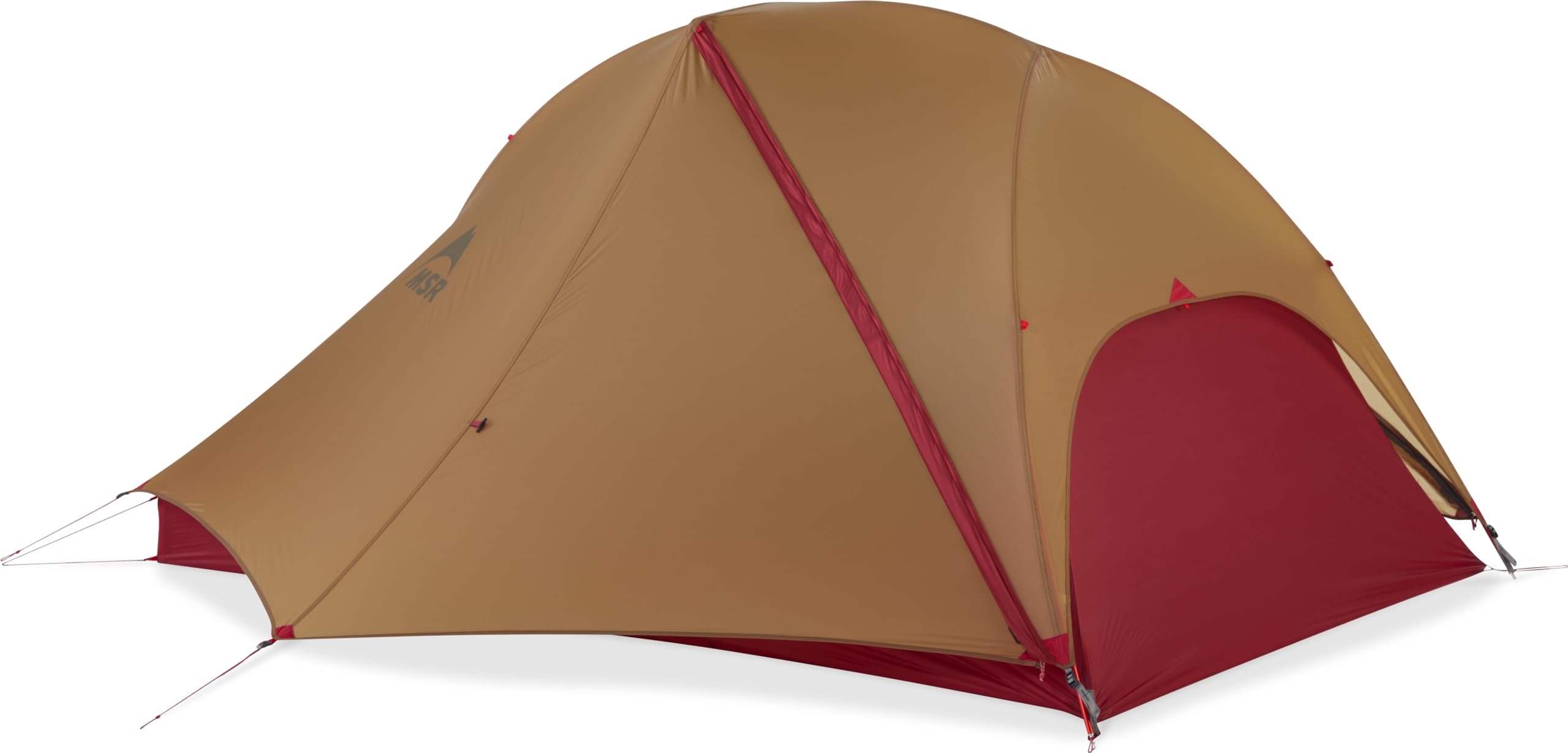
You’ll notice the Freelite the moment you shoulder your pack: it’s built to shave ounces without giving up weather protection. The 2024 FreeLite 2 pairs a minimal 2.3 pound trail weight with two doors and two vestibules, so you don’t have to juggle gear at the entrance. The ripstop nylon body and 1,200mm DuraShield polyurethane coating give reliable waterproofing for three-season trips, and the semi-freestanding clip system keeps setup quick when the wind picks up.
For everyday weekend overnights you’ll appreciate the light pack weight and compact stuff sack, and for multi-day treks you’ll like how it balances livable interior space with weight savings. If you camp often and carry your shelter, this tent is a strong fit because it focuses on what matters on trail days: low weight, dependable weather protection and sensible livability.
What People Say
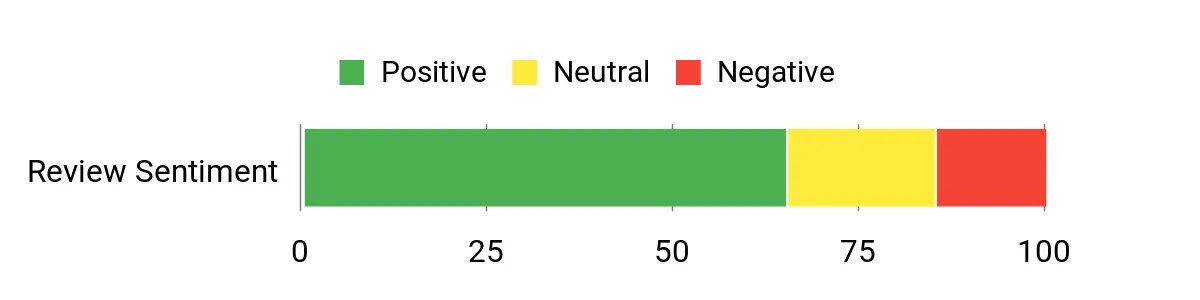
Customers often praise the Freelite for its ultralight feel and solid weather protection, noting that it performs well on wet, windy nights. People frequently mention the convenience of two doors and roomy vestibules for managing backpacks and boots.
Some users point out the premium price and recommend it for committed backpackers who prioritize weight savings.
Overall Sentiment: Positive
Situational Benefits
|
Situation |
How It Helps |
|---|---|
|
Backpacking Overnight |
You’ll save energy on steep approaches because the low trail weight makes the tent easy to carry mile after mile. |
|
Multi-Day Trek |
The durable fabric and reliable waterproofing let you keep moving through mixed weather without worrying about a soaked shelter. |
|
Car Camping Weekend |
You get roomy vestibules and two doors for easy gear access and shared space, making setup and gear organization simpler. |
Travel Friendliness
Very high. With a 2.3 pound minimum trail weight and compact packed size, the Freelite is designed to tuck into your pack without adding bulk, making it ideal for long approaches and lightweight setups.
Key Benefits
- Extremely light minimum trail weight for long carries
- Two doors and vestibules for gear access and drying space
- Durable ripstop nylon with waterproof DuraShield coating
- Thoughtful interior organization with multiple pockets
Rating: 4.1 (total: 32+)
Bridger Tent
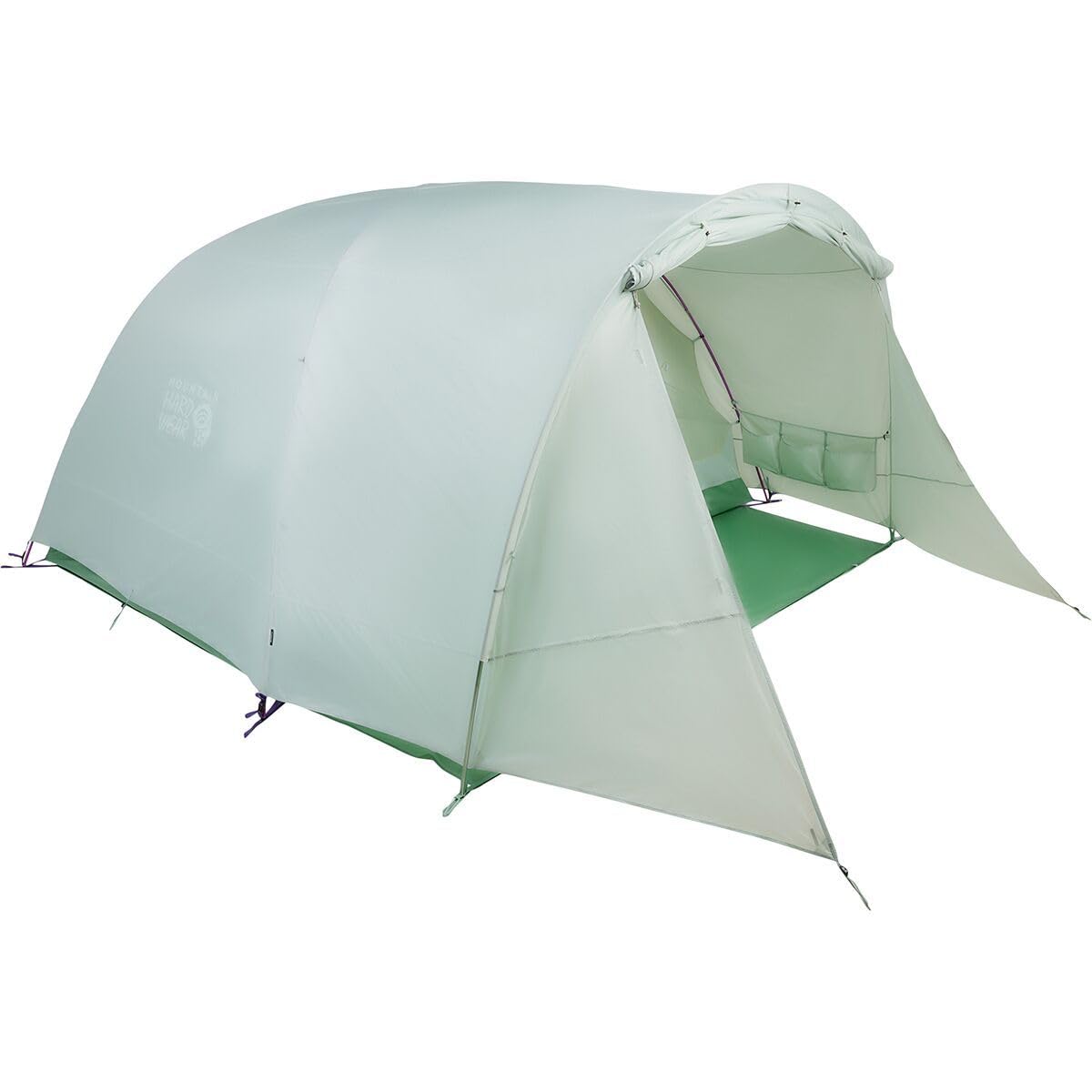
If you camp with family or friends, the Bridger gives you the kind of space that makes shared trips more comfortable. It’s built as a 3-season shelter with polyester materials meant for regular campsite use, offering generous headroom and a footprint that works well for cooking at the vestibule or stashing gear.
Setup is aimed at campsite convenience rather than ultralight travel, so you get stability and room over featherweight packing. Choose this if you value interior space and durability for car-based adventures.
What People Say
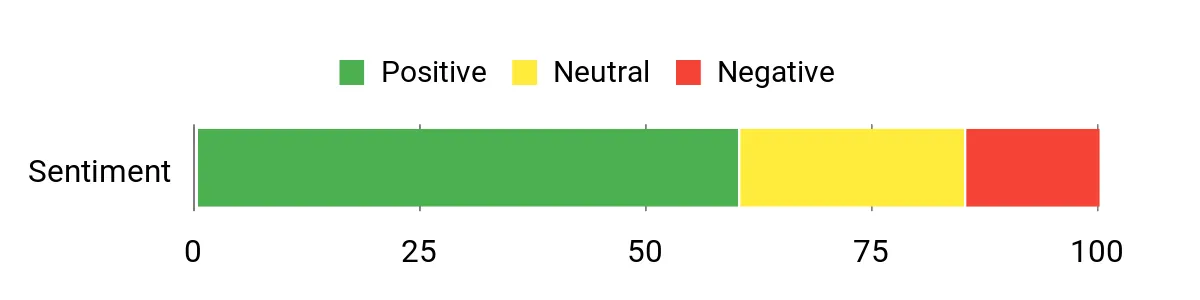
Reviewers commonly highlight how much space you get inside and appreciate the tent for family or group camping. Many note the solid build and suitability for established campsites, while others point out that the weight and bulk make it better suited to car camping than backpacking. Overall, people treat it as a practical, campsite-first option.
Overall Sentiment: Neutral
Situational Benefits
|
Situation |
How It Helps |
|---|---|
|
Family Camping |
You get enough floor space and headroom to sleep several people comfortably and keep shared gear organized. |
|
Car Camping Weekend |
Bulky components are easy to transport by car, and the tent’s stability and layout make setup and communal use straightforward. |
|
Campground Use |
Durable polyester fabrics and a design tuned to campsite life handle repeated setups and take-downs without fuss. |
Travel Friendliness
Low for backpacking, high for car-based trips. The Bridger’s size and materials make it cumbersome to carry long distances, but ideal when weight and packed volume aren’t constraints.
Key Benefits
- Roomy interior that fits multiple sleepers and gear
- 3-season design suitable for spring through fall use
- Durable polyester construction for regular campsite wear
- Campsite-oriented features for easy shared use
Rating: (total: +)
Coleman Skydome

You’ll appreciate the Skydome if quick pitching and roomy headroom matter more than shaving ounces. It uses pre-attached poles for a near-instant setup and Coleman’s WeatherTec system to shed rain at a campsite. The dome shape and taller ceiling make it easier to move around inside and store gear in the single vestibule, which is handy for casual trips, festivals or backyard stays. It’s not built for long-distance carries, but for car-based adventures you get convenience, straightforward ventilation and a shelter that’s easy to share.
What People Say
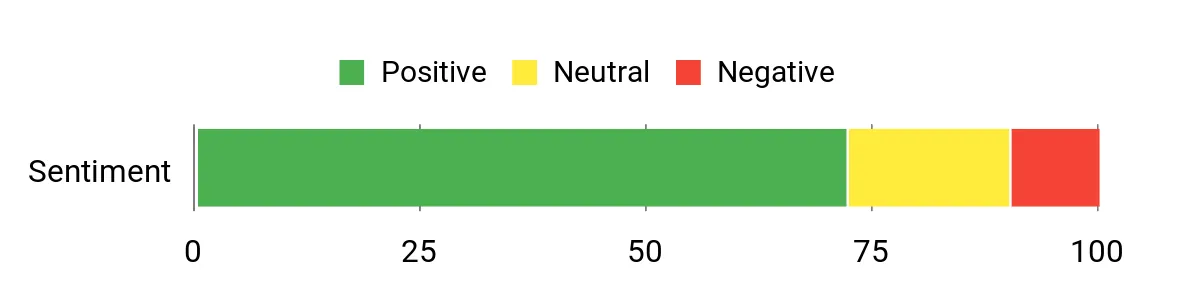
People commonly highlight how quickly the Skydome goes up and how much more headroom feels like a real upgrade compared with basic dome tents. Many reviewers value the WeatherTec protection and the ease of stashing gear, while some note limits around durability and that a single door can make shared use slightly awkward.
Overall Sentiment: Positive
Situational Benefits
|
Situation |
How It Helps |
|---|---|
|
Car Camping Weekend |
You can pitch fast when you arrive and enjoy roomy interior space for sleeping and gear, making campsite days less fussy. |
|
Festival Trips |
Quick setup means you spend less time assembling shelter and more time at the event, and the taller ceiling makes the tent feel less cramped. |
|
Backyard Sleepovers |
You get easy entry and exit plus a comfortable interior for casual overnight guests without complicated assembly. |
Travel Friendliness
Good for car-based travel and short drives, but low for backpacking due to heavier weight and bulk. If you prioritize convenience over packability, it’s a solid campsite choice.
Key Benefits
- Very fast, tool-free setup with pre-attached poles
- Extra headroom improves comfort and interior mobility
- WeatherTec system offers dependable rain shedding at camp
- Simple layout that’s easy to use for casual trips
Rating: 4.4 (total: 2637+)
Sea to Summit Ikos
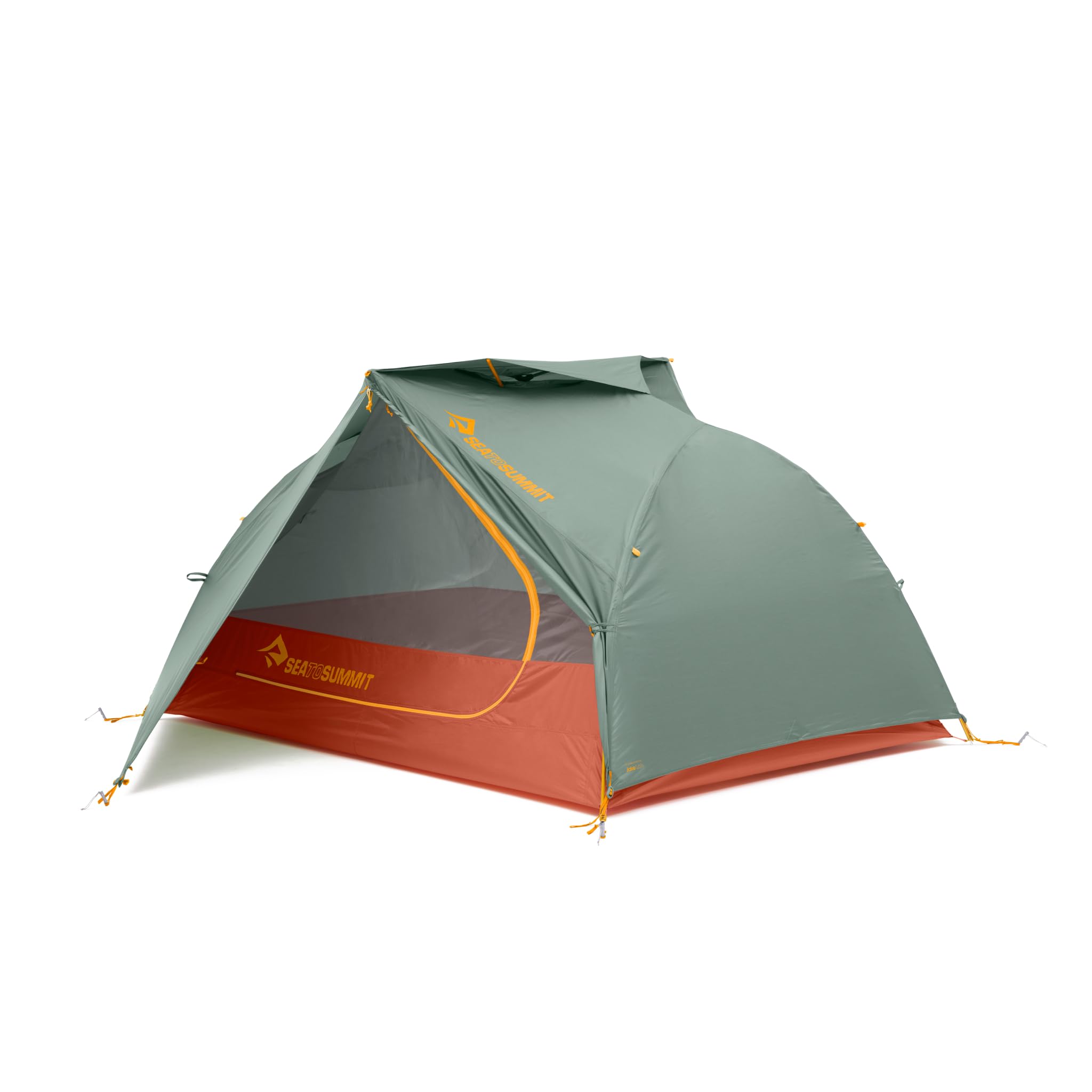
You get a tent designed around livability and airflow rather than absolute lightness. The Ikos uses Tension Ridge architecture and an Apex Vent to boost internal volume and ventilation, and five pitch modes let you adapt the shelter to dry set-ups, fly-only pitches or full rain protection.
That makes it versatile for mixed weather treks and car-adjacent trips where comfort and condensation control matter. If you want roomy headroom, strong airflow, and a shelter that can change form with conditions, the Ikos is worth a close look.
What People Say
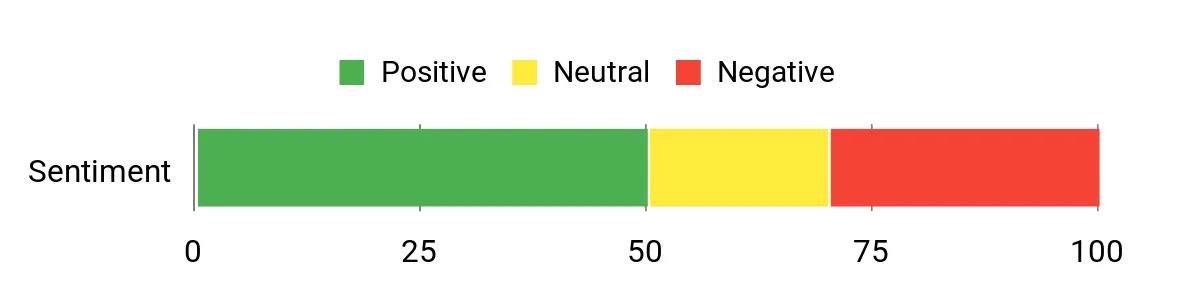
Customers often appreciate the Ikos for its spacious feel and excellent ventilation, especially on damp or warm nights. People highlight the adaptable pitching options and the roomy vestibules as real practical advantages, while some note the tent is heavier than ultralight options and takes a bit more time to master when changing pitch modes.
Overall Sentiment: Neutral
Situational Benefits
|
Situation |
How It Helps |
|---|---|
|
Backpacking Multi-Day |
You trade a bit of weight for more livable interior space and much better airflow, which reduces sweaty nights and makes drying gear easier after wet days. |
|
Wet Weather Trips |
The robust floor hydrostatic head and secure fly keep water out, while vents help control condensation so your sleeping kit stays drier. |
|
Car Camping Or Short Drives |
You can use the versatile pitch modes to set up fast or create an airy hangout space at camp without worrying about packing ultralight. |
Travel Friendliness
Moderate. At around 5.2 pounds packed, it’s manageable for short treks and comfortable overnights, but not the best choice if your priority is minimal pack weight for long approaches.
Key Benefits
- Superior airflow and condensation control through Tension Ridge and Apex Vent
- Versatile pitch modes for different weather and campsite needs
- Durable 68‑denier floor with high hydrostatic head for wet conditions
- Two doors and vestibules for easy access and gear storage
Rating: 3.4 (total: 4+)
FAQ
How Do I Choose Between Ultralight And Roomy Tents?
Picking the right balance comes down to how you camp. If you carry your shelter on long approaches, prioritize a low minimum trail weight, compact packed size and simple pole systems; those features save energy and make long days easier.
If you mainly car camp or value comfort, look for greater floor area, headroom and vestibule space so you can move around and stash gear without climbing over your partner. Also consider doors and vestibules—two doors improve access and reduce tent traffic—plus materials and seasons to match the conditions you expect.
What Waterproof Ratings And Features Should I Look For?
Water protection is more than a single number. Check the tent floor and fly for a hydrostatic head rating and prefer sealed seams or taped seams to stop leak paths. A bathtub-style floor, a well-fitted rainfly and properly pitched guy lines all help shed water in storms.
Ventilation matters too because good airflow reduces condensation that can feel like leaks. Finally, look for user-friendly pitching options such as fly-first or quick-connect systems so you can shelter the inner tent before a downpour.
How Should I Pitch, Pack And Care For A Tent To Make It Last?
Practice pitching at home so you’re efficient in camp and can spot missing parts before you leave. Choose a level site with good drainage, stake and tension the rainfly, and use guy lines to keep the fly stable in wind.
Always let the tent dry completely before packing to prevent mildew, hand wash gently if needed and store the tent loosely rather than compressed for long-term storage. Carry a small repair kit for pole splints, patches and replacement guylines so you can fix damage in the field.
Buyer Preferences
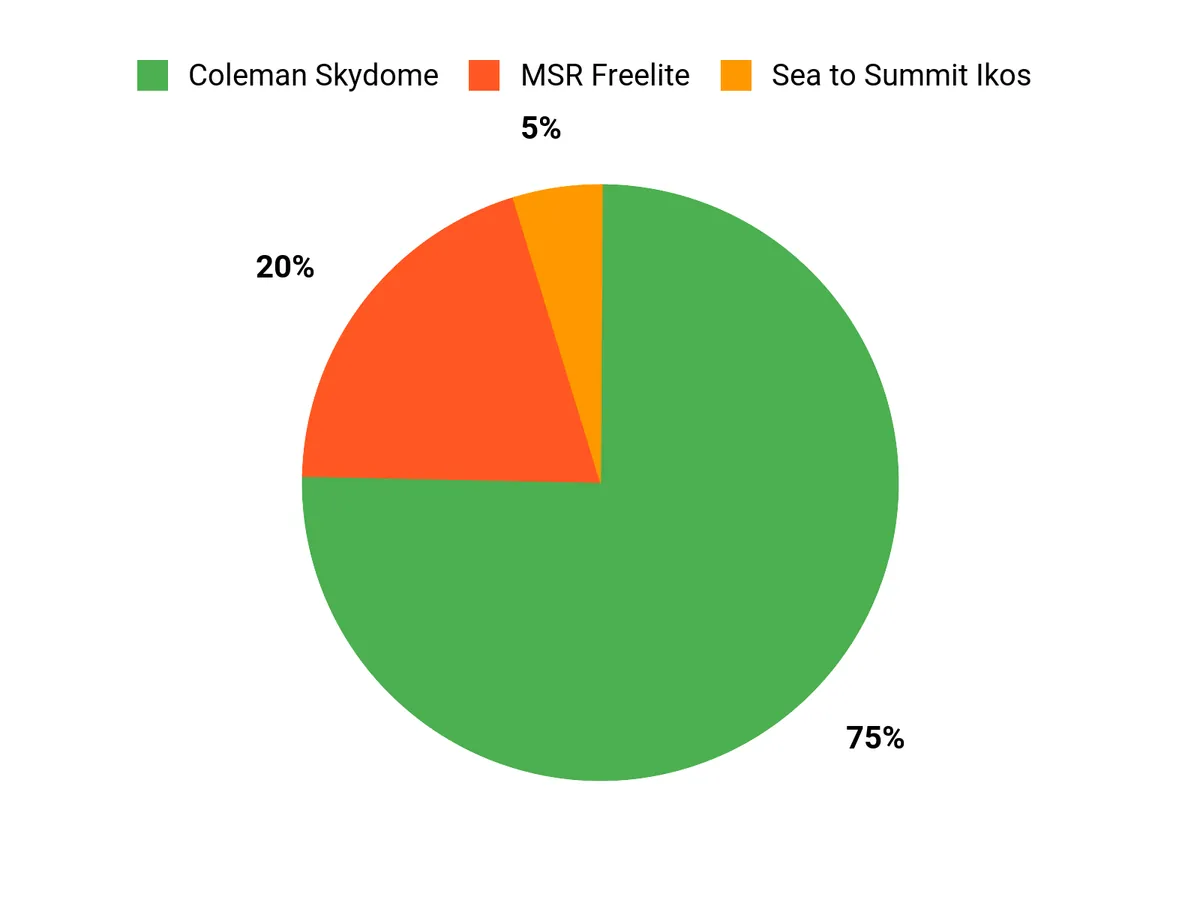
You typically decide based on how you camp: if you carry your shelter you’ll prioritize weight and packability along with reliable weather protection, which pushes you toward ultralight designs. If you car camp you’re more likely to value interior space, headroom and durability, while casual or festival campers often choose models that offer fast setup and straightforward usability.
Wrapping Up
If you prioritize carrying less weight on long hikes, the MSR Freelite is the headline choice for its 2.3 pound minimum trail weight and high-grade materials, though it carries a premium price. If budget and simple setup matter most, the Coleman Skydome delivers roomy floor area and quick pitching at a fraction of the cost, making it a strong pick for casual and car campers.
If you want the best airflow and adaptable pitch modes for mixed conditions, the Sea to Summit Ikos offers excellent ventilation and modular setup options. Match the tent to your typical trips and the trade-offs between weight, comfort and cost to get the best fit for your 2026 adventures.
| MSR Freelite 2-Person Ultralight Backpacking Tent 2024 Version | Coleman Skydome Camping Tent | Sea to Summit Ikos Lightweight Tent for Backpacking and Car Camping | |
|---|---|---|---|
|
|
|
|
|
| Rating | 4.1/5 (N reviews) | 4.4/5 (N reviews) | 3.4/5 (N reviews) |
| Dimensions (L x W x H) | 84″L x 50″W x 39″H | 23″L x 6″W x 6″H | 84.5″L x 53″W x 41.3″H |
| Weight | 2.3 Pounds | 7.74 Pounds | 5.23 Pounds |
| Occupancy | 2 Person | 2 Person | 2 Person |
| Water Resistance | 1,200mm DuraShield Polyurethane | WeatherTec System | 1,500 mm |
| Shop Now | Shop Now | Shop Now |
This Roundup is reader-supported. When you click through links we may earn a referral commission on qualifying purchases.
