

Last Updated on August 26, 2026 by Daniel Globe
Stainless steel travel mugs are essential daily accessories for commuters, travelers, and outdoor enthusiasts who rely on vacuum insulation to keep drinks hot or cold for hours. However, growing consumer awareness surrounding heavy metal exposure has raised questions about the composition of these containers—specifically regarding the presence and potential leaching of manganese. Understanding the metallurgy behind food-grade alloys, the chemistry of metal release, and international safety thresholds allows you to choose safe, non-toxic drinkware with complete confidence.
Quick Answer
Certified food-grade travel mugs made from 304 (18/8) or 316 stainless steel are completely safe and contain minimal manganese (≤2%) that does not leach at harmful levels. Health risks only arise from substandard, non-certified mugs made from cheap 200-series stainless steel, which substitutes nickel with high concentrations of manganese (5.5%–10%) that can leach when exposed to hot, acidic liquids.
Key Takeaways
- Alloy grade dictates safety: Food-grade 304 (18/8) and 316 stainless steel are resistant to corrosion, while budget 201-grade steel contains high manganese levels vulnerable to acid erosion.
- Leaching triggers: High liquid temperatures (>80°C), low pH (citrus juices, black coffee, kombucha), and prolonged contact time increase metal migration rates.
- Dietary exposure limits: Ingested manganese is subject to intestinal and hepatic regulation; leaching from certified 304 mugs remains well below the dietary Tolerable Upper Intake Level of 11 mg/day.
- Passivation layer protection: Never clean stainless steel mugs with chlorine bleach, abrasive scouring pads, or harsh chemicals that strip the protective chromium oxide film.
- Safe alternatives exist: Borosilicate glass, ceramic-lined tumblers, and pure titanium eliminate all metal-leaching concerns.
Disclosure: As an Amazon Associate I earn from qualifying purchases. Some links on this page are affiliate links, at no extra cost to you.
Understanding Stainless Steel Grades: 200 vs. 300 Series
Stainless steel is not a single element; it is an iron-based alloy containing chromium, nickel, molybdenum, carbon, and manganese. Manganese serves as a deoxidizer during steelmaking and stabilizes the austenitic crystal structure. However, the exact alloy series determines whether a travel mug is food-safe or prone to degradation.
| Steel Grade | Manganese Content | Corrosion Resistance | Food Contact Suitability |
|---|---|---|---|
| 304 (18/8 or 18/10) | ≤ 2.0% | High (Resistant to organic acids) | Industry Standard / Safe |
| 316 (Marine / Medical Grade) | ≤ 2.0% (+ 2-3% Molybdenum) | Superior (Resistant to chlorides & acids) | Premium / Highly Safe |
| 201 / 202 (Low-Cost Austenitic) | 5.5% – 10.0% | Low (Susceptible to acid pitting) | Unsuitable for acidic beverages |
In high-quality 304-grade stainless steel, nickel provides structural flexibility and corrosion protection, allowing a low manganese content (≤2%). In substandard manufacturing, producers substitute expensive nickel with high concentrations of manganese (up to 10%) to produce 201-grade stainless steel. While this reduces manufacturing costs, 201-grade steel possesses a weaker protective oxide layer that easily degrades when exposed to acidic beverages like coffee, tea, and fruit juices.
How Manganese Enters Travel Mugs and Why Leaching Occurs
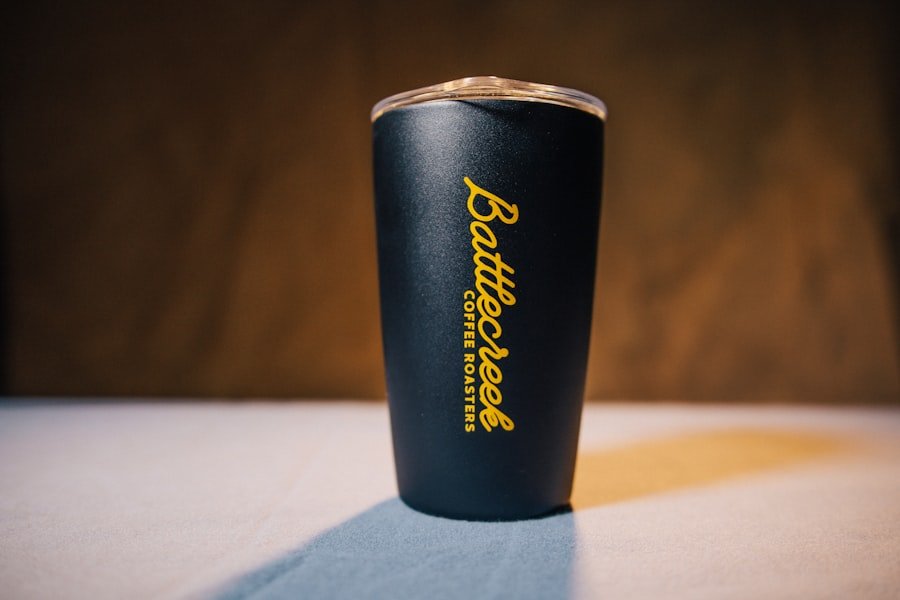
Manganese does not enter travel mugs as a topical coating or additive; it is an intrinsic element distributed throughout the molecular matrix of the alloy. Under normal conditions, stainless steel resists degradation due to a spontaneous chemical process called passivation. When the chromium in the steel contacts oxygen, it forms an invisible, self-healing layer of chromium(III) oxide (Cr2O3) on the surface, preventing the underlying iron, nickel, and manganese from reacting with liquid contents.
Metal leaching occurs when environmental stressors compromise this passive barrier:
- Beverage Acidity (pH Levels): Liquids with a low pH—such as black coffee (pH ~5.0), tomato juice (pH ~4.1), citrus beverages (pH ~2.5–3.5), or fermented kombucha—can corrode weakened passive layers on non-food-grade steel alloys.
- Thermal Acceleration: High beverage temperatures (>80°C / 176°F) increase kinetic energy at the liquid-metal interface, accelerating ion migration rates.
- Prolonged Contact Duration: Storing acidic liquids inside a mug for multiple consecutive days allows continuous chemical diffusion of metal ions into the beverage.
- Mechanical & Chemical Damage: Scratches from harsh wire brushes or chemical pitting from chlorine bleach degrade the passive barrier, exposing underlying metallic grains.
Warning: Never brew or store highly acidic, fermented, or heavily salted beverages (such as bone broths or kombucha) in unbranded or cheap stainless steel mugs for extended periods. In low-grade 200-series steel, low pH can accelerate ion migration of both manganese and nickel.
The Health Effects of Manganese: Inhalation vs. Ingestion
Manganese is an essential human micronutrient required for bone mineralization, amino acid metabolism, and antioxidant defense through the enzyme manganese superoxide dismutase (MnSOD). The human body requires between 1.8 and 2.3 mg of dietary manganese per day, readily absorbed from whole grains, legumes, nuts, and leafy vegetables.
Discussions regarding manganese toxicity often generate confusion because of the critical difference between respiratory inhalation and dietary ingestion:
- Occupational Inhalation (Manganism): Industrial workers, miners, and welders exposed to airborne manganese dust can inhale microscopic particles directly into the lungs. Inhaled manganese bypasses the liver’s metabolic filtration and crosses the blood-brain barrier via olfactory pathways, potentially causing a severe neurodegenerative disorder called manganism.
- Oral Ingestion (Drinkware & Food): The gastrointestinal tract and liver regulate ingested manganese through active homeostatic mechanisms. In healthy adults, only 3% to 5% of ingested manganese is absorbed; the remainder is cleared via biliary excretion into the feces.
“In healthy humans, oral intake of manganese from food contact materials made of standard 304 or 316 stainless steel falls well below established toxicological thresholds due to effective hepatic clearance.”
The National Institutes of Health (NIH) Office of Dietary Supplements establishes the Tolerable Upper Intake Level (UL) for manganese in adults at 11 mg per day. Laboratory migration assays show that certified food-grade 304 stainless steel releases less than 0.05 mg/kg of manganese even after prolonged exposure to boiling 0.5% citric acid, representing a fraction of normal daily dietary intake.
International Safety Standards and Release Limits
Food contact materials are strictly regulated worldwide to ensure that metal migration remains within safe physiological boundaries. International health bodies evaluate the migration of metals from alloys under worst-case laboratory testing conditions (such as 2-hour boiling in acidic simulants).
| Authority / Jurisdiction | Standard / Framework | Manganese Release Limit / Requirement |
|---|---|---|
| Council of Europe / EDQM | CM/Res(2013)9 & 2020 Guidelines | 1.8 mg/kg Specific Release Limit (SRL) |
| United States (FDA) | 21 CFR Part 175.300 / GRAS Criteria | Requires certified food-contact alloys (≥16% Cr, AISI 300 series) |
| European Union | Framework Regulation (EC) No 1935/2004 | Prohibits transfer of metal constituents in levels harmful to health |
| China (GB Standards) | GB 4806.9-2016 (Metal Products) | Mandates food-grade austenitic/martensitic labeling & migration limits |
According to the EDQM Metals and Alloys Guide, high-grade austenitic steels easily pass the 1.8 mg/kg Specific Release Limit (SRL), whereas unverified low-chromium, high-manganese alloys can exceed acceptable thresholds under acidic test simulations.
How to Choose and Verify Safe Travel Mugs
Protecting yourself from low-grade metal drinkware requires verifying the materials used before purchasing and confirming steel authenticity at home.
- Look for Clear Markings: Inspect the bottom base or inner wall of the tumbler for laser engravings specifying “18/8”, “SUS304”, or “SUS316”. Avoid mugs vaguely stamped only with “Stainless Steel” or containing no material designation.
- Check for Independent Food-Safety Certifications: Reputable manufacturers transparently display compliance with FDA, LFGB (German food contact standard), or ISO 9001 quality management benchmarks.
- Examine Internal Liners: Avoid designs with rough, unpolished internal seams or visible discoloration, which indicate poor factory welding and compromised passivation.
- BPA-Free and Food-Grade Seals: Ensure all secondary components (lids, gaskets, and straws) use food-grade, platinum-cured silicone and BPA/BPS-free polypropylene (Plastic #5) or Tritan.
Pro Tip: You can verify genuine 304 steel using an inexpensive stainless steel chemical testing reagent (available online). A drop of test fluid placed on genuine 304 steel remains clear or light gray, whereas on high-manganese 201 steel, it turns red or brown within 30–60 seconds due to the lack of nickel stabilization.
Non-Metallic Alternatives to Stainless Steel Mugs
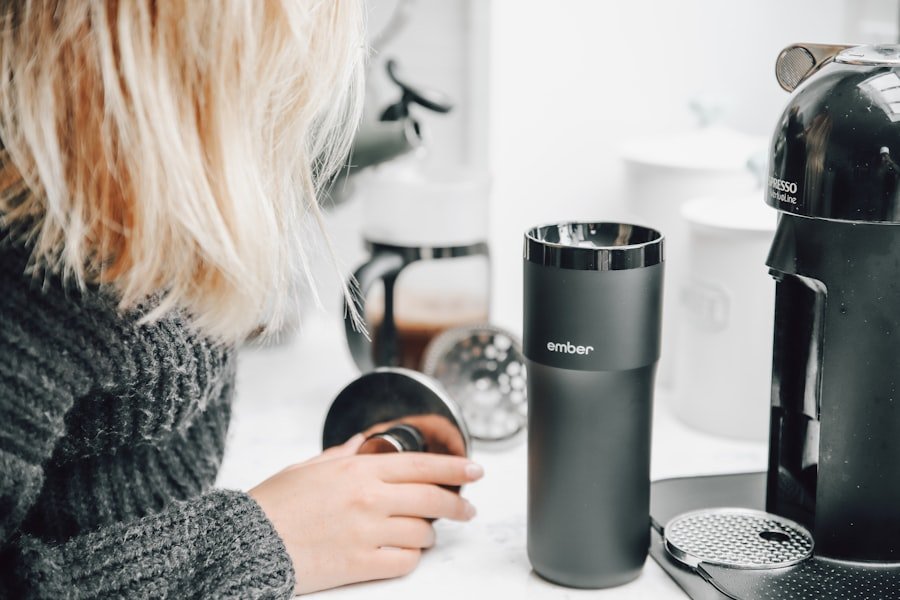
If you prefer to eliminate metal contact entirely, several non-reactive drinkware alternatives provide clean taste without any potential for heavy metal leaching:
- Borosilicate Glass: Completely chemically inert and non-porous. It does not leach metals or retain coffee odors. Modern double-walled borosilicate glass tumblers offer reasonable thermal insulation, though they remain vulnerable to mechanical drops.
- Ceramic-Lined Stainless Steel: Combines the robust, vacuum-insulated thermal retention of stainless steel with an interior fused ceramic coating, creating a completely non-reactive barrier between acidic beverages and metal.
- Pure Titanium: Titanium is biocompatible, lightweight, and builds a permanent, non-toxic titanium dioxide oxide layer that does not degrade in strong acids or hot liquids.
- Food-Grade Glazed Ceramic: Solid ceramic mugs coated with certified lead- and cadmium-free glazes provide an authentic coffee drinking experience for shorter commutes.
Cleaning and Maintenance: Preserving the Passive Oxide Layer
Proper maintenance protects the internal chromium oxide shield of your stainless steel travel mug, ensuring it remains inert and leak-free for years.
- Wash Immediately After Use: Do not leave residual acidic drinks (espresso, lemonade, black tea) sitting inside your travel mug overnight. Rinse promptly with warm water.
- Avoid Bleach and Chlorinated Cleaners: Chlorine ions penetrate and break down the passive chromium layer, leading to micro-pitting corrosion and accelerated metal leaching.
- Use Non-Abrasive Brushes: Clean interior walls with soft sponge brushes or bottle cleaners. Never use steel wool, wire scouring pads, or abrasive pumice cleansers, which leave deep scratches on the metal lining.
- Deep Clean with Sodium Bicarbonate and Citric Acid: To remove stubborn coffee oil stains and mineral scale, fill the mug with warm water and add 1 tablespoon of baking soda or a teaspoon of food-grade citric acid. Allow it to sit for 15 minutes before rinsing thoroughly.
Note: Dishwasher cycles use high-alkaline detergents and intense water spray that can degrade external powder coatings and compromise vacuum seals over time. Hand-washing is always recommended for double-wall insulated tumblers.
Are Travel Mugs with Manganese Safe?
Travel mugs made from authentic, food-grade 304 (18/8) or 316 stainless steel are completely safe for daily use. While manganese is present in these alloys as a necessary metallurgical element, it is locked within a stable crystalline matrix protected by a self-healing chromium oxide barrier. Under normal conditions of use—including holding boiling coffee, tea, or citrus beverages—manganese leaching remains negligible and well below internationally recognized safety limits.
Safety concerns are only justified when purchasing unbranded, ultra-cheap travel tumblers manufactured from non-compliant 200-series steel. By purchasing from established manufacturers, confirming “18/8” or “304” material stamps, and practicing gentle cleaning habits, you can safely enjoy hot and cold drinks without risking heavy metal contamination.
Frequently Asked Questions
What is manganese and why is it used in travel mugs?
Manganese is a naturally occurring transition metal used during steel refining to remove oxygen and sulfur. In austenitic stainless steel, it assists in stabilizing the crystalline structure and improves tensile strength. In high-quality food-grade 304 steel, it is limited to ≤2.0%, whereas low-cost 200-series alloys use up to 10% manganese to replace expensive nickel.
Is it safe to drink acidic beverages like coffee or citrus juice from a stainless steel mug?
Yes, provided the mug is made of certified 304 (18/8) or 316 stainless steel. These alloys feature a robust chromium oxide passivation film that prevents acid corrosion from everyday coffee, tea, and juice. However, avoid storing highly acidic liquids for days at a time or using low-grade 201 steel containers.
Are there any health concerns associated with manganese in travel mugs?
In certified drinkware, there are no significant health concerns. Leaching levels from food-grade stainless steel are measured in microscopic amounts (well under 0.05 mg/L), whereas the human dietary Upper Limit is 11 mg per day. Significant toxicity (manganism) occurs through chronic industrial dust inhalation, not from drinking out of quality stainless steel mugs.
How can I verify whether my travel mug is made of safe stainless steel?
Look for a permanent stamp on the bottom of the container reading “18/8”, “304”, or “316”. Purchase from reputable brands that publish food-safety certifications (FDA/LFGB/EDQM). For unbranded mugs, you can use a stainless steel chemical testing acid drop: genuine 304 will not change color, while high-manganese 201 steel turns red-brown within a minute.
Sources
- European Directorate for the Quality of Medicines & HealthCare (EDQM) — Resolution CM/Res(2013)9 and Guidelines on Metals and Alloys Used in Food Contact Materials and Articles.
- National Institutes of Health (NIH) Office of Dietary Supplements — Manganese Health Professional Fact Sheet on dietary intake and upper limits.
- U.S. Food and Drug Administration (FDA) — 21 CFR Part 175.300: Resinous and polymeric coatings and metal food-contact safety standards.
- European Food Safety Authority (EFSA) — Scientific Opinion on Dietary Reference Values for Manganese and oral exposure safety.
