
Last Updated on September 10, 2026 by Daniel Globe
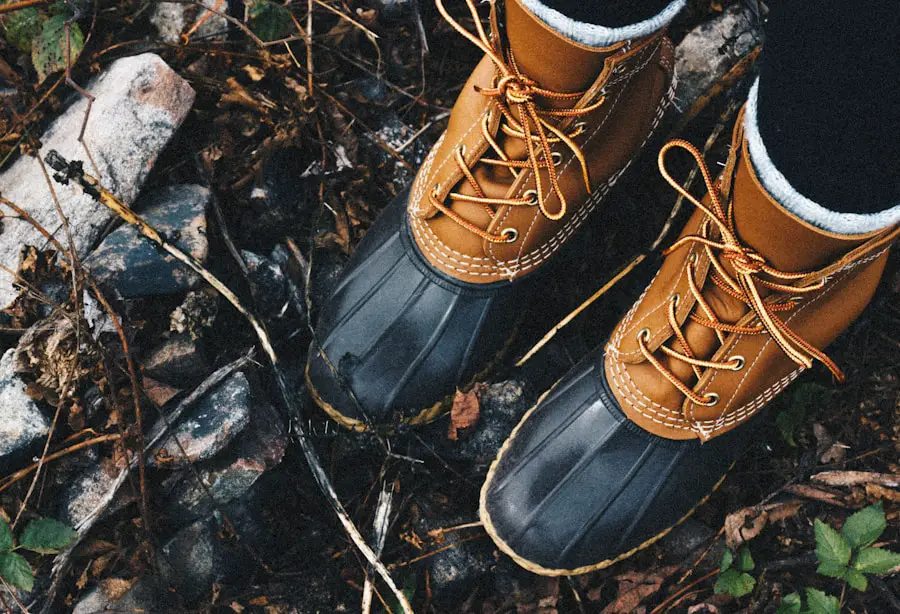
Timberland has a long outdoor-footwear heritage, but the answer to whether Timberlands are good hiking boots depends heavily on the model. The company’s original waterproof Timberland boot debuted in 1973, and Abington Shoe Company adopted the Timberland name in 1978. Today, Timberland sells both purpose-built hiking boots and heavier heritage boots, so choosing the right type matters more than choosing the brand name alone.
Quick Answer
Yes, some Timberlands are good hiking boots, especially purpose-built models such as the White Ledge and Mt. Maddsen. They offer leather uppers, lugged rubber outsoles, cushioning and waterproof options. However, the iconic Premium 6-Inch is heavier and insulated, so it is less suitable for warm-weather or long-distance hiking.
Key Takeaways
- Choose a Timberland model that is actually designed for hiking rather than assuming every Timberland boot will perform the same way on a trail.
- White Ledge and Mt. Maddsen are better trail choices than the heavier, insulated Premium 6-Inch for most day hikes.
- Waterproof construction is useful in wet conditions, but waterproof boots can feel warmer and less breathable in hot weather.
- Fit matters as much as brand: the boot should feel secure without pinching, with enough space for your toes.
- Rubber lugs improve trail grip, but boots alone may not provide enough traction on packed snow or ice.
Disclosure: As an Amazon Associate I earn from qualifying purchases. Some links on this page are affiliate links, at no extra cost to you.
Which Timberlands Are Actually Made for Hiking?
The most important distinction is between Timberland hiking boots and Timberland’s better-known heritage or lifestyle boots. A boot can be waterproof and rugged without being the best choice for several miles of trail walking.
Current Timberland hiking lines such as the White Ledge Mid Waterproof Hiking Boot and Mt. Maddsen Mid Waterproof Hiking Boot include features specifically intended for trail use, including EVA cushioning and rubber lug outsoles.
| Model | Key Features | Best Use | Main Tradeoff |
|---|---|---|---|
| White Ledge Mid Waterproof | Waterproof leather, seam-sealed construction, EVA footbed and midsole, rubber lug outsole | Day hikes, established trails, mixed weather | Leather waterproof construction may feel warmer than a ventilated hiking shoe |
| Mt. Maddsen Mid Waterproof | TimberDry waterproof membrane, anti-fatigue footbed, compression-molded EVA midsole, rubber lug outsole | Wet trails, moderate hikes, hikers wanting more structured footwear | More substantial than a lightweight trail shoe |
| Premium 6-Inch Waterproof | Waterproof construction, 400 g PrimaLoft insulation, steel shank, anti-fatigue footbed, lug outsole | Cold-weather casual outdoor use and short walks | Heavier, warmer and not as hiking-focused as dedicated trail models |
Note: The familiar yellow Premium 6-Inch boot can handle outdoor walking, but that does not make it equivalent to a purpose-built Timberland hiking boot. Match the exact model to your terrain, distance and weather.
Durability and Quality of Materials
High-Quality Materials
Timberland uses leather, textiles and rubber in different combinations across its hiking range. Current White Ledge and Mt. Maddsen models use Premium Timberland leather, while particular models or colorways may be identified as full-grain or nubuck. It is better to check the specification for the exact boot than to assume every Timberland hiker uses the same grade or finish of leather.
Leather can provide strong abrasion resistance and structure on rocky or brushy trails. The tradeoff is that a substantial leather boot is generally heavier and can require more break-in than a flexible hiking shoe.
Durable and Breathable
Timberland also uses textile components to reduce weight, manage interior comfort and complement leather uppers. Current models may include ReBOTL fabric linings, EVA midsoles and rubber lug outsoles. These components serve different purposes: EVA provides cushioning, while the outsole protects the midsole and supplies trail traction.
Breathability varies considerably by model. A waterproof leather boot with a waterproof membrane or sealed construction will normally retain more heat than an open-mesh, non-waterproof hiking shoe. That can be helpful in cool, wet weather but less comfortable on hot, dry summer trails.
Sustainable Materials
Timberland incorporates recycled materials into several current hiking boots. For example, White Ledge and Mt. Maddsen listings specify ReBOTL fabric linings containing at least 50% recycled plastic. Timberland also states that purchasing various leather models supports Leather Working Group-certified tanneries.
Those features are useful product details, but they should not be interpreted as proof that every component of every Timberland boot has the same environmental profile.
Comfort and Support for Hiking
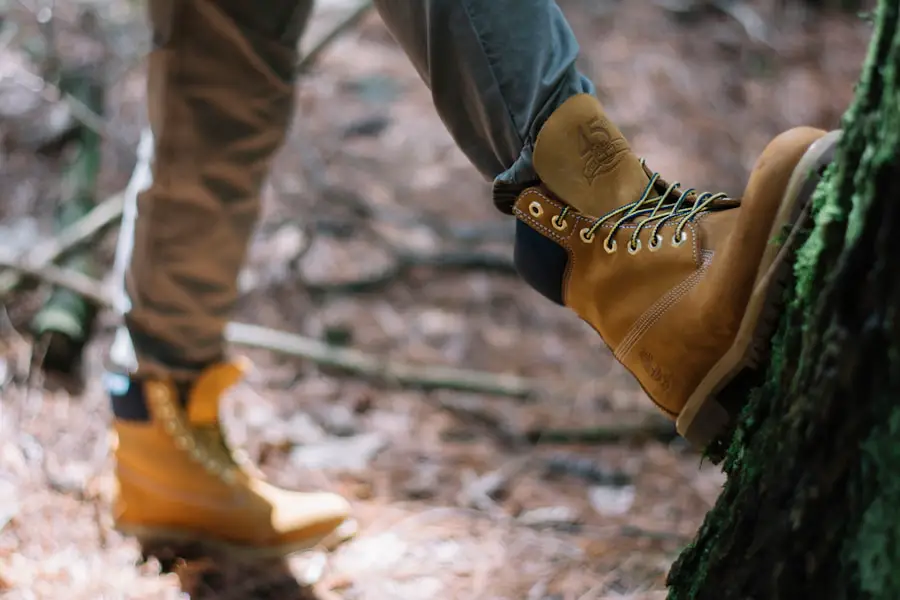
Comfort is one reason Timberland’s hiking-specific models can work well for day hiking. White Ledge uses an EVA footbed and midsole, while Mt. Maddsen combines a compression-molded EVA midsole with a removable anti-fatigue footbed. These cushioning systems are intended to reduce the harsh feel of repeated impact underfoot.
Mid-height boots also provide more coverage around the ankle than a low hiking shoe. A padded collar can improve comfort and help shield the ankle from debris, but boot height should not be treated as a guarantee against sprains or other injuries. Proper fit, secure lacing, underfoot stability and careful foot placement remain important.
How Should Timberland Hiking Boots Fit?
According to REI’s current hiking-boot fitting guidance, hiking footwear should feel snug throughout the foot without being tight and should leave room to move the toes.
- Toe box: Your toes should not strike the front of the boot when walking downhill.
- Heel: Your heel should remain reasonably secure rather than lifting excessively with every step.
- Width: The forefoot should not feel pinched along the sides.
- Socks: Try the boots with the same type and thickness of hiking socks you expect to wear on the trail.
- Timing: Trying boots later in the day can help account for normal foot swelling.
Pro Tip: Wear new leather hiking boots on several short walks before taking them on a long hike. A boot that creates a persistent pressure point at home is unlikely to become comfortable simply because you are farther down the trail.
Traction and Grip on Various Terrains
Timberland hiking boots such as White Ledge and Mt. Maddsen use rubber lug outsoles. Lugs create edges that can bite into dirt, gravel and uneven surfaces, but actual grip depends on lug depth, spacing, rubber compound and trail conditions.
| Terrain | Typical Expectation | What to Know |
|---|---|---|
| Asphalt | Stable but more boot than most walkers need | Aggressive lugs and heavy leather may feel less efficient than walking shoes on long paved routes. |
| Gravel | Generally well suited | Lugged rubber and a structured upper can provide useful stability on loose trail surfaces. |
| Mud | Variable | Deeper, widely spaced lugs generally shed mud better. Mud can overwhelm any outsole when it becomes deep or slick. |
| Snow | Condition dependent | Waterproofing helps keep feet dry, but packed snow and ice may require separate traction devices. |
| Rocky | Good on many dry, uneven trails | Wet, smooth rock can still be slippery regardless of the boot brand. |
Some Timberland footwear does use Vibram outsoles, but this should not be assumed across the hiking range. Current White Ledge and Mt. Maddsen specifications identify rubber lug outsoles without claiming that every version uses Vibram. Always check the exact product listing when outsole technology is important to you.
Warning: A lugged boot is not a substitute for proper winter traction. The National Park Service recommends traction devices for icy or snow-covered conditions when appropriate. Check current trail conditions and carry the equipment required for the route.
Waterproofing and Breathability
Waterproofing is one of Timberland’s strengths, but the construction differs by model. The men’s White Ledge Mid Waterproof uses waterproof leather and seam-sealed construction. The Mt. Maddsen Mid Waterproof uses a TimberDry waterproof membrane in addition to waterproof leather. Other Timberland hikers, including some Chocorua models, use GORE-TEX bootie construction.
That distinction matters because “waterproof Timberland” does not describe one universal technology. Check the specific model when waterproof performance is a deciding factor.
Waterproof footwear also involves a tradeoff. A membrane can keep outside moisture from reaching the foot while managing some moisture vapor, but waterproof boots are usually warmer and less ventilated than non-waterproof mesh hiking shoes. REI specifically notes that waterproof hiking footwear can become hot and less breathable.
Note: Waterproof boots make the most sense when wet grass, shallow puddles, mud, rain or cool conditions are likely. In hot and dry climates, a lighter non-waterproof hiking shoe may feel cooler and dry faster after getting wet.
Weight and Fit for Long-Distance Hiking
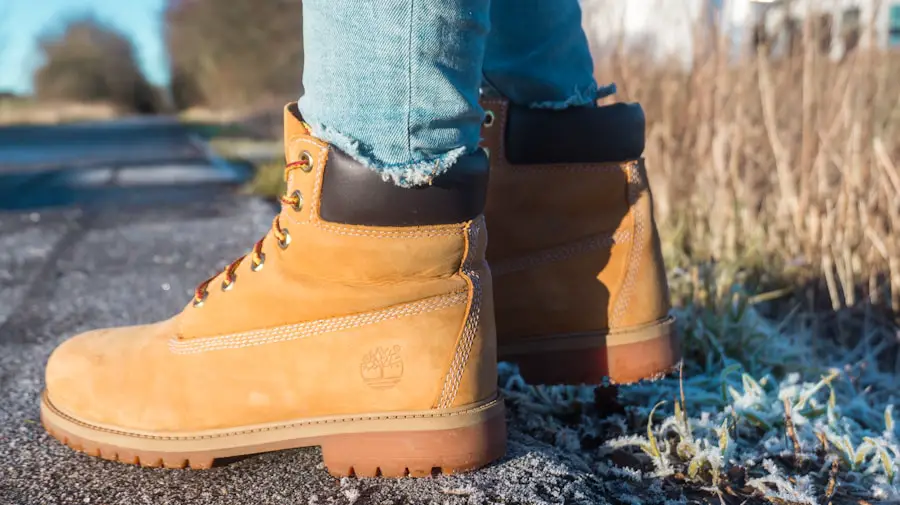
Boot weight becomes more noticeable as mileage increases. Timberland’s current product pages illustrate why the exact model matters: a men’s size 9 White Ledge Mid Waterproof is listed at 1.32 lb, and a men’s size 9 Mt. Maddsen Mid Waterproof is listed at 1.36 lb. One current Premium 6-Inch listing, by comparison, gives a men’s size 9 weight of 2.10 lb.
Timberland’s own specifications show why “Are Timberlands good for hiking?” cannot be answered by brand alone: a current White Ledge hiking boot is listed far lighter than a current insulated Premium 6-Inch model in the same men’s size.
A heavier boot is not automatically bad. Additional leather, insulation and structure can be useful in cold conditions or rough terrain. The disadvantage appears when a hiker carries that extra weight for many miles without needing the extra warmth or bulk.
For casual hikes and moderate day trips, a dedicated Timberland hiker can provide a good balance of cushioning, protection and durability. For ultralight backpacking, thru-hiking or very high-mileage travel, many hikers may prefer a lighter hiking shoe or trail runner instead.
Match the Boot to the Hike
- Short day hikes: White Ledge or Mt. Maddsen can be practical choices when you prefer structured leather footwear.
- Wet trails: Choose a waterproof hiking-specific model and remember that mud can still reduce traction.
- Hot summer hikes: Consider whether a waterproof leather boot will be warmer than you need.
- Long-distance backpacking: Pay close attention to weight, underfoot comfort and how your feet feel after several hours.
- Snow and ice: Waterproofing and warmth matter, but conditions may also require gaiters, snowshoes or over-the-boot traction.
Customer Reviews and Feedback
Customer reviews can provide useful clues about Timberland hiking boots, especially recurring comments about sizing, heel fit, toe-box space, stiffness and break-in. However, reviews should not be treated as proof that a boot will fit every foot or grip every trail equally well.
Pay the most attention to reviewers whose use case resembles your own. Someone walking short, groomed trails may have a very different experience from a backpacker carrying a loaded pack over steep rock.
Comments about an initial break-in period are also plausible with structured leather footwear. REI recommends breaking in burlier hiking boots before taking them into the backcountry. A short test hike is a much safer place to discover a heel-rub or toe-pressure problem than a remote trail several miles from the car.
Are Timberlands Good Hiking Boots?
Yes, purpose-built Timberland hiking boots can be good hiking boots. Models such as White Ledge and Mt. Maddsen combine features hikers commonly look for: durable uppers, EVA cushioning, lugged rubber outsoles and waterproof options.
The answer is less favorable if “Timberlands” means the classic Premium 6-Inch. That boot is rugged and waterproof, but its extra weight and 400 g insulation make it a less efficient choice for warm-weather hiking or long trail days than Timberland’s dedicated hiking models.
Timberland hiking boots make the most sense for hikers who like the feel of structured leather footwear, expect wet or cool conditions, and prioritize durability and protection over minimum weight. They are less compelling for ultralight hikers, people who run hot, or anyone seeking highly ventilated footwear for dry summer trails.
Most importantly, a good hiking boot is one that fits your foot and suits your actual route. Brand reputation cannot compensate for a poor fit, inappropriate insulation or the wrong outsole for the conditions.
If your hiking trip is part of a family road trip, you may also want to review our separate guide on whether you need a car seat when traveling before heading to the trailhead.
Frequently Asked Questions
Are Timberlands good for hiking?
Yes, Timberland’s purpose-built hiking models can be good for day hikes and moderate trails. White Ledge and Mt. Maddsen are better hiking choices than assuming every Timberland boot is designed for trail use.
What features make Timberland boots good for hiking?
Hiking-specific Timberlands can include EVA cushioning, rubber lug outsoles, waterproof leather, gusseted tongues and waterproof construction. Features vary by model, so check the exact specifications before buying.
Are Timberland boots waterproof?
Many Timberland hiking boots are waterproof, but the construction differs. White Ledge uses waterproof leather and seam-sealed construction, Mt. Maddsen uses TimberDry, and selected models use GORE-TEX. Not every Timberland boot is waterproof.
Do Timberland boots provide good ankle support for hiking?
Mid-height Timberland hikers provide more coverage and structure around the ankle than low-cut shoes. However, boot height does not guarantee injury prevention. Secure fit, appropriate lacing, underfoot stability and careful movement remain important.
Are Timberland boots durable for hiking?
Timberland’s hiking-specific leather boots are designed for outdoor use and use materials such as leather, EVA cushioning and rubber outsoles. Actual lifespan depends on mileage, terrain, fit, care and how often the boots remain wet or dirty.
Can Timberland boots handle different types of hiking terrain?
Dedicated Timberland hikers can handle many established dirt, gravel and rocky trails. Performance in deep mud, wet rock, packed snow and ice depends on the outsole and conditions. Additional traction may be required on icy trails.
Are classic 6-inch Timberlands good hiking boots?
They can handle short outdoor walks, especially in cold or wet weather, but they are not the best Timberland choice for most hiking. The Premium 6-Inch is heavier and insulated compared with dedicated models such as White Ledge and Mt. Maddsen.
Do Timberland hiking boots need to be broken in?
Structured leather hiking boots may benefit from a gradual break-in period. Wear them on shorter walks first and stop if you develop persistent rubbing, pinching or toe pressure rather than expecting a seriously poor fit to fix itself.
Sources
- Timberland Newsroom — 50 Years of an Icon — Timberland boot history and the company’s 1978 name change.
- Timberland — White Ledge Mid Waterproof Hiking Boot — construction, cushioning, outsole and listed weight.
- Timberland — Mt. Maddsen Mid Waterproof Hiking Boot — TimberDry, footbed, midsole, outsole and listed weight.
- Timberland — Premium 6-Inch Waterproof Boot — insulation, steel shank, outsole and listed weight.
- REI Expert Advice — How to Choose Hiking Boots and Shoes — footwear fit, materials, lug patterns, waterproofing tradeoffs and break-in guidance.
- U.S. National Park Service — Winter Hiking Tips — winter footwear and traction-device safety guidance.

