
Last Updated on July 27, 2026 by Daniel Globe
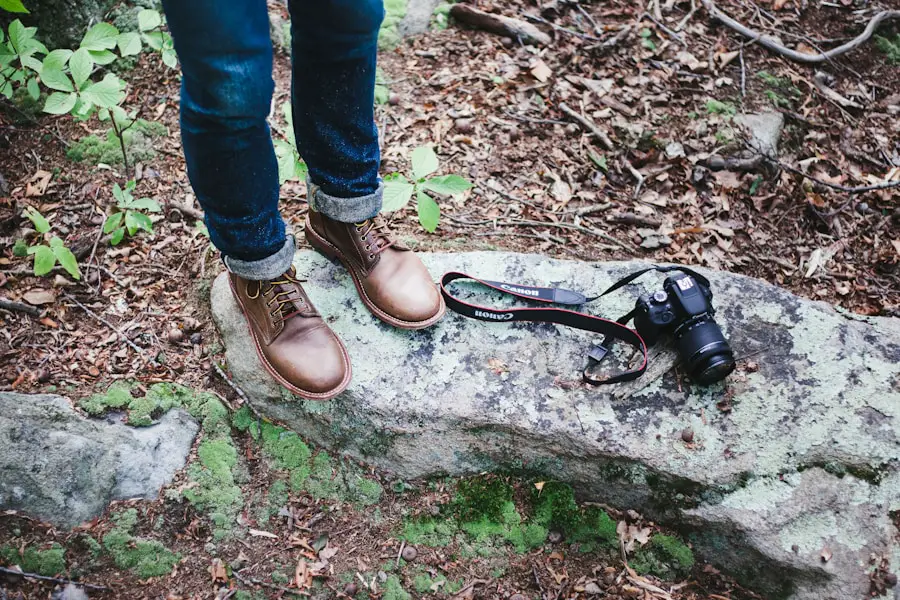
Logger boots are heavy-duty work boots built for demanding terrain, and some models can work well for hiking. Their tough uppers, supportive construction, aggressive outsoles, and tall shafts can be useful on muddy or rugged trails. The trade-off is that logger boots are often heavier, stiffer, warmer, and less efficient for long-distance walking than footwear designed specifically for hiking.
Logger-style boots have a long history in timber work. For example, Danner says it has made logging boots since 1932. Modern versions vary widely, however. Some have steel or composite safety toes, while others use plain or soft toes. Waterproof membranes, insulation, electrical-hazard ratings, and other protective features are also model-specific rather than universal.
Quick Answer
Logger boots can be good for short or moderate hikes on rough, muddy, wet, or brushy terrain when durability and foot protection matter more than low weight. For long-distance hiking, hot weather, or fast travel, dedicated hiking boots, hiking shoes, or trail runners are usually lighter, more flexible, and more comfortable.
Key Takeaways
- Logger boots can handle rugged trails, mud, brush, and wet conditions well when the specific model has a suitable outsole and fit.
- They are commonly heavier and stiffer than purpose-built hiking footwear, which can become tiring over long distances.
- Steel toes, waterproof liners, insulation, electrical-hazard ratings, and chain-saw protection are not automatic features of every logger boot.
- A tall boot collar can provide coverage and a supportive feel, but it should not be treated as a guarantee against ankle sprains or fractures.
- For snow or ice, an aggressive lug sole alone may not be enough; conditions can require separate traction devices.
Disclosure: As an Amazon Associate I earn from qualifying purchases. Some links on this page are affiliate links, at no extra cost to you.
Differences Between Logger Boots and Hiking Boots
Logger boots and hiking boots can look similar, but they are designed around different priorities. Logger boots come from the work-boot world. They generally emphasize rugged construction, durability, stability, protection, and grip in demanding work environments. Many have tall leather uppers, stiff shanks, substantial lug soles, and a distinct raised logger heel.
Hiking footwear is designed around repeated walking over long distances. Day-hiking boots and hiking shoes usually place more emphasis on lower weight, flex, cushioning, breathability, and a natural walking stride. Backpacking and mountaineering boots can be much stiffer and heavier, so there is some overlap between the categories.
| Feature | Logger Boots | Hiking Boots / Shoes |
| Primary purpose | Heavy outdoor work and rugged surfaces | Walking, hiking, and backpacking |
| Weight | Often relatively heavy, although modern lightweight models exist | Ranges from very light trail shoes to heavy backpacking boots |
| Flexibility | Usually stiff to moderately flexible | Usually selected to balance flex and support for walking |
| Heel | Often has a pronounced logger heel | Usually has a flatter hiking-oriented sole profile |
| Safety toe | Available on some models; not universal | Uncommon on recreational hiking footwear |
| Best hiking use | Rough, muddy, brushy terrain and crossover work/hiking use | Most recreational day hikes, backpacking trips, and long distances |
Outsole design also varies. Many logger boots use deep, widely spaced lugs that can bite into soft ground and shed mud. Hiking boots also use lugged outsoles, but their patterns and rubber compounds may be optimized differently for dirt, rock, scrambling, or mixed trails. The exact outsole matters more than the category name printed on the box.
Support and Protection Offered by Logger Boots
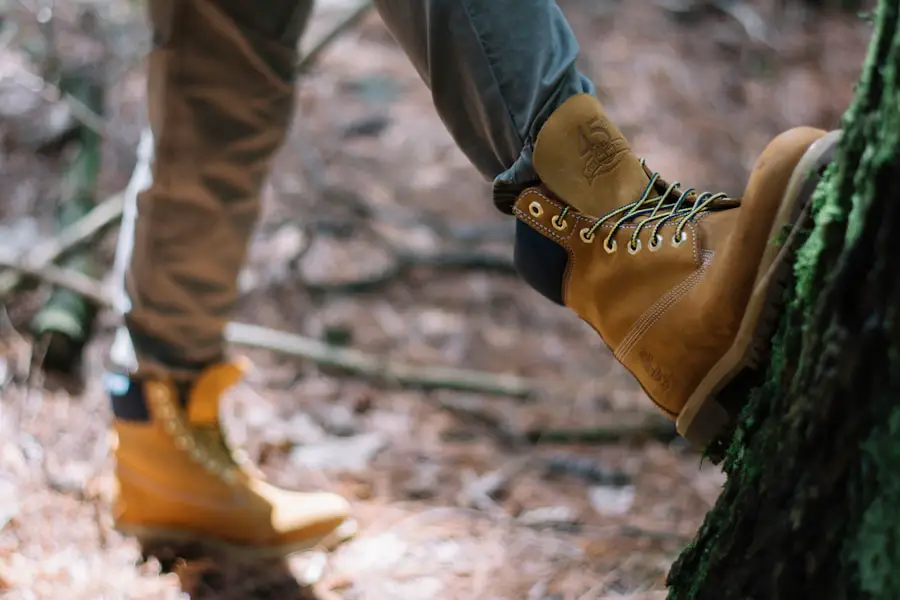
One reason hikers consider logger boots is their substantial construction. Tall uppers cover more of the ankle and lower leg than low-cut hiking shoes, while stiff midsoles or shanks can create a stable platform underfoot. OSHA’s logging footwear guidance specifically calls for occupational logging footwear that is heavy-duty, water-resistant or waterproof, and covers and supports the ankle.
That does not mean a tall logger boot guarantees protection from ankle sprains. Research on high-top footwear has not established a dependable injury-prevention effect by itself. A high collar is better viewed as added coverage and support rather than a substitute for careful foot placement, conditioning, appropriate trail choice, or medical bracing when prescribed.
Safety toes also require a closer look. Some logger boots contain steel or composite toe caps for workplace hazards, while others do not. For example, Danner’s current Logger is sold with a plain toe, while Red Wing offers LoggerMax versions with an ASTM-rated steel safety toe. For recreational hiking, a safety toe may add protection but can also add stiffness and weight.
Note: The words “logger boot” do not guarantee a steel toe, puncture-resistant sole, electrical-hazard rating, waterproof membrane, insulation, or chain-saw resistance. Check the specifications and markings of the exact model.
Warning: Recreational hiking advice is not a substitute for workplace PPE requirements. OSHA has specific footwear requirements for logging operations, including additional cut-resistant protection in applicable chain-saw work. A boot that looks like a logger boot should not be assumed to meet those requirements.
Comfort and Durability of Logger Boots for Hiking
| Brand Mentioned | What to Check Before Hiking | Why It Matters |
| Timberland | Exact model weight, outsole, flex, toe type, and waterproofing | Brand-wide comfort or durability scores do not describe every boot |
| Danner | Logger model, fit, outsole, waterproof liner, and listed weight | Current Logger models include plain-toe waterproof options |
| Wolverine | Exact construction, toe protection, cushioning, tread, and insulation | Model specifications matter more than the brand name |
| Carolina | Soft-toe versus safety-toe configuration, waterproofing, shank, and outsole | The company sells multiple logger configurations rather than one standard design |
Modern logger boots can be far more comfortable than older, extremely rigid work boots. Removable cushioned footbeds, waterproof-breathable liners, and lighter structural components are available on some models. Danner, for example, lists a current Logger at 70 ounces per pair and describes its construction as an attempt to reduce traditional logger-boot weight while retaining stability.
Even so, a logger boot that feels comfortable during a workday may feel different after several continuous miles. A stiff shank, tall shaft, thick leather upper, safety toe, or pronounced heel can become noticeable on a long trail. The boot should flex comfortably at your forefoot without creating pressure across the toes or allowing your heel to lift excessively.
Durability remains one of the category’s main strengths. Leather uppers, welted or stitchdown construction, substantial midsoles, and heavy rubber outsoles can tolerate abrasion and rough use. That toughness can appeal to hikers traveling through brush, rocks, mud, or mixed work-and-trail environments.
Durability is not the same thing as hiking efficiency, however. A lighter hiking boot or trail shoe may wear faster but still be the better choice when covering many miles because it allows an easier stride and usually provides more ventilation.
Traction and Grip of Logger Boots on Hiking Trails
Many logger boots use aggressive lugged soles, making them a reasonable choice for loose soil, muddy slopes, forest floors, and other soft surfaces. A raised heel can also provide a defined edge on some steep terrain. Danner, for example, describes the 90-degree heel and Vibram outsole on its Logger as features intended for steep terrain and substantial edging.
Still, deep lugs do not guarantee strong traction everywhere. Wet rock, smooth roots, painted surfaces, loose scree, compacted snow, and ice behave differently from mud. Rubber compound, tread wear, surface contamination, and temperature can all change how securely a boot grips.
Warning: Do not assume a deep logger tread makes a boot safe on ice. The National Park Service recommends traction devices when trails have hard-packed snow or ice. Match the device to the conditions and make sure it fits your footwear securely.
For ordinary dirt and gravel trails, the National Park Service recommends sturdy footwear with adequate tread. Before relying on logger boots for a difficult route, inspect the outsole for worn or rounded lugs and test how the boots behave on terrain similar to what you expect.
Considerations for Using Logger Boots for Hiking
Weight and Fatigue
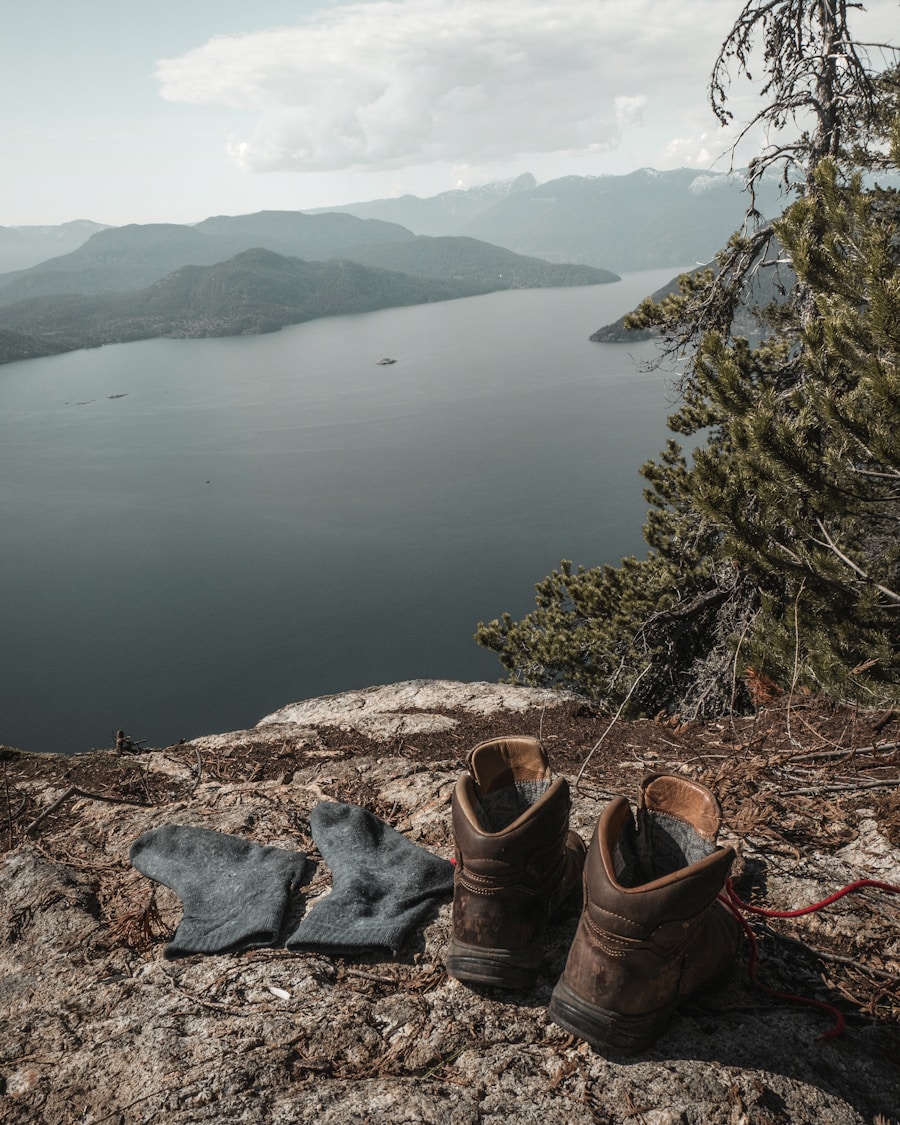
Logger boots are often heavier than lightweight hiking boots, hiking shoes, or trail runners because they may use thick leather, sturdy shanks, heavy-duty outsoles, tall shafts, and protective hardware. The extra mass does not automatically make them unsuitable, but it can become noticeable as mileage increases.
For a short hike through rough woodland, the added protection may be worth the trade-off. For an all-day hike on a maintained trail, carrying more boot than you need can be tiring.
Breathability and Climate
Waterproof leather and insulated logger boots can be comfortable in cold or wet conditions but warm during summer hikes. Less ventilation means sweat may build up even when outside water cannot easily enter the boot.
In hot climates, an uninsulated hiking boot or breathable hiking shoe will usually be easier to manage. Wear moisture-wicking hiking socks rather than cotton, and bring a spare pair on longer trips.
Fit and Break-In Period
A good fit matters more than the label on the boot. Try logger boots with the socks you plan to use on the trail. Your toes should have room to move without striking the front of the boot on descents, your heel should not lift excessively, and the boot should not pinch your forefoot or ankle when laced securely.
Stiff leather boots may need gradual wear before a long hike. Start with short walks rather than using a brand-new pair for an all-day trip.
Pro Tip: Before taking logger boots on a long hike, wear them for several shorter walks that include hills and descents. Pay attention to heel lift, toe pressure, hot spots, and whether the raised heel feels natural after an hour or more of walking.
The Raised Logger Heel
The pronounced heel found on many logger boots is one of the biggest differences from conventional hiking footwear. It can provide a defined heel edge and is useful in some work situations and on certain steep surfaces. On long, rolling trails or hard ground, however, some hikers find a flatter hiking-oriented sole more natural.
If you have never worn a raised logger heel, test it before committing to a long route. Comfort while standing does not always predict comfort after several miles.
Safety Toe or Plain Toe
A safety toe can make sense when your hike overlaps with work activity or when your footwear must satisfy an occupational hazard assessment. For purely recreational hiking, a steel toe is rarely necessary and can add stiffness and weight.
Do not buy a safety-toe boot based only on the words “steel toe.” OSHA requires protective footwear when workplace hazards such as falling or rolling objects, sole-piercing objects, or certain electrical hazards are present, and compliant footwear should be selected for the specific hazard. See OSHA’s foot-protection requirements for occupational use.
Check the Exact Model Before Hiking
Before choosing any logger boot for hiking, check these specifications rather than relying on the category name:
- Weight: A major consideration for longer hikes.
- Outsole: Look at lug depth, rubber condition, and intended surface.
- Flex: Make sure the boot bends comfortably where your foot bends.
- Heel shape: Decide whether a pronounced logger heel suits your walking style.
- Toe type: Plain, soft, steel, and composite toes have different trade-offs.
- Waterproofing: Useful in wet conditions but often warmer.
- Insulation: Helpful in cold weather but unnecessary for most warm-weather hikes.
- Safety ratings: Relevant for occupational use but not a substitute for trail-specific performance.
Alternatives to Logger Boots for Hiking
If logger boots feel too heavy or stiff, several hiking-specific alternatives can provide a better balance of comfort, traction, and protection.
Day-hiking boots are a good middle ground. They generally provide more coverage and structure than hiking shoes while remaining lighter and more flexible than many heavy work boots.
Backpacking boots are better suited to rugged multi-day trips with heavier packs. They can be stiff and substantial but are shaped specifically around sustained walking.
Hiking shoes work well for maintained trails, moderate terrain, and hikers who prefer less weight around the ankle. They usually offer more protection and tread than ordinary athletic shoes without the bulk of a tall boot.
Trail-running shoes prioritize low weight, flexibility, and quick movement. They can be excellent on maintained or moderate trails, particularly in warm weather, although they generally provide less protection than substantial boots.
Whatever style you choose, match the footwear to the terrain and conditions. The National Park Service recommends proper walking footwear and sturdy, suitable soles for trail conditions rather than treating one boot category as universally best.
Are Logger Boots Good for Hiking?
Yes, logger boots can be good for hiking, but they are a specialized choice rather than the best default footwear for every trail.
They make the most sense when you already own a comfortable pair and expect rough ground, mud, brush, wet weather, or conditions where rugged construction is valuable. They can also be practical when the same footwear must serve both outdoor work and recreational walking.
They are less attractive for high-mileage hikes, hot summer trails, fast hiking, or routes where low weight and flexibility matter most. In those situations, purpose-built hiking boots, hiking shoes, or trail runners will usually be easier to wear over distance.
The best choice ultimately comes down to the exact boot rather than the word “logger.” Check weight, fit, outsole design, flex, heel shape, weather protection, and the conditions you will encounter. A well-fitting logger boot with the right tread can outperform a poorly chosen hiking boot, while an excessively heavy or stiff logger can make an otherwise easy trail unnecessarily tiring.
If your hike is part of a warm-weather trip, climate should also influence footwear choice. For example, this guide to the best time to travel to Cancun can help you compare seasonal heat and weather before deciding whether a heavy waterproof boot or a more breathable hiking option makes sense.
Frequently Asked Questions
What are logger boots?
Logger boots are heavy-duty work boots associated with logging and other demanding outdoor trades. Typical designs use tall uppers, substantial soles, rugged construction, and often a pronounced heel. Features such as safety toes, waterproofing, insulation, and electrical-hazard ratings vary by model.
Are logger boots good for hiking?
They can be. Logger boots are most useful on rugged, muddy, wet, or brushy terrain where durability matters. For long-distance hiking or hot weather, lighter hiking boots, hiking shoes, or trail runners are usually more comfortable and efficient.
What are the benefits of wearing logger boots for hiking?
Potential benefits include durable construction, substantial foot and lower-leg coverage, stable midsoles or shanks, and aggressive tread on some models. Waterproof logger boots can also be useful in wet conditions. These advantages depend on the exact boot rather than the category name alone.
What are the drawbacks of wearing logger boots for hiking?
Logger boots can be heavier, stiffer, hotter, and slower to break in than hiking-specific footwear. A pronounced heel may also feel less natural during long walks. These trade-offs become more important as hiking distance and temperature increase.
What are some alternatives to logger boots for hiking?
Day-hiking boots offer a balance of protection and walking comfort, backpacking boots suit heavier loads and rough terrain, hiking shoes reduce weight for moderate trails, and trail runners provide maximum flexibility and breathability for hikers who prefer lighter footwear.
Do logger boots need steel toes for hiking?
No. Recreational hiking does not normally require a steel safety toe. Some logger boots are plain- or soft-toe models, while others have steel or composite protection for workplace hazards. Choose a safety toe when your work environment or hazard assessment requires one, not simply because the boot will be used outdoors.
Are logger boots good for snow and ice?
Waterproof or insulated logger boots can be useful in cold and snowy conditions, but an aggressive tread does not guarantee traction on ice. Hard-packed snow and ice may require compatible traction devices, and deep soft snow may require other equipment such as snowshoes.
Sources
- Occupational Safety and Health Administration — Logging Foot Protection — occupational logger-boot and chain-saw footwear requirements.
- Occupational Safety and Health Administration — 29 CFR 1910.136 — workplace protective-footwear requirements.
- Danner — Danner Logger — current example of a waterproof plain-toe logger boot, including construction and weight specifications.
- Red Wing — LoggerMax — current example of a waterproof steel-toe logger boot with model-specific safety ratings.
- National Park Service — Hike Smart — guidance on appropriate hiking footwear and trail preparation.
- PubMed — Interventions for Preventing Ankle Ligament Injuries — evidence review relevant to claims about high-top footwear and ankle-sprain prevention.

