
Last Updated on July 27, 2026 by Daniel Globe
High top hiking boots can be a smart choice when you want more ankle coverage, a supportive platform, and extra protection on rough trails. However, a taller boot is not automatically safer, more waterproof, or better at gripping the ground. The right choice depends on the terrain, pack weight, weather, fit, boot construction, and how much freedom of movement you prefer.
Quick Answer
High top hiking boots are not automatically better than low-cut hiking shoes. They provide more ankle coverage and can limit some ankle motion, which may feel more stable on rough terrain. Low-cut footwear is usually lighter and more flexible. Fit, outsole grip, underfoot support, terrain, weather, and pack weight matter just as much as boot height.
Key Takeaways
- High tops provide more ankle coverage and may limit some ankle movement, but research does not prove that they prevent hiking ankle sprains.
- Low-cut hiking shoes generally offer more ankle freedom and often weigh less, making them attractive for maintained trails, fast hiking, and trail running.
- Traction comes mainly from the outsole and tread, while waterproofing depends on the boot’s membrane and construction—not simply its height.
- Rugged terrain, debris, snow, and heavier packs can make a supportive mid- or high-cut boot more appealing.
- A secure heel, adequate toe room, good underfoot support, and overall comfort matter more than choosing a boot based on collar height alone.
Disclosure: As an Amazon Associate I earn from qualifying purchases. Some links on this page are affiliate links, at no extra cost to you.
High-Top vs Low-Top Hiking Boots: What Actually Changes?
High top hiking boots extend above the ankle, while low-cut hiking shoes sit at or below it. Mid-cut boots fall between the two. Current hiking footwear includes everything from flexible trail runners to stiff backpacking and mountaineering boots, so two shoes with similar collar heights can feel very different underfoot.
High tops commonly use leather, synthetic fabrics, protective overlays, cushioning materials, and rubber outsoles. Their taller uppers give the ankle more coverage from rocks, brush, mud, and loose trail debris. Some models also use stiffer midsoles and more substantial heel structures, although those features are not guaranteed simply because the boot is tall.
Low-cut hiking shoes generally allow more ankle movement. Many are also lighter and more flexible, which can make them comfortable for day hikes, quick movement, fastpacking, and maintained trails. Trail-running shoes take that idea further by emphasizing low weight and mobility.
REI’s current hiking-footwear guide recommends choosing footwear according to factors such as terrain, trip length, load, construction, and fit rather than relying on one feature alone. The American Hiking Society likewise emphasizes comfort, fit, traction, heel security, and matching footwear to the hike.
Boot height can change how your ankle moves, but a taller collar by itself does not prove that you are less likely to suffer an ankle sprain on the trail.
Support and Stability: The Role of High Top Hiking Boots
Support and stability come from more than the height of a boot. The midsole, heel counter, width of the platform, lacing system, fit, and overall stiffness all affect how secure the footwear feels.
A higher collar can resist some ankle movement when it is sufficiently structured and laced securely. Research has found measurable differences in ankle motion between high- and low-collar footwear. However, the amount of restriction varies with shoe design and movement, so it is too simple to say that every high top will “lock” the ankle in place.
Underfoot support can be just as important on rocky terrain or when carrying a pack. A firmer midsole can reduce how much the foot bends around sharp rocks and uneven surfaces, while a secure heel helps prevent the foot from sliding inside the boot.
Cushioning is another separate feature. Brands such as Merrell, Salomon, Columbia, and KEEN sell hiking footwear with different cushioning compounds, sole stiffness levels, and collar heights. Compare the specifications and fit of the individual model instead of assuming that one brand or a taller cut automatically provides more shock absorption or support.
Pro Tip: When comparing two boots, flex and twist them gently by hand and then walk on an incline if the store provides one. A taller collar may feel supportive, but heel hold and underfoot stiffness often reveal more about how stable the boot will feel on rough ground.
Ankle Protection and Injury Prevention
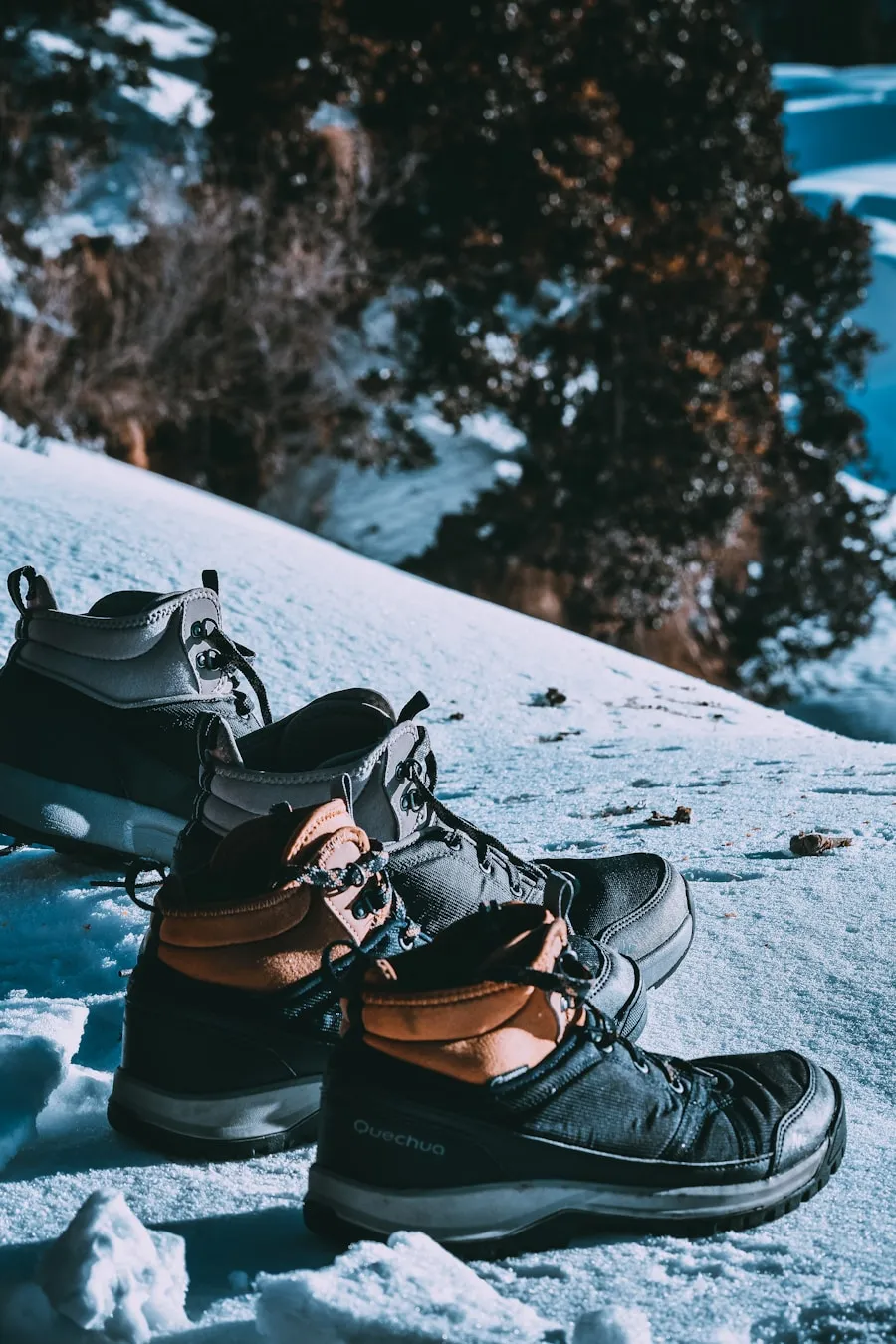
One clear advantage of a taller boot is physical coverage. The upper can shield more of the ankle area from brush, small rocks, scree, mud, and trail debris. A padded collar may also reduce minor knocks against the ankle bone.
Injury prevention is less straightforward. A 2020 review of shoe collar height and ankle-sprain mechanics found that high-top shoes often limited sprain-related ankle movement in static tests, but evidence from dynamic testing was weak and inconsistent.
More recently, a 2026 biomechanics study found that high-top shoes reduced ankle inversion range and speed during controlled sudden-inversion testing. That supports a mechanical effect from a higher collar, but it still does not establish that hikers wearing high tops experience fewer ankle sprains in real-world conditions.
Older clinical research also shows why the distinction matters. High tops may affect ankle mechanics without consistently producing lower injury rates across people and activities. Fit, previous injuries, balance, muscle strength, terrain, fatigue, and footwear design all influence risk.
Warning: Do not rely on high top hiking boots alone if you have repeated ankle sprains or ongoing instability. The American Academy of Orthopaedic Surgeons emphasizes strength, balance and proprioception training, appropriate footwear, and—in some situations—taping or bracing. Seek professional advice for persistent pain, instability, or recurrent injuries.
Terrain and Activity Considerations
| Hiking Situation | Terrain Considerations | Footwear Considerations |
| Maintained day hikes | Firm trails, moderate grades, limited loose rock | Low-cut hiking shoes or lightweight mid boots often provide enough protection if they fit well. |
| Rocky or off-trail hiking | Loose rock, roots, scree, uneven footing and brush | Mid- or high-cut boots can add ankle coverage; prioritize a stable platform, secure heel and protective outsole. |
| Backpacking | Long distances, uneven ground and a heavier pack | A supportive mid- or high-cut backpacking boot may feel more secure, but underfoot stiffness and fit matter as much as collar height. |
| Fastpacking or trail running | Faster pace and frequent direction changes | Low-cut hiking or trail-running footwear provides more freedom of movement and is often lighter. |
| Mud, shallow snow or wet vegetation | Moisture, mud and debris can enter from above or through the upper | A taller collar adds coverage, but also check waterproof construction, tongue design, outsole grip and whether gaiters are useful. |
High top hiking boots often make the most sense when the trail includes rocks, roots, loose debris, brush, steep grades, or off-trail travel. The extra coverage can be reassuring when the ankle area repeatedly brushes against obstacles.
Backpackers carrying more gear may also prefer a firmer, more substantial boot. However, the useful feature is not simply the height. A stiff midsole, secure heel and properly shaped last can contribute heavily to how stable the footwear feels under load.
Low-cut hiking shoes are often attractive on maintained trails or when speed and agility matter. They allow greater ankle freedom and are frequently lighter than backpacking boots. Trail runners take this approach even further and are commonly designed for quick movement and directional changes.
Traction, Waterproofing, and Protection Are Separate Features
A common mistake is to assume that a high top automatically grips better. Collar height has little to do with the part of the shoe touching the ground. Traction depends mainly on the outsole’s rubber compound, tread pattern, lug depth, and how well those features match the surface.
For muddy or loose terrain, look for an outsole designed to shed dirt and maintain contact with the trail. For rock, rubber grip and tread geometry may matter more. No outsole provides perfect traction, so careful foot placement is still necessary on wet roots, loose gravel, ice, and slick rock.
Water resistance is also separate from boot height. Waterproof hiking footwear normally relies on a waterproof membrane, sealed construction, or another dedicated barrier. A taller collar can help when moving through shallow mud, snow, or wet grass because the opening sits higher, but water can still enter over the top.
Waterproof footwear also tends to trade some ventilation for weather protection. In hot, dry conditions, a breathable non-waterproof model may feel more comfortable and can dry more quickly after getting wet.
Note: If keeping loose gravel, mud or snow out is your main reason for buying a high boot, gaiters can provide similar extra coverage with some lower-cut hiking footwear.
Comfort and Flexibility in High Top Hiking Boots
High top hiking boots can be comfortable for long days when they fit correctly, but a tall collar does not guarantee comfort. Padding around the ankle and tongue can reduce pressure, while moisture-managing linings and breathable upper materials can help control heat and sweat.
Flexibility varies widely. Some high-cut day-hiking boots bend easily, while heavier backpacking boots may have much stiffer midsoles. That stiffness can provide underfoot protection on rocky ground, but it may also make the boot feel less natural on easy trails.
Low-cut footwear generally gives the ankle more freedom. That can be useful when moving quickly or scrambling over uncomplicated terrain where precise foot placement and mobility feel more important than extra ankle coverage.
Modern footwear makes the high-versus-low debate less clear-cut than it once was. Lightweight high-cut boots exist, as do rugged low-cut hiking shoes with substantial midsoles and protective toe caps. Compare the whole shoe rather than using collar height as a shortcut for quality or durability.
Choosing the Right Hiking Boot for You
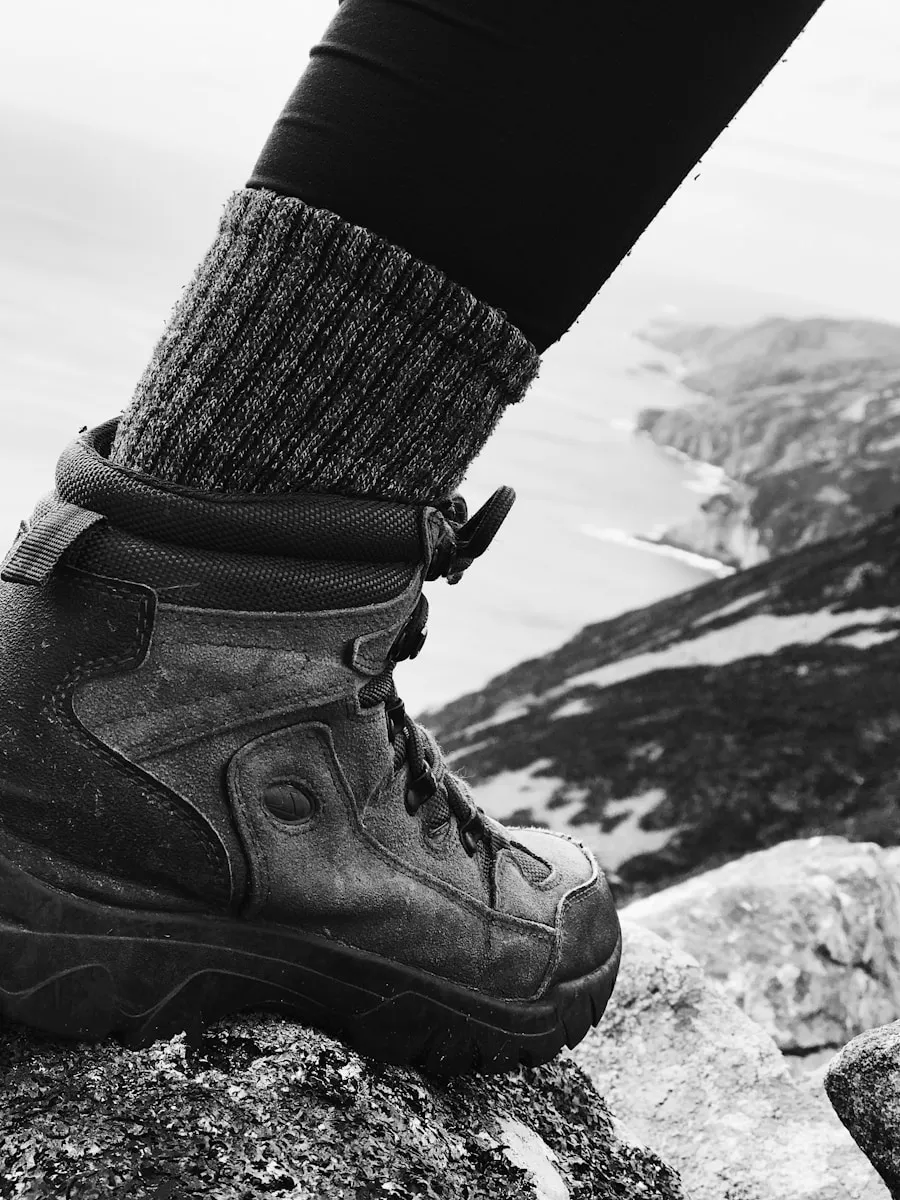
Fit should come before the high-top versus low-top decision. A supportive boot that does not match your foot can create hot spots, blisters, numbness, heel movement, or painful pressure points.
How to Check Hiking Boot Fit
- Wear your hiking socks. Try boots with the same sock thickness you expect to use on the trail.
- Allow room for your toes. Your toes should not feel compressed, and they should not slam into the front when walking downhill.
- Check the heel. Your heel should feel secure rather than repeatedly sliding or “pistoning” up and down.
- Check overall volume. The boot should hold the midfoot securely without painful squeezing or numbness.
- Walk on an incline. Test uphill and downhill movement when possible, not just a few steps on a flat shop floor.
- Pay attention immediately. Do not assume serious pressure points will disappear after a long break-in period.
The American Hiking Society’s footwear guidance specifically recommends trying boots with the socks you will hike in, providing room around the toes, and keeping the heel securely in place.
Pro Tip: Feet can feel larger after hours of standing or walking. Trying hiking footwear later in the day and testing it on short walks before a major trip can reveal fit problems before you are miles from the trailhead.
When High Tops Make More Sense
Consider high-cut or supportive mid-cut hiking boots when you regularly hike through rough, rocky, brushy, muddy, snowy, or off-trail terrain; want more protection around the ankle bones; prefer a more substantial boot under a backpacking load; or simply feel more confident and comfortable in taller footwear.
When Low Tops Make More Sense
Low-cut hiking shoes can be a better fit for maintained trails, warm and dry weather, quick day hikes, fastpacking, trail running, or hikers who value lower weight and ankle mobility. A well-made low-cut hiking shoe can still provide a protective toe area, strong outsole traction, and a supportive midsole.
Finding the Balance between Support and Comfort
The best hiking footwear balances protection, fit, traction, mobility, and comfort for the conditions you actually hike in. High top hiking boots provide more coverage and can mechanically limit some ankle movement, which may feel useful on rugged terrain. Low tops usually give you more freedom of movement and can reduce footwear weight.
Neither style is automatically safer for every hiker. Collar height should be considered alongside outsole grip, midsole stiffness, heel security, waterproof construction, terrain, pack weight, previous injuries, and personal comfort.
Invest time in trying different models and testing them before a long trip. The right footwear should let you concentrate on the trail instead of thinking about pressure points, slipping heels, cramped toes, or unnecessary weight.
If you’re considering high top hiking boots as part of your gear for an upcoming trip, destination conditions matter too. For example, our seasonal guide to the best time to visit Sydney can help you plan around weather and outdoor conditions.
Frequently Asked Questions
What are high top hiking boots?
High top hiking boots are hiking footwear with an upper that extends above the ankle. The taller collar provides more coverage from debris, brush and minor impacts. Individual models vary greatly in weight, stiffness, cushioning, waterproofing and underfoot support.
Are high top hiking boots better than low-cut hiking shoes?
Not for everyone. High tops provide more ankle coverage and can restrict some ankle movement, while low-cut shoes generally offer greater mobility and often lower weight. Rugged terrain, weather, load, outsole performance, fit and personal comfort should determine which style is better for you.
Do high top hiking boots prevent ankle injuries?
They should not be treated as a guarantee against ankle sprains. Research shows that high collars can reduce some ankle inversion and range-of-motion measures, but evidence that high-top footwear alone prevents real-world ankle sprains is limited and inconsistent. Strength, balance, previous injuries, fit and terrain also affect injury risk.
Are high top hiking boots suitable for all types of hiking?
They can be used for many hikes, but they are not necessary for every trail. High or mid boots are often appealing for rough terrain, backpacking and conditions with lots of debris. Low-cut hiking shoes may be more comfortable for maintained trails, warm weather, fast hiking and trail running.
Do high top hiking boots provide better protection from the elements?
They provide more physical coverage around the ankle and can help keep some mud, gravel, brush and shallow snow away from your feet. However, waterproof performance depends on the materials, waterproof membrane, seams and tongue construction. A tall non-waterproof boot is not automatically more waterproof than a low-cut waterproof shoe.
Are high top boots better for carrying a heavy backpack?
Some hikers prefer supportive mid- or high-cut backpacking boots under heavier loads, especially on rough ground. The important features are the complete support system: secure fit, heel hold, midsole stiffness and outsole stability. Collar height alone does not determine how well a boot handles a load.
Should I wear high top boots if I have previously sprained my ankle?
A high collar may feel supportive, but it should not replace rehabilitation or medical guidance for recurrent instability. People with repeated sprains may need strength and balance training and, depending on their situation, professional advice about taping, bracing or footwear.
Sources
- REI Co-op: How to Choose Hiking Boots and Shoes — current guidance on footwear types, terrain, construction, trip demands and fit.
- American Hiking Society: Hiking Boots — fit, heel security, toe room, socks, traction and footwear selection.
- Journal of Orthopaedics, Trauma and Rehabilitation: The Effects of Shoe Collar Height on Ankle Sprain Mechanics in Athletes — review of evidence on high-top footwear and ankle-sprain mechanics.
- PubMed: High-Top Shoes Reduce Ankle Inversion Injury Risk — 2026 controlled biomechanics research on ankle inversion range and speed.
- American Academy of Orthopaedic Surgeons: Sprained Ankle — ankle-sprain risk factors, rehabilitation, balance training and prevention guidance.

