Last Updated on September 10, 2026 by Daniel Globe
Duck boots combine a waterproof rubber lower shell with a leather or synthetic upper, creating footwear that works especially well in rain, mud and slush. The classic L.L.Bean version dates to 1912, when Leon Leonwood Bean combined a rubber bottom with a leather upper for wet hunting conditions. Today, similar designs range from casual rain boots to insulated winter footwear.
That weather protection makes duck boots tempting for hikers, but waterproofing is only one part of good trail footwear. Distance, temperature, tread, fit, cushioning and terrain all matter. Duck boots can be practical on the right hike, but they are not a universal substitute for hiking boots or hiking shoes.
Quick Answer
Duck boots can work for short, easy hikes in rain, mud, slush and cool weather, but they are usually not the best choice for long, hot, steep, rocky or technical trails. Choose a secure-fitting model with suitable tread and insulation, and use added traction on ice when conditions require it.
Key Takeaways
- Duck boots are useful when water, mud or slush is the main problem, especially on easy or moderate trails.
- The rubber lower shell provides dependable wet-weather protection, but the waterproof height and upper construction vary by model.
- Many duck boots are warmer, bulkier and less breathable than lightweight hiking shoes, which can make them uncomfortable on long or warm-weather hikes.
- Traction varies widely. Look at the actual outsole and tread rather than assuming every duck boot grips well on rocks, mud or snow.
- Wear properly fitted hiking socks, test the boots before a long outing and consider gaiters in deep mud or snow.
- For technical terrain, long mileage or hot weather, purpose-built hiking footwear is usually the better choice.
Disclosure: As an Amazon Associate I earn from qualifying purchases. Some links on this page are affiliate links, at no extra cost to you.
What Are Duck Boots?
Duck boots are hybrid wet-weather boots. Their defining feature is a molded rubber lower section joined to a softer upper, traditionally leather. L.L.Bean traces its original Maine Hunting Shoe, now widely associated with the duck-boot design, to 1912.
The rubber shell protects the foot from shallow water, wet grass, mud and slush. The upper provides more flexibility than a tall all-rubber boot. Some modern versions add insulation, waterproof membranes, cushioned midsoles or specialized traction.
Note: A rubber lower does not automatically make the entire boot waterproof to the top. Waterproof height depends on seams, the tongue or gusset, and whether the upper has a waterproof membrane. For example, one current L.L.Bean insulated Bean Boot is rated waterproof only to just below the stitching on its rubber shell.
Benefits of Duck Boots for Hiking
The biggest advantage of duck boots is wet-weather protection. A waterproof rubber lower shell handles puddles, muddy ground, wet grass and slush better than footwear with an absorbent fabric exterior. That can make duck boots comfortable for short hikes where keeping shallow water away from your feet is the main concern.
They can also be useful in cool weather. Insulated models trap more warmth than many lightweight hiking shoes, while uninsulated versions are better suited to milder temperatures. Because insulation varies by model, check the actual product specifications instead of assuming all duck boots provide the same warmth.
Traction can also be good, but it is highly model-dependent. Some duck boots use simple wet-weather siping, while others have deeper lugs or trail-oriented rubber compounds. Current models such as Columbia’s Expeditionist Shield even use a hike-specific tread pattern, while traditional Bean Boots use L.L.Bean’s chain-tread outsole.
In genuinely wet environments, rubber-based footwear can be practical. The National Park Service notes that sturdy footwear with good traction is important on Glacier Bay’s muddy, slippery trails and that rubber boots are popular in that wet climate. That does not mean every rubber or duck boot is suitable for every trail, but it illustrates where the design can make sense.
Drawbacks of Duck Boots for Hiking
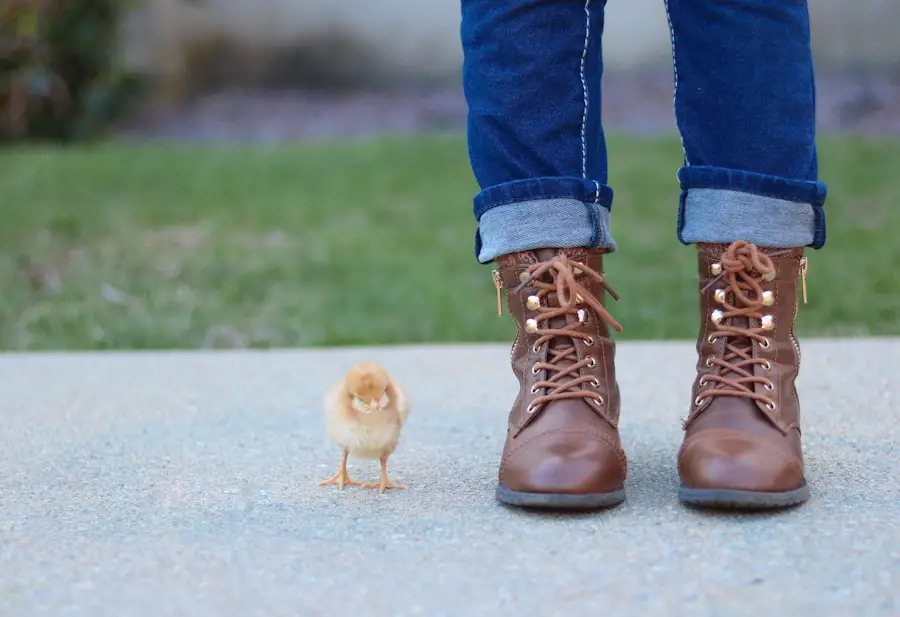
The biggest limitation is that many duck boots are designed first for wet or cold weather, not sustained hiking. Compared with lightweight hiking shoes or trail runners, some models feel bulky and less flexible over long distances. Others have limited underfoot cushioning or a shape that does not hold the heel securely enough for repeated climbs and descents.
Breathability is another concern. Rubber does not breathe like mesh, and insulated or waterproof-lined models can become hot during warm-weather hiking. Trapped heat and moisture can make feet uncomfortable and contribute to friction.
Traction is not guaranteed simply because a boot has a rubber sole. A shallow casual tread may work well on wet pavement but perform poorly in deep mud, loose soil or steep terrain. Before taking duck boots onto a trail, inspect the lug depth, rubber compound and overall sole shape.
Fit also matters. A roomy winter boot may feel comfortable while standing but allow the heel to lift during a climb. Too much movement increases rubbing; too little room can create pressure on descents. Purpose-built hiking footwear generally gives hikers more choices in heel hold, midsole cushioning, tread and overall trail performance.
When Are Duck Boots Good for Hiking?
| Hiking condition | Duck-boot verdict | Why |
| Short, easy, muddy trail | Good use | The rubber lower protects against shallow mud and water if the tread provides enough grip. |
| Rainy, cool-weather walk | Usually good | Wet-weather protection is useful, provided the boot fits securely and the trail is not technical. |
| Hot summer hike | Usually poor | Rubber shells and insulation can trap heat and moisture. |
| Long-distance hike | Usually poor | Bulk, heat, heel movement and limited hiking-specific cushioning can become more noticeable with mileage. |
| Rocky or technical trail | Not ideal | Purpose-built hiking footwear generally offers more appropriate tread, foot hold, cushioning and protection. |
| Light snow or slush | Can be good | Choose enough insulation and waterproof height for the conditions. |
| Packed snow or ice | Boot tread alone may not be enough | Use compatible traction devices when trail conditions require them. |
Easy Wet and Muddy Trails
This is where duck boots make the most sense. On a short, relatively smooth trail with puddles, wet grass or mud, the rubber shell can keep shallow moisture away from your feet while saving your regular shoes from getting soaked.
Warm and Dry Trails
Duck boots lose much of their advantage when the weather is warm and the trail is dry. A lighter hiking shoe or trail runner will usually breathe better and may feel more natural over several miles.
Rocky, Steep or Technical Terrain
For rough terrain, choose footwear based on trail performance rather than waterproof styling. REI’s current hiking-footwear guidance recommends considering distance, terrain and the load you will carry. Technical trails may call for better underfoot protection, secure foot hold and more aggressive tread than a casual duck boot provides.
Snow and Ice
Insulated duck boots can be comfortable in light snow and slush, especially when the trail is easy. Packed snow and ice are different. Ordinary rubber tread can lose grip on hard, slick surfaces.
Warning: Do not rely on duck-boot tread alone on icy trails. The National Park Service recommends traction devices on hard-packed snow and ice. Use equipment that fits your footwear and is appropriate for the trail, and turn around when conditions exceed your experience or gear.
How to Choose the Right Duck Boots for Hiking
Start with fit, then evaluate the outsole, waterproof height, insulation and weight. A stylish duck boot that slips at the heel or has a smooth casual sole is a poor hiking choice even if it keeps rain out.
Check the Fit With Your Hiking Socks
Your toes should have room to move without the entire foot sliding inside the boot. The heel should feel secure during uphill and downhill walking. Always try the boots with the sock thickness you plan to wear because thick winter socks can change the fit considerably.
Do not assume your normal shoe size will transfer directly to every duck boot. Manufacturer sizing varies. For example, current L.L.Bean Bean Boot styles have their own model-specific sizing instructions.
Choose the Outsole for the Terrain
Look for pronounced tread when you expect mud, loose dirt or uneven trails. Wet-pavement siping is not the same thing as deep trail lugs. Bend and inspect the sole before buying, and check whether the manufacturer describes the outsole for casual wet-weather use, snow or trail terrain.
Match Insulation to the Temperature
Insulation helps in cold weather but becomes a drawback when your feet overheat. For mild, active hikes, an uninsulated or lightly insulated boot may be more comfortable. Save heavy insulation for genuinely cold conditions.
Check the Waterproof Height
Find out exactly how high the waterproof protection extends. Water can enter above a rubber shell through an untreated upper, tongue opening or low gusset. A fully waterproof membrane offers different protection from a boot that has only a waterproof rubber bottom.
Compare Current Models, Not Just Brands
| Current model example | Wet-weather construction | Traction | Insulation / lining |
| L.L.Bean Men’s Bean Boots, 8" Insulated | Leather upper with waterproof rubber bottom; manufacturer specifies waterproofing to just below the rubber-shell stitching | Chain-tread rubber outsole | 200 g insulation in the rubber bottom |
| SOREL Caribou Waterproof Boot | Waterproof nubuck leather with seam-sealed waterproof construction; laces are not waterproof | Molded rubber outsole | Removable 9 mm liner |
| Columbia Expeditionist Shield Winter Boot | Waterproof suede upper with rubber duck-boot protection and waterproof-breathable construction | Adapt Trax outsole with hike-specific tread | 200 g insulation plus thermal-reflective lining |
| Sperry Syren Gulf Duck Boot | Waterproof wet-weather construction | Wave-Siping rubber outsole for wet/dry traction | Microfleece lining |
These examples show why brand names alone are not enough. Each company sells different designs with different levels of insulation, waterproofing, cushioning and traction. Check the exact model you plan to wear.
Tips for Hiking With Duck Boots
Test your boots before committing to a long outing. Wear them on shorter walks with the exact socks you plan to hike in. This reveals heel lift, pressure points and overheating before you are miles from the trailhead.
Choose hiking socks that fit without bunching. Wool and synthetic hiking socks are common choices because they manage moisture better than cotton and are available in different cushioning levels. REI’s hiking-sock guidance also emphasizes matching sock height and thickness to your footwear.
Pro Tip: Stop as soon as you notice rubbing or a hot spot. Adjust the laces, smooth your socks and protect the area before it becomes a blister. A boot that repeatedly allows heel movement is probably not a good fit for longer hikes.
Consider gaiters when mud, shallow snow or trail debris can enter over the collar. The National Park Service includes waterproof boots and gaiters among its suggested winter hiking footwear because gaiters help keep snow and mud out.
Pay attention to the terrain. Duck boots that feel secure on a flat muddy path may be awkward on roots, steep rock or side slopes. When the route becomes technical, switch to footwear designed for that environment.
Finally, check the weather and trail conditions before leaving. After a wet hike, remove mud and allow the boots to air-dry according to the manufacturer’s care instructions. Avoid assuming that putting a wet leather-and-rubber boot directly beside intense heat is the safest drying method.
Alternatives to Duck Boots for Hiking
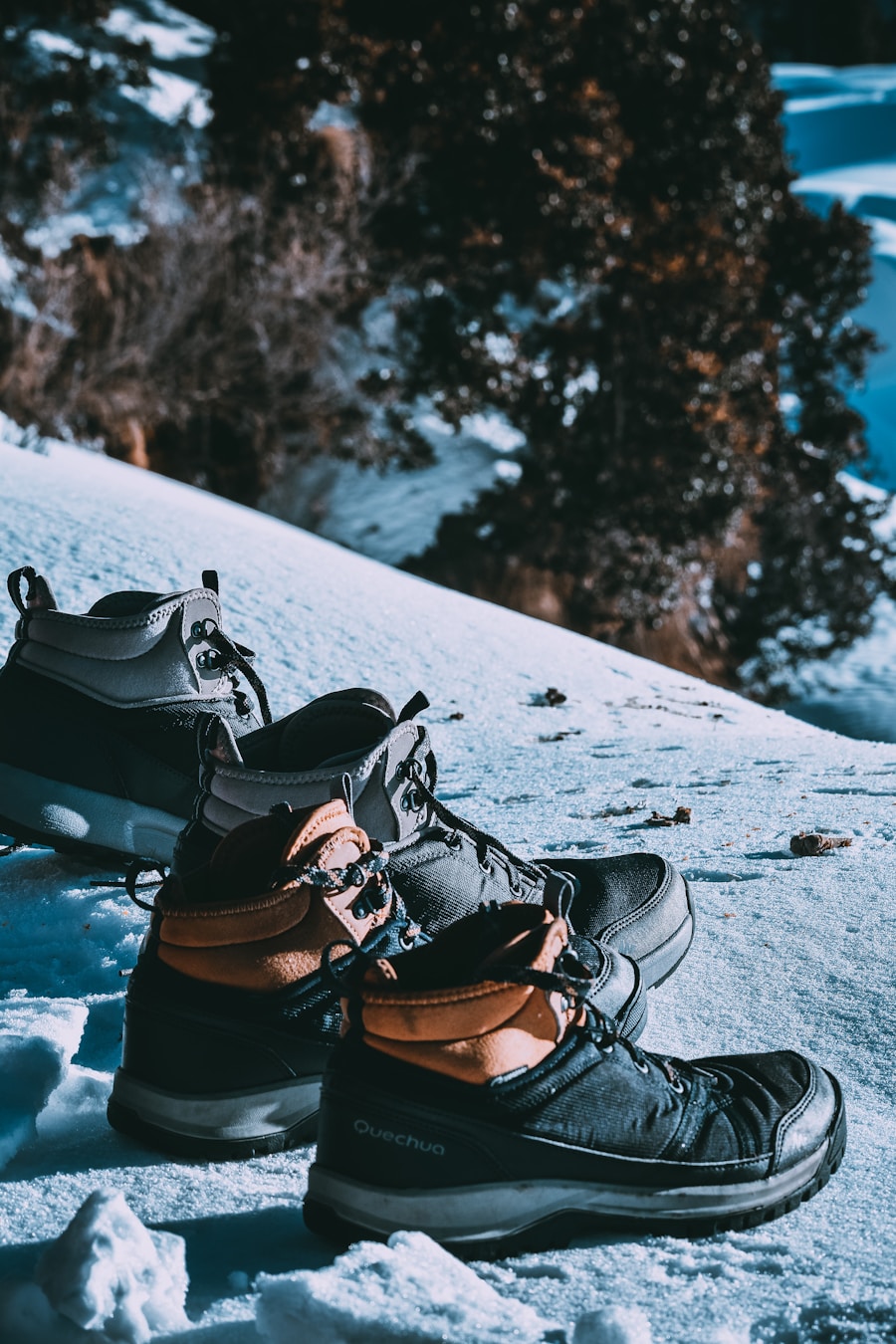
Traditional hiking boots are a better match for many rugged routes because they are built around trail use. Depending on the model, they can provide more secure foot hold, protective uppers, hiking-specific tread and cushioning for uneven ground. Waterproof and non-waterproof versions are available.
Hiking shoes offer many of the same trail-focused features in a lower-cut, often lighter package. They are a strong option for day hikes and moderate terrain when you do not need an insulated winter boot.
Trail-running shoes are another popular alternative for hikers who value low weight, flexibility and breathability. Many are non-waterproof and dry relatively quickly, while waterproof versions also exist. Their suitability depends on terrain, weather, fit and personal preference.
If you mainly want wet-weather protection without the bulk of a traditional duck boot, a waterproof hiking shoe can be a useful middle ground. For cold winter hiking, a purpose-built waterproof insulated hiking or winter boot may provide a better combination of warmth, cushioning and trail traction.
Common Misconceptions About Duck Boots for Hiking
All Duck Boots Perform the Same
They do not. Two boots with the same rubber-bottom appearance can have completely different tread, insulation, waterproof height, cushioning and fit. Research the exact model rather than relying on the brand name or duck-boot appearance.
Waterproof Means Water Cannot Get In
A waterproof rubber foot shell only protects up to its waterproof boundary. Water can still enter over the collar or through parts of the upper that are not sealed. Always check the manufacturer’s stated waterproof construction and height.
Duck Boots Are Only for City Wear
Duck boots can work outdoors. Their original heritage is tied to wet hunting conditions, and certain modern models are capable on easy wet trails. The important point is matching the boot to the terrain rather than assuming every duck boot is either purely fashionable or fully trail-ready.
A Rubber Sole Automatically Provides Good Ice Traction
Rubber tread does not eliminate slipping risk on packed snow or ice. Hard winter surfaces may require over-the-shoe traction devices even when you are wearing waterproof winter footwear.
Are Duck Boots Good for Hiking?
Yes, duck boots can be good for hiking when the hike matches their strengths. They are most useful on short, nontechnical trails where rain, mud, wet grass or slush is the main challenge. An insulated pair can also work well for easy cold-weather outings.
For long-distance hikes, hot weather, steep climbs, rocky routes or technical terrain, purpose-built hiking shoes or boots are usually a better choice. They give you more options for trail-specific tread, cushioning, breathability and secure fit.
The deciding question is not simply whether a boot is waterproof. Ask whether its fit, tread, temperature range and underfoot design match the route you are actually hiking. That approach will keep you more comfortable and better prepared than choosing footwear by style alone.
If you’re considering whether duck boots are good for hiking, you may also want to check out this article on the best hiking backpack for multi-day treks. Having the right gear, including a sturdy backpack, can make a big difference in your hiking experience. Check out the article here for recommendations that can help you stay comfortable and organized on your next outdoor adventure.
Love travel? Join Our Facebook Community For More Tips.
Frequently Asked Questions
What are duck boots?
Duck boots are wet-weather boots with a molded rubber lower section and a softer upper, traditionally made from leather. The design helps protect the foot from rain, mud and slush while offering more flexibility than a tall all-rubber boot.
Are duck boots good for hiking?
Duck boots can be good for short, easy hikes in wet, muddy or slushy conditions. They are less suitable for long, hot, steep or technical hikes unless the specific model has the fit, cushioning and tread required for that terrain.
What are the advantages of wearing duck boots for hiking?
Their main advantages are wet-weather protection and, on insulated models, warmth. The rubber lower section is useful around puddles, mud, wet grass and slush. Some models also have tread designed for wet or winter surfaces.
What are the disadvantages of wearing duck boots for hiking?
Depending on the model, duck boots can feel bulky, warm and less breathable than lightweight trail footwear. Casual models may also lack aggressive tread, secure heel hold or hiking-specific cushioning for rough terrain and long distances.
Can duck boots be used for hiking in snow?
Yes. Insulated duck boots can work for easy hikes in light snow and slush if they provide enough warmth and waterproof protection. Packed snow and ice may require compatible traction devices; ordinary rubber tread should not be treated as a substitute for appropriate winter traction.
Are duck boots good for long hikes?
Usually not compared with footwear designed specifically for hiking. Over longer distances, excess warmth, bulk, heel movement or limited hiking-specific cushioning can become uncomfortable. Test any pair on shorter walks before relying on it for substantial mileage.
Sources
- L.L.Bean — Built to Last: The Story of the Original L.L.Bean Boot — supports the 1912 origin and original rubber-bottom/leather-upper design.
- REI Co-op — How to Choose Hiking Boots and Hiking Shoes — supports choosing hiking footwear according to distance, terrain, protection and weather.
- REI Co-op — How to Choose Hiking Socks — supports hiking-sock fit, cushioning and moisture-management guidance.
- National Park Service — Hiking With Traction Devices — supports using additional traction on hard-packed snow and ice.
- Columbia Sportswear — Expeditionist Shield Winter Boot — supports current duck-style boot construction, 200 g insulation and hike-specific outsole details.
- SOREL — Caribou Waterproof Boot — supports current waterproof construction, removable liner and outsole details.