Last Updated on September 10, 2026 by Daniel Globe
L.L.Bean’s signature Bean Boot began as the Maine Hunting Shoe, which Leon Leonwood Bean invented in 1911 and began promoting to sportsmen in 1912. By combining a leather upper with a rubber bottom, he created footwear aimed at keeping hunters more comfortable in cold, wet Maine conditions. More than a century later, Bean Boots remain popular for rain, mud, outdoor chores, casual wear, and some kinds of hiking.
Quick Answer
Bean Boots can work for short, easy hikes in rain, mud, wet grass, and shallow puddles. Their waterproof rubber bottom and chain-tread outsole handle sloppy conditions well. For long, steep, rocky, or technical hikes, choose dedicated hiking footwear with deeper lugs, more cushioning, and better underfoot protection.
Key Takeaways
- Bean Boots are wet-weather boots first. They are best suited to rain, mud, wet grass, yard work, hunting, and easy trails.
- Current classic models combine a waterproof rubber bottom, full-grain leather upper, steel shank, cushioned footbed, and L.L.Bean’s chain-tread outsole.
- They can handle light hiking, but their traction, cushioning, and trail protection are not as specialized as those of purpose-built hiking boots.
- Standard Bean Boots are not all insulated or lined. L.L.Bean sells unlined, insulated, fleece-lined, flannel-lined, and shearling-lined versions.
- Bean Boots typically run large, so follow the sizing instructions for the exact model and the socks you plan to wear rather than automatically sizing up.
Disclosure: As an Amazon Associate I earn from qualifying purchases. Some links on this page are affiliate links, at no extra cost to you.
Features of Bean Boots
The defining Bean Boot design is simple: a leather upper is joined to a molded rubber lower. According to L.L.Bean’s current 8-inch Bean Boot information, the classic construction includes a waterproof rubber boot bottom, full-grain leather upper, secure lacing, a steel shank for support, and the brand’s chain-tread rubber outsole.
That combination makes Bean Boots especially useful in wet and muddy conditions. The rubber lower protects the part of the foot most likely to encounter puddles and mud, while the leather upper provides more structure than a full-rubber rain boot.
Current Bean Boots have also evolved from older versions. L.L.Bean describes updates that include a more durable outsole compound, improved leather, and an upgraded dual-density footbed for additional cushioning. Some updated styles are also available in half sizes, although sizing instructions still vary by model.
The Bean Boot was created as a wet-weather hunting shoe, not as a modern technical hiking boot. That distinction explains both its strengths and its limits on the trail.
Durability and Waterproofing
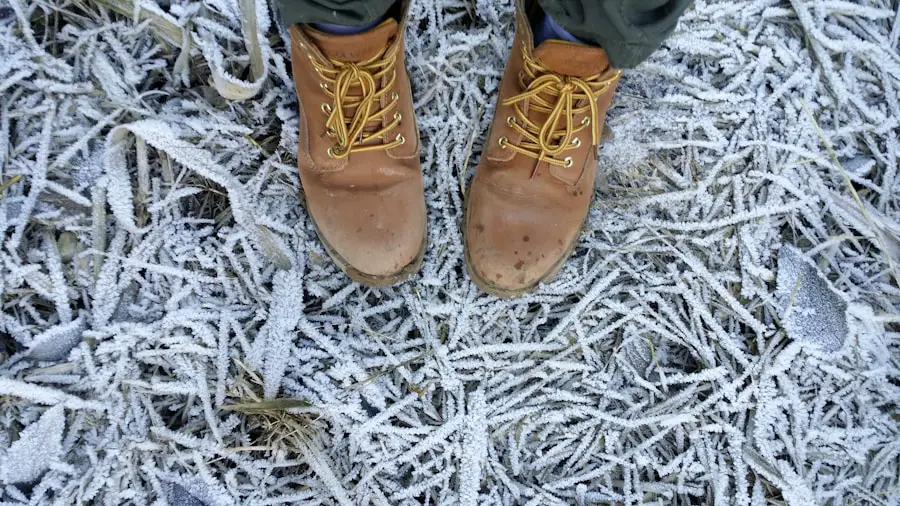
Durability is one of the Bean Boot’s strongest qualities. L.L.Bean still constructs its signature versions in Maine and uses triple-needle stitching, full-grain leather, and a molded rubber lower. The company also offers resoling for many well-worn Bean Boots, which is one reason the design has developed a reputation for long service life.
Water protection is another major advantage. The rubber lower is well suited to rain, mud, wet grass, and ordinary puddles. Current classic product information also describes the leather upper as waterproof and able to shed rain and snow.
There is an important limit, however. L.L.Bean states that Bean Boots are not designed to stay submerged in water, and the laces themselves are not waterproof. They are therefore a better match for muddy paths and puddles than for wading through streams or standing in deep water.
Note: “Waterproof” does not mean unlimited submersion. Keep water below the boot’s vulnerable upper openings and follow the weather-protection limits listed for your exact Bean Boot model.
Traction and Support
Bean Boots provide useful traction in the conditions for which they were designed, but their sole should be described accurately. Classic Bean Boots use L.L.Bean’s chain-tread outsole, not the deep, multidirectional lug pattern commonly found on modern hiking footwear.
| Trail Condition | Bean Boot Suitability |
| Flat or gently rolling dirt trail | Good for short hikes when the fit is comfortable. |
| Mud, wet grass, rain and shallow puddles | One of the boot’s strongest use cases. |
| Rocky, root-covered or highly uneven trail | Usable with care, but dedicated hiking footwear usually provides better grip, cushioning and underfoot protection. |
| Steep or technical terrain | Not the best choice. Use trail-specific hiking boots or shoes. |
| Hard-packed snow or ice | Do not rely on the boot alone. Conditions may require purpose-built traction devices. |
The steel shank found in current classic Bean Boots adds useful underfoot and arch structure. The shaped foot form also contributes to stability. However, that does not make Bean Boots equivalent to technical hiking boots. Purpose-built hikers often add an EVA or similar shock-absorbing midsole, a rock plate, padded collar, deeper trail lugs, and more precise heel control.
For example, L.L.Bean’s Trailfinder hiking boots use a cushioned EVA midsole, multidensity insole, waterproof membrane, padded collar, moisture-wicking lining, and lugged Vibram outsole. Those features show how footwear designed specifically for hiking differs from the classic Bean Boot.
Warning: Do not assume Bean Boots provide enough traction for ice simply because they work well in rain and mud. The National Park Service recommends traction devices for hiking on hard-packed snow and ice when conditions require them.
Comfort and Fit
Comfort depends heavily on choosing the right Bean Boot model and size. Current versions use a more cushioned dual-density footbed than older designs, and the steel shank adds structure beneath the foot. The leather upper also softens and conforms more with use.
The original draft’s statement that all Bean Boots have a soft moisture-wicking lining is not accurate. L.L.Bean currently sells several configurations, including unlined, flannel-lined, fleece-lined, shearling-lined and insulated Bean Boots. An unlined classic model will feel very different from a winter-oriented insulated version.
Sizing also deserves special attention because Bean Boots commonly fit larger than ordinary shoes. On current classic product pages, L.L.Bean generally recommends sizing down, with the exact amount depending on the style and whether you plan to wear light, midweight or heavyweight socks. Updated versions with half sizes may have different instructions from older whole-size-only models.
Pro Tip: Fit Bean Boots with the same socks you plan to hike in, then walk on stairs and uneven ground before taking them onto a long trail. Your heel should feel secure, your toes should not strike the front, and you should not depend on a long break-in period to correct a poor fit.
For warm-weather hiking, remember that the combination of leather and rubber generally offers less ventilation than a lightweight mesh hiking shoe. That can be useful in wet or cold conditions but less comfortable on hot, humid trails.
Versatility for Hiking
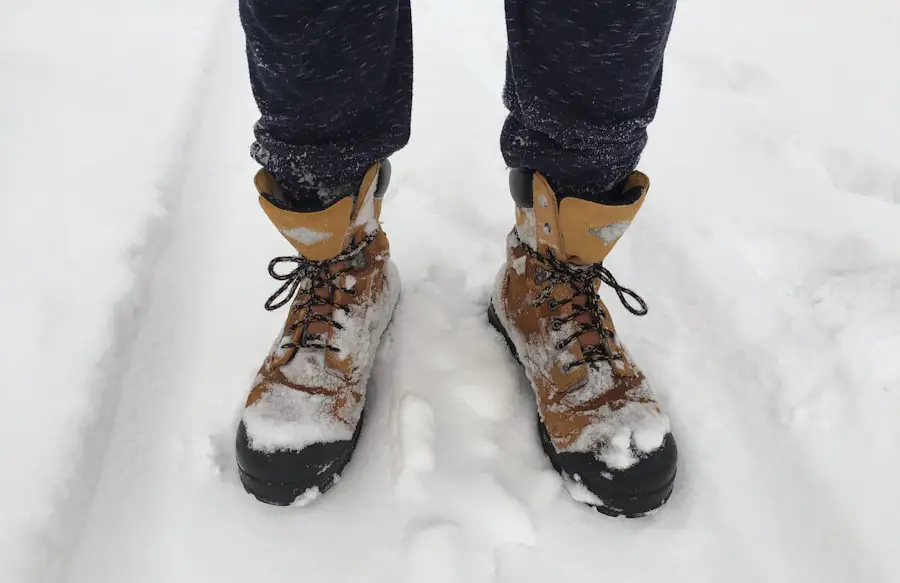
Bean Boots are versatile because they work well for activities that mix wet ground, mud and everyday walking. A single pair can be practical for a rainy walk, muddy campsite, gardening, hunting, dog walking, outdoor chores or a short hike on an easy trail.
That versatility does not mean they are the best footwear for every hike. The farther, steeper and rougher the route becomes, the more valuable hiking-specific cushioning, outsole grip, toe protection and underfoot structure become.
Bean Boots Are a Good Choice When
- You are taking a short day hike on a maintained trail.
- The main challenge is rain, mud, wet grass or shallow puddles.
- You are combining hiking with camping, yard work, hunting or casual outdoor activities.
- You prefer a durable leather-and-rubber boot over lightweight trail footwear.
- Your Bean Boots already fit comfortably with your hiking socks.
Choose Dedicated Hiking Footwear When
- The route is long, steep, rocky or technically difficult.
- You will be carrying a heavy backpack for many miles.
- You need aggressive multidirectional traction on loose or uneven ground.
- You want a shock-absorbing hiking midsole and rock protection.
- The weather is hot enough that breathability is a major concern.
- The trail involves sustained ice, hard-packed snow or conditions that require specialized traction.
Bean Boots vs. Dedicated Hiking Boots
| Feature | Bean Boots | Dedicated Hiking Boots |
| Primary strength | Rain, mud and everyday wet-weather use | Trail performance over varied terrain |
| Outsole | Chain-tread rubber outsole | Usually deeper, terrain-focused lugs |
| Cushioning | Current models use a cushioned dual-density footbed | Often adds a dedicated EVA or similar hiking midsole |
| Rock protection | Limited compared with technical hikers | Many models include rock plates and reinforced toes |
| Best hiking use | Short, easy, wet or muddy hikes | Longer, rougher, steeper and more technical trails |
Customer Reviews and Feedback
Customer feedback can help identify recurring fit and comfort patterns, but it should not replace the manufacturer’s specifications or your own fit test. Current L.L.Bean product pages contain many positive comments about durability, wet-weather usefulness and long service life, along with individual comments about sizing and fit.
The most useful lesson from those reviews is that Bean Boot fit is unusual enough that guessing based on your normal sneaker size can lead to problems. Follow the sizing chart for the exact Bean Boot version you are buying, account for sock thickness and try the boots indoors before committing to a long hike.
The leather upper may feel firmer when new and generally softens with wear. However, a boot that causes heel slippage, pinching or toe impact from the beginning should not be assumed to become a perfect hiking fit after break-in.
Are Bean Boots Good for Hiking?
Yes, Bean Boots can be good for light hiking, especially when the trail is easy and the main challenge is rain, mud or wet ground. Their rubber lower, weather-resistant construction and chain-tread outsole make them practical for short walks and casual hikes in sloppy conditions.
They are less convincing as an all-purpose hiking boot. For long mileage, steep grades, loose rock, roots, technical terrain or heavy backpacking loads, footwear designed specifically for hiking usually offers better cushioning, trail traction, foot protection and control.
The best way to think about Bean Boots is as durable wet-weather outdoor boots that are capable of hiking—not as technical hiking boots that happen to work in the rain. Match the footwear to the route, conditions and distance rather than expecting one boot design to handle every trail equally well.
If you’re considering using Bean Boots for hiking, you may also want to check out this article on 5 Must-Have Portable Camping Stoves for Your Spring 2025 Adventures. Having the right gear for your outdoor excursions matters, and a reliable stove can make meal preparation easier when camping near the trail. As with footwear, choose equipment based on the conditions and type of trip you are planning.
Love travel? Join Our Facebook Community For More Tips.
Frequently Asked Questions
What are Bean Boots?
Bean Boots are L.L.Bean’s leather-and-rubber wet-weather boots, descended from the Maine Hunting Shoe developed by company founder Leon Leonwood Bean. Classic versions combine a leather upper, molded rubber bottom and chain-tread outsole. Some versions are unlined, while others add insulation or warm linings.
Are Bean Boots good for hiking?
They are good for short, easy hikes in wet or muddy conditions when they fit comfortably. For long, steep, rocky or technical hikes, a dedicated hiking boot or hiking shoe generally provides better trail traction, cushioning and underfoot protection.
What features make Bean Boots useful on easy trails?
Their strongest trail features are the waterproof rubber lower, weather-resistant leather upper, secure lacing, steel shank and chain-tread rubber outsole. These features are particularly useful on maintained trails with rain, mud, wet grass and shallow puddles.
Are Bean Boots suitable for long and strenuous hikes?
They are not the best option for most long or strenuous hikes. Purpose-built hiking footwear commonly provides deeper trail lugs, more shock-absorbing midsole cushioning, improved heel control and additional protection from rocks and roots.
Can Bean Boots be used in different weather conditions?
Yes. They are particularly useful in rain, mud and other wet conditions. Warmth varies by model because some Bean Boots are unlined while others use insulation, fleece, flannel or shearling. In hot weather, leather-and-rubber construction can feel warmer and less ventilated than lightweight hiking footwear.
Do Bean Boots run large?
Many Bean Boot styles do run large. L.L.Bean’s current sizing instructions commonly recommend sizing down, but the exact recommendation changes with the model and sock thickness. Follow the size chart shown on the exact product page instead of automatically choosing your normal shoe size.
Are all Bean Boots insulated?
No. L.L.Bean sells both uninsulated and insulated Bean Boots, along with versions using fleece, flannel or shearling linings. Choose the specific model based on the temperatures and conditions in which you plan to wear it.
Are Bean Boots waterproof enough for stream crossings?
They are designed for wet weather, puddles and mud, but L.L.Bean states that classic Bean Boots are not intended to remain submerged. Avoid treating them as wading boots or relying on them for deep stream crossings.
Are Bean Boots good on ice?
Do not rely on Bean Boots alone for hard-packed snow or ice. Icy trails can require removable traction devices designed for winter hiking. Check trail conditions before leaving and use appropriate traction when necessary.
Sources
- L.L.Bean — Men’s Bean Boots, 8″ — current construction, sizing, chain-tread outsole, steel shank and weather-protection information.
- L.L.Bean — Behind the Design: Bean Boots — history and current Bean Boot design updates.
- L.L.Bean — The Original Bean Boot Collection — unlined, insulated and lined Bean Boot configurations.
- L.L.Bean — Trailfinder Hiking Boots — hiking-specific midsole, lining, outsole and support features used for comparison.
- National Park Service — Hike Smart — general hiking footwear and trail-safety guidance.
- National Park Service — Hiking With Traction Devices — snow and ice traction guidance.