
Last Updated on July 25, 2026 by Daniel Globe
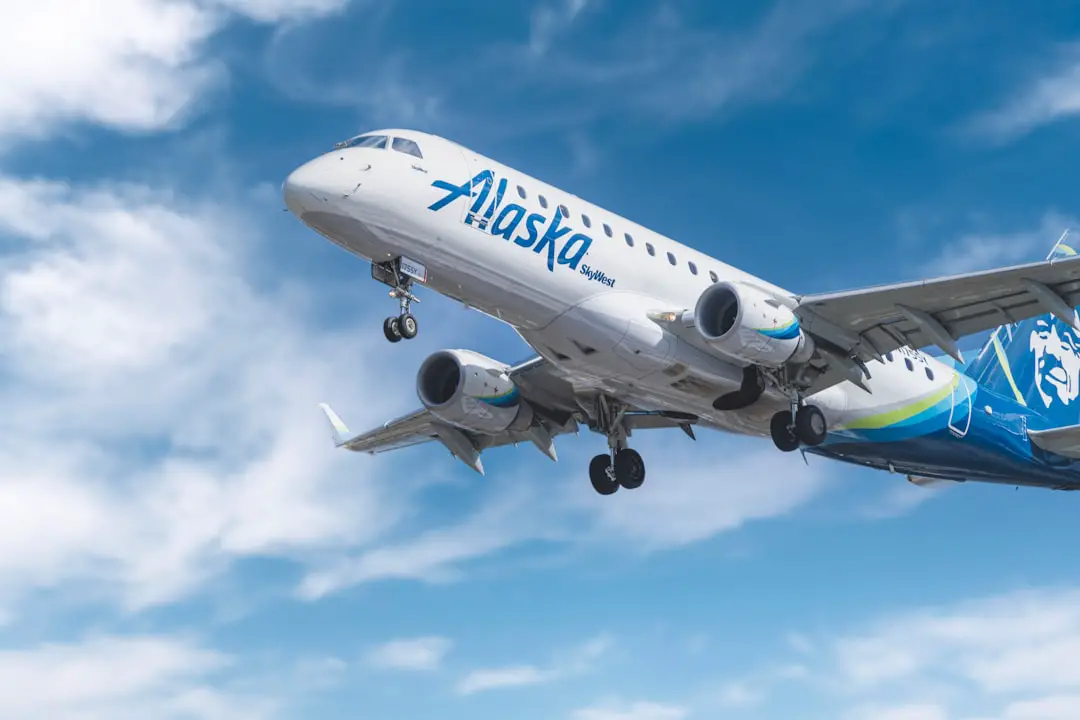
Alaska Airlines has experienced several technology disruptions in recent years, but the most recent major systemwide outage documented by the airline occurred on October 23, 2025. A failure at the company’s primary data center led to a ground stop for Alaska Airlines and Horizon Air flights, followed by hundreds of cancellations and widespread delays.
Quick Answer
The October 23, 2025 Alaska Airlines outage began with a failure at the airline’s primary data center. It caused a systemwide ground stop for Alaska and Horizon flights, more than 400 cancellations, and disruption for nearly 50,000 travelers. Alaska said the incident was not a cybersecurity event.
Key Takeaways
- The latest major Alaska Airlines IT outage began on October 23, 2025, and affected Alaska Airlines and Horizon Air-operated flights.
- Alaska identified a failure at its primary data center but did not publicly release a more detailed final technical cause.
- More than 400 flights were canceled during the main disruption, affecting the plans of nearly 50,000 travelers.
- Hawaiian Airlines flights were not affected by the October 23 outage, according to Alaska.
- Passengers may be entitled to a refund when a flight is canceled or significantly changed and they decline the alternatives offered.
- Following repeated technology problems, Alaska hired an outside firm to audit its systems and began implementing additional resilience measures.
Disclosure: As an Amazon Associate I earn from qualifying purchases. Some links on this page are affiliate links, at no extra cost to you.
What Happened During the Latest Alaska Airlines Outage?
At approximately 3:30 p.m. Pacific Time on Thursday, October 23, 2025, Alaska Airlines experienced a failure at its primary data center. The failure affected several systems needed to run daily operations.
The airline placed Alaska Airlines and Horizon Air-operated flights under a systemwide ground stop to keep aircraft in position while its technology teams worked on the problem. The ground stop was lifted at 11:30 p.m. Pacific, about eight hours after the disruption began.
Restoring the affected systems did not immediately restore the flight schedule. Aircraft and crews were no longer positioned where the schedule required them, so cancellations and delays continued into Friday and Saturday.
Alaska Airlines reported that the October 2025 disruption affected the travel plans of nearly 50,000 passengers and resulted in more than 400 Alaska and Horizon flight cancellations during the main recovery period.
What Caused the Alaska Airlines Outage?
Alaska Airlines attributed the October 23 disruption to a failure at its primary data center. The airline said the failure affected key operational systems and made a temporary ground stop necessary.
Alaska also stated that the outage was not a cybersecurity incident and was unrelated to other events. The company did not publicly identify a specific software application, network device, vendor, or individual component as the final root cause.
Note: A data-center failure can affect multiple airline functions at once, including flight planning, crew coordination, aircraft assignment, passenger processing, and customer-facing tools. However, Alaska has not published enough technical detail to say exactly which systems failed during the October 2025 event.
A Similar Outage Occurred in July 2025
The October incident followed another major Alaska Airlines outage on the evening of July 20, 2025. That earlier ground stop lasted approximately three hours and affected Alaska Airlines and Horizon Air flights.
For the July event, Alaska provided a more specific explanation. It said a critical piece of third-party, multi-redundant hardware at its data centers experienced an unexpected failure. More than 200 flights were eventually canceled, including 116 cancellations on Monday, July 21, affecting 15,600 travelers that day.
The airline said neither the July nor October outage was a cybersecurity event.
Impact on Flights and Passengers
The immediate effect of a systemwide ground stop is that covered aircraft cannot depart. The larger disruption often comes later as scheduled aircraft, flight crews, maintenance teams, and passengers become separated across the airline’s network.
During the October 2025 outage, Alaska initially reported more than 229 cancellations on Thursday. By Friday afternoon, the combined number of canceled Alaska and Horizon flights had risen above 400. Numerous other flights were delayed.
By Saturday morning, operations had largely returned to normal, although nine additional flights were canceled as part of the recovery. Alaska estimated that the disruption had affected nearly 50,000 travelers.
Hawaiian Airlines flights were not affected by the primary data-center failure. This distinction matters because Alaska Airlines, Horizon Air, and Hawaiian Airlines are part of Alaska Air Group but did not all rely on the affected operational systems in the same way during this incident.
Why Delays Continue After an Outage Ends
Bringing an IT system back online does not instantly restore the original timetable. An airline may still need to:
- Move aircraft to the airports where their next flights are scheduled.
- Reassign crews who have reached legal duty-time limits.
- Find seats for passengers from canceled flights.
- Reprocess checked baggage and transfer bags.
- Complete maintenance, dispatch, and flight-planning tasks delayed by the outage.
- Manage airport gate congestion created by late arrivals and departures.
These operational dependencies explain why travelers may continue to see delays and cancellations for hours or even days after the main technology problem is resolved.
Response from Alaska Airlines
| Metric | Verified October 2025 Information |
| Outage began | Approximately 3:30 p.m. Pacific on October 23 |
| Ground stop lifted | 11:30 p.m. Pacific on October 23 |
| Airlines directly affected | Alaska Airlines and Horizon Air-operated flights |
| Cancellations | More than 400 during the main disruption and recovery period |
| Travelers affected | Nearly 50,000 |
| Cybersecurity incident | No, according to Alaska Airlines |
Alaska issued regular updates as the outage and recovery progressed. It encouraged passengers to check their flight status before leaving for the airport and placed a flexible travel policy in effect.
The airline also increased guest-care staffing and enabled eligible travelers to use self-service options through its website and app. Alaska acknowledged that customer-service wait times remained frustratingly long because of the volume of affected passengers.
After the second major outage of 2025, Alaska announced that it would bring in outside technical experts to examine its IT environment and identify additional resilience improvements.
What Passengers Should Do During an Alaska Airlines Outage
When an airline technology problem affects your trip, acting quickly can improve your chances of finding an acceptable alternative.
- Check your flight through an official channel. Use the Alaska Airlines app, the airline’s website, airport departure screens, or an official notification. Do not rely only on an old email or third-party flight listing.
- Confirm the status before traveling to the airport. A canceled flight may be rebooked automatically. Going to the airport without checking can leave you waiting in a long service line unnecessarily.
- Review your new itinerary. Confirm the departure airport, date, connection points, arrival time, and operating airline.
- Use self-service rebooking when available. Online tools may provide an answer more quickly than a phone or airport queue during a widespread outage.
- Contact the company that issued your ticket. If you booked through an online travel agency, corporate travel department, cruise line, or another airline, that seller may need to process your change or refund.
- Save your documents. Keep screenshots of the cancellation, your original itinerary, boarding passes, rebooking notices, and messages from the airline.
- Keep itemized receipts. Save receipts for reasonable meals, lodging, transportation, and essential purchases. Reimbursement is not guaranteed, but receipts may be needed for an airline request, credit-card benefit, or travel-insurance claim.
- Ask about your choices before accepting a voucher. A flight credit may be useful, but passengers with a qualifying canceled or significantly changed flight may prefer a refund to the original payment method.
Warning: Do not assume that a travel voucher and a cash refund are the same. Accepting a voucher, credit, miles, or another alternative may affect your eligibility for a refund. Review the terms before accepting the offer.
Pro Tip: Search for an acceptable replacement flight before speaking with an agent. Giving the representative a specific flight number and date may be faster than asking the agent to search every possible itinerary.
Refunds, Rebooking, Meals, Hotels, and Compensation
Passenger remedies depend on what happened, whether the disruption was within the airline’s control, and whether the traveler accepts an alternative itinerary.
Refunds for Canceled or Significantly Changed Flights
Under current U.S. Department of Transportation rules, a passenger is entitled to a refund when an airline cancels a flight and the passenger chooses not to travel or accept the alternative offered.
A refund may also be due when an airline makes a significant schedule change or delay and the passenger rejects the changed itinerary, rebooking, credit, voucher, or other alternative compensation.
Qualifying refunds generally must be returned to the original payment method. The DOT rule requires prompt processing, generally within seven business days for credit-card purchases and 20 calendar days for other payment methods.
Refund eligibility is separate from whether a ticket was originally sold as refundable or nonrefundable. A normally nonrefundable ticket can still qualify when the airline cancels or significantly changes the service and the traveler declines the alternatives.
Rebooking
Alaska normally attempts to move passengers from canceled flights to the next available option. During a widespread disruption, available seats may be limited, especially on busy routes or during holidays.
The DOT’s airline-service dashboard lists Alaska as committing to rebooking passengers at no additional cost on Alaska and, for controllable cancellations, on a partner or another airline with which it has an agreement.
Meals, Hotels, and Ground Transportation
For controllable cancellations covered by its customer commitments, Alaska is listed as offering:
- A meal, meal voucher, or meal cash when a cancellation requires a passenger to wait three hours or more for a new flight.
- Complimentary hotel accommodation for an affected passenger who must wait overnight.
- Complimentary transportation between the airport and the provided hotel.
These benefits may not apply when the disruption is outside the airline’s control, such as severe weather or an air-traffic-control restriction. Travelers should ask an airline representative which benefits apply to their specific flight.
Travel Credits, Miles, and Cash Compensation
The DOT dashboard lists Alaska as committing to a credit or travel voucher and frequent-flyer miles for certain controllable cancellations involving a wait of three hours or more.
However, Alaska is not listed as committing to general cash compensation simply because a controllable cancellation creates a wait of three hours or more. This is different from a refund of the unused ticket, which may be legally required when the passenger declines alternative transportation.
Note: Airline commitments and flexible travel waivers can change. Check the current Alaska Airlines policy and the U.S. Department of Transportation dashboard when your disruption occurs.
How Alaska Airlines Is Trying to Prevent Future Outages
After the October 2025 outage, Alaska Airlines engaged Accenture to conduct a broad audit of its technology systems. The review was intended to examine the company’s standards, processes, infrastructure, and overall system health.
Alaska said the review would produce recommendations that could be implemented quickly. The airline also reported that its investment in IT infrastructure had increased by nearly 80% since 2019, including spending on redundant data centers and the movement of many guest-facing services to cloud platforms.
In December 2025, Alaska said it had begun implementing recommendations from the third-party audit and would continue investing in data-center resilience.
The company also reported that the late-October internal outage and a separate third-party cloud-service outage around the same period caused approximately 400 flight cancellations and an estimated combined quarterly impact of $50 million in lost revenue and recovery costs.
What Effective Prevention Should Include
Although Alaska has not published the complete audit findings, resilient airline technology generally requires more than duplicate hardware. Effective prevention and recovery planning may include:
- Independent failover systems that are regularly tested under realistic conditions.
- Continuous monitoring of critical data-center and network components.
- Clear procedures for switching operational workloads to backup environments.
- Manual or limited-operation procedures for essential flight functions.
- Vendor-risk reviews for third-party hardware and cloud services.
- Incident-response drills involving technology, airport operations, dispatch, customer care, and communications teams.
- Capacity planning for sudden increases in app, website, phone, and airport-service demand.
The real measure of resilience is not whether a company owns backup equipment. It is whether the backup environment can take over quickly and support safe operations when the primary environment fails.
Public Reaction and Communication During an Outage
Airline outages generate immediate activity on social media because passengers often seek answers before official airport or customer-service channels can respond. Posts can help identify a widespread problem, but they can also spread outdated schedules, incorrect explanations, and unofficial contact information.
During the October 2025 event, Alaska used its official channels to publish updates, direct passengers to flight-status tools, and announce a flexible travel policy. The airline also acknowledged that long customer-service waits added to travelers’ frustration.
Clear communication during an outage should answer four basic questions:
- Which flights and operating airlines are affected?
- Is the problem ongoing or has the main system been restored?
- What should passengers do before going to the airport?
- What rebooking, refund, or care options are available?
Travelers should be cautious about phone numbers posted in replies or advertisements. Scammers sometimes impersonate airline support agents during major disruptions. Use contact details found directly in the airline’s app or official website.
How to Prepare for a Future Airline Technology Outage
No traveler can prevent an airline’s IT system from failing, but a few preparations can reduce the disruption:
- Install the airline app and enable flight notifications.
- Save an offline screenshot or PDF of your itinerary and confirmation code.
- Keep essential medication, identification, chargers, and one change of clothing in your carry-on.
- Allow extra connection time when traveling for a cruise, wedding, business event, or international departure.
- Review the delay and cancellation protections offered by your credit card or travel-insurance policy.
- Keep the contact information for your hotel, rental-car provider, cruise company, and other time-sensitive reservations.
- Carry enough battery capacity to use airline apps, receive alerts, contact support, and arrange transportation.
A portable charger is particularly useful when airport outlets are occupied or a disruption lasts several hours. Our guide to the best power banks for international travel explains what capacity, ports, airline battery limits, and charging features to consider.
Conclusion and Aftermath
The October 23, 2025 Alaska Airlines outage was not a minor website problem. A primary data-center failure forced a systemwide ground stop for Alaska and Horizon flights, caused more than 400 cancellations, and disrupted nearly 50,000 passengers.
The incident was also the airline’s second major systemwide IT outage of 2025. Alaska responded by bringing in outside technology experts, beginning a comprehensive infrastructure review, and committing further investment to data-center resilience.
For passengers, the most important steps are to verify the flight through an official channel, review rebooking and refund choices carefully, preserve receipts and travel records, and avoid accepting a voucher without understanding how it affects other rights.
Frequently Asked Questions
When did the latest major Alaska Airlines outage occur?
The latest major systemwide outage publicly documented by Alaska Airlines began on October 23, 2025, at approximately 3:30 p.m. Pacific Time. The related ground stop was lifted at 11:30 p.m. that night.
What caused the October 2025 Alaska Airlines outage?
Alaska Airlines said a failure occurred at its primary data center and affected key operational systems. The airline did not publicly release a more detailed final technical root cause.
Was the outage caused by a cyberattack?
No. Alaska Airlines stated that the October 2025 outage was not a cybersecurity incident and was unrelated to other events.
Which flights were affected?
The systemwide ground stop covered Alaska Airlines and Horizon Air-operated flights. Alaska said Hawaiian Airlines flights were not affected by the primary data-center outage.
How many flights and passengers were affected?
Alaska reported more than 400 Alaska and Horizon cancellations during the main disruption and recovery period. The airline estimated that nearly 50,000 passengers had their travel plans affected.
Can I get a refund if Alaska Airlines cancels my flight?
You are generally entitled to a refund when the airline cancels your flight and you choose not to travel or accept the rebooking, credit, voucher, or other alternative offered. A refund may also apply after a significant schedule change that you decline.
Will Alaska Airlines pay for meals or a hotel?
For qualifying controllable disruptions, Alaska’s listed commitments include meals after certain waits and hotel accommodation plus ground transportation for an overnight cancellation or delay. Benefits may differ when the cause is outside the airline’s control.
Has Alaska Airlines experienced similar outages?
Yes. A July 2025 hardware failure at the airline’s data centers caused a three-hour systemwide ground stop and more than 200 cancellations. Alaska also experienced other technical disruptions in earlier years.
Sources
- Alaska Airlines statement on the October 2025 IT outage — outage timeline, operating scope, cancellations, passenger impact, and cybersecurity status.
- Alaska Airlines statement on the July 2025 IT outage — hardware failure, ground-stop duration, cancellations, and passenger impact.
- Alaska Airlines technology systems and resiliency update — Accenture audit and infrastructure investment.
- Alaska Airlines resilience and reliability update — implementation progress and the reported financial impact of the disruptions.
- U.S. Department of Transportation refund guidance — refund eligibility, alternatives, and processing requirements.
- U.S. Department of Transportation cancellation and delay dashboard — Alaska Airlines’ current commitments for controllable disruptions.
