
Last Updated on July 27, 2026 by Daniel Globe
When someone you care about is flying, the best message is usually short, warm, and positive. “Have a safe flight,” “Enjoy your trip,” or “Text me when you land” works well in most situations. The right words can also reassure a nervous traveler without making their fear the center of the conversation.
Quick Answer
Say, “Have a safe and smooth flight,” then add one personal line, such as “Enjoy your vacation,” “Good luck with the meeting,” or “Text me when you land.” For a nervous flyer, acknowledge the feeling and offer practical support instead of dismissing the fear.
Key Takeaways
- Keep a pre-flight message short, sincere, and positive.
- Personalize it for the traveler, destination, or purpose of the trip.
- For a nervous flyer, validate the feeling and ask what support would help.
- Avoid crash stories, dark jokes, pressure, or promises that nothing can go wrong.
- On the aircraft, use polite, direct phrases and respect other passengers’ boundaries.
- Follow crew instructions because flight attendants’ main duty is passenger safety.
Disclosure: As an Amazon Associate I earn from qualifying purchases. Some links on this page are affiliate links, at no extra cost to you.
Best Things to Say Before Someone Flies
A good send-off does not need to sound formal or poetic. Choose a message that matches your relationship and the reason for the trip.
Short and Simple Safe-Flight Wishes
- Have a safe flight.
- Safe travels.
- Wishing you a smooth flight.
- Enjoy your trip.
- Bon voyage.
- Have a comfortable journey.
- Travel safely and have fun.
- I hope everything goes smoothly.
- Have an amazing time.
- Text me when you land.
Messages for a Friend
- Have a safe flight and an unforgettable trip. I want to hear every story when you get back.
- Enjoy the adventure, take lots of pictures, and message me when you land.
- Wishing you clear skies, an easy flight, and a great time at your destination.
- Have fun, travel smart, and bring back a good story.
Messages for a Family Member
- Have a safe and comfortable flight. We will be thinking of you.
- Travel safely, get some rest, and let us know when you arrive.
- Wishing you a smooth journey and a happy reunion at the other end.
- We love you. Have a safe flight and call when it is convenient after you land.
Messages for a Partner
- Have a safe flight, love. I will miss you and cannot wait to hear from you when you land.
- Wishing you a calm flight and a beautiful trip. You will be on my mind.
- Travel safely. I hope every part of the journey goes smoothly.
- Have a wonderful flight, and come back with plenty of stories for us to share.
Professional Messages for a Coworker or Client
- Wishing you a safe flight and a productive trip.
- Have a smooth journey. I hope the meeting goes well.
- Safe travels, and I look forward to speaking when you return.
- Wishing you an easy flight and a successful visit.
How to Personalize a Safe-Flight Message
The easiest formula has three parts: a warm wish, one trip-specific detail, and an optional offer of support.
- Start with the wish: “Have a safe flight” or “Wishing you a smooth journey.”
- Add a personal detail: Mention the vacation, family visit, interview, conference, study program, or destination.
- Offer practical support: Say “Text me when you land,” “I can check on the house,” or “Call if your plans change.”
Pro Tip: Add one detail only the two of you would know. “Have a safe flight and enjoy your first view of the Alps” feels more thoughtful than a copied message.
What to Say to Someone Who Is Nervous About Flying
Do not argue with the person’s fear or tell them to “just relax.” A better response acknowledges the feeling and gives them a choice about the kind of help they want.
- It makes sense that you feel nervous. I am here with you.
- Would it help if I stayed on the phone until boarding?
- What usually helps you feel calmer during a flight?
- You do not have to pretend you are comfortable. Let us take it one step at a time.
- I can help you double-check your documents and travel plan.
- When you land, send me any message so I know you arrived.
Fear of flying can range from mild worry to a phobia that disrupts daily life. Cleveland Clinic notes that psychotherapy, including cognitive behavioral therapy and exposure-based treatment, can help people manage severe fear of flying. If the anxiety causes panic attacks or prevents necessary travel, encourage professional support rather than trying to diagnose or treat the person yourself.
Note: Reassurance works best when it is honest. Say “I am here for you” rather than “Nothing will happen,” which is a promise no one can make.
Products Worth Considering

FEAR OF FLYING: "Keep Calm and Squeeze During Turbulence" super squishy stress ball. Squeeze away the stress and anxiety during turbulence. INTENDED FOR AGES 15 & UP

Soar: The Breakthrough Treatment for Fear of Flying

Greetings at the Airport and Gate
As passengers gather in the terminal, the atmosphere often carries a mix of excitement and anticipation. Rolling suitcases, announcements, and conversations fill the concourse. A simple smile, nod, “hello,” or “good morning” can make an interaction feel friendly without demanding a long conversation.
At the gate, brief pleasantries can break the ice. You might say, “Is this the line for Group 3?” or “Are you heading home or starting a trip?” Keep the exchange light, and notice whether the other person seems interested in talking. A shared destination does not create an obligation to socialize.
Boarding and Seat Selection
Products Worth Considering

Your Essential Car Seat Cover for Airplane Travel: Disposable Airplane Seat Covers for Ultimate Hygiene. Pack smart for your next trip with these convenient and essential disposable airplane seat covers. Crafted from soft, non-toxic, non-woven fabric, they offer superior comfort and a reliable barrier against dust and stains, making it the perfect car seat cover for airplane travel, providing a clean seating surface every time.
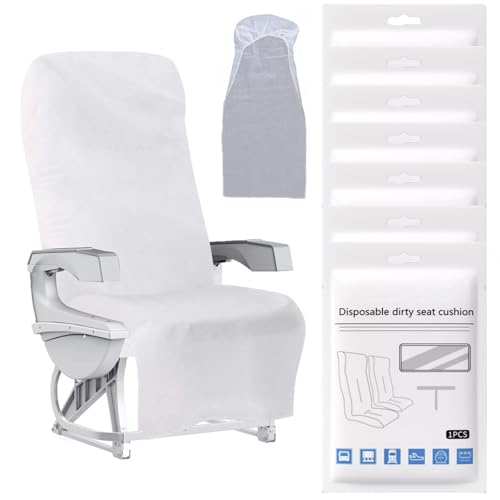

Disposable Airplane Seat Covers: Our package includes 6 pcs aircraft seat covers with handrail covers, will be delivered together, plenty of quantity to meet your daily needs and use. These car seat covers are easy to store and carry, you can put them in your car and home without taking up too much space, it is an ideal accessory for car interior protection, providing you with full protection while traveling.
First Impressions
When you enter the cabin, greet the crew with a simple “hello” or “good morning,” then move toward your seat without blocking the aisle. Keep your boarding pass or seat number ready so you can find your row quickly.
The Art of Seat Selection
Seat preferences depend on the traveler. A window seat offers a view and a wall to lean against. An aisle seat provides easier access to the aisle and lavatory. Actual legroom depends on the aircraft, cabin, fare, and specific row, so an aisle seat does not automatically provide more legroom.
Choose or confirm seats as early as the airline allows. Families should keep all travelers on the same reservation and review the airline’s seating policy. The U.S. Department of Transportation maintains a family-seating dashboard showing which U.S. airlines commit to seating a child age 13 or younger next to an accompanying adult without an extra fee when stated conditions are met.
Human Connections in the Air
Sometimes a passenger needs to request a seat change to sit with a child, assist an older traveler, or meet an accessibility need. Ask politely and offer a comparable or better seat when possible:
- Would you be willing to switch seats so I can sit beside my child?
- I am in 18A. Would you be comfortable taking that window seat in exchange for this one?
- No problem at all if you would rather keep your assigned seat.
Warning: Never pressure, shame, or touch another passenger’s belongings to force a seat change. Ask a gate agent or flight attendant for help if the seating issue involves a child, disability, or safety need.
In-Flight Conversations

Once seated, passengers sometimes talk with their neighbors about destinations, work, or past trips. A simple question such as “Are you visiting or heading home?” can begin a pleasant conversation. These exchanges can make a long flight feel shorter and may introduce you to people with different experiences.
However, not every passenger wants to talk. Headphones, closed eyes, short answers, or turning toward a book or screen usually signal a wish for quiet. Respect those cues.
| Situation | Polite phrase |
| Starting a conversation | “Are you traveling for work or for fun?” |
| Ending a conversation | “It was nice talking with you. I am going to read for a while.” |
| Requesting quiet | “I am going to rest now, but I hope you enjoy the flight.” |
Requesting Assistance from Flight Attendants
Flight attendants help with routine service, passenger needs, and emergencies, but their main responsibility is safety. The Federal Aviation Administration advises passengers to pay attention to crew instructions and the safety briefing.
| Need | Clear request |
| Water or a routine item | “Excuse me, may I have some water when you have a moment?” |
| Meal question | “I have a dietary restriction. Are any suitable options still available?” |
| Seat or overhead-bin problem | “Could you please help me with this seating issue?” |
| Feeling unwell | “I feel unwell and need assistance now.” |
| Nervous about flying | “I am a nervous flyer. Could you tell me what to expect during takeoff?” |
Use the call button for a genuine need, especially when standing is unsafe. For a nonurgent request, wait until the crew is not completing a safety task or moving a service cart. Be clear, concise, and patient. Special meals and comfort items may not be available unless requested before the flight, so check the airline’s policy in advance.
Flight attendants are safety professionals first. A calm, specific request helps them understand what you need and how urgent it is.
Products Worth Considering

Wireless & Easy Installation: Wireless caregiver pager helps you save the trouble of wire installation. Just need to plug in the receiver and stick the wireless call button to the house/hospital/clinic. You can also stick it on the surface of any other thing so your family/patient can call for help anytime and anywhere.

Wireless & Easy Setup: The wireless caregiver pager eliminates the need for complicated wiring. Simply plug in the receiver and place the wireless call button anywhere in your home, hospital, or clinic. It can be attached to any surface, allowing family members or patients to call for help anytime, anywhere.

【Active Noise Cancelling Technology】Zihnic wireless headphones can effectively reduces the ambient noise in low and mid-range frequency, such as city traffic, airplane cabin. You can enjoy the immersive music experience in a quiet and peaceful environment for on the subway, the bus, or the plane.
Using the Lavatory
Airplane lavatories are compact, so timing and courtesy matter. Avoid entering when the seatbelt sign is on unless the crew has said it is safe to move. During meal service, wait until the cart has passed your row if possible.
If you are in a window or middle seat, say, “Excuse me, may I get past to use the lavatory?” Keep personal items with you or safely stowed. Do not leave bags in the aisle.
Inside the lavatory, use the hooks or shelves for small belongings, follow posted instructions, and leave the space tidy. Wash your hands with soap and water after using the restroom. The CDC also recommends using hand sanitizer containing at least 60% alcohol when soap and water are unavailable.
Deplaning and Exiting the Aircraft
Deplaning Etiquette
After landing, remain seated with your seatbelt fastened until the crew turns off the seatbelt sign. On a routine arrival, airlines do not usually call every row. Passengers normally allow the rows ahead to enter the aisle first, unless the crew gives different instructions or someone needs urgent assistance.
Navigating the Aisle
Retrieve overhead items carefully so they do not fall on another passenger. Keep bags close to your body, avoid blocking the aisle while reorganizing, and allow passengers with tight connections or mobility needs to follow crew directions.
A Sense of Relief
Stepping onto the jet bridge or tarmac often brings relief and excitement. A simple “after you,” “thank you,” or “have a good trip” helps the final minutes remain orderly and pleasant.
Thanking the Crew
Before leaving the aircraft, a brief “thank you,” “thanks for taking care of us,” or “have a good day” is enough. Flight attendants manage safety duties, passenger requests, medical concerns, turbulence, and unexpected situations throughout the trip.
If a crew member provided exceptional service, note the person’s name, flight number, and date. You can then send specific positive feedback through the airline’s official customer-service channel. Clear details are more useful than a general compliment.
Saying Goodbye to Fellow Passengers
A short farewell can acknowledge the shared journey without making the moment awkward. Try “It was nice meeting you,” “Enjoy the rest of your trip,” “Take care,” or “Safe travels.”
If both people clearly want to stay in touch, exchanging contact information can be natural. Do not pressure someone to share a phone number or social media account. A friendly wave or nod is also a complete goodbye.
What Not to Say Before or During a Flight
- Avoid crash stories or dark jokes: They can increase anxiety and are especially inappropriate around a nervous traveler.
- Avoid jokes about weapons, explosives, or security threats: Airport and airline personnel must take safety concerns seriously.
- Do not dismiss fear: “Stop worrying” or “You are being silly” can make the traveler feel misunderstood.
- Do not make absolute promises: Replace “Nothing can go wrong” with “I am here for you.”
- Do not add pressure: “You must call the second you land” may create stress. “Message me when it is convenient” is kinder.
- Avoid intrusive questions: Do not push for personal details from a seatmate who gives short answers or wants quiet.
For personalized recommendations about a specific trip, you can use the site’s contact page. If the same journey includes camping, the separate guide to solar-powered camping lanterns may also be useful.
Frequently Asked Questions
What are common things to say to someone traveling by plane?
Common phrases include “Have a safe flight,” “Safe travels,” “Enjoy your trip,” “Wishing you a smooth journey,” and “Text me when you land.” Add a personal detail to make the message warmer.
Is it appropriate to wish someone good luck before a flight?
Yes. “Good luck with your trip” is friendly, especially when the person is traveling for an interview, exam, meeting, or major life event. For a routine vacation, “Have a safe flight” may sound more natural.
Are there phrases to avoid before someone flies?
Avoid comments about crashes, turbulence horror stories, weapons, explosives, or security threats. Also avoid dismissive lines such as “Do not be scared” or absolute promises such as “Nothing can happen.”
How can I express excitement about someone’s trip?
Say, “I am so excited for you,” “You are going to have an amazing time,” or “I cannot wait to hear about the trip.” Mentioning the destination or planned activity makes the message more personal.
How can I support someone who is nervous about flying?
Acknowledge the feeling, ask what support would help, and offer a practical action such as checking the itinerary, staying on the phone until boarding, or being available after landing. Severe or persistent fear may benefit from professional help.
Is “safe travels” the same as “have a safe flight”?
Both are appropriate. “Have a safe flight” refers specifically to air travel. “Safe travels” covers the whole journey, including driving, trains, connections, and the return trip.
Should I ask someone to text me when they land?
Yes, when the request is caring rather than controlling. “Text me when you land, whenever it is convenient” shows concern without adding pressure during baggage claim, immigration, or a tight connection.
What should I say after the person lands?
Try “Glad you arrived safely,” “Welcome,” “How was the flight?” or “Get some rest and tell me about the trip later.” Keep the message brief if the traveler may be tired or busy.
Sources
- Federal Aviation Administration: Passenger Safety Tips — supports following crew instructions, listening to the safety briefing, and wearing a seatbelt while seated.
- Federal Aviation Administration: Safety, The People — explains that a flight attendant’s main duty is passenger safety.
- U.S. Department of Transportation: Airline Family Seating Dashboard — supports current guidance on airline commitments for seating young children beside an accompanying adult.
- U.S. Department of Transportation: Airline Passengers with Disabilities Bill of Rights — supports assistance and seating accommodations for travelers with disabilities.
- Centers for Disease Control and Prevention: Air Travel — supports handwashing and hand-sanitizer guidance during air travel.
- Cleveland Clinic: Aerophobia — supports the discussion of fear of flying and evidence-based treatment options.
