
Last Updated on September 11, 2026 by Logan Reeves
You spend time in terrain where a small mistake can become life changing, so choosing the right avalanche beacon is not optional. This guide distills field-tested performance and real-world usability so you can pick a transceiver that matches your skills, group size, and travel style.
Knowing the strengths and limitations of each device helps you prepare faster and search more effectively when every second matters.
Disclosure: As an Amazon Associate I earn from qualifying purchases. Some links on this page are affiliate links, at no extra cost to you.
Top Picks
|
Category |
Product |
Score |
|---|---|---|
|
🏆 Best for Ease of Use |
92/100 |
|
|
🎯 Best Voice Guidance |
95/100 |
|
|
💰 Best Value Performance |
93/100 |
|
|
⭐ Best Pro Features |
90/100 |
Selection Criteria
When evaluating avalanche beacons you need devices that perform under stress and are easy to operate with gloves and limited visibility. We prioritized proven search range, effective multi-antenna performance, and clear visual or voice guidance so you can locate a buried partner quickly.
Reliability in robust housing and consistent signal handling across multiple burials were non negotiable factors because real rescues demand predictable behavior. You also need an interface that reduces user error, so we weighed button layout, display clarity, and the presence of guided search features heavily. Finally, battery life, serviceability, and the practical inclusion of accessories like probes were considered to ensure the beacon integrates into the kit you already carry.
Mammut Barryvox

You want a beacon that performs reliably without a complicated menu, and the Barryvox is built for that approach. It gives you a clear display, buttons that work with gloves, and a visual search interface that keeps the process straightforward when time is short.
It’s useful for day-to-day backcountry touring, guided ski days, or longer mountaineering trips where ruggedness matters. If you prefer a dependable, no-nonsense transceiver over extra connectivity features, this one fits neatly into your kit.
What People Say
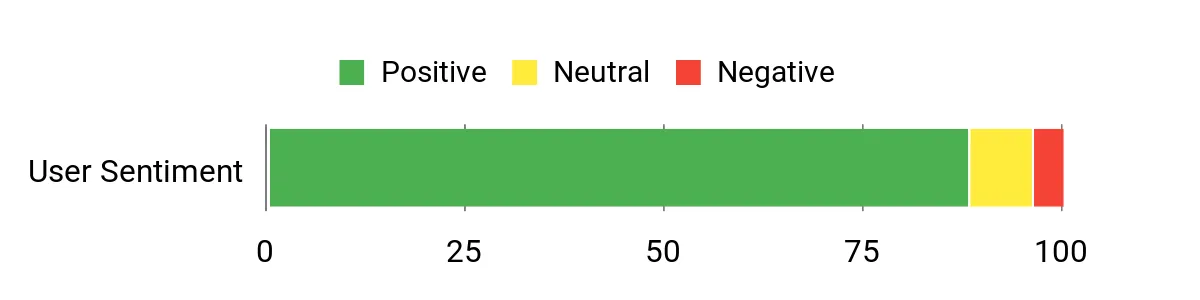
Customers frequently praise how easy the Barryvox is to use in real rescue scenarios, noting the clear display and straightforward controls. Many highlight the durable casing and reliable signal handling across varied terrain.
A common note is that it focuses on core functions rather than connectivity extras, which some users prefer and others miss.
Overall Sentiment: Positive
|
Pros |
Cons |
|---|---|
|
✅ Very intuitive operation and clear visual guidance |
❌ Lacks voice-guided search and Bluetooth features |
|
✅ Glove-friendly buttons and readable display |
❌ Fewer advanced training aids compared with newer models |
|
✅ Wide search strip improves coverage efficiency |
|
|
✅ Durable, shock-proof enclosure for rough use |
Rescue Performance
Rescue Performance
Portability
Portable and Tough
Key Benefits
- Intuitive, minimal interface that reduces user error under stress
- Large effective search strip width for faster coverage
- Glove-friendly controls and an easy-to-read display
- Robust, shock-proof housing built for harsh conditions
Rating: 4.7/5 (total: 40+)
Ortovox Diract

You get clear, spoken guidance when seconds matter, which makes the Diract Voice feel like a calm teammate in a frantic search. The 360-degree graphic display and single-button layout keep the process direct, and the ultralight build means you won’t notice it on long tours.
It’s a strong choice for ski tourers and small groups who value intuitive navigation and low weight over extra connectivity bells and whistles. If you want a beacon that reduces cognitive load and helps you stay focused during a rescue, this is one to consider.
What People Say
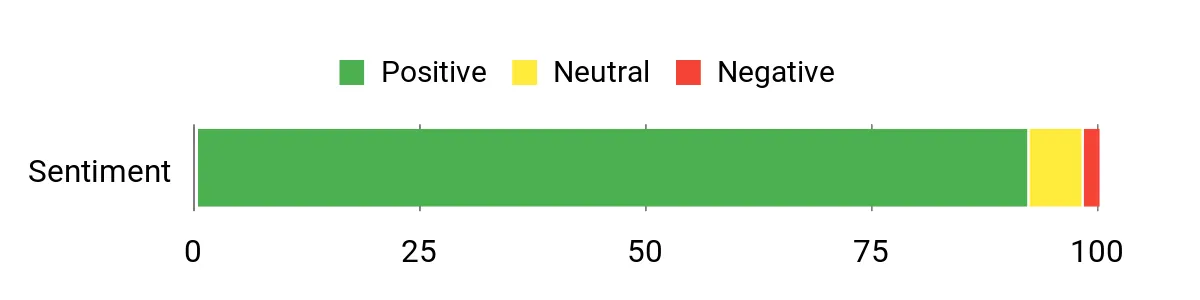
Users often highlight how the voice guidance and clear graphics make searches less chaotic, especially when visibility or stress levels are high. Many appreciate the lightweight construction and simple controls that work well with gloves.
A number of reviewers point out the thoughtful balance between functionality and minimalism, noting that it focuses on helpful features rather than extras.
Overall Sentiment: Positive
|
Pros |
Cons |
|---|---|
|
✅ Spoken guidance that lowers cognitive load in rescues |
❌ 50 m digital range is shorter than some high-end beacons |
|
✅ Intuitive 360° display and simple single-button use |
❌ Minimalist approach means fewer advanced training aids |
|
✅ Very lightweight for long-distance touring |
❌ May feel stripped down if you want extensive connectivity |
|
✅ Includes essential accessories and Bluetooth features |
Rescue Guidance
High for Guided Searches
Portability
Ultralight and Packable
Key Benefits
- Voice navigation reduces confusion during searches
- 360° real-time display simplifies target orientation
- Single-button operation is fast and reliable under stress
- Ultralight design keeps pack weight down for long tours
Rating: 4.8/5 (total: 12+)
BCA Tracker

You want a beacon that gets you to a buried partner quickly without fuss, and the Tracker 3 is built around that idea. It combines rapid signal processing with a clean display and responsive controls so you can make decisions fast during a search.
It works well for daily touring, guided groups, and longer trips where dependability matters more than extra tech features. If you value speed, straightforward operation, and proven field performance, this is a practical choice to carry.
What People Say
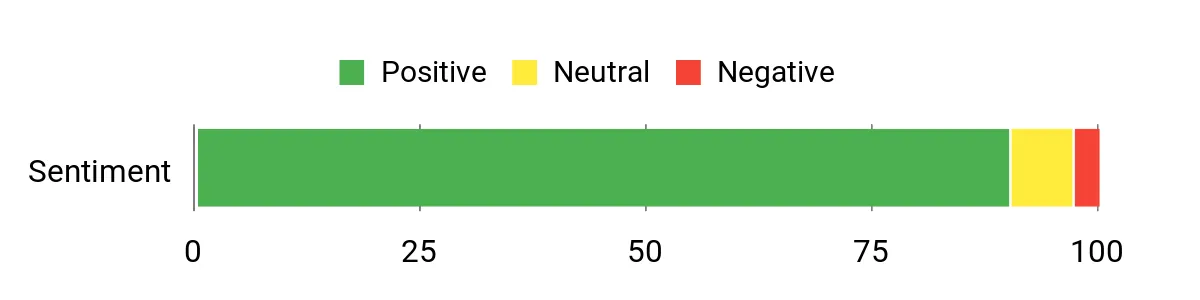
Users commonly note how quickly the Tracker locks onto signals and how dependable it feels in real search scenarios. Many appreciate the uncluttered interface and how it translates to fewer mistakes under stress.
Owners also mention the lightweight form factor and solid build as reasons they trust it on long days in the alpine.
Overall Sentiment: Positive
|
Pros |
Cons |
|---|---|
|
✅ Rapid and reliable signal processing |
❌ Fewer advanced guided features compared with high-end models |
|
✅ User-friendly display and controls |
❌ Display is functional but not as feature-rich as some competitors |
|
✅ Compact, lightweight design for long tours |
|
|
✅ Proven performance in multi-burial situations |
Rescue Effectiveness
Fast Target Acquisition
Portability
Lightweight and Compact
Key Benefits
- Fast signal acquisition for quicker searches
- Clear, minimal interface that reduces user error
- Lightweight and easy to carry on long tours
- Consistent multi-burial handling in real conditions
Rating: 4.8/5 (total: 60+)
FAQ
How Do I Choose The Right Beacon For My Needs?
You should match the beacon to your typical terrain, group size, and comfort level. Prioritize ease of use and multi-antenna performance so searches are predictable under stress, then weigh weight, ruggedness, and any guided features like voice or graphical instructions.
If you travel with less experienced partners, choose a model that reduces cognitive load and supports faster group searches; if you ski long approaches, give more weight to packability and battery life.
What Training Should I Do Before Heading Into The Backcountry?
Regular, scenario-based drills are essential: switch between transmit and search modes, practice single- and multi-burial searches, and run timed drills with probe and shovel until transitions are smooth. Train with your regular partners so roles are clear, repeat simple guided searches on different slopes to build instinctive responses, and refresh skills before the season starts or after any long break.
How Do I Maintain And Care For An Avalanche Beacon?
Check batteries before every outing and follow the manufacturer’s recommendations for replacement or recharging, and keep the unit clean and dry with contacts free of debris. Inspect the housing and antenna for damage, install firmware updates when available, and store the beacon separate from devices that might accidentally switch it to transmit or block signals; schedule professional servicing if you suspect a fault.
Customer Preferences
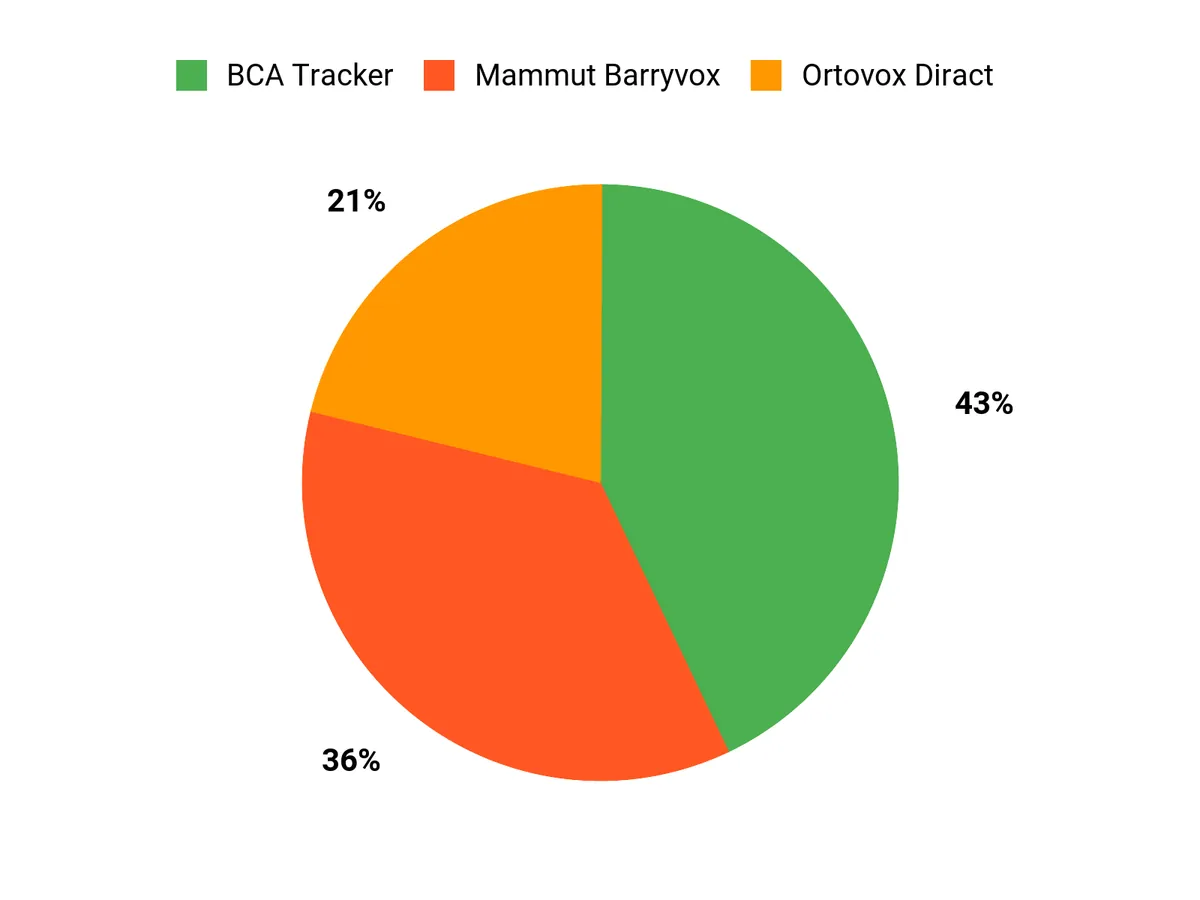
When choosing between the Barryvox, Diract, and Tracker you typically prioritize features that shorten search time and reduce user error—clear guided interfaces, reliable multi-antenna signal handling, and quick target acquisition top the list. You may favor the Barryvox for its rugged simplicity, the Diract for voice guidance and lightweight design, or the Tracker for fast locking and proven everyday reliability, depending on whether you value intuitive controls, spoken assistance, or rapid signal processing most.
Wrapping Up
You want equipment that reliably shortens search time and reduces uncertainty during a rescue, and the beacons here cover distinct approaches to that goal. The Mammut Barryvox shines for intuitive, glove friendly controls and a wide effective search strip, Ortovox Diract Voice adds spoken guidance that reduces cognitive load under pressure, BCA Tracker 3 balances speed and value for everyday backcountry users, and Pieps DSP offers advanced features that appeal to experienced teams.
Matching the beacon features to your typical group size, terrain, and comfort with technology will give you the best chance of a fast, organized rescue.
| Mammut Barryvox Avalanche Beacon | Ortovox Diract Voice Avalanche Transceiver | BCA Tracker 3 Avalanche Transceiver Beacon | |
|---|---|---|---|
|
|
|
|
|
| Rating | 4.7/5 (40 reviews) | 4.8/5 (12 reviews) | 4.8/5 (60 reviews) |
| Special Highlights | Ruggedized Design, Acoustic Search Guidance | Voice Navigation, Bluetooth Connectivity | Simple Interface, Durable Design |
| Range | 70 meters | 50 meters | N/A |
| Weight | 70 grams | 1.3 pounds | 7.6 ounces |
| Shop Now | Shop Now | Shop Now |
This Roundup is reader-supported. When you click through links we may earn a referral commission on qualifying purchases.

1 Comment
Pingback: Rab Winter Jacket: Mythic Alpine Light Review