
Last Updated on July 27, 2026 by Daniel Globe
Working from home as a cruise travel agent offers a unique blend of career flexibility, travel perks, and substantial earning potential in the thriving global cruise industry. As a remote agent, you can design your personal workspace, set your own flexible hours, and build a lucrative travel advising business without traditional office overhead. By partnering with established host agencies and leveraging industry certifications, independent cruise specialists match clients with their ideal ocean and river vacations while earning competitive commissions and enjoying exclusive travel benefits like familiarization (FAM) trips.
Quick Answer
To become a cruise travel agent from home, complete foundational industry training, choose a host agency to gain booking portal and consortium access, secure necessary licensing (including Seller of Travel registrations and E&O insurance), and obtain credentials from the Cruise Lines International Association (CLIA). Home-based agents typically earn income through 70% to 90% commission splits on booked cruise itineraries.
Key Takeaways
- Host Agency Support: Partnering with a host agency provides immediate access to major cruise booking engines, mentorship, higher commission tiers, and backend technology.
- Industry Credentials: Obtaining a CLIA Individual Agent Member card unlocks specialized cruise training academies and supplier familiarization (FAM) trip privileges.
- Legal Compliance: Remote agents must navigate Seller of Travel (SOT) laws in key states and maintain Errors & Omissions (E&O) liability insurance.
- High Earning Potential: Commission splits generally range from 70/30 to 90/10, rewarding skilled networkers and niche marketing specialists.
At a Glance: Launching Your Remote Cruise Agency
| Time Required | 1 to 3 months (training, licensing, and host onboarding) |
| Difficulty | Beginner to Intermediate |
| Tools Needed | Laptop, high-speed internet, CRM software, cruise booking portals, dedicated business phone line |
| Startup Cost | $300 to $2,000 (Host fees, Seller of Travel filings, E&O insurance, CLIA registration) |
Without the constraints of a traditional office, agents can design their workspace to suit their preferences, whether that means a quiet home desk or a dedicated office space filled with travel memorabilia. This autonomy leads to increased productivity and job satisfaction, as agents can tailor their schedule to their peak working hours.
Additionally, the financial benefits of working from home can be substantial. Agents save on commuting, professional wardrobes, and daily meals. Moreover, because most cruise travel agents operate on a commission basis, earning potential is directly tied to performance. This structure allows for unlimited growth, especially for agents skilled at relationship building and client retention.
Disclosure: As an Amazon Associate I earn from qualifying purchases. Some links on this page are affiliate links, at no extra cost to you.
How to Get Started as a Cruise Travel Agent
Building Foundational Knowledge & Credentials
Launching a travel business requires mastering cruise line offerings, booking software, and client management techniques. Aspiring agents should complete specialized training programs provided by recognized industry associations such as the Cruise Lines International Association (CLIA) and the American Society of Travel Advisors (ASTA).
Obtaining a CLIA Individual Agent Member card establishes immediate credibility. CLIA offers structured certification tiers—such as Accredited Cruise Counsellor (ACC) and Master Cruise Counsellor (MCC)—which cover cruise operations, deck plan analysis, and destination logistics. These credentials demonstrate expertise to prospective clients and qualify agents for preferred industry perks.
Partnering with a Host Agency
Once basic industry training is underway, joining an established host agency is the fastest way to operationalize a home business. A host agency acts as an umbrella organization, granting independent contractors access to their accreditation numbers (ARC/IATA/CLIA), booking engines, supplier relationships, and high-tier commission structures.
Host agencies typically operate on commission splits ranging from 70/30 (70% to the agent, 30% to the host) up to 90/10 based on sales volume and monthly membership tiers. According to industry data from Host Agency Reviews, partnering with a host significantly reduces administrative burdens by providing turnkey backend accounting, CRM systems, and mentorship programs.
Note: When evaluating host agencies, verify their consortium affiliations (such as Travel Leaders Network, Signature Travel Network, or Virtuoso). Membership in a premier consortium gives home agents access to exclusive group space rates, client amenities, and shipboard credit offers.
Licensing, Insurance, and Legal Requirements
Operating a home-based travel business requires strict adherence to commercial and consumer protection laws. Agents must secure Errors & Omissions (E&O) insurance to protect their business against professional liability, booking errors, or supplier defaults.
Furthermore, agents must research state-specific legal mandates. Several states enforce Seller of Travel (SOT) laws requiring independent registration or affiliation under a host agency’s state license before selling travel services to residents in those jurisdictions.
Warning: States such as Florida, California, Washington, and Hawaii enforce strict Seller of Travel (SOT) regulations. Selling cruise vacations to residents in these states without valid individual registration or documented host agency coverage can result in severe financial penalties.
Marketing Support and Tools
In addition to administrative backing, reputable host agencies provide marketing toolkits. These include co-branded direct mailers, email marketing engines, customizable client websites, and automated promotional campaigns designed to capture leads and drive bookings.
The Skills and Qualifications Needed for Success

Success as a cruise travel agent hinges on a combination of strong interpersonal communication, precise organizational skills, and adaptive sales tactics. Clear communication is paramount; agents must convey complex itinerary details, visa requirements, and fare rules persuasively while active listening allows them to match clients with the right ship and cabin category.
Exceptional customer service skills are equally vital. Travel advisors act as primary advocates for clients before, during, and after their voyages, managing flight delays, cabin upgrades, and dining requests. According to the U.S. Bureau of Labor Statistics, agents who leverage technology and specialized niche knowledge maintain higher client retention rates.
Technical proficiency is critical in modern travel administration. Familiarity with global booking platforms, client relationship management (CRM) software, and social media marketing sets high-performing agents apart. While formal degrees in hospitality or tourism are beneficial, successful agents enter the field from diverse backgrounds, relying on continuous learning and real-world experience.
Understanding the Cruise Industry and Different Cruise Lines
| Cruise Line | Active Ships | Primary Destinations | Passenger Capacity |
|---|---|---|---|
| Royal Caribbean International | 28 | Worldwide (Caribbean, Europe, Alaska, Asia) | 2,400 – 7,600+ |
| Carnival Cruise Line | 27 | North America, Caribbean, Europe, Australia | 2,052 – 5,374 |
| Norwegian Cruise Line | 19 | Worldwide (Bermuda, Hawaii, Europe, Asia) | 1,936 – 4,266 |
| Disney Cruise Line | 6 | Caribbean, Bahamas, Europe, Alaska | 2,713 – 4,000 |
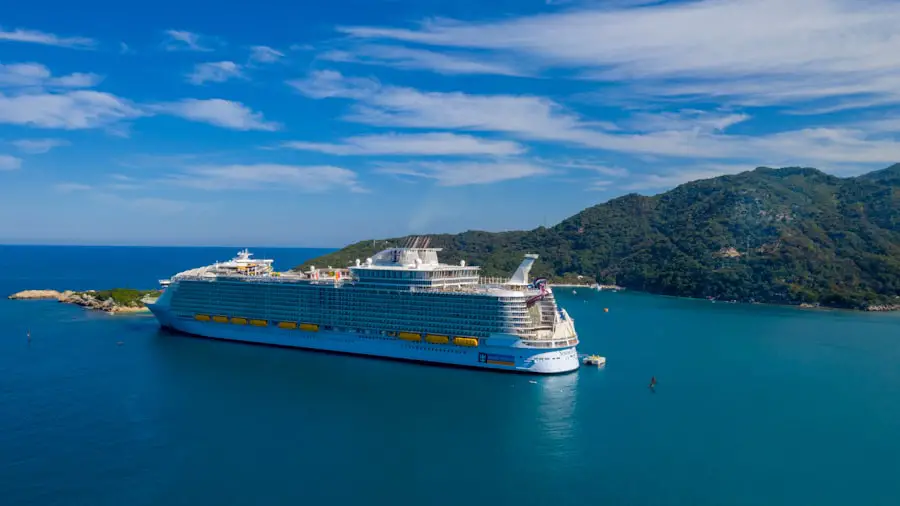
A comprehensive understanding of cruise product positioning is essential for high conversion rates. The market ranges from mega-ships featuring onboard water parks and Broadway-style shows to ultra-luxury ocean lines (such as Seabourn and Silversea) and niche river cruise operators (like Viking and AmaWaterways).
Understanding these distinct product profiles enables agents to match clients with cruises aligned with their expectations and budget. Staying updated on industry trends—including new ship launches, itinerary shifts, and onboard technological updates—ensures agents maintain authority and deliver personalized recommendations.
Pro Tip: Take full advantage of supplier training academies, such as Royal Caribbean’s University of Royal Caribbean or Disney’s College of Disney Knowledge. Completing these courses earns expert certifications and unlocks access to deeply discounted or complimentary familiarization (FAM) cruises.
Products Worth Considering


FULFILL YOUR TRAVEL DREAMS: If you dream of seeing the world, Clever Fox Travel Planner Organizer is for you! Use this travelers journal to build your travel bucket list and start fulfilling it, explore new places, and plan exciting and safe trips.

Acid and lignin Free
Building a Client Base and Generating Sales
Building a client roster requires combining community networking with digital client acquisition techniques. Local business groups, community events, and word-of-mouth referrals form the foundation of a new agent’s client base.
“Repeated client satisfaction drives word-of-mouth growth. A single family reunion or group cruise booking can yield thousands in commission while generating long-term client referrals.”
Digital acquisition complements traditional networking. Developing a professional agency website with booking widgets, client reviews, and detailed itinerary guides establishes credibility. Complementing website traffic with targeted social media campaigns on Facebook and Instagram helps capture travelers seeking cruise advice.
Products Worth Considering

Marketing and Promoting Your Services as a Cruise Travel Agent
Defining Your Unique Selling Point
Home-based agents must distinguish themselves from online travel agencies (OTAs) by highlighting personalized service and specialized expertise. Focusing on a specific niche—such as luxury river cruises, multi-generational family groups, or accessible travel—helps agents position themselves as specialized authorities rather than generalists.
Leveraging Content Marketing
Content marketing builds organic visibility and client trust. Writing informative blog articles, publishing video deck tour walkthroughs, or producing packing lists for specific destinations positions agents as expert advisors while improving search engine rankings.
Expanding Your Reach through Collaboration
Partnering with local businesses, wedding planners, or travel influencers broadens market reach. Cross-promotional initiatives—such as hosting joint cruise planning nights or sponsoring community charity events—introduce your travel business to pre-qualified audiences.
Managing and Organizing Your Work from Home Schedule
Balancing client inquiries, bookings, and business administration requires structured time management. Setting core business hours aligns operational needs with client availability while protecting work-life boundaries.
Utilizing dedicated CRM and task management tools helps track client payment schedules, final payment deadlines, dining reservations, and shore excursion bookings efficiently. Periodically reviewing sales milestones keeps home operations aligned with annual revenue targets.
Tips for Success and Growing Your Business as a Cruise Travel Agent
Long-term profitability in travel consulting relies on continuous learning and proactive client engagement. Conducting post-trip follow-up calls allows agents to collect feedback, address service gaps, and solicit client reviews for marketing channels.
Maintaining close working relationships with cruise line business development managers (BDMs) can lead to exclusive client perks, shipboard credits, and co-op marketing funds. Embracing technology and prioritizing client relationships enables home-based travel agents to build sustainable, highly profitable businesses.
If you are considering becoming a cruise travel agent from home, you may also be interested in learning about the best waterproof sneakers for travel. Having comfortable and durable footwear is essential for exploring different destinations while working remotely. Check out this article on the best waterproof sneakers for travel to ensure you are prepared for any adventure that comes your way.
Frequently Asked Questions
What is a cruise travel agent?
A cruise travel agent is a licensed travel professional specializing in researching, planning, and booking cruise vacations. They guide clients through selecting cruise lines, stateroom categories, shore excursions, and travel insurance while handling administrative travel logistics.
What are the requirements to become a cruise travel agent?
Requirements generally include a high school diploma or equivalent, basic computer literacy, and background knowledge of travel destinations. Most successful home-based agents complete training through recognized bodies like CLIA or ASTA, align with a host agency, obtain Errors & Omissions insurance, and register for state Seller of Travel licenses where required.
Can I become a cruise travel agent from home?
Yes, operating as an independent contractor connected to a host agency allows agents to manage their business entirely from home. Host agencies provide cloud-based booking portals, supplier access, and back-office tools accessible from any remote location.
What skills are important for a cruise travel agent?
Essential skills include active communication, active listening, consultative sales ability, attention to detail, proficiency with booking systems and CRM platforms, and a deep understanding of cruise products and destinations.
How can I start a career as a cruise travel agent from home?
To get started, research and choose a reputable host agency, enroll in cruise line supplier certification programs, register your business structure, secure Errors & Omissions insurance, obtain necessary state licenses, and launch a targeted digital and community marketing campaign.
Sources
- Cruise Lines International Association (CLIA) — Professional certifications and industry statistics
- American Society of Travel Advisors (ASTA) — Regulatory compliance, ethics, and agent advocacy
- U.S. Bureau of Labor Statistics — Travel agent employment outlook and career requirements
- Host Agency Reviews — Host agency commission structures and independent travel agent benchmarks
