

Last Updated on September 10, 2026 by Daniel Globe
Winter leaves, wet debris, and the first light snow can turn a quick yard cleanup into a long, back-aching chore. The right backpack leaf blower gives you stronger airflow, better weight distribution, and longer working time than most handheld models, helping you clear a large property with fewer stops.
This guide compares gas and battery backpack blowers by clearing performance, comfort, published weight, runtime, maintenance, noise, warranty support, and overall value. It also separates verified manufacturer specifications from claims found only on marketplace listings, so you can judge each model with the right level of confidence.
Quick Answer
The Greenworks 80V is the simplest choice for quiet, low-maintenance residential cleanup. The Husqvarna 150BT balances verified power and comfort, while the ECHO PB-9010T, PRORUN PBB3000, and Husqvarna 580BTS provide much higher output for large properties and demanding work. Use any blower on snow only when it is fresh, shallow, and dry.
Key Takeaways
- Choose battery power for quick starts, less maintenance, and no direct exhaust emissions during use.
- Choose gas for long sessions, rapid refueling, and the highest available blowing force.
- Do not compare CFM alone. Check MPH, Newtons, nozzle measurements, weight, runtime, and harness quality.
- Several lower-cost products rely mainly on seller-provided specifications, so confirm the manual, warranty, parts supply, and return policy.
- A leaf blower is suitable only for thin, fresh, dry powder when the manufacturer allows it—not wet snow, packed snow, slush, or deep drifts.
Affiliate disclosure: This article contains affiliate links. If you buy through one of these links, the site may earn a commission at no additional cost to you.
Warning: Wear eye and hearing protection, keep people and pets away from the discharge path, and never operate a gasoline engine inside a garage, shed, vehicle, or other enclosed or partly enclosed area. Do not direct debris toward roads, windows, vehicles, or bystanders.
Top Picks
|
Category |
Product |
Editorial Score |
|---|---|---|
|
🏆 Best Balance of Comfort and Power |
88/100 |
|
|
💰 Best Marketplace Value |
82/100 |
|
|
🎯 Best Extended-Tank 63cc Option |
80/100 |
|
|
🔋 Best Battery-Powered |
90/100 |
|
|
🔥 Most Powerful Proven Model |
93/100 |
|
|
🚀 Highest Published Airflow |
89/100 |
|
|
💼 Best Professional Grade |
95/100 |
|
|
🎨 Best Lightweight Listing |
84/100 |
|
|
🛠️ Best for General Property Maintenance |
81/100 |
|
|
⭐ Best Heavy-Duty Marketplace Option |
87/100 |
The scores are editorial comparisons, not standardized laboratory-test results. They consider published performance, comfort, weight, maintenance, source confidence, warranty support, and value. Specifications marked as listing claims should be confirmed in the supplied manual before use.
How We Picked These Blowers
We compared each blower using published manufacturer specifications, available manuals, marketplace listings, warranty information, control design, harness features, weight, power source, maintenance needs, and review themes. This is an editorial comparison rather than a controlled hands-on laboratory test.
Performance received the most weight, but the largest CFM number did not automatically win. We also considered airspeed, Newtons of blowing force where published, whether airflow was measured at the nozzle, dry weight, fuel or battery runtime, noise, starting effort, service access, and source reliability.
Note: Husqvarna, ECHO, Greenworks, and PRORUN provide official product pages for the models covered below. Several HTK, Getell, Thalorus, and EIDOWA figures come mainly from marketplace listings. Treat those numbers as seller-provided claims rather than independent test results.
How to Choose a Backpack Leaf Blower
Compare CFM, MPH, and Newtons
CFM measures how much air the blower moves. Higher CFM helps push broad piles of leaves and other loose material. MPH measures airspeed and helps loosen stuck debris or reach into beds and edges. Newtons measure blowing force and can provide a more useful overall comparison when manufacturers publish the figure.
Measurement locations matter. For example, the Husqvarna 150BT specification page promotes 765 CFM but separately lists 452.03 CFM at the round nozzle. Do not assume every brand measured airflow at the same point or with the same nozzle.
The most useful blower is not always the one with the highest CFM. A well-fitted harness, adequate blowing force, dependable controls, and accessible service can save more time over several seasons.
Match the Power Source to the Job
- Battery: Fast push-button starting, less routine maintenance, lower operating noise, and no direct exhaust emissions. Runtime depends on battery size, speed setting, temperature, and battery condition.
- Gas: Longer continuous operation and fast refueling, with the highest output available in this roundup. Tradeoffs include fuel mixing, engine maintenance, exhaust, vibration, noise, and harder cold starts.
Consider Property Size and Debris
- Small urban property: A battery model is usually easier to start, store, and use without disturbing nearby homes.
- Medium or large residential lot: Look for at least a comfortable harness, cruise control, and enough runtime to finish without repeated charging or refueling.
- Heavy wet leaves: Prioritize published blowing force, high airflow, and a nozzle that can concentrate the air stream.
- Commercial or multi-property work: Favor established parts support, a commercial warranty, replaceable filters, durable tubes, and a dealer network.
Check Weight and Harness Fit
Published weight may refer to the dry tool, the tool with its battery, or the complete kit. A gasoline blower becomes heavier after fuel is added. A wide harness, padded straps, a supportive hip belt, ventilation, and anti-vibration mounts can matter as much as a few pounds of listed weight.
Adjust the shoulder straps so the frame sits close to your back. If the unit has a hip belt, place it over the top of your hips and let it carry part of the load. Position the control handle so your wrist remains neutral rather than bent upward.
Check Noise, Warranty, and Local Rules
Backpack blowers can produce harmful noise. The Occupational Safety and Health Administration recommends protection when exposure approaches hazardous levels. Wear properly fitted earplugs or earmuffs even when a product is marketed as quieter.
Some communities restrict gas blowers, seasonal use, operating hours, or maximum noise. Check local rules before buying. Also compare the consumer and commercial warranty, nearby service locations, replacement filters, fuel lines, batteries, chargers, and blower tubes.
Pro Tip: Before the return window closes, inspect every tube, clamp, strap, fastener, battery connection, fuel line, and included accessory. Assemble the blower, test all speed settings outdoors, and confirm that warranty registration and replacement parts are available.
Understand the Limits of Winter Use
A powerful leaf blower may move a thin coating of fresh, dry powder from a walkway or vehicle when the manual permits it. It should not be used as a replacement for a shovel or snow thrower. Wet snow, slush, compacted snow, and deep drifts are too heavy and can expose the machine to unnecessary moisture.
Backpack Leaf Blower Reviews

The Husqvarna 150BT is a strong residential workhorse. Husqvarna lists a 51.7cc engine, 2.16 hp, 270 MPH airspeed, 22 N of blowing force, and a dry weight of 21.95 lb. The product page promotes 765 CFM, although its technical table separately lists 452.03 CFM at the round nozzle.
The padded harness, hip belt, and weight-leveling system make it one of the better options for long residential jobs. Air purge helps remove air from the fuel system, while the variable-speed throttle and cruise control reduce the need to hold the trigger continuously.
This model is best for regular yard maintenance, broad leaf coverage, and wet leaves. At a published 110 dB(A) at the operator’s ear, hearing protection is essential.
What People Say
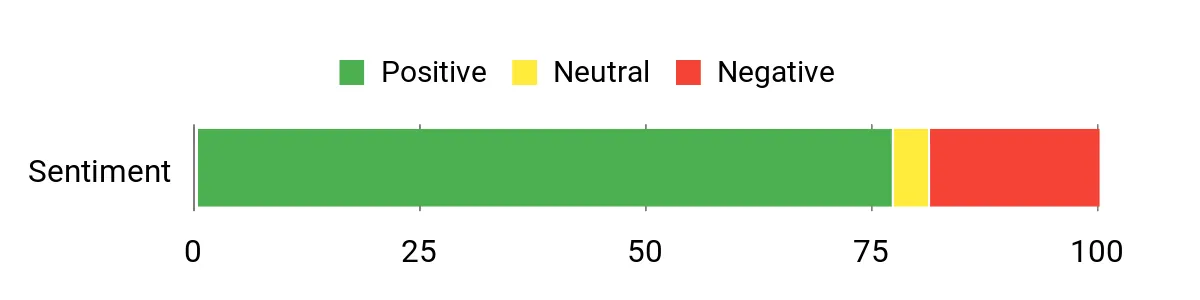
The original review-analysis snapshot highlights strong clearing performance, a comfortable harness, and useful cruise control. Starting effort and long-term reliability receive more mixed comments, which is common with two-stroke equipment that depends on fresh fuel, correct mixing, and routine maintenance.
The chart below reflects the original review-analysis snapshot and may not match the current Amazon rating or review count.
Overall Sentiment: Positive
Time-Saving Perks
The broad airflow and 22 N of force help move large piles with fewer passes. Cruise control holds a steady setting, while the backpack layout lets you walk continuously instead of carrying the engine in one hand.
Ease of Use
|
Feature |
Ease Level |
|---|---|
|
Starting with air purge |
Moderate |
|
Throttle and cruise control |
Easy |
|
Harness comfort |
Easy |
|
Assembly and setup |
Easy |
|
Fuel mixing and maintenance |
Moderate |
Key Benefits
- Verified 22 N blowing force and 270 MPH maximum airspeed
- 51.7cc, 2.16 hp two-stroke engine
- Padded harness, hip belt, and load-management system
- Air-purge starting aid
- Variable-speed throttle with cruise control
- Established manufacturer support and published replacement information
Review note: Customer ratings and review counts change. Check the live listing, recent critical reviews, warranty terms, and seller identity before buying.

The HTK 63CC is positioned as a lower-cost gas option for large residential yards. Its Amazon listing states up to 665 CFM and 205 MPH, which should be enough for broad piles of leaves and ordinary property cleanup if the delivered unit meets those figures.
The listing also describes a padded harness, low-vibration design, air-purge starting aid, cruise control, and a large fuel tank. These are useful features for long sessions, but no detailed official specification page or independent performance standard was located during this audit.
Confirm the supplied manual, correct fuel ratio, replacement-part availability, warranty provider, and return terms before the purchase window closes.
What People Say
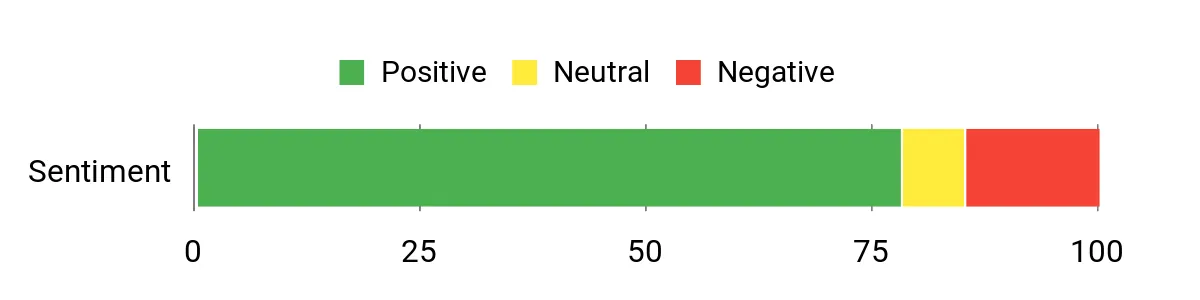
The original review snapshot emphasizes power, value, harness comfort, and cruise control. Reported concerns include noise, unclear assembly instructions, and units that may require more than one pull to start.
The chart is a historical review-analysis image rather than a live rating display.
Overall Sentiment: Positive
Time-Saving Perks
High seller-listed airflow, cruise control, and a backpack harness can reduce passes and hand fatigue on larger properties. A larger fuel tank may also reduce refill stops.
Ease of Use
|
Feature |
Ease Level |
|---|---|
|
Starting system |
Moderate |
|
Harness comfort |
Easy |
|
Throttle and cruise control |
Easy |
|
Assembly and setup |
Moderate |
|
Parts and service verification |
Challenging |
Key Benefits
- Seller-listed 665 CFM and 205 MPH output
- 63cc two-stroke engine
- Padded backpack harness
- Air-purge starting aid and cruise control listed
- Longer runtime than a single-battery system may provide
- Lower advertised price than many established commercial models
Review note: Specifications, ratings, and review counts can change. Treat the performance numbers as seller-provided until confirmed in the manual.

The Getell GB657 PRO targets buyers who want a large fuel tank and high listed airflow without moving into the price range of an established commercial brand. Its listing states a 63cc two-stroke engine, 665 CFM, and a 1.7 L tank.
The ventilated padded harness and cruise-control system should make extended work easier if the delivered unit matches the listing. The product is suited to general yard debris and wet leaves, but claims of professional durability should be weighed against the availability of manuals, replacement parts, authorized service, and a clearly defined warranty provider.
What People Say
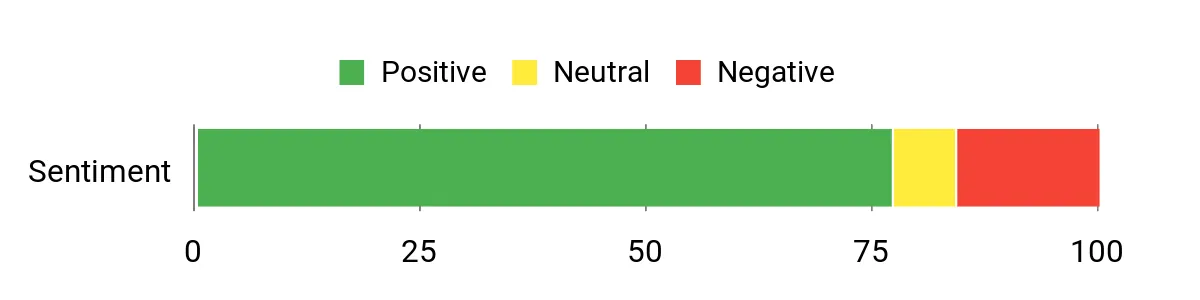
The original analysis reports positive comments about power, fuel capacity, comfort, and steady speed control. More critical comments mention noise, assembly issues, starting problems, and occasional adjustments after unboxing.
The chart represents the original analysis snapshot and does not update with the live listing.
Overall Sentiment: Positive
Time-Saving Perks
The seller-listed airflow can reduce the number of passes needed on a driveway or lawn. Cruise control may hold a consistent speed, while the 1.7 L tank is intended to reduce refueling stops.
Ease of Use
|
Feature |
Ease Level |
|---|---|
|
Starting system |
Moderate |
|
Harness comfort |
Easy |
|
Throttle and cruise control |
Easy |
|
Assembly and tuning |
Moderate |
|
Parts and warranty verification |
Challenging |
Key Benefits
- Seller-listed 63cc engine and 665 CFM airflow
- Listing states a 1.7 L fuel tank
- Variable-speed control and cruise function
- Padded, ventilated backpack harness
- Designed for large residential properties
- Lower advertised cost than many established professional models
Review note: Confirm the fuel ratio, warranty provider, replacement parts, and service process in writing. Ratings and review totals change.
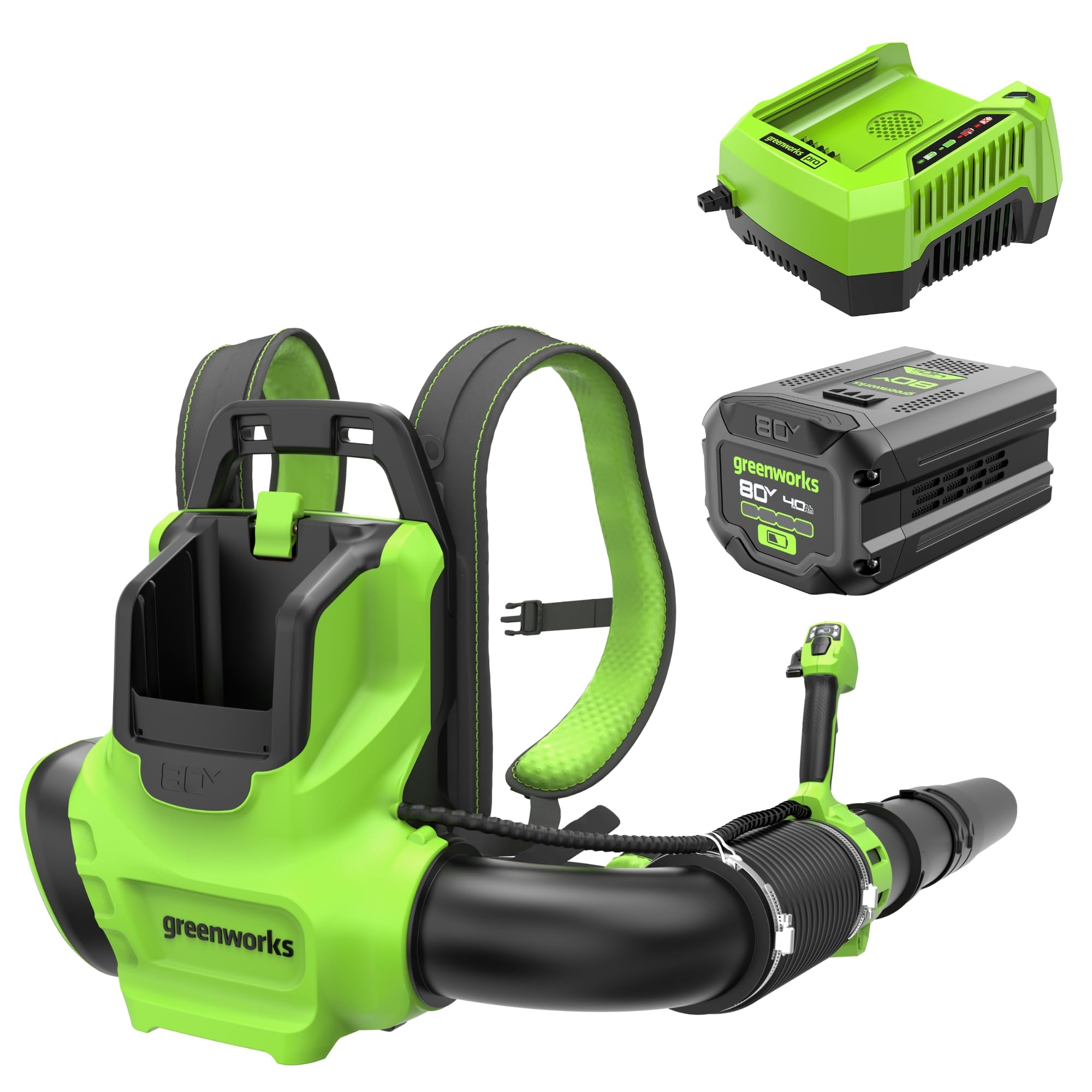
The Greenworks BPB80L411 is the easiest recommendation for homeowners who want strong airflow without fuel mixing, pull starts, exhaust, spark plugs, or carburetor upkeep. Greenworks lists 750 CFM, 180 MPH, a brushless motor, a 16 lb product weight, and up to 60 minutes of runtime.
The kit includes one 4Ah battery and a 4A charger. Variable speed is useful around mulch, gravel, and delicate plants, while Turbo mode provides extra output for wet leaves and stubborn debris. Cruise control helps reduce trigger fatigue.
Runtime varies with speed, temperature, battery age, and workload. Expect substantially less than the maximum when Turbo is used continuously. For a large property, a compatible spare battery can prevent a long charging break.
What People Say
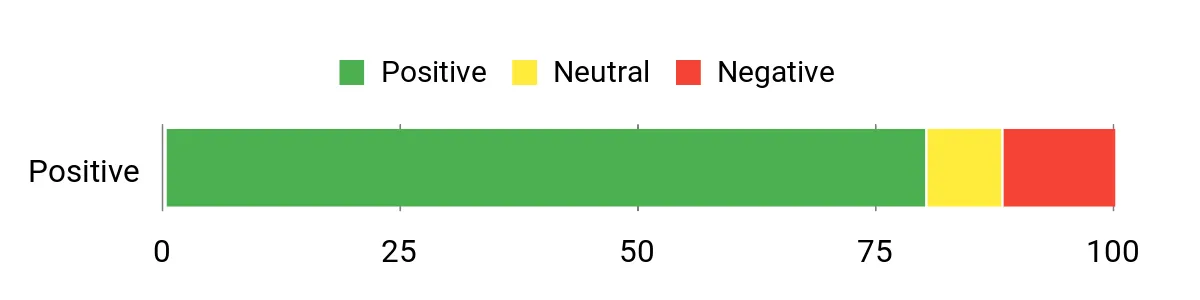
The original review snapshot emphasizes easy starting, lower noise, simple storage, a comfortable harness, and gas-like performance for ordinary residential work. The main concern is runtime at high speed.
The chart is a historical snapshot and may not reflect the current product rating.
Overall Sentiment: Positive
Time-Saving Perks
Push-button starting removes warm-up and pull-start delays. Variable speed saves battery in lighter areas, while Turbo handles compacted spots. A charged spare battery allows a fast swap during longer jobs.
Ease of Use
|
Feature |
Ease Level |
|---|---|
|
Harness comfort |
Easy |
|
Starting and operation |
Easy |
|
Variable speed and Turbo |
Easy |
|
Battery swap and charging |
Easy |
|
Long-job runtime planning |
Moderate |
Key Benefits
- Verified 750 CFM and 180 MPH maximum output
- 16 lb published product weight
- Brushless 80V motor
- Variable speed, Turbo mode, and cruise control
- No direct exhaust emissions during operation
- Includes a 4Ah battery and 4A charger
- Four-year tool and battery warranties listed by Greenworks
Review note: Check the live kit contents because Greenworks sells similar backpack-blower packages with different batteries and chargers.

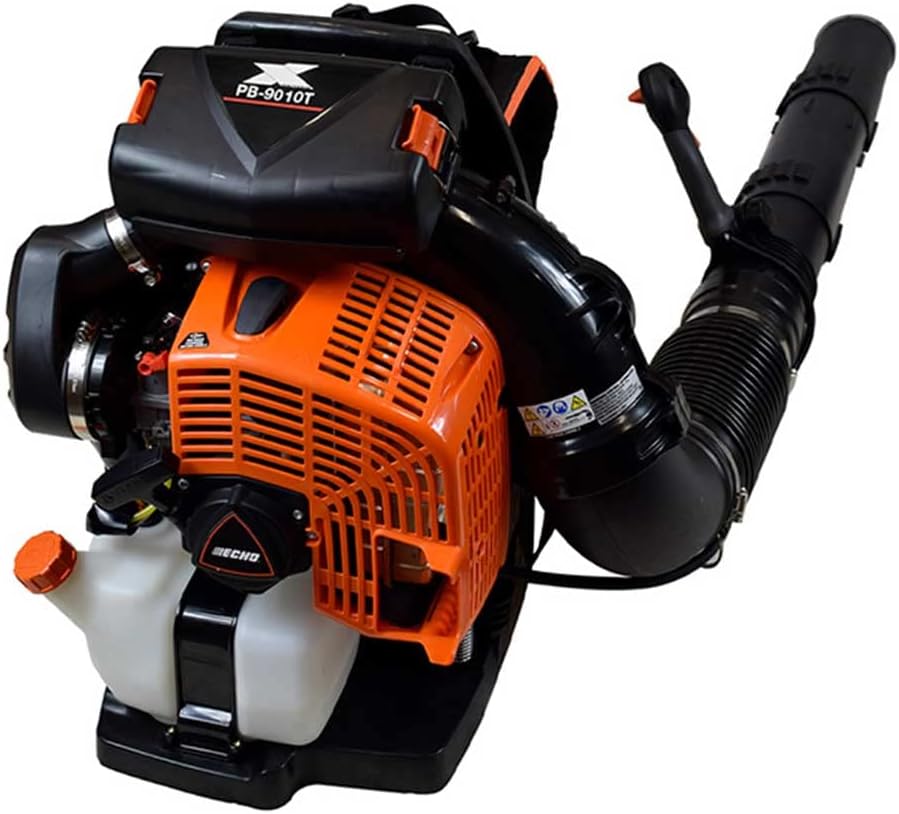
The ECHO PB-9010T is built for demanding cleanup. Its official specifications list a 79.9cc professional two-stroke engine, 1,110 CFM, 220 MPH, and 48 N of blowing force. That combination is suited to large wet-leaf piles, broad commercial properties, and post-storm yard debris.
ECHO lists a dry weight of approximately 26.7 lb and 80 dB(A) under its stated test standard. The tube-mounted throttle places the controls in the operator’s hand, while padded straps and a vented back pad help manage long sessions.
This level of output is unnecessary for many small yards. It also brings higher fuel consumption, more noise, and greater physical force at the tube. It makes the most sense for large properties, crews, or buyers who regularly face heavy debris.
What People Say
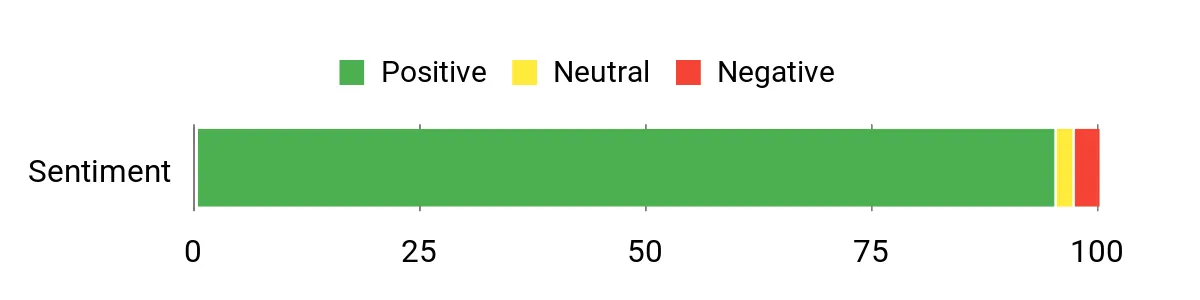
The original review snapshot reports repeated praise for brute force, fast clearing, build quality, and tube-mounted controls. Weight, fuel use, cost, and noise are the most common tradeoffs.
The chart below is the original sentiment snapshot and is not a live review feed.
Overall Sentiment: Positive
Time-Saving Perks
Its 48 N of blowing force can move heavy debris with fewer passes. Cruise control supports long straight runs, and the tube-mounted throttle allows quick adjustments without reaching back to the engine.
Ease of Use
|
Feature |
Ease Level |
|---|---|
|
Harness comfort |
Moderate |
|
Starting and operation |
Moderate |
|
Tube-mounted throttle |
Easy |
|
Assembly and tube fit |
Moderate |
|
Refueling and maintenance |
Moderate |
Key Benefits
- Verified 48 N blowing force
- Verified 1,110 CFM and 220 MPH maximum output
- 79.9cc professional two-stroke engine
- Tube-mounted throttle with cruise control
- Padded straps and vented back pad
- Two-stage air filtration
- Established dealer, parts, and commercial-support network
Review note: Verify the exact model suffix, warranty, seller, and included tubes. ECHO sells hip-throttle and tube-throttle versions.
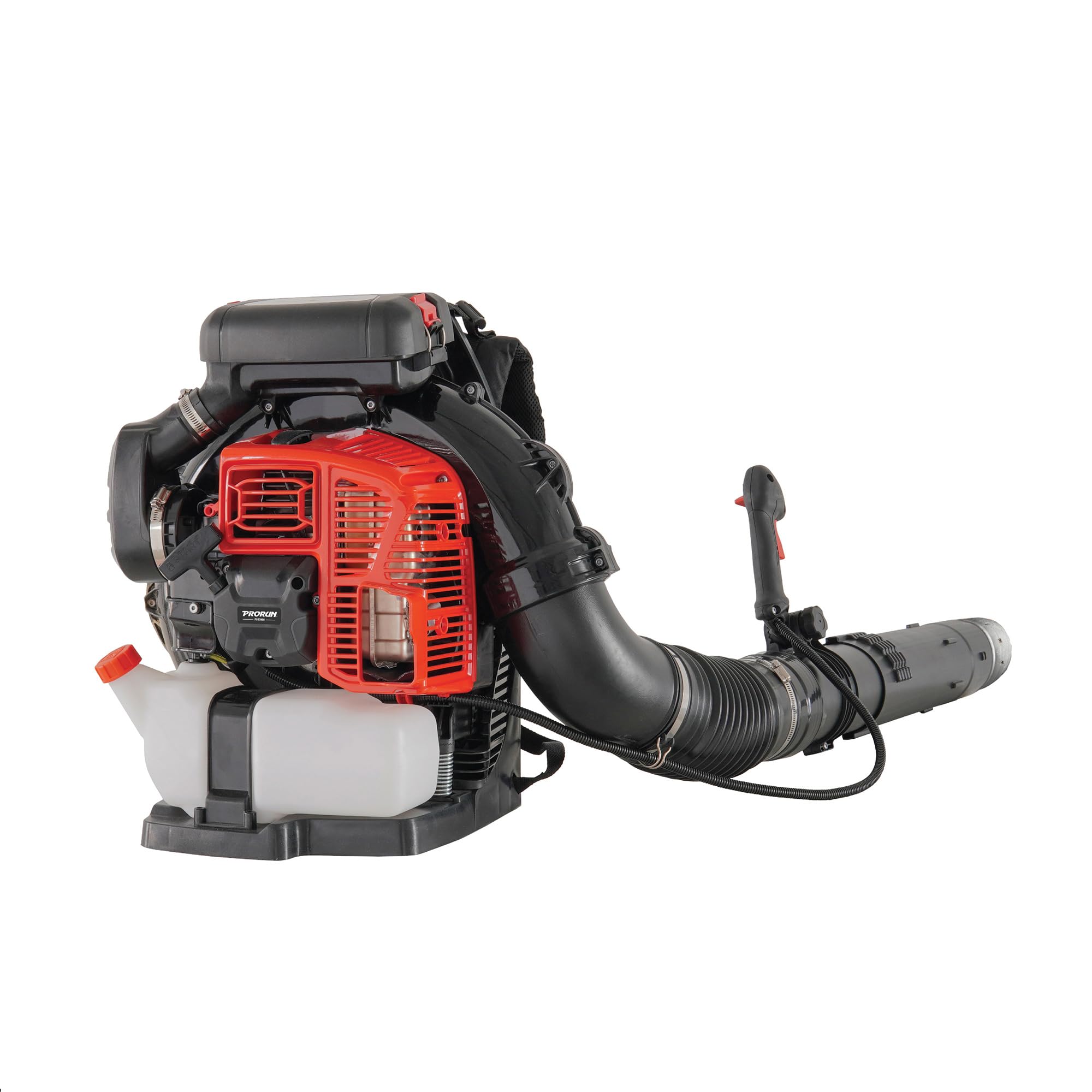
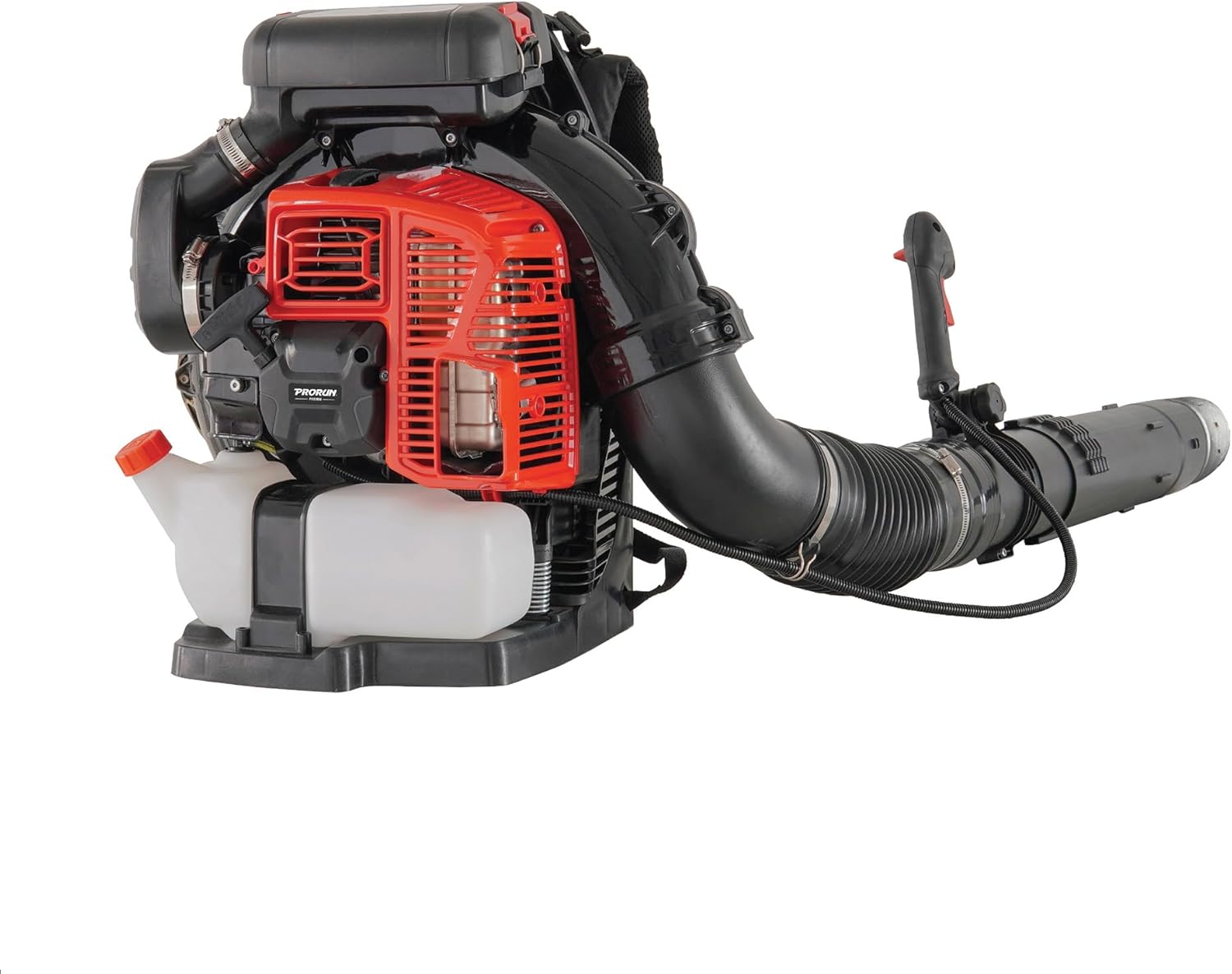
The PRORUN PBB3000 has the highest manufacturer-published airflow in this roundup. PRORUN lists a 79.9cc, 5 hp two-stroke engine, 1,125 CFM, 250 MPH, and 50 N of blowing force.
Its official feature list includes dual-stage filtration with tool-free access, wide padded straps, fan-powered back ventilation, anti-vibration dampers, cruise control, and a spring-assisted starter. PRORUN says the starter reduces pulling effort by 40% and that runtime can reach 90 minutes at full throttle; treat both as manufacturer claims rather than independent test results.
This is a heavy-output machine for large lots and demanding debris. Confirm the complete operating weight and nearby service options before buying, especially if you expect to wear it for several hours.
What People Say
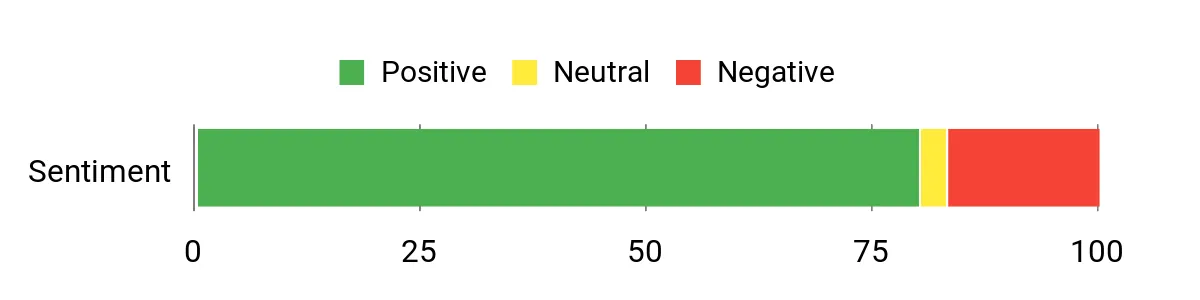
The original review snapshot highlights high power, fast clearing, ventilation, and solid construction. Weight and initial adjustment receive more mixed comments. The available review sample is smaller than the samples for long-established models.
The chart below reflects the original review-analysis period.
Overall Sentiment: Positive
Time-Saving Perks
The published 50 N force and 1,125 CFM output can reduce passes through large wet piles. Cruise control supports continuous movement, and the large tank is designed for extended operation.
Ease of Use
|
Feature |
Ease Level |
|---|---|
|
Harness comfort |
Moderate |
|
Spring-assisted starting |
Easy |
|
Throttle and cruise control |
Easy |
|
Assembly and initial setup |
Moderate |
|
Maintenance and filter access |
Moderate |
Key Benefits
- Manufacturer-listed 1,125 CFM, 250 MPH, and 50 N
- 79.9cc commercial-quality two-stroke engine
- Dual-stage filtration with tool-free cover
- Wide straps, back ventilation, and anti-vibration dampers
- Spring-assisted starter and cruise control
- Three-year residential or one-year commercial limited warranty listed by PRORUN
Review note: Review volume is relatively limited. Check current owner feedback, warranty exclusions, service locations, and parts availability.
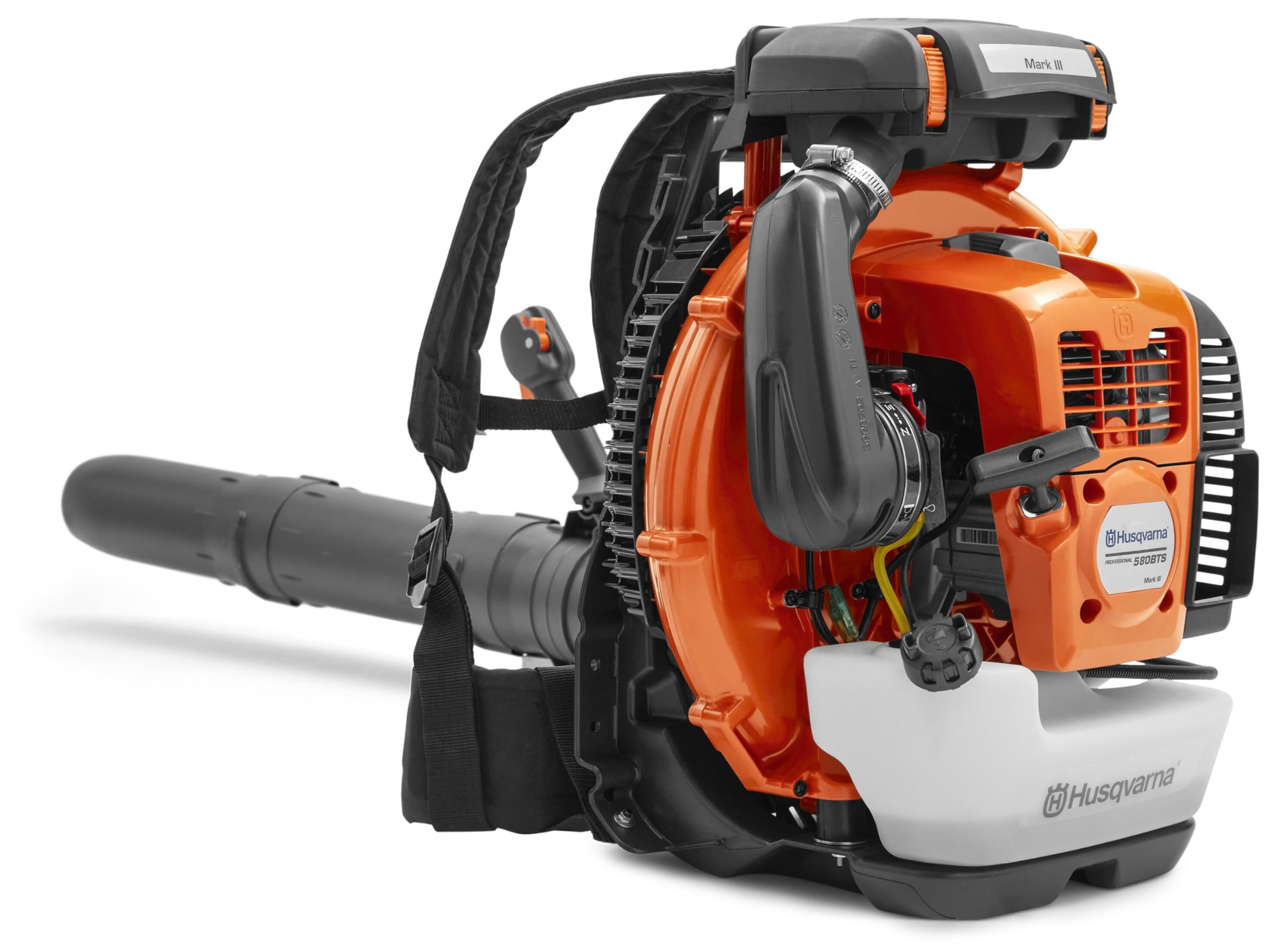
The Husqvarna 580BTS is designed for regular professional use. Husqvarna publishes a 75.6cc engine, 1,000 CFM at the round nozzle, 220 MPH, 47 N of blowing force, a 2.6 L fuel tank, and a dry weight of 26.8 lb.
A load-reducing harness, padded hip belt, tube-mounted throttle, commercial two-stage filter, and LowVib system support longer sessions. The large tank reduces interruptions, while the established dealer network makes parts and service easier to locate than they may be for marketplace-only brands.
Its published sound pressure is 106 dB(A) at the operator’s ear, so properly fitted hearing protection is required. This model is best for crews, large properties, and frequent heavy-leaf work rather than occasional cleanup around a small home.
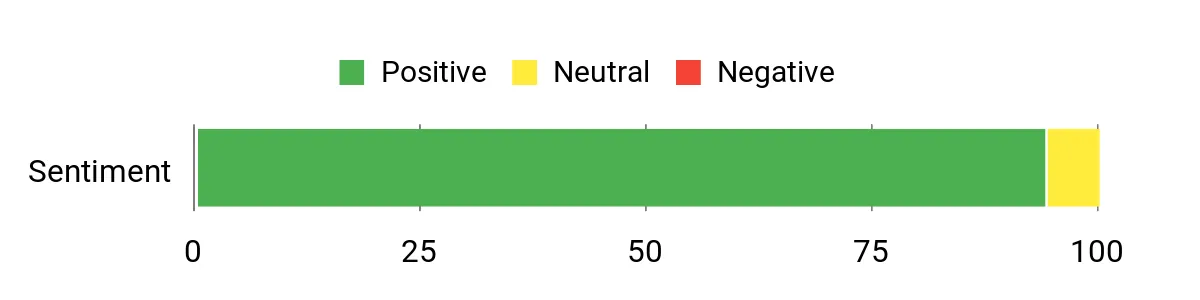
What People Say
The original review snapshot emphasizes strong output, reliable construction, manageable harness support, and effective filtration. Weight, price, fuel use, and noise are the primary tradeoffs.
The chart is a historical sentiment snapshot rather than a current customer-rating display.
Overall Sentiment: Positive
Time-Saving Perks
The 47 N force, 1,000 CFM nozzle airflow, and large tank are designed for sustained clearing with fewer passes and refill stops. Commercial filtration also supports work in dusty conditions.
Ease of Use
|
Feature |
Ease Level |
|---|---|
|
Harness comfort |
Moderate |
|
Starting and operation |
Moderate |
|
Throttle control |
Easy |
|
Maintenance and air filter |
Moderate |
|
Weight and storage |
Challenging |
Key Benefits
- Verified 1,000 CFM, 220 MPH, and 47 N
- 75.6cc, 4.6 hp two-stroke engine
- 2.6 L fuel tank
- 26.8 lb published dry weight
- Load-reducing harness and padded hip belt
- Commercial two-stage filtration
- LowVib anti-vibration system
Review note: Confirm whether the listing is the current Mark III configuration and verify the consumer or commercial warranty that applies to your use.
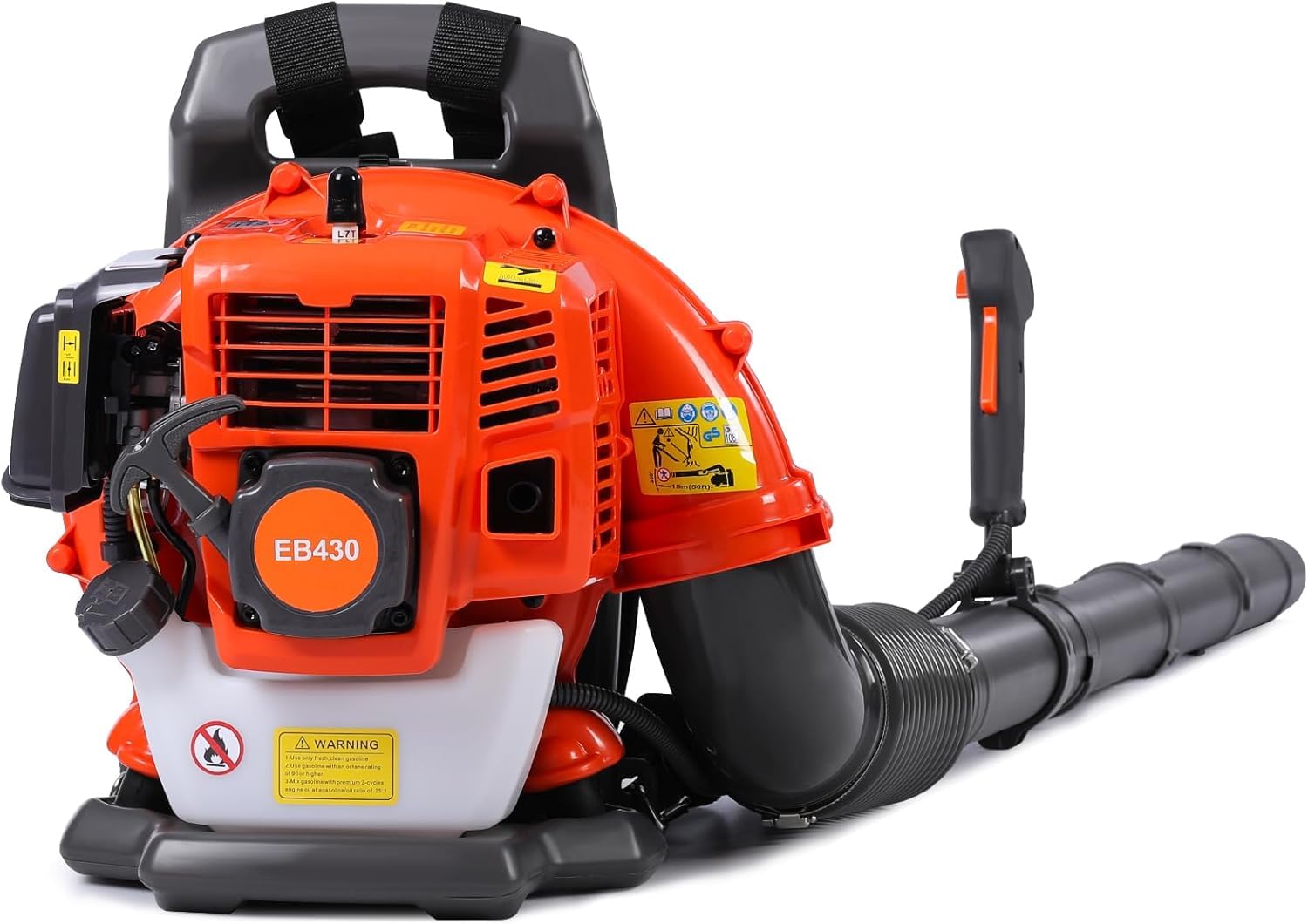
The Thalorus T692 stands out because its listing claims a dry weight of only 13.6 lb, along with 550 CFM and 230 MPH. If those figures match the delivered product, it may suit homeowners who want gas runtime without carrying a 25- to 30-pound professional machine.
The seller also advertises a 1 L tank, up to 45 minutes of runtime, a cushioned low-vibration harness, thumb throttle, and cruise control. Runtime and starting performance depend on fuel, temperature, tuning, and workload, so they should not be treated as guarantees.
This model is best viewed as a light residential option. Confirm the manual, warranty, service contact, and replacement-part availability before relying on it for daily commercial use.
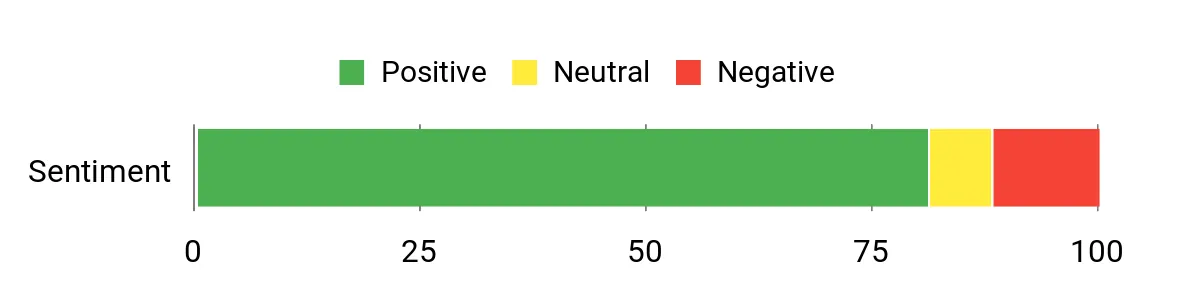
What People Say
The original review snapshot emphasizes power for the size, a balanced harness, and acceptable runtime. Assembly, noise, and suitability for continuous commercial use receive more mixed feedback.
The chart is a historical analysis snapshot and may differ from current reviews.
Overall Sentiment: Positive
Time-Saving Perks
The listing’s 550 CFM and 230 MPH figures suggest enough performance for driveways, paths, patios, and ordinary residential leaves. Cruise control can reduce trigger fatigue.
Ease of Use
|
Feature |
Ease Level |
|---|---|
|
Harness comfort |
Easy |
|
Starting and operation |
Moderate |
|
Throttle and cruise control |
Easy |
|
Assembly and setup |
Moderate |
|
Parts and service verification |
Challenging |
Key Benefits
- Seller-listed 550 CFM and 230 MPH
- Seller-listed 13.6 lb dry weight
- Padded low-vibration harness
- One-liter tank and cruise control
- Lower carrying weight than most professional gas models if the listing is accurate
Review note: Confirm all specifications in the delivered manual. Do not rely on guaranteed two-pull starting, fixed runtime, or exact cleanup-time advertising.
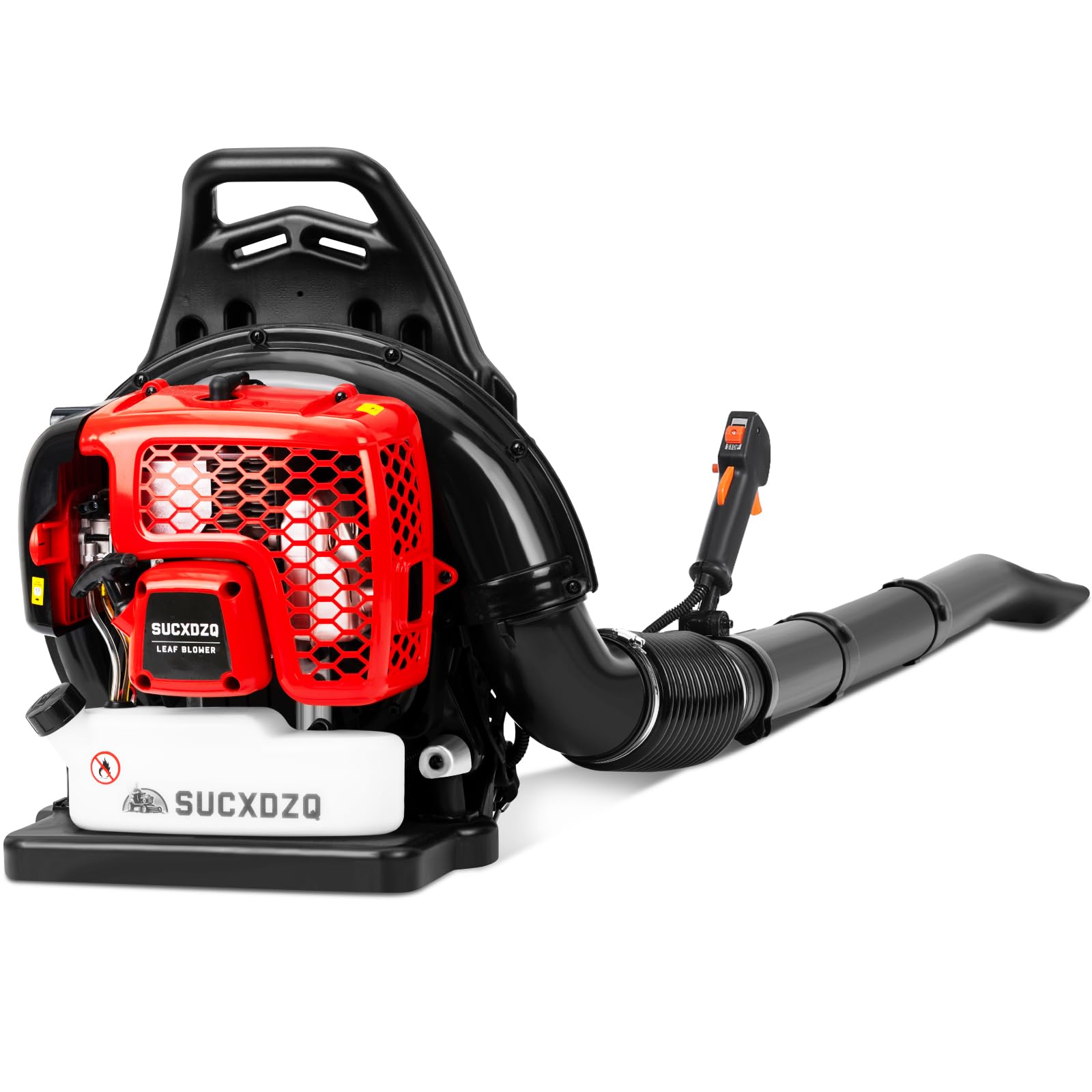
The EIDOWA 63CC is marketed for residential landscaping and larger property-maintenance jobs. Its listing states up to 665 CFM and 205 MPH, along with a padded harness, anti-vibration features, and a priming pump.
Those figures suggest enough output for wet leaves and broad debris piles, but the original article’s 24 lb and 89 dB claims could not be confirmed through authoritative documentation. Check the delivered manual rather than relying on those numbers.
As with other marketplace-focused gas models, the value depends on assembly quality, seller support, replacement parts, and the warranty process—not only the engine size printed in the listing.
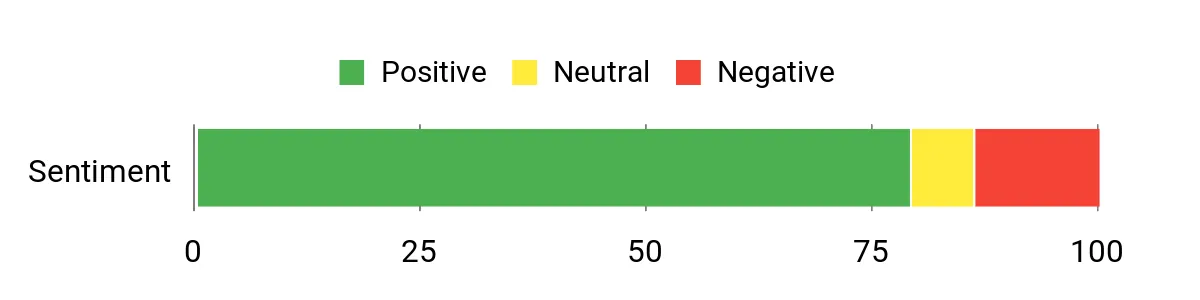
What People Say
The original analysis reports praise for output, comfort, and straightforward starting. Assembly, quality control, and fuel consumption receive more mixed comments.
The chart below is the original sentiment snapshot and does not update with current reviews.
Overall Sentiment: Positive
Time-Saving Perks
The seller-listed airflow and airspeed can reduce repeated passes. A priming pump and backpack harness may also reduce startup delays and carrying fatigue.
Ease of Use
|
Feature |
Ease Level |
|---|---|
|
Harness comfort |
Moderate |
|
Starting and operation |
Moderate |
|
Controls and throttle |
Easy |
|
Assembly and setup |
Moderate |
|
Parts and service verification |
Challenging |
Key Benefits
- Seller-listed 665 CFM and 205 MPH
- 63cc two-stroke engine
- Padded harness and anti-vibration features
- Priming pump listed for startup assistance
- Included assembly tools and accessories
- Positioned for residential and property-maintenance work
Review note: The published weight and noise claims were not independently verified. Confirm both in the manual or with the seller.
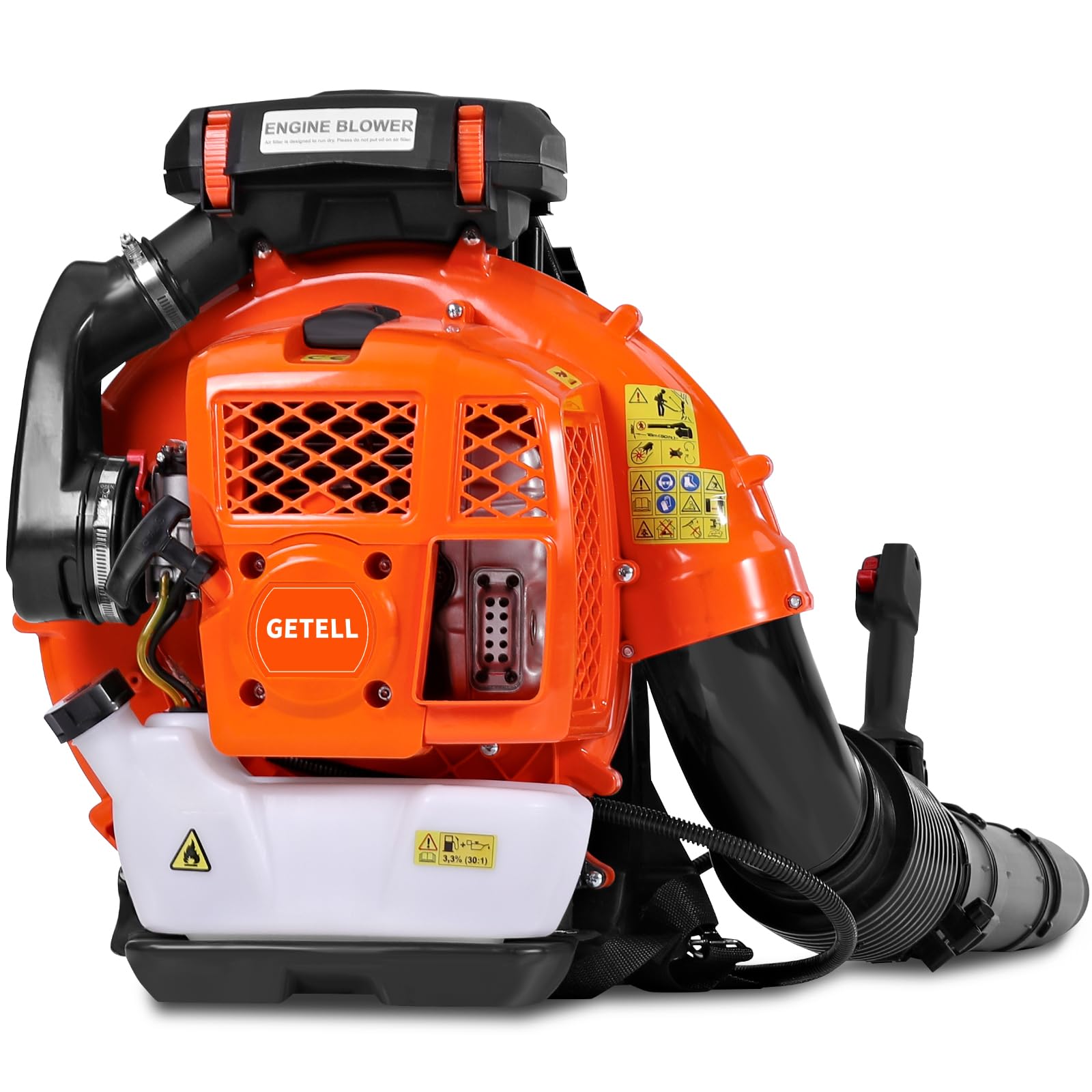
The Getell 80cc model is marketed as a heavy-duty alternative to higher-priced professional machines. Its listing claims 900 CFM at 206 MPH, an 80cc two-stroke engine, and a 2.3 L fuel tank.
The listing also describes a padded vibration-dampening harness, adjustable straps, cruise control, and an included funnel and tool kit. These features should support larger residential jobs, but the commercial-grade label is not a substitute for a documented commercial warranty, dealer network, or parts catalog.
Consider it when raw listed output and purchase price matter more than brand infrastructure. Buyers who depend on a blower for paid daily work may be better served by a model with established service support.
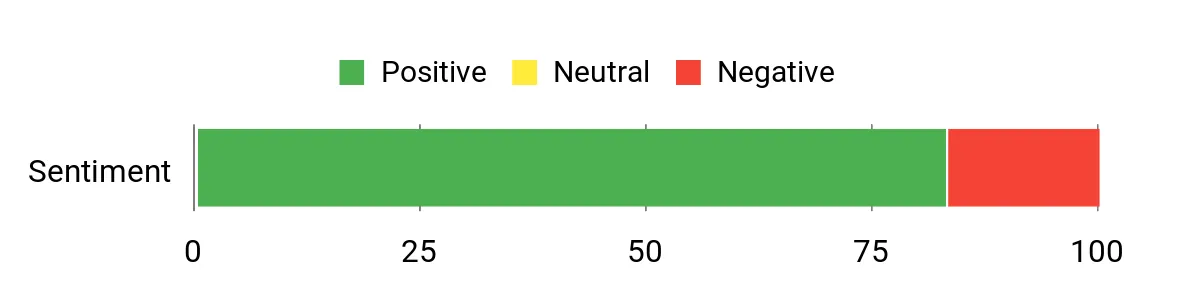
What People Say
The original review snapshot focuses on high airflow, broad coverage, harness padding, and cruise control. Fuel mixing, weight, starting behavior, and long-term reliability are the main cautions.
The chart is the original analysis snapshot and may not match current customer feedback.
Overall Sentiment: Positive
Time-Saving Perks
The seller-listed 900 CFM output and 2.3 L tank are intended to reduce passes and refueling stops. Cruise control can hold a steady setting during long runs.
Ease of Use
|
Feature |
Ease Level |
|---|---|
|
Harness comfort |
Moderate |
|
Starting and operation |
Moderate |
|
Controls and throttle |
Easy |
|
Assembly and setup |
Easy |
|
Maintenance and fuel mixing |
Moderate |
|
Parts and warranty verification |
Challenging |
Key Benefits
- Seller-listed 900 CFM and 206 MPH
- 80cc two-stroke engine
- Seller-listed 2.3 L fuel tank
- Padded adjustable straps and vibration-dampening frame
- Cruise-control throttle
- Funnel and basic setup tools included
Review note: Verify the warranty, service contact, parts supply, fuel ratio, operating weight, and current seller before purchasing.
Frequently Asked Questions
Are backpack leaf blowers good for winter cleanup?
They are useful for wet leaves, pine needles, loose debris, and—when the manufacturer permits it—a thin layer of fresh, dry powder. They should not be used as a replacement for a shovel or snow thrower on wet snow, packed snow, slush, ice, or deep drifts.
How do you choose the right backpack blower?
Match the blower to your property size, debris type, working time, noise limits, and maintenance preference. Compare CFM, MPH, Newtons, dry weight, harness design, fuel or battery capacity, warranty, parts support, and service access rather than choosing by engine size alone.
Is CFM or MPH more important?
CFM is more useful for moving a broad volume of leaves, while MPH helps loosen stuck debris and direct air into narrow areas. Newtons combine airflow and speed into a blowing-force figure when published. Measurement locations differ, so compare numbers cautiously.
Is a gas or battery backpack blower better?
Battery models are easier to start, require less routine maintenance, and have no direct exhaust emissions during use. Gas models provide fast refueling and the highest continuous output, but they require fuel mixing, engine maintenance, hearing protection, and outdoor operation away from buildings.
Does cold weather reduce battery runtime?
Yes. Lithium-ion batteries often provide less usable runtime when cold. Store the battery indoors within the manufacturer’s approved temperature range, install it shortly before use, and follow the manual’s charging-temperature limits. Never place a battery near a heater or open flame.
What maintenance and safety steps matter in cold weather?
Use the exact fuel ratio or battery type specified in the manual. Inspect tubes, guards, straps, fasteners, filters, and fuel lines before use. Wear eye and hearing protection, keep the discharge path clear, refuel only after the engine cools, and operate gas equipment outdoors away from doors, windows, and air intakes.
Buyers’ Top Picks
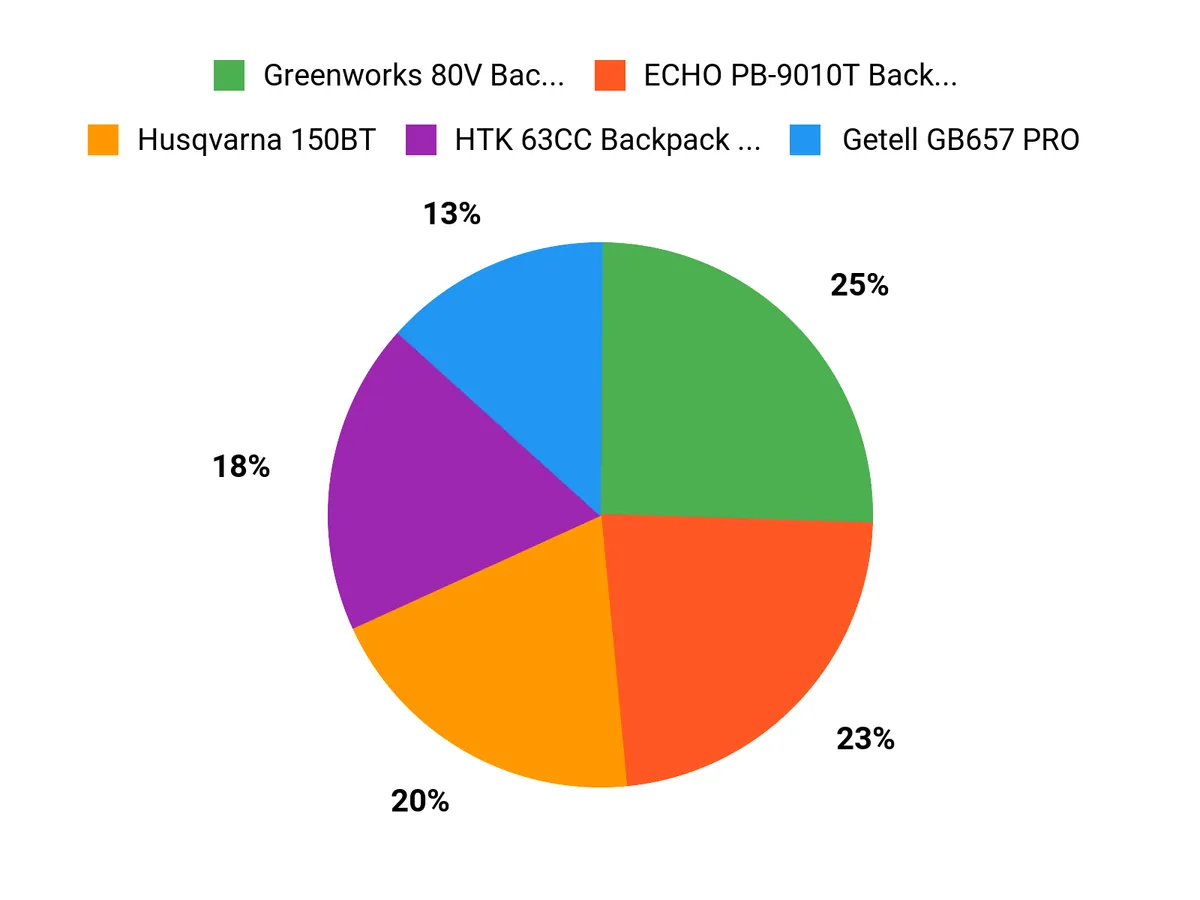
For a typical homeowner, the Greenworks 80V is the easiest model to own because it starts instantly, requires little routine maintenance, and includes a battery and charger. The Husqvarna 150BT is the better choice when you want gas runtime, a proven harness, and verified residential performance.
For heavy professional work, choose between the ECHO PB-9010T, PRORUN PBB3000, and Husqvarna 580BTS. ECHO provides 48 N of verified force, PRORUN publishes the highest airflow and force in this group, and Husqvarna combines 47 N with established commercial filtration and dealer support.
The HTK, Getell, Thalorus, and EIDOWA models may offer attractive performance per dollar, but their purchase decision should include extra scrutiny of documentation, seller history, warranty fulfillment, and parts availability.
Wrapping Up
The best backpack leaf blower is the one that matches your debris, property, working time, and tolerance for maintenance. The Greenworks 80V is the strongest all-around battery choice in this group. The Husqvarna 150BT provides a useful balance of verified gas power and comfort, while the ECHO PB-9010T, PRORUN PBB3000, and Husqvarna 580BTS are better suited to the largest and most demanding jobs.
Do not judge a blower by CFM alone. Check where airflow was measured, look for Newtons of force, compare dry and operating weight, and make sure the harness fits. For lesser-known marketplace models, confirm the manual, fuel ratio, warranty, parts, and seller support before the return period ends.
During winter, use a blower only for leaves, loose debris, and a thin layer of fresh, dry powder when the manual allows it. Use a shovel or snow thrower for wet, packed, deep, or slushy snow.
Specifications Comparison
Manufacturer-published figures are identified where available. Marketplace-only values are labeled as listing claims. Airflow and noise test methods may differ between brands.
| Product | Image | Rating | Power Source | Published Airflow | Published Weight | Published Noise |
|---|---|---|---|---|---|---|
| Husqvarna 150BT Gas Leaf Blower |
 |
Check live listing | Gas | 765 CFM promoted; 452.03 CFM at round nozzle; 22 N | 21.95 lb dry | 110 dB(A) at operator’s ear |
| HTK Backpack Blower |
 |
Check live listing | Gas | Listing claim: 665 CFM | Verify current listing and manual | Not independently verified |
| Getell GB657 PRO Backpack Blower |
 |
Check live listing | Gas | Listing claim: 665 CFM | Verify current listing and manual | Not independently verified |
| Greenworks 80V Backpack Blower |
 |
Check live listing | Battery | 750 CFM; 180 MPH | 16 lb product weight | Not published on the cited product page |
| ECHO PB-9010T Backpack Blower |
 |
Check live listing | Gas | 1,110 CFM; 220 MPH; 48 N | Approximately 26.7 lb dry | 80 dB(A) under ECHO’s stated test method |
| PRORUN PBB3000 Gas Backpack Leaf Blower |
 |
Check live listing | Gas | 1,125 CFM; 250 MPH; 50 N | Confirm complete operating weight | Not published on the cited product page |
Sources
- Husqvarna 150BT official product page — engine, blowing force, airflow, airspeed, weight, noise, harness, and fuel information.
- ECHO PB-9010T official product page — engine size, airflow, airspeed, blowing force, dry weight, noise, and professional features.
- Greenworks BPB80L411 official product page — airflow, airspeed, weight, runtime, battery, charger, controls, and warranty.
- Husqvarna 580BTS official product page — engine, airflow, airspeed, blowing force, weight, tank size, and sound pressure.
- PRORUN PBB3000 official product page — engine, airflow, airspeed, force, filtration, assisted starting, runtime claim, and warranty.
- OSHA Occupational Noise Exposure guidance — hearing-risk assessment and hearing-protection guidance.
This Roundup is reader-supported. When you click through links, we may earn a referral commission on qualifying purchases.
