

Last Updated on September 11, 2026 by Logan Reeves
Theodore Roosevelt’s outdoor writing helps explain the experiences and ideas that preceded his better-known conservation record as president. The three books below serve different purposes: two preserve Roosevelt’s own ranching and hunting accounts, while the third explores the cultural story behind the teddy bear. Read together—and with modern scholarship—they offer useful context for studying Roosevelt, wildlife, public lands, and American attitudes toward nature.
Quick Answer
For the strongest firsthand look at Theodore Roosevelt’s outdoor worldview, choose Hunting Trips of a Ranchman & The Wilderness Hunter. Choose Ranch Life and the Hunting Trail for a shorter illustrated introduction. Holt and the Teddy Bear works best as a child-friendly cultural companion, not as a complete conservation history.
Key Takeaways
- Hunting Trips is the deepest primary-source choice here, combining two substantial Roosevelt wilderness works in one Modern Library volume.
- Ranch Life is shorter and heavily illustrated, making it the easiest Roosevelt-authored entry point for many readers and students.
- Holt and the Teddy Bear is a children’s fact-and-fiction retelling of the famous 1902 Mississippi bear-hunt episode, not a primary source or policy history.
- None of these three books alone explains Roosevelt’s full presidential conservation program; serious research should pair them with modern historical scholarship and authoritative sources.
Affiliate disclosure: As an Amazon Associate I earn from qualifying purchases. Some links below are affiliate links, which means we may earn a commission on qualifying purchases at no extra cost to you.
Top Picks
|
Category |
Product |
Editorial Score |
|---|---|---|
|
🏆 Best Comprehensive |
92/100 |
|
|
💰 Best Value |
88/100 |
|
|
🎨 Best Cultural Companion |
75/100 |
Selection Criteria
These selections are judged on how well they help readers understand Roosevelt’s relationship with the outdoors and the historical background surrounding his conservation ethic. The main factors are relevance to Roosevelt’s outdoor and conservation story, primary-source or educational value, readability, usefulness of the specific edition, and practical value for students, researchers, families, or general readers.
The scores above are editorial scores, not customer-star ratings. The 100-point framework weights conservation/outdoor relevance most heavily, followed by source value, accessibility, edition usefulness, and overall value. That distinction matters because marketplace star ratings can change at any time.
How These Books Connect to Roosevelt’s Conservation Legacy
Roosevelt’s ranching and hunting years in the Dakota Badlands helped shape the conservation ethic he later carried into national office. According to the National Park Service, his presidency was associated with the protection of approximately 230 million acres of public land, including 150 national forests, 51 federal bird reserves, four national game preserves, five national parks, and 18 national monuments. His administration also established the U.S. Forest Service, while the 1906 Antiquities Act gave presidents an important tool for protecting places of historic or scientific interest.
The National Park Service credits Theodore Roosevelt with helping protect approximately 230 million acres of public land during his presidency.
That does not mean the books in this roundup are policy manuals. Hunting Trips of a Ranchman & The Wilderness Hunter and Ranch Life and the Hunting Trail are most valuable as windows into Roosevelt’s firsthand experiences with wildlife, hunting, ranching, landscape, and the American West. Those experiences help explain the background of his conservation thinking, but readers studying the legislation, political conflicts, Forest Service, national monuments, or conservation movement should also use modern historical scholarship.
The Theodore Roosevelt Center bibliography lists dedicated conservation studies such as Douglas Brinkley’s The Wilderness Warrior and works by Paul Russell Cutright and other historians. These make useful companions when your goal is a full policy history rather than Roosevelt’s own outdoor narrative.
Note: Roosevelt’s writings reflect the language and assumptions of the late nineteenth and early twentieth centuries, including period attitudes toward hunting, Native peoples, race, expansion, and wildlife. Treat the firsthand works as historical evidence rather than neutral modern accounts, and pair them with contemporary scholarship when using them for serious research.
Hunting Trips of a Ranchman & The Wilderness Hunter
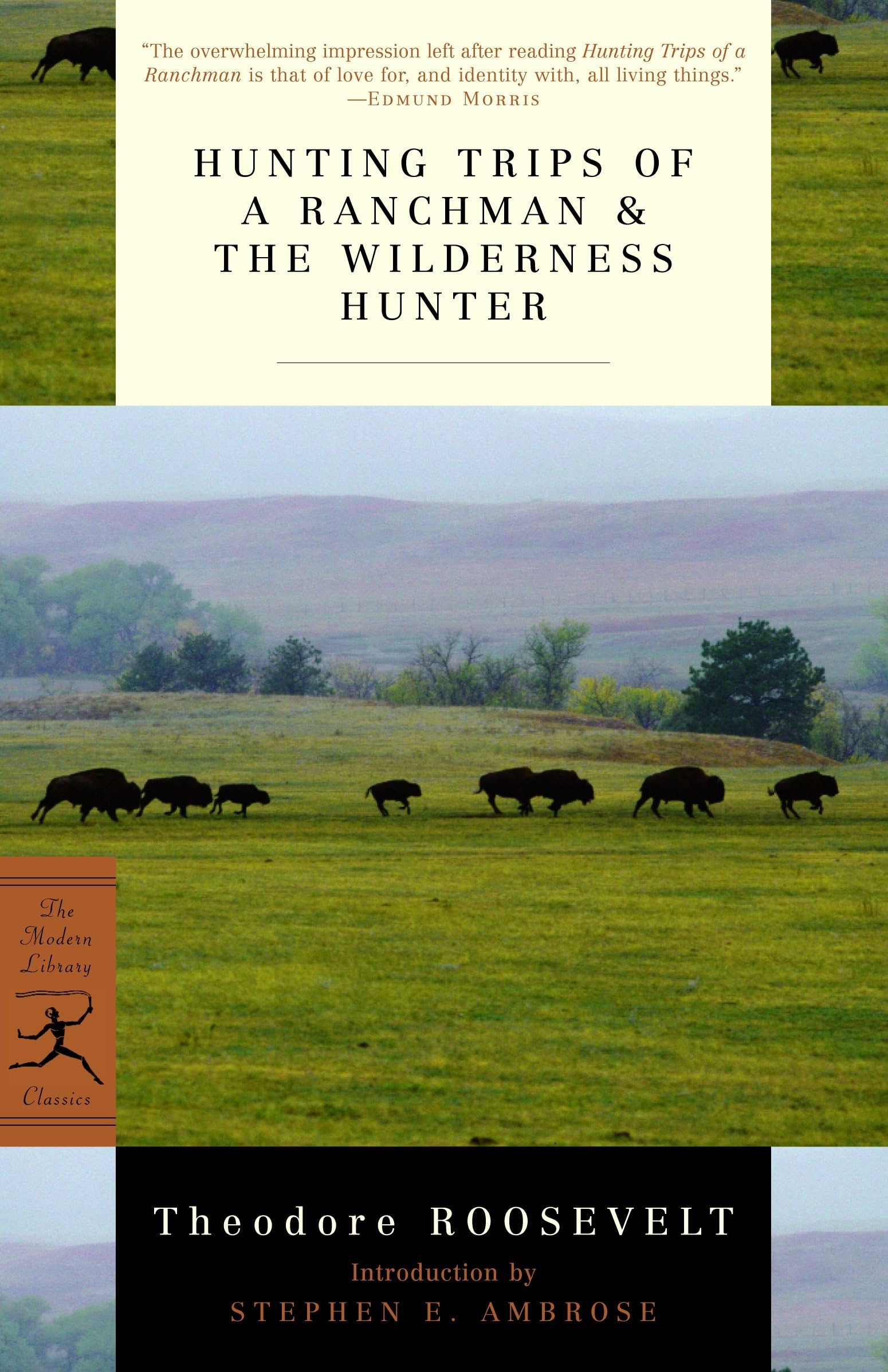
This is the strongest choice in the roundup when you want substantial firsthand Roosevelt material. The Modern Library edition combines Hunting Trips of a Ranchman, originally published in 1885, with The Wilderness Hunter, originally published in 1893. The result is a long collection of field observations, hunting narratives, descriptions of wildlife, and reflections on western landscapes.
Penguin Random House lists the Modern Library paperback as an 832-page edition published May 12, 1998, with an introduction by historian Stephen E. Ambrose. That introduction is modern secondary framing; Roosevelt’s two main works remain the primary-source core of the volume.
The length is both the book’s biggest strength and its biggest limitation. Readers studying Roosevelt’s outdoor life get far more detail than a short biography can provide, but beginners seeking a quick explanation of presidential conservation policy may find it indirect. Think of this as source material that helps explain Roosevelt’s worldview, not a substitute for a modern conservation history.
What People Say
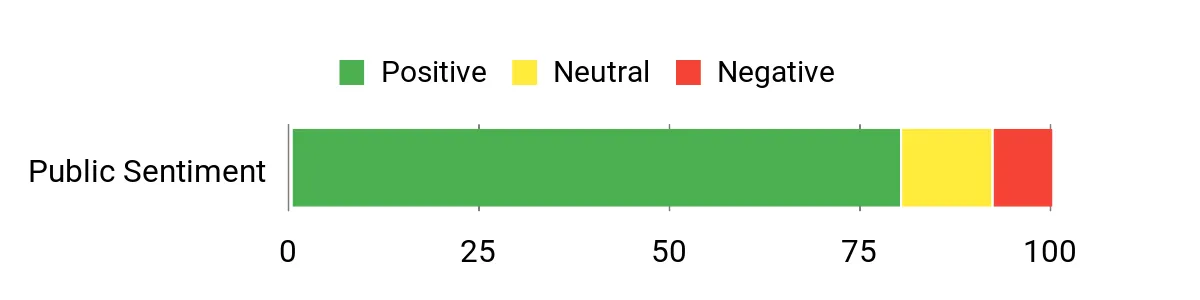
The sentiment chart below should be treated as a snapshot rather than a live marketplace rating. Review totals and star averages can change over time, so use the linked product page for current customer-review information.
Overall Sentiment: Positive in the analyzed snapshot
|
Pros |
Cons |
|---|---|
|
✅ Direct primary-source material from a central figure in U.S. conservation history |
❌ At 832 pages, it requires a substantial time commitment |
|
✅ Detailed narratives reveal Roosevelt’s relationship with wildlife and western landscapes |
❌ Period language and viewpoints can require historical context |
|
✅ Modern Library edition combines two major Roosevelt works with an Ambrose introduction |
❌ It does not provide a concise chronological explanation of Roosevelt’s presidential conservation policies |
Educational Value
This volume is especially useful for coursework, research papers, document analysis, or independent study in U.S. history, environmental history, western history, natural history, and the history of hunting. Because Roosevelt’s own voice dominates the book, students can compare his observations with later scholarship rather than relying only on retrospective summaries.
Expertise Level
Best for intermediate to advanced readers, researchers, and motivated general readers. Beginners can still use selected chapters, but the full volume rewards patience and some background in nineteenth-century U.S. history.
Key Benefits
- Firsthand insight into Roosevelt’s outdoor experiences and developing worldview
- Two substantial Roosevelt works collected in one edition
- Useful primary-source material for historical analysis
- Modern introduction that helps frame the original texts
Marketplace rating: Customer ratings and review totals change over time; check the linked Amazon listing for the current figure.
Ranch Life and the Hunting Trail
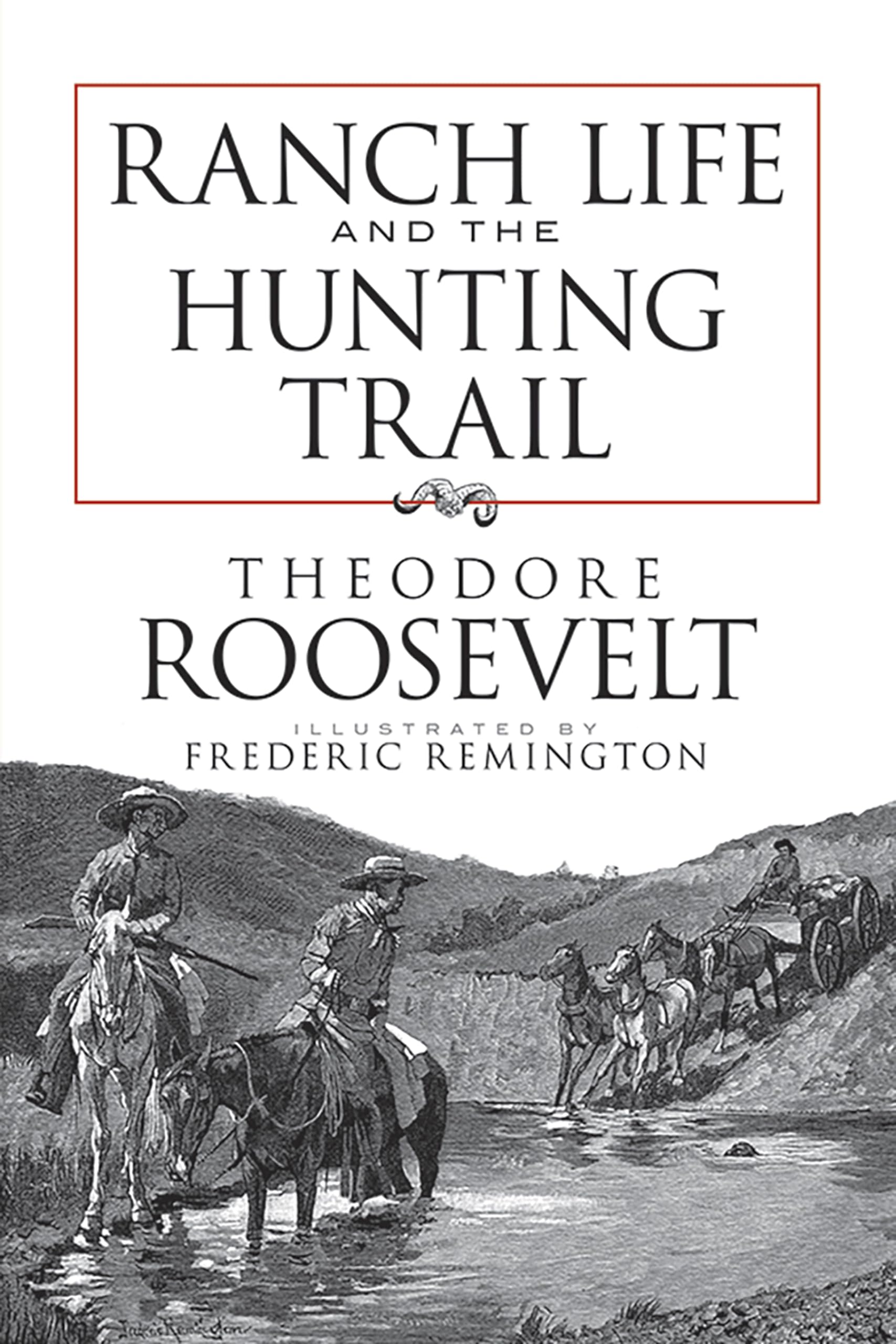
Ranch Life and the Hunting Trail is the more approachable Roosevelt-authored choice. It focuses on ranching, hunting, travel, frontier life, and the Dakota Badlands, with Frederic Remington’s illustrations adding visual context. The shorter format makes it easier to assign in class, read selectively, or use as an introduction before moving to Roosevelt’s longer works.
The current Dover Publications edition is a 2009 illustrated reprint. Physical-product metadata commonly lists 208 pages and approximately 6.5 × 9.28 × 0.41 inches. Bibliographic databases can report different pagination depending on edition or digital record, so researchers should cite the ISBN and exact copy they use.
The book’s strongest value is not a detailed explanation of conservation law. Instead, it lets you see the western experiences Roosevelt later associated with his character and his attitudes toward nature. For readers who find the 832-page Modern Library collection intimidating, this is the easier place to begin.
What People Say
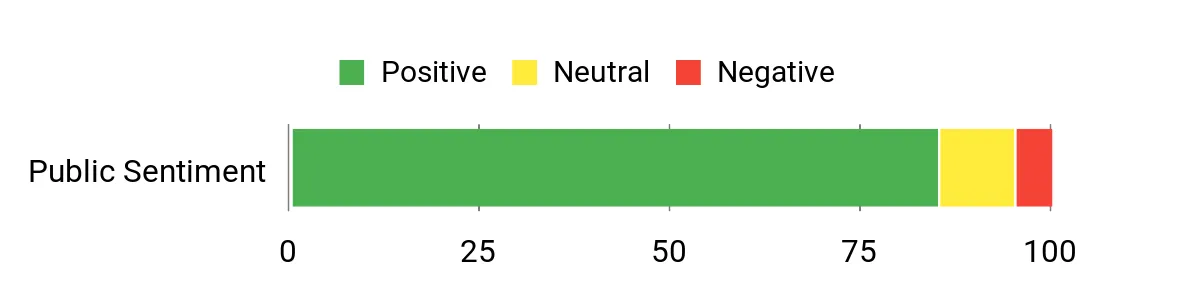
The chart below represents a review-sentiment snapshot rather than a live customer-rating feed. Because marketplace reviews change, use it as directional context rather than a permanent score.
Overall Sentiment: Positive in the analyzed snapshot
|
Pros |
Cons |
|---|---|
|
✅ More approachable length than the Modern Library collection |
❌ Less comprehensive than Roosevelt’s larger wilderness collections |
|
✅ Roosevelt’s firsthand narrative is paired with Frederic Remington illustrations |
❌ Limited modern annotation means readers may need outside historical context |
|
✅ Useful for classrooms, introductory study, and selective reading |
❌ Period assumptions and terminology can feel dated or require discussion |
Educational Value
This is a strong primary-source option for introductory U.S. history, western history, environmental-history discussions, and courses examining how nineteenth-century Americans described land, wildlife, ranching, and hunting. Frederic Remington’s illustrations also give instructors material for discussing how visual culture helped shape the mythology of the American West.
Expertise Level
Accessible to general readers, students, and beginners. It is the easiest of the Roosevelt-authored choices here to use for short assignments or selective reading.
Key Benefits
- Compact introduction to Roosevelt’s western experiences
- Firsthand Roosevelt text supported by Frederic Remington illustrations
- Good entry point before reading longer Roosevelt collections
- Useful combination of written and visual primary-source material
Marketplace rating: Customer ratings and review totals change over time; check the linked Amazon listing for the current figure.
Holt and the Teddy Bear
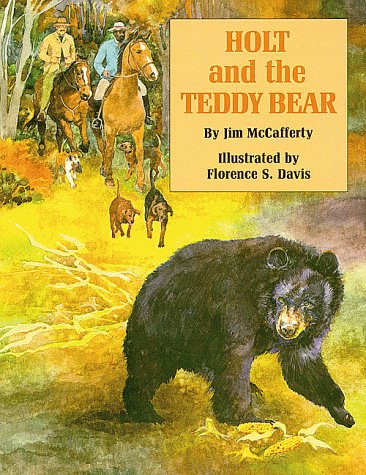
Holt and the Teddy Bear fills a very different role from the two Roosevelt-authored books above. Written by Jim McCafferty and illustrated by Florence S. Davis, it retells the story of guide Holt Collier and Theodore Roosevelt’s famous 1902 Mississippi bear hunt for younger readers. The linked ISBN, 088289823X, corresponds to a 1991 Pelican hardcover edition.
This should not be treated as a primary source or a full nonfiction study of conservation policy. Publisher and literacy descriptions characterize the story as a mixture of fact and fiction or historical fiction. Its value is cultural: it introduces younger readers to Holt Collier, Roosevelt’s public image, the bear-hunt episode, and the story that helped inspire the teddy-bear phenomenon.
The underlying incident is well documented. The National Park Service explains that Collier tracked and restrained a black bear for Roosevelt during the Mississippi hunt. Roosevelt considered shooting the bound animal unsportsmanlike and refused. The episode was publicized and became associated with Clifford Berryman’s famous cartoon and, later, the teddy bear.
Pro Tip: For classroom use, treat this book as an engaging starting point. Follow it with an NPS or Smithsonian account of the 1902 hunt so students can separate documented history from the book’s fictionalized storytelling.
What People Say
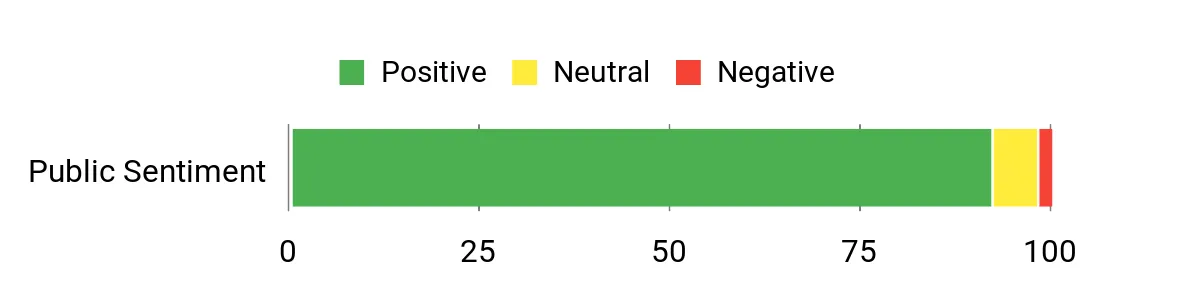
The chart below is best treated as a sentiment snapshot rather than a live marketplace rating. The book has a narrower audience than the two Roosevelt primary-source editions, so a small number of reviews can change averages quickly.
Overall Sentiment: Positive in the analyzed snapshot
|
Pros |
Cons |
|---|---|
|
✅ Accessible format for children, families, and classroom read-alouds |
❌ It is not a primary source or a detailed conservation history |
|
✅ Introduces Holt Collier and the cultural origin story associated with the teddy bear |
❌ The story blends documented events with fictionalized storytelling |
|
✅ Short format works well as a companion to more factual historical sources |
❌ Older hardcover copies can vary substantially in condition and availability |
Educational Value
This title is most useful for introducing younger learners to Roosevelt-era popular culture and to Holt Collier’s role in the famous Mississippi hunt. It becomes much stronger educationally when paired with primary documents, the Berryman cartoon, or an authoritative NPS or Smithsonian account of the event.
Expertise Level
Best for children, parents, elementary and middle-school educators, collectors, and general readers interested in Roosevelt-related popular culture. It is not intended for advanced conservation-policy research.
Key Benefits
- Child-friendly introduction to Holt Collier and the Roosevelt bear-hunt story
- Useful bridge between presidential history and popular culture
- Short format that fits classroom and family reading
- Works well alongside authoritative factual sources
Marketplace rating: Customer ratings and review totals change over time; check the linked Amazon listing for the current figure.
Frequently Asked Questions
Which book should you start with?
Start with Ranch Life and the Hunting Trail if you want a shorter and more approachable Roosevelt-authored book. Choose Hunting Trips of a Ranchman & The Wilderness Hunter if you want much deeper primary-source material. Use Holt and the Teddy Bear primarily for younger readers or cultural context around the 1902 bear-hunt story.
Are these works primary sources or secondary analysis?
Ranch Life and the Hunting Trail and the Roosevelt-authored texts collected in Hunting Trips of a Ranchman & The Wilderness Hunter are primary-source material. The Modern Library edition also contains a modern introduction by Stephen E. Ambrose. Holt and the Teddy Bear is a later children’s retelling and should not be treated as a primary source.
How can you use these books for study or teaching?
Use Roosevelt’s firsthand passages for document analysis, essays, or discussions about hunting, western life, wildlife, and changing ideas about natural resources. Frederic Remington’s illustrations in Ranch Life can support visual-source analysis. For younger learners, pair Holt and the Teddy Bear with an authoritative factual account so students can compare historical evidence with storytelling.
Do these books directly explain Roosevelt’s presidential conservation policies?
Not completely. Roosevelt’s own outdoor writing helps explain the experiences and attitudes behind his conservation ethic, but it does not replace a modern history of the Forest Service, national forests, wildlife refuges, national parks, the Antiquities Act, or the political battles surrounding conservation. Pair the primary sources with modern scholarship for that level of coverage.
Is Holt and the Teddy Bear completely nonfiction?
No. It is a children’s retelling based on the real Roosevelt-Holt Collier bear-hunt episode, but published descriptions characterize it as historical fiction or a mixture of fact and fiction. Use NPS, Smithsonian, or primary historical records when exact factual detail matters.
Which book is best for serious conservation research?
Hunting Trips of a Ranchman & The Wilderness Hunter provides the richest primary-source material among these three, but serious conservation research should also include modern scholarship focused directly on Roosevelt’s conservation program. The Theodore Roosevelt Center bibliography is a strong starting point for finding those secondary works.
What Readers Prefer
Reader fit depends mainly on depth, accessibility, and purpose. Choose Hunting Trips when primary-source depth matters most. Choose Ranch Life for a shorter Roosevelt-authored introduction with extensive illustrations. Choose Holt and the Teddy Bear when the goal is younger-reader engagement or the cultural history surrounding Roosevelt and the teddy-bear story rather than conservation-policy research.
Wrapping Up
Each title offers a different route into Theodore Roosevelt’s world. Hunting Trips of a Ranchman & The Wilderness Hunter provides the most substantial firsthand material; Ranch Life and the Hunting Trail delivers a shorter, illustrated introduction; and Holt and the Teddy Bear gives younger readers an accessible cultural story tied to Roosevelt’s public image.
For conservation study, the key is to use these books for what they actually are. Roosevelt’s own narratives help you examine the experiences and ideas behind his outdoor worldview, while modern historians and authoritative sources are better suited to explaining his presidential policies, the roughly 230 million acres associated with his conservation record, and the broader consequences and debates surrounding that legacy.
| Hunting Trips of a Ranchman & The Wilderness Hunter | Ranch Life and the Hunting Trail (Dover Books on Americana) | Holt and the Teddy Bear | |
|---|---|---|---|
|
|
|
|
|
| Rating | Live marketplace rating varies; see Amazon listing | Live marketplace rating varies; see Amazon listing | Live marketplace rating varies; see Amazon listing |
| Publisher | Modern Library | Dover Publications | Pelican Publishing |
| Publication Date | May 12, 1998 | 2009 Dover reprint | 1991 Pelican hardcover |
| Pages | 832 pages | 208 pages in commonly listed current print metadata | 40 pages |
| Dimensions | Approximately 5.17 × 8.01 × 1.41 inches | Approximately 6.5 × 9.28 × 0.41 inches | Approximately 7.25 × 9.25 inches; thickness can vary by listing |
| Best For | Deep primary-source study | Accessible Roosevelt-authored introduction | Younger readers and cultural context |
| Shop Now | Shop Now | Shop Now |
This Roundup is reader-supported. When you click through links we may earn a referral commission on qualifying purchases. As an Amazon Associate I earn from qualifying purchases.
Sources
- National Park Service — Theodore Roosevelt and Conservation — Roosevelt’s conservation record, public lands, forests, wildlife reserves, parks, and monuments.
- Penguin Random House — Hunting Trips of a Ranchman & The Wilderness Hunter — publisher, date, page count, edition, and contents.
- Dover Publications — Ranch Life and the Hunting Trail — official publisher record for the Dover edition.
- National Park Service — Origin of the Teddy Bear — Roosevelt, Holt Collier, the 1902 Mississippi hunt, and the teddy-bear story.
- Pelican Publishing Children’s Catalog — publisher description of the later Holt and the Teddy Bear edition, its audience, length, and fact-and-fiction treatment.
- Theodore Roosevelt Center Bibliography — additional primary and secondary works, including dedicated scholarship on Roosevelt’s conservation legacy.
