
Last Updated on July 25, 2026 by Daniel Globe
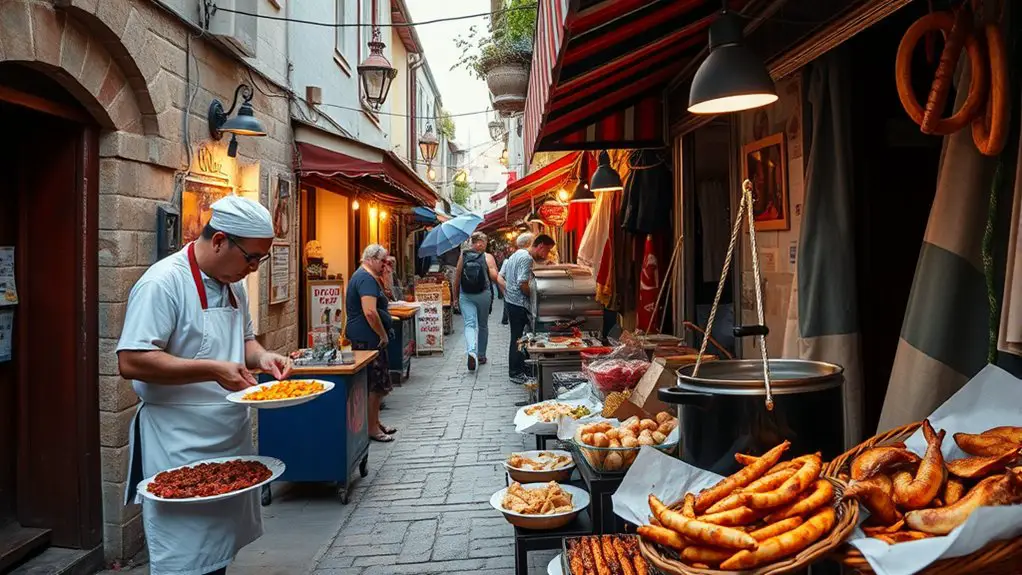
Heybeliada is a good place to combine a day on the Princes’ Islands with Turkish snacks, bakery items, coffee, and seafood. The easiest place to start looking is around the ferry landing, çarşı, and seafront, where cafes, restaurants, bakeries, and takeaway counters serve much of the island’s visitor traffic. Heybeliada also has a long connection with fishing: Adalar Municipality’s history of the island notes that fishermen once formed an important part of the waterfront settlement.
Quick Answer
For a simple Heybeliada food crawl, look around the ferry, çarşı, and seafront for fish and seafood, simit, börek, Turkish breakfast dishes, lokum, baklava, ice cream, and Turkish coffee. Menus and opening hours vary, so check prices before ordering and treat broader Turkish dishes as options rather than unique Heybeliada specialties.
Key Takeaways
- The ferry landing, çarşı, and seafront are the most practical areas to begin looking for food on Heybeliada.
- Seafood is an important part of the island dining scene, but not every fish or shellfish dish should be assumed to be locally caught.
- Simit, börek, Turkish coffee, lokum, baklava, kebabs, and breakfast dishes belong to wider Turkish cuisine; availability changes from one business to another.
- Check the displayed menu and price before ordering, especially for seafood that may be priced by portion, piece, or weight.
- Carry some Turkish lira for smaller purchases even if you plan to pay mainly by card.
Disclosure: As an Amazon Associate I earn from qualifying purchases. Some links on this page are affiliate links, at no extra cost to you.
Crispy Delights: Fried Fish Sandwiches
Fish is a natural place to begin when exploring food on Heybeliada. The island’s waterfront has long been associated with fishing, and today’s seafront remains an important dining area. In June 2026, Adalar Municipality specifically reported inspections in Heybeliada’s çarşı and shoreline areas, confirming the continuing concentration of food and other businesses there.
A fried fish sandwich can make a convenient quick meal when available. Expect the exact fish, bread, garnish, and sauce to vary by seller. Some versions are simple, with fish, greens, onion, and lemon, while others may use additional sauces or slaw.
The important distinction is that a fish sandwich should not be treated as a guaranteed Heybeliada specialty. Seafood restaurants are more consistently documented on the island than any single standardized street-food sandwich.
On Heybeliada, think of seafood as an island dining theme rather than assuming one particular fish dish is the island’s official specialty.
Pro Tip: Before ordering fish, check whether the menu price is per portion, per fish, or by weight. Ask what species is being served if the description is not clear.
Sweet Treats: Traditional Pastries
Heybeliada’s cafes, bakeries, and sweet shops can be a useful break between walks around the island. Instead of looking for one exclusive island dessert, focus on established Turkish sweets and pastries that may be available that day.
Common examples across Türkiye include lokum, baklava, börek, and other bakery items. GoTürkiye’s guide to Turkish cuisine identifies baklava, Turkish coffee, lokum, simit, yogurt, ayran, and other foods as established parts of the country’s culinary culture.
Güllaç is also worth knowing, especially if you see it on a seasonal dessert menu. Unlike baklava, it is not a stack of crisp phyllo. The dessert uses thin dried sheets that soften after being soaked in sweetened milk.
Turkish Delight Delicacies
Lokum, commonly called Turkish delight in English, is made mainly from sugar and starch and comes in many flavors and textures. Rose, lemon, mint, nuts, and other flavorings are common, although the exact selection depends on the shop.
Rather than expecting every variety at every Heybeliada counter, look at what is freshly displayed and buy a small mixed portion if you want to compare flavors.
- Rose lokum: Floral and sweet, this is one of the best-known traditional flavor profiles.
- Lemon lokum: A brighter citrus option for people who prefer less floral sweetness.
- Pomegranate or fruit lokum: Sold by some confectioners, although availability varies.
- Mastic or nut-filled lokum: Another variation you may encounter depending on the shop’s selection.
Flaky Pastry Delights
Börek is the more useful choice when you want something savory and portable. The Türkiye Ministry of Culture and Tourism describes börek as a broad family of pastries that can use fillings such as cheese, greens, or meat.
Cheese and spinach are particularly useful options for travelers looking for a meat-free snack. Börek may be baked in trays, rolled, folded, or prepared in other regional styles, so there is no single Heybeliada version you should expect everywhere.
Baklava fills a different role: it is a sweet layered pastry with syrup and nuts. Güllaç is softer and milk-based. Keeping the two desserts separate makes it easier to know what you are ordering.
Fresh Catch: Seafood Delicacies
Seafood is one of the strongest reasons to consider eating along Heybeliada’s waterfront. Depending on the establishment and season, menus may include whole fish, grilled or fried calamari, octopus, mussels, shrimp, and cold seafood meze.
Possible dishes include:
- Grilled fish: Often served simply with lemon, greens, salad, or other side dishes.
- Mussels: Preparation may range from stuffed mussels sold as a quick snack to cooked mussel dishes in restaurants.
- Calamari: Frequently fried or grilled in Turkish seafood restaurants.
- Octopus: May appear grilled, in salad, or among cold meze selections.
Do not assume that a seafood item was caught that morning, came from waters immediately around Heybeliada, or meets a particular sustainability standard unless the seller can confirm it. Supply chains, fishing seasons, and menus change.
Note: If local sourcing matters to you, ask what the fish is, where it came from, and whether it is wild-caught or farmed rather than relying on phrases such as “daily catch” or “local fish.”
Island Classics: Turkish Dishes You May Find on Heybeliada
Heybeliada does not need an invented list of signature dishes to be interesting. Its food scene draws on the much wider cuisines of Istanbul, the Marmara region, Anatolia, and the communities that have shaped the Princes’ Islands.
Mantı is one example. These small filled dumplings are part of Turkish and Anatolian cooking and are commonly served with yogurt and seasonings. You may find mantı on Heybeliada, but there is no well-established evidence for a separate traditional “Heybeliada-style mantı.”
Menemen is another familiar Turkish dish. Eggs are cooked with tomatoes and peppers, with recipes varying by cook. It is especially useful for breakfast or a light meal.
The most reliable way to experience the island is to choose well-made versions of foods actually listed on the day’s menu instead of searching for a supposedly unique dish that may not exist as a recognized local tradition.
Morning Pick-Me-Ups: Turkish Coffee and More
A cafe or bakery can be an easy first stop after you leave the ferry. Turkish coffee is one of the country’s most important culinary traditions. UNESCO inscribed Turkish coffee culture and tradition on the Representative List of the Intangible Cultural Heritage of Humanity in 2013.
For breakfast, look for foods such as:
- Simit: A ring-shaped bread covered with sesame seeds that works well as a portable snack.
- Menemen: Eggs cooked with tomato and pepper, with preparation varying from one kitchen to another.
- Börek: Pastry with fillings such as cheese, spinach, or meat.
- Kahvaltı: Turkish breakfast can include combinations of cheese, olives, tomatoes, cucumbers, bread, eggs, spreads, and tea rather than one fixed “breakfast plate.”
GoTürkiye’s Turkish breakfast guide similarly highlights foods including cheese, vegetables, olives, eggs or menemen, simit, börek, and tea.
The Flavors of Anatolia: Regional Specialties
Many foods encountered on Heybeliada are better understood as part of Türkiye’s broader culinary map rather than as island inventions.
Common ingredients across Turkish and Anatolian cooking include yogurt, olive oil, peppers, herbs, legumes, grains, sumac, nuts, meat, and vegetables. Mantı, kebabs, meze, pastries, and grilled dishes all appear in many regional forms.
If a restaurant offers slow-cooked lamb, regional dumplings, vegetable dishes, or a particular kebab, read the menu description rather than assuming it represents a distinct Heybeliada recipe. The preparation may come from another region of Türkiye.
This distinction actually makes the food scene more interesting: one small island can bring together dishes associated with Istanbul, Anatolia, the Aegean, and other culinary traditions.
Street Food Staples: Kebabs and More
Kebabs are part of Turkish cuisine, but availability on Heybeliada depends on the individual business. They may be sold as quick meals or as part of a larger restaurant menu.
Styles you may encounter in Türkiye include:
- Döner: Meat cooked on a vertical rotating spit, sliced to order, and served in bread, a wrap, or on a plate.
- Adana kebab: A seasoned minced-meat kebab associated with Adana and generally known for a hotter pepper profile.
- Urfa kebab: A minced-meat kebab commonly prepared with a milder flavor profile than Adana, though recipes vary.
- Şiş kebab: Pieces of meat or chicken cooked on skewers, often after marinating.
Other quick foods may be more convenient on an island day trip. Simit, börek, stuffed mussels, bakery snacks, and sandwiches are easier to eat before a walk or while waiting for a ferry.
Baked to Perfection: Island-Baked Goods
Bakeries give you some of the simplest food options on Heybeliada. A warm pastry or loaf is easy to carry, generally requires no reservation, and can fit between sightseeing stops.
Look for what is fresh rather than expecting every bakery to have the same range. Simit, poğaça, börek, cookies, cakes, and bread are all possible.
Sweet Island Pastries
Heybeliada’s history includes Greek as well as Ottoman and Turkish cultural influences, so it is reasonable to encounter foods connected with several culinary traditions. However, the presence of a dish in Greek or Ottoman cuisine does not prove that every Heybeliada bakery currently sells it.
Examples of pastries and sweets associated with the wider region include:
- Galaktoboureko: A Greek dessert made with custard, phyllo, and syrup.
- Kourabiedes: Greek-style buttery cookies commonly associated with almonds and powdered sugar.
- Baklava: Layers of thin pastry, nuts, and syrup with a major place in Ottoman and modern Turkish dessert culture.
- Melomakarona: Greek honey cookies traditionally associated with the Christmas season.
Treat this list as cultural context, not a promise that all four will be available on Heybeliada when you visit. For a dependable Turkish sweet, baklava or lokum is generally a more useful place to start.
Freshly Baked Delights
Simit is one of the most recognizable choices for a quick bakery stop. It has a crisp exterior, sesame coating, and a chewy bread texture.
Poğaça is another common bakery item. Depending on the recipe, it may be plain or filled with cheese, olives, potatoes, or other ingredients.
Börek can be more substantial, particularly when filled with cheese, spinach, or meat. Ask what is inside before buying if you are vegetarian or have food allergies.
Warning: Sesame, wheat, dairy, eggs, tree nuts, fish, and shellfish appear frequently in the foods discussed here. People with serious allergies should ask the business directly about ingredients and cross-contact before ordering.
Cooling Off: Refreshing Summer Treats
Summer on Heybeliada can make a cold drink or dessert as appealing as a full meal. Availability changes from shop to shop, but common choices may include:
- Ice cream: Look for classic flavors as well as regional flavors such as mastic when offered.
- Fruit sorbet: Some dessert shops may offer fruit-based frozen options during warmer weather.
- Ayran: A cold yogurt-based drink made with yogurt, water, and salt.
- Tea and other cold drinks: Cafes may offer iced tea, lemonade, water, soft drinks, and other seasonal choices.
Salep is another famous Turkish flavor, but traditional salep is primarily associated with a warm winter drink rather than a standard summer refreshment. Some ice creams use salep for texture and flavor.
Local Favorites: What to Look for Around Heybeliada
The most useful way to find food on Heybeliada is not to chase a supposed secret list. Start around the ferry landing and çarşı, compare menus, then continue along the seafront if you want a longer seafood meal.
Adalar Municipality’s June 2026 inspections covered Heybeliada’s market and shoreline areas, showing that these remain active commercial zones for visitors and residents.
Fresh Seafood Options
Seafood choices vary with the restaurant and supply. Possible menu items include:
- Grilled fish: Often paired with lemon, salad, greens, or other simple sides.
- Stuffed or cooked mussels: Preparation varies from quick street-style portions to restaurant dishes.
- Seafood skewers or mixed plates: Offered by some kitchens, but not an island-wide standard.
- Octopus salad: A common Mediterranean-style preparation when octopus is on the menu.
Freshness and origin should be confirmed with the business rather than inferred from the island setting.
Hidden Café Delights
Heybeliada also works well for cafe stops. Depending on the business, you may find Turkish coffee, tea, espresso drinks, pastries, cakes, or ice cream.
A cafe away from the busiest ferry flow can offer a quieter break, while waterfront tables are better suited to people who want to watch the ferries and shoreline activity.
For a short visit, a simple plan is enough: have a bakery snack after arrival, eat seafood or another Turkish meal near the waterfront at lunch, then stop for Turkish coffee, tea, or ice cream before the return ferry.
Practical Tips for Ordering Food on Heybeliada
A few checks can make the experience much easier, especially during busy summer weekends.
- Read the price list first. Türkiye’s Ministry of Trade requires restaurants, cafes, pastry shops, and similar food-service businesses to provide visible pricing. Current consumer guidance also says customers can request a physical price list where QR menus are used.
- Ask how seafood is priced. Confirm whether a quoted price is for one portion, one fish, or a weight-based amount.
- Check extra charges. Any service or additional charge should be shown in the applicable tariff or price information.
- Carry some cash. Established restaurants may take cards, but payment options differ among small businesses and temporary sellers.
- Expect seasonal variation. Island traffic changes sharply with weather, weekends, and summer demand, so opening hours and menus can change.
- Ask about ingredients. This is especially important for shellfish, nuts, sesame, dairy, eggs, and gluten.
Pro Tip: On a busy day, photograph the menu or price board before ordering a large seafood meal. It gives you an easy reference for portions, listed prices, and any stated service charge.
Frequently Asked Questions
Are street food stalls in Heybeliada open late at night?
There is no reliable island-wide closing time. Hours vary by business, season, weekday, weather, and visitor demand. Businesses around the ferry and seafront may operate later during busy periods, but check the specific place you plan to visit rather than relying on a fixed 10 p.m. or midnight rule.
Can I use credit cards at street food stalls in Heybeliada?
Card acceptance depends on the seller. Many established cafes and restaurants may accept cards, while a small takeaway counter or temporary seller may prefer cash. Carry some Turkish lira so a payment issue does not interrupt your visit.
Are there vegetarian options in Heybeliada?
Usually. Possible choices include simit, cheese or spinach börek, vegetable meze, salads, breakfast foods, pastries, and some vegetable dishes. Recipes vary, so ask whether meat stock, meat filling, or animal-based ingredients are used if that matters to you.
Can I take street food away from stalls in Heybeliada?
Many quick foods such as simit, börek, sandwiches, pastries, ice cream, and some mussel dishes are naturally suited to takeaway. Sit-down seafood restaurants may also pack food to go, but availability and packaging depend on the business.
Are the ingredients in Heybeliada’s food fresh and local?
Do not assume that every ingredient is local simply because you are eating on an island. Restaurants can buy fish, produce, meat, dairy, and bakery ingredients through normal regional supply chains. Ask the business directly if local sourcing or the origin of the day’s fish matters to you.
Where should I start looking for food on Heybeliada?
Start around the ferry landing, çarşı, and seafront. These settled commercial areas provide the easiest concentration of cafes, bakeries, restaurants, and quick-food options without requiring a long walk first.
What food should I try first on a short visit?
For a short trip, keep it simple: try simit or börek from a bakery, choose a fish or seafood dish if you have time for lunch, and finish with Turkish coffee, tea, lokum, baklava, or ice cream.
What should I check before ordering seafood?
Confirm the type of fish or seafood, the portion size, whether the price is fixed or based on weight, and any stated service charge. People with seafood or shellfish allergies should also ask about preparation and cross-contact.
Conclusion
A food stop is an easy way to build a Heybeliada day trip around the island’s waterfront atmosphere. Start near the ferry and çarşı, consider seafood if you want a sit-down meal, and use simit, börek, pastries, Turkish coffee, or ice cream for quicker stops. The best approach is to enjoy the wider Turkish and regional food traditions available on the island without assuming every dish is a unique Heybeliada specialty. Check the current menu, confirm seafood prices and ingredients when necessary, and let the day’s selection guide you.
Sources
- Adalar Municipality — Heybeliada — historical background on the island, waterfront settlement, and fishing community.
- Adalar Municipality — Büyükada and Heybeliada Inspections, June 3, 2026 — confirms current commercial activity and municipal inspections in Heybeliada’s çarşı and seafront areas.
- GoTürkiye — Turkish Cuisine — background on simit, lokum, baklava, Turkish coffee, yogurt, ayran, and other established Turkish foods.
- UNESCO — Turkish Coffee Culture and Tradition — authoritative background on Turkish coffee and its 2013 inscription on the Representative List of Intangible Cultural Heritage.
- Türkiye Ministry of Culture and Tourism — Güllaç — preparation and ingredients of güllaç.
- Türkiye Ministry of Trade — Price-Label Consumer Guidance — current requirements for food-service price lists and physical-menu access.
