
Last Updated on July 31, 2026 by Logan Reeves
Disclosure: As an Amazon Associate, we earn from qualifying purchases. If you click a link on this page and make a purchase, we may receive a small commission at no extra cost to you.
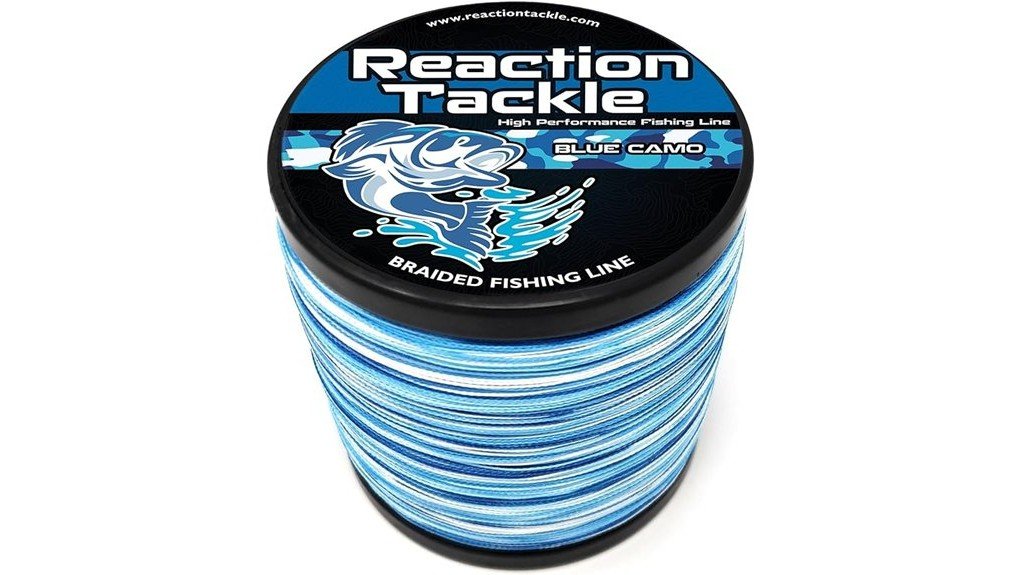
Braided line can give you more sensitivity and strength for its diameter, but the wrong pound test or poor spooling can create wind knots, line slip, or broken connections. Reaction Tackle Braided Fishing Line is a value-focused UHMWPE braid made for freshwater and saltwater use, with low stretch, high visibility options, and added resistance around cover. This review focuses on the linked Blue Camouflage 20-pound, 150-yard spool and also explains where the wider product range may fit. Its main strengths are sensitivity and broad size selection, while its low stretch and visible color can require careful drag setup and a leader in some situations.
Quick Verdict
Rating: 8.2/10, Recommended with caveats
Best For: Value-minded anglers who want sensitive braid for freshwater, inshore saltwater, or fishing near moderate cover.
Bottom Line: The linked 20-pound, 150-yard spool offers a useful balance of strength, small diameter, and low-stretch feedback. You still need to choose the correct test, spool it under firm tension, and inspect it after contact with sharp structure.
| Specification | Detail |
|---|---|
| Brand | Reaction Tackle |
| Model | 5333633012 |
| Product type | Braided fishing line |
| Linked variant | Blue Camouflage, 20 lb test, 150 yards (450 feet) |
| Construction | 4-strand braid |
| Material | UHMWPE polyethylene fibers |
| Listed diameter | 0.22 mm for the 20 lb 4-strand size |
| Spool weight | 1.6 ounces |
| Key features | Low stretch, abrasion-resistant design, colorfast pigments, compact weave |
| Water type | Freshwater and saltwater |
| Broader 4-strand range | 6 to 100 lb test; 150 to 3,000 yards, depending on color and availability |
| Included component | One spool of braided fishing line |
| Warranty | 30-day limited warranty against defects in materials and workmanship |
What Is the Reaction Tackle Braided Fishing Line?
Reaction Tackle Braided Fishing Line is a synthetic fishing line woven from ultra-high-molecular-weight polyethylene fibers. The linked Amazon ASIN is the brand’s Blue Camouflage 20-pound test in a 150-yard spool, identified as a 4-strand braid. It is intended for anglers who want stronger line for its diameter and quicker feedback than typical monofilament.
The product family covers light freshwater applications through heavier saltwater and big-fish setups, but each spool is a separate size and color choice. For the linked 20-pound version, the manufacturer lists a 0.22 mm diameter. That size can suit bass, walleye, inshore species, and many general-purpose setups when your rod, reel, leader, drag, and lure weight are matched correctly.
Who Should Buy It?
Best For
- Anglers who want low-stretch bite detection for jigs, soft plastics, frogs, or bottom contact.
- Freshwater and inshore saltwater setups that need useful strength near grass, wood, or rocky cover.
- Buyers who want many pound-test, length, and high-visibility color choices without moving to a premium-priced braid.
Skip If
- You need the built-in stretch and shock absorption of monofilament.
- You fish very clear water and do not want to add a fluorocarbon or mono leader.
- You want a smoother 8-strand braid for maximum casting refinement rather than a tougher-feeling 4-strand line.
Before You Buy: Confirm the exact color, pound test, strand count, and spool length shown in your cart. Reaction Tackle sells several closely related braid families, and the linked ASIN is specifically the Blue Camouflage 20 lb, 150-yard version.
Strength, Diameter, and Durability
The linked spool uses UHMWPE fibers and carries a 20-pound breaking-strength label. Its listed 0.22 mm diameter lets you fit useful line capacity on many medium spinning and baitcasting reels, but you should still follow the reel’s capacity chart. A thin braid can dig into lower wraps when it is packed loosely or pulled hard against a snag.
The 4-strand construction has a more textured feel than many 8-strand braids. That texture can be useful around vegetation and moderate cover, but it may create more guide noise and feel less smooth during a cast. Inspect the first several feet after contact with barnacles, sharp rocks, metal, shell, or toothy fish, because abrasion resistance does not make any braid cut-proof.
Abrasion Resistance Around Cover
Reaction Tackle markets this braid for fishing around logs, rocks, grass, and other obstacles. The compact weave helps the line stay intact during normal contact, which can give you more confidence when pulling fish away from cover. The practical advantage is strongest when you compare it with a line that has already become nicked, flattened, or weakened.
Run the line between your fingers after a snag or rough fight. Replace the damaged section if you feel fuzzing, flat spots, broken fibers, or an abrupt change in diameter. Use a suitable leader around sharp teeth or shell beds, and never wrap taut braid around your bare hand because its small diameter can cut skin.
Blue Camouflage Color and Visibility
The linked variant uses a Blue Camouflage pattern, while the broader range includes bright and low-visibility colors. Reaction Tackle says its colorfast process uses UV-resistant pigments to reduce fading from exposure. That makes the line easier to track above water and can help you watch slack-line bites.
Color retention is not the same as permanent color. Water, friction through guides, sunlight, and repeated use can still change the finish over time. In clear water or around line-shy fish, add a fluorocarbon or monofilament leader rather than relying on the camouflage pattern alone.
Low Stretch and Bite Detection
Braid has very little stretch, so taps, bottom contact, and lure vibration travel quickly to your rod. That sensitivity can help when you fish jigs, Texas rigs, soft plastics, or techniques where a small change in pressure matters. It also gives you direct hook-setting power at longer distances.
The tradeoff is reduced shock absorption. Set your drag correctly, avoid oversized hooksets with light-wire hooks, and consider a softer rod tip or leader when fish strike hard. A locked drag and stiff rod can shift stress to knots, hooks, leaders, or the rod itself.
Freshwater and Saltwater Versatility
You can use this line on compatible spinning, baitcasting, trolling, and conventional reels in freshwater or saltwater. The 20-pound test is a practical middle size for many bass, walleye, catfish, pike, redfish, and inshore applications, but species alone should not set your line choice. Cover, lure weight, reel capacity, leader strength, drag pressure, and local conditions matter just as much.
Rinse the reel and line lightly with fresh water after saltwater use, following your reel maker’s care instructions. Let the setup dry before storage. Regular inspection is more important than the calendar because line wear depends on sunlight, friction, snags, knots, and how often you fish.
How It Performs in Real Use
For Bass and Vegetation
The low-stretch design helps you feel bottom contact and drive hooks when fishing frogs, jigs, or soft plastics. Around grass, the 4-strand texture can help cut through vegetation. Match the pound test to the density of cover rather than assuming 20-pound braid is heavy enough for every mat or wood pile.
For Inshore Saltwater
The compact diameter gives you line capacity and responsive lure control for many inshore techniques. Pair it with an abrasion-resistant leader when fishing near oysters, pilings, rocks, or toothy species. Rinse your setup after use and check the working end often.
For Bank and Pier Fishing
High visibility can help you track current, detect slack-line movement, and see where your line crosses other anglers. The same visibility may be a drawback in clear water, so a leader can improve presentation. Avoid letting braid rub repeatedly against concrete edges or metal railings.
For Cold-Weather and Ice Use
The line’s sensitivity remains useful in cold conditions, but braid can hold water and may collect ice on guides. Keep the spool dry during storage and consider a line made specifically for ice fishing when freezing conditions are severe. Do not assume standard braid will stay trouble-free below freezing.
How to Spool and Use It Correctly
- Check reel compatibility: Confirm that your reel accepts braid and that 20-pound line fits its capacity range.
- Prevent spool slip: Use mono backing, a braid-ready spool, or the reel manufacturer’s approved anchoring method.
- Apply firm, even tension: Pack the line tightly and evenly so it does not dig into loose wraps during a hard pull.
- Leave proper clearance: Do not overfill the spool. Leave the amount of lip space recommended by the reel maker.
- Tie a braid-friendly knot: Use a carefully seated Palomar or another knot recommended for braid, then test it before casting.
- Add a leader when useful: A mono or fluorocarbon leader can add abrasion resistance, shock absorption, or lower visibility.
Pro Tip: After spooling, tie the line to a fixed object in an open area and reel it back under steady tension. This helps remove loose wraps before your first trip.
Care, Storage, and Safety
Store the spool and rigged reel in a cool, dry place away from prolonged direct sunlight. Rinse salt residue from the reel after coastal use, dry the setup, and inspect guides for chips that can damage braid. Use sharp braid scissors for clean cuts and dispose of trimmed line securely so it cannot entangle wildlife.
Keep fingers clear of line under load. Braid can cut skin, and a snagged lure can release suddenly when pressure changes. Follow the rod, reel, hook, and lure manufacturers’ instructions, and wear eye protection when pulling against a snag.
Pros and Cons
Pros
- UHMWPE braid provides high strength in a small listed diameter.
- Low stretch improves bite detection and bottom feedback.
- Designed for both freshwater and saltwater use.
- Broad range of pound tests, spool lengths, and colors.
- Colorfast pigments are intended to resist rapid fading.
Cons
- Low stretch gives you less shock absorption than monofilament.
- The 4-strand texture can feel rougher and noisier than smoother 8-strand braid.
- Visible colors may require a leader in clear water.
Is It Worth the Price?
Reaction Tackle is positioned as a value-oriented braid rather than a specialty premium line. It offers strong value for the price when you need a broad selection of sizes and colors, low-stretch sensitivity, and enough spool length for a general-purpose setup. The 150-yard linked spool is a practical amount for many medium reels, especially when used over backing.
It is less compelling if you prioritize the smoothest possible casting feel, want more built-in stretch, or fish clear water without a leader. Compare the final cart variant and current price because different pound tests, colors, and spool lengths can have different listings or offers.
How It Compares to Alternatives
PowerPro, Sufix 832, and Daiwa J-Braid x8 are common alternatives worth checking. Compare the same pound test for actual diameter, carrier count, spool length, color, and current price rather than comparing only the label on the package.
Reaction Tackle makes the most sense when you want wide size and color selection at a value-focused price. An 8-strand alternative may be better when smooth casting and reduced guide noise matter more than the firmer texture of a 4-strand braid.
Frequently Asked Questions
What exact size does the linked Amazon listing include?
The linked ASIN is the Blue Camouflage 20-pound test in a 150-yard spool, equal to 450 feet. Check your cart before ordering because the parent listing includes many related variants.
Is this a 4-strand or 8-strand braided line?
The linked 20-pound Blue Camouflage variant is identified as a 4-strand braid. Reaction Tackle also sells separate X8 and other braid families, so do not assume every color or size uses the same construction.
Do you need backing when spooling it?
Many standard spools need mono backing or another approved method to stop braid from slipping around the arbor. Follow your reel maker’s instructions and wind the braid on under firm, even tension.
Should you use a leader with this braid?
A leader is useful when you need lower visibility, added abrasion resistance, or some shock absorption. Leader material and strength should match the species, cover, lure, and knot system you use.
Can you use it in saltwater?
Yes, the line is listed for freshwater and saltwater use. Rinse your reel lightly with fresh water after coastal trips, let it dry, and inspect the working end for damage from shell, rocks, pilings, or teeth.
Does the color stay bright permanently?
Reaction Tackle uses colorfast technology with UV-resistant pigments to reduce fading. No fishing line finish is immune to friction, sunlight, water, and repeated use, so some change over time is possible.
How should you store the line?
Keep unused line and rigged reels in a cool, dry place away from long periods of direct sunlight. Dry the setup after use, inspect the guides, and replace any section that feels frayed, flat, or damaged.
Who should choose monofilament instead?
Monofilament may be a better fit when you want more stretch, simpler knot handling, lower visibility without a leader, or a line that is easier for a beginner to manage. Braid rewards careful spooling, drag adjustment, and knot selection.
The Bottom Line
Reaction Tackle Braided Fishing Line is a solid choice when you want a value-focused, low-stretch braid with broad size and color options. The linked 20-pound, 150-yard Blue Camouflage spool is best for anglers who will spool it tightly, match it to the reel, and use a leader when conditions call for one. Skip it if you prefer monofilament stretch or the smoother feel of a premium 8-strand braid.
