
Last Updated on September 11, 2026 by Daniel Globe
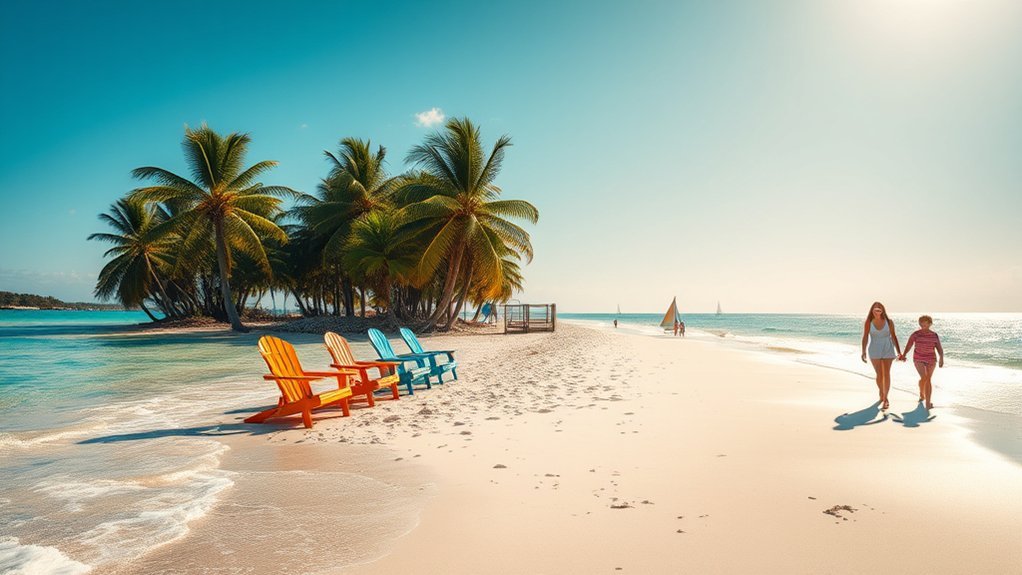
Sanibel Island can be an excellent March Break destination for families who want beaches, wildlife, shelling, and biking instead of a loud party scene. March is also part of the island’s busy season, so expect fuller parking lots, higher lodging demand, and more visitors at major attractions. A good trip starts with early reservations, realistic weather expectations, and a plan for tides, traffic, and current operating hours.
Quick Answer
Sanibel Island is a strong March Break choice for warm days, shelling, wildlife watching, kayaking, and more than 26 miles of shared-use paths. March is usually warm and relatively dry, but it is not uncrowded. Book lodging early, visit beaches and the refuge in the morning, and verify parking, tides, water quality, and attraction schedules before each outing.
Key Takeaways
- March normally brings daytime highs near the low 80s and cooler evenings, so pack both beachwear and a light layer.
- Sanibel feels calmer than major Florida party destinations, but March is still a high-demand period.
- Wildlife Drive at J.N. “Ding” Darling National Wildlife Refuge is closed every Friday.
- Collect only empty shells, and never take live shellfish, sea stars, sand dollars, or sea urchins.
- Public beach parking is limited and currently uses mobile payment, so arrive early and confirm the latest rules.
Disclosure: As an Amazon Associate I earn from qualifying purchases. Some links on this page are affiliate links, at no extra cost to you.
Why Sanibel Is Great for March Break

Sanibel offers a slower style of spring vacation than destinations built around nightlife and large beachfront entertainment districts. Families can spend a morning shelling, bike to a museum or café, watch wildlife in the afternoon, and finish the day on the beach. The island’s compact layout also makes it easier to combine outdoor activities without spending most of the day driving.
The main attractions are nature-based. J.N. “Ding” Darling National Wildlife Refuge protects more than 6,470 acres, Sanibel’s shared-use path network extends for more than 26 miles, and the island’s curved coastline is famous for depositing shells along the Gulf shore. These features make Sanibel especially appealing to families, couples, birdwatchers, photographers, and travelers who prefer an active but relaxed itinerary.
Sanibel is quieter in character than many spring break destinations, but March itself is busy. Plan for calm experiences by going early, not by assuming the island will be empty.
When to Visit Sanibel Island in March
The best dates depend on your school calendar, lodging budget, and interest in local events. March Break and spring break dates vary, but demand usually rises throughout the month. Reserve accommodations, bicycles, kayaks, and popular restaurant times as soon as your travel dates are firm.
March Weather and Crowd Conditions
For planning purposes, nearby Fort Myers climate normals are more useful than a vague promise of “75°F days.” The National Weather Service lists 1991–2020 March normals of about 81.1°F for the average high, 59.6°F for the average low, and 2.07 inches of monthly rainfall. Sanibel’s coastal conditions can feel breezier, and individual weeks may be warmer, cooler, wetter, or windier than the long-term average. Check the short-range forecast shortly before departure.
You can usually plan on warm afternoons, comfortable mornings, and cooler evenings. Pack sunscreen, hats, refillable water bottles, light rain protection, and a sweater or thin jacket. March is often pleasant for biking and walking, but strong sun and dehydration can still become problems during long outdoor days.
See the National Weather Service Fort Myers climate report for the normal March benchmarks used here.
Best March Activities and Events
March works well for shelling, birdwatching, beach walks, biking, paddling, and outdoor dining. The Sanibel Shell Show and Festival has traditionally taken place in early March, but dates and hours can change each year. Check the Sanibel-Captiva Shell Club before building your trip around the event.
- Go shelling around low tide, preferably early in the day.
- Visit Wildlife Drive on a non-Friday morning.
- Reserve a guided kayak trip if your family is new to mangrove paddling.
- Bike the shared-use paths before afternoon heat and traffic build.
- Leave flexible time for beach conditions, rain, or temporary recovery work.
Pro Tip: Match your shelling and refuge visits to the tide chart, not only the clock. Low tide often exposes more shoreline and feeding areas, while parking is usually easier early in the morning.
Plan Your Arrival, Toll, and Beach Parking
Most visitors arrive through the Fort Myers area and cross the Sanibel Causeway. The causeway uses electronic toll collection or pay-by-plate billing, so rental-car travelers should review their rental company’s toll policy before driving onto the island. Traffic can slow during morning arrivals, beach-going hours, and late-afternoon departures.
Public beach parking is limited. At the time of this update, City of Sanibel beach parking costs $5 per hour, is enforced around the clock, and requires the city’s mobile payment system for visitors without a permit. A paid hourly session can be transferred among participating public beach parks until the purchased time expires. Confirm the latest rate and instructions on the City of Sanibel parking page.
- Arrive before midmorning for the best chance of finding a legal space.
- Do not park outside marked spaces or along protected roadside areas.
- Keep your phone charged for mobile payment and session extensions.
- Check the city’s beach-closure page for temporary construction or recovery work.
Note: Sanibel continues to complete hurricane-recovery projects. A beach may remain open while a parking area, restroom, pier, boardwalk, or trail has limited access. Verify conditions shortly before visiting.
Best Places to Stay in Sanibel
Choose accommodations by location and trip style rather than by a broad “luxury” label. A Gulf-front resort or condo makes early shelling easier. An east-end stay reduces the drive from the causeway and puts you closer to Lighthouse Beach. A west-end rental can be convenient for Bowman’s Beach, Blind Pass, and the refuge.
| Stay type | Best for | What to confirm |
|---|---|---|
| Beachfront inn or resort | Easy beach access and shorter shelling walks | Current amenities, construction, beach access, and cancellation policy |
| Condo or vacation home | Families and larger groups | Minimum stay, cleaning fees, pool status, pet rules, and included beach gear |
| Fort Myers or mainland hotel | Lower rates or a city-based trip | Causeway traffic, tolls, parking costs, and daily driving time |
Dream Vacation Rentals and Royal Shell Vacation Rentals currently list Sanibel and Captiva homes and condos, but availability and property condition vary by unit. Read the current listing carefully and confirm that the exact property has the amenities you need. Boat docks, pet access, pools, elevators, and beach equipment are property-specific, not company-wide guarantees.
Two names in older travel guides need correction. Lani Kai Island Resort is on Fort Myers Beach, not Sanibel, and its official website has listed parts of the property as closed during renovation. Hotel Indigo Fort Myers was rebranded as The Banyan Hotel Fort Myers, Tapestry Collection by Hilton. Either can serve as an off-island base when operating, but neither should be presented as a Sanibel lodging option.
Start Early at J.N. Ding Darling Refuge
J.N. “Ding” Darling National Wildlife Refuge is one of Sanibel’s essential stops, but the original draft missed an important scheduling rule: Wildlife Drive, the Visitor and Education Center, and Indigo Trail are closed every Friday. The visitor center is generally open from 9:00 a.m. to 4:00 p.m. on operating days, while Wildlife Drive uses seasonal hours. March opening and closing times change around daylight saving time, so verify the current schedule before leaving your hotel.
The refuge covers more than 6,470 acres and is home to more than 245 recorded bird species. Wildlife Drive is a four-mile, one-way route that visitors can drive, bike, or walk. Go slowly, pull over only in designated areas, and watch for wading birds, alligators, raccoons, and other wildlife. Sightings are never guaranteed.
- Visit around low tide for better views of feeding birds on exposed mudflats.
- Bring binoculars, water, sunscreen, insect repellent, and closed-toe walking shoes.
- Keep children close and never approach or feed wildlife.
- Use the official concessionaire for guided tram and paddling options.
- Check current trail closures, including hurricane-recovery work.
Review seasonal hours, fees, closures, and safety guidance on the U.S. Fish and Wildlife Service refuge page.
Warning: Alligators and other wild animals can be present near roads, trails, and water. Keep a safe distance, supervise children, follow posted rules, and never attempt to feed or touch wildlife.
Where to Go Shelling on Sanibel Island

Bowman’s Beach, Lighthouse Beach, Blind Pass, Turner Beach, and Tarpon Bay Road Beach are popular starting points. Results depend on tide, wind, waves, recent storms, and how heavily an area has already been searched. No beach produces a guaranteed list of shell species on a particular day.
For better results, arrive near low tide, walk slowly along the wrack line, and look at more than the dry upper beach. A small mesh bag, water shoes, and a simple shell-identification guide can help. The “Sanibel Stoop” is simply the bent posture people use while scanning the sand.
The most important rule is to take only empty shells. Sanibel prohibits harvesting or possessing live shellfish, and protections also cover live sand dollars, sea stars, and sea urchins. Shelling is prohibited within the waters of J.N. “Ding” Darling National Wildlife Refuge. Read the City of Sanibel shelling regulations before collecting.
Warning: A shell that appears empty may still contain a living animal. Look carefully, place uncertain finds back where you found them, and never remove living marine life for a souvenir.
Bike Sanibel Without Renting a Car
Sanibel’s shared-use path system now covers more than 26 miles, extending from Lighthouse Beach Park toward Blind Pass. The network connects beaches, neighborhoods, shops, restaurants, and attractions, making a bicycle useful for local trips once you are on the island.
Billy’s Rentals remains a well-known local option, and other outfitters may deliver bicycles to accommodations. Ask for the right frame size, locks, lights, helmets, child seats, or trailers before reserving. Sanibel allows only Class 1 electric bicycles on the shared-use path, so confirm that an e-bike meets the city’s rules.
- Keep right and pass only when the path ahead is clear.
- Use an audible warning before passing walkers or slower riders.
- Slow down at driveways and road crossings.
- Use lights and reflective gear in low light.
- Lock bicycles at beaches, museums, restaurants, and shops.
See the City of Sanibel shared-use path guide for the current path map and e-bike rules.
You may be able to reduce car use, but a fully car-free trip is not ideal for every family. Consider the distance from your lodging to groceries, beaches, the refuge, and your planned restaurants. Young children, mobility needs, rain, heat, and evening travel may make a car or rideshare useful.
Where to Eat Fresh Seafood on Sanibel
Sanibel has casual cafés, resort restaurants, bars, and full-service dining, but “waterfront,” “local,” and “fresh” should not be treated as automatic guarantees. Menus, operating hours, and post-storm reopening status can change. Check the restaurant’s current website or call on the day you plan to visit.
Waterfront Seafood Spots
Doc Ford’s Rum Bar & Grille is a popular island restaurant, while Sea Breeze Café and Turtle’s Tiki at Sundial Beach Resort offer resort-area dining near the Gulf. Wickies Lighthouse Restaurant is in Sanibel’s east-end Lighthouse District, but it should not be described as a marina restaurant unless the current venue information supports that claim.
- Reserve sunset dining when reservations are available.
- Ask whether outdoor seating is open during wind or rain.
- Confirm parking rules if you are not a resort guest.
- Check whether a venue is beachfront, water-view, or simply near the beach.
Local Catch Favorites
Grouper, shrimp, snapper, oysters, and lobster may appear on menus, but availability and origin vary. Ask the server which seafood is local or regional that day rather than assuming every item was caught near Sanibel. Florida seasons and commercial supply also affect what restaurants can serve.
For dessert or coffee, The Magic Bus remains an east-end option near Wickies. Busy March evenings can create waits, so an early dinner or later dessert stop may be easier for families with children.
Spend Sunset at Bowman’s Beach
Bowman’s Beach is a strong sunset choice because it has a broad shoreline and sits away from Sanibel’s busiest commercial areas. The original claim that the beach closes at 7:00 p.m. was incorrect. The City of Sanibel lists Bowman’s Beach Park as open 24 hours a day, with parking fees enforced around the clock.
The walk from the parking area to the Gulf is about a quarter mile and crosses a footbridge, so allow enough time to reach the beach before sunset. Bring insect repellent, a small light for the return walk, and everything you plan to carry out. Do not leave food or trash behind.
- Arrive early enough to pay for parking and walk to the shore.
- Stay off protected dunes and vegetation.
- Use red or wildlife-friendly lighting when sea turtle guidance requires it.
- Supervise children near water, especially after dark.
- Check the sky and radar before committing to an evening picnic.
Best Family Activities in Sanibel
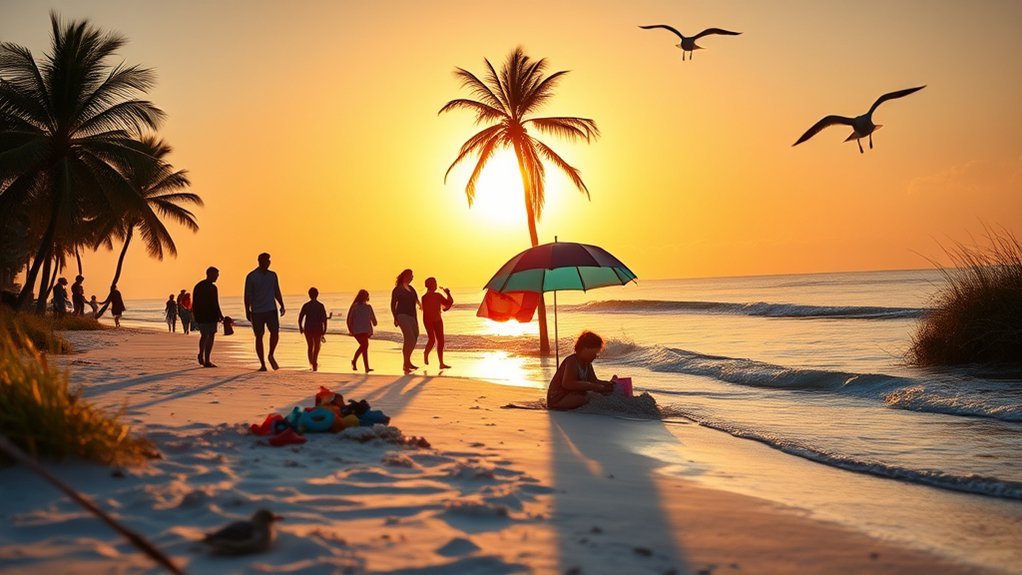
Sanibel’s best family activities are simple, flexible, and easy to shorten when children get tired. A successful family day may include one main attraction, one beach stop, and plenty of unplanned time rather than a packed schedule.
Shelling and Beach Walks
Bowman’s Beach offers room to walk, while Lighthouse Beach combines shoreline access with a lighthouse, boardwalks, and bay-side views. Blind Pass and Turner Beach can have stronger currents, so shelling from shore is often more suitable than swimming. Always follow posted warnings.
- Give each child a small collection limit to reduce over-collecting.
- Photograph live shells and leave them in place.
- Use water shoes because shells and recovery debris can be sharp.
- Bring drinking water even for a short beach walk.
Wildlife, Museums, and Bike Trails
Families can combine the refuge with the Bailey-Matthews National Shell Museum & Aquarium, which offers indoor exhibits and live-animal programs. The museum is useful on a rainy or very hot afternoon. The Sanibel Historical Museum & Village can add local history when it is open, but its schedule is seasonal and may include extended closures, so confirm before visiting.
Bike rides work best when routes match the youngest rider’s ability. Consider a short east-end loop, a museum ride, or a trip to a nearby ice cream shop instead of trying to cover the full island in one day.
Sample Three-Day Sanibel March Break Itinerary
| Day | Morning | Afternoon | Evening |
|---|---|---|---|
| Day 1 | Lighthouse Beach shelling and east-end walk | Bike rental and Shell Museum visit | Early dinner and dessert near the east end |
| Day 2 | Wildlife Drive near low tide, on a non-Friday | Guided kayak trip or pool break | Bowman’s Beach sunset |
| Day 3 | Bowman’s or Blind Pass shelling | Historical stop, shopping, or a second beach | Water-view dinner or relaxed meal at your rental |
Move the refuge day if it falls on Friday, and adjust shelling times to the tide. Keep at least one afternoon flexible for weather, tired children, a long lunch, or an unexpected wildlife sighting.
What to Pack and Safety Notes
- Sun protection: Broad-spectrum sunscreen, hats, sunglasses, and lightweight long sleeves.
- Hydration: Refillable bottles and extra water for biking, shelling, and refuge visits.
- Footwear: Water shoes for shell-covered beaches and closed-toe shoes for trails.
- Wildlife gear: Binoculars, insect repellent, and a camera with zoom.
- Weather gear: A light rain layer and a sweater for breezy mornings or evenings.
- Beach safety: A small first-aid kit, child flotation equipment when appropriate, and a plan for rip-current warnings.
Before swimming, check posted flags, local water-quality advisories, and current red tide conditions. Conditions can change quickly and may differ between Sanibel’s Gulf and bay sides. Avoid swimming near wildlife, after severe weather, or where local officials advise against water contact.
Luxury Vacation Rentals for March Break
A higher-end rental can make March Break easier when it provides space, a full kitchen, laundry, screened outdoor areas, and direct or nearby beach access. Dream Vacation Rentals and Royal Shell both market one-, two-, and three-bedroom options, but the exact features vary widely.
Before booking, verify the unit’s current condition, elevator access, pool availability, beach route, parking allocation, dock access, pet policy, minimum stay, and refund terms. Ask whether construction is taking place in the building or neighboring properties. Read recent reviews for the exact unit, not only the management company.
- Book early for March dates and larger family units.
- Compare the full price, including cleaning and service fees.
- Confirm whether beach chairs, umbrellas, carts, and bicycles are included.
- Purchase travel insurance only after reading covered reasons and exclusions.
- Save the property manager’s after-hours contact information.
Frequently Asked Questions
Is March a good time to visit Sanibel Island?
Yes. March usually offers warm afternoons, cooler evenings, and good conditions for biking, shelling, paddling, and wildlife watching. It is also a busy month, so reserve lodging and popular activities early.
Is Sanibel Island crowded during spring break?
Sanibel is calmer than major party destinations, but March is part of its high-demand season. Beaches, restaurants, bike paths, and parking lots can be busy. Early mornings and weekday visits usually feel more relaxed.
What celebrity lives on Sanibel Island?
Celebrity-residency claims are often based on rumors or outdated reports. The original claim that Robert De Niro lives on Sanibel is not supported by reliable evidence. Plan your trip around the island’s nature and local businesses, and respect the privacy of residents.
What should you not miss on Sanibel Island?
Do not miss a low-tide shelling walk, J.N. “Ding” Darling National Wildlife Refuge, a ride on the shared-use paths, the Bailey-Matthews National Shell Museum & Aquarium, and a Gulf sunset at Bowman’s Beach.
Is Wildlife Drive open on Fridays?
No. Wildlife Drive, Indigo Trail, and the Visitor and Education Center are closed every Friday. Seasonal hours also change, so confirm the official refuge schedule before visiting.
Can you take shells home from Sanibel?
You may collect empty shells where shelling is allowed. Do not take live shellfish, live sand dollars, sea stars, or sea urchins. Shelling is prohibited in the waters of J.N. “Ding” Darling National Wildlife Refuge.
Do you need a car on Sanibel Island?
Not always. The island has more than 26 miles of shared-use paths, and some visitors bike for most local trips. A car can still help families carrying beach gear, travelers with mobility needs, and guests staying far from groceries or attractions.
How much is public beach parking on Sanibel?
At the time of this update, visitor parking at Sanibel’s city beach parks is $5 per hour and uses mobile payment. Rates and procedures can change, so check the City of Sanibel website before your trip.
Conclusion
Sanibel Island can deliver an excellent March Break when you plan for the real conditions: warm but variable weather, high seasonal demand, limited beach parking, changing recovery work, and attraction schedules that include important closures. Build your trip around low tides, early starts, flexible afternoons, and responsible wildlife and shelling practices. That approach gives your family more time for the island’s best experiences, from refuge birdwatching and bike rides to quiet beach walks and Gulf sunsets.
Sources
- National Weather Service, Fort Myers March Climate Report: March temperature and rainfall normals.
- U.S. Fish and Wildlife Service, J.N. “Ding” Darling Visit Guide: refuge acreage, hours, Friday closures, fees, trails, and safety.
- City of Sanibel Shared-Use Path Guide: path mileage, route information, safety, and Class 1 e-bike rules.
- City of Sanibel Beach Parking: current hourly parking rate and mobile-payment requirements.
- City of Sanibel Shelling Regulations: live-shell protections and refuge-water restrictions.
- Sanibel-Captiva Shell Club: official Shell Show and Festival scheduling information.

