
Last Updated on September 11, 2026 by Daniel Globe
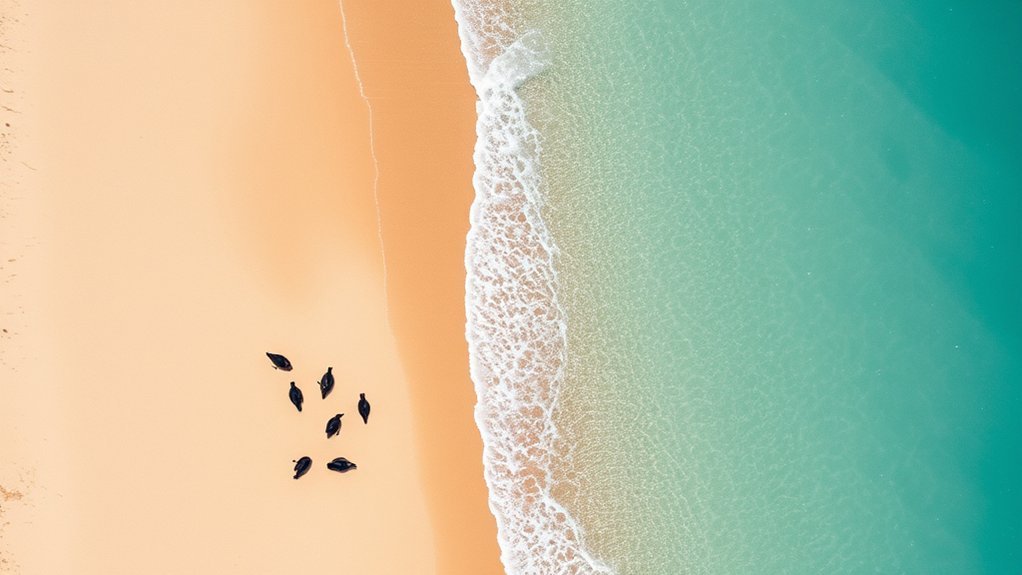
From above, Kawela Bay forms a broad crescent along Oahu’s North Shore, with pale sand, reef-sheltered water, and dense coastal forest near The Ritz-Carlton O‘ahu, Turtle Bay. The aerial view explains why the bay feels secluded, but it does not guarantee empty beaches or safe swimming. Public access was protected through a major conservation agreement, while parking, facilities, tides, and ocean conditions can change from day to day.
Quick Answer
A bird’s-eye view of Kawela Bay shows a curved sandy shoreline surrounded by thick green vegetation and protected-looking blue water. The bay sits near Kahuku and Turtle Bay on Oahu’s North Shore. Visitors can walk the coastal trails, enjoy the scenery, and watch for wildlife, but should verify access and ocean conditions before entering the water.
Key Takeaways
- Kawela Bay is on Oahu’s North Shore near Kahuku and The Ritz-Carlton O‘ahu, Turtle Bay.
- The 2015 Kahuku Kawela Forever agreement conserved 630 acres and protected public coastal access.
- The resort’s visitor information estimates a 15 to 25-minute walk to Kawela Bay from its trail area.
- Kawela Bay is not listed among Hawaii Ocean Safety’s lifeguarded Oahu beaches, so water activities require caution.
- Turtle sightings are possible but not guaranteed. Stay at least 10 feet away and never touch, chase, or feed wildlife.
At a Glance
| Location | Oahu’s North Shore near Kahuku and Turtle Bay |
| Estimated Walk | About 15 to 25 minutes from the resort trail area; other access routes vary |
| Best For | Beach walks, photography, picnics, wildlife viewing, and suitable-day paddling |
| Facilities | Limited at the bay; confirm current parking and restroom options before relying on them |
| Ocean Safety | Not listed as a lifeguarded Oahu beach; check current warnings and conditions |
Disclosure: As an Amazon Associate I earn from qualifying purchases. Some links on this page are affiliate links, at no extra cost to you.
What Is the Kawela Bay Bird’s-Eye View?
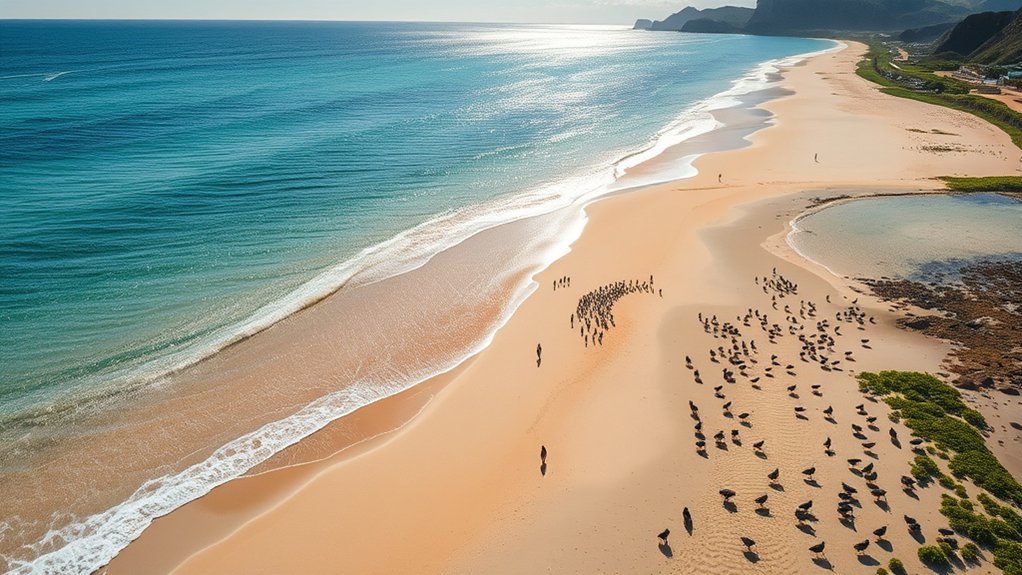
From a bird’s-eye perspective, Kawela Bay appears as a wide crescent of sand framed by a thick green canopy. The water often changes from pale aqua near shore to deeper blue farther out, although the exact colors depend on sunlight, clouds, water depth, sediment, and the camera used.
The aerial view also shows how closely the forest reaches the shoreline. Banyan trees, coastal plants, tangled roots, and shaded trails create a sharp contrast with the open water. Development is concentrated around the neighboring resort area, while much of the bay retains a natural appearance.
This landscape remains largely undeveloped because the Kahuku Kawela Forever conservation agreement protected 630 acres in 2015. The agreement also supported public trails, parking, facilities, wildlife habitat, and long-term shoreline access.
Note: Aerial photographs can make water look calmer, clearer, or shallower than it is. Do not use water color alone to judge swimming depth, currents, reef conditions, or safety.
The bird’s-eye view reveals the feature that makes Kawela Bay distinctive: a curved shoreline where forest, sand, reef, and protected open space meet.
Where Is Kawela Bay on Oahu?
Kawela Bay is on Oahu’s North Shore near Kahuku. It lies beside the property now called The Ritz-Carlton O‘ahu, Turtle Bay, at 57-091 Kamehameha Highway.
The bay is not a developed municipal beach park with a large paved entrance, rows of facilities, and an obvious roadside sign. Reaching it normally involves following an established coastal or forest trail. Public access was preserved through the conservation agreement, but the exact entry point, parking arrangement, signs, or temporary restrictions may change.
| Detail | What to Expect | Planning Tip |
|---|---|---|
| Shoreline | A broad, curved sandy bay | Beach width changes with tides and surf |
| Water | Often visually calmer than exposed North Shore beaches | Check currents, surf, wind, and warnings before entering |
| Access | Public trails around the Turtle Bay coast | Use current maps and posted public-access signs |
| Parking | Designated options may depend on your chosen access route | Do not block gates, driveways, private roads, or shoulders |
| Amenities | Limited at the beach itself | Bring water and confirm restroom access in advance |
What the Kawela Bay Forest Looks Like
A shaded green corridor leads through parts of the Kawela Bay area. Tall trees create a thick canopy, while exposed roots, vines, sand, fallen leaves, and uneven ground give the walk a more natural feel than a paved park path.
One of the area’s best-known landmarks is a large banyan tree. The resort’s official visitor information describes the banyan as a scenic trail destination and notes its use in movie and television productions. Its aerial roots and intertwined trunks create the appearance of several trees growing together.
A shaded green tunnel, where banyan roots, layered foliage, and sandy paths lead toward the shoreline.
- Expect shade mixed with open, sunny sections.
- Watch for roots, soft sand, mud, and slippery leaves.
- Stay on established trails and follow posted signs.
- Do not cut vegetation, carve trees, or attach swings or hammocks where they could cause damage.
- Keep children close near uneven roots, water, and unfamiliar trail junctions.
The forest is part of the experience rather than simply a path to the beach. Move slowly, avoid disturbing plants and wildlife, and carry out everything you bring in.
Why Kawela Bay Feels So Peaceful
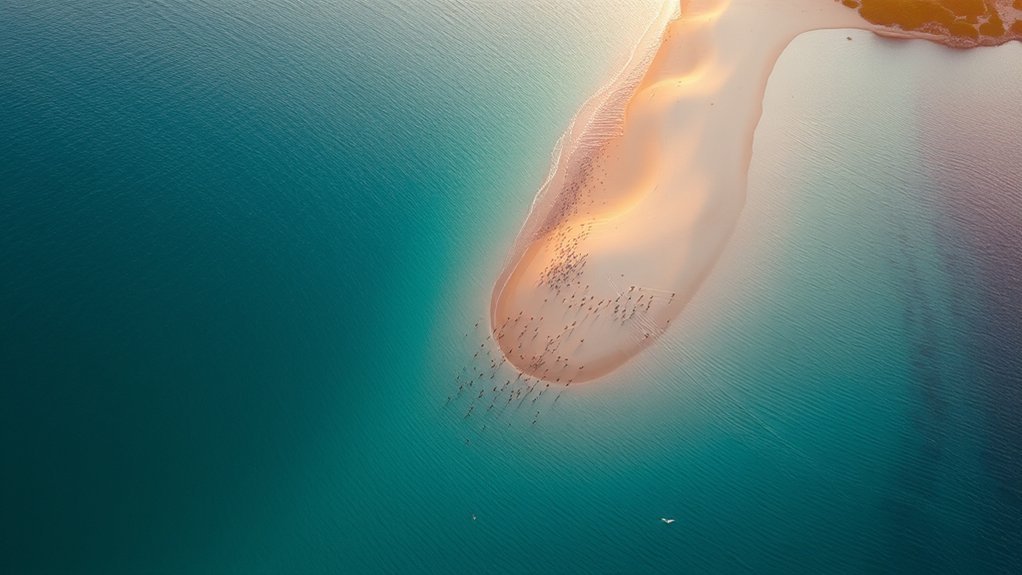
Kawela Bay often feels quieter than beaches located directly beside busy roads or large parking lots. The forest separates much of the shoreline from Kamehameha Highway, and visitors normally walk some distance before reaching the sand.
The curved shoreline and surrounding vegetation also limit some views of nearby development. However, the bay is publicly accessible and may be busy during weekends, holidays, organized activities, film work, or periods of favorable weather. It should be described as relatively secluded, not private or guaranteed to be empty.
| Factor | How It Shapes the Experience |
|---|---|
| Dense coastal vegetation | Separates sections of the beach from road noise and development |
| Walk-in access | Reduces the feel of a busy roadside beach park |
| Large trees | Provide shade away from the open shoreline |
| Curved bay | Creates a sheltered visual setting |
Best Things to Do at Kawela Bay
Kawela Bay is best suited to low-impact activities that let you enjoy both the forest and shoreline. The official Turtle Bay visitor guide promotes the bay for kayaking, paddleboarding, surfing, and scenic walks. Whether those water activities are appropriate during your visit depends on current surf, wind, currents, visibility, equipment, and experience.
- Walk the coastal trails: Explore the forest, banyan area, and shoreline while staying on established paths.
- Photograph the landscape: Capture the curved bay, tree canopy, reflections, and changing water colors.
- Have a picnic: Bring a compact meal, avoid glass, and pack out all food and rubbish.
- Watch for wildlife: Use binoculars or a camera zoom rather than moving closer.
- Join a guided water activity: A reputable local operator can provide equipment and assess conditions for paddling or beginner surf activities.
- Relax in the shade: Choose a spot that does not block the trail, damage vegetation, or crowd resting wildlife.
Warning: Kawela Bay is not included on the current Hawaii Ocean Safety list of lifeguarded Oahu beaches. Calm-looking water can still contain currents, reef hazards, changing depths, and incoming swell. Check official warnings and stay out when conditions exceed your ability. When uncertain, choose a lifeguarded beach.
Pro Tip: Visit during daylight with enough time to return before dark. Morning temperatures may make the walk more comfortable, but crowd levels and ocean conditions can never be guaranteed.
Products Worth Considering

Through Calm and Clarity - Mornings take on a different kind of calm when you lift the Hontry binoculars and bring the world closer. With 8x magnification, the view feels steady and real—colors stay gentle, shapes stay true, and even distant wings or quiet movement in the grass seem closer to you, like the day is quietly unfolding at its own pace.

10x42 FULL SIZE BINOCULARS : Gosky 10x42 binoculars for adults bring distant subjects closer with 10x magnification and a 42mm objective lens, offering clear details, bright images and a comfortable handheld viewing experience. Designed for bird watching, wildlife observation, hiking, camping, boating, sports, concerts and everyday outdoor exploration.

How to Get to Kawela Bay
The safest way to plan your route is to use current public-access information instead of relying on an old roadside landmark. The 2015 conservation agreement secured public coastal access and supported trails, parking, and facilities around the Turtle Bay area.
The neighboring resort’s current resort and trail map is a useful starting point. Its beach information lists Kawela Bay as roughly a 15 to 25-minute walk from the resort area. Your actual time will depend on where you begin, the route available that day, trail conditions, and your walking pace.
| Planning Step | What to Do |
|---|---|
| Check the route | Review the current trail map and posted public-access signs. |
| Park legally | Use a designated area and obey all temporary restrictions. |
| Allow enough time | Complete the return walk before dark. |
| Protect valuables | Leave unnecessary valuables at your accommodation and lock the vehicle. |
| Plan for facilities | Do not assume that a restroom or drinking-water station will be available at the bay. |
Access signs, parking rules, maintenance work, storm damage, and resort operations may change. Follow the conditions you find on the day of your visit rather than entering through an unsigned path or blocked road.
What to Bring for Your Visit
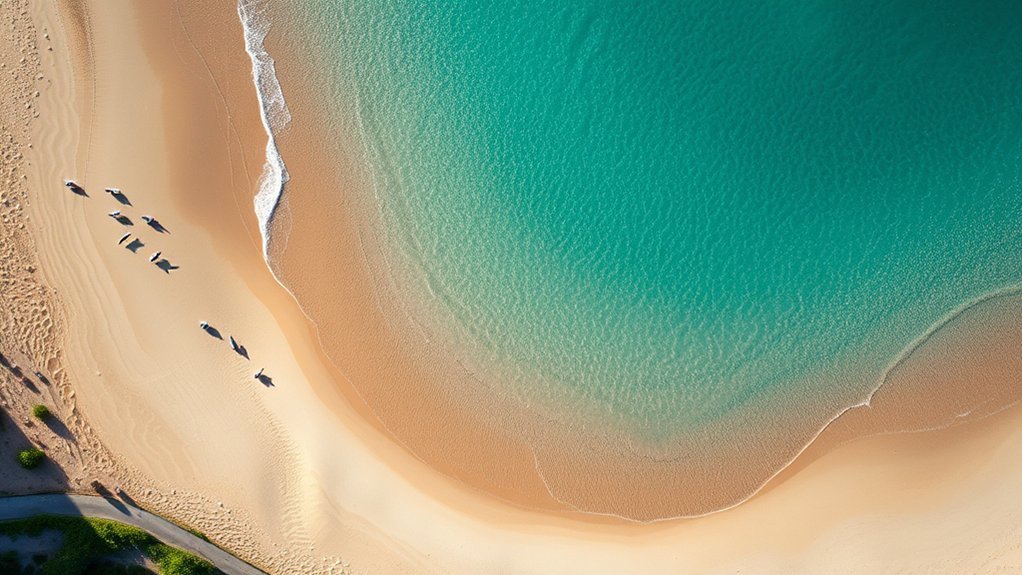
Pack for a walk-in beach with limited amenities. Even though much of the forest is shaded, the open shoreline can be hot and bright. Rain can also make roots, leaves, and packed soil slippery.
- Drinking water: Carry enough for the walk and time at the beach.
- Sun protection: Bring a hat, protective clothing, sunglasses, and suitable sunscreen.
- Secure footwear: Choose shoes or sandals with traction for roots, sand, and possible mud.
- Food and snacks: Use compact, reusable containers and pack out every item.
- Small first-aid kit: Include supplies for minor scrapes, blisters, and insect bites.
- Phone and offline map: Download the route before entering areas with weak reception.
- Dry bag or waterproof pouch: Protect keys, identification, and electronics.
- Trash bag: Leave the shoreline and forest cleaner than you found them.
- Camera or binoculars: View wildlife without approaching it.
Bring snorkeling, paddling, or surf equipment only when you have the necessary experience and have confirmed that conditions are suitable. Guided activities may be a better choice for first-time visitors because the operator can provide equipment, instruction, and a current assessment of the water.
Accessibility Note: Parts of the route may include soft sand, exposed roots, uneven ground, and unpaved trails. Visitors with limited mobility should contact the resort or local access manager for current route information before traveling to the bay.
Products Worth Considering

100% WATERPROOF: Made of stiff 500D PVC material and designed with roll-top closure, Unigear waterproof bag protects your phones, camera, clothes, documents and snacks from Water, Sand, Dust and Dirt

Waterproof & Sandproof Cruise Essentials - Triple sealing protection with 3 zipper locks and a fold Velcro over top. Keeps your phone and wallet dry even the IP68 waterproo bag is submerged at 32ft deep for 1 hour. Fully enjoy cruise trip, beach activities and pool party, perfect for water sports like snorkeling, sailing, tubing, kayaking, water park, surfing, diving, ect.

SPLASH & WEATHER-RESISTANT - NOT A SUBMERSIBLE DRY BAG: Rugged 500D PVC tarpaulin with welded seams blocks rain, splashes, sand, mud, and dust. It's built to shield gear in wet conditions above water - please don't submerge it or use it underwater, that's a different category of bag.
When Is the Best Time to Visit Kawela Bay?
The best time is a daylight period with dry weather, manageable heat, legal access, and ocean conditions suited to your plans. A low tide may expose more sand or reef, but it does not automatically make swimming safer. High tide can reduce the available beach, while swell and currents can remain hazardous at any tide level.
North Shore conditions can change quickly, especially when distant swells arrive. Before leaving, check weather and surf information, then read every warning sign you encounter. If the water is brown or unusually murky after heavy rain, avoid entering until official advisories have cleared.
Wildlife Etiquette at Kawela Bay
Green sea turtles, known in Hawaii as honu, may be seen in the water or resting near shore. A sighting is never guaranteed. If you see one, follow the NOAA Fisheries marine-wildlife guidelines.
- Stay at least 10 feet from sea turtles on land and in the water.
- Never touch, chase, feed, ride, surround, or block an animal’s route.
- Use the zoom function on your camera rather than moving closer.
- Give Hawaiian monk seals at least 50 feet of space.
- Stay at least 150 feet from a mother monk seal with a pup.
- Remain behind temporary ropes, signs, or barriers.
- Keep dogs leashed and away from resting wildlife.
Call the statewide NOAA Marine Wildlife Hotline at (888) 256-9840 if you find a sick, injured, entangled, stranded, or dead sea turtle or marine mammal.
Products Worth Considering


THE PERFECT BINOCULARS FOR EVERY ADVENTURE: Nature DX 8x42 offers sharp, detailed views in a compact, lightweight frame—ideal for birdwatching, hiking, and everyday adventures.

SEE MORE DETAIL IN EVERY OUTDOOR MOMENT: Cross more off your life list by capturing unexpected details wherever your adventures take you. HD glass and multi-coated optics deliver bright, clear images with enhanced contrast and color fidelity, helping you spot birds, wildlife, and distant subjects with impressive clarity.
Frequently Asked Questions
What movies were filmed at Kawela Bay?
The official Turtle Bay visitor site identifies Kawela Bay with The Hunger Games: Catching Fire and Pirates of the Caribbean: On Stranger Tides. The wider Turtle Bay property also hosted Forgetting Sarah Marshall, Lost, Jumanji: Welcome to the Jungle, and other productions. Not every scene from those productions was filmed directly on Kawela Bay’s beach.
Is Kawela Bay good for swimming?
The bay may look calm and protected on suitable days, but it is not listed among Hawaii Ocean Safety’s lifeguarded Oahu beaches. Swimming safety depends on surf, wind, currents, reef, visibility, weather, and your ability. Check official warnings and choose a lifeguarded beach when you are uncertain.
What makes Kawela Bay special?
Kawela Bay combines a curved sandy shoreline, dense coastal forest, large banyan trees, public trails, wildlife habitat, and a landscape protected from major development. Its visual separation from the highway and main resort buildings gives it a more secluded feel than many developed beaches.
Are there turtles at Kawela Bay?
Green sea turtles may be seen around the Kawela Bay coastline, but sightings are not guaranteed. Stay at least 10 feet away on land and in the water. Never touch, feed, chase, crowd, or block a turtle’s path.
Is Kawela Bay open to the public?
The Kahuku Kawela Forever conservation agreement protected public shoreline access and trails around the Turtle Bay area. Visitors must still follow current signs, legal parking rules, temporary closures, and property boundaries.
How long is the walk to Kawela Bay?
The official Turtle Bay beach guide estimates a 15 to 25-minute walk from the resort area. The distance and time from other public access points vary with the route, parking location, trail conditions, and your pace.
Are restrooms available at Kawela Bay?
Do not assume that a restroom is available directly at the bay. Facility access and hours around the wider Turtle Bay area may change. Confirm current options before starting the walk and plan as though the beach itself has limited amenities.
Conclusion
Kawela Bay’s bird’s-eye view shows why this North Shore landscape stands out. A curved beach, blue water, thick forest, and protected open space fit together in one compact setting. On the ground, the experience includes an unpaved walk, limited amenities, changing access conditions, and an ocean that deserves caution.
Review the current trail map, park only where permitted, bring water, return before dark, and check ocean warnings before entering the bay. If turtles or monk seals appear, enjoy the sight from the recommended distance. Careful planning helps protect both visitors and the natural character that makes Kawela Bay worth seeing.
Sources
- Trust for Public Land: Kahuku Kawela Forever — conservation acreage, public access, trails, parking, facilities, and protected wildlife habitat.
- Turtle Bay: Seven Beaches — Kawela Bay walk estimate, promoted activities, and filming references.
- Turtle Bay: Photo Shoots and Filming — productions filmed across the wider Turtle Bay property.
- Hawaii Ocean Safety: Lifeguarded Beaches — current Oahu lifeguard locations and beach-hazard guidance.
- NOAA Fisheries: Viewing Marine Wildlife in Hawaii — turtle and monk seal viewing distances and wildlife-emergency information.
