
Last Updated on September 11, 2026 by Daniel Globe
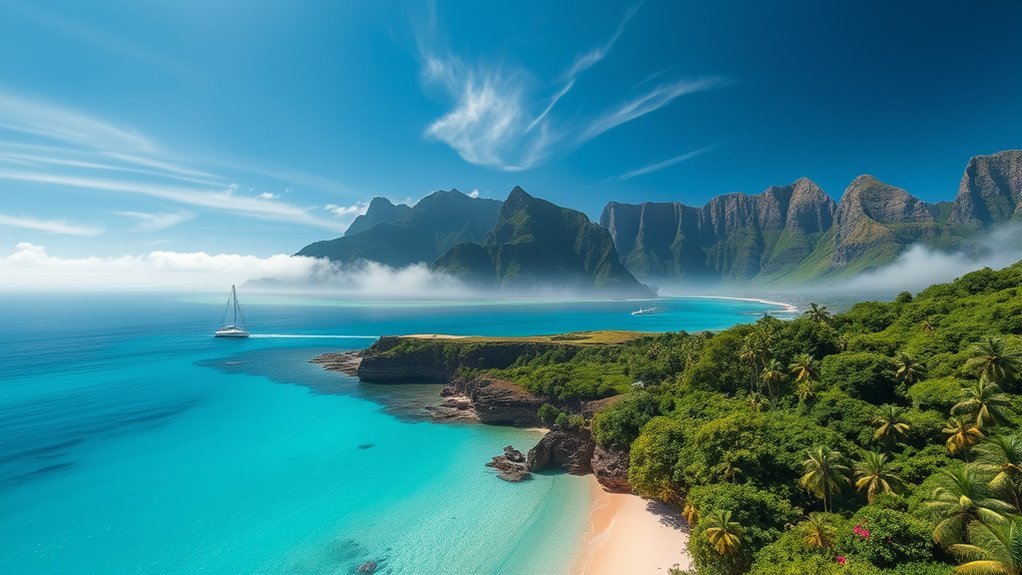
Kaiona Beach Park in Waimānalo is a small windward Oʻahu beach known for its clear-looking nearshore water, mountain views, and the historic Pāhonu stone enclosure. It can be a relaxing place for a picnic, shore play, swimming, or snorkeling when conditions cooperate. However, parking is limited, ocean conditions change, and wildlife sightings are never guaranteed. This guide explains what to expect, how to visit safely, and how to respect the area’s natural and cultural features.
Quick Answer
Kaiona Beach Park is best visited on a calm, clear day. It has a small parking area, picnic facilities, restrooms, showers, and access to the historic Pāhonu enclosure. Snorkeling can be enjoyable, but conditions vary, wildlife sightings are not guaranteed, and you should never assume a lifeguard is present.
Key Takeaways
- Visit early because the park’s parking area is small and can fill quickly.
- Judge swimming and snorkeling by current surf, wind, visibility, and water-quality conditions.
- Keep children within close reach and do not treat Pāhonu as a controlled swimming pool.
- Stay at least 10 feet from Hawaiian sea turtles and never touch, chase, or feed marine life.
- Bring your own water, food, sun protection, and snorkeling equipment rather than depending on onsite services.
Disclosure: As an Amazon Associate I earn from qualifying purchases. Some links on this page are affiliate links, at no extra cost to you.
Kaiona Beach Park: A Family-Friendly Escape
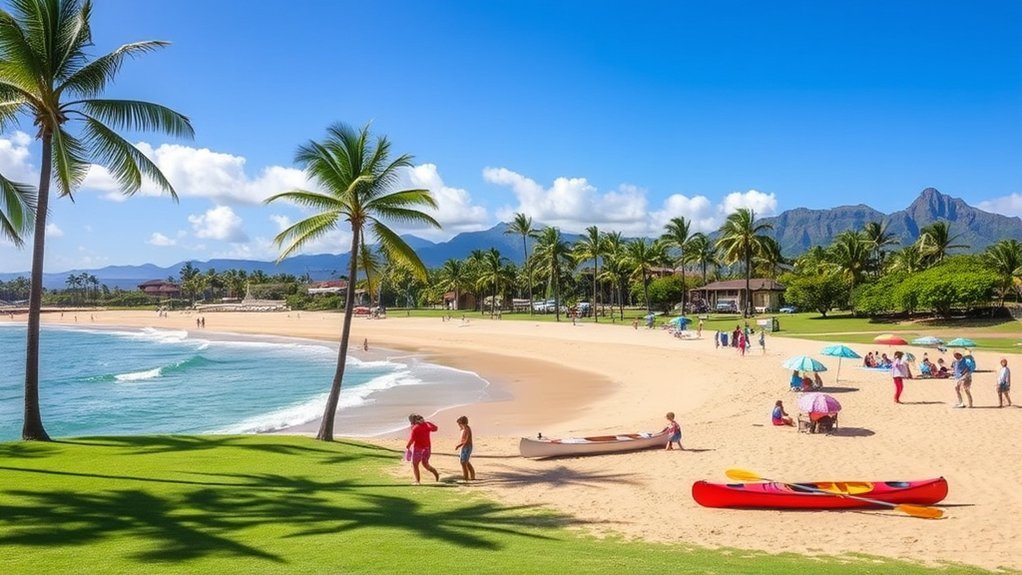
Kaiona Beach Park sits near the southeastern end of Waimānalo Bay on Oʻahu’s windward coast. The beach has a gently sloping shoreline in places, shade near parts of the park, and views toward the offshore islets and Koʻolau landscape. On a favorable day, the nearshore water may be calmer than at more exposed beaches nearby.
Families often choose the park for picnics, shallow-water play, beachcombing, and short snorkeling sessions. Pāhonu’s stone enclosure can reduce some surface movement close to shore, especially at lower tide, but it does not remove ocean hazards. Depth, visibility, footing, waves, and water movement still change.
Warning: Calm-looking water is not a guarantee of safe swimming. Do not assume a lifeguard is present. Check the water before entering, keep children within close reach, snorkel with another person, and stay out whenever surf, currents, visibility, or your swimming ability create doubt.
Is Kaiona Beach Safe for Children?
Kaiona can work well for families on calm days, but the level of risk depends on the conditions during your visit. Young children should remain in very shallow water with an adult beside them. Older children should not snorkel beyond their swimming ability, even when wearing flotation equipment.
Watch for slippery stones, uneven footing, sharp reef material, sudden depth changes, and water moving through openings in the enclosure. Leave the water if waves strengthen, the water turns cloudy, or anyone becomes tired or cold.
Parking, Facilities, and Access
State shoreline records place Kaiona Beach near 41-575 Kalanianaʻole Highway in Waimānalo. The public parking area is small, so arriving early on a weekday usually gives you the best chance of finding a legal space. Park only in designated areas, avoid blocking nearby homes or driveways, and use the established park entrance rather than making an unsafe highway crossing.
| Visitor Detail | What to Know |
|---|---|
| Location | Waimānalo, on Oʻahu’s windward coast, beside Kalanianaʻole Highway. |
| Parking | A limited public lot serves the park. Spaces may fill early on weekends and holidays. |
| Facilities | Basic facilities generally include picnic tables, restrooms, and outdoor showers. Temporary closures are possible. |
| Lifeguard | Do not plan your visit on the assumption that a lifeguard will be on duty. Follow current signs and instructions. |
| Best Uses | Picnics, shore play, scenic relaxation, and calm-condition swimming or snorkeling. |
What to Bring
- Drinking water and food: Do not depend on a concession stand being open at the park.
- Sun protection: Bring a hat, protective clothing, and sunscreen suited to your skin and planned activities.
- Snorkeling equipment: Bring a properly fitting mask, snorkel, and fins if you plan to enter the water.
- Dry storage: Use a dry bag or waterproof pouch for keys, phones, and identification.
- Basic first-aid supplies: Small cuts from rock or reef should be cleaned promptly.
- Trash bags: Pack out food wrappers, fishing line, and other waste.
Pro Tip: Arrive early, look at the water before unloading all your gear, and change plans when the conditions do not match your group’s swimming ability.
Discovering Kaiona: The Hawaiian Cultural Tradition
Kaiona appears in Hawaiian cultural traditions as a benevolent goddess associated with Puʻu Kaʻala and the Waiʻanae Mountains. Hawaiʻi’s Department of Land and Natural Resources describes her as a guide for travelers, while a Kamehameha Schools cultural reference explains that she helped people who became lost by sending an ʻiwa bird to lead them toward familiar paths.
This documented tradition is more reliable than treating Kaiona as a literal translation meaning “the sound of the sea.” The sources reviewed connect the name with guidance and helping another person find the way.
Kaiona’s Divine Qualities
Kaiona is remembered for kindness, protection, and guidance. Her connection with the high, misty landscape of Kaʻala reflects a practical concern in Hawaiian tradition: helping travelers find their way through difficult mountain terrain.
The story can also remind modern visitors to move through Hawaiʻi’s landscapes with care. Respect marked boundaries, avoid damaging cultural features, follow local rules, and leave natural objects where you find them.
Guiding Lost Souls
In the traditional account, Kaiona’s guidance has three central elements:
- Protection of travelers: Kaiona assists people who lose their way in the mountains.
- The ʻiwa bird: The bird serves as a guide that leads travelers toward known paths.
- A lasting symbol: Kaiona became associated with a person who helps someone else find direction.
The story is tied most clearly to Kaʻala and the Waiʻanae Mountains. It should not be expanded into unsupported claims about specific ceremonies or used as proof of an uncertain beach-name translation.
Connection to Nature
Kaiona’s story links human movement, birds, mountains, weather, and responsibility to place. That relationship offers a useful way to approach the beach and Pāhonu: enjoy the landscape without treating its natural or cultural features as props.
| Element | Documented Cultural Association |
|---|---|
| Puʻu Kaʻala and the Waiʻanae Mountains | The landscape most directly associated with Kaiona in the reviewed traditions. |
| ʻIwa bird | A guide sent to help lost travelers return to familiar paths. |
| Guidance | The quality most consistently connected with Kaiona’s name and character. |
Note: Hawaiian place names and cultural traditions can carry layers of meaning. Avoid repeating an English translation unless it is supported by a reliable Hawaiian-language or cultural source.
Pāhonu Pond: Historical Insights
Pāhonu is an old stone enclosure beside Kaiona Beach Park. Hawaiʻi DLNR records identify Pāhonu as a traditional fishpond site in Waimānalo. Local historical summaries commonly describe the enclosure as a place where turtles were kept for aliʻi, or Hawaiian chiefs and royalty.
Because the surviving wall is a cultural feature, visitors should avoid climbing on it, moving stones, or removing material from the area. It is better understood as part of a historic coastal landscape than as a modern recreational structure.
Three points are especially important:
- Cultural value: Pāhonu reflects Native Hawaiian knowledge of coastal resources and constructed nearshore enclosures.
- Respectful access: Observe the wall without rearranging stones, standing on fragile sections, or leaving trash.
- Changing conditions: The enclosure may make some nearshore water look quieter, but waves, tide, footing, depth, and water quality still vary.
Children may enjoy observing small fish and other shoreline life in shallow areas, but an adult should remain beside them. The enclosure should never be treated as a guaranteed safe or controlled children’s pool.
Marine Life at Kaiona Beach Park: What to Expect
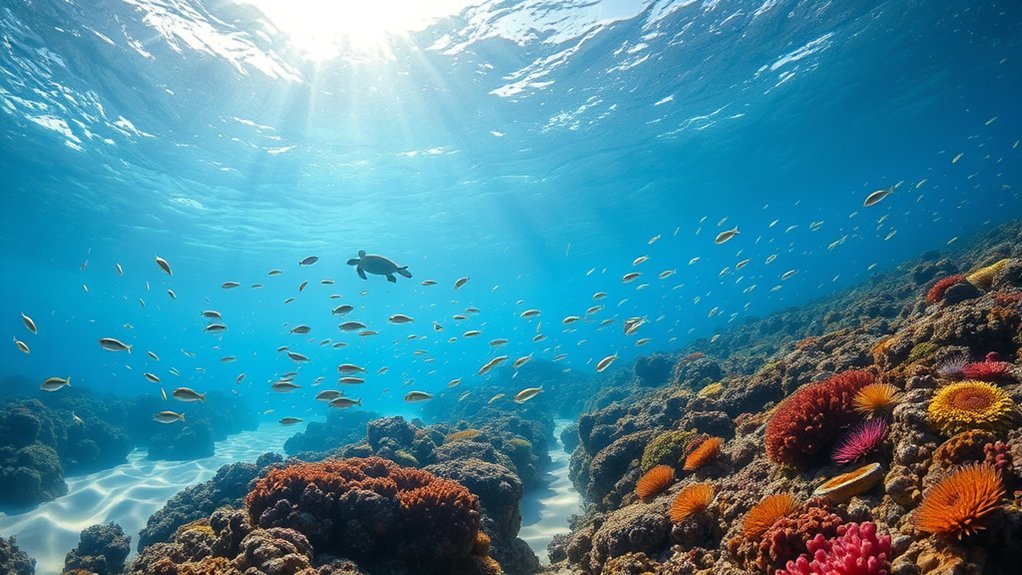
Kaiona’s nearshore environment includes sand, rock, reef material, and the Pāhonu enclosure. On a clear day, snorkelers may see small reef fish and other marine life. Hawaiian green sea turtles, or honu, are also possible, but no species or encounter can be guaranteed.
Visibility can change with wind, waves, tide, runoff, and activity in the water. A quiet morning may provide better conditions than a windy afternoon, but the actual water matters more than the time on the clock.
Products Worth Considering


Reef and Rocky Habitat
Rocky and reef areas provide shelter and feeding habitat for marine organisms. Possible sightings may include:
- Parrotfish, butterflyfish, surgeonfish, and other common Hawaiian reef fish
- Reef triggerfish, including the humuhumunukunukuāpuaʻa
- Small invertebrates around rocks and crevices
- Honu passing through or feeding in suitable habitat
These are possibilities rather than a checklist. Do not pursue an animal to force a closer look, and do not put your hands into holes or crevices.
Diverse Fish Species
The mixture of sandy bottom, rock, and reef can support different types of fish. Sandy stretches may look empty at first, while fish often gather near structure, algae, and protected spaces. Move slowly, keep your fins away from the bottom, and allow fish to continue their normal behavior.
Never feed fish. Feeding changes natural behavior, can attract animals unnaturally close to people, and can damage the balance of reef ecosystems.
Seasonal Wildlife Encounters
Honu may appear around Hawaiʻi during any season, so they should not be described as making a predictable migration through Kaiona Beach Park. Humpback whales are the clearer seasonal wildlife opportunity. They may be visible offshore during Hawaiʻi’s whale season, generally from November through May, although the nearby Makapuʻu Point lookouts provide a better elevated viewing location.
Wildlife Warning: NOAA recommends staying at least 10 feet from Hawaiian sea turtles on land and in the water. Never touch, chase, surround, ride, block, or feed a turtle. Back away calmly if an animal approaches you.
Snorkeling Fun: What You May See and How to Prepare
Snorkeling at Kaiona Beach Park can be worthwhile when the water is calm, clear, and free of advisories. It is not an all-conditions snorkeling site, and it should not be promoted as a guaranteed beginner location. Windward Oʻahu weather can produce chop, clouds, rain, and changing visibility even when the beach looked calm earlier.
Products Worth Considering

🐬【Leak-Proof Air Valve Design】: Turn the blow air valve one full rotation, then press and hold it, just blow in an appropriate amount of air. Finally, rotate the valve lid back into place, it will lock automatically to prevent air leaks. Note: If you are unable to press the valve to inflate, please rotate the valve lid first

COMFORT AND STYLE: Proudly designed in the USA for recreational activities, our snorkel vests are constructed from durable premium materials and rigorously regulated production processes to ensure the highest quality of our products. With our snorkeling vest device, you can achieve perfect buoyancy and look great at the same time. This snorkel float is ideal for any leisure water activity, including snorkeling, swimming, paddle boarding, sea kayaking, and other low-impact water sports
COMFORT AND STYLE: Proudly designed in the USA for recreational activities, our snorkel vests are constructed from durable premium materials and rigorously regulated production processes to ensure the highest quality of our products. With our snorkeling vest device, you can achieve perfect buoyancy and look great at the same time. This snorkel float is ideal for any leisure water activity, including snorkeling, swimming, paddle boarding, sea kayaking, and other low-impact water sports
When Snorkeling Conditions Are Best
Choose a day with small surf, manageable wind, good visibility, and no posted warning or water-quality advisory. Many visitors prefer arriving in the morning because parking may be easier and winds may be lighter, but morning conditions are not automatically safe.
Before entering, spend several minutes watching the water. Look for current movement, waves breaking over reef, floating debris, cloudy runoff, and a safe place to exit. Do not enter simply because other people are already swimming.
Who Should Snorkel Here?
Confident swimmers who can remain calm, clear a snorkel, manage fins, and return to shore without assistance are best prepared. Beginners should remain close to shore with an experienced partner. Children should snorkel only with direct adult supervision and in conditions suited to their ability.
A flotation belt or vest may add buoyancy, but it does not replace swimming skill, supervision, or good judgment. Never snorkel alone.
Snorkeling Checklist
- A mask that seals comfortably without excessive tightening
- A snorkel that is easy to clear
- Properly fitting fins
- A rash guard or other protective clothing
- Water-resistant sun protection
- A buddy who remains within sight and communication range
- A known entry and exit point
- Fresh drinking water for after the swim
Check Before Entering: Review Hawaiʻi Ocean Safety information and the Hawaiʻi Department of Health water-quality advisories. Stay out of brown, unusually cloudy, foul-smelling, or advisory-covered water.
Reef and Wildlife Etiquette
- Do not stand, sit, or walk on living coral.
- Keep your fins raised so they do not strike coral or stir sediment.
- Do not collect shells that contain animals or remove reef material.
- Keep at least 10 feet from honu and give all wildlife an open route to move away.
- Never feed fish or turtles.
- Pack out fishing line, plastic, and food waste.
- Choose sunscreen by checking the active ingredients rather than relying only on an unregulated “reef-safe” label.
Hawaiʻi DLNR advises avoiding sunscreens containing oxybenzone or octinoxate and recommends combining appropriate sunscreen with rash guards or other protective clothing. Mineral filters such as zinc oxide or titanium dioxide are commonly recommended, but no sunscreen should be treated as harmless if it is overused or washed directly into the water.
The best snorkeling day is not the day that fits your schedule. It is the day when the water, weather, visibility, and your group’s ability all fit the activity.
Dining and Hiking Near Kaiona Beach Park
Kaiona Beach Park does not need to be your only stop in the area. Waimānalo has casual food choices, and the southeastern coast offers scenic walks and hikes. Check each business or park page before leaving because hours and temporary closures can change.
Products Worth Considering
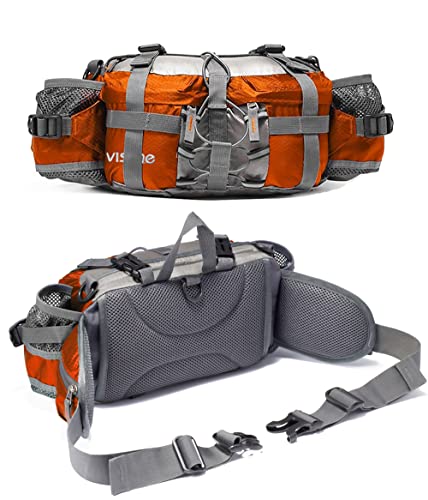
✅3 WAYS TO CARRY — WAIST, SLING OR BACKPACK Features detachable shoulder and backpack straps to switch carry styles anytime. Keep your hands free for day hikes, hunting, beach trips, fishing and travel.

Extra Shoe Bag & Wet Pocket: Large carry on backpack for women includes a bonus shoe bag to keep shoes separate from clothes and prevent dirt from spreading in your bag. The wet pocket of suitcase backpack for travel is ideal for storing swimsuits, toiletries, helping keep the rest of your items dry. The thoughtful design makes the travel laptop backpack for women perfect for travel, everyday use

【Ultra-Lightweight Daily Carry】Weighing just 0.18kg, this sling bag is lighter than half a water bottle, ensuring zero burden for all-day comfort during commutes or travel.
Nearby Food Options
- Kalapawai Market in Waimānalo: A convenient option for breakfast, sandwiches, prepared food, drinks, or picnic supplies.
- Hawaiian Island Cafe: A local Waimānalo cafe serving breakfast, plate lunches, sandwiches, and other casual dishes.
- Kono’s Northshore: Known for slow-roasted pork dishes, but the nearest listed branch is in Kailua rather than beside Kaiona Beach Park.
Buying food before reaching the beach can save you from giving up a parking space. Keep food secured, do not feed birds or marine animals, and remove every item you bring into the park.
Nearby Hikes and Walks
Makapuʻu Point Lighthouse Trail is a paved, two-mile round-trip route with roughly 500 feet of elevation gain. The official trail is rated moderate and is exposed to sun, heat, and wind. Bring plenty of water. The lighthouse itself is off-limits.
Do not attempt to reach the informal Makapuʻu tide pools. Hawaiʻi State Parks identifies that area as closed and dangerous because unpredictable waves have swept people into the ocean.
Koko Crater Botanical Garden offers a quieter dryland-plant walk featuring cacti, succulents, plumeria, palms, and native plants. Trails are unpaved, and facilities are limited, so bring water and wear suitable shoes.
Frequently Asked Questions
What does Kaiona mean in Hawaiian?
The reviewed cultural sources do not support “the sound of the sea” as the meaning of Kaiona. Hawaiian traditions associate Kaiona with guiding travelers and helping people find their way. She is described as a benevolent goddess connected with Kaʻala and the Waiʻanae Mountains.
Is Kaiona Beach good for snorkeling?
It can be good for snorkeling on a calm, clear day. The area includes sandy, rocky, and reef habitat where you may see reef fish or honu. Visibility and water movement vary, so check current conditions and do not expect guaranteed wildlife sightings.
Where should you park for Kaiona Beach?
Use the small public parking area at the park entrance beside Kalanianaʻole Highway. Arrive early, park only in legal spaces, avoid blocking homes or driveways, and use established beach access rather than making an unnecessary highway crossing.
Can you snorkel at Waimānalo Beach?
Snorkeling is possible along parts of the Waimānalo coast, but conditions and underwater habitat differ from one section to another. Kaiona has more rocky and enclosed habitat than long open stretches of sandy beach. Choose the exact location according to current water conditions and your ability.
Does Kaiona Beach Park have a lifeguard?
Do not assume a dedicated lifeguard will be present. Check signs when you arrive and make your own conservative decision based on surf, wind, visibility, swimmer ability, and supervision. When in doubt, stay out of the water.
Is Kaiona Beach Park suitable for young children?
It may be suitable on calm days when an adult remains beside the child in shallow water. Pāhonu is not a controlled pool, and its rocks, footing, depth, waves, and water movement can change. Leave the water as soon as conditions become uncomfortable.
Are sea turtles guaranteed at Kaiona Beach?
No. Honu may pass through or feed in suitable habitat, but sightings are never guaranteed. When you see one, remain at least 10 feet away, do not touch or follow it, and keep its route through the water open.
Conclusion
Kaiona Beach Park can be a peaceful stop for families, picnickers, and calm-day snorkelers who arrive prepared. Its appeal comes from the Waimānalo scenery, the historic Pāhonu enclosure, and the chance to observe nearshore marine life. Keep expectations realistic, check conditions before entering the ocean, protect the reef, give wildlife space, and treat the cultural features with respect.
Sources
- Hawaiʻi Ocean Safety — current ocean-safety guidance and links to beach-condition information.
- Hawaiʻi Department of Health Beach Monitoring Program — heavy-rain, brown-water, bacteria, and public-advisory guidance.
- NOAA Fisheries: Viewing Marine Wildlife in Hawaiʻi — turtle-viewing distance and responsible wildlife behavior.
- Hawaiʻi DLNR: Hawaiʻi’s Coral Reefs — coral protection, fin awareness, pollution prevention, and sunscreen guidance.
- Hawaiʻi DLNR: Kaiona and Kaʻala Cultural Tradition — Kaiona’s association with Kaʻala and her role as a guide for travelers.
- Hawaiʻi DLNR Fishpond Records — official recognition of Pāhonu as a fishpond site in Waimānalo.
