
Last Updated on September 11, 2026 by Logan Reeves
You want venison that is tender, flavorful, and not dry. Because venison is leaner than beef, how you apply heat matters more than with fattier cuts, and choosing the right approach will help you retain moisture and highlight the meat’s natural flavor.
This article helps you weigh ultra-high heat searing against gentler methods so you can cook venison with more confidence and better results.
Disclosure: As an Amazon Associate I earn from qualifying purchases. Some links on this page are affiliate links, at no extra cost to you.
Top Picks
|
Category |
Product |
Score |
|---|---|---|
|
🚀 Best for Bold Flavor |
93/100 |
|
|
💰 Best Bulk Value |
89/100 |
|
|
⭐ Best for Beefy Rubs |
90/100 |
|
|
🔬 Best Temperature Tool |
92/100 |
Selection Criteria
You need clear, practical reasons to pick a technique or tool, so we prioritized factors that directly affect venison outcomes: heat control and accuracy, smoke point and flavor contribution of fats and oils, seasoning compatibility with game flavors, and value for the quantity you use. We also weighed ease of use in a home kitchen because consistent results often come down to predictable tools and simple methods you can repeat.
La Tourangelle Peanut
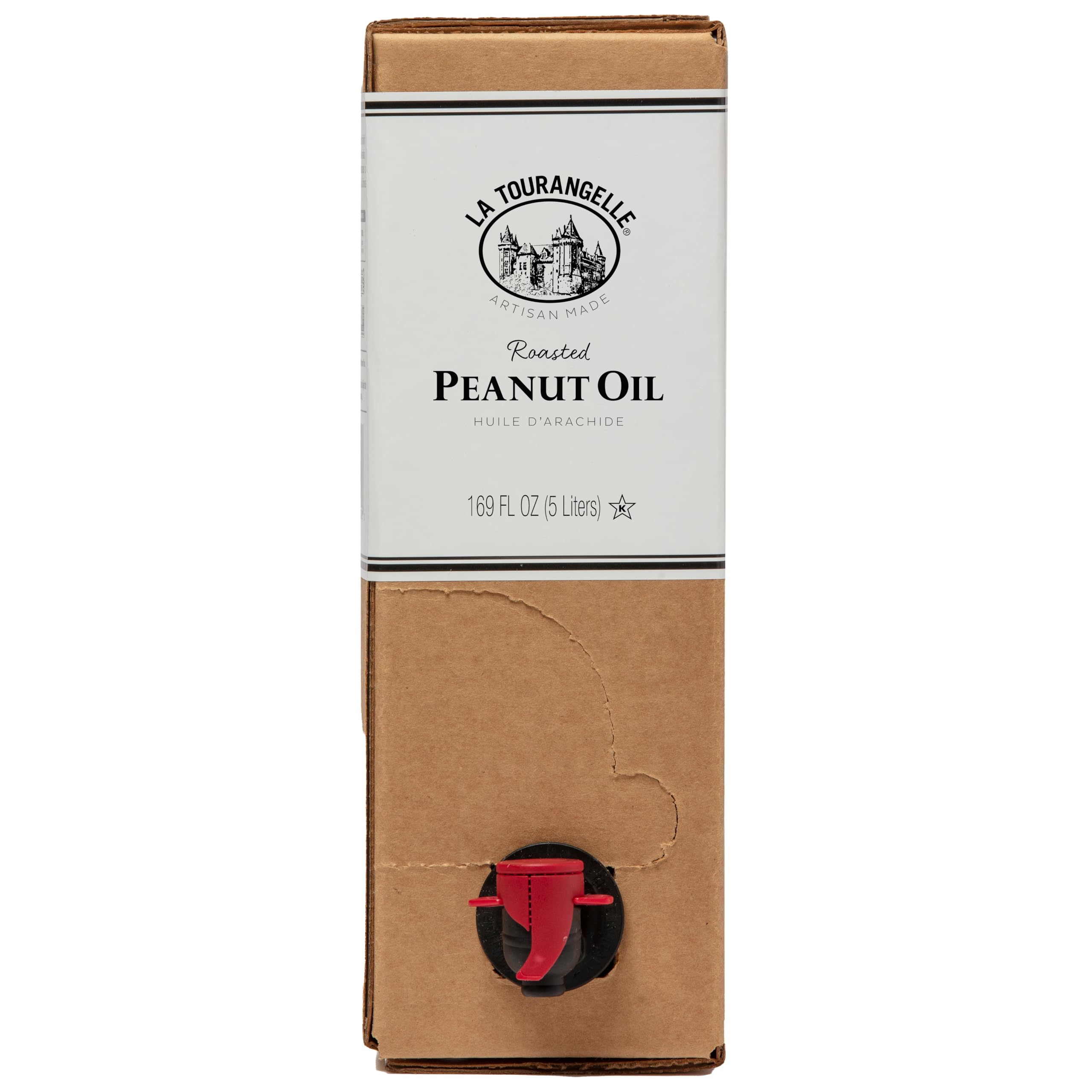
You get a richly aromatic roasted peanut oil that brings a toasty, slightly smoky note to the pan. It’s expeller-pressed and unrefined, so the flavor is more pronounced than neutral frying oils, and the medium-high smoke point makes it useful for searing, stir-fries, and higher-heat finishing.
The 169 fl oz format is geared toward serious home cooks or shared kitchens, so you won’t run out quickly if you use it often. If you want to boost the aroma on venison sears or add a nutty backbone to Asian-style sauces, use it sparingly to complement the meat rather than overpower it. Remember to note peanut as an allergen when cooking for others.
What People Say
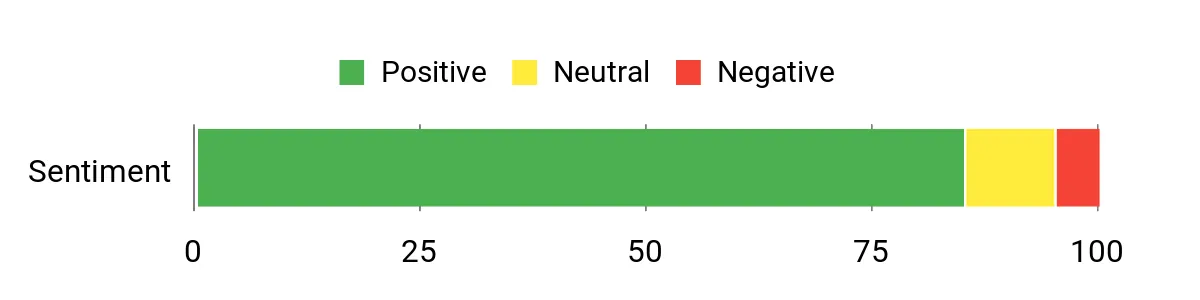
Customers consistently praise the deep roasted aroma and flavor, saying it transforms stir-fries and some sweet-leaning dishes. Reviewers also note the product’s versatility across cooking applications and appreciate the large container for frequent use, while a minority mention occasional shipping damage to the can.
Overall Sentiment: Positive
How It Helps
|
Situation |
How It Helps |
|---|---|
|
High-Heat Searing |
You can get a fast, flavorful crust on venison with its medium-high smoke point while adding a subtle roasted note that boosts savory depth. |
|
Stir-Fries and Asian Dishes |
The toasted peanut aroma enhances wok flavors and pairs well with soy and aromatics, making quick stir-fries more layered and interesting. |
|
Baking and Sweet Applications |
When you want a nutty undertone in baked goods or desserts, a small amount adds complexity without needing specialty ingredients. |
|
Batch Cooking or Shared Kitchens |
The large 169 fl oz format keeps you stocked for repeated use, so you can rely on consistent flavor across multiple meals. |
Versatility
You’ll find it versatile for many cuisines that welcome nutty, roasted flavors, especially Asian and fusion dishes. It is less suitable as a straight substitute for olive oil in classic Italian applications, so you’ll want to choose it deliberately based on the flavor profile you want to highlight.
Key Benefits
- Distinct roasted-peanut aroma that elevates stir-fries and finishes
- Medium-high smoke point suitable for searing and frying
- Unrefined, small-batch production preserves flavor complexity
- Large-format container for frequent use or shared kitchens
Rating: 4.7 (total: 2325+)
Kevala Sunflower
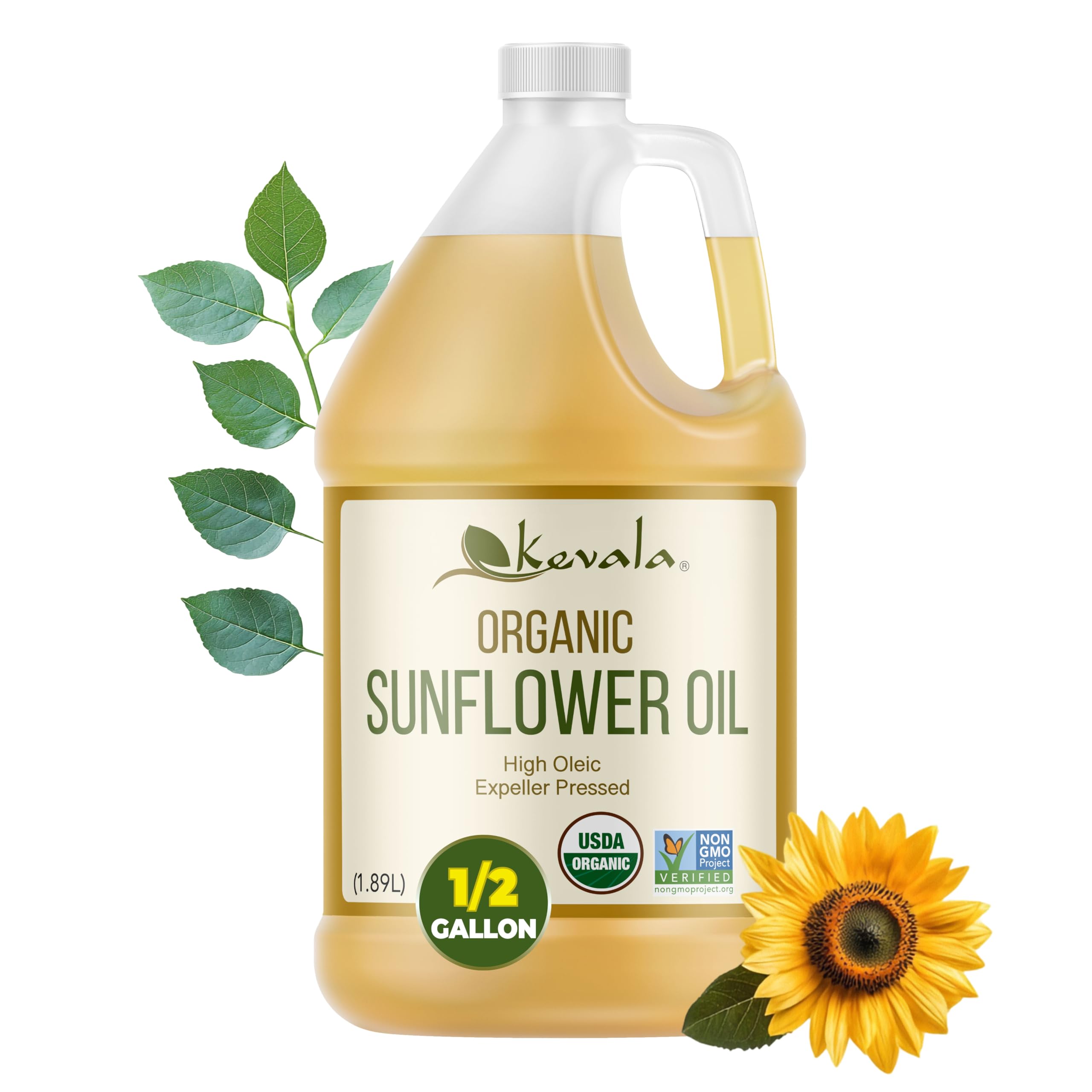
You’ll find this Kevala sunflower oil is a dependable, mild-flavored option when you want the meat to shine. The refined profile keeps aroma low, so it won’t compete with venison’s delicate flavor, and the vitamin E content gives it a nice shelf stability.
The 64 fl oz can is practical if you cook often or batch-prepare meals, and because it’s free from peanuts and tree nuts you can use it confidently when cooking for others. Use it for searing when you want neutral heat, for marinades that need a carrier oil, or in baking when a subtle fat is required.
What People Say
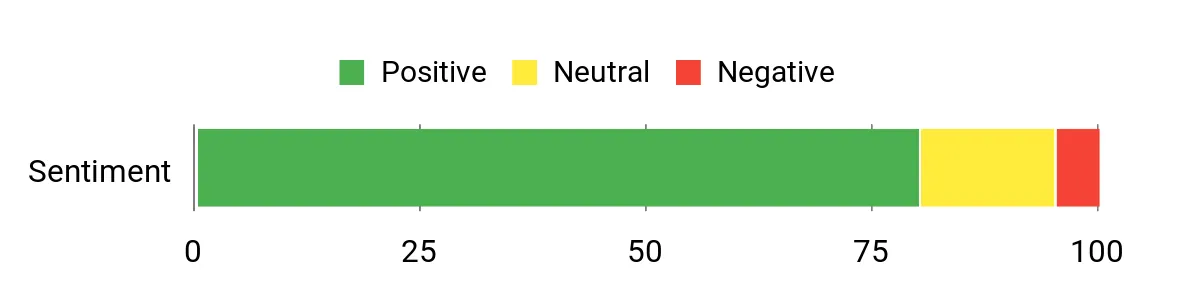
Customers frequently praise the oil’s subtle flavor and reliability, noting it’s fresh and works well across many recipes. Reviewers also appreciate the container arriving in good condition and mention its usefulness for non-food projects like soapmaking, while several people highlight the value of a neutral oil that doesn’t overpower dishes.
Overall Sentiment: Positive
How It Helps
|
Situation |
How It Helps |
|---|---|
|
High-Heat Searing |
You get steady, neutral heat that lets you sear venison without adding competing flavors, so the crust develops while the meat’s taste remains central. |
|
Marinades & Basting |
Use it as a flavor carrier that spreads herbs and aromatics evenly over the meat without masking subtle game notes. |
|
Baking & Neutral Recipes |
It provides a faint, unobtrusive fat that keeps baked goods moist and lets other ingredients stand out. |
|
Allergy-Safe Cooking |
Because it’s free from peanuts and tree nuts, you can confidently cook for guests with nut sensitivities without reaching for a specialty oil. |
Versatility
You can rely on it for a wide range of dishes where neutrality matters, from frying and searing to baking and dressings. It’s less useful when you want a pronounced flavor layer, in which case a toasted or flavored oil would be a better match.
Key Benefits
- Mild, neutral flavor that preserves venison’s natural taste
- Refined for stable performance at higher cooking temperatures
- Good source of vitamin E for freshness and stability
- Peanut and tree-nut free, safer for allergy-sensitive cooking
- Large 64 fl oz can for regular use or batch cooking
Rating: 4.7 (total: 963+)
Fire & Smoke Rub
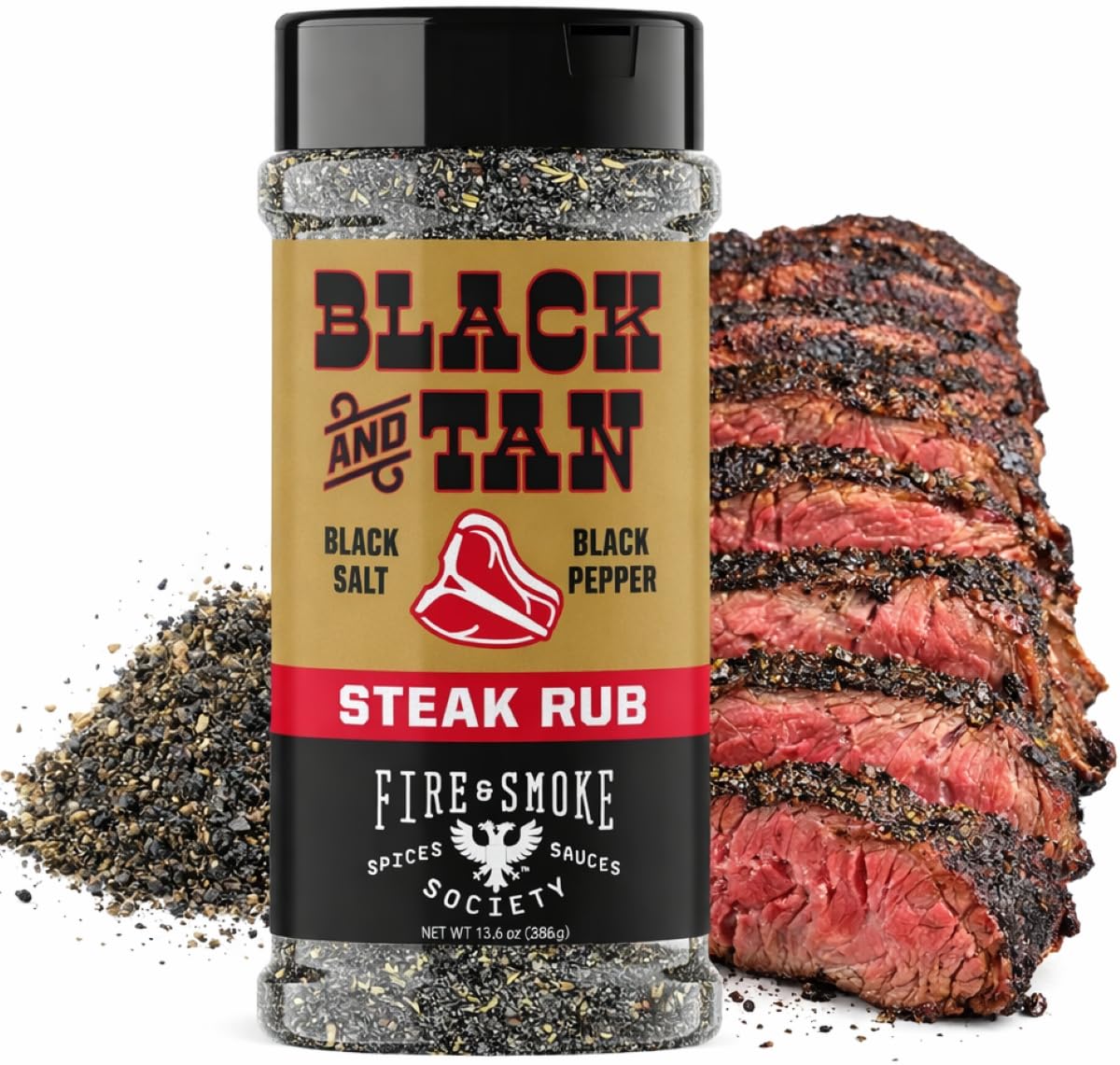
You get a bold, beef-forward rub that’s built to create a strong bark and lift grilled or smoked meats. The blend leans on black salt, charcoal, and rosemary to add depth rather than just heat, so it’s a good match when you want a pronounced crust on venison or beef.
It’s hearty enough for weekend smokers yet easy to use for weeknight steaks, and a light hand lets you tailor the saltiness. If you want a single seasoning that works across grilling, smoking, and roasting, this one is a reliable choice.
What People Say
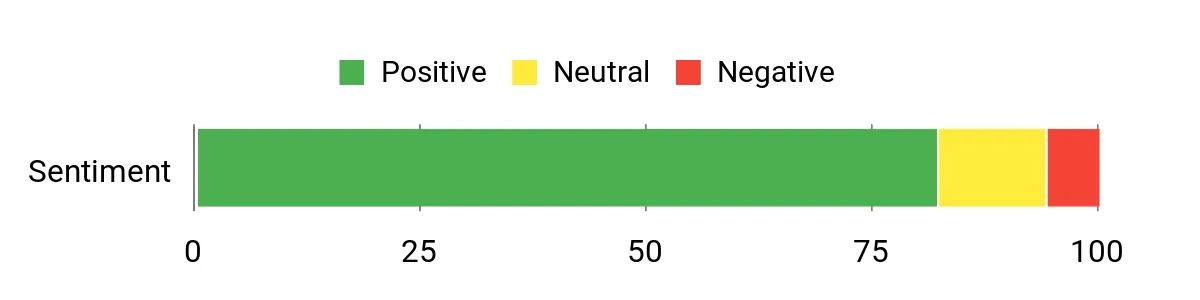
Customers commonly highlight the rub’s powerful flavor and its ability to produce a great crust on steaks and brisket. Many praise the herbal lift from rosemary and the unique color and texture from black salt and charcoal, while a few advise moderating use because the blend can read salty on sensitive palates.
Overall Sentiment: Positive
How It Helps
|
Situation |
How It Helps |
|---|---|
|
Grilling Steaks |
You’ll get a deep, savory crust quickly, so pan or grill sears become more flavorful with minimal effort. |
|
Smoking Brisket |
The charcoal and black salt help form a pronounced bark that stands up to long smoke times, improving texture and presentation. |
|
Roasted Vegetables & Sides |
A light sprinkle adds savory complexity to roasted potatoes and green beans without needing extra sauces. |
|
Finishing and Snacks |
Use sparingly on smoked cheeses or roasted nuts to introduce a savory, smoky accent without overwhelming the base flavors. |
Versatility
This rub is best when you want assertive, savory results: beef, game, and smoked items shine. It’s adaptable to vegetables and unconventional uses, but you should dial back quantity for lighter proteins or dishes where subtlety matters.
Key Benefits
- Delivers a strong bark and savory crust on grilled or smoked meats
- Rosmary and spice notes add complexity beyond simple salt and pepper
- Versatile across beef cuts and other proteins, plus some sides
- Generous jar size for frequent grilling sessions
Rating: 4.7 (total: 724+)
Etekcity Thermometer

You get a compact, no-nonsense infrared gun that reads surface temperatures in seconds, which is handy for skillet, griddle, and pizza stone checks when you’re cooking venison. The wide range and adjustable emissivity make it flexible across high-heat surfaces, and the quick response helps you stabilize pan heat before searing.
It’s pocketable and simple to use, so it fits into both weeknight routines and more deliberate cook sessions. Keep in mind it measures surface temperature, so pair it with a probe if you want to track internal doneness.
What People Say
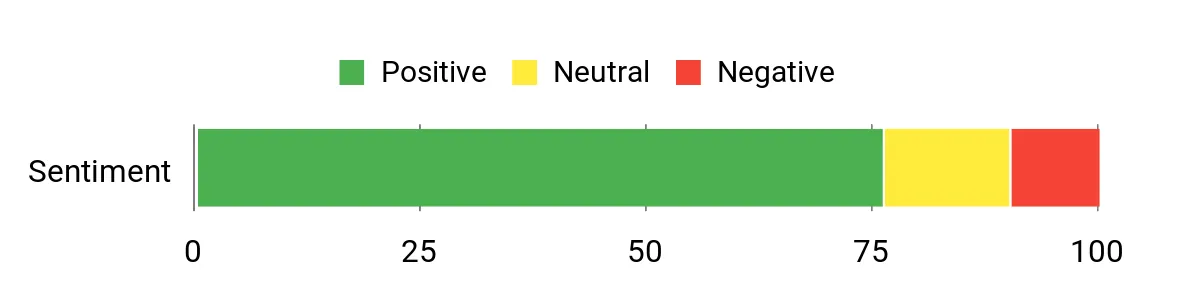
Reviewers often point to how easy it is to use and appreciate the speed of readings for cooking tasks like checking skillet or oven surfaces. Many find the accuracy good enough for culinary use, though some call out variability on reflective or very dark surfaces due to emissivity. The included batteries and long service life are frequently noted, while a minority mention the plastic feel of the housing.
Overall Sentiment: Positive
How It Helps
|
Situation |
How It Helps |
|---|---|
|
Preheating Skillet |
You can confirm the pan surface is at searing temperature before the meat hits the pan, which prevents overshoot and helps achieve a consistent crust. |
|
Searing Venison |
Use it to monitor surface temp so you get a quick, even sear without guessing, allowing you to focus on timing rather than trial-and-error. |
|
Pizza Stone & Oven |
You can check stone and oven surfaces to ensure consistent heat for fast, high-temperature bakes. |
|
Grill Maintenance |
You’ll be able to map hot and cool zones on the grate, which helps you position cuts for direct or indirect heat more confidently. |
Versatility
You’ll find it useful across kitchen and household needs, from stovetop and grill work to HVAC checks and hobby projects. It’s not a substitute for an internal probe thermometer for meat doneness, but as a surface tool it speeds up consistency and repeatability in your searing and preheating steps.
Key Benefits
- Fast, non-contact surface readings for pans, grills, and stones
- Very wide temperature range up to 1130°F for high-heat cooking
- Adjustable emissivity improves accuracy across materials
- Simple controls and included batteries for immediate use
- Portable and useful beyond the kitchen for many home tasks
Rating: 4.6 (total: 48043+)
FAQ
Is Ultra-High Heat The Best Way To Cook Venison?
Ultra-high heat can help you get a beautiful crust on thin cuts, but it is not a one-size-fits-all solution for venison. Because the meat is lean, a very hot pan will quickly build color while the interior can go from perfect to dry in moments.
For thicker steaks or roasts you’ll usually get better results by controlling the internal temperature with gentler heat or using a reverse sear so you keep moisture and still finish with a crisp exterior.
What Temperature Should I Sear Or Cook Venison At?
For searing aim to get your pan or grill surface very hot so it can brown quickly, typically in the 400–500°F range, and use an infrared gun to confirm surface temperature before the meat hits the pan. Target an internal doneness of about 125°F (52°C)
What Oils And Seasonings Work Best With Venison?
Choose oils and seasonings based on whether you want the meat to shine or to add another flavor layer. If you want a neutral carrier that won’t compete with the game, a refined sunflower oil works well; if you want a toasty accent, a small amount of roasted peanut oil brings a nutty aroma but remember to warn diners about peanuts. For seasoning, a robust beef-style rub gives you a great bark on the outside, but be mindful of salt levels and use less on lean venison to avoid masking the natural flavor.
Customer Preferences
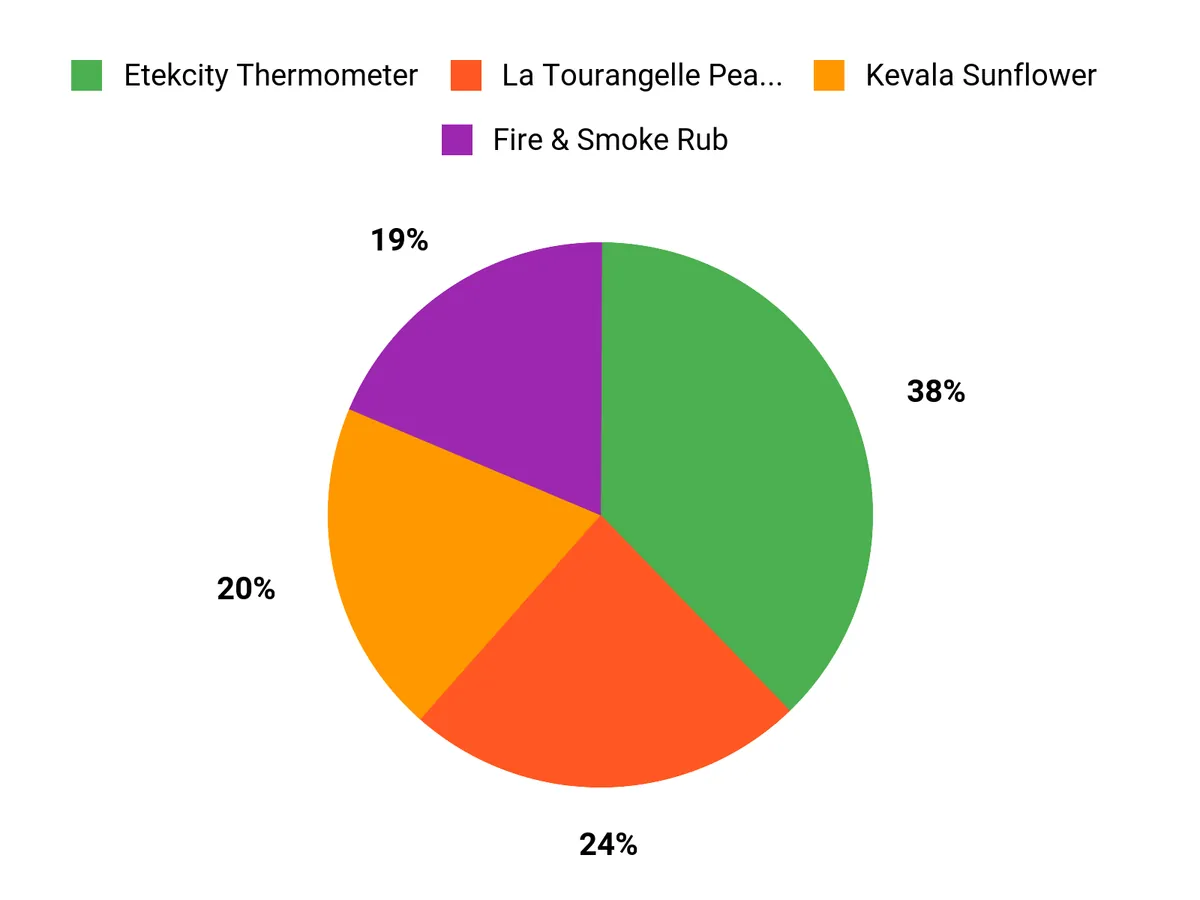
When choosing between La Tourangelle Peanut, Kevala Sunflower, and Fire & Smoke Rub, you typically prioritize whether you want to add a distinct flavor, keep the cooking fat neutral, or build an assertive seasoning profile. If you want a nutty aroma to enhance a quick sear you lean toward the roasted peanut oil, for steady high-heat performance without competing flavors you pick the refined sunflower oil, and when a deep bark and savory complexity matter you reach for the steak rub, while also weighing container size and allergen considerations.
Wrapping Up
You do not always need ultra-high heat to make venison taste great. For thin cuts or quick sears, a high-heat finish can create a flavorful crust, but you must control time carefully to avoid overcooking. For thicker steaks or roasts, use moderate heat and finish with a hot sear or employ a reverse-sear to keep the interior juicy while still developing a crust.
Choosing the right fat and seasoning matters: use a flavorful oil sparingly to add aroma, choose a neutral oil when you want the meat to shine, and apply a beef-focused rub to complement the game. Finally, rely on a reliable infrared or probe thermometer so you can stop guessing and start cooking to the exact doneness you prefer.
| Product Name | Image | Rating | Recommended Uses | Diet Type | Flavor | Container Type |
|---|---|---|---|---|---|---|
| La Tourangelle, Roasted Peanut Oil |
|
4.7/5 (2,325 reviews) |
|
|
Roasted Peanut | Can |
| Kevala Organic Sunflower Oil |
|
4.7/5 (963 reviews) |
|
|
Mild | Can |
| Fire & Smoke Society Black & Tan Steak Seasoning Blend |
|
4.7/5 (724 reviews) |
|
|
Black & Tan | Bottle |
| Etekcity Infrared Thermometer Laser Temperature Gun |
|
4.6/5 (48,043 reviews) |
|
|
N/A | N/A |
This Roundup is reader-supported. When you click through links we may earn a referral commission on qualifying purchases.
