
Last Updated on July 26, 2026 by Daniel Globe
Spirit Airlines has carved a unique niche in the air travel industry by pioneering ultra-low-cost carrier (ULCC) travel across the United States, Latin America, and the Caribbean. Operating primarily with a modern fleet of fuel-efficient Airbus A320 family aircraft, Spirit delivers extremely low base fares by unbundling standard flight amenities. Passengers pay only for the individual services they select—such as carry-on bags, seat assignments, and onboard refreshments—making it a popular option for price-conscious travelers who prioritize low ticket costs over extra frills.
Quick Answer
Spirit Airlines is worth flying if you are traveling light on short direct flights and prioritize low ticket costs. While base fares are among the lowest available, fees for carry-on luggage, checked bags, and seat selection add up quickly. Packing inside a personal item and booking bags in advance ensures maximum overall savings.
Key Takeaways
- Unbundled Pricing Model: Spirit provides ultra-low base ticket prices, charging separately for bags, seat selection, and refreshments.
- Strict Personal Item Rules: One personal item (18 x 14 x 8 inches) is included for free; carry-on and checked bags incur additional charges.
- Minimalist Cabin Interior: Standard slimline seats feature 28 inches of legroom pitch; upgrading to a “Big Front Seat” offers business-class space without the frills.
- Updated Policies: Spirit has removed change and cancellation fees on standard bookings and introduced bundled options like “Go Big” and “Go Comfy.”
Cost of Spirit Airlines Flights
One of the most appealing aspects of flying with Spirit Airlines is its aggressive pricing structure. The carrier consistently ranks among the lowest in terms of base fares, making it an attractive choice for travelers looking to stretch their travel budget. For example, short-haul routes such as Los Angeles to Las Vegas or Orlando to Atlanta can often be booked for remarkably low ticket prices when reserved well in advance.
However, Spirit’s unbundled à la carte pricing model means that the initial ticket cost covers only your transportation from point A to point B. Services that traditional carriers bundle into the ticket price—such as carry-on bags, advance seat selection, priority boarding, and inflight drinks—are sold separately. Travelers who fail to factor these additional costs into their overall budget may find their total travel expense approaching that of a legacy carrier.
Products Worth Considering

High Quality Material: This carry on bag is made of waterproof and tear-resistant polyester, upgraded with thick lining to avoid any ripping or breaking during trips.Featured with high quality 2 way zippers,it guarantees the long lasting

Save Your Carry on Charges - Bag size 17.7 x 12.6 x 6.3 inch fits personal item size 18 x 14 x 8 inch of Frontier Airlines, which can be placed under seat and no need to pay carry-on. 25L main compartment holds all your travel items for 4-5 days clothing and shoes
Baggage Fees and Policies
 "Is Spirit Airlines Worth It?")
Baggage fees are a critical component of Spirit Airlines’ operational strategy and can significantly influence the final cost of your trip. Spirit allows every passenger to bring one personal item free of charge, provided it fits entirely under the seat in front of you within the maximum dimensions of 18 x 14 x 8 inches (45 x 35 x 20 cm).
Any bag that exceeds these dimensions or must be placed in the overhead bin is classified as a carry-on or checked bag and incurs a fee. Baggage pricing operates on a dynamic tier system: paying for luggage during initial online booking is significantly cheaper than adding bags during online check-in, at the airport counter, or at the boarding gate.
Pro Tip: Always pay for carry-on or checked bags at the time of initial flight booking. Baggage fees increase substantially when added at online check-in and reach maximum penalty rates at the airport gate.
Standard checked baggage fees cover items up to 40 lbs (18.1 kg), which is lower than the typical 50 lb limit enforced by legacy U.S. carriers. Overweight bags incur hefty additional surcharges, making it vital for travelers to weigh their luggage before heading to the airport.
Products Worth Considering
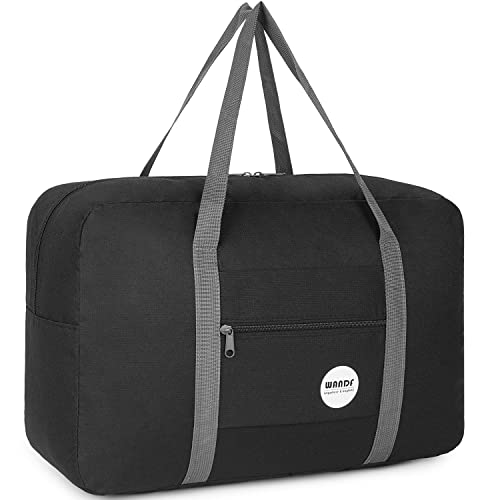
SAVE ON YOUR CARRY-ON CHARGES - This travel bag measures 17.7 x 12.6 x 6.3 inches, making it the perfect fit for the 18 x 14 x 8-inch personal item size requirements of Spirit Airlines and Frontier Airlines. It can be placed under the seat to help you avoid oversize charges.

Premium Material: Spirit airline personal item bag is made of waterproof, tear-resistant polyester with reinforced stitching to avoid tearing or breaking while traveling. The travel bag comes with a smooth and sturdy two-way zipper.

【Save On Carry-On Fees】Sized 18 × 13.5 × 8 inches, this personal item travel bag meets the Spirit and Frontier Airlines limit perfectly. It slides easily under the seat, helping you avoid baggage fees while keeping your essentials within reach throughout your journey.
Seat Comfort and Legroom
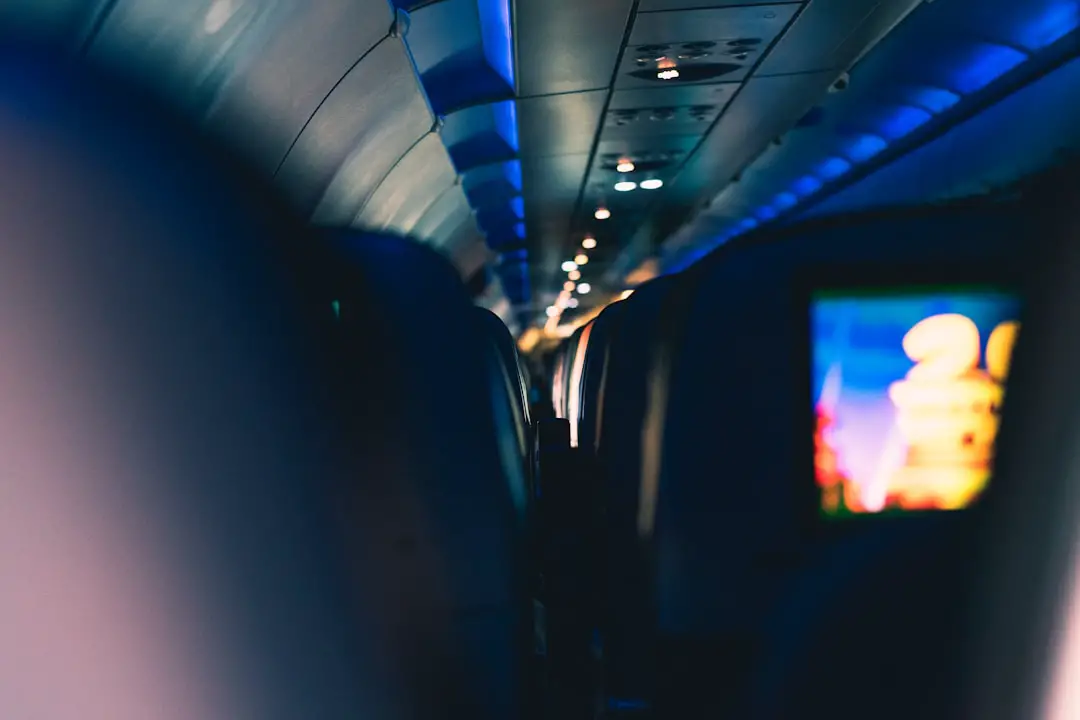
When it comes to seating, Spirit Airlines utilizes a space-maximizing interior layout. Standard seats are designed with lightweight slimline frames and pre-reclined seatbacks, which reduces overall aircraft weight and lowers fuel consumption. However, this design results in minimal cushion padding and a tight pitch (the distance from one seatback to the next) averaging around 28 inches—notably less than the 30 to 32 inches offered by full-service airlines.
| Category | Realistic Rating | Details |
|---|---|---|
| Standard Seat Comfort | 2.5 / 5 | Pre-reclined slimline seats with basic ergonomics. |
| Standard Legroom | 2.5 / 5 | 28-inch average pitch; tight for taller passengers. |
| Seat Cushioning | 2.0 / 5 | Ultra-thin padding optimized for short flights. |
| Big Front Seat Upgrade | 4.5 / 5 | Up to 36 inches of pitch, wider leather seats, and no middle seat. |
For travelers seeking extra comfort, Spirit offers its popular “Big Front Seat” option located in the front rows of the cabin. These oversized seats feature wider leather cushioning, up to 36 inches of legroom, and no middle neighbor. While upgrading to a Big Front Seat adds to the base fare, it often costs significantly less than a domestic first-class ticket on major airlines.
Products Worth Considering
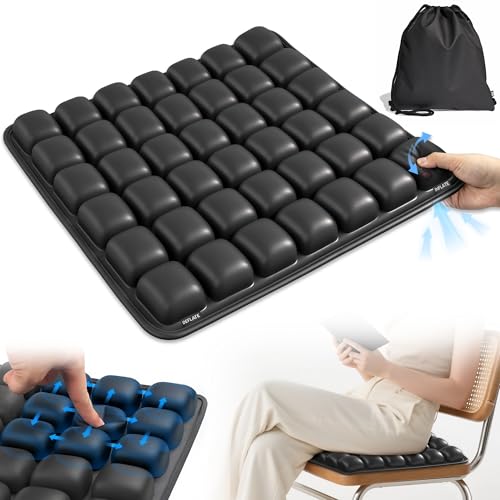
【Upgraded Air Valve Design】This upgraded travel seat cushion is designed for portability,featuring a small air pump embedded inside. Simply press the valve repeatedly to inflate. Compared to the previous model,there's no need to carry an air pump, and this inflatable seat cushion can be folded and stored in the included storage bag,maximizing storage space. After inflation, the air release valve can be opened to adjust the amount of air inside the plane seat cushion.The dual-layer valve design ensures a better seal.Effectively mitigating the fatigue associated with prolonged sitting.

Versatile Comfort Companion: Experience unmatched comfort anywhere with ComfiLife Foldable Seat Cushion, perfect as a travel seat cushion for airplanes, stadium seat cushion, a supportive bleacher cushion for stadium events, and a portable seat pad for outdoor adventures like camping, hiking,picnic and kayaking.
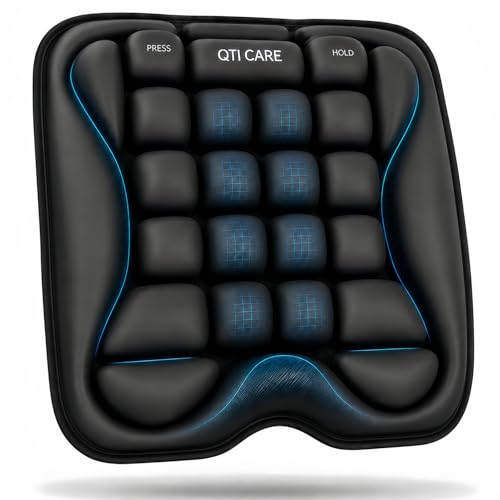
Built for Long Flights: Designed for long hours of sitting on airplane seats, this inflatable travel cushion adds a softer, more supportive layer between you and a firm seat. Ideal for long flights, business trips, vacations, airport waiting areas, and daily commuting.
In-Flight Amenities and Entertainment
In line with its low-cost philosophy, Spirit Airlines does not offer complimentary drinks, snacks, or seatback video screens. All food and beverages must be purchased onboard using a credit or debit card. Passengers can buy bottled water, soft drinks, juices, alcoholic beverages, and a variety of sweet and savory snacks.
For inflight entertainment, travelers are encouraged to bring their own mobile devices, tablets, or laptops preloaded with movies and shows. Spirit has equipped most of its Airbus fleet with high-speed Wi-Fi available for purchase onboard, featuring browsing and streaming tiers suitable for messaging or video playback during flight.
Customer Service and Satisfaction
 "Is Spirit Airlines Worth It?")
Customer service experiences with budget carriers often stem from expectations surrounding unbundled fees. Travelers accustomed to full-service carriers can experience frustration if surprised by baggage or seat charges at the airport. Spirit’s customer support channels primarily operate through digital self-service tools, web chat, and messaging platforms.
Warning: Ensure your personal item strict dimensions do not exceed 18 x 14 x 8 inches. Gate agents rigorously check dimensions before boarding, and oversized personal items are charged full gate baggage fees.
To enhance transparency and flexibility, Spirit updated its booking options to include flexible fare bundles (such as “Go Big” and “Go Comfy”) and eliminated change/cancellation fees on standard ticket categories, making flight adjustments significantly less stressful than in previous years.
On-Time Performance and Reliability
Punctuality is a crucial consideration when booking flights. Historically, Spirit experienced operational challenges during severe weather events due to its point-to-point network layout. However, in recent years, the airline has invested heavily in scheduling reliability, flight management technologies, and ground turnarounds, leading to solid improvements in completion factors and on-time arrival performance across peak travel seasons.
Destinations and Route Options
Spirit operates an extensive flight network connecting major metropolitan areas across North America, Central America, South America, and the Caribbean. Key operational hubs include Fort Lauderdale (FLL), Orlando (MCO), Las Vegas (LAS), Detroit (DTW), and Dallas/Fort Worth (DFW).
Because Spirit prioritizes high-demand leisure routes, flight frequencies can vary. While popular routes run multiple times daily, lesser-traveled city pairs may operate only three or four days a week. Travelers should double-check schedule frequencies when planning time-sensitive trips.
Loyalty Program and Rewards
Spirit operates the Free Spirit loyalty program, designed to reward frequent travelers based on dollars spent rather than miles flown. Members earn points on both flight purchases and optional add-ons, such as baggage and seat selection. Points can be redeemed for reward travel starting at low redemption tiers.
Free Spirit points remain active as long as the account shows eligible activity at least once every 12 months. Holders of co-branded Free Spirit credit cards enjoy extended point validity, priority boarding privileges, and pooling options for families and groups.
Comparison with Other Budget Airlines
When comparing Spirit Airlines to other low-cost carriers like Frontier Airlines or Allegiant Air, the operational philosophies are very similar. All three carriers utilize unbundled pricing models with charges for carry-ons, checked luggage, and advance seat choices. Spirit sets itself apart through its extensive international footprint in Latin America and the Caribbean, as well as its Big Front Seat product.
Is Spirit Airlines Worth It?
Determining whether Spirit Airlines is worth it ultimately comes down to your personal travel priorities. For budget travelers taking short flights with minimal luggage, Spirit provides unmatched value and significant cash savings. However, if you require heavy luggage, preferred seat spacing, and complimentary inflight service, factoring in add-on fees is essential to determine whether Spirit remains the most cost-effective choice.
For more practical travel gear guides to streamline your trips, check out our guide on choosing the best travel razor for light packing.
Frequently Asked Questions
What is Spirit Airlines known for?
Spirit Airlines is best known as an ultra-low-cost carrier providing unbundled, budget-friendly airfare across North America, Latin America, and the Caribbean.
What are common complaints about Spirit Airlines?
Common customer complaints center around add-on fees for carry-on luggage and seat choices, compact legroom in standard seats, and limited inflight entertainment.
Is Spirit Airlines safe to fly with?
Yes. Spirit Airlines complies strictly with all Federal Aviation Administration (FAA) and international aviation safety regulations and maintains a modern Airbus fleet with a strong safety record.
Does Spirit Airlines offer a frequent flyer program?
Yes, Spirit operates the Free Spirit loyalty program, allowing members to earn rewards on flight purchases, baggage fees, and partner spending.
What are the best tips for flying with Spirit Airlines?
Pack light using a personal item (18 x 14 x 8 inches), purchase necessary luggage during initial online booking, check in on mobile, and bring your own drinks and snacks onboard.
Sources
- U.S. Department of Transportation — Consumer information on airline baggage fees and passenger rights.
- Federal Aviation Administration (FAA) — Commercial airline safety oversight and regulatory compliance standards.
- Spirit Airlines Official Website — Operational policies, personal item sizing rules, and Free Spirit loyalty details.
