

Last Updated on July 28, 2026 by Ethan Caldwell
Staying in a hostel is one of the best ways to travel affordably and meet fellow adventurers, but sharing space with strangers means taking proactive steps to protect your belongings. With a few smart security habits — from choosing the right lock to securing your digital data — you can explore with complete peace of mind.
Quick Answer
To keep your valuables safe in a hostel, lock high-value items inside in-room or reception lockers using your own combination padlock. Keep essential cash, cards, and passports on your person in a daypack or hidden body pouch, back up digital files to the cloud, and maintain a low profile in common areas.
Key Takeaways
- Read recent guest reviews specifically filtering for keywords like “locker,” “theft,” or “security.”
- Bring your own solid combination padlock; never rely solely on hostel-provided latches.
- Carry daily essentials in a front-worn daypack or hidden money belt while exploring.
- Back up passports, IDs, and electronics data to encrypted cloud storage before you arrive.
- Avoid displaying expensive jewelry or top-tier tech in crowded communal rooms.
At a Glance
| Time Required | 10 minutes set-up upon arrival |
| Difficulty | Easy / Beginner travel habit |
| Tools Needed | Combination padlock, daypack, money belt, cloud storage access |
| Cost | $10 – $30 for locks & security pouches |
Disclosure: As an Amazon Associate I earn from qualifying purchases. Some links on this page are affiliate links, at no extra cost to you.
Read Hostel Reviews Before Booking
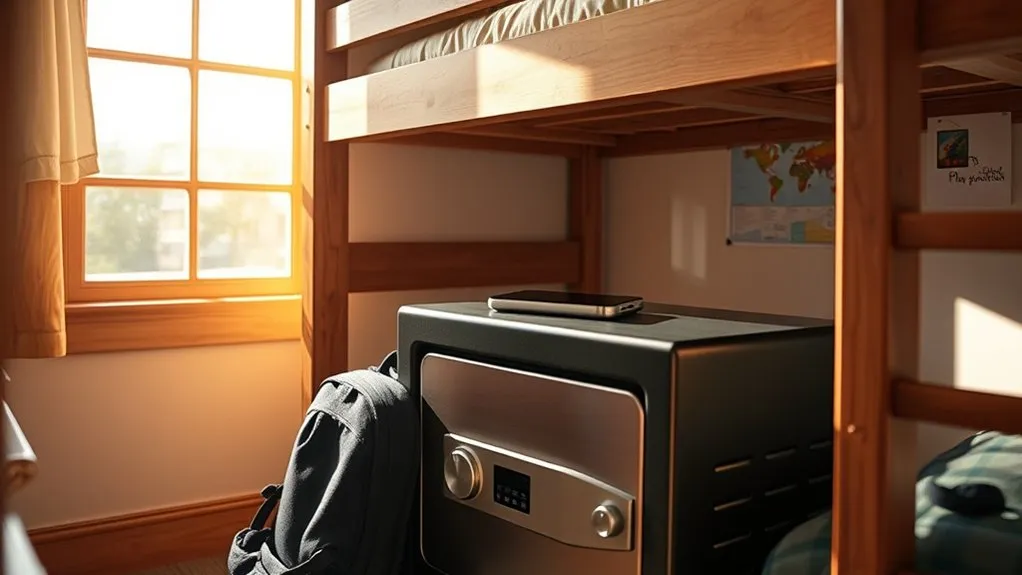
When planning your hostel stay, one of the best ways to gauge safety is by checking recent reviews on platforms like TripAdvisor, Hostelworld, and Google Maps. These insights reveal the hostel’s actual security track record, not just its marketing claims. Pay close attention to any mention of theft incidents — past guests quickly flag dorm room intrusions or broken locker latches.
It also helps to research the surrounding neighborhood. A hostel might be well-run internally but sit in an unlit alleyway or high-crime district. Weigh glowing overall reviews against critical security notes, looking at trends from the past 3 to 6 months rather than a single old review. A property with consistently positive feedback regarding security keycards and staff vigilance is your safest choice.
Choose the Right Dorm Room and Bed Setup
Room selection plays a major role in overall gear safety. Smaller dorms (4 to 6 beds) inherently carry less foot traffic and lower risk than massive 20-bed mega-dorms. Additionally, female-only dorms often offer an extra layer of privacy and security for female solo travelers.
When you check in, inspect your assigned bed location:
- Keycard access: Ensure dorm doors automatically latch and lock behind you.
- Bed position: Bottom bunks near lockers make it easier to keep an eye on your bag during the night.
- Privacy curtains: Curtains hide your belongings from passive viewing while you sleep or organize your daypack.
Use the Lockers
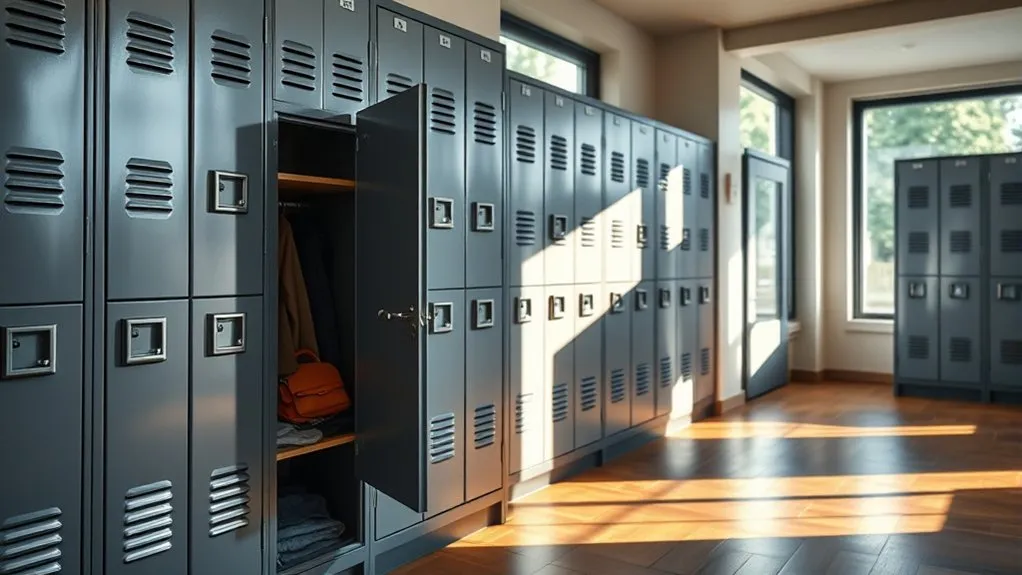
Most reputable hostels provide individual in-room lockers, and using them consistently is your primary defense against theft. Reserve locker space for:
- Laptops and tablets
- Cameras and extra lenses
- Passports, backup credit cards, and cash emergency funds
- Any other high-value electronics or sentimental gear
Keep these high-value items separate from your main clothing bag so they aren’t exposed every time you pull out a pair of socks. If in-room lockers are missing or too small for a full bag, ask reception if they offer locked safe-deposit boxes at the front desk.
Pro Tip: Photograph the contents of your locker before closing it for the day. Having a quick visual inventory with timestamps makes filing an insurance claim or police report significantly faster if a break-in occurs.
Use Padlocks
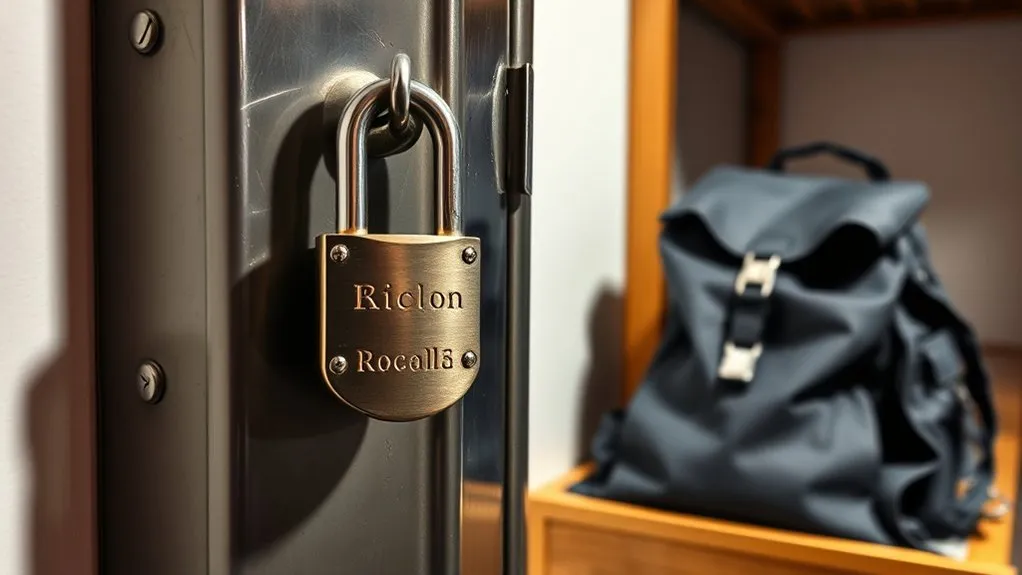
A personal padlock adds a critical layer of protection because many hostels require you to supply your own lock. Bring a sturdy, medium-sized combination lock with a steel shackle. Combination locks eliminate the risk of losing a tiny key while out exploring or swimming.
If a locker isn’t available, use a steel cable lock to tether your main luggage zippers together and anchor the bag frame to a solid bedpost. While not impregnable, creating physical friction makes opportunistic theft far too time-consuming for a casual thief.
“Opportunistic theft in shared dorms relies on quick convenience. Securing your zippers with even a basic lock redirects attention away from your bag.”
Protect Digital Valuables and Data
Physical security is only half the battle — losing your phone or laptop also means losing access to banking apps, flight tickets, and personal photos.
Implement these digital safeguards before leaving home:
- Cloud Backups: Enable automatic daily photo and document backups to Google Drive, iCloud, or Dropbox.
- Enable Remote Tracking & Wiping: Ensure “Find My” (iOS) or “Find My Device” (Android) is active so you can lock or erase devices remotely if stolen.
- Encrypted Passport Copies: Save encrypted digital PDFs of your passport, visa, and insurance policy in your email or cloud account.
- Two-Factor Authentication (2FA) Backups: Carry physical backup codes for your accounts in case your primary phone goes missing.
Take Your Things With You While You Explore
Keeping valuables secure while sightseeing requires constant vigilance. A lightweight daypack worn on your front in crowded areas is your best protection against pickpockets.
Ensure your daily bag includes:
- Passport: Keep it in an internal zippered pocket, or carry an official paper duplicate while keeping the original locked in your hostel locker.
- Wallet & Cards: Carry only the cash and single debit/credit card needed for the day; leave secondary cards locked in the dorm.
- Electronics: Keep your smartphone secured with a wrist lanyard or tucked deep inside your bag when not taking photos.
For maximum security in crowded subways or markets, wear a flat money belt or neck pouch under your shirt to store emergency cash and passport documents directly against your body.
Keep Important Things in Your Pillowcase
While sleeping in a crowded dorm, your pillowcase serves as a clever, zero-cost secondary storage spot for small valuables like your phone, wallet, or passport. Tucking these items inside the underside of your pillow slip ensures that any attempt to slide them out will wake you up immediately.
Note: Treat pillowcase storage purely as a overnight sleep tactic, not a replacement for a locker during the day.
Don’t Show Off Your Valuables
Keeping a low profile in communal travel spaces drastically lowers your risk profile. Disguising expensive gear and avoiding flashy displays keeps you off the radar of potential thieves.
Disguise Expensive Gear
Making high-end technology look less attractive is a simple, effective technique:
- Apply gaffer tape or stickers over brand logos on camera bodies and laptops.
- Use plain, unbranded canvas daypacks instead of high-end camera bags.
- Pack tech away immediately after use rather than leaving it sitting open on common room tables.
Maintain a Low Profile
Avoid flashing large stacks of local currency when paying in hostel bars, and leave expensive jewelry or watches at home. Furthermore, refrain from discussing your financial situation or expensive camera setups within earshot of common areas.
Keep Technology Concealed
- Disguise your gadgets: Use plain cases that hide brand names.
- Stay discreet: Put tablets and laptops directly into your bag before walking away from lounge chairs.
- Travel light: Only take devices you actively need for your trip.
- Secure zipper pulls: Fasten daypack zippers together with carabiners or small locks to stop casual bag-zipping behind your back.
Warning: Never leave laptops, phones, or passports unattended on hostel common room tables or dorm beds — even for a brief visit to the bathroom. Opportunistic theft takes less than ten seconds.
What to Do Immediately If Something Is Stolen
If you discover an item is missing despite your precautions, take action right away:
- Inform Hostel Management: Report the incident to reception immediately so they can review keycard logs or communal CCTV footage.
- File a Police Report: Visit the local police station to file an official theft report. You will need a copy of this official report to make any travel insurance claim.
- Freeze Financial Cards: Use banking apps or web browsers to instantly freeze stolen debit or credit cards.
- Remotely Wipe Devices: Trigger a remote wipe via Google or Apple cloud services to protect personal data.
- Contact Your Embassy: If your passport was stolen, contact your national embassy or consulate to arrange emergency travel documents.
Frequently Asked Questions
What should I do if my hostel doesn’t have lockers?
Use a portable travel safe or lockable bag cover (such as a wire-mesh bag protector), keep high-value items on your person during the day, and ask front desk staff if they have a secure reception safe for passports and emergency cash.
How can I identify safe hostels for my stay?
Read recent guest reviews across multiple platforms, verify on-site security features like 24/7 keycard access and lockers, and check the neighborhood safety profile online before completing your booking.
Are there specific items I should avoid bringing to a hostel?
Leave high-value luxury jewelry, excessive physical cash, unnecessary extra laptops or tablets, and irreplaceable sentimental items at home. Pack only what you can reasonably secure.
What steps should I take if my belongings are stolen?
Report the loss to hostel staff, file an official police report for insurance purposes, freeze affected bank cards instantly, and contact your country’s local embassy if your passport was taken.
How can I keep my cash and cards safe in a hostel?
Divide cash into separate locations, use an under-clothing money belt while out, lock backup cards in your hostel locker, and avoid displaying large sums in public areas.
Conclusion
Keeping your belongings safe in a hostel comes down to simple, consistent habits: lock up high-value items, protect your digital data, and keep a low profile in shared spaces. By integrating these basic security measures into your daily travel routine, you can focus on enjoying your journey with confidence.
Sources
- U.S. Department of State — Traveler’s Checklist — Official government guidelines on safeguarding personal safety, travel documents, and money abroad.
- Hostelling International — Official global network standards for hostel security and guest safety protocols.
- U.S. Department of State — Lost or Stolen Passports Abroad — Official steps for replacing stolen passports during international travel.
